Electrical Outlet Standards in Canada vs. the United States
Canadian and U.S. 120-volt outlets fit the common NEMA 5-15 plug, so many household devices plug in directly, but the installation rules and inspection requirements still differ. Skip that check, and you can end up with a miswired receptacle, a tripped breaker, or a failed inspection. This guide covers what fits, what voltage and plug types to verify, and where Canadian and U.S. standards part ways.
| Decision factor | Electrical outlet standards in Canada | the United States | Winner |
|---|---|---|---|
| Physical plug fit for common household devices | Standard receptacles accept the common NEMA 1-15 and NEMA 5-15 plugs used in North America. | Standard receptacles accept the same common NEMA 1-15 and NEMA 5-15 plugs. | tie |
| Typical household voltage and frequency | Nominal 120 volts at 60 hertz. | Nominal 120 volts at 60 hertz. | tie |
| Installation and inspection context | Canadian Electrical Code governs installation details such as grounding, breakers, and outlet placement. | National Electrical Code governs installation details such as grounding, breakers, and outlet placement. | tie |
| Grounding and safety features in newer homes | Modern three-prong devices need a grounded receptacle, and newer residential work often includes tamper-resistant receptacles. | Modern three-prong devices need a grounded receptacle, and newer residential work often includes tamper-resistant receptacles. | tie |
| Cross-border traveler convenience | Most travelers do not need a plug adapter for standard two-prong or three-prong North American plugs. | Most travelers do not need a plug adapter for standard two-prong or three-prong North American plugs. | tie |
What physically fits right away
For common North American plugs, there is no real border issue. NEMA 1-15 is a two-prong, non-grounded plug, and NEMA 5-15 is a three-prong grounded plug; both are used in Canada and the United States. That means many lamps, chargers, and small appliances fit standard receptacles on either side of the border.
Fit is only the first check. A plug that slides in cleanly can still be the wrong choice if the device needs grounding, if the outlet is damaged, or if the appliance is not rated for the local supply.
Why the plug may fit but still fail the real check
A three-prong device can fit a three-slot receptacle and still be a poor match if the grounding path is missing or damaged. An older house may also have worn contacts or mixed wiring eras, which can leave a receptacle loose, overheated, or without modern protection features.
Say your laptop charger has a North American two-prong plug and the outlet is standard. The plug fit is fine, but you still need to read the charger label if the device was sold for another market.
Do Canadian and U.S. outlets use the same plug types?
Yes for the common household plugs most travelers and homeowners care about. Both countries commonly use NEMA 1-15 and NEMA 5-15, and the consumer shorthand is Type A and Type B in many references. That is why most everyday North American plugs work across the border without an adapter.
The fit question is separate from the code question. A plug can match the receptacle shape and still fail the installation rules for that room, that circuit, or that building.
When a plug fits without an adapter
A standard two-prong charger, many phone adapters, and many laptop power bricks will fit a normal household receptacle in either country. A grounded three-prong appliance will also fit a proper grounded receptacle in either country.
If the device label says it accepts North American input and the plug matches the receptacle, the border itself is not the issue. The remaining checks are device rating, grounding, and the condition of the outlet.
When fit alone does not mean safe use
Fit does not tell you whether the receptacle is grounded, whether the contacts are worn, or whether the circuit suits the device. It also does not tell you whether the installation meets local rules for bathrooms, kitchens, garages, or other wet or high-risk locations.
A common first-timer mistake is to treat a loose older outlet like a modern one because the plug fits. That is the point where a label check and a visual inspection matter more than the shape of the blades.
Do Canadian and U.S. outlets use the same voltage and frequency?
For standard household service, yes. Both Canada and the United States operate on a nominal voltage of approximately 120 volts, and both countries standardize alternating current frequency at 60 hertz. That is why many electronics sold for North America work the same way in either country.
This is also why a plug adapter is often unnecessary for ordinary travel. The main question becomes whether the device is dual-voltage, grounded, or intended for a higher-voltage supply.
What dual-voltage electronics can handle
Many phone chargers, laptop bricks, and other electronics are designed to accept the North American range on both sides of the border. For those devices, the label is the deciding factor, not the country.
Read the input marking before plugging in. If the label lists the appropriate North American input range, the device usually needs no converter for use in either Canada or the United States.
When 240V devices need a matching circuit instead of a converter
Do not assume every 240V device needs a voltage converter. Many 240V appliances are meant to run on a matching 240V supply, which both countries commonly have in residential settings for specific circuits and receptacles.
The correct question is whether the appliance matches the receptacle, plug, and circuit already installed. If the device expects a specific 240V supply and the home has the correct circuit and outlet, a converter may not be needed; if not, stop and verify the installation and the nameplate first.
Grounding and protection rules
Grounding matters for three-prong devices in both countries. NEMA 5-15 includes a grounding connection, and that third contact is part of the safety path for many modern appliances and tools. If an older home has ungrounded receptacles, a three-prong plug may fit only with a proper evaluation, not a guess.
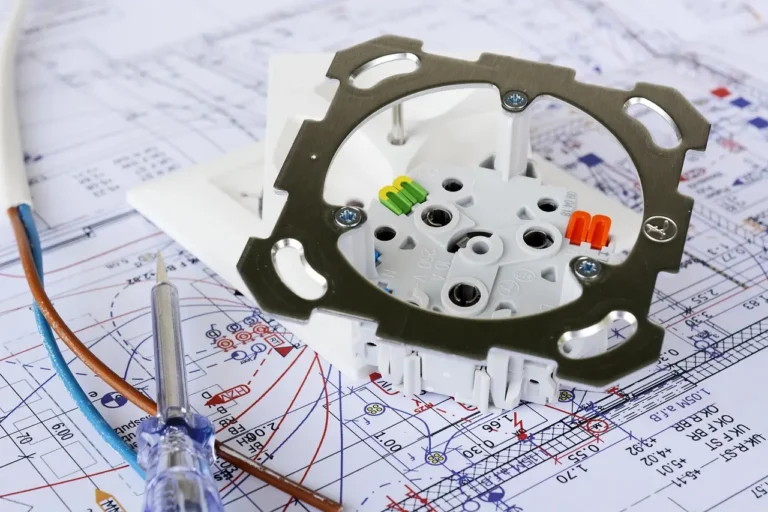
The Canadian Electrical Code and the National Electrical Code are different installation standards, even though they serve the same general safety goal. Canada’s CSA-published code and the U.S. NEC both address grounding, breakers, and outlet placement, but they are not the same rulebook. (Wikipedia)
GFCI and tamper-resistant receptacles
GFCI protection is commonly used in wet or high-risk areas in both countries, and it is intended to reduce shock risk. Tamper-resistant receptacles are also a current residential safety feature in both countries, with spring-loaded shutters that help prevent foreign objects from being inserted.
That matters in real homes because a receptacle can look ordinary while still carrying a protection requirement. A bathroom, kitchen, garage, basement, or outdoor location may need more than a plain working outlet, and the exact requirement can depend on the code edition and location details.
Outlet compatibility checklist
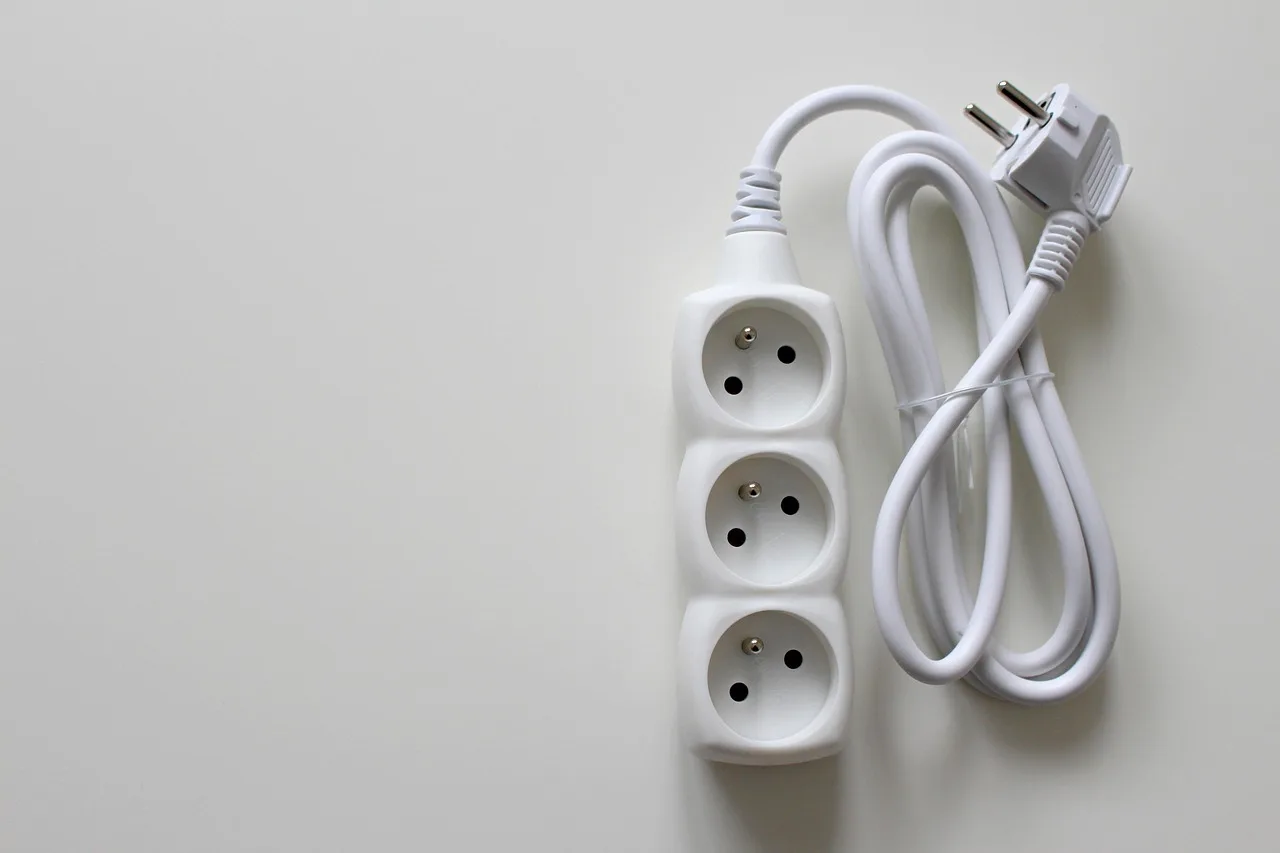
Use this checklist to separate three questions: does the plug fit, does the device match the power supply, and does the installation meet the safety rule for the space? Treat all three as separate checks.
| Device type | Plug fit | Voltage/frequency fit | Code or safety check needed | Decision rule |
|---|---|---|---|---|
| Phone charger | Usually yes, if it has a North American plug. | Usually yes for dual-voltage chargers with a label that accepts North American supply. | Read the input label; use the correct receptacle for the room. | Yes if the label matches; no if the label does not list the local supply. |
| Laptop power adapter | Usually yes, with NEMA 1-15 or NEMA 5-15. | Usually yes for dual-voltage units sold for North America. | Confirm the adapter label and check for any damaged cord, loose blade fit, or heat at the outlet. | Yes if the label and plug both match; no if the adapter is not rated for the supply. |
| Kitchen appliance | Maybe, depending on the plug style. | Maybe, depending on whether the nameplate matches the local supply. | Check for grounding, receptacle condition, and whether the appliance needs a dedicated circuit. | Yes only if the plug, supply, and circuit all match; otherwise no. |
| Grounded tool | Yes on a proper three-slot grounded receptacle. | Usually yes if the tool is rated for the local supply. | Verify that the receptacle is actually grounded, not just shaped like a grounded outlet. | Yes if grounding is present and the label matches; no if the outlet is old or ungrounded. |
| 240V appliance | Sometimes, if the plug and receptacle are the correct matching types. | Only yes when the appliance matches the available 240V supply and circuit. | Read the nameplate, receptacle type, and circuit before use; a converter is not automatic. | Yes only with the correct matching 240V setup; no if you are relying on an adapter alone. |
- Read the device label first.
- Match the plug shape to the receptacle.
- Confirm the voltage and frequency on the nameplate.
- Check whether the device needs grounding.
- Verify that the outlet condition and room location make sense for the device.
- If the device is 240V or the receptacle is older, stop and verify the circuit before plugging in.
Older homes, adapters, and converters
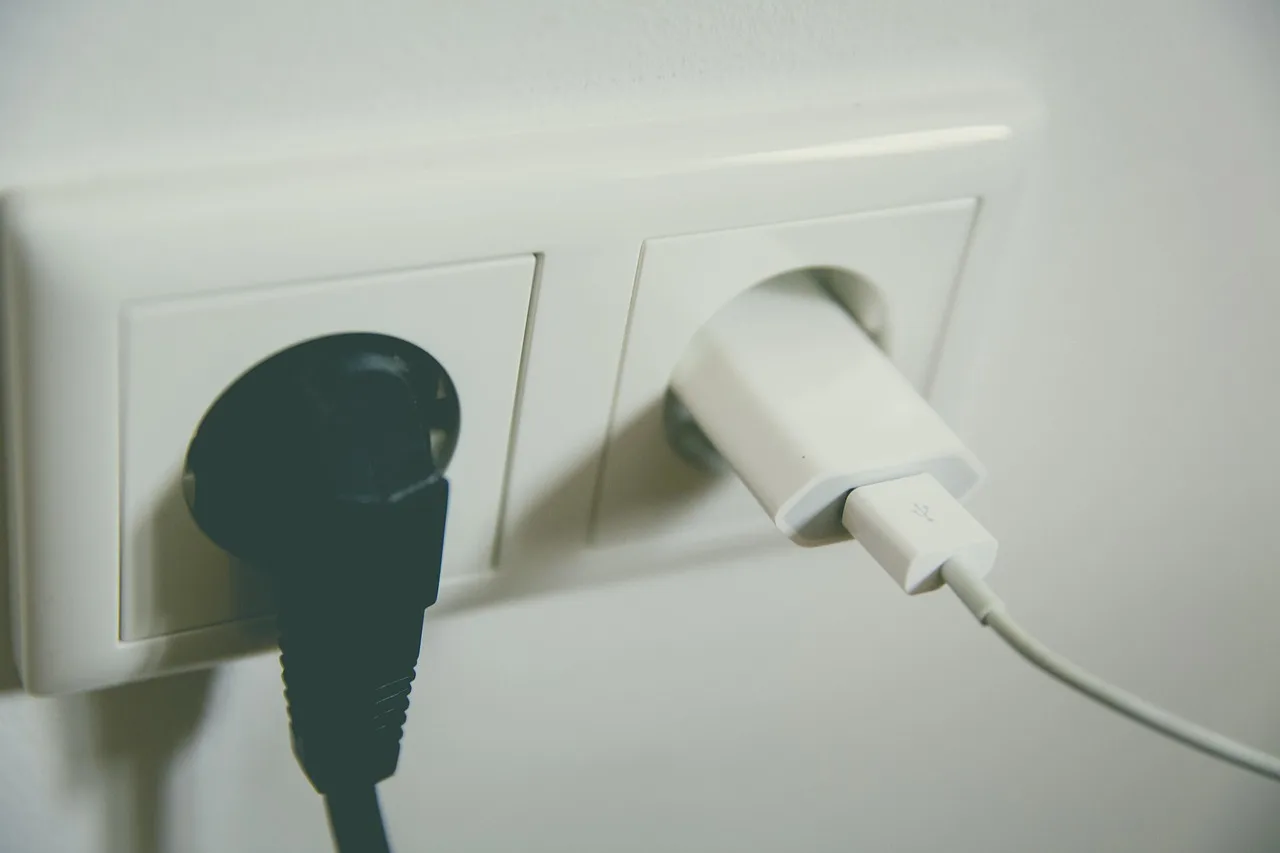
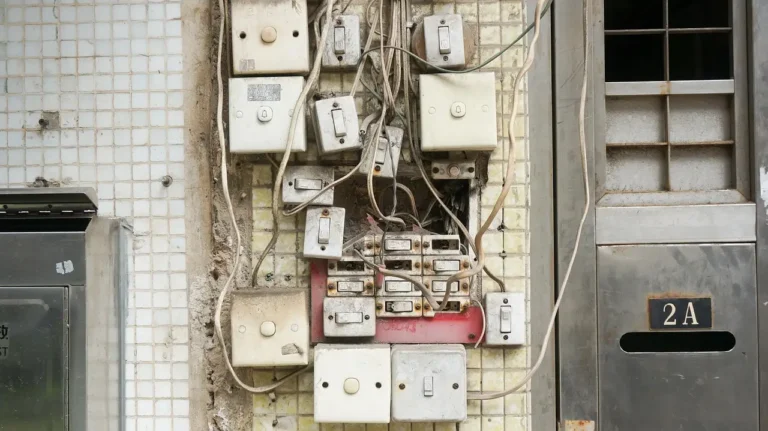
Older homes are where most mistakes happen. An ungrounded receptacle, a worn contact, or a mixed-era wiring setup can make a plug fit look more reliable than it really is. If the outlet feels loose or the faceplate is damaged, treat that as a safety problem first, not a convenience issue.
Adapters do not change voltage, grounding quality, or circuit capacity. They only change the blade shape enough to let a plug enter a receptacle, so they are not a fix for a mismatch.
When an adapter is not enough
An adapter is not enough when the device needs grounding, when the outlet is ungrounded, or when the supply voltage does not match the device. It is also not enough when the receptacle is worn or when the circuit does not support the appliance’s intended use.
Picture a three-prong space heater on an old two-slot outlet with a loose contact. The plug shape can be forced with an adapter, but the safety problem remains, and the outlet condition still needs to be corrected.
When to use a voltage converter and when not
Use a voltage converter only when the device is not dual-voltage and its input does not match the local supply. That is especially important for imported 220-240V appliances that are not meant to run on North American household power without the right setup.
Do not use a converter as a stand-in for a missing grounded receptacle or a broken outlet. And do not assume every 240V device needs one; some devices simply need the correct matching 240V circuit and receptacle.
Choose Electrical outlet standards in Canada if… / Choose the United States if…
Choose Electrical outlet standards in Canada if you need Canadian installation context, Canadian receptacle rules, or a Canadian code check for grounding, outlet placement, or protection features. Choose the United States if you need the same kind of guidance for a U.S. home, inspection, or remodel.
For cross-border travelers, the answer is usually the same on both sides: common North American plugs fit standard outlets, and standard household power is 120 volts at 60 hertz in both countries. For homeowners, the country matters more once you start checking grounding, GFCI placement, tamper-resistant receptacles, and inspection compliance.


Frequently asked questions
Are Canadian electrical outlets the same as US outlets?
For common household use, they are physically compatible in most cases. Both countries commonly use the same NEMA 1-15 and NEMA 5-15 plugs, and standard household power is nominally 120 volts at 60 hertz in both places. The installation rules still differ, so fit does not equal code compliance.
Do Canadian and US outlets use the same voltage?
Yes, for standard residential outlets. Both Canada and the United States operate on a nominal voltage of approximately 120 volts, and both standardize at 60 hertz. That is why many North American chargers and appliances work the same way in either country.
Can I plug a US appliance into a Canadian outlet?
Usually yes, if the appliance uses a standard North American plug and the device label matches the local supply. A plug that fits still needs the right voltage, grounding, and room-specific safety check. If the appliance is imported, read the nameplate before plugging it in.
Do I need an adapter for Canada from the US?
Usually no for standard North American plugs. A common two-prong or three-prong U.S. plug often fits a Canadian receptacle directly. You may still need a converter for a non-dual-voltage device, and an adapter never solves a voltage mismatch.
What safety code differences matter between Canada and the US?
The main difference is the code context, not the everyday plug shape. Canada uses the Canadian Electrical Code, published by CSA, while the United States uses the National Electrical Code. Those standards govern grounding, breakers, outlet placement, and safety details for installation work.
Can 240V appliances from Europe work in Canada or the US?
Sometimes, but not by default. A 240V appliance may need the correct matching 240V supply, receptacle, and circuit, and some imported units need a converter or other power solution if the nameplate does not match local service. Read the label first and do not assume the plug shape tells the full story.
Sponsored / affiliate links. As an Amazon Associate I earn from qualifying purchases. I may earn additional commission from eligible campaigns.