Outlet Wiring in Series vs Parallel: What You Need to Know
Household outlets are wired in parallel, not series. If one receptacle goes dead while others still work, the likely cause is a loose neutral, open hot, or failed feed-through, not true series wiring. Bad wiring can trip breakers, overheat connections, and kill power to downstream outlets. This guide explains normal daisy-chain wiring, the symptoms of a loose neutral or failed feed-through, and when to call an electrician.
| Decision factor | Outlet wiring in series | Parallel | Winner |
|---|---|---|---|
| Voltage at each receptacle | Voltage divides across loads, so one device can starve another. | Each receptacle receives the full source voltage across the same two supply points. | Parallel |
| Failure behavior | One open connection can stop everything downstream. | One bad receptacle can fail without stopping every other outlet on the branch. | Parallel |
| Maintenance | Hard to service because a single break can take out the path. | Pigtails and proper splices keep the circuit intact if a device is removed. | Parallel |
| Safety for receptacles | Critical safety hazard for standard receptacles. | Standard household receptacles are wired this way. | Parallel |
| Best fit for homes | Not suitable for standard branch receptacles. | Typical 15 or 20 amps receptacle circuits on a branch circuit. | Parallel |
Outlet wiring basics
For standard household receptacles, the right answer is parallel wiring. A branch circuit can feed several receptacles, and each one connects across the same hot and neutral supply points. One working outlet tells you little about the next box down the line.
Parallel circuit
In a parallel circuit, every device connects across the same two supply points. Each receptacle receives the full source voltage, and current splits among branches instead of forcing electricity through one device after another. For household outlets, that is the normal arrangement.
Series circuit
A series circuit has one path, and current must pass through every component in turn. If one connection opens, downstream devices lose power. That behavior is why series wiring is a bad match for standard receptacles and a critical safety hazard for them.
Branch circuit
A branch circuit is the usual residential 120V path that starts at a breaker or fuse and feeds multiple outlets. Typical receptacle circuits use 15 or 20 amps. The load sum matters more than any single device, because the circuit must carry everything plugged into that run.
Why outlets are wired in parallel
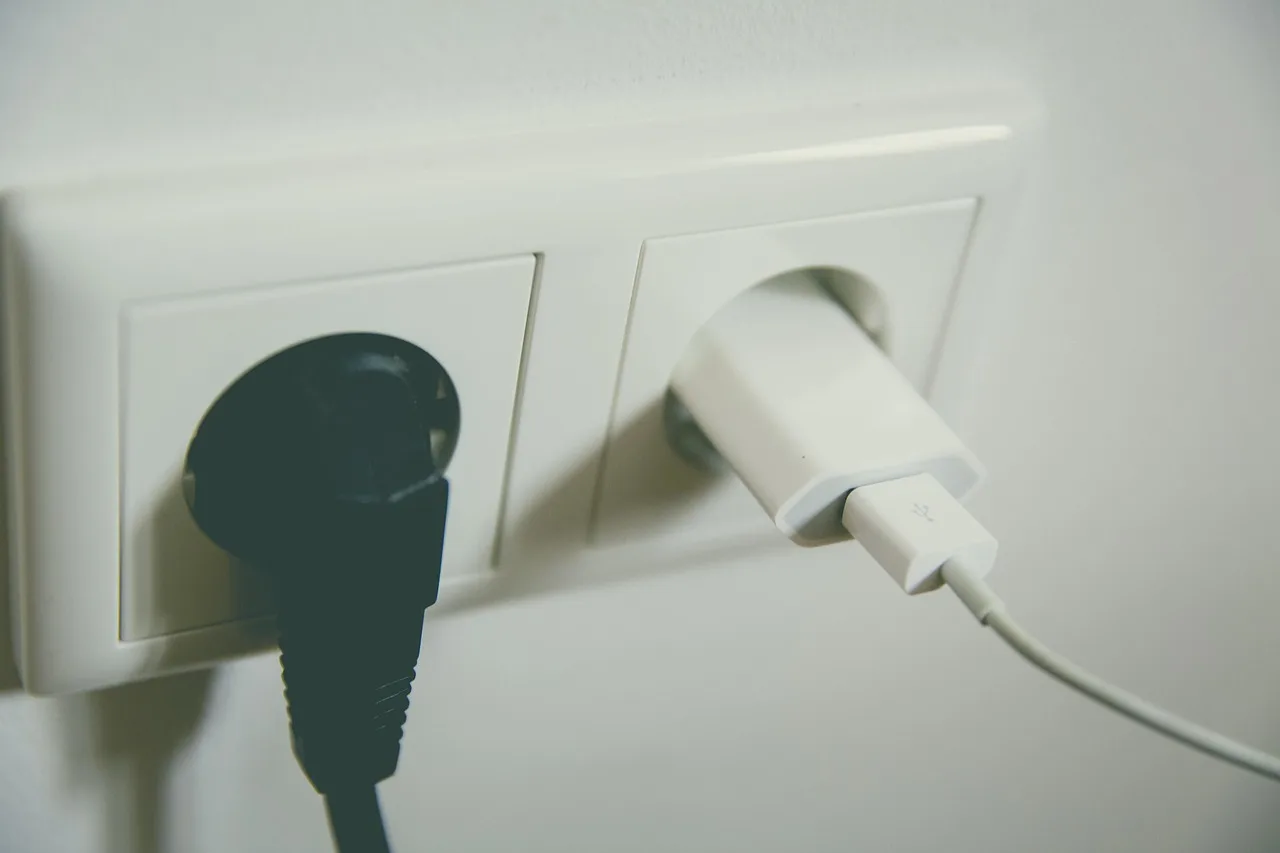
Household receptacles are wired in parallel because each outlet needs full voltage and independent operation. If one receptacle fails, the others should still work unless there is an open splice, a failed feed-through, or a loose neutral in the run. That failure pattern is often mistaken for series wiring.
Say your living room has three receptacles on one wall, and only the middle one goes dead after someone plugs in a space heater. If the upstream splice opened, the two outlets beyond that point can lose power even though the circuit is still parallel. The problem is the connection, not the topology.
Full voltage at each receptacle
Parallel wiring delivers the full source voltage to each outlet. In a simple parallel example, three identical loads each get 120 volts. That is why lamps, chargers, and appliances behave normally from one receptacle to the next when the wiring is sound.
What happens when one device fails
In a proper parallel run, a failed receptacle should not take down the whole branch. The catch is the wiring method inside the box. A loose hot, loose neutral, or failed feed-through device can open the path to everything downstream, which feels like series wiring even though it is not.
Why standard receptacles must not be series wired
Series wiring for standard outlets is a critical safety hazard. It can divide voltage unpredictably, leave downstream outlets weak or dead, and make fault behavior harder to predict. That is why standard receptacles are not wired that way in normal residential work.
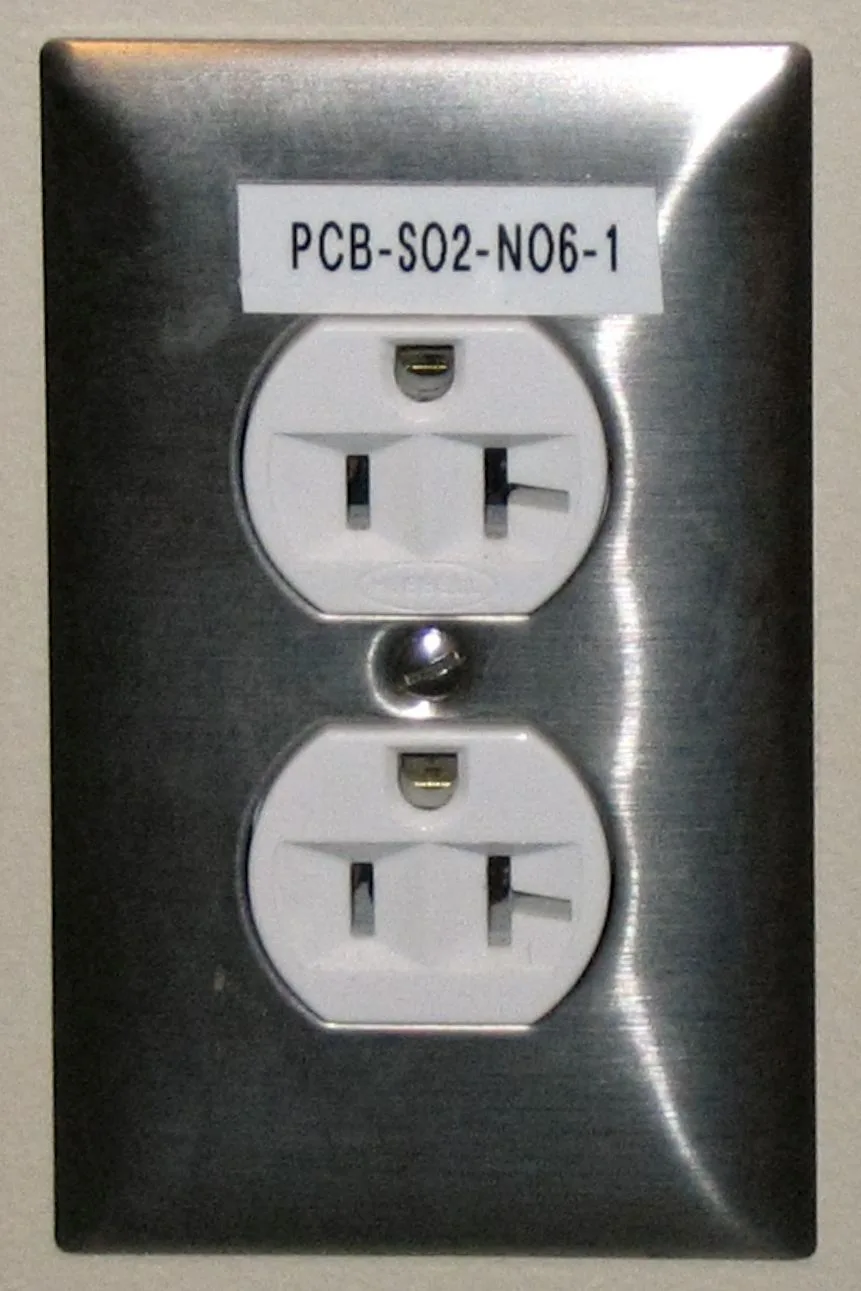
Daisy-chain wiring vs series wiring
Daisy-chained cable runs are not the same thing as series wiring. The cable may pass from box to box, but the receptacles can still be connected in parallel electrically. The distinction matters because homeowners often see one cable entering and one leaving, then assume the outlets are series wired.
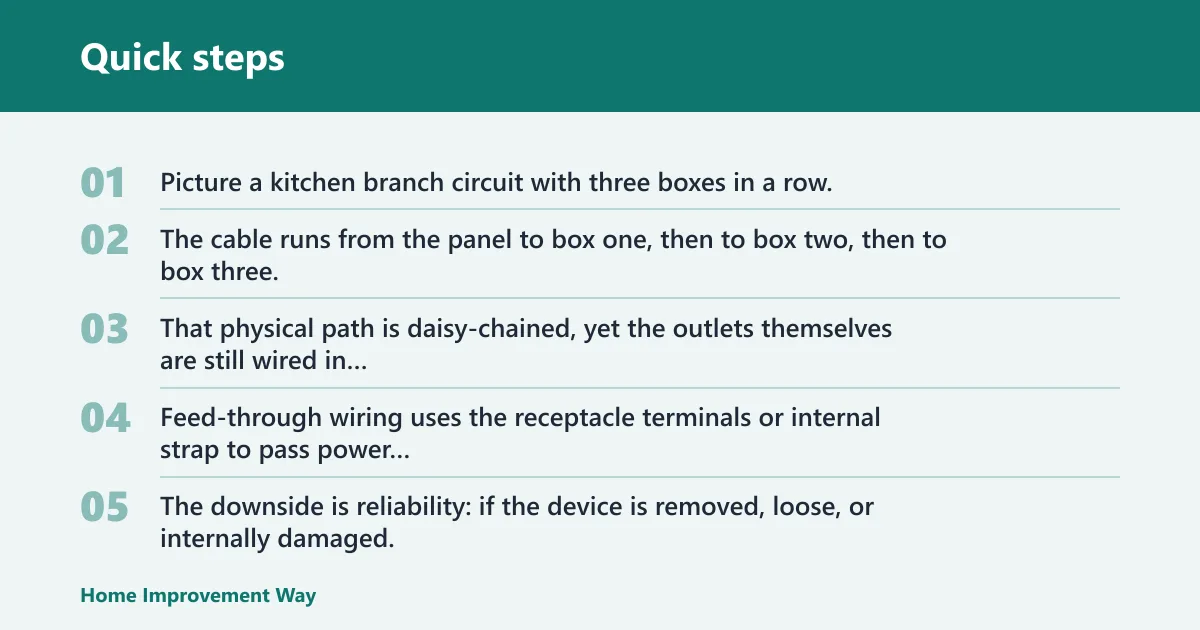
Picture a kitchen branch circuit with three boxes in a row. The cable runs from the panel to box one, then to box two, then to box three. That physical path is daisy-chained, yet the outlets themselves are still wired in parallel if the hot and neutral are tied correctly.
Feed-through wiring and the device terminals
Feed-through wiring uses the receptacle terminals or internal strap to pass power downstream. It is still parallel electrically. The downside is reliability: if the device is removed, loose, or internally damaged, downstream outlets can fail because the path depends on the receptacle itself.
Where pigtails improve reliability
A pigtail connection splices the incoming and outgoing conductors together, then adds a short lead to the receptacle. That keeps the circuit intact for downstream outlets even if one receptacle is removed. It is a common best practice because the wiring no longer depends on the device body alone.
Household receptacles are wired in parallel, not series. Pigtailing keeps that parallel path intact and makes a single bad receptacle less likely to kill the rest of the run. It also gives you a cleaner failure point during troubleshooting.
GFCI and AFCI devices
GFCI and AFCI devices do not turn a receptacle circuit into series wiring. A GFCI uses LINE and LOAD terminals to protect downstream receptacles from ground faults, while AFCI protection is aimed at arc faults on the branch circuit. Both are safety devices, not a change in topology.
GFCI LINE and LOAD terminals
A GFCI receptacle can protect downstream outlets through its LOAD terminals. That means one device can shut off power to several outlets if it trips or is wired incorrectly. The result can look like a series problem, but the upstream GFCI is just interrupting the branch for protection.
What AFCI protection changes and what it does not
AFCI protection matters on outlet circuits because it watches for dangerous arcing conditions. It may trip because of a wiring defect, a damaged cord, or a failing receptacle. It does not change the fact that standard receptacles are still wired in parallel on the branch circuit.
Outlet wiring troubleshooting table
This table maps common symptoms to the most likely cause and the next move. It is meant for homeowner-level sorting, not repair work with power on. Turn the breaker off and verify power is off before touching any wiring or removing devices.
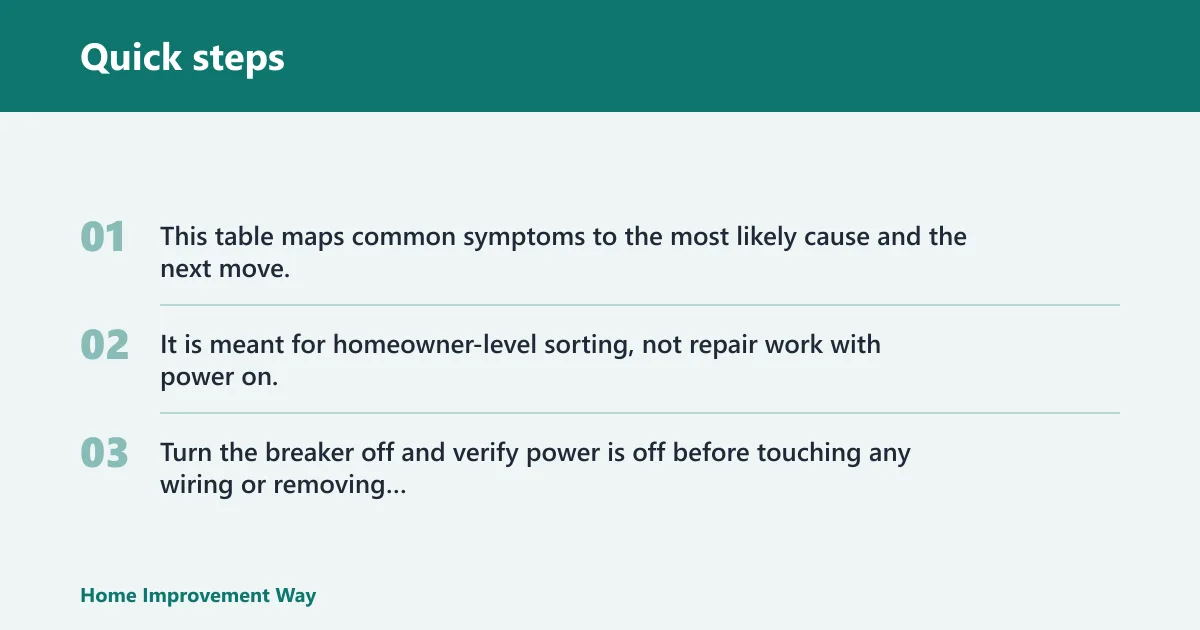
| Symptom | Is this consistent with parallel wiring? | Likely cause | Next step |
|---|---|---|---|
| One dead downstream outlet | Yes | Open hot, open neutral, failed feed-through, or loose splice upstream | Check for a tripped GFCI first; if none, stop and inspect the upstream box only after power is off and verified dead |
| Intermittent power | Yes | Loose neutral, loose hot, backstab connection, or worn device contacts | Stop using the circuit and call an electrician if the outlet flickers, crackles, or changes when you tap the receptacle |
| One outlet warm | Yes | Overloaded device, poor terminal connection, failing receptacle, or damaged conductor | Unplug high-load appliances and stop now if you see discoloration, odor, or softened plastic |
| Breaker trips after plugging in | Yes | Short, ground fault, arc fault, damaged cord, or overloaded branch circuit | Unplug the last device added and reset only once; repeated trips call for professional diagnosis |
| GFCI-protected downstream outlets | Yes | Upstream GFCI tripped, miswired LOAD side, or downstream fault on the protected branch | Reset the GFCI; if it will not hold, the protected circuit needs troubleshooting at the first device |
How to check your outlets safely
Safe checking starts with the breaker. Turn it off, then verify the outlet is dead with a tester before you remove a cover plate or move any conductors. You can often learn a lot from symptoms alone without opening the box.
- Turn off the breaker that feeds the outlet circuit.
- Verify power is off with a tester at the receptacle.
- Check whether any GFCI on the branch has tripped.
- Look for scorch marks, discoloration, buzzing, or a hot faceplate.
- Note whether other outlets on the same run are dead, dim, or intermittent.
- Stop if the symptom changes when you wiggle the device or if the breaker trips again.
A common first-timer mistake is assuming a dead outlet means the receptacle itself failed. Suppose a bathroom outlet dies after the GFCI in the hall trips; resetting the upstream device may restore power to several downstream receptacles without any series wiring being involved. The topology stayed parallel the whole time.
Signs you should stop and call an electrician
Stop now if you see scorch marks, hear arcing, smell burning, or have repeated breaker trips. Intermittent neutral symptoms also deserve immediate attention, especially when lights brighten and dim or several outlets act strangely at once. Those patterns can point to a loose neutral or damaged connection.
When a symptom is not a series issue
Many outlet problems look like a series circuit, but the cause is usually a bad connection somewhere in a parallel branch. A dead downstream receptacle, a warm device, or a breaker trip can all come from a loose neutral, failed feed-through, or device fault. The key is to match the symptom to the failure point.
Loose neutral clues
A loose neutral can create intermittent power, flickering loads, or odd behavior that changes when a plug is moved. It can also make an outlet feel warm because resistance rises at the bad connection. That is a repair issue, not a harmless wiring quirk.
Failed feed-through clues
A failed feed-through usually shows up as one dead outlet and everything beyond it going dark too. The upstream receptacle may still work on its own, which tricks homeowners into thinking the wiring is series. In reality, the downstream path is broken at the device or splice.
Device fault clues
A device fault can include worn receptacle contacts, a loose terminal, or a damaged GFCI or AFCI device. If power returns when the outlet is replaced, that does not mean the old device was wired in series; it means the device itself was the failure point in a parallel branch.
Verdict
Choose parallel for standard household receptacles. Choose series only as a concept to understand why voltage divides and why one break stops a single path; it is not the right wiring method for home outlets. If your problem is one dead downstream outlet, intermittent power, a warm receptacle, or a GFCI-fed branch that lost power, treat it as a wiring fault until proven otherwise.

Frequently asked questions
Are house outlets wired in series or parallel?
House outlets are wired in parallel. That gives each receptacle the full source voltage and lets one outlet fail without automatically killing every other one on the branch. If downstream outlets go dead, the likely issue is an open splice, loose neutral, failed feed-through, or tripped GFCI, not true series wiring.
Why does one dead outlet sometimes kill others?
One dead outlet can kill others when the path feeding the downstream boxes is open. A loose neutral, open hot, failed feed-through, or tripped GFCI can interrupt power after the first bad point. The wiring is still parallel; the branch just has a break in the chain of connections.
Can I wire outlets in series to save wire?
No. Standard receptacles should not be wired in series. It is a critical safety hazard, it can divide voltage unpredictably, and it does not match normal branch-circuit practice for 15 or 20 amps receptacle circuits. If you are trying to reduce cable use, the answer is proper planning, not series wiring.
How do I tell if my outlets are wired correctly?
Start with symptoms, not box opening. If one outlet fails but the others on the branch still work, check for a tripped GFCI, then look for signs of a loose neutral or failed feed-through. The circuit is likely parallel if each receptacle behaves normally and the branch is protected by a breaker or fuse.
What is the difference between daisy-chained outlets and series wiring?
Daisy-chained outlets are connected box to box by cable runs. That describes the physical path, not the electrical topology. Those outlets can still be wired in parallel if the conductors are spliced or pigtail-connected correctly. Series wiring would force current through each receptacle one after another, which is not the normal setup.
Do GFCI outlets change series vs. parallel wiring?
No. A GFCI can protect downstream receptacles through its LOAD terminals, but it does not change the branch into series wiring. If it trips, downstream outlets can go dead together. That is a safety function, not a sign that the receptacles are wired one after another in series.
When should I call an electrician instead of DIYing outlet wiring?
Call an electrician if you see scorch marks, smell burning, hear arcing, or have repeated breaker trips. You should also stop if an outlet is warm, power is intermittent, or a GFCI will not reset. Those are signs of a fault that needs diagnosis, not a simple outlet swap.
Sponsored / affiliate links. As an Amazon Associate I earn from qualifying purchases. I may earn additional commission from eligible campaigns.