Smart outlets vs. smart plugs: which is better to buy?
For most homeowners, a smart plug is the better buy for single lamps, fans, and seasonal devices, while a smart outlet makes more sense for permanent, high-use installs or when you need both receptacles controlled from the wall. Pick the wrong one and you can waste money, lose an outlet, or pay for wiring work you did not need. This guide compares cost, installation, safety, outlet count, and room-by-room use so you can pick the right option.
Smart outlets vs. smart plugs: the core trade-off


The main choice is permanence versus flexibility. A smart plug is a plug-in device that fits into an existing receptacle and adds wireless control such as Wi-Fi or Bluetooth. A smart outlet replaces the wall receptacle, sits flush with the wall, and does not use up outlet space. One moves easily. The other stays put.
| Decision factor | Smart outlets | Smart plugs | Winner |
|---|---|---|---|
| Installation effort | Requires electrical installation; often intermediate DIY or electrician | Plugs into an existing outlet | Smart plugs |
| Upfront ownership cost | Usually higher; most reliable options cost $20 or more | Usually lower; an Emporia smart plug is cited at $12 | Smart plugs |
| Outlet-space loss | No outlet-space loss | Typically uses one outlet position | Smart outlets |
| Portability | Permanent once installed | Portable and removable in seconds | Smart plugs |
| Aesthetics | Sits flush with the wall | Projects from the receptacle | Smart outlets |
| Permanence | Better for permanent installs | Better for temporary or changing setups | Smart outlets |
| Renter suitability | Usually a poor fit | Strong fit for renters | Smart plugs |
| Best room or use case | Child’s bedroom, narrow hallway, short-term rental, fixed fixture zone | Living room lamps, fans, seasonal gear, temporary control | Tie |
Installation effort
Smart plugs win on setup because they are the simpler option and the easiest type of smart home technology to install. You plug one into an existing outlet and pair it through Wi-Fi or Bluetooth. Smart outlets replace the existing wall outlet entirely, which turns the job into electrical work.
Upfront ownership cost
Smart plugs usually cost less at purchase. A cited example puts an Emporia smart plug at $12, while a Kasa smart outlet is cited at $25, and the article notes that most reliable smart outlets cost $20 or more. Once labor enters the picture, the gap can widen fast.
Outlet-space loss
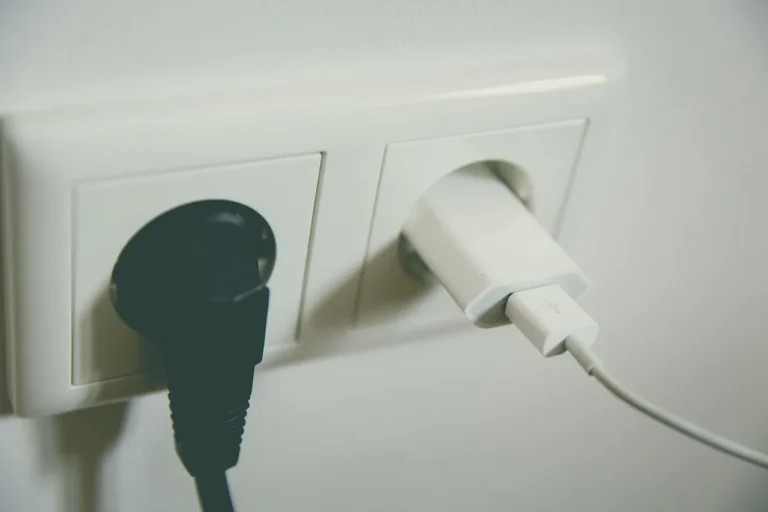
Smart outlets win here because they do not occupy outlet space. A smart plug typically controls one outlet position and can block the second socket on a duplex receptacle, depending on its size and the plug shape. That matters in tight spots where you need both sockets available.
Portability and permanence
Smart plugs are the move-anywhere option. They can be pulled out and reused in seconds, which makes them useful for changing room layouts, seasonal lighting, or devices you may replace later. Smart outlets are the more permanent choice and make more sense when the location is unlikely to change.
Aesthetics
Smart outlets sit flush with the wall, so they look more like a standard receptacle once installed. Smart plugs leave a visible device hanging off the outlet. That difference matters in hallways, bedrooms, and other rooms where a cleaner wall profile is worth the extra work.
📊 Most reliable smart outlets cost $20 or more, according to the article. Source: Smart Plugs vs. Smart Outlets: Which One Belongs in Your Home?.
How installation differs
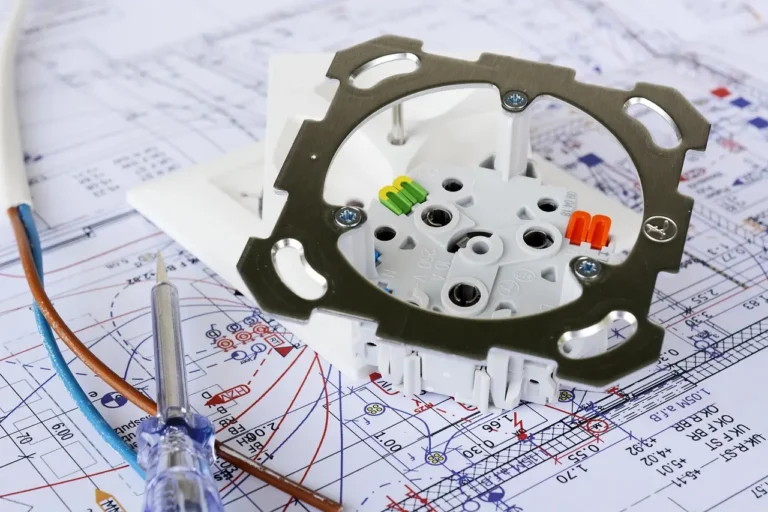
Smart plugs install by insertion. Smart outlets replace the wall receptacle and require wiring work, which is why installation carries more risk and more labor. If you are not comfortable working inside an electrical box, the safer option is to stop at the plug-in device.
Smart plug setup on an existing receptacle
Most smart plugs are straightforward: plug them into the wall, connect them to Wi-Fi or Bluetooth, then add the device in the app or hub. That makes them a lower-risk choice for renters and for homeowners who want control without touching household wiring. They also preserve the original receptacle, which helps if you later move the device elsewhere.
Smart outlet replacement and wall fit
A smart outlet replaces the receptacle itself and sits flush with the wall. That can be a good fit when you want a permanent install that does not eat outlet space. It also means the wall box has to be handled correctly, so the work is less forgiving than a plug-in setup.
When a licensed electrician is the safer choice
Replacing a receptacle should be deferred to a licensed electrician when you are unsure about wiring, the box is crowded, the circuit is old, or local rules require professional work. Hiring an electrician can drastically increase the price of smart outlets, but that cost is part of the job when safety or code compliance is at stake.
- Turn off the breaker and verify the circuit is dead.
- Inspect the box for space, wire condition, and grounding.
- Use a licensed electrician if the box is cramped, damaged, or confusing.
- Choose a smart plug instead if you want control without opening the wall.
Which is cheaper over time?
Smart plugs usually cost less over the full ownership period for a single device, because the hardware is cheaper and there is no wiring labor. Smart outlets only start to make sense when the permanent install replaces repeated plug purchases, solves outlet crowding, or supports a whole-room control plan that justifies the extra cost.
Upfront device cost
The base price favors smart plugs. The cited examples show a $12 smart plug and a $25 smart outlet, and that is before labor. For many rooms, especially bedrooms and living areas, the cheaper device is also the more practical one.
Labor cost for a smart outlet
If you hire an electrician, the total cost of a smart outlet can jump sharply. That does not make smart outlets a bad choice. It means the real comparison is not device price versus device price; it is device price plus labor versus a plug-in device with no wall work.
Ownership cost by number of controllable outlets
Ownership cost changes with count. If one smart outlet replaces a receptacle that would otherwise need two smart plugs, the math can narrow. If you only need to control one lamp, a smart plug is usually cheaper and easier. If you need two controlled sockets in the same box, a smart outlet can be the better long-term value.
How many outlets do I lose with a smart plug?
A smart plug usually costs you one outlet position, and sometimes more if its body blocks the adjacent socket on a duplex receptacle. That is the main hidden trade-off. In a room with limited outlet access, the lost space can matter as much as the automation itself.
One outlet position per plug
Many smart plugs control a single outlet position. In a standard duplex, the device often covers one socket and may crowd the other. If you need both receptacles for other devices, the plug can become a poor fit even before you think about smart-home features.
Why outlet spacing matters for duplex receptacles
Outlet spacing matters most in older homes, behind furniture, and in small rooms where every receptacle is already busy. A bulky smart plug can force you to choose between automation and physical access. That trade-off is easy to miss until you try to connect a second device.
When a flush smart outlet avoids space loss
A smart outlet avoids that problem because it does not occupy outlet space. If a room needs both sockets available, or if the plug body would block access, a flush replacement is often cleaner. That is one reason smart outlets are ideal where a smart plug could be unplugged, such as a child’s bedroom or narrow hallway.
Smart plugs vs. smart outlets for different loads
Load type matters. Lamps, fans, heaters, and always-on appliances do not all deserve the same device. A smart plug is often best for portable or seasonal gear, while a smart outlet is more useful when the load is fixed, high-use, or likely to be unplugged by accident.
Lamps and small lighting loads
Smart plugs are usually the better choice for lamps. They are cheap, easy to move, and simple to swap between rooms. If the lamp sits behind a sofa or is part of seasonal decor, the removable design is a better fit than rewiring the wall.
Fans and portable comfort devices
For box fans, tower fans, and similar portable comfort devices, smart plugs usually make more sense. The device can travel with the fan, and you can move the control point when the room layout changes. A smart outlet only becomes attractive if the fan stays put for long periods and you want a cleaner wall appearance.
Heaters and always-on appliances
Heaters need careful load matching, and always-on appliances need the right kind of control. Do not assume a smart plug or smart outlet is suitable for every high-draw device. Check the device rating and the appliance demand, and use a fixed install only when the circuit and the load make sense together.
Suppose a homeowner wants one bedroom lamp, one office fan, and a hallway light to turn on by schedule. Three smart plugs solve that with no wall work. A full smart outlet swap would add labor and permanence without a clear payoff.
Why local protocols matter for permanent setups
Wi-Fi and Bluetooth are common connectivity options for both device types. The bigger protocol question is whether you want local control that can work without an internet connection. For that, Z-Wave, Zigbee, and Thread often make more sense in a permanent installation.
Wi-Fi and Bluetooth basics
Wi-Fi gives you familiar app control through the home network, and Bluetooth can work for direct or short-range control depending on the product. These are common on both smart plugs and smart outlets. For temporary control, they are often enough.
Z-Wave, Zigbee, and Thread for local control
Z-Wave, Zigbee, and Thread are local smart home protocols that can operate without an internet connection. That can improve reliability for automations that should still run if the internet goes down. Smart outlets can benefit from those protocols because a fixed wall install is usually part of a longer-term system plan.
When a permanent receptacle makes protocol choice more practical
Local protocols often make more sense when the device is not going anywhere. A permanent receptacle can become part of a broader automation setup, while a plug-in device may be moved before the network plan matures. That is why protocol choice and permanence belong in the same decision.
Decision matrix: smart plugs vs. smart outlets
| Criteria | Smart plugs | Smart outlets | Score winner |
|---|---|---|---|
| Installation difficulty | Very low | Moderate to high | Smart plugs |
| Upfront cost | Lower | Higher | Smart plugs |
| Outlet-space loss | Loses one outlet position | No outlet-space loss | Smart outlets |
| Portability | High | Low | Smart plugs |
| Aesthetics | Visible device protrusion | Flush wall fit | Smart outlets |
| Permanence | Temporary or movable | Permanent | Smart outlets |
| Renter suitability | Strong | Weak | Smart plugs |
| Best room or use case | Lamps, fans, seasonal devices | Fixed spots, narrow areas, short-term rentals | Tie |
Picture a narrow hallway with one duplex outlet and a floor lamp in the way. A smart plug can make the lamp controllable, but it may also crowd the second socket and stick out into a tight path. A flush smart outlet avoids that clutter and keeps both receptacle positions clean.
Choose smart plugs if… / Choose smart outlets if…
Smart plugs win when you want low risk, low cost, and easy removal. Smart outlets win when you want a fixed, cleaner-looking, wall-mounted solution that does not take up outlet space. For many homes, the best answer is not one or the other in every room.
Choose smart plugs if…
Choose smart plugs if you rent, expect to move devices often, want to control a lamp or fan, or need a quick setup with no wiring work. They also make sense when you only need one outlet position and you want to avoid electrician cost.
Choose smart outlets if…
Choose smart outlets if the device location is permanent, the wall needs a flush look, both receptacles must stay available, or the room is part of a longer-term smart home plan. They are also a practical fit in a short-term rental where consistent control and a cleaner install matter.
Best hybrid approach by room
Use smart plugs for bedrooms, living rooms, fans, and seasonal lights. Use smart outlets in hallways, fixed fixture zones, and places where a plug could be unplugged or bumped loose. A mixed setup usually gives homeowners the best balance of price, flexibility, and permanence.
Frequently asked questions
Are smart outlets better than smart plugs for homeowners?
Not usually for every room. Smart outlets are better when you want a permanent, flush install that does not consume outlet space. Smart plugs are better for single lamps, fans, and temporary setups, especially when you want lower cost and no wiring work.
Do smart plugs or smart outlets cost less?
Smart plugs usually cost less. A cited example shows a smart plug at $12 and a smart outlet at $25, and smart outlet pricing rises further if you hire an electrician. For a simple one-device setup, the plug is often the cheaper option.
Can I install a smart outlet myself?
Maybe, if you already understand receptacle wiring and local rules allow DIY electrical work. The task is described as an intermediate DIY project, not a plug-in job. If the box is crowded, old, or confusing, a licensed electrician is the safer choice.
When should I use a smart outlet instead of a smart plug?
Use a smart outlet when you need a permanent install, both outlet positions must stay usable, or the room benefits from a flush wall fit. They are also a strong choice for short-term rentals and for places where a plug could be unplugged or knocked loose.
Do smart plugs work for renters and homeowners?
Yes. Smart plugs are often the best fit for renters because they require no electrical work and can move with you. Homeowners also use them heavily for lamps, fans, and seasonal devices where flexibility matters more than a built-in wall solution.
Are smart outlets worth the extra installation cost?
They can be, but only in the right room. Smart outlets are worth the extra cost when permanence, wall appearance, or outlet access matters more than easy removal. If the load is temporary or portable, the added labor usually does not pay off.
Which is better for a permanent smart home setup?
Smart outlets are usually better for a permanent smart home setup because they sit flush, do not use outlet space, and work well with local protocols such as Z-Wave, Zigbee, and Thread. For many homeowners, though, the best permanent setup still includes some smart plugs in movable rooms.
Sponsored / affiliate links. As an Amazon Associate I earn from qualifying purchases. I may earn additional commission from eligible campaigns.