
Best LED Bulb Brands for Homeowners: we compared
Philips Hue, Sylvania, Cree, and Feit are common brands to compare first; choose dimmable bulbs with 90+ CRI, 2700K–3000K for living spaces, and clear flicker specs for bedrooms and baths. Weak choices can leave you with buzzing dimmers, harsh color, and eye strain. This guide compares brand-level differences in flicker, dimming, color quality, and fixture fit for the rooms homeowners use most.
This guide is part of our LED lighting guide for home and garage projects series.
Quick comparison
| Product | Badge | Best for | Price | ||
|---|---|---|---|---|---|
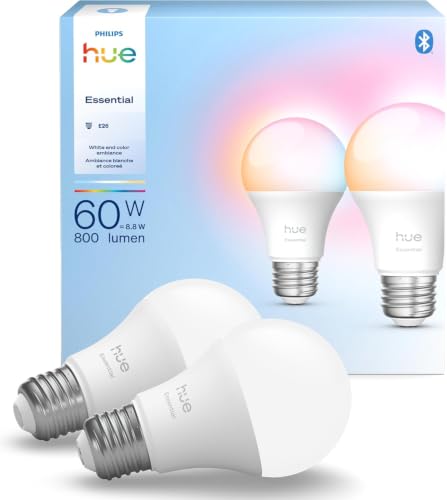 |
Philips Hue Essential Smart LED A19 Bulb, White and ColorPhilips Hue | Upgrade pick | 8.8W · 2200K–6500K · 800 lm · dimmable | $38.49
Price as of 9 Oct 2026
|
View |
 |
Linkind A19 LED Light Bulbs, 75 Watt Equivalent DimmableLinkind | Our pick | 13W · 2700K · 1100 lm · dimmable · 6-pack | $21.99
Price as of 9 Oct 2026
|
View |
 |
Sylvania ECO LED A19 Light Bulb, 60W Equivalent, EfficientLEDVANCE | Budget pick | 9W · 5000K daylight · 750 lm · non-dimmable · 8-pack | $10.99
Price as of 9 Oct 2026
|
View |
 |
Great Eagle A19 Led Bulbs 75 Watt Equivalent – UL Listed –Great Eagle Lighting Corporation | Also great | 12W · 2700K warm white · 75W equiv · non-dimmable · 4-pack | $9.95
Price as of 9 Oct 2026
|
View |
 |
Feit Electric A19 LED Light Bulbs, 60W Equivalent, NonFeit Electric | Pair with it | 10W · 2700K · 80 CRI · 800 lm · non-dimmable · 10-pack | $13.99
Price as of 9 Oct 2026
|
View |
The biggest trade-off is simple: smart control and color flexibility usually cost more, while basic bulbs can give you stronger value if your fixtures do not need dimming or app control. Your room use, dimmer type, and comfort needs should drive the pick.
The table below compares the four brands in this guide on the failure modes homeowners notice first, not on marketing claims. Ratings are relative, based on published specs and the typical behavior of each bulb type.
| Brand | Dimming smoothness | Flicker risk | Color consistency | CRI | Warranty / lifespan signal | Fixture compatibility | Best room fit |
|---|---|---|---|---|---|---|---|
| Philips Hue Essential | High in Hue app; dependent on compatible smart control | Low in app-managed use; dimmer switch use is not the point | High for color and tunable white scenes | Not listed in the provided data | Warranty not listed here; smart ecosystem support is the main value | E26 A19 lamps, standard enclosed-fixture caution applies | Bedrooms, living rooms, color scenes, smart homes |
| Linkind | Good; dimmable to 10% with most LED dimmers | Moderate; depends on dimmer quality and load matching | Good for everyday use | CRI 80+ | Listed as lasting at least 13 years at 3 hrs/day | E26 A19 replacement for common lamps and ceiling fixtures | Bedrooms, living rooms, home offices |
| Sylvania ECO LED | Not dimmable | Low if used only in on/off fixtures | Good, but daylight 5000K changes room feel | Not listed in the provided data | Rated for 7 years of typical use at 3 hrs/day | E26 A19 standard fit | Kitchens, garages, utility areas |
| Great Eagle | Not dimmable | Low in on/off fixtures | Acceptable for general lighting | Not listed in the provided data | Warranty not listed here | A19 with 230° beam angle for lamps and open fixtures | Table lamps, open ceiling fixtures, basic replacement jobs |
| Feit Electric | Not dimmable | Low in on/off fixtures | Good for everyday neutral-warm lighting | 80 CRI | 10-year rated lifespan signal | E26 A19 standard fit | General-purpose rooms, rentals, fast swaps |
How we chose the brands
The brands below were chosen for broad homeowner availability, clear spec sheets, and different use cases. The point is not to crown one “best” bulb for every room; it is to compare bulbs by the problems people actually notice after installation.
Comparison criteria
- Dimming behavior: whether the bulb is dimmable, and how low it can go without stepping, buzzing, or dropping out.
- Color quality: CRI, color consistency, and whether warm whites stay warm instead of turning muddy or green.
- Room fit: brightness, Kelvin range, and whether the bulb suits bedrooms, kitchens, baths, or utility spaces.
- Fixture compatibility: base, shape, and whether the bulb belongs in enclosed fixtures, lamps, or open cans.
- Value signal: warranty or rated life, plus how much control you get for the type of bulb.
One caveat matters more than price: a bulb can look fine on the shelf and still perform badly with the wrong dimmer. Minimum load, dimmer type, and whether the bulb is truly dimmable matter more than many shoppers expect.
Philips Hue Essential Smart LED A19 Bulb: best for smart rooms
Philips Hue Essential is best for homeowners who want app control, voice control, and tunable white or color scenes in the same bulb. It fits bedrooms, family rooms, and multipurpose spaces where the light changes through the day.
What stands out is the flexibility: 2200K–6500K color tuning, 800 lumens, and dimming down to 2% through the Hue app. That matters when you want a late-night warm scene and a bright task setting from the same fixture.
The drawback is cost and ecosystem dependence. This is not the cheapest way to light a room, and smart bulbs are usually a poor choice for a simple wall dimmer unless the setup is designed around smart control instead of a standard switch.
What to know before buying
Use this bulb when the room benefits from scenes, schedules, or voice control. Skip it for closets, short-use hallways, or plain fixtures where an ordinary dimmable LED does the job at much lower cost.
Linkind A19 LED Light Bulbs: best for dimmable value
Linkind is the best value pick here for homeowners who want a dimmable A19 bulb with decent color quality at a lower entry cost. It fits living rooms, bedrooms, and home offices where you want softer light than a daylight bulb and more control than a basic on/off lamp.
The spec sheet gives it useful practical clues: 1100 lumens, 2700K soft white, CRI 80+, and dimming to 10% with most LED dimmers. That is a workable package for many rooms that need full brightness first and lower light later.
The honest drawback is that 80+ CRI is fine, not premium. If you care about skin tone, wood finish, or art color under light, a higher-CRI bulb usually looks better.
What to know before buying
Check the dimmer type before you buy. A lot of “bad bulb” complaints are really mismatched dimmers, especially older controls with a low minimum load or incompatible trim.
Sylvania ECO LED A19 Light Bulb: best for simple replacements
Sylvania ECO LED is a good choice when you want a no-fuss 60W-equivalent replacement for on/off fixtures. It is practical for kitchens, basements, storage areas, and other places where dimming is not part of the job.
Its strengths are straightforward: 9W power draw, 750 lumens, and a 5000K daylight appearance that helps visual tasks. The low purchase price also makes it easy to replace several bulbs at once.
The drawback is equally straightforward. It is non-dimmable, so it should not go onto a dimmer switch. The 5000K light can also feel too cool for bedrooms or relaxation spaces.
What to know before buying
Use it where you want bright, clean light and an easy swap. Avoid it in rooms where warm evening lighting matters, because 5000K can feel harsh after sunset.
Great Eagle A19 Led Bulbs: best for basic warm light
Great Eagle is best for homeowners who want a low-cost, warm-white A19 bulb for lamps and open fixtures. The 2700K color temperature and 230° beam angle make it a sensible pick for general ambient lighting.
It is a plain replacement bulb, which is exactly the point. Instant-on behavior and UL listing are useful for quick swaps in rooms that do not need dimming, color tuning, or app features.
The drawback is again the feature set: it is non-dimmable. If your fixture is on a dimmer, this is the wrong bulb.
What to know before buying
This is a better match for bedrooms or living areas when you want a warm bulb and a very simple install. It is less appealing if you need higher color accuracy or any kind of lighting control.
Feit Electric A19 LED Light Bulbs: best for long-life value
Feit Electric is a strong buy for homeowners who want a simple A19 bulb with a long rated life signal and a familiar soft-white look. It fits rental units, guest rooms, and common areas where you want a set-it-and-forget-it replacement.
The useful details are 800 lumens, 2700K soft white, 80 CRI, and a 10-year rated lifespan. That combination is enough for general home use if you are not chasing premium dimming or smart controls.
The drawback is that it is non-dimmable. It is also an 80 CRI bulb, so it will not be the first pick for homeowners who care a lot about color accuracy.
What to know before buying
Feit makes sense when the main need is dependable everyday light, not room tuning. That makes it a stronger fit for halls, spare rooms, and fixtures that are switched on and off rather than adjusted.
What should I compare before buying LED bulbs?
Compare dimming support, CRI, Kelvin rating, lumens, base type, shape, and whether the bulb is built for your fixture. For most homeowners, the right bulb fits the fixture, matches the room, and behaves well on the actual switch or dimmer already in the wall.
The buying checklist that matters
- Check the fixture: match the base, usually E26 for many home fixtures, and the shape, such as A19, BR30, or PAR.
- Check brightness: compare lumens, not watts, and match the room’s job.
- Check color: choose Kelvin for mood and CRI for color quality.
- Check controls: confirm dimmable vs non-dimmable, then match the bulb to the dimmer type.
- Check room fit: use warm white for relaxing spaces and cooler light for task-heavy rooms.
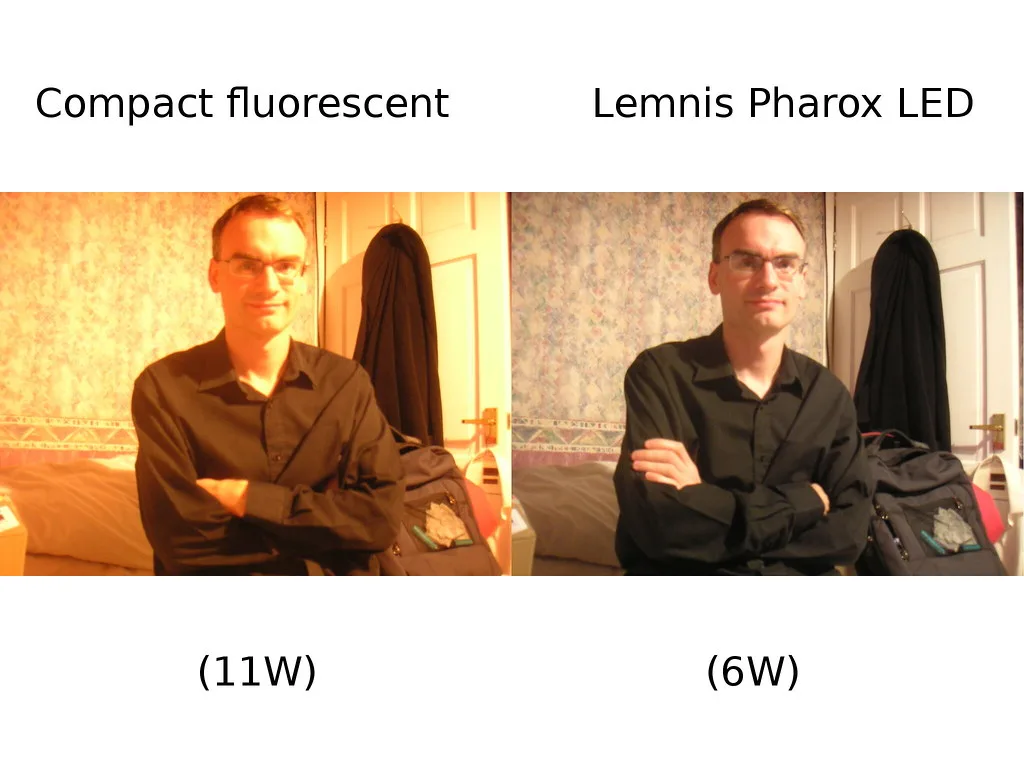
A common first-timer mistake is buying a bright bulb that looks wrong in the room. A 5000K bulb can be fine over a kitchen counter, then feel out of place in a bedroom that needs a softer 2700K or 3000K tone.
How many lumens do I need in a bedroom or kitchen?
Bedrooms usually do well with roughly 400 to 800 lumens per bulb for general light, while kitchens often need about 700 to 1,600 lumens per bulb depending on fixture height and task use. The right target depends on room size, surface color, and whether you also use task lighting.
Room-by-room brightness targets
- Bedroom: 400–800 lumens for soft general light; use lower output if you also have lamps.
- Living room: 800–1,600 lumens for brighter overhead fixtures, often split across multiple bulbs.
- Kitchen: 700–1,600 lumens per fixture zone, especially above counters and islands.
- Bathroom: 800–1,500 lumens, with good color quality for mirrors and grooming.
- Hallway or closet: 400–800 lumens is often enough.
Watts matter only as energy use, not as a brightness target. A 9W or 10W LED can equal an old 60W incandescent, but the lumen number is what tells you how bright the room will feel.
What color temperature is best for LED bulbs at home?
For most homes, 2700K to 3000K works best in living rooms, bedrooms, and dining areas because it looks warm and comfortable. Kitchens, baths, and laundry spaces often do better around 3500K to 4000K, while 5000K fits utility spaces and task-heavy areas.
How Kelvin changes the room
- 2700K: warm and relaxed; good for bedrooms and living rooms.
- 3000K: warm-neutral; a safe choice for mixed-use spaces.
- 3500K–4000K: clearer and more task-oriented; good for kitchens and baths.
- 5000K: daylight appearance; useful for garages, basements, and utility rooms.
Color temperature is separate from CRI. A bulb can be warm but still make colors look flat if the CRI is poor, which is why both numbers belong on your checklist.
Which LED bulbs work best with dimmer switches?
Dimmable LEDs with good low-end performance work best, but only when they match the dimmer type and load requirements. Look for a bulb that says dimmable, then verify compatibility with your dimmer brand, especially if you see buzzing, flicker, or a limited dimming range.
What to check on the dimmer
- Minimum load: some dimmers need a certain wattage before they behave correctly.
- LED compatibility: older incandescent dimmers can cause flicker or a narrow dimming range.
- Buzzing: both the bulb and the dimmer can buzz if they are a poor match.
- Low-end cutoff: a bulb may shut off or stutter before it reaches a true low level.
If a room uses a standard wall dimmer, dimmable A19 bulbs are usually the safest place to start. Smart bulbs are different; they often want constant power and should be controlled through the app or voice system instead of a traditional dimmer.
Do smart LED bulbs and standard LED bulbs compare the same way?
No. Smart bulbs should be compared by control features, scene options, and ecosystem compatibility, while standard bulbs should be judged mainly by dimming, color quality, brightness, and fit. A smart bulb may be a poor value for a closet but the best option for a bedroom or family room.
When smart features matter
- Useful: scenes, schedules, color changes, wake-up lighting, and voice control.
- Less useful: short-use spaces where a wall switch does the job.
- Common trade-off: higher cost and more setup than a plain LED.
Smart bulbs and standard bulbs are not direct substitutes in every room. If you just need light in a pantry, a standard bulb is simpler and usually better value. If you want tunable white in a bedroom, smart control starts to make sense.
How do I know if an LED bulb will fit my fixture?
Check three things: base, shape, and space around the bulb. Most home fixtures use an E26 base, but the bulb shape still needs to suit the housing, whether that is an A19 lamp, a BR30 recessed can bulb, or a PAR-style spotlight.
Common fit types
- A19: the common household bulb shape for table lamps and many ceiling fixtures.
- BR30: often used in recessed cans and downlights.
- PAR: a more focused shape for task or accent lighting.
- E26 base: the standard screw base in many U.S. fixtures.
If the fixture is enclosed, confirm that the bulb is approved for enclosed use. Heat can shorten life or cause premature failure, and that issue often shows up long before the rated lifespan matters.
Which one should you buy
If you want the safest all-around buy for living spaces, start with Philips Hue Essential for smart rooms or Linkind for standard dimmable rooms. If your fixture does not need dimming, Sylvania ECO and Feit are the cleaner value picks, while Great Eagle is fine for simple warm replacement jobs.
Buy this if you need a specific result
- Choose Philips Hue Essential if you want scenes, schedules, voice control, or tunable white in a bedroom, den, or multipurpose room.
- Choose Linkind if you want the best balance of dimming, soft white color, and price for everyday rooms.
- Choose Sylvania ECO if you need a basic non-dimmable daylight bulb for kitchens, basements, or utility spaces.
- Choose Great Eagle if you want a cheap warm-white bulb for lamps and other non-dimmable fixtures.
- Choose Feit Electric if you want a long-life general-purpose bulb with soft white light and no smart features.
A practical rule: spend more where you notice the light every night. Bedrooms, living rooms, and dining rooms benefit from better dimming and color quality. Storage areas and utility rooms usually do not.
Say your bedroom has a 3-bulb ceiling fixture on a dimmer and the current bulbs buzz at low settings. The best move is a true dimmable LED with a compatible dimmer, not a brighter bulb or a higher wattage number.
Suppose your kitchen has a mix of recessed cans and undercabinet task light. Use 3000K to 4000K bulbs for the overheads, then make sure the bulb shape fits the can depth and trim opening before you buy.
Frequently asked questions
What are the best LED bulb brands for home use?
For most homeowners, Philips, Cree, GE, Sylvania, Feit, and Linkind are the first brands to compare. The best choice depends less on the logo and more on dimming behavior, CRI, color temperature, and whether the bulb fits the fixture and control you already have.
Which LED bulb brand lasts the longest?
Rated life is only one piece of the picture, but Feit’s listed 10-year lifetime signal and Linkind’s claim of at least 13 years at 3 hours per day stand out in this set. Use that as a starting point, then still check dimmer compatibility and fixture heat conditions.
Are Philips, GE, and Cree LED bulbs worth it?
Yes, if you are buying for room comfort rather than the lowest sticker price. Those brands are often worth paying for when you want better dimming behavior, steadier color, or fewer surprises with compatibility. The value depends on the specific line, not the brand name alone.
Which LED bulbs work best with dimmer switches?
True dimmable LED bulbs with strong compatibility data work best, especially when paired with an LED-rated dimmer. Look for smooth low-end control, no buzzing, and no flicker at common living-room settings. If the dimmer is older, bulb choice matters less than matching the control.
How many lumens do I need in a bedroom or kitchen?
Bedrooms usually need about 400 to 800 lumens per bulb for general light, while kitchens often need 700 to 1,600 lumens per bulb depending on ceiling height and task use. Use multiple bulbs or separate task lighting when one source cannot cover the whole room well.
What color temperature is best for LED bulbs at home?
Use 2700K to 3000K for bedrooms, living rooms, and dining areas because it feels warm and calm. Move toward 3500K to 4000K in kitchens and baths where clearer light helps. Reserve 5000K for garages, basements, and other utility-heavy spaces.
Do smart LED bulbs and standard LED bulbs compare the same way?
No. Smart bulbs are judged by app control, scheduling, voice support, and scene flexibility, while standard bulbs are judged mostly by brightness, color, dimming, and fit. Smart bulbs only make sense when the room benefits from those extra controls enough to justify the extra cost.
How do I know if an LED bulb will fit my fixture?
Check the base size, bulb shape, and available clearance. E26 is common in home fixtures, but the shape matters just as much: A19 for many lamps, BR30 for recessed cans, and PAR for more directional light. Enclosed fixtures also need bulbs rated for that use.
Sponsored / affiliate links. As an Amazon Associate I earn from qualifying purchases. I may earn additional commission from eligible campaigns.