
Best LED Ceiling Lights for Low Ceilings (2026): We Compared
For low ceilings, choose a flush-mount or slim LED fixture with about 3 to 8 inches of projection, and match the room first: task lighting for kitchens, even ambient light for bedrooms, and damp-rated models for baths. Choosing a fixture by brightness alone can cause glare, head bumps, weak coverage, or a cramped-looking room. This guide breaks down the best LED ceiling light type by ceiling height, room use, and fixture profile so you can pick the right one.
Quick comparison
| Product | Badge | Best for | Price | ||
|---|---|---|---|---|---|
 |
TOPELER 6in Dimmable Flush Mount Ceiling Recessed Light,TOPELER | Our pick | 6in · 4000K · 6 Pack | $35.99
Price as of 18 Oct 2026
|
View |
 |
HALO HLB Canless LED Recessed Lighting 6 inch 5CCT LumenHALO | Upgrade pick | 6in · 5CCT · Canless Recessed | $24.99
Price as of 18 Oct 2026
|
View |
 |
Progress Lighting Dome Glass 3-Light Flush Mount Light,Progress Lighting | Also great | 15-1/4in · 3-Light · Brushed Nickel | $43.08
Price as of 18 Oct 2026
|
View |
 |
hykolity 18 Inch LED Round Flat Panel Light,32W,3200LM,3CCThykolity | Budget pick | 18in · 32W · 3CCT Flat Panel | $62.69
Price as of 18 Oct 2026
|
View |
 |
Lumary 13W Smart Led Disk Light 5/6 Inch, WiFi Flush MountLumary | Pair with it | 6in · WiFi · Color Changing Smart | $33.99
Price as of 18 Oct 2026
|
View |
Use ceiling height first, then room use. In tight rooms, a flush mount is the safer default because it sits close to the ceiling and protects headroom. Semi-flush styles only make sense when you have extra clearance and want more visual presence.
Ceiling light decision table
| Ceiling height | Room type | Recommended fixture style | Target thickness | Target lumen range | Preferred CCT | Common mistake to avoid |
|---|---|---|---|---|---|---|
| Under 8 ft | Hallway, closet, small bedroom | Flush mount or ultra-thin surface mount | About 0.7 to 1.0 in, or as slim as possible | 1600 to 2400 lm | 3000K to 4000K | Picking a wide fixture that looks heavy and hangs too far down |
| 8 ft to 9 ft | Bedroom, bathroom, kitchen, stair landing | Flush mount; semi-flush only if clearance allows | About 1 to 3 in for flush, more only if the room is open | 2400 to 3200 lm | 3000K for living areas, 4000K to 5000K for task spaces | Assuming more lumens always mean better light |
| 9 ft or more | Large bedroom, kitchen, basement, utility room | Flush mount, larger flat panel, or semi-flush if the room is spacious | Under 4 in is still safer in low-traffic zones | 2400 to 3200 lm, sometimes more in large rooms | 4000K to 5000K for work areas; warmer for resting spaces | Using a small fixture that leaves the room underlit |
| Stair landing or narrow corridor | Transition spaces | Flush mount with frosted diffuser | Closest practical profile | 1600 to 2400 lm | 3000K to 4000K | Choosing a clear lens that throws glare at eye level |
Low rooms react to visual bulk, not only height. Diameter, glare control, and the way the light spreads across the ceiling matter as much as lumen output.
If a fixture is too large for the room, it can feel lower than it is. A smaller, well-diffused light usually looks cleaner and works better in tight spaces.

How we chose
This guide weights four things first: profile depth, room fit, dimming and diffuser quality, and installation compatibility. Those are the details that matter most when the ceiling is close to your head.
Profile depth matters because low ceilings expose every inch of the fixture. Competitor examples include ultra-thin bodies around 0.7 to 0.94 inches thick, which keep the light from feeling bulky.
Room fit matters because diameter and lumen output should move together. A 7.5-inch light with 1600 lumens suits small areas better than a bigger, brighter unit that overwhelms a closet or narrow hall.
Dimming and diffusion matter because a ceiling light sits close to eye level. A frosted diffuser or polycarbonate lens softens harsh points of light, and a dimmable model only helps if the switch is compatible.
Safety and mounting details matter too. Check junction box compatibility, stable mounting hardware, and any fire-resistant or CE-listed housing claims the manufacturer provides.
TOPELER 6-inch flush mount: best for tight low ceilings

This is the safest default for hallways, bedrooms, basements, and closets where headroom is limited. Based on the manufacturer’s specs and published details, it combines an ultra-thin metal shell, dimming from 10% to 100%, and ETL-listed installation support for a J-box or recessed fit.
The draw is simple: it keeps visual bulk down while still offering 2400 lumens and a 4000K cool white output. That makes it a practical middle ground for spaces that need steady ambient light without a hanging fixture.
The drawback is the fixed 4000K tone. If you want warmer light for a bedroom or more flexible color control for mixed-use rooms, this model is less adaptable than a selectable-CCT fixture.
HALO HLB canless recessed light: best for wet-rated recessed-like installs
This fits best when you want a recessed-like look in a canless setup and need wet-rated coverage for a soffit or shower area. The listed features include IC-rated, airtight construction, selectable 2700K to 5000K color temperatures, and output options of about 800, 1000, or 1200 lumens.
It is the strongest choice here for code-sensitive spaces where insulation contact and moisture exposure matter. That makes it useful for bathrooms and exterior-adjacent areas more than for a basic low-ceiling bedroom.
The main drawback is that it is not a true flush mount surface light. It also tops out at lower lumen levels than some flat panel ceiling fixtures, so it may feel underpowered in larger rooms.
Progress Lighting dome glass flush mount: best for decorative rooms
This is a good fit for entryways, dining rooms, kitchens, and bathrooms where you want a more traditional flush mount with a glass shade. The alabaster glass diffuses light evenly, and the included mounting hardware makes installation simpler.
Its strength is soft visual output. A glass dome can look less stark than a bare LED panel, which helps in rooms where the fixture is visible from multiple angles.
The drawback is size. At 15-1/4 inches, it is far larger than the compact low-profile options, so it can feel heavy in a very low ceiling room.
Hykolity 18-inch flat panel: best for brighter multi-room coverage
This is the pick for larger low-ceiling rooms that need broad, even light and selectable tones. The manufacturer lists a slim body, 32W, 3200 lumens, and 3CCT selection at 3000K, 4000K, or 5000K, with dimmable edge-lit output.
The panel format spreads light across a wide area, which helps basements, kitchens, and utility rooms feel less patchy. If you need one light to cover a larger footprint, this is the most powerful option in the group.
The drawback is visual size. An 18-inch panel can overpower a small bedroom or narrow hallway, even if the profile stays thin.
Lumary 6-inch smart disk light: best for app and voice control
This is the right choice for renters or homeowners who want smart control in a low-profile ceiling light. Based on the product details, it works with Alexa, Google, and Siri, offers 2700K to 6500K plus RGB colors, and includes scheduling and memory functions.
It suits bedrooms, small living areas, and flexible spaces where you want to shift from warm evening light to brighter task light. The 6-inch disk format keeps the footprint modest.
The drawback is complexity. Smart features add setup steps, and the light is only as useful as the app, voice assistant, or compatible switch you pair with it.
What kind of LED ceiling light is best for a low ceiling?
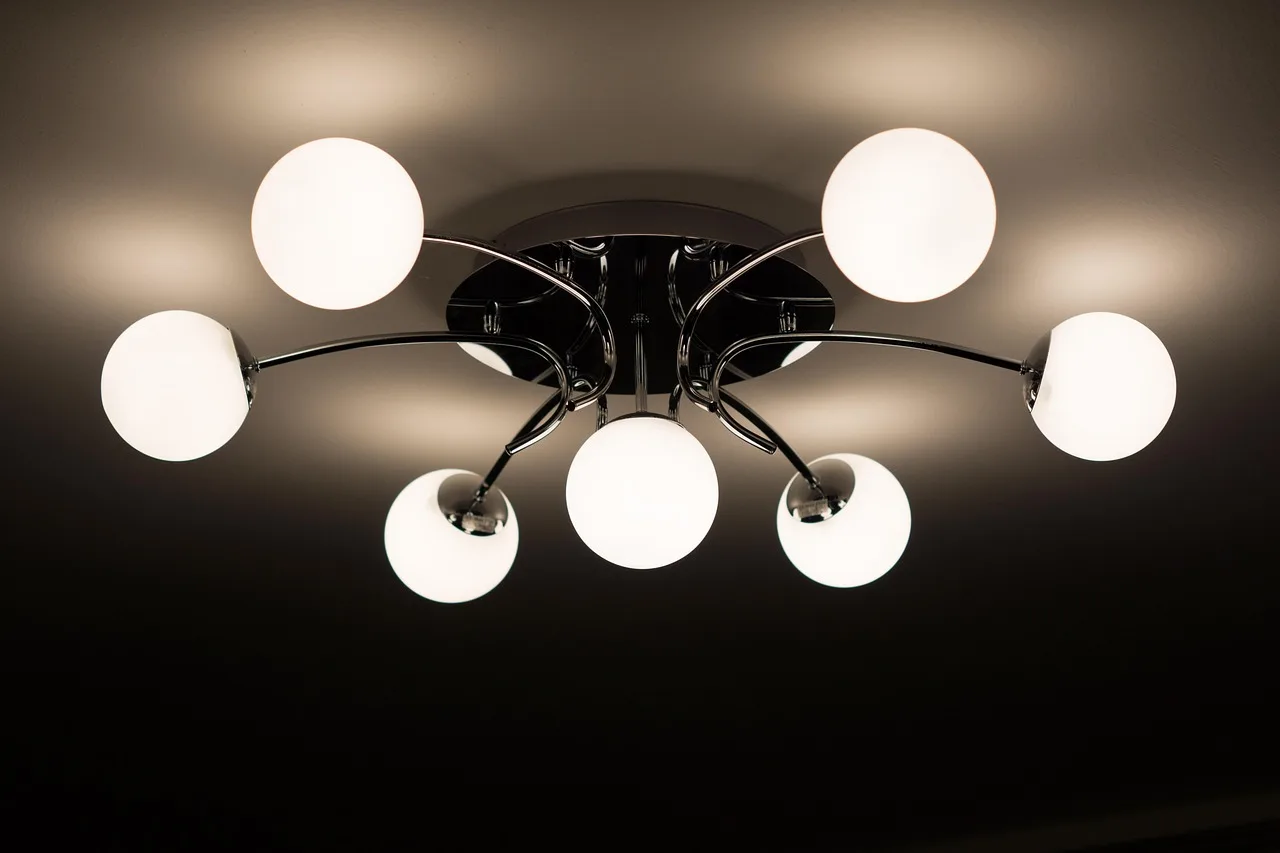
A flush mount is the safest default for low ceilings because it sits directly against the ceiling and leaves the most headroom. A semi-flush mount only makes sense when the room has extra clearance and you want a slightly more decorative drop. Ultra-thin surface mounts and recessed-like LED panels are the next best choices when depth is the real limit.
Flush mount vs semi-flush mount
Flush mount ceiling lights work best in hallways, bedrooms, basements, and closets because they reduce the chance of head bumps and keep the ceiling line clean. Semi-flush fixtures need more clearance, so they belong in rooms that can spare a little vertical space without feeling cramped.
A common mistake is choosing a semi-flush fixture because it looks nicer in the box. In a low room, the extra drop can make the ceiling feel lower than it is.
When ultra-thin surface mounts make sense
Ultra-thin surface mounts are the best fit when you want the slimmest possible profile. Competitor examples sit around 0.7 to 0.94 inches thick, and that small depth matters more than raw brightness when the room has very tight headroom.
Say your hallway has a door swing and a low ceiling. A thin round flush mount with a frosted lens will usually feel safer and look less bulky than a deeper decorative fixture.
Where recessed-like LED panels fit best
Recessed-like LED panels are useful when you want a flatter visual field and broad spread, especially in basements, utility rooms, and kitchens. They are not the same as a true flush mount, but they often solve the same problem: reducing how much the fixture sticks down into the room.
Picture a basement with low ducting and a long ceiling run. A flat panel can give more even light across the space without the visual weight of a larger dome fixture.
How low should a ceiling fixture hang in a room with limited headroom?
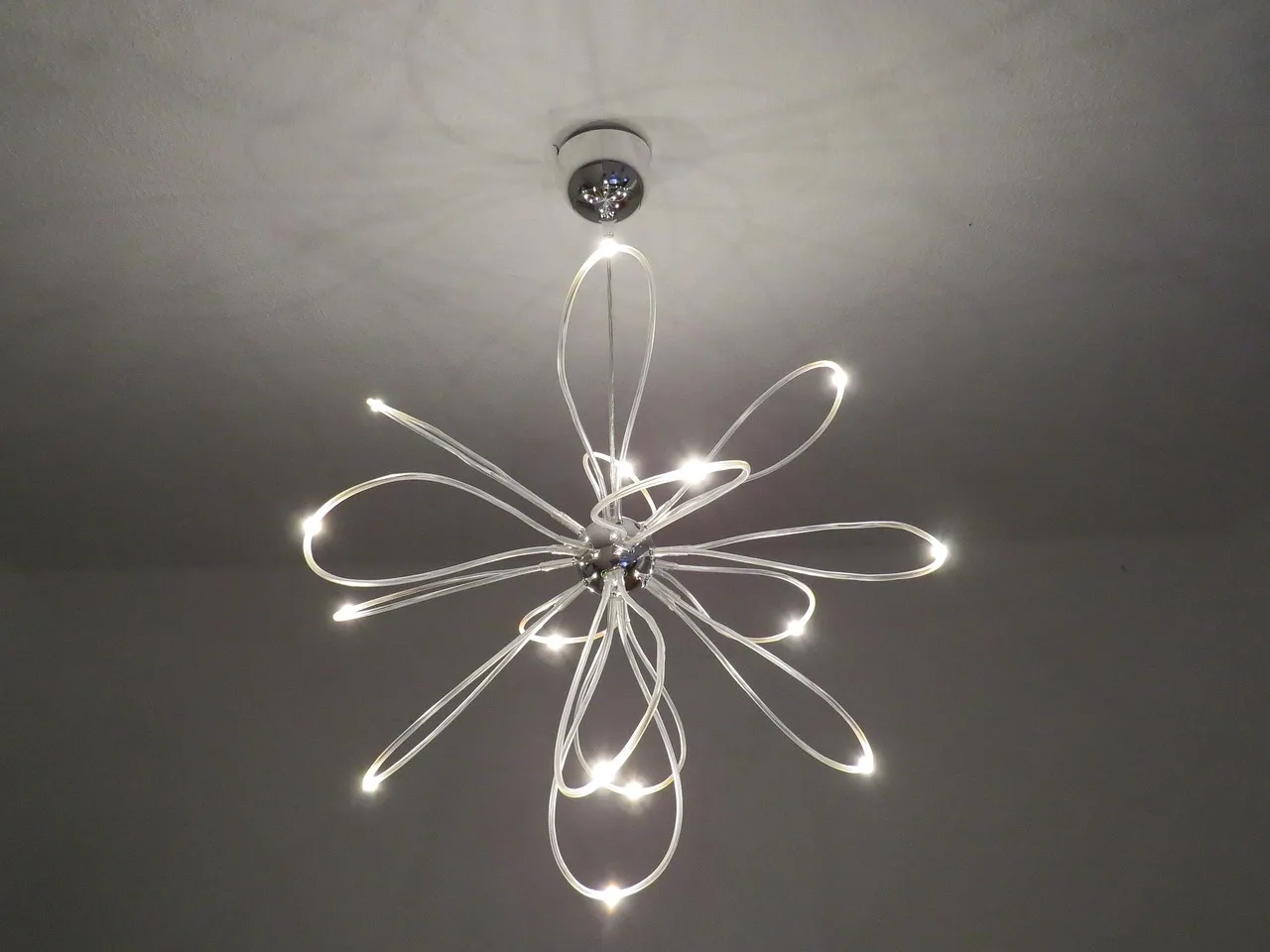
Keep the fixture as close to the ceiling as possible in hallways, door swings, closets, and stair landings. If you need a hanging style, use it only where people will not pass directly under it, and make sure the room has enough vertical clearance to avoid a cramped feel.
Headroom rules for hallways and door swings
Hallways and swing paths are the toughest places for hanging fixtures because people pass close to the light and doors can clip a low edge. A flush mount or ultra-thin surface mount is the safer choice there, especially in narrow corridors where every inch counts.
For these spaces, glare control matters as much as height. A frosted diffuser or polycarbonate lens helps keep the light comfortable at eye level.
Safe clearance for bedrooms, closets, and stair landings
Bedrooms can tolerate a little more visual presence, but low-profile fixtures still work best because they reduce crowding above the bed and dressers. Closets and stair landings should stay even slimmer, since you often stand very close to the ceiling fixture in both spaces.
A semi-flush light can work in a bedroom with better clearance, but it is usually the wrong choice for a closet or landing. Those areas reward a flat, even spread more than a decorative drop.
When a semi-flush profile is too much
A semi-flush profile is too much when the room already feels compressed, when door clearance is tight, or when the fixture would sit close to eye level. The more limited the headroom, the more the fixture should disappear into the ceiling plane.
Best for hallways and bedrooms: ultra-thin flush mounts
For hallways and bedrooms, the best profile is a slim flush mount around 0.7 to 0.94 inches thick. That keeps the ceiling visually open and lowers the chance of glare or contact in tight traffic areas. A 7.5-inch light can work in a small room, while a 12-inch or 13-inch fixture fits better when the room scale is larger.
Recommended diameter and lumen range
For small hallways, closets, and compact bedrooms, 1600 to 2400 lumens is often enough. Larger bedrooms and broader hallways may need closer to 2400 lumens to stay evenly lit, but jumping much higher than that can create a flat, harsh feel if the diffuser is weak.
One budget example is a 7.5-inch fixture that delivers 1600 lumens and is described as best for smaller spaces. That is the right kind of number for compact rooms where the goal is even coverage, not maximum brightness.
Why glare control matters near eye level
Low ceilings put the light source closer to your line of sight, so glare shows up quickly. A frosted diffuser or soft lens spreads the light and makes the fixture less noticeable from across the room.
A common first-timer mistake is buying a small but very bright fixture with a clear lens. It can look sharp on paper and still feel harsh in a bedroom or hallway.
Best for kitchens, bathrooms, and utility rooms: brighter dimmable options
Kitchens, bathrooms, and utility rooms usually need more light than bedrooms, so 2400 to 3200 lumens is a better target in many cases. Cooler color temperatures, usually around 4000K to 5000K, suit task-heavy spaces, while dimming helps the same fixture work for both cleanup and relaxed use.
When to choose 3000K to 6500K
Warm light around 3000K works best in bedrooms and living rooms because it feels softer at eye level. Cooler output around 4000K to 5000K is usually better for kitchens, bathrooms, and utility rooms where you want clearer visibility. Selectable models that run from 3000K to 6500K give you the broadest range, but only if you actually plan to use it.
That range works well when the room changes from task use during the day to softer ambient use at night.
Why dimming helps in multipurpose rooms
Dimming is worth paying for in rooms that do more than one job. A kitchen island, laundry area, or family bathroom often needs bright task lighting sometimes and softer output at other times.
Just remember that dimmable LEDs need compatible dimmer switches. If the switch and fixture do not match, flicker or buzzing can show up fast.
Mistakes to avoid with dimmer compatibility
Do not assume every dimmable LED works with every dimmer. Some fixtures are non-dimmable, and others only perform well on a specific type of dimmer. Check the product details before buying, especially if you are replacing an older incandescent setup.
What size flush mount light do you need for a small room?
For a small room, the right diameter usually tracks with the room’s footprint and ceiling height. In compact spaces, 7.5 inches can be enough, while 12-inch and 13-inch options suit rooms that need broader spread without turning the fixture into a visual anchor. Oversized lights can feel heavy on a low ceiling even if they are thin.
How diameter tracks with room size
Small closets, narrow halls, and compact bedrooms usually work best with smaller diameters because the fixture stays in scale with the room. A 12-inch light can be a better fit in a typical bedroom or kitchen, while a 13-inch model often works as a stronger all-purpose size.
Perfect Fit Living’s roundup includes a 13-inch best-overall model, a 12-inch two-pack for multiple rooms, and a 7-inch compact option. Those sizes show how much room scale matters when you choose between similar low-profile lights.
Why oversized fixtures feel heavy on low ceilings
An oversized fixture can dominate the ceiling even when it does not hang down much. That is especially true in short hallways and small bedrooms, where a large diameter reads as visual weight.
Suppose a 13-inch fixture goes into a narrow closet. It may light the space well, but it can still feel crowded if the room is too small for its footprint.
Small-room size cues for closets and narrow rooms
Closets and narrow rooms usually reward a compact light with good diffusion. A frosted lens, soft edge, and modest diameter often work better than a larger fixture with a sharper center hotspot.
Which one should you buy?
Start with ceiling height. If the room is tight, choose a flush mount or an ultra-thin surface mount before you look at anything else. Then match the fixture to the room: warm and even for bedrooms, brighter and cooler for kitchens, baths, and utility spaces.
If you want the safest all-around choice, the TOPELER 6-inch flush mount is the best default because it stays low-profile and gives you 2400 lumens with dimming. If you need the brightest broad coverage, the hykolity 18-inch flat panel makes more sense. If the room is decorative and has enough clearance, the Progress Lighting glass dome is the more traditional pick.
Choose dimmable only when you will use that range. In a hallway or closet, the simpler non-smart, low-profile fixture is often the better buy because it reduces setup complexity and glare risk.
One more filter helps: check installation before you buy. If the fixture does not match your junction box or mounting method, the right size and brightness will not matter.
Frequently asked questions
Are dimmable LED ceiling lights worth it for low ceilings?
Yes, if the room serves more than one purpose. Dimming helps in bedrooms, kitchens, and bathrooms where you may want bright task light sometimes and softer light other times. Just confirm that the LED fixture and the dimmer switch are compatible before you buy.
Which color temperature works best for low-ceiling rooms?
Low ceilings do not change the color rule. They do make glare and brightness feel stronger, so diffusion matters too.
Can I use a flush mount light in a hallway or bedroom?
Yes, and those are two of the best places for one. Hallways benefit from the low profile and safer clearance, while bedrooms usually look calmer with an evenly diffused flush mount. Choose the diameter carefully so the fixture does not overpower the room.
How bright should a low-ceiling LED light be?
For small rooms and halls, 1600 to 2400 lumens is often enough. Larger bedrooms, kitchens, and basements may need 2400 to 3200 lumens. More light is not automatically better if the diffuser is weak or the room is small enough that glare becomes the bigger problem.
Sponsored / affiliate links. As an Amazon Associate I earn from qualifying purchases. I may earn additional commission from eligible campaigns.