How to Choose Lighting Fixtures for Low Ceilings
Choose low-ceiling lighting by starting with fixture projection and ceiling height: in 8-foot rooms, favor flush mounts or very slim semi-flush lights, and keep hanging fixtures clear of walk paths. Pick the wrong fixture, and you can lose headroom, create glare, or end up with a light that feels too small for the room. This guide covers ceiling-height rules, room-by-room fixture choices, brightness targets, and the tradeoffs between flush, semi-flush, and recessed lights.
Low-ceiling lighting basics
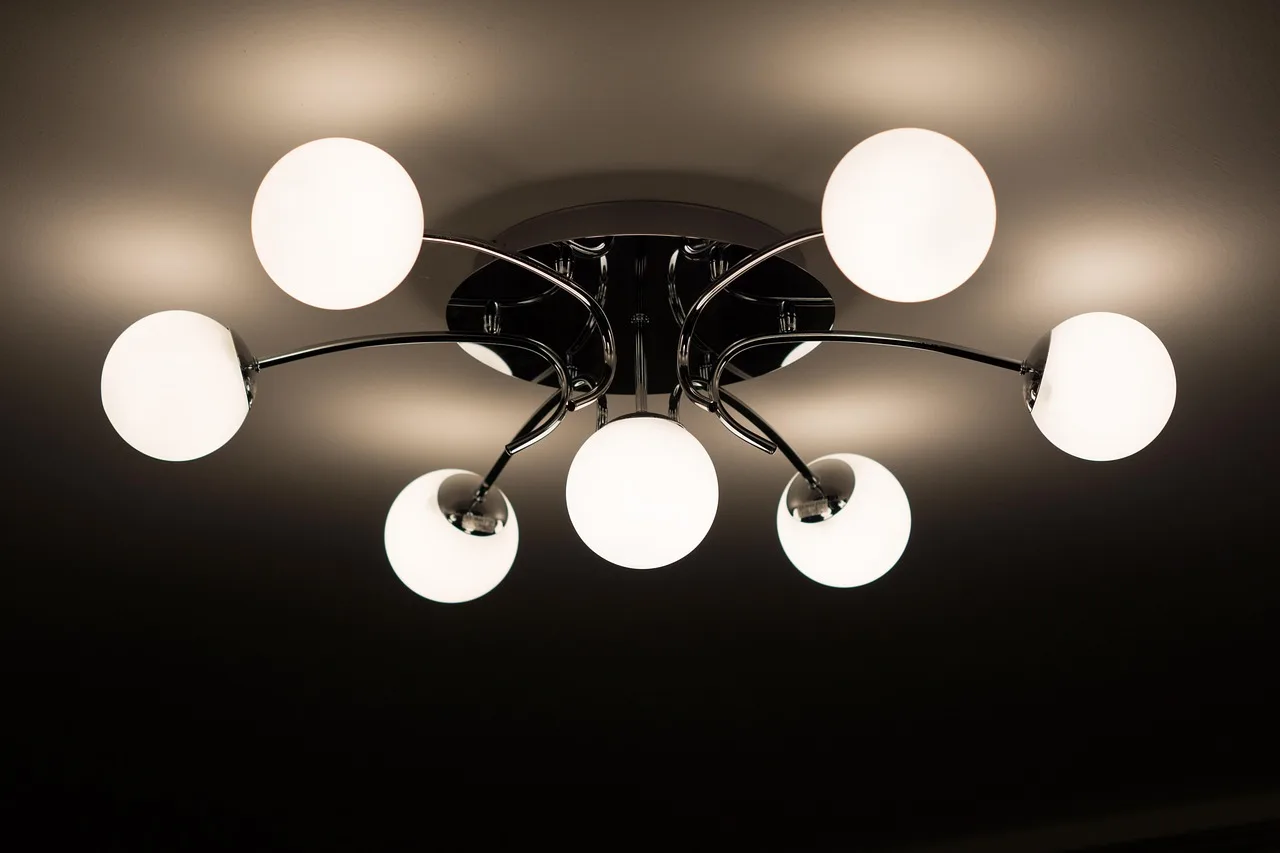
Low ceilings call for short fixtures first and style second. If a fixture drops too far or spreads light poorly, the room can feel tighter, darker, and harder to move through. For a broader overview of fixture types, see recessed lighting, ceiling fans, lumens, and color temperature.
What counts as low clearance
There is no single universal cutoff, but 8-foot ceilings are where projection starts to matter most. In that range, flush mounts are usually the safest default, while semi-flush fixtures work only when the drop is modest and the room can spare the extra inches. For ceiling-mounted fans, industry guidance typically keeps blades at least 7 feet above the floor.
The practical rule is simple: measure from ceiling to the fixture’s lowest point, then compare that depth with the room’s use. Hallways, closets, and busy kitchens need less projection than bedrooms or living spaces, where a little more decorative presence may be acceptable. The National Electrical Code and common manufacturer instructions also require that listed wet/damp ratings match the location.
Why projection matters first
Projection controls both headroom and visual clutter. A very thin flush-mount profile can be close to the ceiling, while semi-flush fixtures hang lower and need more clearance. Pendant lights need the most room, so they are a poor default for low ceilings. For safety, keep hanging fixtures out of the main walking path and use the floor-to-bottom clearance rules below.
Room function changes the decision too. A basement needs downlight and coverage. A hallway needs a compact fixture that does not feel intrusive. A bedroom may tolerate a slightly deeper fixture if it is dimmable and not in a walkway.
How room use changes the choice
Look at what the room does before you look at shape. Task-heavy rooms need brighter, more focused light. Relaxing rooms benefit from warmer color temperature and dimming. Utility spaces need even coverage and a fixture that is easy to keep clear of storage or moving objects.
Suppose a 7-foot-10-inch basement has exposed joists and a concrete floor. A low-profile recessed layout or a flush mount will usually fit better than a hanging fixture, because it preserves headroom and directs light where the room needs it.
Flush mount vs. semi-flush for a low ceiling
Flush mounts are the safer default when ceiling height is tight. Semi-flush fixtures can work when you want a more decorative look, but they need more clearance and become risky in the lowest rooms or narrow walk paths. A flush mount often solves the room faster and with less visual crowding.
When a flush mount is the safer default
Choose a flush mount when the ceiling is low, the room is small, or people pass through often. Flush or low-profile mounting is essential for low ceilings, and it is especially useful in hallways, bedrooms, kitchens, and closets where a compact silhouette matters. A shallow fixture also reduces the chance of bumping it or seeing glare at eye level.
Many flush mounts now use integrated LED modules, and some low-profile examples offer three or five selectable color temperatures. That flexibility helps you tune the light without giving up headroom. For quick comparisons, see lumens and color temperature.
When semi-flush works without crowding the room
Semi-flush fixtures work best when the room has a little breathing room above head level and you want more presence than a plain disc. They are better for a bedroom or sitting area than for a tight hallway or pantry. In practical terms, the fixture should still read as “close to ceiling,” not “hanging into the room.”
Use semi-flush only if the fixture still leaves a clear path beneath it. If the drop starts to feel noticeable the moment you enter the room, the fixture is probably too deep for the space.
How much drop is too much?
For low ceilings, the wrong amount of drop is usually the one that makes the fixture feel like it hangs in the room instead of sitting with it. A practical floor-to-bottom minimum for hanging fixtures is 7 feet, and over kitchen islands a common starting height is 30–36 inches above the countertop, per common code and design guidance.
If a light sits too low, it can create glare at eye level and make the ceiling feel lower than it is. That is why the same pendant can work over a tall dining table and fail in a short hallway.
Are recessed lights better for low ceilings?
Recessed lights are often a strong choice for low ceilings because they sit inside the ceiling plane and keep the room visually open. They are especially useful in basements and bathrooms, but they require ceiling cutouts, wiring, and a bit more planning than a simple flush mount. See recessed lighting for layout basics.
Best rooms for recessed lighting
Recessed lighting works well in basements, bathrooms, kitchens, and other rooms where you want a clean ceiling line. It is especially useful in low-ceiling spaces because it reduces visual bulk while spreading light across the room. In moisture-prone areas, choose fixtures with the right damp- or wet-location listing for the exact zone.
They also help in spaces that need even illumination across the room. If a basement or garage feels dim because daylight is limited, recessed fixtures can spread light without adding bulk overhead.
Installation tradeoffs and ceiling cutouts
Recessed lighting is not a quick swap. It usually means cutting into the ceiling, running wire, and planning placement before anything is installed. That extra labor is the tradeoff for the cleaner look. A useful starting rule for spacing is ceiling height divided by two, with the first row about 3 feet from the wall.
Those are planning rules, not laws, but they give you a starting point for a low-ceiling layout. After that, adjust for room shape, furniture placement, and whether the fixture beam is narrow or wide.
When recessed lighting solves glare and shadowing
Recessed fixtures can reduce glare when the light source is hidden from direct view. They also help with shadowing if they are placed so they wash the room evenly instead of leaving dark corners. For new layouts, a good first pass is to mark the room in zones rather than aiming for one center light.
A common first-timer mistake is putting too few recessed lights in a low basement and expecting one center light to cover everything. That usually leaves the perimeter dim and the middle too bright. Spread matters as much as fixture count.
Choose brightness and color temperature
Brightness and color temperature should match the room’s job, not just the fixture style. Low ceilings often need a little more thought here because a close light can feel harsh if it is too cool or too concentrated. For range guidance, compare fixture output with lumens and room purpose.
How to think about lumens by room
Lumens tell you how much light the fixture puts out. For darker rooms like basements, higher output helps replace missing daylight, but the light still needs to spread well. As a planning baseline, many basement and utility layouts target roughly 1,000–2,000 lumens per small zone and more for larger open areas, depending on wall color and daylight.
Do not chase brightness alone. A strong fixture with poor spread can create hot spots, while a well-placed lower-output light may feel more comfortable in a hallway or bedroom. Match lumens to both room size and the amount of natural light you actually have.
Warm, neutral, and cool white choices
Color temperature should track the room’s function. Warm white around 2700K to 3000K is a good fit for bedrooms and living spaces. Around 3500K to 4000K works better for task areas. Cooler options up to 5000K to 6500K can make sense where visibility matters more than mood, such as garages or bright workspaces. See color temperature.
Some low-profile LED fixtures offer five selectable color temperatures from 3000K to 6500K. That range is useful because it lets you tune the room after installation instead of guessing in advance.
When dimmable lighting is worth it
Dimmable lighting is especially useful in multipurpose rooms. It lets you lower brightness when a low ceiling already feels close and raise it when the room needs full output. It also helps with comfort, energy savings, and different activities. In bedrooms and sitting rooms, dimming often matters more than a slightly fancier shape.
Use a compatible dimmer. Without the right pairing, dimming can flicker, buzz, or lose range. In a low-ceiling room, that can make an otherwise good fixture feel distracting fast.
Low ceiling lighting by room
Room function changes the best fixture type. A hallway does not need the same spread as a kitchen, and a basement has different problems than a closet or bedroom. If you are matching ventilation and light in one fixture, compare options in ceiling fans.
Bedrooms and hallways
Bedrooms usually do well with flush mounts or very slim semi-flush fixtures, especially if the room is small or the bed placement is close to the center. Warm color temperature and dimming are both useful here because they soften the room at night. In hallways, prioritize a compact profile over decorative depth.
Hallways need compact fixtures that do not feel like obstacles. A flush mount is usually the cleaner choice, while a semi-flush can work only if the hallway has enough width and the fixture will not feel like it is hanging into the path.
Kitchens and closets
Kitchens need clear, even light. A flush mount can work in a smaller kitchen, but recessed lighting often does a better job when you need multiple pools of light over counters and work zones. For a kitchen island, pendant lighting can work, but only when the room is tall enough for safe clearance.
Closets are usually best served by very low-profile flush fixtures or recessed lights. In a closet, a deep decorative light wastes space and can cast shadows where you need visibility. Moisture isn’t usually the issue here; low bulk and even coverage are.
Basements, bathrooms, and garages
Basements often benefit most from recessed lighting because the low profile protects headroom and the light can be spread across a large, dark area. Bathrooms also do well with compact fixtures, especially when ceiling height is limited and moisture rating matters. Match damp/wet listings to the room, not just the fixture style.
Garages usually need bright, practical light and a fixture that can handle a busy ceiling. A low-profile LED flush mount or a recessed layout is often the better fit than a hanging decorative light. Cool-to-neutral white often works well here because it improves visibility.
What light works best for your room?
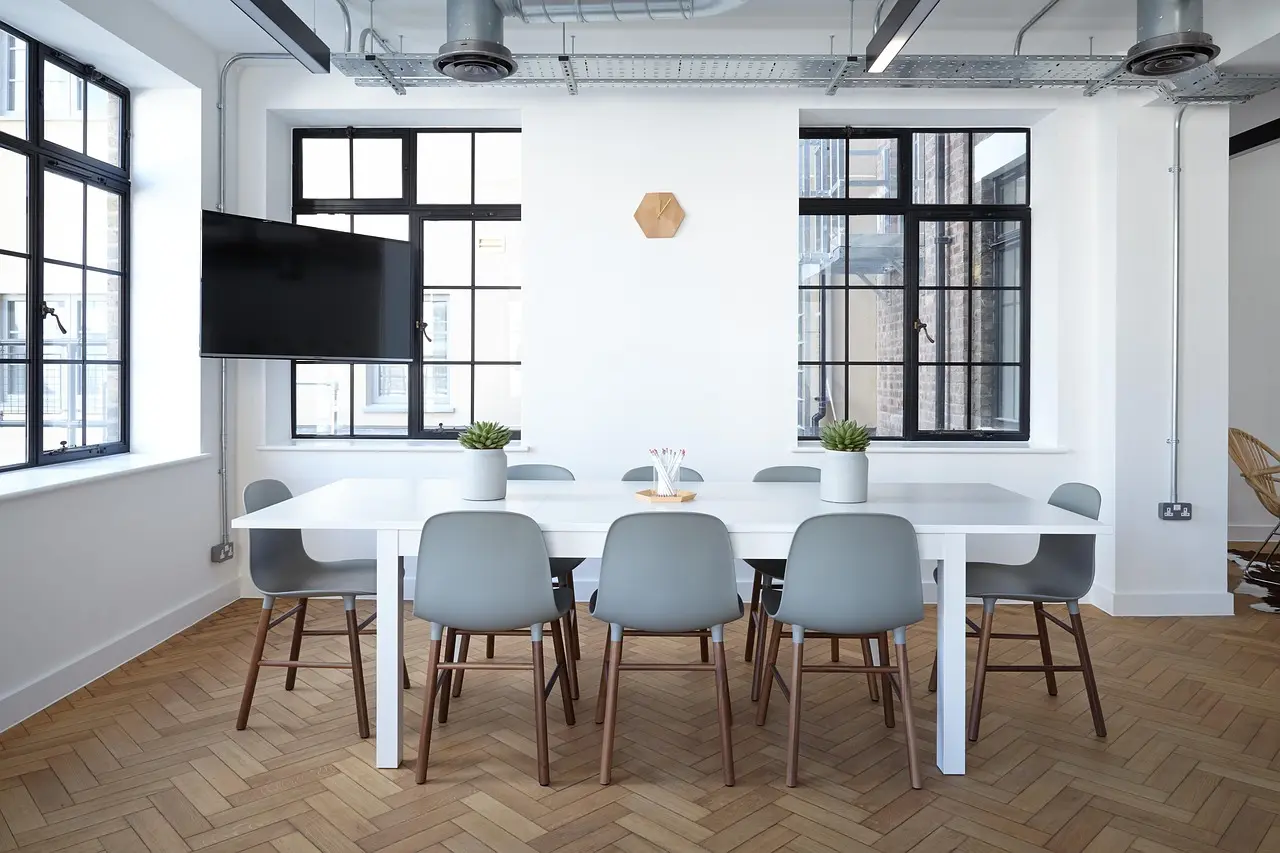
The safest choice depends on ceiling height, room use, and how much installation work you want to take on. Use the matrix below to compare fixture type, projection, brightness, and effort before you buy.
Decision matrix
| Room scenario | Recommended fixture type | Maximum practical projection | Preferred color temperature | Dimming need | Likely installation complexity |
|---|---|---|---|---|---|
| 8-foot hallway | Flush mount | About 1 to 2 inches | 2700K to 3000K | Helpful | Low |
| Small bedroom | Flush mount or slim semi-flush | Up to about 4 to 6 inches if clearances allow | 2700K to 3000K | Recommended | Low to moderate |
| Kitchen with limited headroom | Flush mount or recessed | Flush mount under 3 inches; recessed at ceiling level | 3000K to 4000K | Recommended | Low for flush, moderate for recessed |
| Closet | Flush mount or recessed | Very low profile only | 3000K to 4000K | Optional | Low to moderate |
| Basement | Recessed or low-profile flush mount | Ceiling-level or near-ceiling only | 3000K to 4000K | Recommended | Moderate to high |
| Bathroom with low ceiling | Recessed or flush mount | About 1 to 3 inches for flush style | 3000K to 4000K | Helpful | Moderate |
| Garage | Flush mount or recessed | Ceiling-level or very shallow | 4000K to 5000K | Helpful | Moderate |
| Living area that also needs airflow | Low-profile ceiling fan with light | Very low profile only | 2700K to 3000K or selectable | Recommended | Moderate |
Use the matrix as a filter, not a style guide. If the ceiling is very low, rule out pendant and bulky semi-flush options before you think about finish or shape. If the room is dark, move brightness and color temperature higher on the list.
Compare projection, brightness, and installation effort
A flush mount is usually the easiest install and the safest fit for headroom. Recessed lighting gives the cleanest ceiling line, but it adds cutouts and wiring. Semi-flush fixtures sit in the middle: more decorative than flush, but less forgiving in tight rooms. For more room-to-room comparisons, see recessed lighting.
Say your kitchen has an 8-foot ceiling and one dark corner near the pantry. A flush mount may handle the center of the room, but recessed lights could do a better job across the work area if you are willing to cut the ceiling and run additional wiring.
Choose the safest option for your ceiling height
If you are unsure, start with the shortest fixture that still gives enough light for the room. For a very low ceiling, that is usually a flush mount. If you need a cleaner look and the ceiling work is worth it, recessed lighting becomes the stronger option. For fan-and-light combinations, see ceiling fans.
For airflow plus light, a ceiling fan with light can work if the fan is specifically low profile. A low-profile model can suit bedrooms and living spaces with limited clearance, but only if the blades, light kit, and mounting height all fit the room safely.
What size fixture looks right?
Fixture size should match room scale as well as ceiling height. A good-looking light is not only about wattage or lumens; it also needs the right diameter, depth, and visual weight. For low ceilings, smaller diameters and shallower projections usually look cleaner and feel safer.
Size rules for small rooms
In small rooms, a fixture around 10 to 14 inches wide is often the sweet spot, especially when the ceiling is 8 feet or lower. A practical rule is to choose a diameter that feels proportional to the room width without dominating it. When in doubt, keep the profile shallow and the trim simple.
As a visual check, a very large dome or drum can make a compact room feel lower. A smaller, flatter light usually reads as intentional rather than cramped.
How to size a fixture for narrow hallways
Narrow hallways usually need compact fixtures that leave the path visually open. A flush mount with a modest diameter and low projection is the safest approach. If the hallway is especially tight, the fixture should stay close to the ceiling and avoid broad hanging elements that catch the eye or shoulder line.
Hallways benefit from consistency more than drama. Repeating the same compact fixture style down the corridor usually looks better than mixing in oversized decorative pieces.
Bedroom sizing formulas and examples
A simple sizing formula is to add the room’s length and width in feet, then use that number as a rough fixture diameter in inches for open decorative lights. For low ceilings, trim that result down if the room is small or the bed sits near the center. A 10-by-12 bedroom suggests roughly a 22-inch visual target, but a 12- to 16-inch low-profile fixture may look more balanced.
Projection matters as much as diameter in bedrooms. A 12-inch fixture that drops very little will often look better than a 16-inch fixture that hangs too deep. Bedrooms usually allow a bit more style, but they still need comfortable headroom and soft glare.
Our picks by need
These picks are based on the manufacturer’s specs, published product details, and buyer feedback. Each one has a tradeoff, so the best choice depends on clearance, room function, and how much installation work you want to take on.
Best flush mount for very low ceilings: hepside 12Inch Flush Mount Light Fixture
This hepside flush mount fits the low-ceiling brief well because it is a 12-inch, low-profile ceiling light with dimming and three color temperatures. Based on the listed specs, it is a sensible fit for hallways, bedrooms, kitchens, and porches where headroom is tight.
The main drawback is that a flush mount like this can feel basic in larger rooms, and the 12-inch size may look undersized if the ceiling is high or the room is broad. It is best used where clearance matters more than decorative presence.
Best semi-flush for modest clearance: Xurihuihuang modern semi flush mount
This Xurihuihuang fixture gives you a semi-flush look that sits close to the ceiling while still adding a more decorative profile. It uses standard E12 bulbs, so you can choose brightness and color temperature separately from the fixture itself.
The tradeoff is clear: semi-flush styling needs more clearance than a flush mount, so it is not the first choice for the lowest ceilings. The glass design can also add visual presence that works better in bedrooms or living rooms than in a tight hallway.
Best recessed option for a clean ceiling line: Amico 6-inch LED recessed lighting
This Amico canless recessed set is a strong fit for low ceilings because the ultra-thin design stays out of the way and the lights are dimmable with five selectable color temperatures from 2700K to 5000K. It is a practical choice when you want a ceiling that looks open and uncluttered.
The drawback is installation. Recessed lights require cutouts and wiring, and a 12-pack is more involved than swapping in a single flush mount. That added work makes sense when the room needs broad coverage, but it is more than many homeowners want for a simple ceiling update.
Best ceiling fan with light for airflow and light: TCL 52" low profile ceiling fan with light
This TCL fan works when the room needs both air movement and lighting, and the low-profile design helps preserve clearance. The integrated LED light, six speeds, and remote control make it a practical option for bedrooms or living spaces where a separate fan and light would crowd the ceiling.
The drawback is that a fan-light combo is not the right answer for every low ceiling. If the room only needs illumination, a simpler flush mount or recessed layout may be easier to fit and less visually busy.
Mistakes to avoid
Most low-ceiling lighting problems come from ignoring clearance, not from picking the wrong finish. The fixture can be attractive and still fail if it hangs too low, throws glare, or leaves dark patches in the room.
- Do not choose an oversized fixture just because the room feels plain. A light that is too wide or too deep can make a small room feel crowded.
- Do not use a pendant as the default answer for low ceilings. Pendants work better in taller rooms or over limited zones with enough clearance.
- Do not pick a very cool color temperature for every room. 5000K to 6500K can be useful in some task spaces, but it often feels harsh in small bedrooms and hallways.
- Do not ignore glare. A bare or bright source at eye level can be uncomfortable in a low room, especially in hallways and over tables.
- Do not leave shadows to chance. Poor spacing in recessed lighting can leave corners dim and the center too bright.
- Do not assume dimming will work automatically. The fixture and the dimmer must be compatible.
A common first-timer mistake is choosing a stylish semi-flush fixture for a short hallway because it looks better online. In the room, the extra drop makes the space feel tighter, and the light may sit too close to eye level for comfort.
Frequently asked questions
What kind of lighting is best for low ceilings?
Flush mounts are usually the best starting point for low ceilings because they preserve headroom and fit many room types. Recessed lights are another strong option when you want a cleaner ceiling line and are willing to handle the extra installation work. Semi-flush fixtures work only when you have enough clearance.
Should I choose flush mount or semi-flush for a low ceiling?
Choose flush mount if the ceiling is tight, the room is small, or people move through the space often. Choose semi-flush only when you have modest extra clearance and want more decorative presence. If the fixture drop starts to feel noticeable, flush is the safer choice.
How low can a pendant hang in a room with a low ceiling?
A common clearance rule is at least 7 feet from the floor to the bottom of the pendant. That can work in taller rooms, but it leaves little room for error in low ceilings. Over kitchen islands, pendants are often hung 30–36 inches above the countertop.
How many lumens do I need for a low ceiling room?
It depends on the room and how much daylight it gets. Dark basements need more output, and a practical starting point is roughly 1,000–2,000 lumens for smaller zones, with more output for larger or darker rooms. For sizing by room, compare the fixture to lumens.
What color temperature works best for low ceiling lighting?
Warm white around 2700K to 3000K usually works best in bedrooms and living spaces. Around 3500K to 4000K is better for task areas like kitchens, bathrooms, and garages. Cooler options up to 5000K to 6500K make sense only when the room’s job calls for very bright, focused visibility.
Are recessed lights better than flush mount lights for low ceilings?
Not always. Recessed lights are excellent when you want a clean ceiling line and broad, even coverage, especially in basements and bathrooms. Flush mounts are easier to install and often better for a quick low-ceiling solution. The better choice depends on labor, ceiling height, and how the room is used.


Sponsored / affiliate links. As an Amazon Associate I earn from qualifying purchases. I may earn additional commission from eligible campaigns.