Best LED Lights for High Ceilings: What to Choose
For ceilings above about 10 feet, start with ceiling height, beam spread, and where the light has to land. Wide beams suit ambient light, narrower beams suit task areas, and the lumen output has to reach the floor without glare. Pick the wrong spread, and a high room can feel dim, harsh, or industrial while still wasting energy. This guide explains how to match fixture type, lumen output, color temperature, and mounting style to garages, foyers, great rooms, stairwells, and workshops.
Top pick by ceiling height
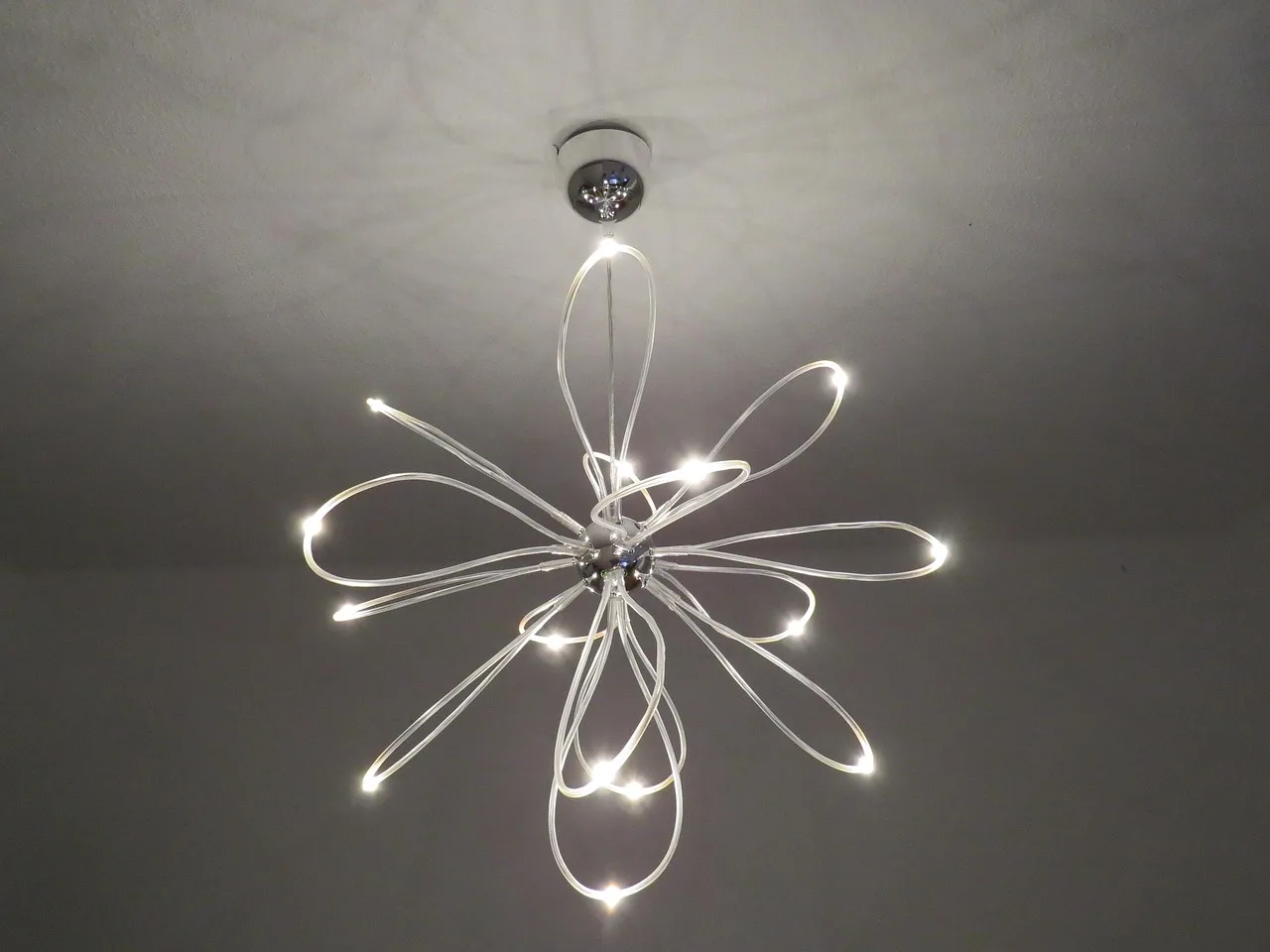


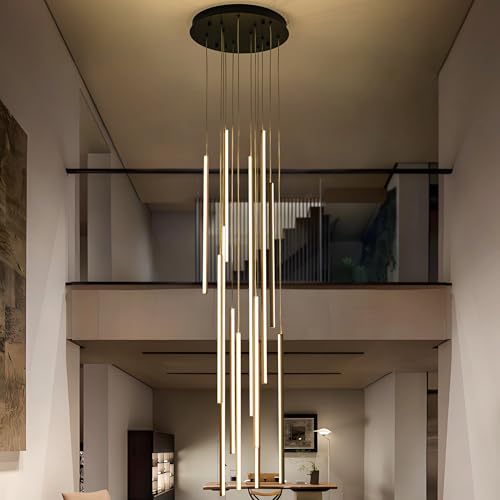
The best overall choice depends on where the light has to land. For 20 feet and above, high bay LED lights are the strongest starting point. For finished rooms with tall ceilings, pendant lights or recessed downlights often look better and still provide enough output when the beam spread and lumen count are right.
10 to 12 feet
Use recessed LED downlights or low-profile LEDs when you want a clean ceiling line. This height usually does not need industrial-looking hardware, and modern recessed LEDs can output up to 3,000 lumens per fixture. Keep beams broad enough to avoid bright circles on the floor.
12 to 15 feet
This range gives you a choice. Wide-beam recessed lights work well in kitchens, hallways, and smaller finished spaces. Pendant lights can also work if the room needs a decorative fixture with more presence. For taller rooms in this band, a shallower high bay may be useful, but only if the room reads utility-first.
15 to 20 feet
At this height, pendant lights or high bay fixtures can both make sense. Competitor guidance places pendant lights at ceilings up to 20 feet high, and LED pendant lights can deliver up to 10,000 lumens. If the room is a living area, pendant styling usually feels more natural than a high bay.
20 feet and above
High bay LED lights are the most practical solution for spaces with ceilings 20 feet and above. They are common in warehouses, garages, and gyms, and they often range from 18,000 to 60,000 lumens. At this height, beam control matters as much as raw output.
Quick picks for tall rooms
Match the fixture to the room first, then refine beam angle and color temperature. A bright workshop can tolerate a cooler, more focused look. A foyer or vaulted living room usually needs softer distribution and a less industrial finish.
- Best for garages and workshops: high bay LED lights with rugged housing, strong output, and a beam suited to the bay width.
- Best for foyers and stairwells: recessed downlights or decorative pendants, depending on access and ceiling style.
- Best for great rooms and vaulted ceilings: pendant lights or wide-beam recessed fixtures for a softer, residential look.
- Best for the brightest utility spaces: high bay fixtures with controlled optics, especially where task visibility matters more than appearance.
What LED lights are best for high ceilings?
High bay LED lights, LED pendant lights, and recessed LED downlights are the main choices. High bays fit the tallest spaces and give broad, controlled output. Pendants work well up to about 20 feet and can still deliver up to 10,000 lumens. Recessed downlights suit cleaner residential ceilings and work best up to about 15 feet.
High bay LED lights
Choose these for ceilings around 20 feet and above, especially in garages, warehouses, gyms, and workshop-style spaces. Many models use UFO or linear form factors. Electrical Picks cites a 200W high bay at 28,000 lumens, and some high bay LEDs reach 18,000 to 60,000 lumens.
LED pendant lights
Pendants are useful when the room needs both style and light. They can work in vaulted living rooms, foyers, and multipurpose rooms. Many pendants are color-adjustable across about 2700K to 5000K, which can help when the same room needs warmer evening light and brighter daytime visibility.
Recessed LED downlights
These create a flush ceiling appearance and keep the room visually calm. Modern recessed LEDs can output up to 3,000 lumens per fixture, which is enough for many spaces below about 15 feet when the layout is planned correctly. They are a strong choice for clean residential interiors.
How many lumens do I need for a 20-foot ceiling?
For a 20-foot ceiling, per-fixture lumens matter more than wattage. A single number will not work for every room, but a narrow-beam high bay in the 18,000 to 30,000 lumen range is a common starting point for general coverage, while larger or brighter utility areas may need more. Room size, fixture spacing, and task use all change the answer.
Why wattage is not enough
Wattage tells you power draw, not how much light reaches the floor. A typical 150W LED high bay can replace a 400W metal halide fixture, and that kind of replacement shows why output and optics matter more than input power. Two fixtures with the same wattage can perform very differently.
Working lumen ranges by ceiling height
Here is a practical way to think about the numbers. At 10 to 12 feet, many rooms can work with recessed fixtures in the lower end of their output range. At about 12 to 15 feet, roughly 8,000 to 12,000 lumens per fixture can be appropriate in some spaces, especially with wider beams. At about 15 to 20 feet, roughly 19,500 or 28,000 lumens may make sense for larger rooms. For 20 feet and above, 30,000 lumens can be appropriate where the space is broad or task-heavy.
When 8,000, 12,000, 19,500, 28,000, or 30,000 lumens make sense
Use 8,000 lumens when the room is only moderately tall and the goal is comfortable ambient light. Use 12,000 lumens when the ceiling is taller but the space is still residential. Use 19,500 or 28,000 lumens for taller rooms that need a stronger wash. Use 30,000 lumens when the room is very tall or the work demand is high.
High-ceiling decision table
This table gives a simple first pass by ceiling height. It is a starting rule, not a substitute for room size, spacing, or use. If the choice lands too bright, too narrow, or too cool, the room can feel uncomfortable even when the lumen number looks impressive.
| Ceiling height | Recommended fixture type | Lumen range | Beam angle | Color temperature | Failure mode if the choice is off |
|---|---|---|---|---|---|
| 10 to 12 ft | Recessed LED downlights or low-profile LED fixtures | Up to 3,000 per fixture | 90° to 120° | 3000K to 4000K for homes | Too narrow creates bright cones; too cool can feel stark in finished rooms |
| 12 to 15 ft | Wide-beam recessed, pendant, or shallow high bay | 8,000 to 12,000 | 90° to 120° | 3500K to 5000K | Too bright can flatten the room; too narrow leaves dark edges and hotspots |
| 15 to 20 ft | Pendant lights or high bay fixtures | 12,000 to 30,000 | 60° to 90° | 4000K to 5000K | Too cool can feel industrial; too narrow can produce a bright center with dim perimeter |
| 20+ ft | High bay LED lights | 18,000 to 60,000 | 60° | 5000K to 6500K for utility spaces | Too wide wastes light; too narrow can leave patches on the floor and glare near the source |
Should I use high bay lights or recessed lights for tall ceilings?
Use high bay lights when the ceiling is very tall, the room is functional, and you want broad, controlled output. Use recessed lights when the room is finished and you want the fixture to disappear. For many homes, recessed or pendant lighting looks better than a warehouse-style fixture, even when both could technically work.
High bay lights
These are the right fit for ceilings around 20 feet and above. Many are sold in UFO or linear styles, and some listings include IP65 protection, 0-10V dimming, aluminum housings, and certifications such as UL, ETL, FCC, CE, or RoHS. Those details matter most in garages and industrial-type spaces.
Recessed lights
Recessed fixtures are better when visual simplicity matters. They work best up to about 15 feet, and the ceiling itself stays visually quiet. That matters in foyers and living rooms, where a visible industrial body can distract from the room.
How should beam angle change with height?
Beam angle should tighten as ceilings rise. A 60° beam suits a 20-foot ceiling, while a 120° beam works better for a 15-foot ceiling. Wider beams spread light more evenly in lower high ceilings. Narrower beams push light farther, which helps reduce dark spots at taller mounting heights.
60° to 90° for tighter control
Use this range when the fixture is high enough that light needs help reaching the floor. It also works well in task areas where you want a more focused pool of light. Narrower beams can help in tall garages, gym bays, and workshop stations.
90° to 120° for broader wash
Use this range in lower high ceilings where the goal is smoother ambient coverage. A 120° beam works better for a 15-foot ceiling. It is also a better fit when glare control matters more than long throw.
Spacing, glare, and hotspot tradeoffs
Suppose a 16-foot vaulted room uses a very narrow beam. The center floor area may look bright, but the corners can stay dim and the source can feel harsh. A wider beam may lower that contrast and make the whole room read more even.
What color temperature should you choose?
Color temperature should match the room, not just the ceiling height. The typical high-ceiling range is 5000K to 6500K, and daylight tones improve visibility in utility spaces. Warmer options often suit living areas better, especially when the room is part of the home rather than a work bay.
5000K to 6500K for utility and visibility
This range is common for garages, industrial spaces, and workshops. It makes edges and objects easier to see. AskGazebo recommends 5000K to 6500K daylight tones for high ceilings, which is consistent with spaces where function comes first.
Warmer options for residential comfort
Finished interiors often look better with a softer tone. A foyer, staircase, or great room can feel too stark under very cool daylight LEDs. Many LED pendant lights offer color-adjustable output from 2700K to 5000K, which can help bridge that gap.
When daylight tones feel too harsh
Too much cool white in a living room can make skin tones and wood finishes look flat. It can also make a tall ceiling feel more clinical than intended. If the room is for relaxing, a slightly warmer tone is often easier to live with.
How to choose by room type
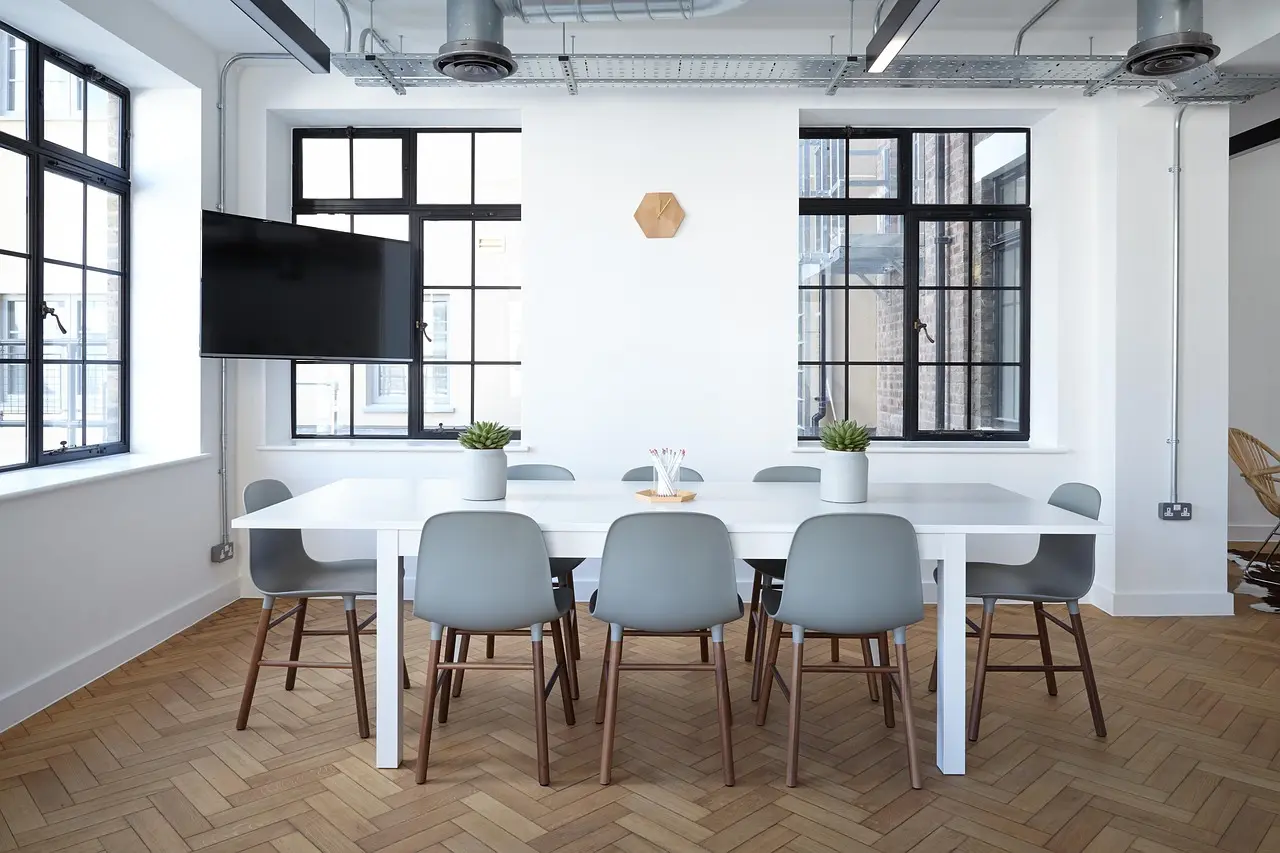
Room use should guide the final choice. A garage wants durable output and glare control. A foyer wants controlled brightness and a more finished look. A great room needs comfort. A gym or workshop may need a brighter, more functional setup than any of the others.
- Garages and workshops: choose high bay LED lights, especially if the ceiling is 20 feet or higher. Look for IP65 or similar protection, aluminum housing, and dimming only if the control system matches.
- Foyers and stairwells: choose recessed LEDs or pendants with moderate output and a softer beam. Access matters here, so a fixture that is easy to service later is worth considering.
- Great rooms and vaulted ceilings: choose pendants or wide-beam recessed lighting. Aim for even coverage and a warmer or adjustable color temperature to keep the room comfortable.
- Gyms and multipurpose spaces: choose high bay fixtures or high-output pendants when the ceiling is tall and the room needs strong visibility.
Say your garage has a 22-foot ceiling and one workbench in the back. A narrow-beam high bay near the center can light the floor well, but the bench may still need a second fixture or better placement so the task area is not left in shadow.
A common first-timer mistake is picking a very cool daylight fixture for a finished 18-foot living room because the lumen number looks impressive. The room may become bright, yet the walls can feel flat and the light can read industrial. A warmer pendant or a wider recessed layout usually fits better.
Durability, ratings, and installation considerations
High-output fixtures generate heat, so aluminum housing is common because it helps with thermal management and longevity. In garages and industrial spaces, IP65 is a useful reference point for dust and moisture resistance. Check the label for UL, ETL, FCC, CE, or RoHS only as applicable to your market and fixture type.
Installation gets harder as ceilings rise. Very tall ceilings can require a lift, a long chain drop, or straightforward hardwiring access. If the fixture will be serviced later, that access should be part of the purchase decision, not an afterthought. Dimming also needs a match between the fixture and the existing control system; not all LEDs are dimmer-friendly.
How do I avoid glare from lights mounted high up?
Use the right beam angle, avoid overlighting, and choose a color temperature that fits the room. Glare often comes from too much output concentrated into too small an area, especially with narrow beams in a finished interior. A wider beam or lower color temperature can make the room easier on the eyes.
Watch for the three common glare failures
Too bright creates washed-out surfaces and hard-edged shadows. Too narrow creates hotspots and dark corners. Too cool can make a room feel sharp and exposed. Those problems show up most often when the fixture is chosen from wattage alone instead of beam pattern and mounting height.
Frequently asked questions
What beam angle is best for a high ceiling?
A narrower beam is usually better as the ceiling gets taller. A 60° beam suits a 20-foot ceiling, while a 120° beam works better for a 15-foot ceiling. The right answer also depends on room width and fixture spacing, because a beam that is too tight can leave dark areas.
Is 5000K or 6500K better for high ceilings?
5000K is often the more flexible choice for mixed-use spaces because it still gives strong visibility without pushing as far into harsh daylight territory. 6500K can work well in garages, warehouses, and similar utility spaces. In finished rooms, warmer or adjustable color temperatures usually feel better.
Can dimmable LEDs work in high-ceiling rooms?
Yes, but the dimmer and fixture must be compatible. Some high bay examples use 0-10V dimming, which is common in commercial-style control systems. If the existing dimmer does not match the fixture, flicker or poor control can follow. Compatibility matters more than the dimmable label alone.
Sponsored / affiliate links. As an Amazon Associate I earn from qualifying purchases. I may earn additional commission from eligible campaigns.