Hot Glue vs Construction Adhesive for Quick Repairs
Use hot glue for fast, light, temporary fixes on non-heat-bearing items; choose construction adhesive for stronger, longer-lasting repairs on trim, wood, tile, and other load-bearing parts. Pick the wrong adhesive and the bond can fail, mar the material, or let the repair drop after heat, moisture, or stress. This guide compares both glues by repair type, cure time, hold strength, and where heat makes hot glue the wrong choice.
| Factor | Hot Glue | Construction Adhesive for Quick Repairs | Winner |
|---|---|---|---|
| Speed of usable grab | Sets quickly as it cools. | Has a strong initial grab, but still needs cure time. | Hot Glue |
| Open time for alignment | Short working window before it cools and locks. | Often gives about 15 to 20 minutes of initial repositioning time. | Construction Adhesive for Quick Repairs |
| Gap filling | Poor in larger gaps. | Better for big gaps and wavy surfaces. | Construction Adhesive for Quick Repairs |
| Heat resistance | Limited. | Usually the safer choice near warm, sunny, or appliance-adjacent spots. | Construction Adhesive for Quick Repairs |
| Long-term hold | Light-duty and temporary. | Better for repairs that need to stay put. | Construction Adhesive for Quick Repairs |
Speed and open time
Hot glue wins when you need a part to stick almost immediately. It is a thermoplastic adhesive that sets as it cools, so it works well for quick positioning and small, light-duty fixes. (Wikipedia)
Construction adhesive gives you a longer window to align parts, which matters when a trim piece, panel, or loose joint needs to be set before it grabs. That extra time helps on uneven surfaces and mixed materials, but the repair is not ready for load right away.
Bond strength and cure time
Construction Adhesive for Quick Repairs is the stronger choice for repairs that have to hold long enough to be useful. It may grab quickly, but full cure is much slower than the initial set, and the label should tell you when the repair can take weight or stress.
Hot glue can hold lightweight items, but it is not the right choice for a repair that needs lasting structural strength. For trim, baseboards, drywall patches, or loose joints, the bond usually needs more durability than a cooling thermoplastic can provide.
Temperature resistance, gap filling, and repositioning
Heat is the biggest weakness in hot glue. It can soften near heaters, sunny windows, kitchens, and vehicles, so a repair that looks fine at room temperature can let go later.
Construction adhesive handles heat better and bridges uneven surfaces more effectively. It is often used on wood, drywall, concrete, metal, and trim, and some formulas also bond certain plastics better than hot glue in many cases.
When is hot glue strong enough?
Hot glue is strong enough for light-duty fixes where speed matters more than long service life. It works best when the part is small, the load is low, the joint is fairly tight, and the item will not face heat, vibration, or repeated pulling.
That makes it useful for temporary holds, cable management, craft-style fixes, or positioning a piece before a stronger fastener takes over. It is also handy when you need a quick tack and do not want a long cleanup step.
Common situations where hot glue can work
Think of small plastic clips, loose drawer liners, lightweight decor, or a trim shim that only needs to stay put during alignment. In those cases, the goal is usually speed and convenience, not permanent structural force.
Suppose a 2-inch cabinet stop is loose and you need it to hold for the afternoon. Hot glue can be enough if the part does not carry much load and stays away from heat.
When does construction adhesive win?
Construction adhesive wins when the repair has to bridge a gap, bond mixed materials, or stay in place under more stress. It is built for jobsite conditions, so it fits wood-to-concrete, wood-to-metal, drywall, masonry, painted surfaces, and similar mixed-substrate repairs better than hot glue.
It also wins when a repair has to remain flexible after cure or cover an uneven back side. In those cases, the extra open time and stronger grab are worth the slower finish.
Where clamping or fasteners still matter
Even with strong initial grab, some repairs need a clamp, brace, or fastener until full cure. That matters on trim, warped boards, and pieces that want to spring back out of alignment.
A common first-timer mistake is removing support as soon as the bead feels tacky. The joint may hold at first, then creep or fail before it reaches full strength.
Repair decision matrix
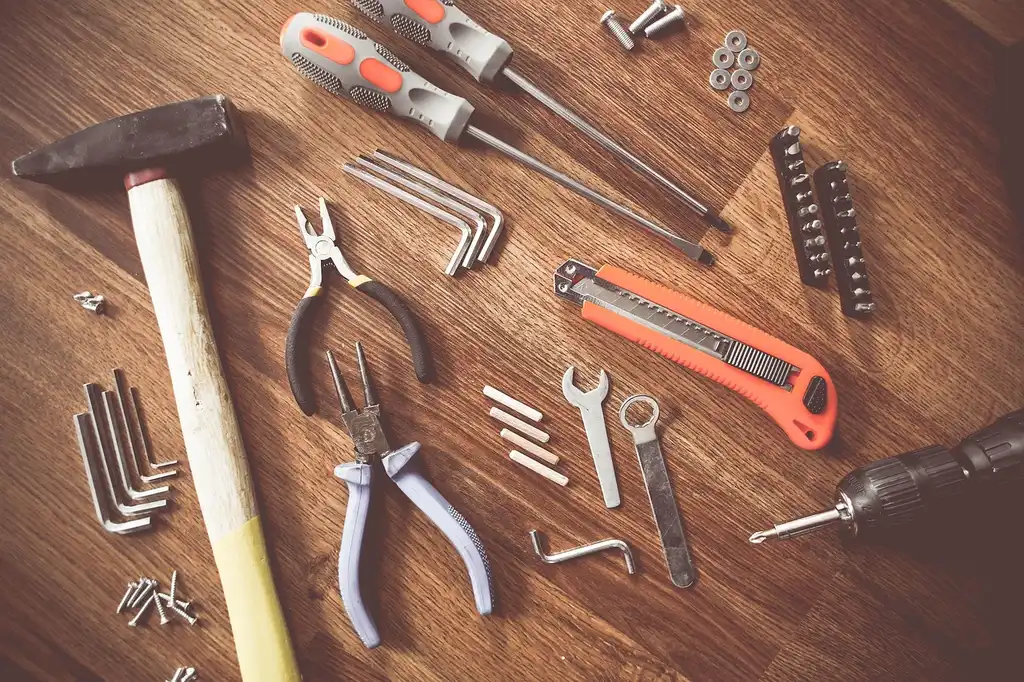
This matrix gives a practical quick-pick for common household repairs. Use it to judge whether you need speed, gap filling, heat resistance, or a bond that can survive real use.
| Scenario | Speed | Bond strength | Heat resistance | Gap-filling | Repositionability | Recommended adhesive |
|---|---|---|---|---|---|---|
| Loose cabinet trim that needs a fast tack | High | Medium | Medium | Low | High | Construction Adhesive for Quick Repairs |
| Small plastic clip inside a cool closet | Very high | Low | Low | Low | High | Hot Glue |
| Baseboard with a bowed wall behind it | Medium | High | High | High | Medium | Construction Adhesive for Quick Repairs |
| Loose wooden chair trim on a decorative piece | High | Low | Low | Low | High | Hot Glue |
| Drywall patch edge with uneven backing | Medium | High | High | High | Medium | Construction Adhesive for Quick Repairs |
| Loose wood-to-wood joint on a non-structural panel | Medium | High | High | Medium | Medium | Construction Adhesive for Quick Repairs |
| Light decor piece mounted away from heat | Very high | Low | Low | Low | High | Hot Glue |
| Metal bracket cover on a painted surface | Medium | Medium | High | Medium | Medium | Construction Adhesive for Quick Repairs |
| Loose stone veneer or masonry edge | Medium | High | High | High | Low | Construction Adhesive for Quick Repairs |
| Cable bundle holder under a desk | Very high | Low | Medium | Low | High | Hot Glue |
| Loose trim near a sunny window | Medium | High | High | High | Medium | Construction Adhesive for Quick Repairs |
| Small gap on a plastic-to-wood repair | Medium | Medium | High | Medium | Medium | Construction Adhesive for Quick Repairs |
How to read the matrix
If the repair is small, light, and out of heat, hot glue can be the fastest usable fix. If the joint is uneven, mixed-material, or likely to see vibration or warmth, construction adhesive is the safer bet.
Use hot glue only if…
- The item is light-duty and temporary.
- The surface is fairly tight and clean.
- The repair stays away from heaters, sun, kitchens, or vehicle interiors.
- You need quick positioning more than lasting strength.
Switch to construction adhesive when…
- The repair bridges a gap or follows a wavy surface.
- You need to bond wood, drywall, concrete, metal, plastic, or trim.
- The part will face heat, vibration, moisture, or regular handling.
- The repair must stay useful after full cure, not just after an initial tack.
Can hot glue replace construction adhesive?
Hot glue can replace construction adhesive only on small, non-structural jobs where quick tack matters more than long-term hold. It is useful for temporary positioning and tiny fixes, but it does not match the gap filling, heat resistance, or durability of a construction adhesive.
If the repair needs to survive real service conditions, hot glue is usually the wrong substitution. The failure mode is simple: it may hold at first, then soften, shift, or let go when the joint warms up or gets bumped.
Signs the repair needs a stronger adhesive
If the piece keeps rocking, the joint has visible voids, or the location runs warm, move to construction adhesive. Those are the repairs where the bond has to do more than just tack two parts together.
Choose Hot Glue if… / Choose Construction Adhesive for Quick Repairs if…
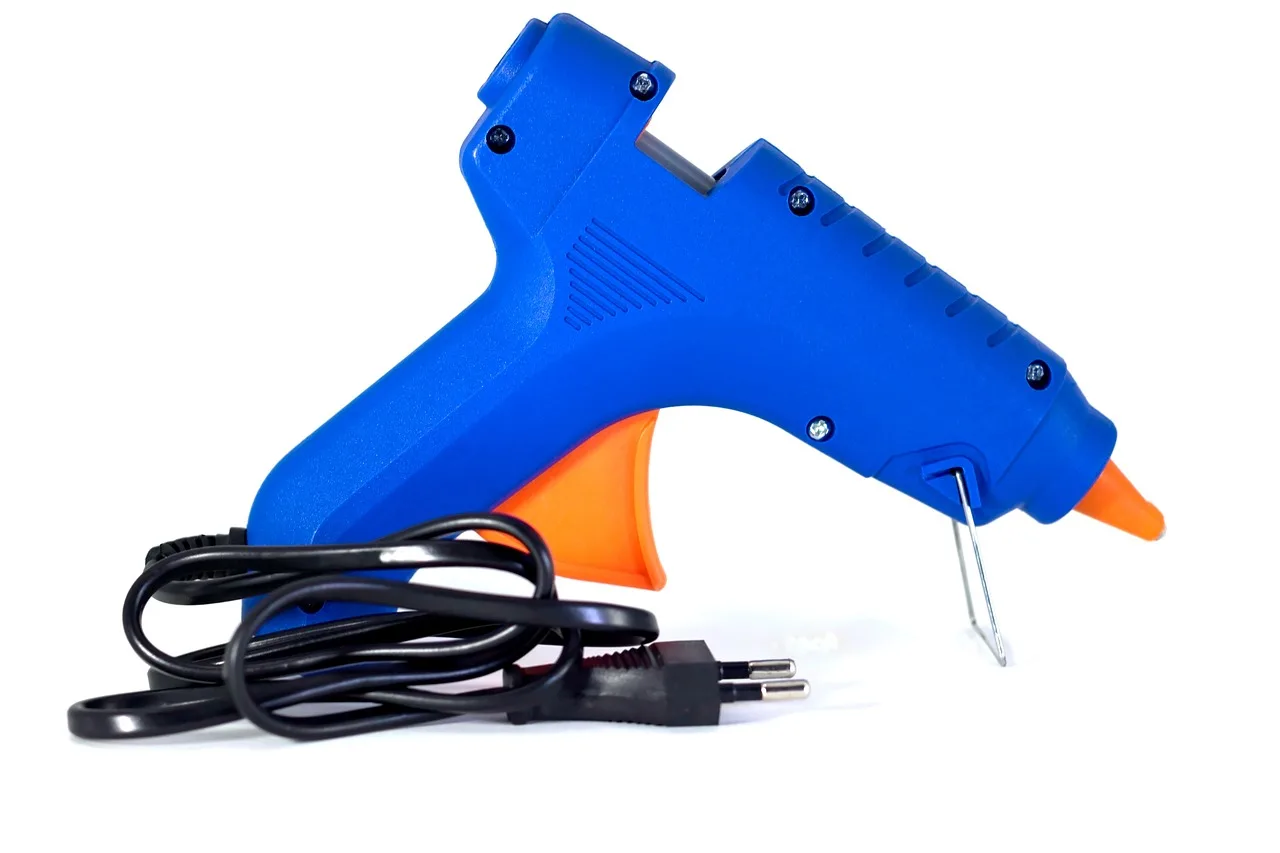
Choose Hot Glue if the repair is light, temporary, and away from heat, and you need the fastest possible tack. Choose Construction Adhesive for Quick Repairs if the parts are heavier, uneven, mixed-material, or expected to stay bonded through heat, vibration, or everyday use.
Choose Hot Glue if…
- You are holding a small part in place for alignment.
- The repair is temporary or low-stress.
- The surface is tight and the gap is tiny.
- The item will not sit near sun, heaters, or appliances.
Choose construction adhesive for quick repairs if…
- You need better gap filling on an uneven surface.
- The repair involves wood, drywall, concrete, metal, plastic, or trim.
- You need stronger long-term hold after cure.
- You can leave time for the adhesive to cure and use clamps or fasteners if needed.

Frequently asked questions
Can I use hot glue instead of construction adhesive for home repairs?
You can, but only for light, temporary repairs where the part is small and the load is low. If the joint has to carry weight, bridge a gap, or survive heat and vibration, construction adhesive is the safer choice.
When is hot glue strong enough for a quick repair?
Hot glue is strong enough when the repair is non-structural, the surfaces fit closely, and the item stays cool. It is a good match for quick tacking, simple alignment, and light household pieces that do not get pulled, flexed, or warmed.
What repairs should never use hot glue?
Avoid hot glue on repairs that face heat, repeated movement, or meaningful load. That includes warm-window trim, appliance-adjacent parts, outdoor exposures, and anything with a larger gap that needs real bridging strength.
Does construction adhesive work better on wood, metal, or drywall?
Yes, because it is made for mixed-material repairs and often bonds wood, metal, and drywall well. It is especially useful when the surfaces are not perfectly flat or when the repair has to stick to more than one substrate type.
How long does construction adhesive take to fully cure?
Many products reach handling strength in about 24 hours, while some formulas take longer or shorter depending on the product. Full cure can vary widely, so check the label before you load the repair, because the initial grab is not the same as maximum strength.
Can construction adhesive fill gaps that hot glue cannot?
Yes. Construction adhesive is better for bigger gaps and wavy surfaces, while hot glue performs poorly when the voids get larger. If the back side is uneven or the piece does not sit flush, construction adhesive is usually the better fit.
Sponsored / affiliate links. As an Amazon Associate I earn from qualifying purchases. I may earn additional commission from eligible campaigns.