Task Lighting vs Ambient Lighting: Plan Both Zones
Plan lighting in two layers: ambient light for the whole room, then task light at desks, counters, and reading spots, with each task zone getting its own fixture or beam aimed at the work surface. Skip that split, and you get glare, dark corners, eye strain, and higher bills from overlighting the entire room. Map the room into use zones first, then pick fixtures and placement so the two layers support each other.
| Decision factor | Task Lighting | Ambient Lighting | Winner |
|---|---|---|---|
| Main job | Focused light for a specific activity, such as reading, cooking, or desk work | General room light that fills the space and supports safe movement | Depends on the job |
| Control of shadows | Strong when placed correctly near the work surface | Weak for close-up work because it spreads light across the room | Task Lighting |
| Comfort across the day | Useful, but too much can feel harsh if it is the only bright source | Better when paired with dimmers so the room can shift from bright to relaxed | Ambient Lighting |
| Best use case | Prep counters, desks, reading chairs, vanities, islands | Whole rooms, walk paths, and general visibility | Depends on the room |
| Risk if misused | Glare, harsh contrast, and light aimed into the eyes | Flat, dim, or clinical-feeling rooms if used alone | Ambient Lighting |
What is the difference between task lighting and ambient lighting?



Ambient lighting is the room’s general light layer. It fills the space evenly and helps you move around safely, while task lighting is a focused beam for a specific activity such as reading, cooking, or desk work. Each solves a different problem, so one cannot replace the other in every room.
Ambient lighting is the base layer
Urbanelysian frames ambient lighting as the room’s foundation, and that is the right place to start. Ceiling fixtures, chandeliers, recessed lights, and large pendants often do this work because they spread light broadly instead of aiming it at one spot.
Ambient light should not need to carry every job. If it must also light a recipe, a laptop, and a book page, the room usually needs more zoning.
Task lighting is targeted support
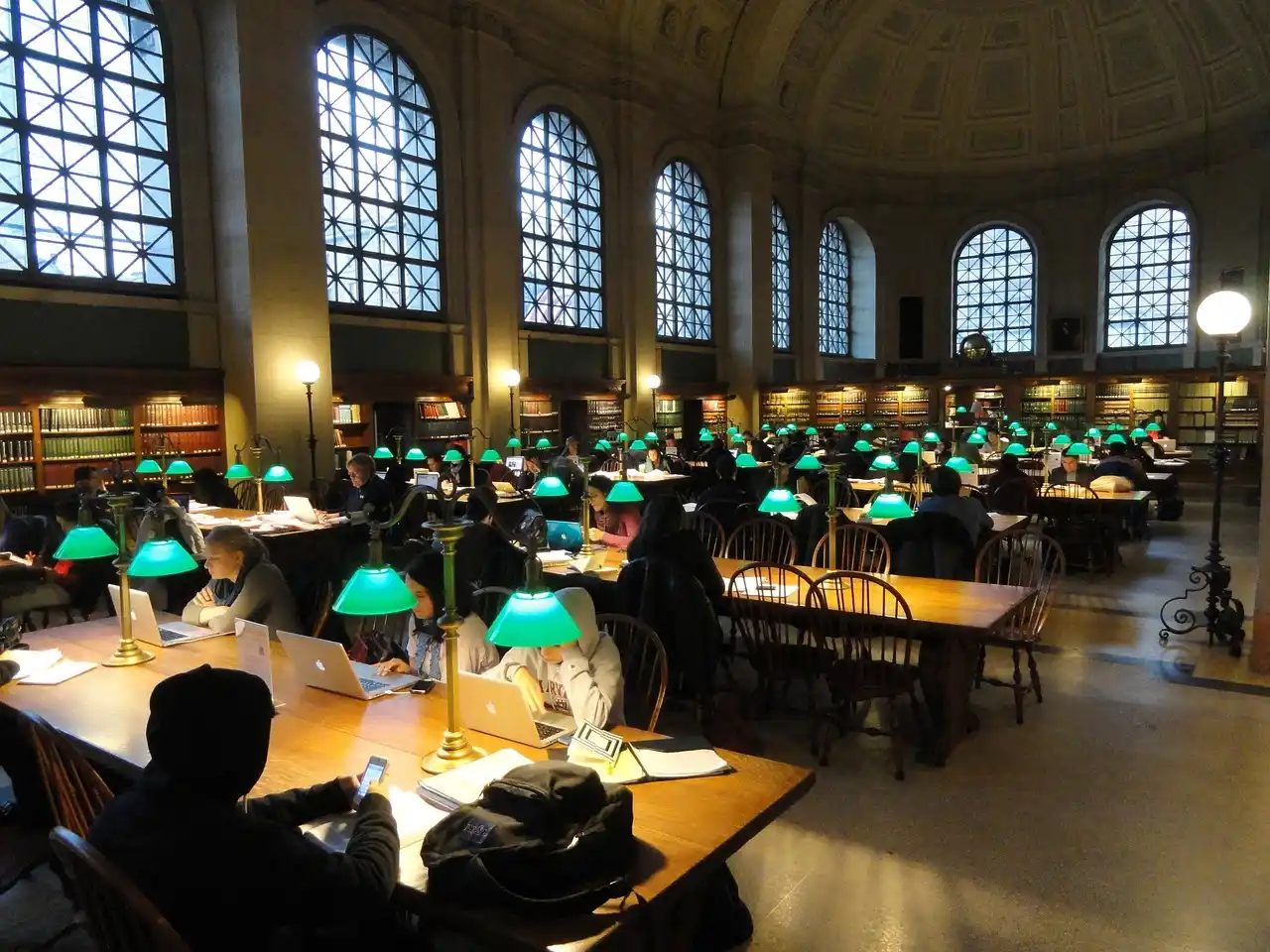
Urbanelysian defines task lighting as focused light for activities like reading or cooking. Desk lamps, under-cabinet kitchen lights, vanity lights, reading lamps, and pendants over islands can fit this category when they direct light where hands and eyes are working.
ErgoDirect notes that task lighting matters where work causes eye strain. That is the key difference: task light cuts shadows at the work surface, while ambient light mainly sets the room level.
Why the two layers solve different problems
A room with only ambient light can feel washed out at the edges and still leave a work surface too dim. A room with only task light can feel patchy, with bright spots and dark corners. The right plan uses both so you get visibility, comfort, and better control over brightness contrast.
📊 ErgoDirect’s Workrite Astra 3 LED Desk Task Light has a 34.9-inch reach. Source: What is Task Lighting?.
How do you plan both layers in one room?
Plan the room as zones before you buy fixtures. Mark the full room area, the surfaces where work happens, the places where people sit, and the reflective spots that can bounce light into eyes or screens. Then choose ambient light first, and add task lights only where a surface needs focused output.
Map the room before shopping
- Mark the ambient zone: the full area that needs safe walking light.
- Mark task surfaces: counters, desks, reading chairs, vanities, and islands.
- Mark reflection risks: glossy counters, mirrors, screens, and glass fronts.
- Mark seating and standing spots: places where someone reads, cooks, or types.
- Choose the ambient source first, then decide where task fixtures must land.
Use room zoning in open-plan spaces
Open plans often work best when lighting is planned by function, not by square footage alone. A kitchen island, dining zone, and sofa area may share one ceiling field, but each still needs its own light job. That is how you avoid one overlit zone and another that feels dim.
Say your living-kitchen room has a 12-foot island, a couch, and a desk in one space. The island wants task light, the seating area needs ambient light, and the desk may need its own lamp even if the ceiling is already bright.
Choose ambient before adding task
Urbanelysian recommends starting with ambient light first. That order works because ambient level sets the room baseline, and task light should be added only where the baseline does not support the job. Dimmers help here, because they let the base layer stay useful from morning to evening.
Where should task lighting go in kitchens, offices, and bedrooms?
Task lighting belongs where the work happens, not just where a fixture fits. In kitchens, aim it at prep zones and sinks. In offices, place it at the desk and any paper or keyboard surface. In bedrooms, focus it on reading, dressing, and bedside tasks without lighting the whole room. (en.wikipedia.org)
Kitchen task lighting
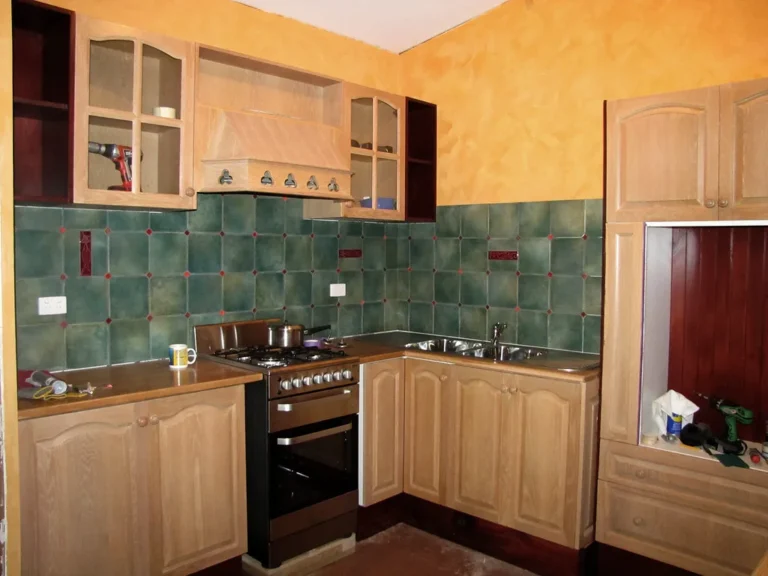
Under-cabinet lights are often a practical task choice because they put light directly on counters and help reduce the shadow cast by upper cabinets. Island pendants also work when they are centered over the prep zone rather than hung so high that they spill light across the room without helping the counter.
For sinks and prep runs, place light so your hands do not block it. If the counter is glossy, shift the fixture forward or lower the beam angle slightly so reflected glare does not land in your eyes.
Home office task lighting
Desk lamps are a common task-light example, and adjustable arms matter because they let you aim light at the work surface. Put the light so it helps the paper or keyboard, not the monitor face. That reduces eye strain and keeps the screen from turning into a bright reflection source.
ErgoDirect’s Workrite Astra 3 LED Desk Task Light has a 34.9-inch reach, which shows why reach matters in office zoning. A long arm can place light where your hands work without forcing the fixture into the center of the desk.
Bedroom task lighting
Bedside reading lamps should light the page, not the pillow or your partner’s face. Dressing areas need enough focused light to read labels and see color clearly, while the rest of the bedroom can stay softer through ambient layers and dimmers.
A common first-timer mistake is putting a bedside light too high. That throws light past the book and straight into the line of sight, which feels harsher than the room itself needs to be.
How bright should task lighting be compared with ambient lighting?
Task lighting should generally be a bit brighter than the surrounding ambient light at the work surface, but not so bright that it creates harsh contrast. The goal is a clear working zone without a hot spot that strains the eyes or makes the room feel split in two.
Keep contrast strong, not harsh
ErgoDirect says extreme contrast between task and ambient light can fatigue the eyes. That means the task light should stand out enough to help the activity, but the surrounding room should not be so dim that your eyes keep readjusting between bright and dark areas.
Bright counters with dark ceilings, or a glowing desk lamp in a dim room, are common sources of strain. The fix is usually not more power in the task light alone. It is better balance between the layers.
Use dimmers on the ambient layer
Urbanelysian recommends using dimmers for flexibility, and ambient lighting often needs that control most. Daylight changes, evening use shifts, and different activities call for different base levels. A dimmer lets the room move from work mode to relaxed mode without changing fixtures.
If a room feels flat or clinical, the ambient layer may be too bright for the task light beside it. If it feels murky, the ambient layer may be too low to support the task zone.
When brighter task light becomes a problem
Task light becomes a problem when it points at the eye, reflects off a shiny surface, or is so much brighter than the room that it becomes the only thing you notice. In that case, the fixture is doing too much contrast work and not enough surface work.
| Room | Ambient source | Task surface | Reflection risk | Dimmer needed? |
|---|---|---|---|---|
| Kitchen | Ceiling fixture, recessed lights, or large pendant | Prep counters, sink, island | Glossy stone, stainless steel, cabinet sheen | Yes, for the ambient layer |
| Home office | Ceiling fixture or overhead room light | Desk, keyboard, documents, side notes | Monitor glare, glass desk tops, framed art behind the screen | Often yes |
| Bedroom | Ceiling fixture or flush mount | Reading chair, bedside table, dresser | Mirror, glossy dresser top, wall art under direct light | Yes, usually |
| Living room | Ceiling fixture or grouped overhead lights | Reading chair, craft table, media side table | TV screen, glass coffee table, framed pictures | Yes, for comfort |
Which fixtures count as task lighting, and which can do both jobs?
Desk lamps, under-cabinet lights, vanity lights, reading lamps, and island pendants all count as task lighting when they aim light at a work surface. Some pendants and adjustable ceiling fixtures can do both jobs in smaller rooms, but only if they light the room broadly enough without leaving the corners dark.
Fixtures that are mainly task lights
Urbanelysian lists desk lamps and under-cabinet kitchen lights as task examples, and both are easy to place because they are meant to target one surface. Vanity lights and reading lamps fit the same pattern when they support close work or grooming.
Accent lights are different. Urbanelysian says accent lighting is for artwork, architecture, bookshelves, or plants, so its job is to draw attention, not to light the surface for use.
When one fixture can do both jobs
In a small bedroom or compact dining nook, a wide pendant or an adjustable ceiling fixture may handle ambient and task work together. That can be enough when the room is small, the ceiling height is modest, and the activity stays centered under the light.
It is not enough when a room has multiple work points. A kitchen island and perimeter prep counters, for example, usually need separate task zones even if one pendant lights the middle well.
Decision rule for single-fixture rooms
Use one fixture for both jobs only when it lights the full room evenly enough for movement and also reaches the work surface without glare. If one area is bright and another drops off fast, split the jobs instead of asking one light to do everything.
How do you avoid glare, shadows, and wasted light?
Avoid glare by keeping task lights out of direct sight lines and away from shiny surfaces that throw light back at you. Avoid shadows by placing the fixture so your body does not block it. Avoid wasted light by aiming the beam at the work surface rather than flooding the entire room.
Watch placement height and angle
Lights too high can miss the task and spill brightness across the room. Lights too low can create hotspots or hang in the line of sight. The best placement usually lands the beam on the active surface with no need for the user to turn away from it.
Picture a desk lamp set behind a laptop screen. It can shine straight into the monitor reflection while still leaving the keyboard dim. Moving it to the side, or using an adjustable arm, usually fixes both problems at once.
Account for reflective surfaces
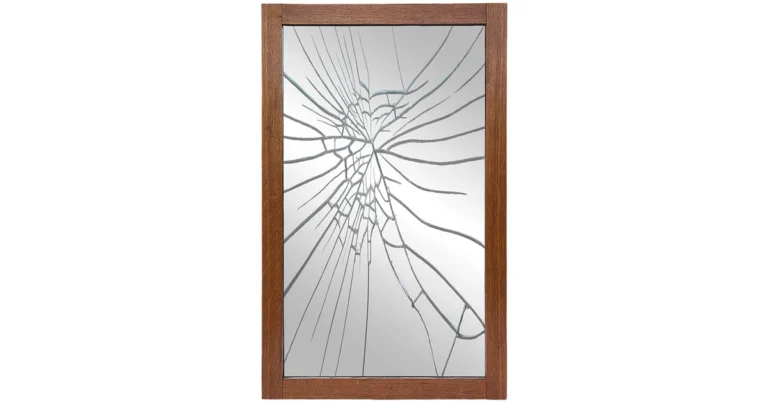
Glossy counters, mirrors, glass tops, and screens all change the plan. A fixture that looks fine in an open room may bounce light in the wrong direction when it meets a reflective surface. That is why room zoning should include reflection risks before fixture choice.
ErgoDirect’s note about extreme contrast matters here too. Reflected brightness can feel harsher than direct room light because your eyes keep catching it while you work.
Use accent lights as separate tools
Accent lighting belongs on shelves, artwork, plants, and architecture. Urbanelysian says accent lighting should be about three times as bright as the light around it, which is a strong reminder that it is a separate layer, not a substitute for ambient or task lighting.
Choose task lighting if…
Choose task lighting when the room already has a base layer and you need better visibility for one activity. It is the right pick for desks, counters, bedside reading, grooming, and prep work where shadows or eye strain are the main problem. Choose ambient lighting when the room needs safer movement, broader visibility, or a better baseline before adding task fixtures.
In a kitchen, the task layer wins at the island and counter. In a living room, ambient wins for general use, then task takes over at a reading chair or craft corner. In a bedroom, ambient sets the mood and walking light, while task handles the book, the closet, and the dresser.
Frequently asked questions
How do I layer ambient and task lighting in one room?
Start by mapping the room into zones: full-room movement, specific work surfaces, and reflective spots. Choose the ambient source first, then add task fixtures where the activity needs focused light. A dimmer on the ambient layer helps you shift between daily use and evening use.
Do I need dimmers for ambient lighting?
Yes, in most rooms dimmers make ambient lighting far more useful. They let you set a room-level baseline for daytime tasks, then lower the light for relaxing or evening use. Urbanelysian recommends dimmers for flexibility, and that advice fits most homes.
Can one light fixture do both task and ambient lighting?
Sometimes, yes. A wide pendant or adjustable ceiling fixture can handle both in a small room or a single-use zone if it lights the whole space evenly and still reaches the work surface. If the room has several jobs, separate layers usually work better.
Sponsored / affiliate links. As an Amazon Associate I earn from qualifying purchases. I may earn additional commission from eligible campaigns.