LED vs CFL vs Incandescent: Which Light Is Best Now?
LED is the best all-around bulb now: choose it for most rooms, CFL only for cheap short-term replacements, and incandescent only for specialty uses or very old dimmers. Picking the wrong bulb raises electric bills and replacement frequency fast. This guide ranks LED vs CFL vs incandescent by cost, light quality, dimmer fit, and fixture safety, room by room.
LED vs CFL vs incandescent: which light is best now?


The best choice for most homeowners is LED. It wins on running cost, service life, and room flexibility, while CFL mainly survives as a lower-cost stopgap and incandescent remains useful only when you need a very specific fit or behavior. The right answer still depends on room use, dimmer type, and fixture heat.
| Factor | LED | CFL vs incandescent: Which light is best now | Winner |
|---|---|---|---|
| Upfront cost | Usually higher upfront cost. | CFL is usually lower than LED; incandescent is often the lowest on shelf price. | CFL vs incandescent: Which light is best now |
| Operating cost | Lowest running cost for the same brightness; uses far fewer watts. | CFL is lower than incandescent, but higher than LED; incandescent has the highest operating cost. | LED |
| Lifespan | Lasts several times longer than fluorescent and incandescent; life is often defined at 30% light-output loss. | CFL is listed at about 6,000–15,000 hours; incandescent is typically about 1000 hours. | LED |
| Maintenance / replacement frequency | Needs fewer replacements because it lasts longer. | CFL needs more replacement than LED and can lose practical life with frequent switching; incandescent needs the most frequent replacement. | LED |
| Dimmer compatibility | Good only with a compatible bulb and dimmer. | Incandescent is the easiest match for old dimmers; CFL is the least forgiving on dimmer circuits. | CFL vs incandescent: Which light is best now |
| Fixture heat and safety | Lower heat; heat sink performance matters in enclosed fixtures. | CFL has lower heat than incandescent but contains mercury; incandescent releases about 90% of energy as heat. | LED |
| Performance / light quality | Turns on at full brightness immediately; more directional light. | CFL is a practical mid-step upgrade; incandescent is often cited as high CRI and produces light in all directions. | Tie |
| Best-fit use | Best for most rooms, especially daily-use spaces like living rooms, family rooms, kitchens, and enclosed fixtures if rated for them. | CFL is best as a lower-cost stopgap; incandescent is useful for specialty uses or very old dimmers. | LED |
Upfront cost
Incandescent usually wins on shelf price, and CFL often sits between incandescent and LED. That is the narrow case where CFL still has a job: when you need the cheapest replacement today, not the cheapest light over years.
Operating cost
LED wins here because it uses far fewer watts for the same lumens. Lower wattage generally means lower annual energy cost once brightness is matched, which matters most in rooms used every day.
Service life
LED again wins, but its life is usually expressed differently than incandescent life. LED life is often defined by 30 percent light-output loss, while incandescent bulbs typically end at filament failure and CFL life can shrink with frequent switching.
Fit with dimmers and fixtures
Incandescent remains the easiest match for old dimmers. LED can also work well, but only if the bulb and dimmer are compatible. CFL is the least forgiving choice on dimmer circuits and is a poor fit for many enclosed fixtures.
📊 Incandescent lights have a luminous efficacy of 10–17 lm/W. Source: LED lamp.
How these three bulb types work
LED, CFL, and incandescent make light in very different ways, and those differences explain most buying decisions. LED is a semiconductor light source, CFL is a fluorescent lamp that uses gas and phosphor, and incandescent uses a heated filament.
LED bulbs
LED bulbs create light from a semiconductor and send it in a more directional pattern than incandescent or CFL. They are up to 90% more efficient than incandescent light bulbs, and the most efficient commercially available LED lamps exceed 200 lumens per watt. A heat sink is critical because excess heat shortens useful life.
LEDs also turn on at full brightness immediately with no warm-up delay. Their life is commonly tied to lumen depreciation, not sudden burnout, so a bulb can keep working while gradually losing output.
CFL bulbs
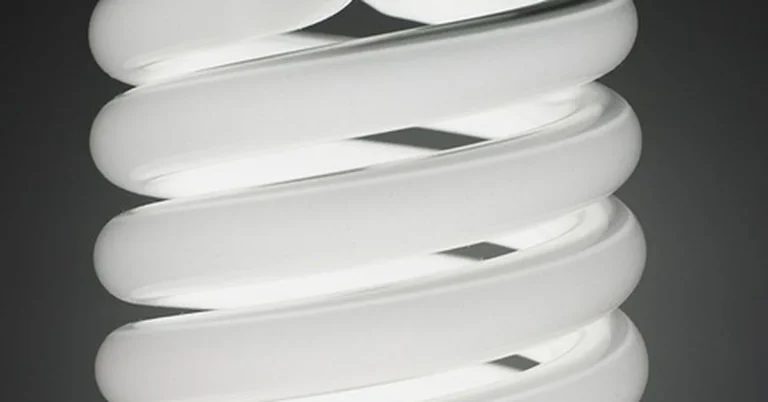
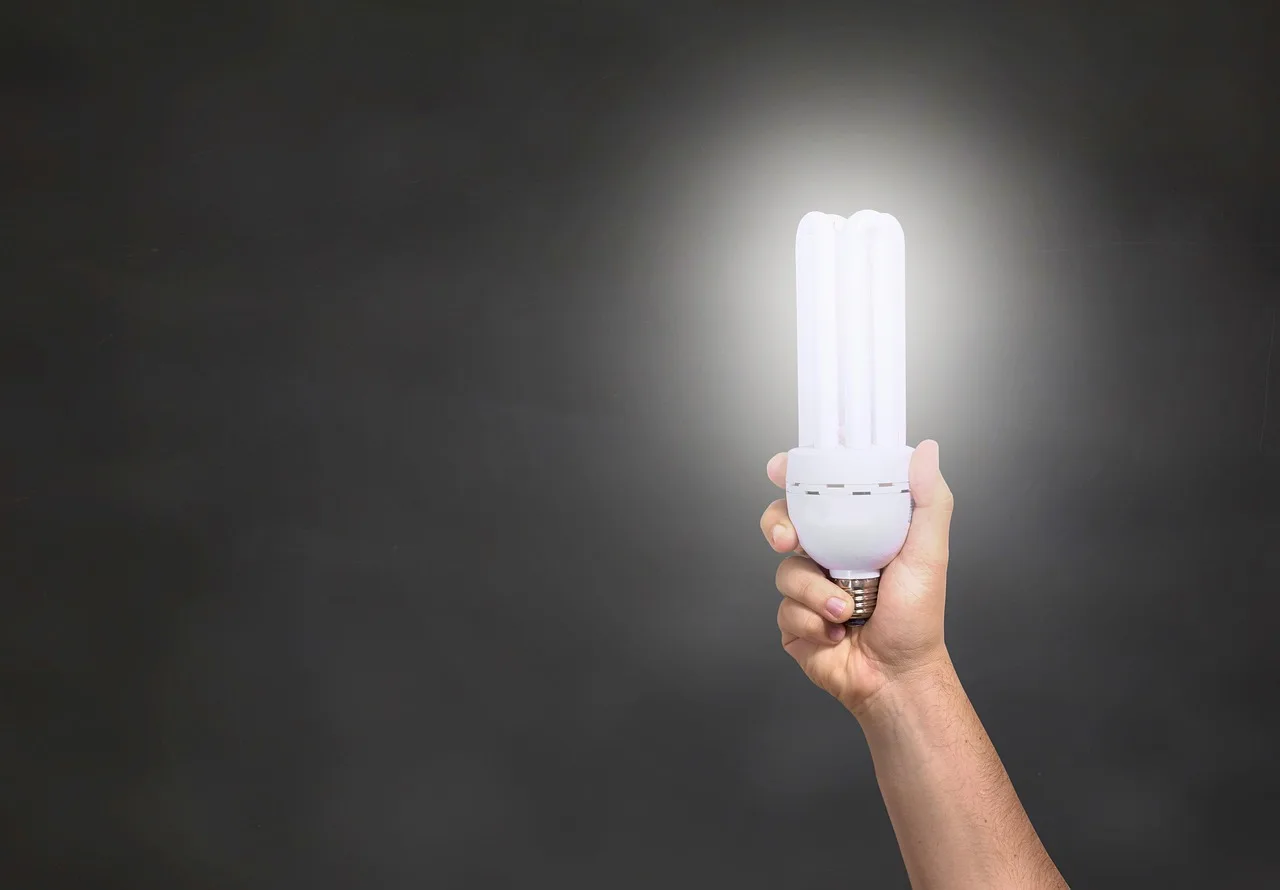
CFLs use fluorescent technology: ultraviolet light and heat are created inside the lamp, then a phosphor coating converts that into visible light. They are more efficient than incandescent bulbs, with fluorescent lamps listed at 50 to 100 lm/W, but they contain mercury and need careful disposal.
CFLs can be a practical mid-step upgrade from incandescent, especially where upfront price matters more than long-term savings. They are less appealing in fixtures that are switched on and off often.
Incandescent bulbs
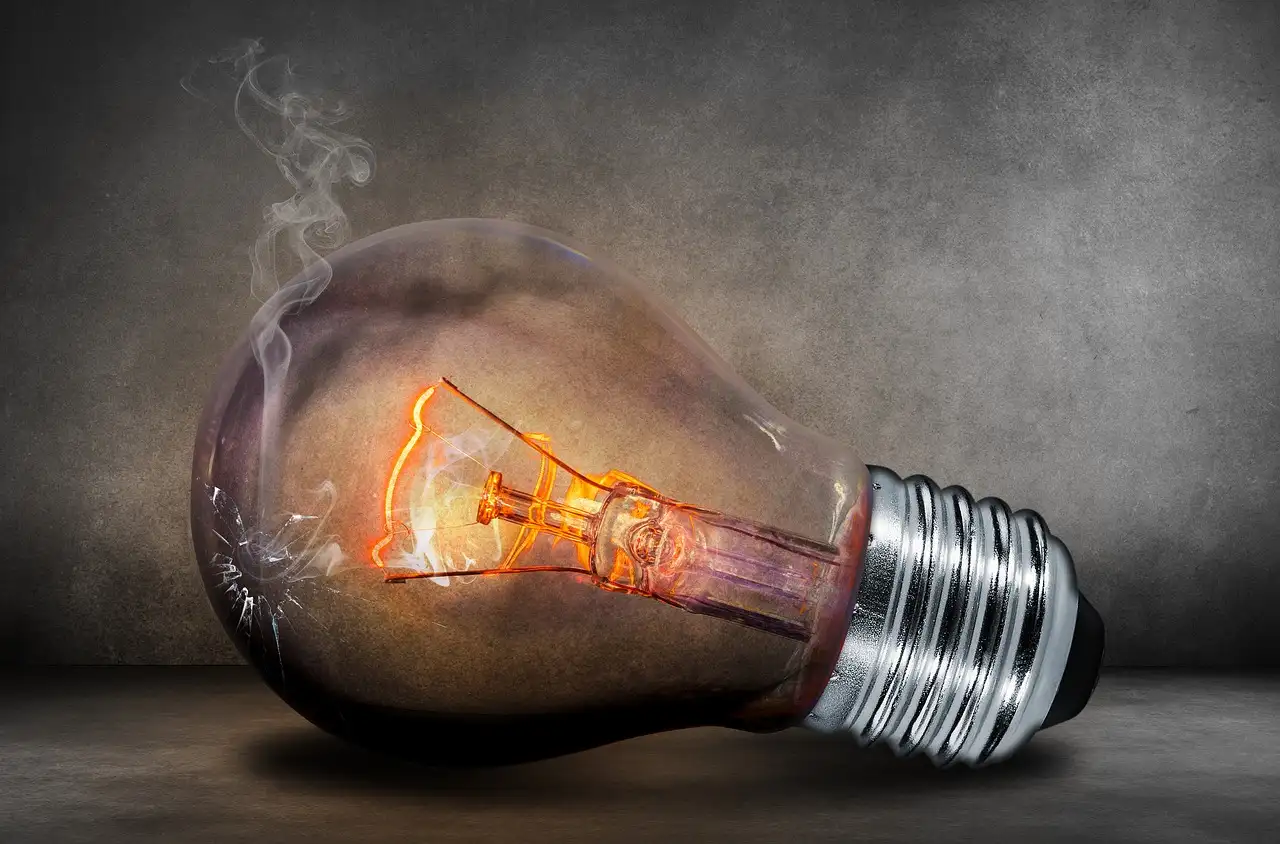
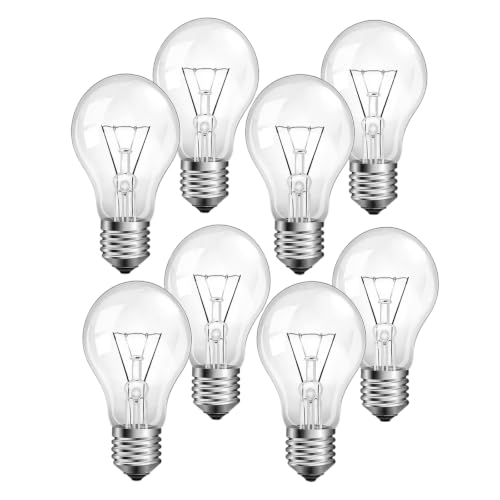
Incandescent bulbs make light by heating a filament. They produce light in all directions, but they are the least efficient of the three, with luminous efficacy of 10–17 lm/W and a typical life of 1000 hours.
They also waste a large share of energy as heat. That heat can be useful in a very limited number of cases, but in most rooms it means higher electric bills and more frequent bulb changes.
How should you compare bulbs: lumens, watts, CRI, and color temperature?
Start with lumens. Lumens measure brightness, so they tell you whether two bulbs will light a room at the same level. After that, use watts to estimate energy cost, then compare CRI and color temperature to judge how the light will look in the room.
Lumens versus watts
Wattage tells you how much power the bulb uses, not how bright it is. Two bulbs can use very different watts and still produce similar light, so retail packaging should be matched by lumens before you compare the bill.
CRI and color temperature
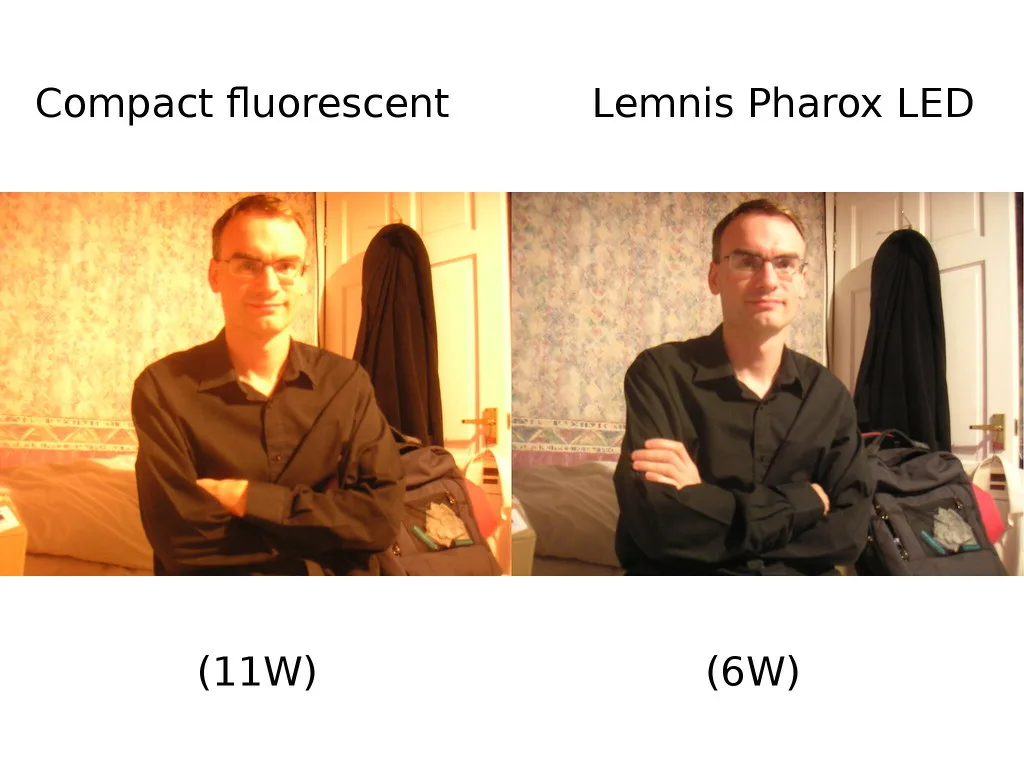
CRI, or Color Rendering Index, describes how accurately a light source shows colors. Incandescent is often cited as high CRI, which is why it still has a following for living rooms and task lighting where visual appearance matters.
Color temperature is measured in kelvins. Warm white usually feels softer, cool white looks cleaner, and daylight is higher and bluer; the label affects the room more than many shoppers expect.
Say your 12-foot kitchen has three bulbs over the counter and you are replacing them after one burns out. Matching 800 lumens across all three matters more than matching the old watt number, because the watts only tell you how much electricity the fixture pulls.
Which bulb uses the least electricity for the same brightness?
LED uses the least electricity for the same brightness. CFL comes next, and incandescent uses the most by a wide margin. Once you match lumens, the bulb with the lower wattage usually costs less to run each year.
Why this ranking holds
LED lighting products produce light up to 90% more efficiently than incandescent light bulbs, and commercial LED lamps can exceed 200 lumens per watt. Incandescent bulbs sit at 10–17 lm/W, which is why they need far more power for the same visible light.
Where real fixtures change the answer
Fixture heat and driver losses matter. An LED in an enclosed ceiling fixture needs a heat sink that can shed heat into the surrounding environment, while a poorly ventilated housing can shorten useful life. That does not usually erase LED’s efficiency lead, but it can affect which bulb lasts longest in that fixture.
Which bulb lasts the longest?
LED lasts the longest in normal home use. CFL is the middle option, and incandescent is the shortest-lived. The catch is that CFL and LED both depend on real-world conditions such as switching frequency, fixture heat, and product quality.
LED lifespan
Commercial LED lamps have a lifespan several times longer than incandescent and fluorescent lamps. Their rated life is often defined by a 30 percent light-output loss, so the bulb may still work while producing less light than when new.
CFL lifespan
Fluorescent lamps have a longer lifetime of 6,000–15,000 hours, but frequent switching can reduce practical life. That makes CFL a weaker choice for closets, bathrooms, and other spaces you hit with short on-off cycles.
Incandescent lifespan
Incandescent lamps typically last 1000 hours. They also fail more abruptly because the filament burns out rather than slowly fading, so replacement cycles come fast in rooms used every day.
Compare the bulbs by real home use

| Use case | LED | CFL | Incandescent | Short recommendation |
|---|---|---|---|---|
| Table lamps | Best for most homes | Okay if upfront cost is the top constraint | Good for color feel, poor on operating cost | LED for daily reading; CFL only for low-budget short-term swaps |
| Enclosed ceiling fixtures | Best if rated for enclosed use and heat sink is adequate | Less ideal because of warm-up and disposal concerns | Poor because of heat | LED with an enclosure-rated label |
| Dimmer circuits | Best only with compatible dimmer and bulb | Usually the weakest fit | Often the easiest retrofit on older circuits | LED if compatible; otherwise incandescent for legacy dimmers |
| Rarely used closets | Good, especially if you want no mercury | Can work if you want lower purchase price | Works but wastes energy and lasts less time | CFL or low-cost LED, depending on disposal preference |
| High-use living spaces | Best overall | Middle option | Worst on energy cost and replacement frequency | LED for most living rooms, family rooms, and kitchens |
Table lamps
LED is the best default for table lamps because it lowers operating cost without giving up choice in color temperature. CFL can still make sense if the lamp stays on only occasionally and upfront price matters more than disposal convenience.
Enclosed ceiling fixtures
Enclosed fixtures are where heat management matters most. LED is the right pick if the packaging says it is suitable for enclosed fixtures, because a heat sink has to move heat away from the electronics to protect useful life.
Dimmer circuits
Do not assume every LED bulb works on every dimmer. Some LED bulbs need a special dimmer match to avoid flicker, limited dimming range, or shutoff at low levels; incandescent still works on many older dimmers with fewer surprises.
Rarely used closets
Closets are one of the few places where CFL can still compete, because the energy savings from LED take longer to matter if the light is rarely on. Even so, many homeowners now choose a low-cost LED instead to avoid mercury disposal and warm-up issues.
High-use living spaces
LED wins most high-use rooms because it lowers the electricity bill and cuts replacement frequency. In spaces used several hours a day, the cost gap between LED and incandescent becomes hard to ignore.
Suppose a hallway light turns on several times a day and stays on only briefly each time. That switch frequency is a bad fit for many CFL bulbs, but it is fine for LED and, on older dimmers, often fine for incandescent too.
Choose LED if… / Choose CFL if… / Choose incandescent if…
Choose LED if you want the lowest operating cost, the longest practical service life, broad color-temperature choices, and a better fit for most rooms. Choose CFL if you need a lower upfront price and can accept mercury disposal plus less flexibility. Choose incandescent only when a legacy dimmer, a specific light feel, or a very limited-use fixture matters more than energy cost.
Choose LED if…
Pick LED for table lamps, kitchen lights, family rooms, and any fixture used often. It is the best default when you care about lower wattage, fewer replacements, and a choice of warm white, cool white, or daylight.
Choose LED with caution in enclosed ceiling fixtures. Make sure the bulb is rated for that use and that the heat sink can do its job.
Choose CFL if…
Pick CFL only when upfront cost is the main issue and the fixture is not switched constantly. It remains a useful mid-step upgrade from incandescent, but it is less attractive now because LED has closed most of the practical gaps.
Choose CFL less often in closets, bathrooms, and dimmed fixtures. The mercury content alone is enough reason for many homeowners to skip it unless the budget is tight.
Choose incandescent if…
Pick incandescent only for a narrow set of old dimmers, specialty visual effects, or very short-term use where purchase price beats every other factor. It is the least efficient choice and usually the most expensive to run over time.
Are LED bulbs better than CFL bulbs?
Yes, for most homes LED bulbs are better than CFL bulbs. LED uses less electricity, lasts longer, turns on instantly, and avoids mercury. CFL still has a narrow value case when you need a cheaper replacement today and the bulb will not be switched often.
Where CFL still makes sense
CFL can still be worth buying in 2026 if the budget is very tight and the fixture is a low-switching location such as a storage room. Even then, many homeowners will be better served by a basic LED because the price gap has narrowed while the energy and lifespan advantages remain strong.
What is the cheapest light bulb to buy upfront versus over time?
Incandescent is usually cheapest upfront, CFL is often the middle option, and LED is often highest at the register. Over time, LED is usually cheapest because it uses less electricity and needs fewer replacements.
Why the long-term math changes
Lower watts usually mean lower operating cost at equal brightness. Add in a longer rated life, and LED often wins even when the first purchase costs more. Incandescent looks cheap only if you ignore the electric bill and replacement cycle.
Which bulb is best for home lighting if I want the lowest energy cost?
LED is the best choice for the lowest energy cost in home lighting. It gives the same brightness at lower wattage than CFL or incandescent, and that advantage matters most in rooms that stay lit for long stretches each day.
Simple buying rule
- Match lumens first.
- Choose LED for most rooms and high-use fixtures.
- Use CFL only for a cheap short-term replacement or a rarely used space.
- Keep incandescent for legacy dimmers or specialty cases where you accept higher energy cost.
- Check dimmer compatibility, enclosed-fixture ratings, and color temperature before you buy.
Frequently asked questions
What are the main differences between LED, CFL, and incandescent bulbs?
LED uses semiconductor light, CFL uses fluorescent gas and phosphor, and incandescent uses a heated filament. LED is most efficient, CFL is the middle option, and incandescent is least efficient. The practical differences show up in heat, lifespan, dimmer fit, and disposal.
Is incandescent light better for color quality than LED?
Incandescent is often judged favorably for color quality because it has a high CRI and a familiar warm look. LED can match or approach that appearance in many products, but you still need to check CRI and color temperature instead of assuming all LEDs look the same.
Do LED bulbs work with dimmer switches?
Some do, and some do not. LED dimming depends on both the bulb and the dimmer, so compatibility matters. Older incandescent dimmers may work poorly with some LEDs, which can cause flicker, reduced dimming range, or shutoff at low levels.
Are CFL bulbs still worth buying in 2026?
CFL is still worth buying only in narrow cases where upfront cost matters more than disposal convenience, warm-up time, or frequent switching performance. For most homeowners, a basic LED is the more practical purchase because it lasts longer and uses less electricity.
Which bulb lasts the longest: LED, CFL, or incandescent?
LED lasts the longest in normal home use. CFL comes next with a rated life of 6,000–15,000 hours, while incandescent is usually shortest at about 1000 hours. Real-world switching frequency and fixture heat can narrow or widen those gaps.
Sponsored / affiliate links. As an Amazon Associate I earn from qualifying purchases. I may earn additional commission from eligible campaigns.