What Color Temperature Is Best for Living Rooms?
For most living rooms, 2700K to 3000K is the best color temperature. Choose around 3500K if the room is used for reading, has modern finishes, or gets a lot of daylight. Pick poorly and the room can feel yellow, cold, or hard on the eyes. This guide shows how to choose between warm white, neutral white, and cooler light for living rooms with mixed uses.
What color temperature is best for living rooms?
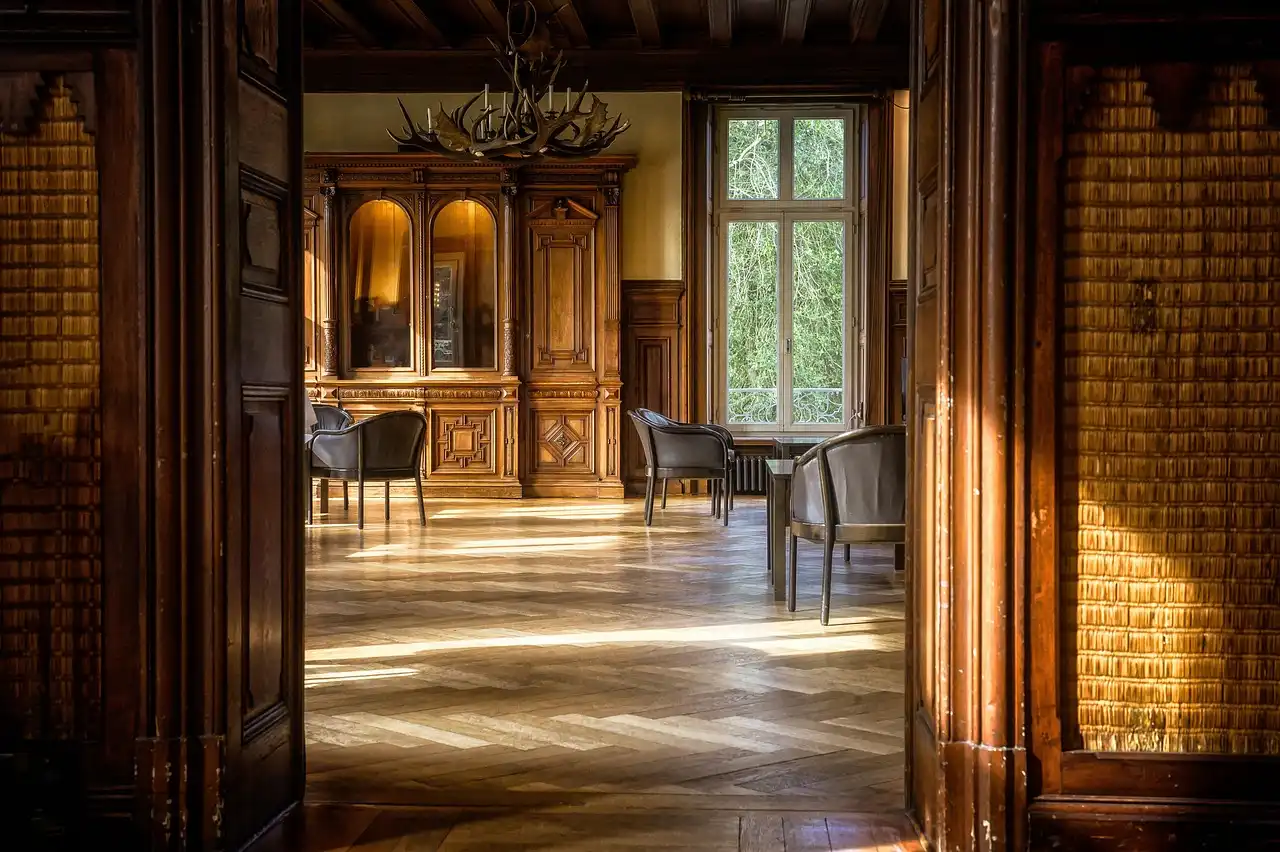


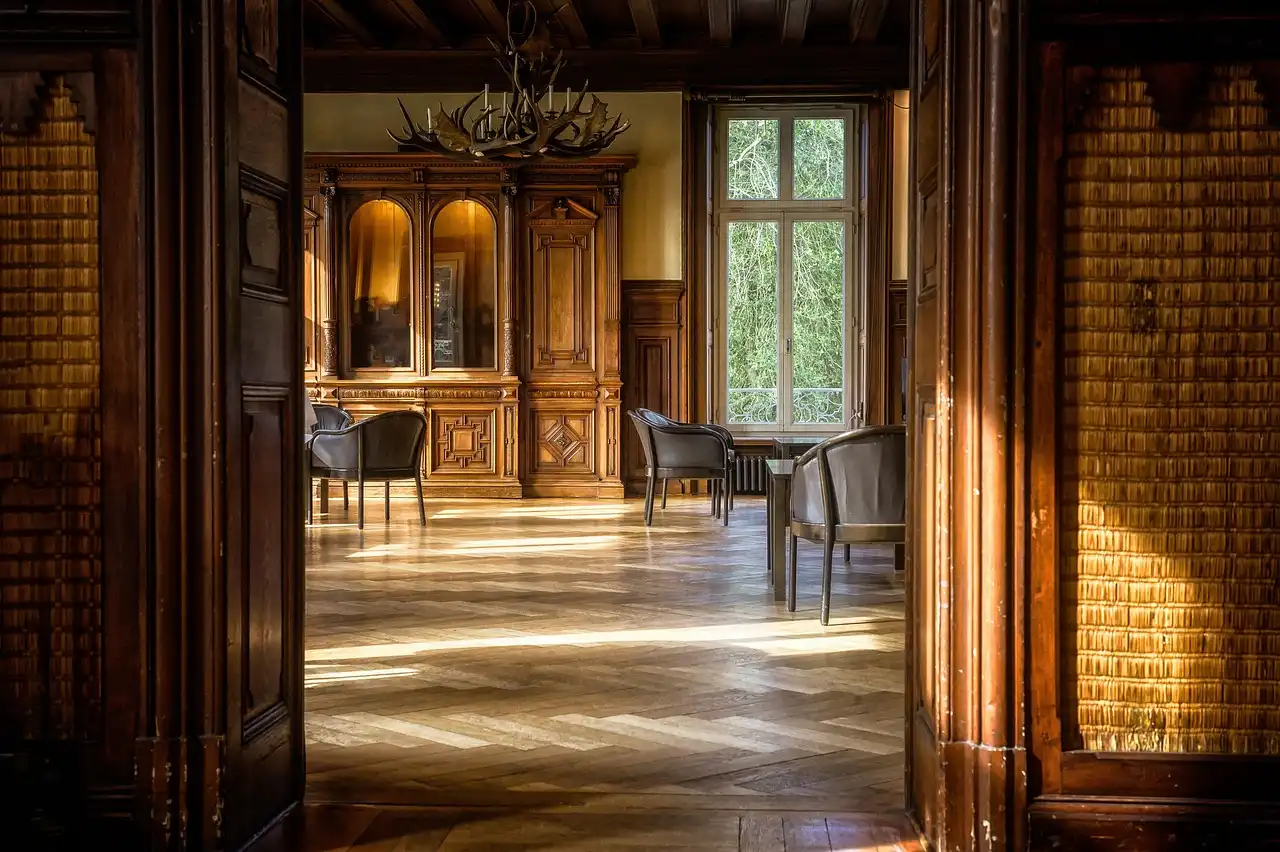
The best color temperature for most living rooms is 2700K to 3000K. That range reads warm white, which fits relaxation, soft ambient lighting, and most home decor. Move up to 3500K only when the room needs more visible light for reading, board games, or a daylight-heavy modern interior.
Color temperature describes the apparent warmth or coolness of light. On the Kelvin scale, lower numbers generally look warmer and more yellow; higher numbers generally look cooler and more white-blue. For a main living room, warm light usually feels more comfortable than cooler light.
How the Kelvin scale changes the look of light
Think of 2700K as soft, cozy, and familiar. 3000K still reads warm, but it looks a little cleaner and less amber. 3500K starts moving into neutral white, and 4000K can feel noticeably cooler in a living room, especially from bare ceiling fixtures. By 5000K to 6500K, light is generally in the cool white or daylight range, which suits work areas better than main room lighting.
Plotted Lights says 2500 K can suit warm colors and earthy materials, while cool colors and contemporary materials can go up to 3500 K. Color With Leo defines warm white as 2700K-3000K, neutral white as 3500K-4100K, and cool white/daylight as 5000K-6500K.
2700K versus 3000K in lamps and ceiling fixtures
Use 2700K when you want the softest, most relaxed look. Use 3000K when you want the room to feel slightly brighter and cleaner without losing warmth. The difference is subtle in a shaded table lamp, but more obvious in exposed ceiling fixtures and flush mounts, where 3000K can read a little crisper.
Lighting Link says living rooms usually work best at 2700K to 3000K, and that warmer light suits relaxation while cooler light suits clearer seeing. That is the practical split most homeowners need.
Where neutral white and daylight start to feel cooler
Neutral white begins around 3500K and extends to 4100K. It can work in a living room, but it should usually be reserved for reading corners, activity zones, or bright modern spaces. Cool white and daylight, from 5000K to 6500K, are usually too stark for general living room lighting.
📊 The best color temperature for a living room is 2700-3000 K. Source: Best Color Temperature For Your Living Room.
Should living room lights be warm white or soft white?
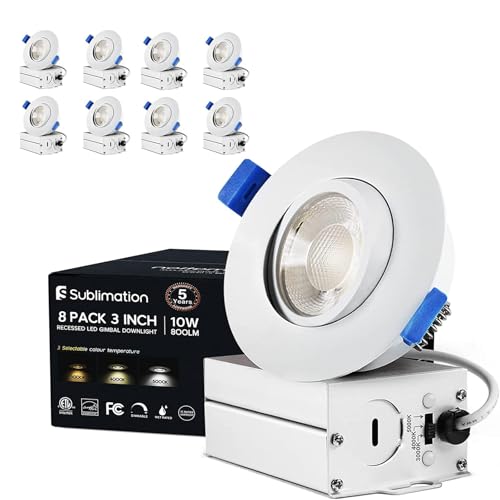
Living room lights should usually be warm white or soft white, especially for ambient lighting. Both fall in the 2700K to 3000K range and keep the room feeling inviting. Soft white is the slightly cleaner option; warm white is the safer default when you want a relaxed evening feel.
Warm white for relaxation and ambient light
Warm white works best for the main room illumination in most living rooms. It flatters wood, fabric, leather, and painted walls better than cooler light in most homes. Color With Leo recommends warm white for leisure and relaxation, which matches how living rooms are used most often.
Soft white for a slightly cleaner but still comfortable look
Soft white often means a warm bulb near 3000K, though labels vary by brand. If a room has pale walls, white trim, or a more modern layout, 3000K can keep the space from feeling overly yellow while staying comfortable. It is a good middle point when 2700K feels too dim or too amber.
A common mistake is choosing an icy white ceiling light for a cozy living room that is otherwise lit with soft amber lamps. The mix can look accidental, especially at night, because the cooler source often stands out instead of blending in.

When a living room needs 3500K or 4000K
Use 3500K or, in narrow cases, 4000K when the room needs clearer seeing for reading, games, or detailed tasks. These temperatures work better for task lighting than for the main ambient layer. They can suit daylight-heavy or modern rooms, but they can feel too cool if used everywhere.
Reading corners, board games, and other task zones
A reading chair with a focused floor lamp can use 3500K without making the whole room feel clinical. The same goes for board games, puzzles, or guitar practice, where slightly higher Kelvin can help details stand out. Color With Leo recommends 3500K-4100K for multipurpose living rooms and 5000K-6500K for work or tasks.
Bright modern rooms and daylight-heavy spaces
If the living room has large windows, pale walls, and strong sun exposure, 3500K may blend better with the daylight already entering the space. In a contemporary room with concrete, steel, or glass, the slightly cooler look can also match the finishes. That said, the main light still should not drift into a harsh daylight tone by default.
Where 4000K starts to feel too cool
4000K can be useful in a living room for a specific job, but it often feels too cool for general evening use. In smaller rooms, or rooms with warm wood and leather, 4000K can make the space feel flat or clinical. For most homeowners, it belongs in a task lamp, not the whole room.
How room layout and daylight should change your choice

Room layout and daylight matter as much as decor. North-facing rooms and darker rooms usually need warmer bulbs to stay inviting, while bright sun-filled rooms can tolerate slightly higher Kelvin without looking cold. The goal is to match the bulb to the room’s real light level, not just the package label.
North-facing rooms and low-light spaces
North-facing rooms often receive cooler daylight and less direct sun. In those spaces, 2700K usually keeps the room from feeling gray or flat, and 3000K can add a touch more clarity without going cold. If the room is small and dim, avoid pushing the whole space to 3500K unless there is a clear task reason.
Large windows, pale walls, and strong sun exposure
Large windows and pale finishes reflect more light, so the room can handle 3000K more easily. In a very bright space, 3500K may still feel comfortable in a reading lamp or game table. The risk is going too cool across every fixture and turning a pleasant living room into something that feels like an office.
Keeping adjacent rooms visually consistent
If the living room opens to a hallway, dining room, or kitchen, try to keep the color temperatures close enough that the transition does not look disjointed. A warm living room beside a much cooler kitchen is normal; a 2700K living room beside 4000K hallway cans often looks less intentional. Matching 2700K to 3000K across nearby social spaces usually feels most coherent.
What fixtures and decor say about the right Kelvin range
Fixture type and decor change how color temperature reads. Bare bulbs and overhead fixtures reveal Kelvin differences more clearly than shaded lamps, and warm materials usually look better under warm white. Cool palettes and modern finishes can accept slightly higher Kelvin, but the main room light should still stay in the warm range most of the time.
Overhead fixtures versus shaded lamps
Ceiling fixtures spread light broadly, so a small shift from 2700K to 3000K can be noticeable. Shaded lamps soften the output, which makes warm white feel even calmer. If you want the safest default for overhead ambient lighting, start warm; if you need a cleaner reading lamp, move up only in that zone.
Warm wood, leather, concrete, steel, and glass
Warm wood tones and leather usually look best under 2700K to 3000K. Concrete, steel, and glass can support 3000K and sometimes 3500K, especially in a modern scheme. Even then, a whole room at 3500K can still feel too cool if the furniture and textiles lean warm.
Cool palettes and modern finishes
Cool palettes, white walls, and minimalist furniture can tolerate a slightly cooler bulb more easily than earthy interiors. That is where 3000K to 3500K may make sense. Still, if the room is meant for lounging and TV, keep the ambient layer warmer and reserve the cooler light for task fixtures.
Living room lighting chooser

Use this one-page chooser to match use, fixture type, daylight, and decor to a Kelvin range. It is meant as a shopping filter, not a rigid rule. If two rows seem close, choose the warmer option for the main room and the slightly cooler option only for task zones.
| Room use | Fixture type | Daylight level | Decor style | Recommended Kelvin range | Avoid this |
|---|---|---|---|---|---|
| TV and general lounging | Ceiling fixture plus table lamps | Low to moderate daylight | Warm wood, fabric, leather | 2700K-3000K | 3500K-4000K across the whole room |
| Reading corner | Floor lamp or adjustable lamp | Any | Any | 3000K-3500K | Very dim 2700K if text feels hard to read |
| Board games or puzzles | Pendant or table lamp over the table | Moderate to bright daylight | Modern or mixed | 3000K-3500K | 5000K-6500K ambient lighting |
| Bright modern living room | Recessed lights, flush mounts | High daylight | Concrete, steel, glass, cool palette | 3000K-3500K | Overly amber 2500K if the room looks muddy |
| Small, dim, north-facing room | Layered ambient and lamps | Low daylight | Warm wood, deep color, soft textiles | 2700K-3000K | 4000K as the main room light |
| Multiuse room with reading and entertaining | Dimmable ceiling lights plus task lamps | Mixed daylight | Mixed decor | 2700K-3000K ambient, 3000K-3500K task | One fixed bulb color for every fixture |
- Choose the main ambient target first, usually 2700K to 3000K.
- Decide which fixtures are task lights, such as reading lamps or game-table lights.
- Check daylight: north-facing and dim rooms usually need warmer light than bright rooms.
- Match the bulb to the decor: warm wood and leather lean warmer; concrete and glass can tolerate slightly cooler light.
- Use dimmers or smart controls where the room changes from afternoon to evening use.
- Keep nearby hallways, dining rooms, or kitchens close enough in appearance that the transition feels intentional.
Frequently asked questions
what color temp for living room
For most living rooms, 2700K to 3000K is the practical target. That range gives you warm white light that feels comfortable for relaxing, watching TV, and hosting. If the room also supports reading or board games, add a separate task lamp at 3000K to 3500K instead of cooling the whole room.
what are warm colours for living room
Warm colors in a living room usually mean the light itself is in the 2700K to 3000K range. In plain terms, the bulbs look softer, yellower, and more relaxed than neutral or daylight bulbs. That tone tends to flatter wood, leather, textiles, and painted walls meant to feel inviting.
what is the best light color for living room
The best light color for a living room is usually warm white, not cool daylight. For most homes, that means 2700K to 3000K for the main room lighting. If the room is modern, bright, and used for tasks, 3500K can work in a limited way, but it is not the default.
is 2700K or 3000K better for a living room
Neither is universally better, but 2700K is better for softer, more relaxed rooms, while 3000K is better when you want a slightly cleaner look. If your living room is shaded, cozy, or furnished with warm materials, start at 2700K. If it is bright and open, 3000K may read more balanced.
can you use 4000K in a living room
Yes, but usually only in a limited way. 4000K can work for a reading lamp, a game table, or a modern room that gets strong daylight. As the main ambient light in a living room, though, it often feels too cool and can make the space seem less relaxing.
how do I choose living room lighting for TV and reading
For TV and reading, use layered lighting. Keep the ambient layer warm at 2700K to 3000K, then use a task lamp around 3000K to 3500K for reading. A dimmer helps you lower the main lights for TV and raise them for conversation, which keeps the room flexible without making it harsh.
Sponsored / affiliate links. As an Amazon Associate I earn from qualifying purchases. I may earn additional commission from eligible campaigns.