Lighting Fixture Types Explained: Chandeliers, Pendants
Chandeliers fit central, open rooms. Pendants work over a task or table. Sconces handle wall lighting and small spaces. Choose chandeliers for taller ceilings, pendants for focused light, and sconces when floor and ceiling space are limited. Pick the wrong type, and you get glare, weak light spread, or a fixture that feels out of scale. This article explains how each type works, where it belongs, and which one wins by ceiling height, placement, and room use.
What chandeliers, pendants, and sconces do


These three fixture types solve different room problems. A chandelier is meant to be seen and can anchor a room visually. A pendant gives targeted light from a single hanging body. A wall sconce moves light to the wall plane, which helps in narrow rooms, at mirrors, and beside beds.
Chandelier: statement light and room focal point
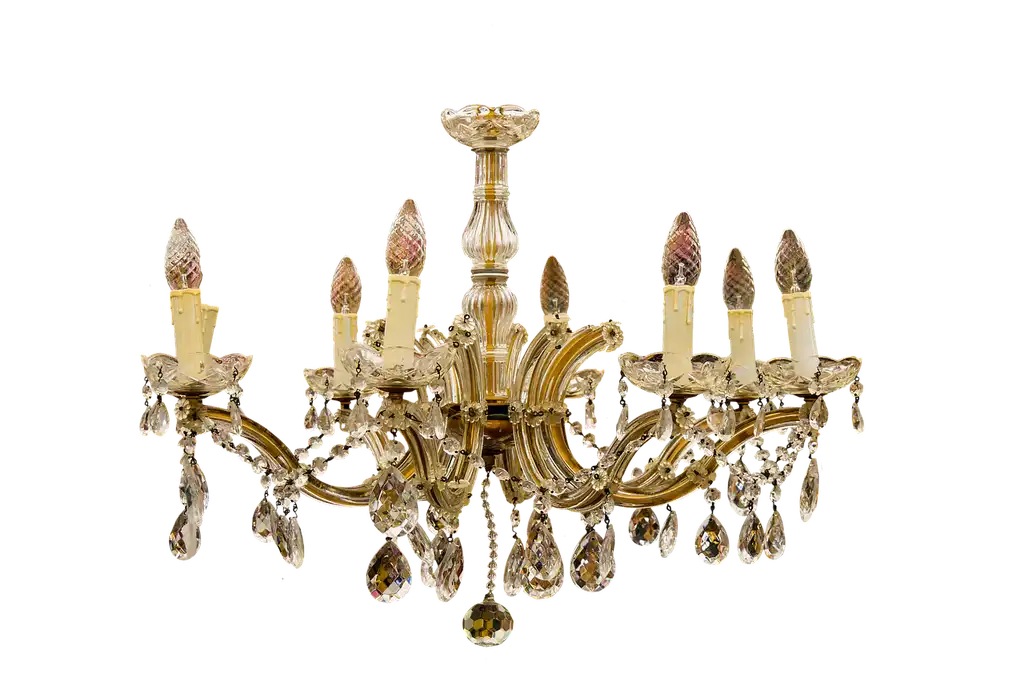
A chandelier is a hanging fixture built to be noticed first and used second. Its multiple light sources or arms make it strongest when the room needs a centerpiece, not just a utility fixture. It works best in dining rooms, foyers, and open spaces where its shape can read clearly from more than one angle.
For proportion and safety, the fixture still has to respect ceiling height and traffic. NFPA’s life-safety guidance for egress paths keeps walking clearance a priority, and the common design rule for hanging fixtures in circulation areas is at least 7 feet above the floor. For a deeper sizing starting point, use a room-proportion rule such as length-plus-width for diameter and then adjust for the room’s scale. dining room chandelier
Pendant: targeted light over a surface
A pendant is a focused hanging light that aims illumination where work happens. It is the best choice over islands, tables, desks, and reading spots because the light lands on the task instead of spreading across the whole room. A single pendant can work in small zones, while two or more can cover longer surfaces evenly.
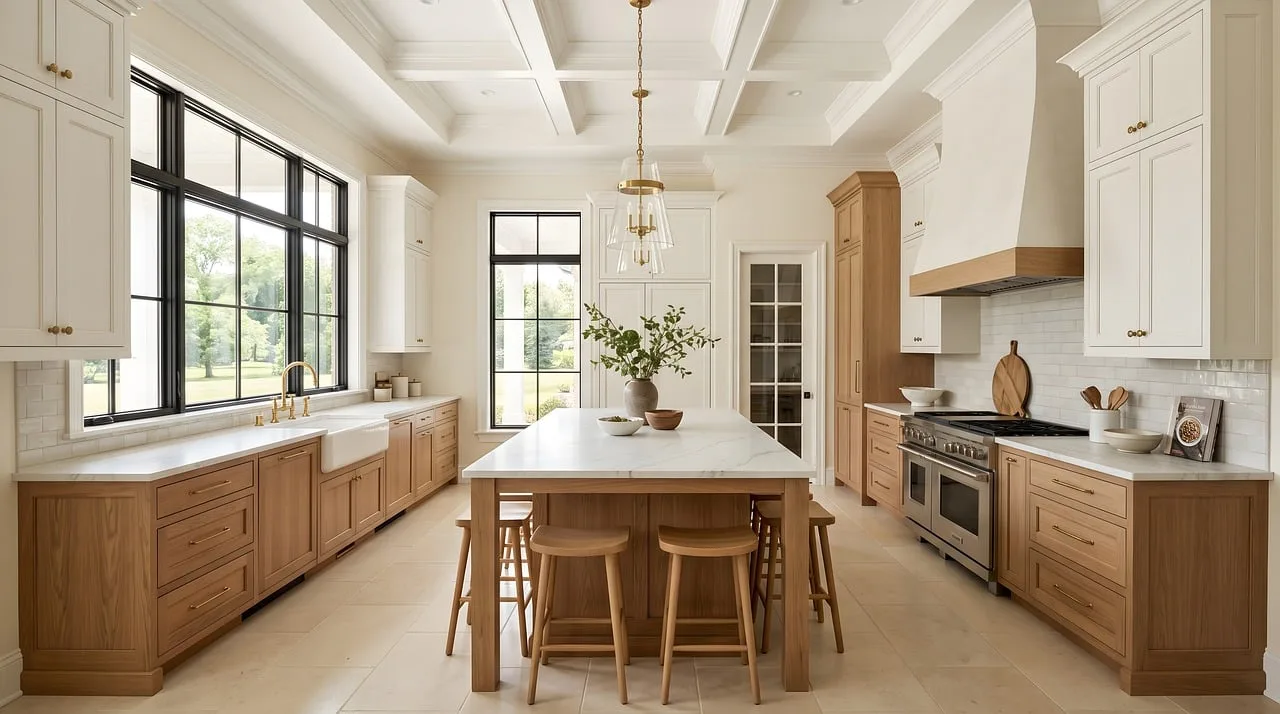
Placement is the real decision point. Over counters and islands, the common install range is 30 to 36 inches above the surface, a spacing echoed in kitchen-design guidance from the NKBA and in manufacturer installation recommendations. That height keeps the light functional without blocking sightlines or creating glare. single oversized pendant
Wall sconce: side light at eye level
A wall sconce adds light from the side instead of the ceiling, which makes it useful in narrow rooms, beside beds, around mirrors, and on fireplace walls. Because it does not consume overhead space, it can solve rooms where a hanging fixture would feel crowded or where layered light is the real goal.
Most sconces are mounted around eye level, and a common starting range is roughly 60 to 66 inches from the floor, depending on ceiling height, mirror placement, and the task. That range keeps the light usable without placing the source directly in sightlines. For bathrooms and halls, the exact center point matters less than aligning the beam with the person using the space.
Which fixture fits your room?
The best fixture fixes the room’s main lighting problem. If the room needs a focal point, start with a chandelier. If the room needs light over a surface, start with a pendant. If the room needs light along a wall, start with a sconce. The room’s ceiling height and traffic pattern decide whether that first choice can stand alone.
- Choose by ceiling height first: low ceilings favor compact or wall-mounted fixtures, while taller ceilings can support more drop and visual weight.
- Choose by room type second: dining rooms and foyers often want a centerpiece, while kitchens and work zones need task light.
- Choose by use third: if people walk under it, clearance matters; if people work beneath it, placement over the surface matters.
Dining rooms and foyers: when a chandelier fits best
A chandelier is usually the best answer when the room needs a clear center and enough vertical space to let the fixture breathe. Dining rooms gain atmosphere, and foyers gain presence. The key is keeping the fixture scaled to the room so it frames the space instead of overwhelming it.
For dining room chandeliers, a common sizing rule uses room length plus width in feet as a diameter guide. That rule is a starting point, not a replacement for proportion. It helps keep the fixture from feeling undersized in a large room or oversized in a compact one.
Kitchen islands, tables, and nooks: when pendants win
Pendants are the strongest choice when the room’s job is concentrated on a surface. Over an island, bar, desk, or breakfast table, they put light exactly where the work happens. They also let you fine-tune the room visually because a single pendant, a pair, or a linear group can each solve a different layout.
Over a kitchen island, pendants are commonly placed 30 to 36 inches above the counter. Industry guidance from the NKBA and typical fixture instructions support that range because it reduces glare while keeping the task light useful. For longer islands, multiple pendants often work better than one oversized body because they cover the length more evenly.
Hallways, bedsides, baths, and fireplaces: when sconces fit
Sconces are the best answer when ceiling space is limited or when a wall plane can do the lighting job more elegantly. Hallways need guidance without obstruction. Bedsides need reading light without taking up table space. Bath mirrors need side light to reduce facial shadows. Fireplace walls often benefit from balanced side lighting rather than a fixture overhead.
Because sconces mount to the wall, they can solve rooms where a hanging fixture would interrupt headroom or dominate a narrow layout. They are especially useful when a room needs layered light but does not have room for a large overhead feature.
Fixture decision matrix
This comparison table turns the choice into a room-by-room check. Use it to match ceiling height, room type, clearance, and visual weight before you buy. The wrong fixture type often fails for one of three reasons: bad headroom, bad placement, or the wrong amount of visual presence.
| Fixture type | Ceiling height | Room type | Clearance rule | Lighting role | Visual weight | Common failure mode | Best fit verdict |
|---|---|---|---|---|---|---|---|
| Chandelier | Best with 9 to 10+ feet; 8 feet and under usually pushes you toward flush or semi-flush | Dining room, foyer, tall entry, open center space | Keep at least 7 feet in walk-through zones; over tables, aim for 30 to 36 inches above the surface | Statement focal point and ambient center light | High visual weight; the fixture should anchor the room | Too low for walking paths, too large for the room, or too formal for the setting | Best when the room needs a centerpiece and the ceiling can support it |
| Pendant | Works well with 9 feet and up; can still work lower if the drop is short and the task zone is fixed | Kitchen island, table, nook, bar, work zone | 30 to 36 inches above a counter or table; maintain 7 feet in walk-through spaces | Task light, with some ambient spill | Medium visual weight; can read light or heavy depending on size and grouping | One pendant used where multiple are needed, or a cluster hung too low over seating | Best when the goal is focused light over a specific surface |
| Wall sconce | Works with almost any ceiling height because it does not depend on drop length | Hallway, bedside, mirror area, fireplace wall, narrow room | Commonly centered at 60 to 66 inches from the floor; placement should suit eye level and the task | Ambient, task, or accent light from the wall plane | Low to medium visual weight; easier to keep visually quiet | Placed too high, too low, or used alone when the room still needs overhead light | Best when floor space is tight or when the room needs layered side light |
Ten room scenarios that make the choice obvious
This proof table shows how the fixture decision changes by room. The best choice is not just the prettiest option; it is the one that fits the room’s height, traffic, and lighting job without creating a new problem.
| Room scenario | Clear winner | Why it wins | Main failure mode to avoid |
|---|---|---|---|
| Small dining room with a centered table | Chandelier | Creates a focal point and defines the dining zone without needing multiple fixtures | Choosing a fixture that is too wide or hangs too low |
| Long kitchen island used for prep and homework | Pendants | Places light directly over the work surface and can be spaced to cover the full length | Using one pendant that leaves dark ends |
| Two-story foyer with clear walking space | Chandelier | Uses the height to create presence and gives the entry a strong visual center | A fixture that is too small to read from the landing |
| Narrow hallway with low traffic clearance | Wall sconces | Provides guidance without consuming headroom or floor space | Mounting too high to light the path effectively |
| Bedside reading area with little table space | Wall sconces | Replaces a lamp, clears the nightstand, and aims light where it is needed | Placing the sconce where the beam hits the pillow instead of the reading zone |
| Breakfast nook with a round table | Pendant | Centers the table and keeps the lighting intimate without overpowering the room | Hanging it too high so it stops acting like task light |
| Bathroom mirror with shadow problems | Wall sconces | Side light reduces facial shadows better than a single overhead source | Using only a ceiling fixture and leaving the face underlit |
| Open living room with tall ceilings and no central feature | Chandelier | Gives the room a visual anchor and fills the vertical volume | Picking a small fixture that disappears into the room |
| Compact laundry or utility room | Pendant or simple ceiling light, depending on clearance | Pendant can work if the task zone is fixed and the ceiling allows it | Using an ornate fixture that adds clutter instead of function |
| Fireplace wall in a room that already has overhead lighting | Wall sconces | Adds balance and accent without competing with the center of the room | Overlighting the wall so the fireplace loses visual importance |
Say your kitchen island is 7 feet long and your ceiling is 8 feet tall. A single oversized pendant can crowd the sightline, while a pair of smaller pendants may keep the room open and still light the surface. The ceiling height does not ban pendants; it just limits how much drop and visual mass the room can handle.
Suppose a foyer has a 10-foot ceiling, a clear center path, and a tall front door. A chandelier can work well there because the space supports a larger hanging fixture, and the room benefits from a visible center point. A sconce alone would leave the volume of the room underused.
How low should it hang?
The right drop depends on what sits under the fixture and who passes through the room. Over tables and islands, the fixture should usually hang low enough to relate to the surface, but high enough to preserve sightlines. In walk-through areas, the floor-to-fixture clearance has to protect headroom first.
Table and island clearance targets
For dining rooms, the typical target is 30 to 36 inches from the bottom of the fixture to the surface. That range keeps the light close enough to help with the table while leaving room for conversation and sightlines across the table. It is also the most common guideline in fixture instructions and kitchen-planning references.
For kitchen islands, the same 30 to 36 inches above the counter is a common target. If the fixture hangs lower than that, glare and crowding become more likely. If it hangs much higher, the task light can feel weak and spread too far. Taller ceilings can handle more drop, but the working height above the surface stays the same.
Walk-through clearance rules
A general clearance target is at least 7 feet between the floor and a hanging fixture in walk-through spaces. That matters in hall crossings, entry paths, and any route where someone might walk under the light without thinking about it. It is a practical headroom rule, not just a style preference.
The most common failure here is simple: the fixture looks fine on paper, then feels low the moment people move through the room. A lower-hanging chandelier can also break sightlines in a foyer, making the space feel smaller than it is.
What changes on tall or sloped ceilings
Taller ceilings need more visual weight. A small pendant can look lost in a two-story entry, and a slim chandelier may not read from across the room. On sloped ceilings, measure the peak height and think about where the fixture will hang in the room, not just where the ceiling starts.
When the ceiling rises steeply, the drop length and the fixture’s silhouette matter together. A fixture that hangs safely may still look too small if the room volume is much larger than its footprint suggests. Oversized pendants can solve that scale problem, but only when the room can absorb their visual mass.
Can sconces replace a ceiling light?
Sometimes. A sconce can replace a ceiling light in a hallway, beside a bed, or at a mirror when the room is narrow and the task is localized. In those cases, the wall can carry the room’s useful light without forcing a fixture into the ceiling plane.
When wall light can carry the room
Sconces can carry a room when the space is small, the ceiling is low, or the need is directional rather than broad. A narrow hallway needs guidance more than overhead drama. A bedside reading zone needs light aimed from the side. A pair of sconces by a mirror can do a lot of work without a central ceiling fixture.
When you still need overhead light
Use sconces as the only source when the room is compact and the task is limited. In larger rooms, or rooms with multiple use zones, overhead light still matters. A room should not rely on one fixture type alone when it needs both coverage and comfort.
That is where layered lighting matters. Ceiling fixtures supply ambient light. Pendants or sconces supply task light. Wall-mounted fixtures add accent light and soften flatness. A room with only one light source often feels incomplete, even if the room is bright enough on paper.
Best pairings for layered lighting
In an open-plan kitchen, pendants over the island can handle the work zone while recessed downlights or a ceiling fixture cover the broader room. In a dining room, a chandelier may define the table while wall sconces soften the perimeter. In a bathroom, sconces at the mirror can reduce facial shadows while the ceiling light fills the room.
Sizing and scale rules that matter
Fixture size should match room size. Large rooms need larger or multiple fixtures. Small rooms benefit from compact forms. The label on the box matters less than how much visual space the fixture occupies once it is installed.
Match fixture size to room size
A fixture can be bright enough and still be wrong. If it is too small, it disappears. If it is too large, it dominates the room and can make the ceiling feel lower. This is why visual balance matters as much as light output.
For a dining room chandelier, the room’s length-plus-width diameter rule helps keep the fixture proportional. For a foyer, the fixture should look intentional from the doorway and from the stair landing, not just from directly below.
Use multiple pendants when one body is too small
One pendant may not cover a long island or wide work zone. In that case, use two or more pendants spaced to cover the full surface, or choose a linear cluster. Multiple small fixtures often look better than one oversized body when the goal is even coverage and visual rhythm.
Spacing matters as much as count. Too close, and the group looks crowded. Too far apart, and the light breaks into separate pools that miss the edges of the work surface.
Why visual balance matters as much as output
Brightness alone does not solve scale. A fixture can throw enough light and still feel wrong if it sits too low, looks too heavy, or floats in the wrong part of the room. The best fixture fits the room’s height, width, and use at the same time.
That is why the decision path is useful. Start with ceiling height. Then check placement. Then check clearance. Finally, ask what job the room needs the fixture to do.
Frequently asked questions
What is the difference between a chandelier, pendant, and sconce?
A chandelier has multiple arms or light sources and acts as a visual anchor. A pendant hangs from a cord, rod, or chain and gives targeted light over a surface. A sconce mounts to the wall and adds side light at eye level for halls, mirrors, bedsides, and similar spaces.
Which lighting fixture is best for a dining room?
A chandelier is usually the best first choice for a dining room because it centers the table and gives the room a focal point. Keep the bottom of the fixture 30 to 36 inches above the surface, and size it to the room so it does not feel too small or too dominant.
How low should a pendant or chandelier hang?
Over tables and kitchen islands, aim for 30 to 36 inches from the bottom of the fixture to the surface. In walk-through spaces, keep at least 7 feet between the floor and the hanging fixture. Those two rules prevent head bumps, glare, and awkward sightlines.
Where should wall sconces be placed in a room?
Sconces are commonly centered at 60 to 66 inches from the floor, but the exact placement depends on the task. Use them beside mirrors, along hallways, at bedsides, or flanking a fireplace. The goal is eye-level light that supports the room without crowding it.
Can I use sconces instead of a ceiling light?
Yes, in some rooms. A hallway, bedside zone, or compact bath may work well with sconces as the main light source. In larger rooms or mixed-use spaces, sconces usually work better as part of a layered plan rather than the only light in the room.
How many pendants should go over a kitchen island?
The right number depends on island length and fixture size. Short islands may use two pendants, while longer islands may need three or a linear group. Use enough fixtures to cover the full surface without crowding the edge or creating dark gaps between them.
What ceiling height do I need for a hanging light fixture?
As a general rule, 8 feet and under usually favors flush or semi-flush mounts. A ceiling of 9 to 10+ feet can support larger hanging fixtures much more comfortably. For any hanging light in a path of travel, keep at least 7 feet of clearance from the floor.
What rooms work best for sconces?
Sconces work best in hallways, beside mirrors, at bedsides, and on fireplace walls. They also help in rooms where ceiling space is limited or where a wall-mounted layer of light improves comfort. In larger rooms, they are usually strongest when paired with overhead light.
Sponsored / affiliate links. As an Amazon Associate I earn from qualifying purchases. I may earn additional commission from eligible campaigns.