How to Choose Lighting Fixtures for Every Room
Choose lighting fixtures room by room. Start with function, then match size, mounting height, and light output to the space. Wrong fixtures leave rooms too dim, glare-prone, or awkward to use, and they can make spaces feel smaller or cost more to correct later. This guide shows how to pick fixtures for kitchens, bedrooms, bathrooms, living rooms, hallways, and outdoor areas with practical sizing and placement rules.
Editorial methodology: this guide prioritizes room function, fixture scale, mounting clearance, and moisture rating first, then checks published manufacturer specifications and lighting-industry guidance for output and color temperature. Brightness guidance is stated in lumens because watts no longer predict light output reliably, and room placement rules are cross-checked against common residential lighting practice and safety-oriented installation guidance from DOE/ENERGY STAR-style references and fixture labeling norms.
What does each room need from lighting?
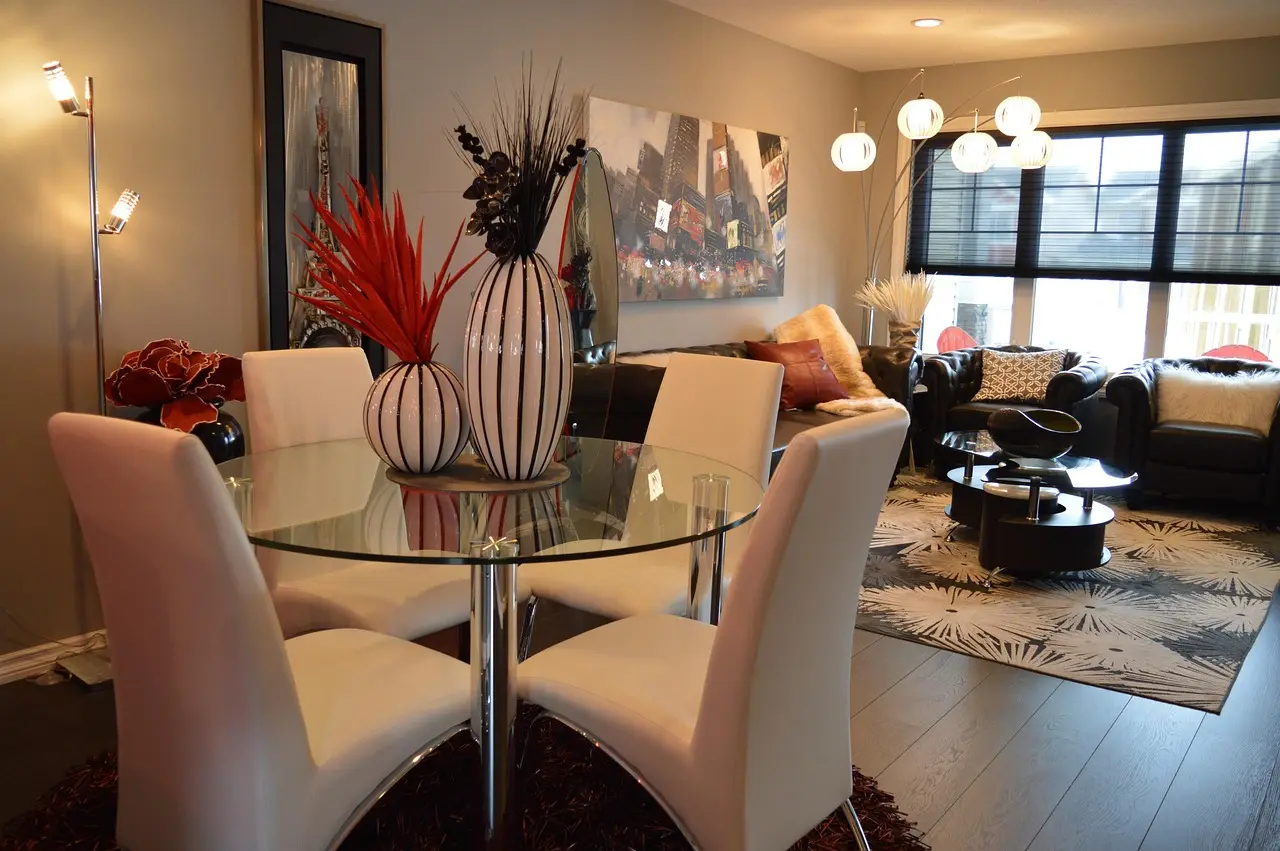
Each room needs a different mix of ambient lighting, task lighting, and accent lighting. Bedrooms usually need softer ambient light and dimming. Cooking, grooming, and work zones need brighter task light. Hallways and foyers need clear, even illumination with enough clearance for movement.
Lighting layers by room
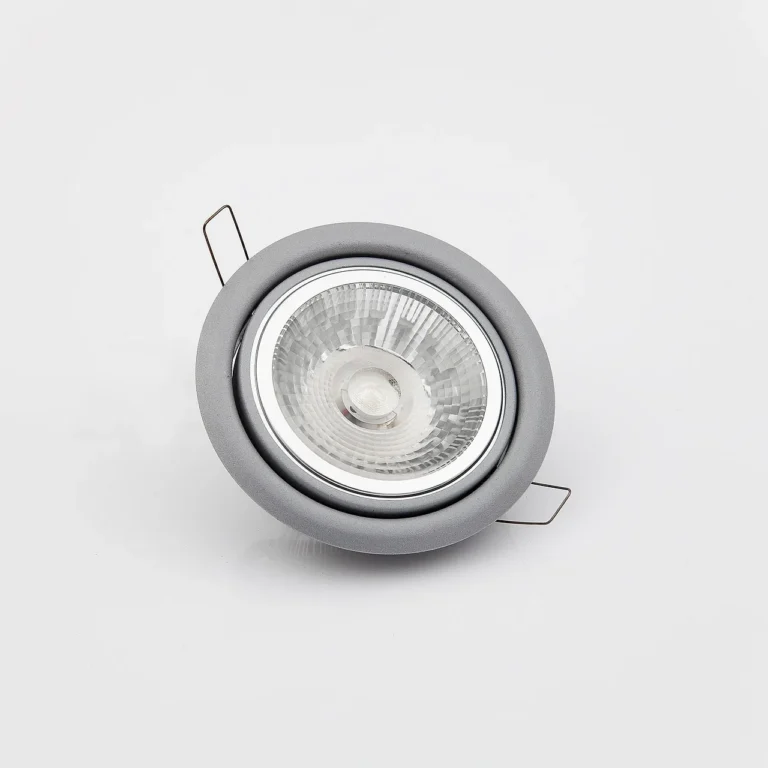
Ambient lighting gives general room illumination. Ceiling lights, flush mounts, chandeliers, and recessed lights are common choices because they spread light across the room. Task lighting puts focused light where you read, prep food, shave, or work at a desk. Accent lighting adds direction and contrast for art, shelving, or architectural details.
Room function drives how many layers you need. A bedroom can work with a ceiling fixture plus bedside lamps. A kitchen often needs all three layers because one overhead fixture cannot light counters, sinks, and dining areas well at the same time. In a layered room, the goal is not just brightness; it is ambient light that works with task and accent sources instead of fighting them.
| Room type | Primary task | Best fixture family | Recommended light layer mix | Ideal bulb temperature range | Dimmer need | Common mistake to avoid |
|---|---|---|---|---|---|---|
| Living room | Relaxing, reading, entertaining | Flush mount, chandelier, floor lamp, sconces | Ambient + task + accent | 2700K-3000K | High | One decorative center fixture with no reading light |
| Bedroom | Sleeping, dressing, reading | Flush mount, pendant, bedside lamps | Ambient + task | 2700K | High | Using cool, glare-heavy light over the bed |
| Kitchen | Prep, cooking, cleanup | Recessed lights, pendants, undercabinet lights | Ambient + task + accent | 3000K-4000K | Medium | Relying on a single ceiling fixture |
| Dining room | Meals, conversation | Chandelier, pendant | Ambient + accent | 2700K-3000K | High | Fixture too small for the table |
| Bathroom | Grooming, makeup, shaving | Vanity light, recessed lights | Ambient + task | 3000K-4000K | High | Ceiling light only, which leaves face shadows |
| Hallway | Circulation, safety | Flush mount, recessed lights, sconces | Ambient | 2700K-3000K | Medium | Dark gaps between fixtures |
| Foyer | Arrival, first impression, wayfinding | Chandelier, pendant, flush mount | Ambient + accent | 2700K-3000K | High | Oversized style with too little clearance |
Picture a 12-by-14-foot living room with one decorative chandelier and no floor lamp. The room may look finished, yet the seating area can still feel dim because the light never reaches the chair where reading happens. Add a lamp or wall sconce, and the room works better without changing the main fixture.
Which fixture families fit each room?
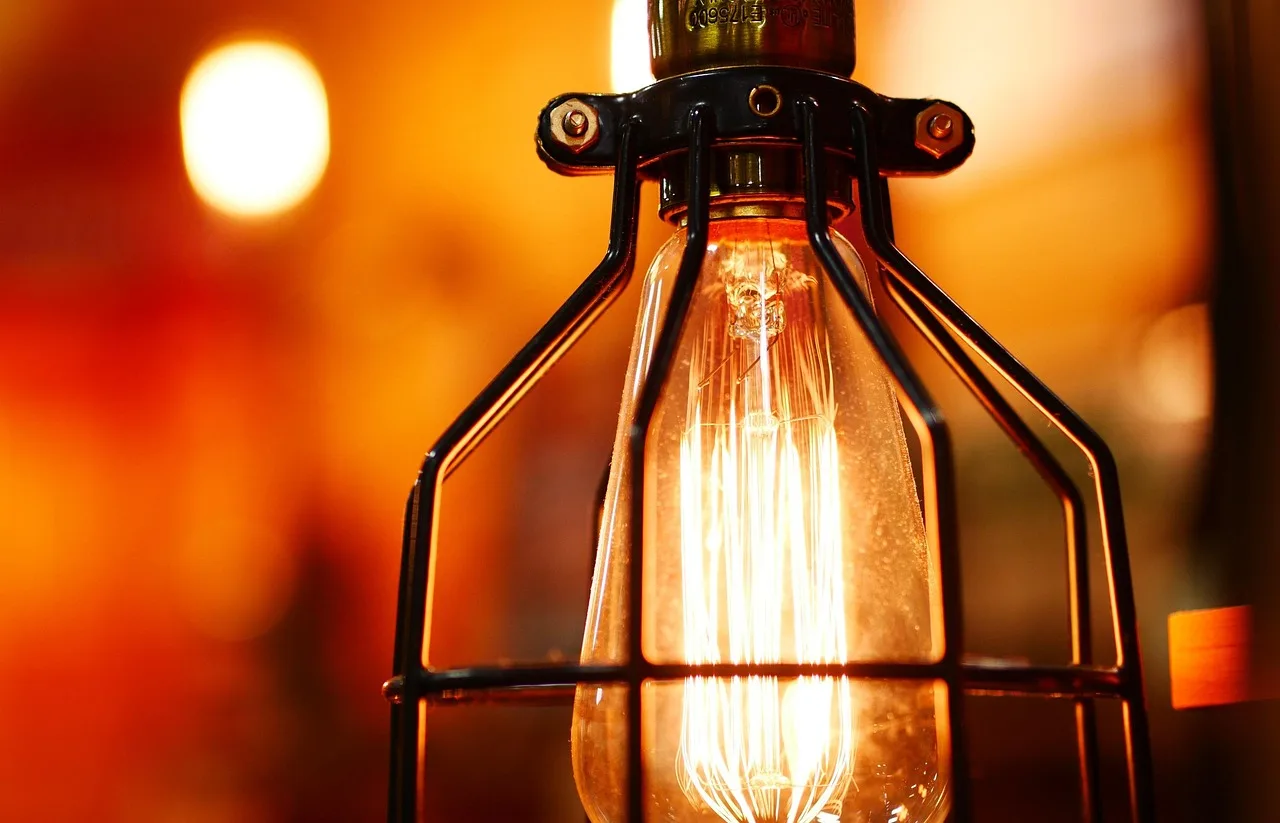
The best fixture family depends on use, not just style. Living rooms and bedrooms can tolerate softer light. Kitchens and bathrooms need controlled, brighter light with fewer shadows. Hallways and foyers need fixtures that keep circulation clear and spread light evenly across the path.
Living rooms and family rooms
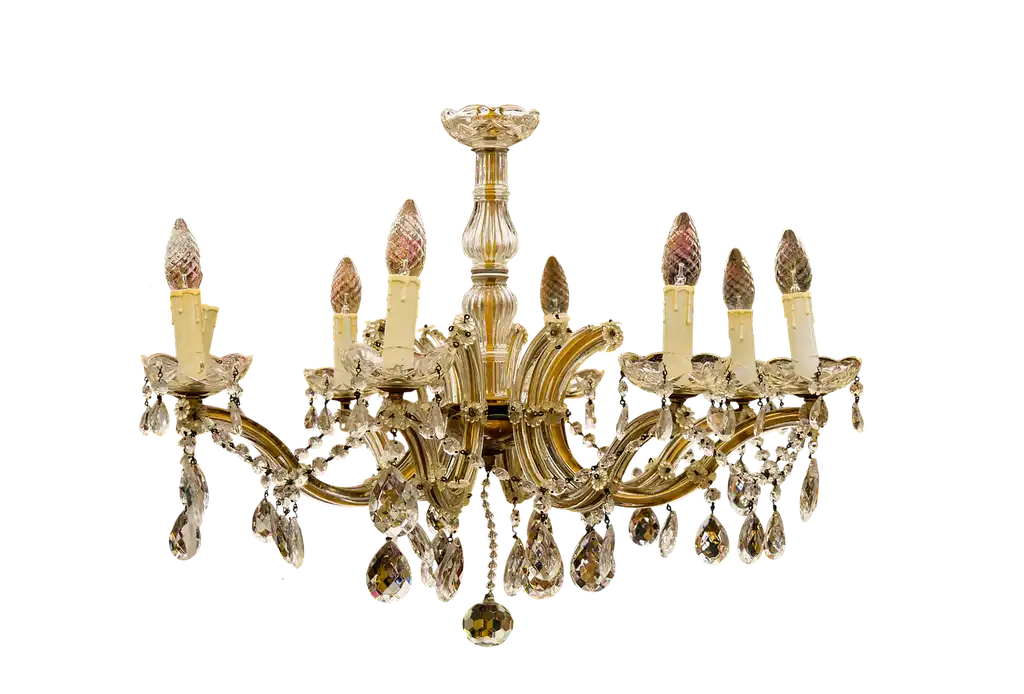
Choose a ceiling fixture for ambient light, then add floor lamps or sconces near seating. A chandelier can work if the ceiling is high enough and the room needs a stronger visual center. For mixed-use spaces, aim for several lower-output fixtures instead of one overpowering center point.
Open-plan living and dining spaces often need separate lighting zones. A dining pendant can define the table area, while a living-room lamp or recessed lights handle the seating area. That keeps the room from looking flat and helps each zone perform its own job.
Bedrooms
Bedrooms usually work best with softer ambient light and dedicated reading light at the bed. Flush mounts, small pendants, and bedside lamps fit this job well. Choose fixtures that reduce direct glare when you are lying down, and use dimmers so the room can shift from bright dressing light to low evening light.
Kitchens and dining rooms
Kitchens need brighter task light than most other rooms. Recessed lights, pendants over islands, and undercabinet lighting help put light on counters instead of only on the floor. Dining rooms usually need a central pendant or chandelier that sits above the table and can dim down for meals and conversation.
Suppose a kitchen island is the main prep zone. One centered ceiling fixture may light the walkway well, but it can still leave shadows on the cutting board. Two pendants or a row of recessed lights plus undercabinet lighting solve that problem better.
Bathrooms
Bathrooms need light for faces, mirrors, and cleaning. A vanity light with even output helps reduce shadows, and recessed lights can fill in the room. Choose damp-rated or wet-rated fixtures where moisture exposure requires it, especially near tubs, showers, or exterior-adjacent spaces. Manufacturer listing labels and safety references commonly distinguish damp locations from wet locations: damp-rated fixtures are intended for humidity and indirect moisture, while wet-rated fixtures are intended for direct water exposure or outdoor exposure where water can reach the fixture directly.
Hallways, foyers, and stairs
Hallways and stairs need safe, even lighting first. Low-profile flush mounts, recessed lights, and wall sconces keep the path visible without blocking movement. In foyers, choose a fixture that fits the entry scale and leaves enough headroom for doors, umbrellas, and tall guests.
How do you choose fixture size and scale?
Fixture scale should match the room, ceiling height, and nearby furniture. A fixture that is too small disappears and underlights the space. One that is too large can overpower a low ceiling, create glare, or feel crowded over a table or seating area.
Match diameter or width to the room
A common rule of thumb is to add the room’s length and width in feet, then use that number as inches for a ceiling fixture diameter. A 12-by-14-foot room suggests a fixture around 26 inches wide. That is a starting point, not a law, but it keeps undersized fixtures out of larger rooms.
Check ceiling height and clearance
Low ceilings favor flush mounts and slim fixtures. Taller ceilings can handle pendants and chandeliers without making the room feel cramped. In walkways, keep the bottom of hanging fixtures high enough that people do not brush them with raised hands or objects. Over tables, the fixture should hover low enough to relate to the surface but not block sightlines.
Balance fixture scale with furniture
Dining tables, islands, and beds all change how a fixture reads in the room. A pendant above a narrow table can look oversized if it matches the room instead of the table. Over a large island or long dining table, one small shade looks lost. Match the fixture to the furniture group, not just the ceiling.
How do brightness, color temperature, and dimmers work together?
Brightness, color temperature, and dimming should be chosen together. Lumens tell you how much light a fixture produces. Kelvin tells you whether the light looks warmer or cooler. A dimmer lets you keep one fixture useful across different times of day and different activities. DOE and ENERGY STAR-style guidance typically emphasizes looking at lumens, not watts, when comparing modern LED fixtures.
Choose lumens for the job
Watts are not the main brightness measure anymore. Look at lumens. Living rooms often need layered light rather than one huge output number. Kitchens and bathrooms usually need more usable light, especially over counters and mirrors. If a room feels dull after install, adding lumens in the right place usually works better than changing trim color. As a broad planning range, many manufacturers and lighting guides suggest roughly 10-20 lumens per square foot for ambient living areas and higher levels for task-heavy rooms, with the final number adjusted for ceiling height, wall color, and other light sources.
Pick Kelvin ranges by room
Warmer light, around 2700K to 3000K, suits bedrooms, living rooms, dining rooms, and foyers because it feels softer. Cooler light, often in the roughly 3000K to 4000K range, is commonly used in kitchens, laundry rooms, and bathrooms where visual clarity matters more. Keep the range consistent within a room so mixed bulbs do not clash. Those ranges align with common residential lighting recommendations and manufacturer specifications that separate relaxed, warm-tone areas from task-oriented spaces.
Confirm dimmer compatibility with LED fixtures
Dimmer switches matter when you need a room to shift from task use to relaxed use. Many LED bulbs and LED fixtures need compatible dimmers to avoid flicker, buzz, or a short dimming range. Check the fixture and bulb labels before buying the switch, not after the trim is installed.
How should mounting height and moisture rating affect your choice?
Mounting height and moisture rating are not afterthoughts. They affect safety, comfort, and code compliance. A fixture can be the right style and still fail if it sits too low, hits a cabinet line, or is installed in a damp area without the right rating. For dining fixtures, a common residential guideline is about 30 to 36 inches above the tabletop, which keeps the light connected to the table while preserving sightlines; higher ceilings or oversized fixtures can call for adjustment. Safety references for damp and wet location use should always be read alongside the fixture’s listing and installation instructions.
Set clearances for walkways and tables
Hanging fixtures need enough clearance for circulation. Over dining tables, mount the fixture low enough to connect visually with the table, commonly about 30 to 36 inches above the tabletop for many pendants and chandeliers. In open paths, leave much more headroom so the fixture never becomes an obstacle.
Use wet-rated and damp-rated fixtures where needed
Damp-rated fixtures handle humidity and indirect moisture. Wet-rated fixtures tolerate direct water exposure. Bathrooms, laundry rooms, porches, and outdoor-adjacent areas often need careful review because damp or wet conditions can matter more than the room name. A vanity light near a shower needs different protection than a hallway fixture. In practice, that means reading the fixture label and installation sheet the same way an electrician would: if the location can see condensation, steam, splash, or direct rain, the rating must match the exposure.
Plan for cleaning and maintenance access
Kitchen fixtures collect grease and dust faster than bedroom fixtures. Bathroom fixtures face humidity and mineral buildup. Choose finishes and shapes you can clean without removing half the fixture, and make sure the bulb or LED module can be serviced without awkward ladder work. That matters more than many buyers expect.
Our picks by need
Living room and open-plan spaces: hunhun 16-inch flush mount

Based on the manufacturer’s specs and published details, this 16-inch flush mount suits lower ceilings and larger casual rooms where a slim profile matters. The 4,800-lumen output is useful for general ambient light, and the five color temperature options add flexibility. The tradeoff is simple: a flush mount alone will not replace focused reading light in every seating area.
Its dimmable design is a plus if your switch is compatible with LED dimming. For open-plan rooms, it works best as the ceiling layer, with lamps or sconces added where you need task light.
Kitchen task lighting: Mlihove pendant

This adjustable pendant fits islands, breakfast nooks, and entry zones where a single focused light is useful. Based on the product details, the hanging height can be set to suit the table or counter, and the metal frame arrives pre-assembled. The limitation is that one pendant rarely lights a whole kitchen by itself, so it should be part of a larger layout.
Use it where you want a defined pool of light. For prep-heavy kitchens, pair it with recessed or undercabinet lighting so counters stay bright and shadows stay down.
Bedroom relaxation lighting: SUNMORY floor lamp

For bedrooms that need flexible light without new wiring, this 69-inch floor lamp offers remote control and stepless dimming from 5% to 100%. The rotating head helps direct light toward a chair or away from the pillow. The drawback is that it is supplemental lighting, not a full room solution, so it works best beside a ceiling fixture.
That combination is useful when you want low evening light without changing the whole room to a darker bulb. It can also help in rental spaces where permanent fixtures are limited.
Bathroom grooming lighting: Ralbay vanity light

This 48-inch vanity light is sized for wider mirrors and double-sink setups, where even face lighting matters. The rotatable light heads help aim illumination where it is needed, and the moisture-resistant finish suits bathroom use. The main drawback is that the length may overwhelm a small single-sink vanity, so scale matters.
Based on the listing details, it is a stronger choice for grooming than a lone ceiling fixture. Mounting height and mirror width should be checked before ordering, especially in smaller bathrooms.
Mistakes to avoid
The most common mistake is buying for appearance first and light output second. A decorative fixture can look right and still leave the room dim. Another common error is ignoring size, which leads to an oversized pendant in a low room or a tiny fixture that disappears over a large table.
Decorative fixtures that underlight the room
A fixture can be beautiful and still fail the job. If a dining chandelier looks good but does not light the table, you still need another source. In kitchens and bathrooms, weak overhead light usually means more shadows, more eye strain, and more reliance on portable lamps or vanity add-ons.
Wrong scale or wrong mounting height
Scale errors are easy to spot after installation. Too low, and the fixture blocks movement or sightlines. Too high, and it loses presence and throws light in the wrong places. Check room height, table height, and furniture placement before you buy, not after the electrician finishes.
Skipping task light in work zones
Hallway lighting and bedroom ambient light do not replace task lighting. Kitchens need light at counters. Bathrooms need light at the mirror. A home office needs more than a stylish ceiling fixture if you need to read or work without glare.
Using the wrong rating in damp areas
Damp and wet locations need the correct fixture rating. Moisture exposure changes over time, especially near showers, tubs, laundry sinks, and exterior doors. Check the label, not just the finish color. That protects safety and helps the fixture last longer.
Fixture selection checklist:
- Define the room’s main job: relaxing, cooking, grooming, circulating, or dining.
- Choose the fixture family that fits that job: flush mount, pendant, chandelier, recessed light, sconce, or lamp.
- Check size against the room and furniture, including ceiling fixture diameter guidance for ceiling-mounted options.
- Confirm height and clearance, especially over tables, islands, beds, and walkways.
- Match brightness to use by comparing lumens, not watts.
- Pick color temperature for the room: warmer for relaxing spaces, cooler for task-heavy spaces, with a consistent range inside the room.
- Verify dimmer compatibility if the room needs flexible moods or day-to-night use.
- Check damp or wet rating whenever moisture, steam, splash, or exterior exposure is possible.
- Plan the lighting layers so the fixture works with, not against, ambient and task sources.
Frequently asked questions
What are lighting fixtures?
Lighting fixtures are the parts that hold, shape, and place the light source in a room. They include ceiling lights, pendants, sconces, recessed lights, and lamps. The important choice is not just style. You are also deciding where light lands, how much glare you see, and how the room functions.
How do I choose the right lighting fixture for each room?
Start with the room’s main use, then choose the fixture family, size, and brightness that support it. Bedrooms need softer light and dimming. Kitchens need task light. Bathrooms need mirror light and moisture-appropriate ratings. Then verify ceiling height, furniture layout, and whether the room needs one layer or several.
What size light fixture do I need for a room?
A common rule is to add the room’s length and width in feet, then use that number as the fixture diameter in inches. That gives a useful starting point for ceiling fixtures and pendants. After that, adjust for ceiling height, table size, and whether the room already has other light sources.
Which light fixtures work best in living rooms?
Living rooms usually do best with a ceiling fixture for ambient light, plus lamps or sconces for reading and accent. Flush mounts work in lower rooms, while chandeliers suit taller ceilings. If the room is open-plan, separate the seating zone from the dining or circulation zone with different fixture types.
What lighting should I use in bedrooms?
Choose warm, low-glare lighting with dimming. A flush mount or small pendant can cover ambient light, while bedside lamps handle reading. Aim for warmer color temperature, around 2700K, so the room feels calmer at night. Avoid overly cool light unless you need a dressing area with more visual clarity.
How do I choose lighting for kitchens and dining rooms?
Kitchens need brighter task lighting on counters, sinks, and islands, usually from recessed lights, pendants, and undercabinet fixtures. Dining rooms need a central fixture that fits the table and dims well for meals. Keep the kitchen brighter and cooler than the dining area so each space supports its own use.
How do I choose lighting for hallways and foyers?
Hallways need even, safe light with enough clearance for movement, so low-profile ceiling fixtures or recessed lights usually work well. Foyers can take a more decorative fixture if the ceiling height allows it. In both spaces, check scale first so the fixture feels intentional rather than crowded or undersized.
How do I layer lighting in a home?
Use ambient light for overall brightness, task light for focused jobs, and accent light for visual interest. Most rooms need at least two layers, and kitchens or mixed-use spaces often need three. Dimmers help the layers work together because one room may need bright function by day and softer light at night.
Sponsored / affiliate links. As an Amazon Associate I earn from qualifying purchases. I may earn additional commission from eligible campaigns.