How to Restore Wrought Iron (Rust Removal, Primer & Paint Steps)
Wrought iron is restored by stripping rust and failing paint down to bare metal, treating leftover corrosion with a rust converter, then sealing it under a rust-inhibiting primer and two coats of exterior enamel — except light surface rust, which a 30-minute vinegar soak often lifts without chemicals. Skipping the primer step is the top reason repainted iron rusts again within a year. This guide covers rust removal methods, the primer-and-paint process, and how to keep restored iron from rusting again.
Tools and Materials You Need
Gather everything below before starting — stopping mid-job to buy a rust converter while primer is drying on other home improvement projects wastes an afternoon.
| Tools | Materials |
|---|---|
| Wire brush (hand or drill attachment) | Rust converter or rust remover |
| 120- and 220-grit sandpaper | Rust-inhibiting metal primer |
| Pliers or wire cutters | Exterior enamel paint rated for metal |
| Paint scraper | Protective gloves and safety goggles |
| Paintbrush or HVLP spray gun | Drop cloth or tarp |
| White vinegar and a bucket (light rust only) | Clear protective topcoat (optional) |
How to Restore Wrought Iron in 4 Steps
Every wrought iron restoration follows the same four-step order: assess and clean, remove rust, prime, then paint and seal. Skipping the order — painting over bare rust, for example — is what causes bubbling and peeling within months.
Step 1: Assess and Clean the Surface
Inspect every joint, scroll, and weld for rust, cracks, or structural damage before touching a wire brush — this determines whether the piece needs full paint stripping or just a touch-up. Wash the entire surface with warm water and mild dish soap using a soft cloth, rinse thoroughly, and let it dry completely. Any soap residue left under primer causes adhesion failure later.
Step 2: Remove Rust With a Wire Brush, Sandpaper, or a Vinegar Soak
For loose surface rust, scrub with a wire brush or 120-grit sandpaper until you reach solid metal, then finish with 220-grit for a smooth base. For small removable pieces or light, even rust, submerge or wrap the part in a cloth soaked with plain white vinegar for 30 to 45 minutes — the acetic acid dissolves iron oxide without stripping sound paint around it. Check every 15 minutes and stop as soon as the rust lifts; soaking longer than a few hours can start etching the base metal. For heavier, pitted rust that a brush cannot reach — deep in scrollwork or weld seams — apply a liquid rust converter instead, which chemically turns iron oxide into a stable, paintable black compound rather than removing it by hand.
📊 Corrosion costs U.S. property owners and industry an estimated $276 billion a year — roughly 3.1% of GDP — and treating rust before it spreads is consistently cheaper than replacing the piece. Source: NACE International / AMPP Economic Impact study.
Best Rust Converter Pick
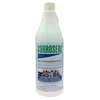
Corroseal Rust Converter & Metal Primer (1 Qt) – $29.99
A water-based converter that reaches into scrollwork and weld seams a wire brush can’t clean out — exactly the pitted-rust case this guide covers in Step 2.
- Best for: pitted rust in joints and detailed scrollwork
- Why we picked it: converts rust to a paintable surface instead of requiring full removal
- Main drawback: needs 24+ hours cure time before priming
Compare more rust treatment options
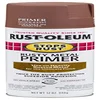 Option 1 Rust-Oleum Rusty Metal Primer Spray – $6.47
|
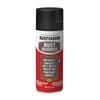 Option 2 Rust-Oleum Reformer Black Spray Paint – $8.97
|
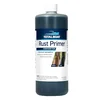 Option 3 TotalBoat Rust Primer Converter (Qt) – $21.99
|
As an Amazon Associate we earn from qualifying purchases.
Step 3: Apply a Rust-Inhibiting Primer
Once the surface is rust-free (or converted) and dry, apply one coat of rust-inhibiting metal primer with a brush or spray gun, working it into joints and scrollwork first. Manufacturer guidance for Rust-Oleum’s Stops Rust line specifies applying between 50–90°F in humidity under 65%, holding a spray can 8 to 12 inches from the surface, and applying two light coats a few minutes apart rather than one heavy coat — a heavy single coat is the most common cause of runs and slow, uneven curing on vertical scrollwork.
“Apply Stops Rust primer and paint between 50°F and 90°F with humidity below 65% for proper drying, and use two or more light coats rather than one heavy coat.”
Step 4: Paint and Seal
Let the primer cure fully per the can’s instructions, then apply two coats of exterior enamel rated for metal, letting each coat dry completely before the next. For extra protection in wet climates, brush or spray on a clear protective topcoat once the paint has cured — this is optional but adds real service life on pieces left outdoors year-round.
How to Save Wrought Iron After It Rusts
If rust has already set in, the piece is almost always salvageable — wrought iron rarely rusts all the way through, since the higher iron purity that gives it its name resists rust penetration better than modern mild steel does. The fix is the same four-step process above; the only difference is time spent in Step 2 removing the existing corrosion before priming. Structural rust — flaking that leaves visible pits, thin spots, or holes — is the one case where a wire brush and paint won’t fix it; that requires a metal repair filler or professional welding before painting.
Maintaining Restored Wrought Iron
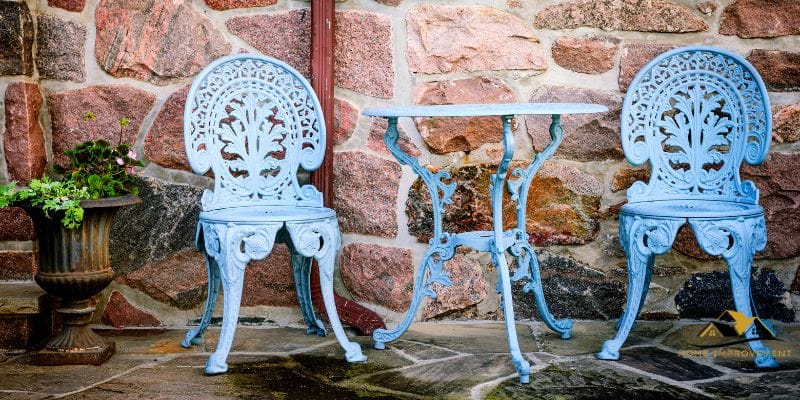
Restored wrought iron stays rust-free longest with routine cleaning and prompt spot repairs — not a one-time treatment.
Regular Cleaning
Wipe restored wrought iron clean every few weeks with a mild detergent and warm water using a soft cloth or sponge. For stubborn spots, a wire brush or fine sandpaper lifts them without damaging the paint. Rinse and dry the surface completely — trapped moisture under a coating is what restarts corrosion from underneath. For outdoor furniture pieces, throwing on a breathable cover during long stretches of rain or winter storage keeps moisture off the finish between cleanings.
Monitoring for Signs of Damage
Inspect restored pieces every few months for new rust spots, hairline cracks, or flaking paint, especially at welds and ground contact points where moisture collects. Catching a dime-sized rust spot early means a five-minute touch-up; ignoring it for a season can mean redoing the whole piece. If you also deal with rust on other fixtures around the house, the same early-inspection habit applies there too.
Touching Up Paint As Needed
Remove loose or chipped paint from the damaged spot with a wire brush, feather the edges with sandpaper so the patch doesn’t show a ridge, prime the bare metal, then match the original finish with two thin coats. If your wrought iron is patio furniture specifically, our full patio furniture repainting guide covers the furniture-specific prep steps — frame joints, cushions, and glide feet — in more depth than a general restoration guide needs to.
Frequently Asked Questions
Can you restore wrought iron that has turned grey?
Yes. Grey, dull wrought iron has usually lost its paint sheen or developed a light oxide layer, not deep rust. Clean it, scuff with fine sandpaper, and repaint with satin or gloss black exterior enamel to bring back the original dark finish.
Does vinegar remove rust from wrought iron?
Yes, for light surface rust. Soak a cloth in plain white vinegar and hold it against the rusted area for 30 to 45 minutes, checking every 15 minutes. Vinegar is too weak for heavy, pitted corrosion, which needs a wire brush or rust converter instead.
How do you restore rusted wrought iron?
Remove loose rust with a wire brush, sandpaper, or a vinegar soak, treat any remaining corrosion with a rust converter, apply a rust-inhibiting primer, then finish with two coats of exterior enamel rated for metal.
Can you paint over rust without removing it first?
Only if you use a rust converter or a paint-and-primer product specifically formulated to bond over light rust. Painting directly over untreated rust with standard enamel traps moisture underneath and causes bubbling and peeling within months.
How often should painted wrought iron be touched up?
Inspect it every few months and touch up chips or new rust spots as soon as you see them. A full repaint is typically only needed every 3 to 5 years outdoors, sooner in coastal or high-humidity climates.
Conclusion
Restoring wrought iron comes down to the same four steps every time: clean it, remove the rust with the method that matches its severity, prime, and paint. Wrought iron’s resistance to rusting all the way through means most pieces — gates, railings, furniture, indoor decor — are worth saving rather than replacing. Stay ahead of new rust with a quick inspection every few months and a piece restored today can stay rust-free for years.
Sponsored / affiliate links. As an Amazon Associate I earn from qualifying purchases. I may earn additional commission from eligible campaigns.