What Is The Most Efficient Portable Heater You Can Buy?
The most efficient portable heaters often use radiant or convection heat and are sized correctly for the space. Look for models with adjustable thermostats, timers, and energy-saving modes. Ceramic and oil-filled radiators are generally good choices for consistent, even heating, while infrared heaters warm objects directly, which can feel efficient for personal comfort.
Understanding Portable Heater Efficiency
When we talk about efficiency, we really mean how well a heater turns electricity into warmth. It’s also about how it distributes that warmth. No heater is 100% efficient in turning electricity into heat; all of it becomes heat.
The real difference is in how that heat is used and how fast it makes your space feel cozy.
Think of it this way: A less efficient heater might blast hot air but lose a lot of it through drafts or by heating an area too much. Then, when it turns off, the room cools down fast. An efficient one keeps the heat in the room longer.
It makes the warmth last.
Several factors play a role. The type of heating element matters. So does the design of the heater.
How you use it is also super important. Let’s break down the common types you’ll find.
Types of Portable Heaters and Their Efficiency
Portable heaters come in a few main forms. Each has its own way of working and its own pros and cons when it comes to efficiency. Understanding these differences helps you pick the best one for your needs.
Convection Heaters
Convection heaters warm the air. They draw in cool air, heat it up inside, and then release the warm air. This warm air rises.
It then circulates around the room. Think of a gentle, steady stream of warmth. This is a very common design.
Many ceramic heaters fall into this category.
They are good at heating an entire room evenly. This makes them great for maintaining a comfortable temperature. However, they can take a bit longer to heat up a space initially.
They work best in rooms that are well-insulated. This helps keep the warm air from escaping.
Radiant Heaters
Radiant heaters work a bit differently. They don’t heat the air directly. Instead, they emit heat waves.
These waves warm objects and people in their path. It’s like standing in the sun on a cool day. You feel warm directly, even if the air isn’t super hot.
This type is very fast at making you feel warm. They are excellent for targeting specific areas. If you just want to warm yourself while sitting at a desk, a radiant heater can do that quickly.
They use less energy to make you feel comfortable fast.
However, they don’t heat the whole room as evenly as convection heaters. If you turn one off, the direct warmth stops right away. The air itself might still be cool.
They are best for personal use or supplemental heat.
Infrared Heaters
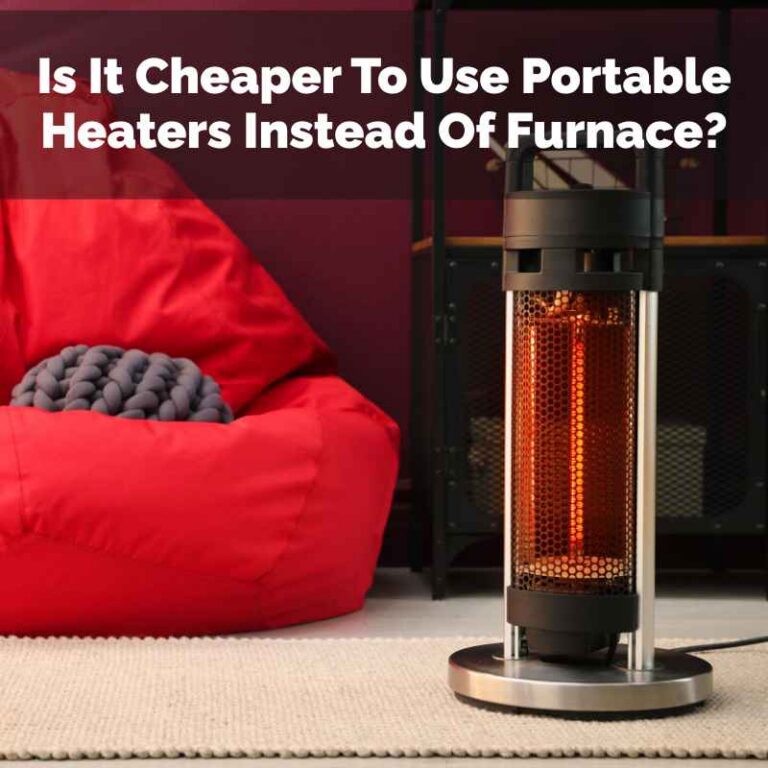
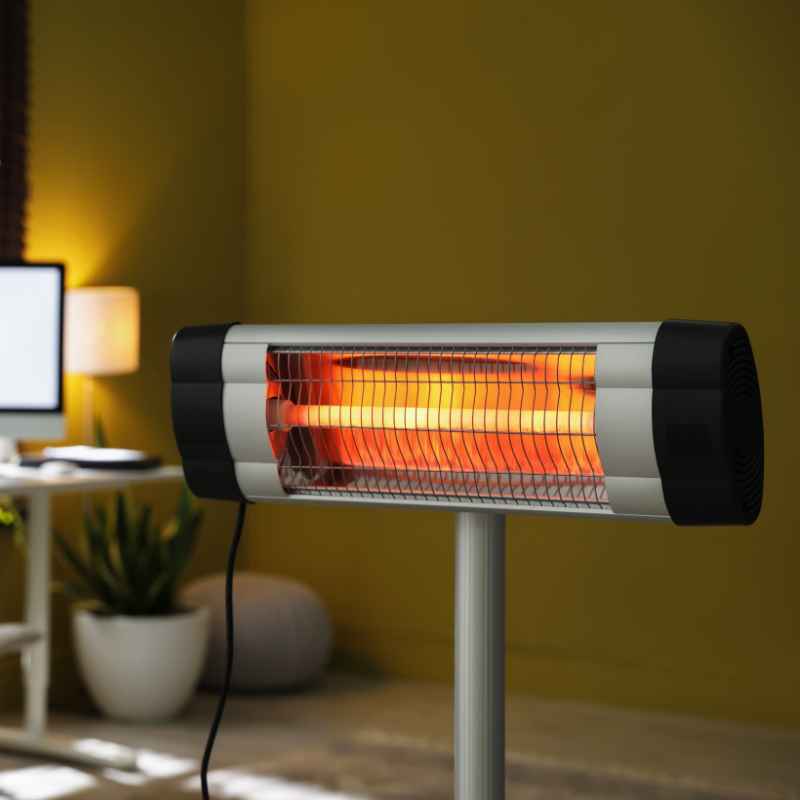
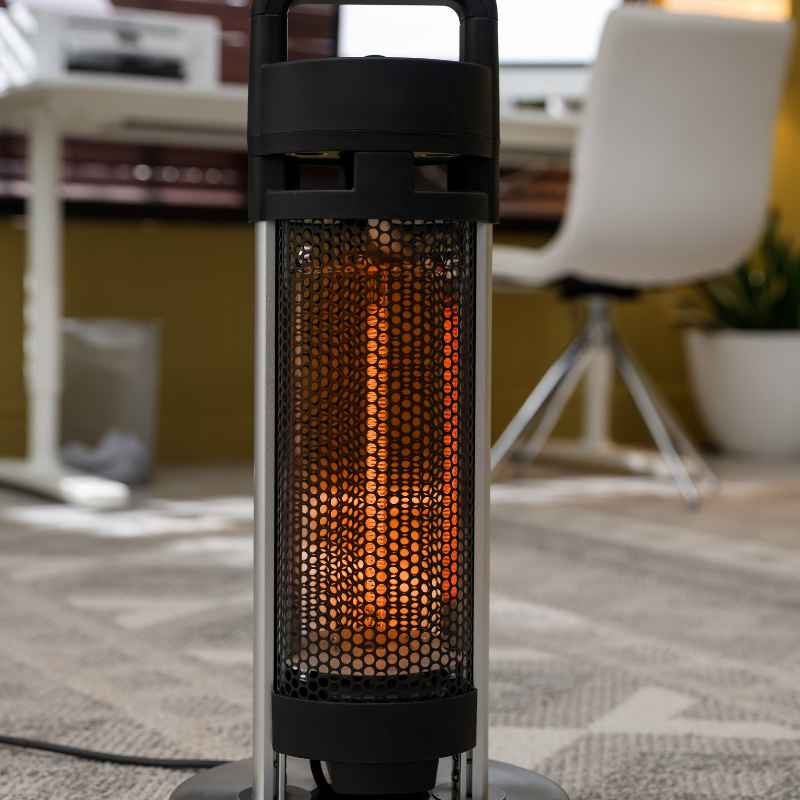
Infrared heaters are a type of radiant heater. They use infrared light waves to generate heat. These waves are safe and invisible.
They warm things they touch, like skin, furniture, and walls. This stored heat then radiates back into the room.
One big plus is that they don’t dry out the air as much as some other heaters. They also tend to be very quiet. Since they warm objects, the heat can feel like it lasts longer.
This can lead to feeling comfortable without needing the heater on constantly.
They are often used for patios or larger spaces where keeping the air warm is hard. For personal comfort, they are very efficient. You feel the heat almost instantly.
This means you don’t waste energy heating empty air.
Oil-Filled Radiators
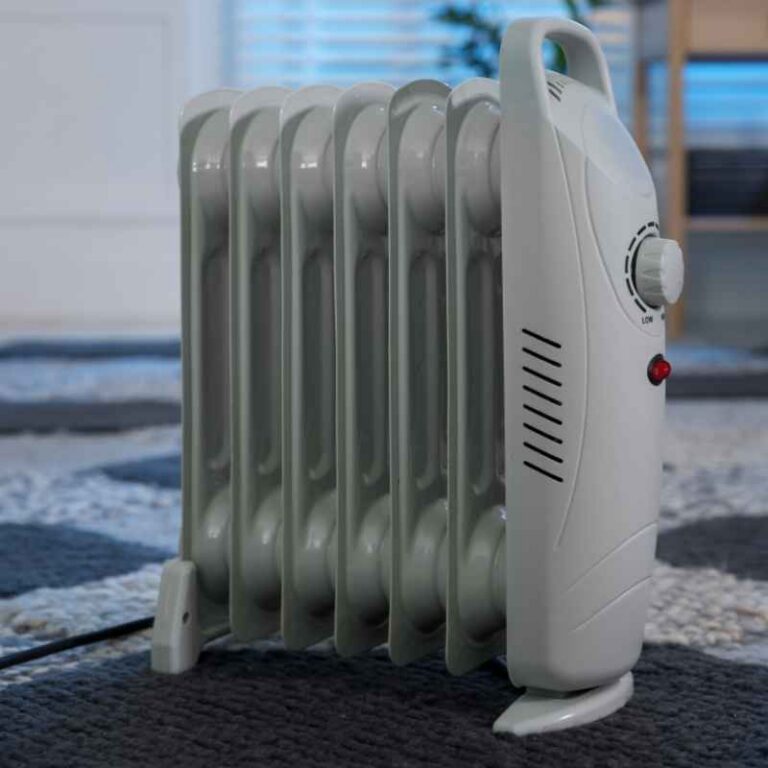
These look like old-fashioned radiators. But they use electricity. Inside, there’s a special oil.
Electricity heats the oil. The oil then heats the metal fins of the radiator. These fins radiate heat into the room.
They also create convection currents.
Oil-filled radiators are known for being very quiet. They also provide a very steady, gentle heat. Because the oil holds heat, they can continue to radiate warmth even after they’ve been turned off.
This makes them quite efficient for maintaining a consistent temperature.
They take longer to heat up a room initially. This is because the oil needs time to get hot. But once warm, they offer a very comfortable and long-lasting heat.
They are a good choice for bedrooms or living areas where you want steady warmth overnight.
Ceramic Heaters
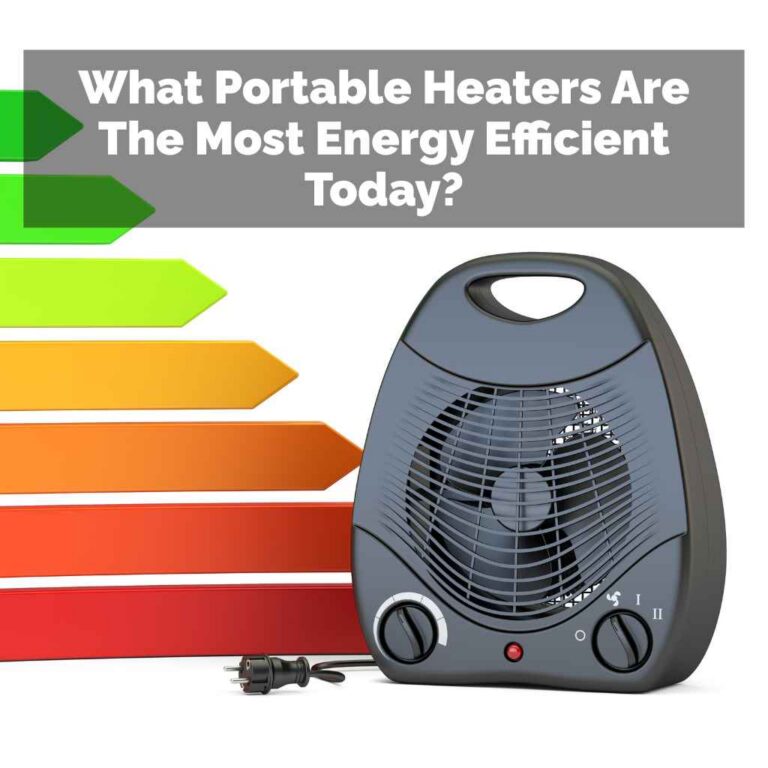
Ceramic heaters are very popular. They use a ceramic plate. Electricity heats this plate.
A fan then blows air over the hot plate. This blows warm air into the room. They are often compact and portable.
They heat up quickly. This means you get warm air fast. They are good for small to medium-sized rooms.
Many come with safety features like tip-over protection and overheat shut-off. The fan can sometimes be a bit noisy. Also, the air can feel a bit dry.
Their efficiency comes from their quick heating ability. They are good for spot heating. But for whole-room heating, they rely on circulating air.
Ensure the fan is powerful enough for the space.
Energy Efficiency Features to Look For
When you’re shopping for a portable heater, some features can make a big difference in how much energy you use. These aren’t just for show; they actively help save money on your bills.
Adjustable Thermostats
This is a must-have. A thermostat lets you set a specific temperature. The heater will then turn itself on and off to maintain that temperature.
This is way more efficient than a heater that just runs constantly.
Without a thermostat, you might overheat the room. Then you have to turn it off manually. This leads to wasted energy.
With a thermostat, the heater works only when needed. This keeps the room at a comfortable level without going over.
Timers
Timers are another great feature. You can set a heater to turn on or off at specific times. For example, you might want it to warm up your bedroom about 30 minutes before you wake up.
Or you might want it to turn off automatically in the morning.
This helps you avoid heating an empty room. It’s perfect for bedrooms. You can set it to warm the room for a few hours overnight and then shut off.
Or program it to start heating before you get home from work.
Energy-Saving Modes or Eco Settings
Some modern heaters have special modes. These are designed to use less power. They might adjust the heat output automatically.
Or they might cycle on and off more frequently. These modes are great for maintaining comfort with minimal energy use.
Look for terms like “Eco mode” or “Energy Saving.” These settings are often programmed to find a balance between warmth and efficiency. They can significantly reduce your energy consumption over time.
Tip-Over Protection and Overheat Shut-Off
While not directly about energy use, these safety features are crucial for efficiency in a broader sense. If a heater tips over and causes damage, or if it overheats and needs to be replaced early, that’s a cost. These features prevent accidents and extend the heater’s life.
A heater that shuts off automatically if it gets too hot is safer. It also means it’s not running unchecked. A tip-over switch turns the unit off if it’s knocked over.
This is a common cause of fires. Safety and efficiency go hand in hand.
Smart Heater Features
Connectivity: Some heaters connect to your home Wi-Fi. You can control them with an app on your phone. This allows for remote adjustments.
You can turn it on before you get home. Or turn it off if you forget. This level of control maximizes convenience and efficiency.
Smart Thermostats: These learn your habits. They can adjust heating schedules automatically. They might even integrate with weather forecasts.
This ensures optimal comfort and minimal energy waste.
Sizing Your Portable Heater Correctly
This is one of the most overlooked aspects of efficient heating. Buying a heater that’s too big for the space is wasteful. A heater that’s too small will run constantly and still not make the room warm enough.
The general rule of thumb is about 10 watts of power per square foot of space. So, for a 100-square-foot room, you’d want around a 1000-watt heater. For a 150-square-foot room, aim for about 1500 watts.
However, this is just a guideline. Factors like how well your home is insulated matter. The ceiling height is also a factor.
Drafty windows and doors mean you’ll need more power. High ceilings mean more air to heat.
If you have a very large room, you might need a more powerful heater. Or, you might need two smaller heaters. Placing them strategically can provide more even warmth.
It’s better to get a slightly smaller heater with good features than an oversized one.
Quick Size Guide (Approximate)
Small Room (e.g., bathroom, small office): 50-100 sq ft. Look for 500-1000 watts.
Medium Room (e.g., bedroom, living room): 100-200 sq ft. Look for 1000-1500 watts.
Large Room (e.g., large living area): 200-300 sq ft. Look for 1500+ watts. Consider two smaller units.
Real-World Scenarios: Where Efficiency Matters Most
Let’s look at some common situations where choosing the right portable heater can make a real difference in your comfort and your wallet.
Heating a Home Office
Many people now work from home. You might have a dedicated office, or maybe just a corner of a room. You don’t want to heat the entire house just to be comfortable at your desk.
A small ceramic heater or a personal infrared heater is often ideal here. You can place it near your desk. It will warm you directly without using much energy.
Look for one with a thermostat. This way, it won’t run all day. It will just keep you at a steady temperature.
I remember setting up a small office in a spare bedroom. The central heating didn’t reach it well. I got a little ceramic heater.
I set the thermostat to 70 degrees. It was fantastic. I didn’t have to crank up the main thermostat for the whole house.
My electricity bill didn’t jump up like I expected.
Warming a Drafty Bedroom
Older homes often have drafty windows. Bedrooms, especially those with older windows, can get quite chilly at night. Central heating might struggle to keep them warm.
An oil-filled radiator is often a great choice for bedrooms. They provide a steady, quiet heat. The oil retains heat, so it continues to radiate warmth even after it cycles off.
This means less disturbance during sleep. You can set the thermostat to a comfortable low temperature.
It provides a gentle background warmth. It’s not blasting hot air. This feels more natural.
It helps you sleep better. You don’t wake up feeling too hot or too cold.
Supplementing Other Heating Sources
Sometimes, your main heating system just isn’t quite enough. Maybe you have a large living room, and the heat from the vents doesn’t quite reach one side. Or perhaps you want to turn down the main thermostat a few degrees and use a portable heater for extra comfort.
In these cases, a convection heater can help circulate warm air. Or an infrared heater can provide direct warmth to a specific seating area. The key is to use the portable heater to boost warmth where you need it.
This allows you to lower the overall thermostat setting. This is a smart way to save energy.
Personal Comfort vs. Room Heating
Personal Comfort: If you only need to warm yourself, radiant or infrared heaters are very efficient. They heat you directly. This uses less energy than heating the whole room.
Whole Room Heating: For consistent warmth in a whole room, convection heaters or oil-filled radiators are often better. They heat the air and circulate it. Make sure the size is correct for the room.
Using Your Portable Heater Wisely for Maximum Efficiency
Even the most efficient heater can be wasteful if used improperly. Here are some tips to get the most warmth for your energy dollar.
Seal Up Drafts
This is probably the biggest one. Check your windows and doors for air leaks. Use weatherstripping or caulk to seal them.
This stops cold air from getting in and warm air from escaping. You’ll feel a difference immediately.
I learned this the hard way. I had a drafty old window in my study. I kept turning up the heater.
Then I noticed a cold draft. I put some cheap foam tape around the window frame. The room held heat so much better.
I didn’t need the heater on as high.
Use Curtains and Blinds
During the day, open curtains and blinds on sunny windows. Let the sun’s natural warmth heat your room. At night, close them.
This traps the heat inside. Heavy curtains can act like an extra layer of insulation.
It’s a simple step. But it makes a difference. The sun is free heat!
Don’t let it escape through glass.
Zone Heating
Only heat the rooms you are actually using. Turn off the heat in empty rooms. Close the doors to unused areas.
This concentrates the heat where you need it. Portable heaters are perfect for this.
Instead of heating the whole house, just use a portable heater in the room you’re in. This is where the real savings happen. Why heat rooms you aren’t occupying?
Clean Your Heater Regularly
Dust and debris can build up on heating elements and fans. This can make the heater less efficient. It also increases the risk of overheating.
Check your heater’s manual. Clean it according to the instructions.
Most of the time, this just means unplugging the heater. Then using a vacuum cleaner with a brush attachment to gently remove dust from vents and fins. Simple maintenance keeps it running well.
Maintenance Checklist
Unplug: Always unplug before cleaning.
Dust: Gently vacuum dust from vents and fins.
Inspect: Check the power cord for damage.
Storage: Store in a dry place when not in use.
What This Means for You: Choosing Wisely
So, what’s the takeaway? You’re looking for an efficient portable heater. This means looking beyond just the price tag.
It’s about features, size, and how you plan to use it.
For quick personal warmth, an infrared heater is fantastic. For steady, quiet room heating, an oil-filled radiator is a great option. For fast heating of small spaces, a ceramic heater often fits the bill.
Always check for a thermostat and a timer. These are non-negotiable features for efficiency. Make sure the heater is the right size for the room.
Too big or too small will both lead to wasted energy.
And remember, even the best heater won’t be efficient if your home is letting all the warm air out. Sealing drafts and using insulation measures are just as important as the heater itself.
Quick Fixes & Tips for Efficient Heating
Here are some simple, actionable tips to make your portable heater work smarter:
- Right Size Matters: Match heater wattage to room size (about 10 watts per sq ft).
- Thermostat is Key: Always use the thermostat to maintain a steady temperature.
- Timer Power: Set timers to avoid heating empty spaces or overnight if not needed.
- Draft Defense: Seal windows and doors. Use heavy curtains at night.
- Zone Your Heat: Only heat the room you are in. Close doors to unused rooms.
- Personal Heat: Use radiant or infrared for personal comfort. It’s often faster and uses less energy.
- Cleanliness Counts: Dust buildup reduces efficiency. Clean your heater regularly.
- Safety First: Always use heaters with tip-over and overheat protection.
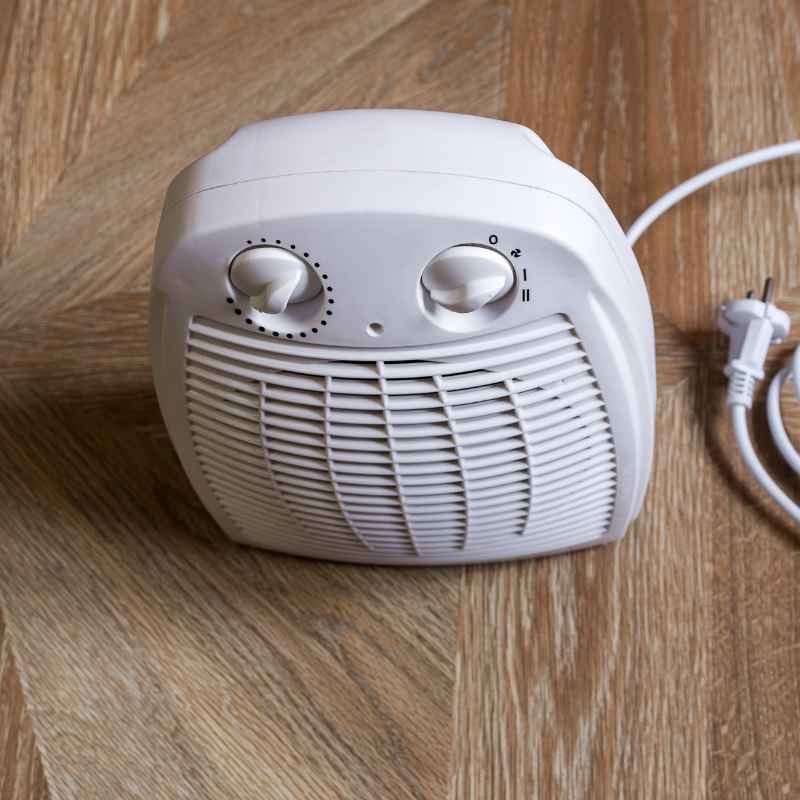
Frequent Questions About Efficient Portable Heaters
Are portable heaters energy efficient?
Some portable heaters are more energy efficient than others. Their efficiency depends on the type, features like thermostats and timers, and how well they are sized for the space. No electric heater is truly “inefficient” in converting electricity to heat, but some use that heat more effectively to warm a person or room.
Which type of portable heater uses the least electricity?
Heaters that use radiant or infrared heat often use less electricity to make you feel warm quickly, as they target you directly. However, for consistent room heating, a properly sized convection heater or oil-filled radiator with a thermostat can be very efficient over time by maintaining a steady temperature without constant power draw.
How can I make my portable heater more efficient?
Ensure your heater is the correct size for the room. Always use the thermostat to set a specific temperature, and use timers to control when it runs. Seal any drafts in the room.
Only heat the space you are currently occupying. Regular cleaning also helps maintain efficiency.
Are ceramic heaters good for saving energy?
Ceramic heaters heat up quickly and are good for warming small to medium rooms. Their efficiency comes from their rapid heat delivery and portability. Using their thermostat and timer features wisely will help save energy.
They are generally a cost-effective option for supplemental heating.
Should I use a heater with a fan or without?
Heaters with fans (like ceramic heaters) distribute warm air more quickly and evenly throughout a room. This can make the room feel warm faster, potentially using less total energy if you can turn it off sooner. Heaters without fans (like oil-filled radiators) rely more on radiant heat and convection, which is often gentler and steadier.
Is it cheaper to heat one room with a portable heater than the whole house?
Yes, in most cases, it is much cheaper to heat just the room you are in with a portable heater than to run your central heating system for the entire house. This practice, known as zone heating, can lead to significant energy savings.
Conclusion
Finding the most efficient portable heater is about smart choices. It involves understanding how different types work. It also means looking for key features like thermostats and timers.
Sizing matters a lot. Using the heater wisely in a well-sealed room makes a huge difference. You can stay warm and save money.
Sponsored / affiliate links. As an Amazon Associate I earn from qualifying purchases. I may earn additional commission from eligible campaigns.