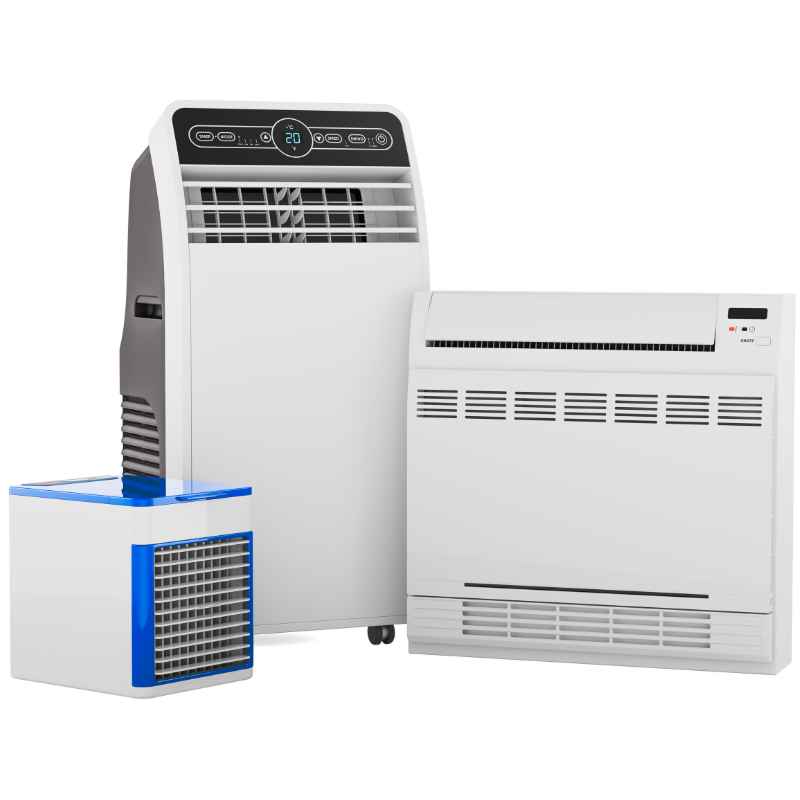
Is A Portable Air Conditioner A Heater Too? Clear Answer
This is a common question. Many people wonder if their cooling device can also provide heat. It would be so convenient.
One unit for both seasons. Let’s dive in and find out the truth. We’ll look at what makes these machines tick.
We’ll also see if your portable AC can be your go-to for warmth.
A portable air conditioner primarily cools. It does not heat. Some models offer a heating function, making them a dual-purpose appliance. These are often called “portable air conditioners and heaters” or “portable spot coolers/heaters.” They use different technology for heating than for cooling.
Understanding How Portable Air Conditioners Cool
To know if it can heat, we first need to see how it cools. Portable air conditioners are pretty clever. They move heat from inside your home to the outside.
Think of them like a mini-refrigerator for your room. They use a special liquid called refrigerant. This liquid absorbs heat.
The unit has a compressor. This part pumps the refrigerant. It circulates through coils.
One set of coils is inside. This is the part you feel the cool air from. It grabs the heat from your room’s air.
The air blows over these cold coils. This cools the air down.
Then, the hot air is blown outside. It’s pushed through an exhaust hose. This hose goes out a window or vent.
So, it’s really just moving heat. It takes heat from inside. It dumps it outside.
That’s why it makes the outside of the hose warm.
The whole process uses electricity. The fan blows air. The compressor works hard.
This is how your room gets cooler. It’s a closed system for the refrigerant. It just keeps going around and around.
It’s a cycle of cooling and expelling heat.
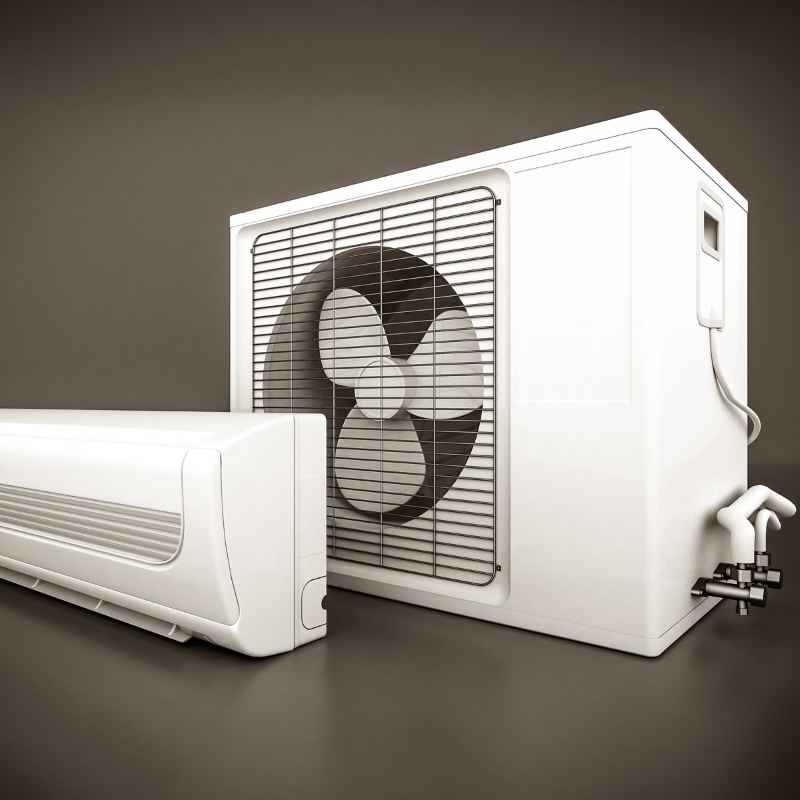
The Science of Heating with a Portable Unit
Now, can this same magic happen for heat? Well, not with a standard portable AC. A regular unit is built just for cooling.
It doesn’t have the parts needed to make heat.
However, some models are different. They are designed as combo units. They can both cool and heat.
These units have extra components. They might have a heating element. This element gets hot.
It’s like a small space heater built-in.
Some advanced models use a reverse cycle. This is the same idea as a heat pump. The AC unit’s cycle is reversed.
Instead of taking heat from inside and moving it out, it does the opposite. It takes heat from the outside air. It then moves that heat inside.
This reverse cycle is more energy efficient. It doesn’t generate heat like a simple electric coil. It transfers existing heat.
This is a big difference. Standard portable ACs only have the cooling parts. They can’t reverse the process.
So, if your unit is just a “portable air conditioner,” it cannot heat. You need to check the model name. Look for “portable air conditioner and heater” or similar.
It will clearly state if it has a heating function.
My Own Brush with Dual-Zone Comfort
I remember a few years back. It was late September. The leaves were starting to turn.
My office space in the basement was still too warm from summer. The main house was getting cooler. But my little office felt like a sauna.
I was trying to work on a project. It was just too stuffy to focus.
I had a portable AC down there. It was a lifesaver during July and August. I thought, “Maybe this thing can do a little bit of heat?” I fiddled with the buttons.
I looked for a heat setting. There was only “Cool,” “Fan,” and “Dry.” My heart sank a little.
That’s when I realized my mistake. I had bought a basic model. It was purely for cooling.
It was a great cooler, mind you. But it couldn’t offer any warmth. I ended up having to plug in a small electric heater.
It felt a bit silly having two machines.
It made me realize the importance of checking specs. I learned that day that “portable air conditioner” means just that. It cools.
It doesn’t heat unless it says so. I now have a different unit. It’s a portable AC and heater.
It’s been a game-changer for my basement office. No more switching machines!
Cooling vs. Heating Functions
Cooling: Uses refrigerant to absorb heat from inside air and expel it outside.
Heating (in dual units): Uses an electric heating element or a reverse cycle to bring heat indoors.
Key Takeaway: A standard AC cools. A heater warms. A dual unit does both.
Types of Portable Heating for Your Space
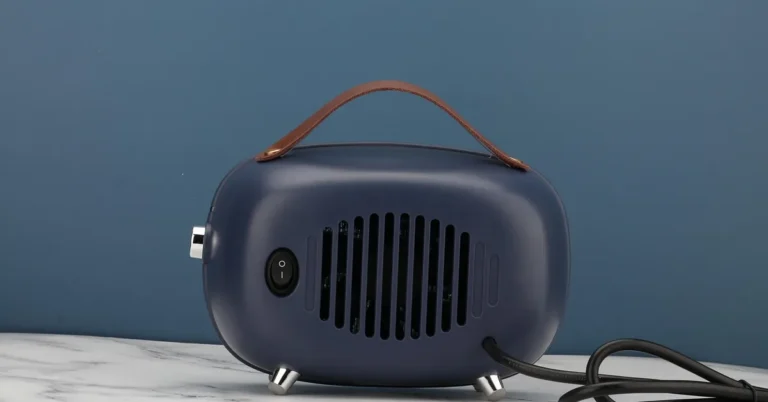
If your portable AC doesn’t heat, what are your options? Thankfully, there are many. You can get a dedicated portable heater.
These are usually quite affordable.
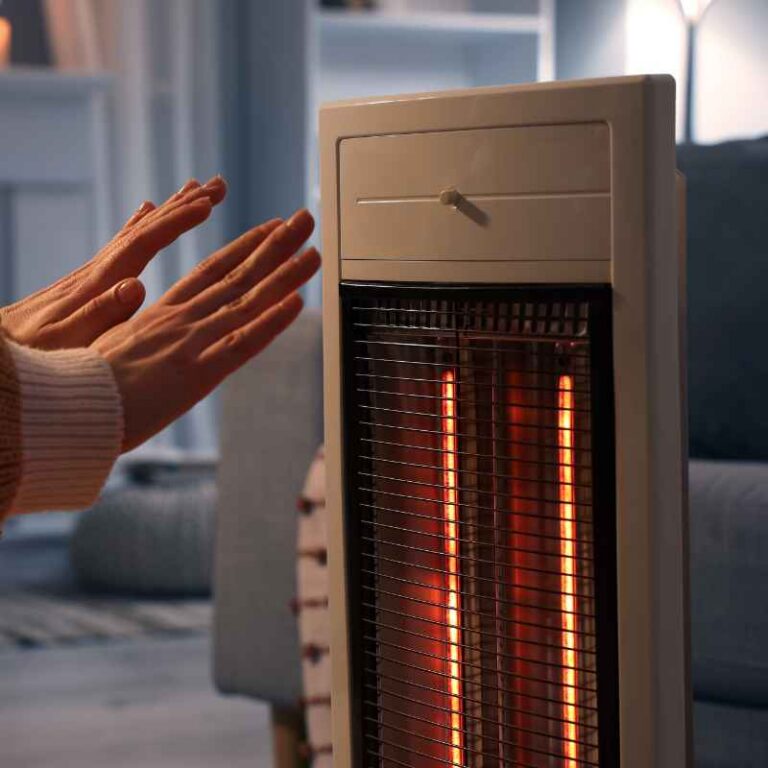
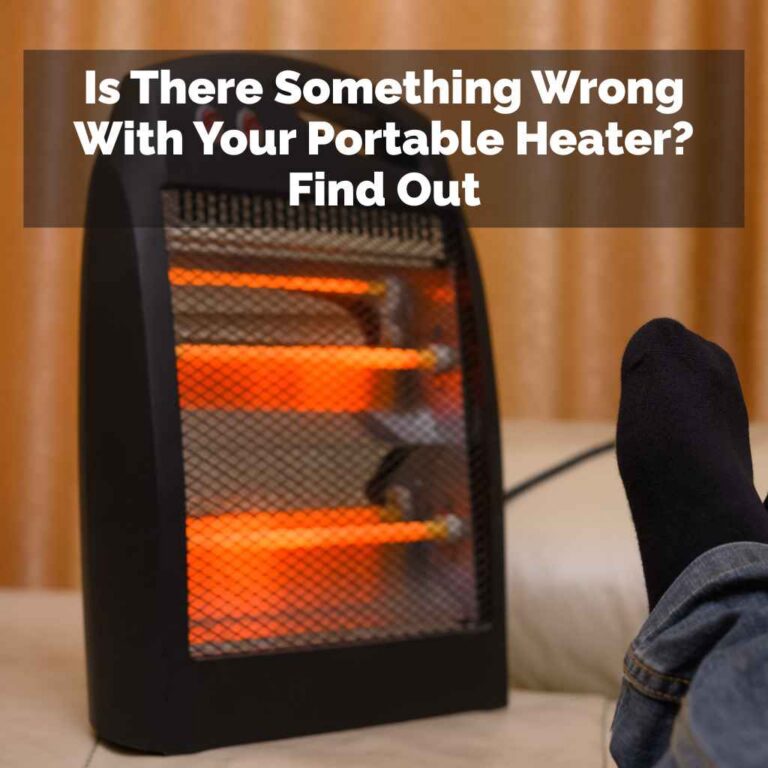
There are radiant heaters. These warm objects directly. They feel like the sun’s warmth.
Then there are convection heaters. These warm the air around them. They circulate warm air through a room.
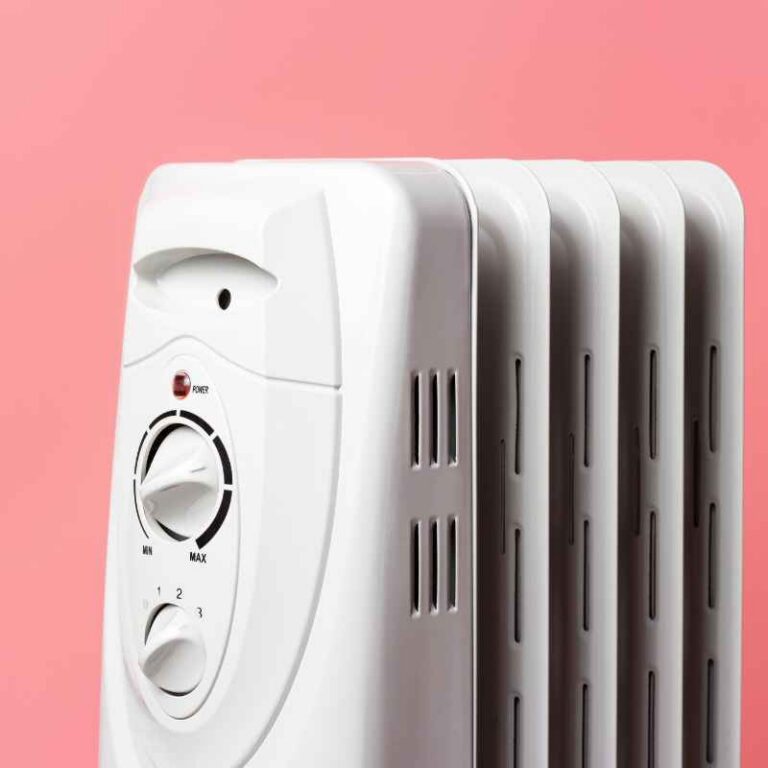
Oil-filled radiators are a popular choice. They get hot and stay warm for a long time. Ceramic heaters are also common.
They use a ceramic plate to heat air. They often have safety features like tip-over protection.
Infrared heaters are another type. They use infrared radiation to heat. They can be very fast at warming.
Each type has its pros and cons. Some are better for quick spot heating. Others are better for keeping a whole room warm.
When choosing a portable heater, think about your needs. How big is the space? Do you need to heat it quickly?
How much do you want to spend on energy? Safety is also important. Look for features like auto shut-off.
Portable Heater Quick Guide
- Radiant Heaters: Warm objects directly. Good for spot heating.
- Convection Heaters: Warm the air. Best for heating a whole room.
- Oil-Filled Radiators: Hold heat well. Provide steady warmth.
- Ceramic Heaters: Fast heating. Often compact.
- Infrared Heaters: Heat objects and people quickly.
The Appeal of a Portable Air Conditioner and Heater Combo
So, why consider a unit that does both? The biggest draw is convenience. You have one appliance.
It handles two jobs. This saves space. You don’t need to store a separate heater.
It’s also cost-effective in the long run. Buying one dual unit can be cheaper than buying two separate high-quality units. You save on initial purchase price.
Energy efficiency can also be a factor. Modern combo units, especially those with a heat pump function, can be very efficient. They use less energy than some older electric heaters.
Think about a home office or a smaller apartment. Space is often limited. A single appliance that provides year-round comfort is ideal.
You get cool air in the summer. You get warm air in the winter. All from one plug.
The controls are usually simple too. Many have digital displays and remote controls. You can easily switch between modes.
You can set timers for both cooling and heating cycles.
Combo Unit Benefits
- Space Saving: One unit instead of two.
- Convenience: Year-round comfort from one appliance.
- Cost-Effective: Can be cheaper than buying separate units.
- Energy Efficiency: Modern units can be very efficient.
- Simple Controls: Easy to switch modes and set schedules.
Real-World Scenarios for Combo Units
Let’s picture some situations where a portable air conditioner and heater would shine. Imagine a nursery room. You want it at a comfortable temperature all day and night.
A combo unit can keep it cool during naps in the summer. It can provide gentle warmth on chilly mornings.
Consider a guest room. You want your visitors to be comfortable. You might not be home all the time.
A combo unit lets them adjust the temperature easily. They can cool the room if it’s warm. They can heat it if it gets cold.
They don’t need to ask you for help.
What about a workshop or a garage? These spaces can get extreme. Hot in the summer, cold in the winter.
A portable combo unit could provide relief. You might not need central air or heat there. A spot unit is perfect.
It heats or cools the area you are using.
Even a small apartment benefits. You might not have a full HVAC system. Or perhaps your system struggles to reach certain rooms.
A portable unit can fill the gap. It gives you precise control over the temperature in one specific area.
Think about the transition seasons. Spring and fall can be unpredictable. One day you need AC.
The next, you need heat. You don’t want to dig out the summer or winter gear. A combo unit handles these changes smoothly.
Scenario Spotlight: The Home Office
Problem: Office gets too hot in summer and too cold in winter.
Solution: A portable AC/heater combo unit provides consistent, comfortable temperatures year-round.
Benefit: Increased productivity and comfort without needing two separate appliances.
What This Means for Your Home Comfort
So, does a portable air conditioner count as a heater? Only if it’s designed to be. A standard AC unit is for cooling only.
It uses a specific process to remove heat.
If you have a unit that says “Air Conditioner and Heater” or has a heat mode, then yes. It can also provide warmth. These units use different technology for heating.
They might have a heating coil or use a reverse cycle.
For most people, a standard portable AC is just that: a cooler. If you need heating, you’ll need a separate heater. Or you can invest in a dual-function unit for the best of both worlds.
The key is to check the product description and the unit itself. Look for the heat setting or mode. If it’s not there, it doesn’t heat.
Simple as that.
Understanding your appliance helps you use it best. It also helps you know what else you might need. Don’t expect your cooler to magically become a heater.
Unless it was built that way from the start.
When is it Normal?
- Normal AC use: Unit blows cool air and exhausts hot air outside.
- Normal Heater use: Unit blows warm air into the room.
- Normal Combo use: Unit clearly displays “Heat” or “Cool” mode.
When to Worry
- Standard AC unit: If it suddenly starts blowing warm air when set to cool. This indicates a problem.
- Combo unit: If the heat function doesn’t work when selected, or if it makes strange noises.
- Any unit: If you smell burning or see sparks. Unplug it immediately.
Quick Tips for Using Your Portable Climate Control
If you have a combo unit, here are some tips. First, always read your manual. It has specific instructions for your model.
When cooling, make sure the exhaust hose is properly sealed. This prevents hot air from coming back in. For heating, ensure the intake vents are not blocked.
Consider running your unit on a lower setting. It might be more energy efficient. For heating, you don’t always need the highest setting.
Let the unit maintain a comfortable temperature.
Don’t block the airflow. Keep furniture and curtains away from the unit. Good airflow is key for both cooling and heating to work well.
If you’re using it for heating, be mindful of energy use. Electric heating can use a lot of power. Use timers to avoid running it when you don’t need it.
Smart Usage Habits
- Read the Manual: Always refer to your specific unit’s guide.
- Seal Exhaust Hose: Crucial for cooling efficiency.
- Unblock Vents: Ensure clear airflow for both modes.
- Use Lower Settings: Often more energy efficient.
- Utilize Timers: Save energy by setting auto-off times.
Frequent Questions About Portable ACs and Heating
Can any portable air conditioner heat a room?
No, only portable air conditioners specifically advertised as having a heating function can heat a room. Standard portable air conditioners are designed solely for cooling.
How do portable air conditioner heaters work differently?
They work differently by having added components. These might include an electric heating element that gets hot. Or they use a reverse cycle, like a heat pump, to move heat from outside air into the room.
Are portable air conditioner and heater combos energy efficient?
Modern units with heat pump technology can be very energy efficient for heating. Those with simple electric coils are less efficient, similar to standard electric heaters.
What is the difference between a portable AC and a portable heater?
A portable AC cools by removing heat from a room and sending it outside. A portable heater warms a room by generating heat, usually from an electric element or by transferring heat from outside.
How do I know if my portable AC has a heating function?
Check the unit’s control panel for a “Heat” button or mode. Also, review the product’s manual or specifications. If it only shows “Cool,” “Fan,” or “Dry,” it does not heat.
Can a portable AC and heater run both functions at once?
Most units allow you to select either cooling or heating, but not both simultaneously. Some advanced models might have a special “auto” mode that switches between them to maintain a set temperature, but they don’t run both actively at the same time.
Final Thoughts on Year-Round Comfort
So, we’ve seen that a portable air conditioner is a cooling machine. It moves heat out of your space. It’s not built to create heat on its own.
However, dual-function units exist. These are portable air conditioners and heaters. They offer both cooling and heating.
They provide all-season comfort from one appliance.
Always check the product details. Make sure it meets your needs. Whether you need just cool air or both warm and cool air, there’s a unit for you.
Enjoy your comfortable home, no matter the season!
Sponsored / affiliate links. As an Amazon Associate I earn from qualifying purchases. I may earn additional commission from eligible campaigns.