Radiant Heat Vs Forced Air Portable Heaters: Which Wins?
This is the big question many people ask. What’s the actual difference between a radiant heat portable heater and a forced air one? And more importantly, which one is better for your home?
It’s not a simple answer because it really depends on what you need. Think about where you’ll use it and what kind of comfort you’re after.
Radiant heaters work like the sun. They send out waves of heat. These waves warm up objects and people they hit.
They don’t spend much energy heating the air itself. Forced air heaters, on the other hand, work more like a fan. They blow warm air into a room.
This warms up the air all around you.
Understanding these basic ideas helps a lot. It guides you to the best choice for your needs. We’ll explore their strengths, their weaknesses, and where each one shines brightest.
You’ll learn about energy use, safety, and how fast they warm up a space. By the end, you’ll feel much more confident picking the right heater.
Radiant portable heaters warm objects and people directly using infrared waves, offering quick, targeted warmth. Forced air portable heaters warm the air using a fan and heating element, distributing heat more broadly throughout a room, which can take longer to feel effective.
The Science of Warmth: How They Work
Let’s dive a little deeper into how these heaters actually make heat. It’s not magic; it’s simple physics. Knowing this helps you pick the best one.
Radiant Heaters: The Sunbeam Effect
A radiant heater uses a heating element. This element gets very hot. Think of a glowing red coil.
This hot element then gives off infrared radiation. This is like the heat you feel from the sun. It travels in straight lines.
When this radiation hits a surface, like your skin or a chair, it warms that surface up.
The air in the room doesn’t get very warm this way. It’s the objects in the room that get heated. This is why radiant heat feels very direct.
You can feel its warmth even if the air around you is still cool. This is great for spots where you’ll be sitting or standing for a while. It’s also useful in rooms with high ceilings or drafts.
The heat doesn’t get lost in the air easily.
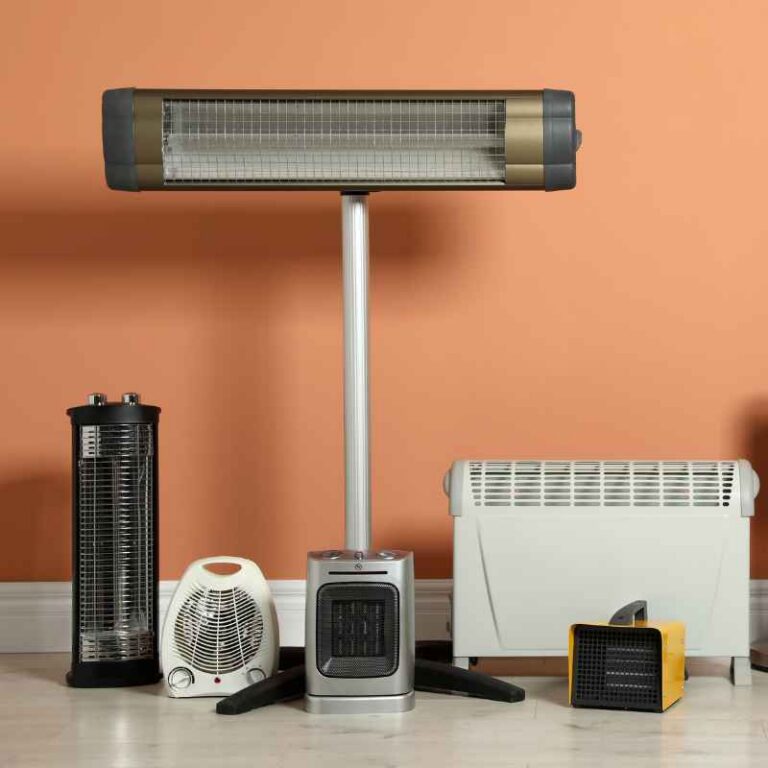
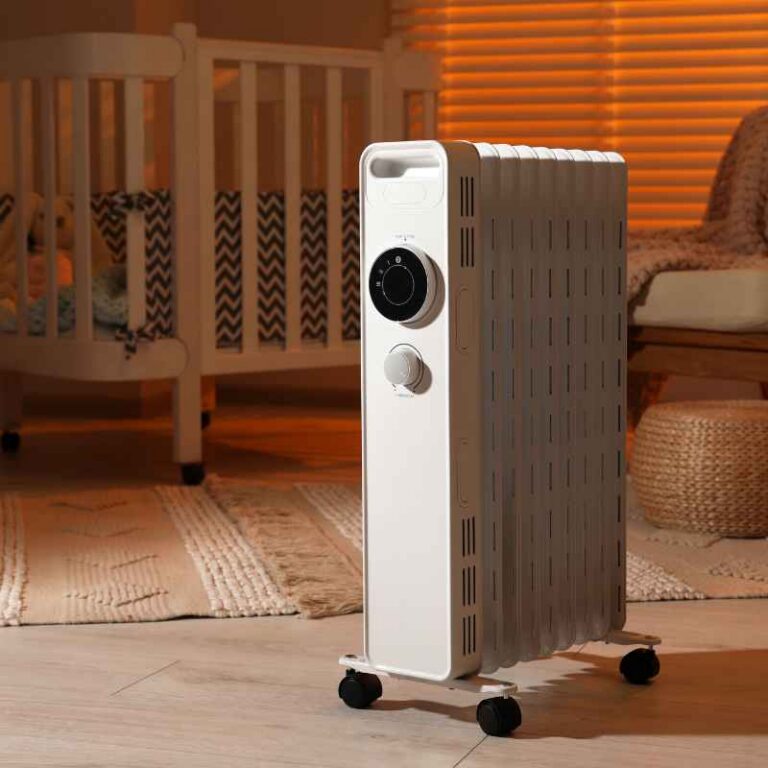
Common types of radiant portable heaters include oil-filled radiators. These have sealed oil inside. The electric element heats the oil.
The oil then heats the metal fins. These fins radiate heat. Another type is the ceramic radiant heater.
These use a ceramic plate that heats up. They often have a reflector to direct the heat forward.
Forced Air Heaters: The Big Blow
Forced air heaters have a fan. They also have a heating element. This element can be ceramic or a metal coil.
The fan pulls cooler room air into the heater. It passes this air over the hot heating element. The element heats the air up.
Then, the fan blows the warm air back into the room.
This process heats the air in the whole room. It mixes the warm air with the cooler air. This makes the overall temperature of the room go up.
This type of heating is good for warming up a whole space more evenly. But it can take a little longer to feel the warmth. The fan noise is also something to consider.
Ceramic forced air heaters are very popular. They use a ceramic element. This element heats up quickly.
They are often smaller and lighter. Metal coil heaters can also be found. They might heat up faster but can also have a smell when first turned on.
Propane or kerosene heaters are also forced air types, but they are for specific outdoor or well-ventilated areas.
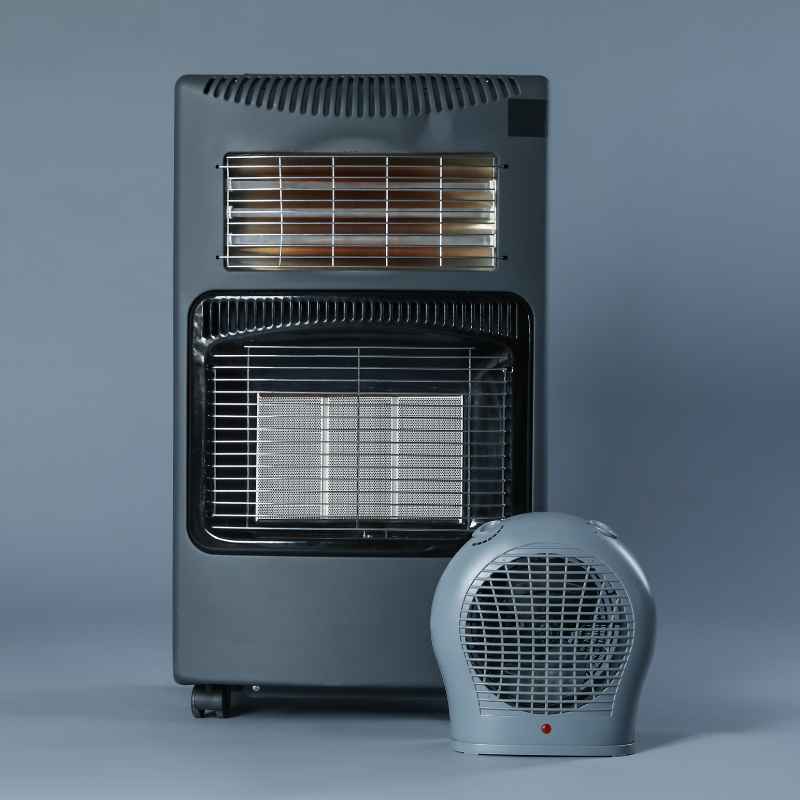
Key Differences at a Glance
- Radiant: Heats objects & people directly.
- Forced Air: Heats the air.
- Radiant: Feels warm right away where it hits.
- Forced Air: Warms the whole room over time.
- Radiant: Quieter operation.
- Forced Air: Fan noise can be noticeable.
The Energy Equation: Watts, Costs, and Efficiency
When you’re looking at heaters, energy use is a big deal. No one wants a surprise on their electric bill. Let’s talk about how radiant and forced air heaters stack up.
Radiant Heater Energy Use
Radiant heaters are often praised for their energy efficiency. This is because they focus heat where it’s needed. They warm people and objects directly.
They don’t waste energy trying to heat all the air in a large room. If you’re sitting in a chair, the radiant heater warms you. It doesn’t spend much energy warming the empty space around the chair.
This targeted warmth means you might feel comfortable at a lower overall room temperature. This can save you money. An oil-filled radiator, for example, heats up slowly.
But once it’s warm, it holds that heat well. It can continue to radiate heat even after it’s turned off. This provides a nice, steady warmth.
Most portable electric radiant heaters use between 750 and 1500 watts. This is similar to forced air heaters. The difference is how they use that energy.
Radiant heaters tend to be more efficient for spot heating. This means heating just one area or person.
Forced Air Heater Energy Use
Forced air heaters also use electricity to generate heat. The wattage is usually the same, around 750 to 1500 watts. The fan also uses a small amount of energy.
The main difference is that forced air heats the entire volume of air in a room. This can make them less efficient for heating just one spot.
If you have a large, open space or a room with poor insulation, a forced air heater might struggle to raise the temperature significantly. It keeps blowing warm air, but it might escape or mix with cold air. This means it has to run more often to keep the room warm.
This can lead to higher energy bills.
However, if your goal is to raise the temperature of a small, well-sealed room quickly, a forced air heater can be effective. The fan helps distribute the warm air evenly. For example, if you want to quickly take the chill off a bathroom before a shower, a small forced air heater can do the job fast.
Energy Use Insights
Radiant: Best for direct, targeted warmth. Often more energy-efficient for heating people or small zones.
Forced Air: Good for heating the whole room air. May use more energy for spot heating.
Both: Typically use 750-1500 watts. Energy cost depends on usage and room size/insulation.
Speed of Heat: Which Warms You Up Faster?
When you’re cold, you want to feel warm as soon as possible. The speed at which a heater works is a big factor for many people.
Radiant: Instant Feel, Gradual Room Warmth
The warmth from a radiant heater is felt almost instantly. As soon as you turn it on, you can feel the heat waves hitting you. This is a big plus if you’re feeling chilled.
You don’t have to wait for the whole room to get toasty.
However, the air temperature in the room will rise more slowly. This is because the heater isn’t primarily heating the air. It’s heating objects.
So, while you might feel warm sitting in front of it, the rest of the room might still be a bit cool. This is why radiant heaters are often called “spot heaters.” They are great for warming a specific spot.
If you turn off a radiant heater, the objects that were warmed will continue to radiate some heat for a while. This gives a lingering warmth. This can be a nice feature.
Forced Air: Slow Start, Even Distribution
Forced air heaters take a little longer to start feeling warm. First, the heating element needs to heat up. Then, the fan has to start blowing.
It takes time for that warm air to circulate throughout the entire room. You might feel a puff of warm air from the vent, but the room’s overall temperature rise is gradual.
Once the room is warm, forced air heaters can maintain that temperature fairly evenly. The fan helps move the warm air around. This can make the whole space feel comfortable.
They are good for making a whole small room feel consistently warm. But if you need quick warmth for just yourself, you might be waiting a bit longer than with a radiant heater.
When you turn off a forced air heater, the fan stops. The heat source stops. So, the warmth fades away more quickly than with some radiant types.
Warm-Up Speed Comparison
Radiant: Instant sensation of warmth on the skin. Slower rise in overall room air temperature.
Forced Air: Delayed warmth sensation. Faster rise in overall room air temperature once it starts.
Noise Levels: A Peaceful Home or a Racket?
Noise is a significant factor for many people when choosing a heater. Some prefer silence, while others don’t mind a little sound.
Radiant Heaters: Mostly Silent Comfort
Radiant heaters are typically very quiet. This is their major advantage for many. Since they don’t rely on a fan to move heat, the only sound you might hear is a faint click when the thermostat turns on or off.
Oil-filled radiators are almost completely silent. Some ceramic radiant heaters might have a very slight hum if they have a small fan for safety, but it’s usually minimal.
This makes them ideal for bedrooms, living rooms, or offices where quiet is important. You can read, watch TV, or sleep without being disturbed by a constant fan noise.
Forced Air Heaters: The Hum of Warmth
Forced air heaters rely on a fan. This means they are not silent. You will hear the fan blowing air.
The noise level can vary greatly depending on the model. Some are designed to be very quiet, while others can be quite noticeable. This humming or whirring sound can be distracting for some people.
If you’re sensitive to noise, or if you plan to use the heater in a quiet space like a bedroom, the fan noise from a forced air heater might be a drawback. However, for some, the sound can be like white noise, which might even be helpful for sleep.
Sound Check:
Radiant: Generally very quiet or silent. Ideal for quiet spaces.
Forced Air: Fan noise is present. Varies by model. Can be a distraction for some.
Safety First: What to Look For
Safety is paramount when bringing any heating appliance into your home. Both radiant and forced air portable heaters have safety features, but their designs mean some considerations are more important for one type than the other.
Radiant Heater Safety
Radiant heaters can get very hot to the touch. This is especially true for the heating elements and surfaces of models like oil-filled radiators or panel heaters. This means they can pose a burn risk, particularly for young children or pets who might touch them.
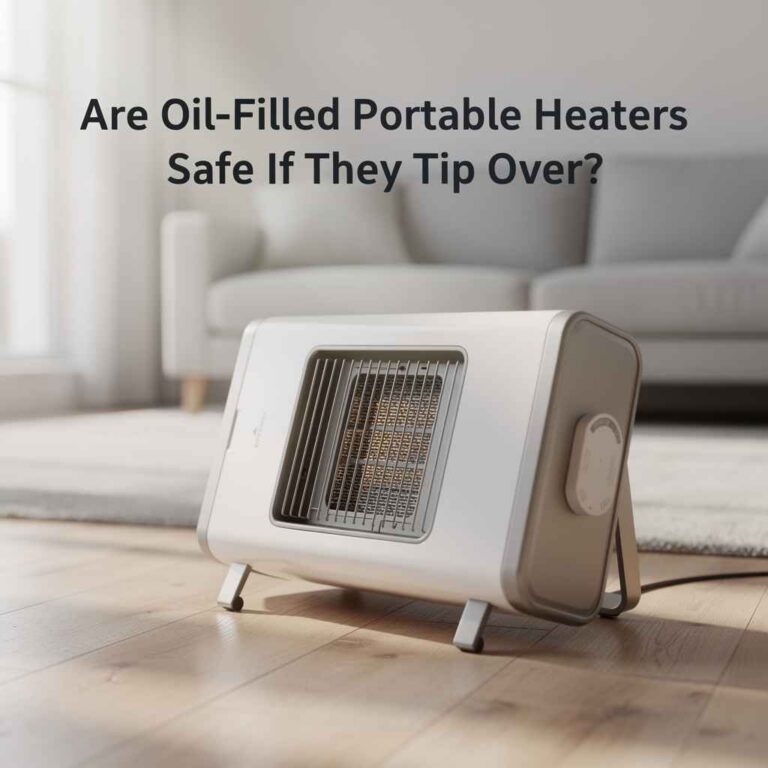
Look for models with tip-over protection. This feature automatically shuts the heater off if it’s knocked over. Overheat protection is also crucial.
This turns the heater off if it gets too hot. Ensure the heater has a sturdy base and is placed on a stable, flat surface.
Some radiant heaters, like oil-filled ones, are sealed units. This means there are no exposed heating elements. This can make them a bit safer in terms of fire risk compared to some other types.
They also don’t dry out the air as much, which can be a comfort and safety benefit in very dry climates.
Forced Air Heater Safety
Forced air heaters also have hot surfaces. The heating element can be very hot. However, the fan can help cool the exterior casing somewhat.
The main safety concern here is ensuring the air intake and outlet vents are not blocked. Blocking these can cause the heater to overheat and potentially cause a fire.
Like radiant heaters, look for tip-over protection and overheat protection. These are standard safety features on good quality forced air heaters. Because they blow air, they can circulate dust and allergens.
If you have allergies or asthma, this is something to consider.
The fan can also be a concern if small fingers or paws get too close to the vents. Most modern units have grates that prevent this, but it’s always good to check. Ceramic forced air heaters are often considered safer because the ceramic elements don’t get as intensely hot as exposed metal coils might.
They also cool down faster.
Safety Features to Prioritize:
- Tip-Over Switch: Shuts off if heater falls.
- Overheat Protection: Shuts off if it gets too hot.
- Sturdy Base: Prevents easy tipping.
- Cool-Touch Exterior (on some models): Safer to be near.
- No Blocked Vents: Essential for both types.
When to Use Which: Real-World Scenarios
Understanding the technical differences is one thing. Seeing how they apply to everyday life is another. Let’s look at some common situations where one type might be a better fit than the other.
Best Uses for Radiant Heaters
Radiant heaters are fantastic for specific situations. I remember needing to warm up just my home office. It was a drafty room, and trying to heat the whole thing felt like a waste.
A small oil-filled radiator under my desk did the trick. I felt warm, and my electric bill didn’t go up much.
- Spot Heating: If you’re sitting in one place (e.g., reading a book, watching TV, working at a desk) and want to feel warm without heating the whole room.
- Bedrooms: Their quiet operation makes them perfect for sleeping. You can set it to maintain a comfortable temperature without noise.
- Rooms with High Ceilings or Drafts: Because they heat objects, the heat doesn’t rise as quickly as air does. This makes them more effective in spaces where heat can escape easily.
- People with Dry Skin or Respiratory Issues: Radiant heat doesn’t dry out the air as much as forced air, which can be a relief.
- Adding a Little Extra Warmth: When the central heating isn’t quite enough, a radiant heater can provide a comforting boost in a specific area.
Best Uses for Forced Air Heaters
Forced air heaters shine when you need to warm up a space more generally. In my old apartment, the bathroom was always freezing in the mornings. A small ceramic forced air heater took the chill off in about 10 minutes.
It was quick and made getting ready much more pleasant.
- Quickly Warming Small, Enclosed Rooms: Great for bathrooms, small home offices, or guest rooms that need a fast temperature boost.
- Maintaining a Consistent Room Temperature: If you want the entire air volume of a room to reach and stay at a certain temperature.
- Areas Where Air Circulation is Needed: Sometimes, a little bit of air movement can feel more comfortable than still air.
- Workshops or Garages (with proper ventilation): Certain types of forced air heaters (like propane or kerosene) are designed for these spaces, but electric ones can also work if power is available and the space is reasonably sealed.
- When Noise is Not a Major Concern: If the fan sound doesn’t bother you, a forced air heater can be a good all-around choice.
Scenario Match-Up:
Scenario: You’re working from home at your desk.
Best Choice: Radiant Heater. It will warm you directly and efficiently without heating an empty room.
Scenario: You want to warm up your small bathroom before a shower.
Best Choice: Forced Air Heater. It will warm the air in the room quickly.
Scenario: You need to heat a large, drafty living room for a party.
Best Choice: Neither might be ideal on their own. Consider a larger radiant heater for targeted warmth or multiple heaters, or a larger central heating system.
The Cost of Ownership: Initial Purchase and Long-Term Savings
When you buy a heater, you think about the price tag. But it’s also smart to think about how much it will cost to run over time.
Radiant Heater Costs
The initial cost of portable radiant heaters can vary. Simple electric panel heaters might be quite affordable. Oil-filled radiators can sometimes be a bit more expensive upfront.
However, their long-term running costs can be lower if you use them for spot heating.
As mentioned, they are often more energy-efficient for heating people directly. This means that for the same level of personal comfort, a radiant heater might use less electricity than a forced air unit. If you only need to warm a small area for a few hours each day, the savings can add up.
Think about the lifespan of the heater. Well-made oil-filled radiators can last for many years. They have fewer moving parts than forced air units, which means less can go wrong.
Forced Air Heater Costs
Forced air portable heaters, especially ceramic ones, are often very competitively priced. You can find many good options for under $50. Their upfront cost can be lower than some radiant models.
However, their running costs can be higher if used inefficiently. If you’re trying to heat a large space or a drafty room, the heater will have to run for longer periods. This uses more electricity.
The fan also uses a small amount of power, adding to the overall cost.
The lifespan of forced air heaters can also be shorter due to the moving parts (the fan). Fans can wear out over time. If a fan breaks, the heater is often not worth repairing.
This means you might need to replace it sooner than a radiant unit.
Cost Comparison:
| Feature | Radiant Heater | Forced Air Heater |
|---|---|---|
| Initial Cost | Moderate to High | Low to Moderate |
| Running Cost (Spot Heating) | Lower | Higher |
| Running Cost (Whole Room) | Moderate (less effective) | Higher (more effective if sealed) |
| Lifespan | Potentially Longer (fewer parts) | Potentially Shorter (fan wear) |
What About Air Quality?
Indoor air quality is something many people are concerned about. How do these heaters affect the air you breathe?
Radiant Heaters and Air Quality
Radiant heaters are generally considered better for air quality. They don’t blow air around. This means they don’t stir up dust, pet dander, or other allergens that might be sitting on your floors or furniture.
This can be a significant benefit for people with allergies, asthma, or other respiratory sensitivities.
Also, radiant heat doesn’t dry out the air as much as forced air heat. Dry air can lead to irritated sinuses, dry skin, and static electricity. Radiant heaters help maintain a more comfortable humidity level in the air.
Forced Air Heaters and Air Quality
Forced air heaters use a fan to circulate air. This can be a problem for air quality. As the fan pulls air into the unit, it can also draw in dust, pet hair, and other particles.
These can then be blown back into the room. Over time, this can circulate allergens and make breathing more difficult for sensitive individuals.
Forced air heating also tends to dry out the air more. This is because the heating process itself can reduce the relative humidity. If you live in an already dry climate, this can exacerbate issues like dry skin, itchy eyes, and sore throats.
To help with this, it’s important to keep forced air heaters clean. Dust the intake and output vents regularly. You might also consider using a humidifier in the room.
This can help counteract the drying effect.
Air Quality Focus:
Radiant: Minimal impact on air quality. Does not circulate dust. Less drying effect.
Forced Air: Can circulate dust and allergens. Tends to dry out the air.
Factors Beyond Heat Type: What Else Matters?
While the radiant vs. forced air distinction is key, there are other things to think about when picking a portable heater. Don’t forget these.
Size of the Space
A small heater won’t do much in a large room. And a powerful heater in a tiny space can overheat it quickly. Always check the heater’s wattage and its recommended room size coverage.
This is often listed on the product packaging or in the manual.
Insulation and Drafts
How well insulated is your home? Are there drafts coming from windows or doors? A well-insulated room with no drafts will hold heat much better.
This means any heater will be more effective. In a drafty room, you might need a more powerful heater, or one that heats objects directly (like radiant heaters).
Thermostat Control
A heater with a good thermostat is crucial. It helps maintain a consistent temperature and prevents the heater from running all the time. This saves energy and money.
Look for models that allow you to set a specific temperature, not just a low/medium/high setting.
Portability and Weight
If you plan to move the heater from room to room, consider how heavy it is. Does it have wheels? Is the handle comfortable?
Some oil-filled radiators can be quite heavy, especially when hot.
Safety Features (Revisited)
Always double-check for those safety features we talked about: tip-over switch, overheat protection, and a stable design. These are non-negotiable.
Your Personal Comfort Preferences
Some people prefer the feeling of direct radiant heat. Others like the general warmth of forced air. Think about what feels best to you.
Do you mind fan noise? Does dry air bother you?
Making the Choice: Which Wins for You?
So, after all this, which one wins? The truth is, neither type is universally better. It’s all about matching the heater to your specific needs and situation.
Choose a radiant heater if:
- You need to heat a specific spot or person directly.
- You prioritize quiet operation.
- You have allergies or breathing sensitivities.
- You live in a dry climate.
- You have a room with high ceilings or drafts.
Choose a forced air heater if:
- You need to quickly warm the entire air volume of a small, well-sealed room.
- You don’t mind a bit of fan noise.
- You want to maintain an even temperature throughout a space.
- You are looking for a generally affordable upfront option.
Often, the best solution for a home might be to have both types. A radiant heater for the living room or office, and a small forced air unit for the bathroom or bedroom. This gives you flexibility for different needs.
Common Questions About Portable Heaters
Are radiant heaters or forced air heaters more energy efficient?
Radiant heaters are often more energy efficient for spot heating because they warm objects and people directly, rather than the air. Forced air heaters heat the entire room’s air, which can be less efficient if you only need to warm a small area or person.
Which type of portable heater warms a room faster?
Forced air heaters generally warm the air in a room faster because they circulate warm air. Radiant heaters provide instant warmth on the skin but take longer to raise the overall air temperature of a room.
Are radiant heaters safe for bedrooms?
Yes, radiant heaters are often recommended for bedrooms because they are typically very quiet. Ensure the model has essential safety features like tip-over protection and overheat protection.
Can forced air heaters dry out the air too much?
Yes, forced air heaters can dry out the air more than radiant heaters. This is because the heating process can reduce relative humidity. Using a humidifier can help counteract this effect.
What is the difference in noise levels between radiant and forced air heaters?
Radiant heaters are usually very quiet or silent, as they don’t have a fan. Forced air heaters use a fan to circulate warm air, so they produce a noticeable hum or whirring sound.
Which type is better for allergies: radiant or forced air?
Radiant heaters are generally better for allergies because they do not circulate dust, pet dander, or other airborne particles. Forced air heaters can stir up these allergens as they blow air around.
Final Thoughts on Cozy Comfort
Choosing the right portable heater comes down to understanding how you’ll use it. Radiant heat offers quiet, targeted warmth. Forced air provides quick, even room heating.
Consider your space, your comfort needs, and your budget. You’ll find the perfect solution to keep you toasty all season long.
Sponsored / affiliate links. As an Amazon Associate I earn from qualifying purchases. I may earn additional commission from eligible campaigns.