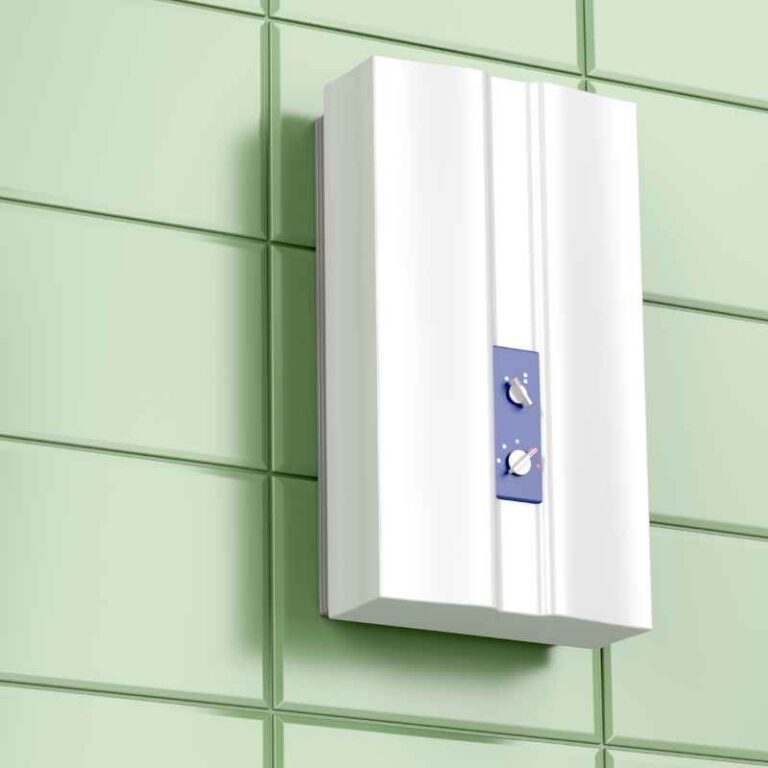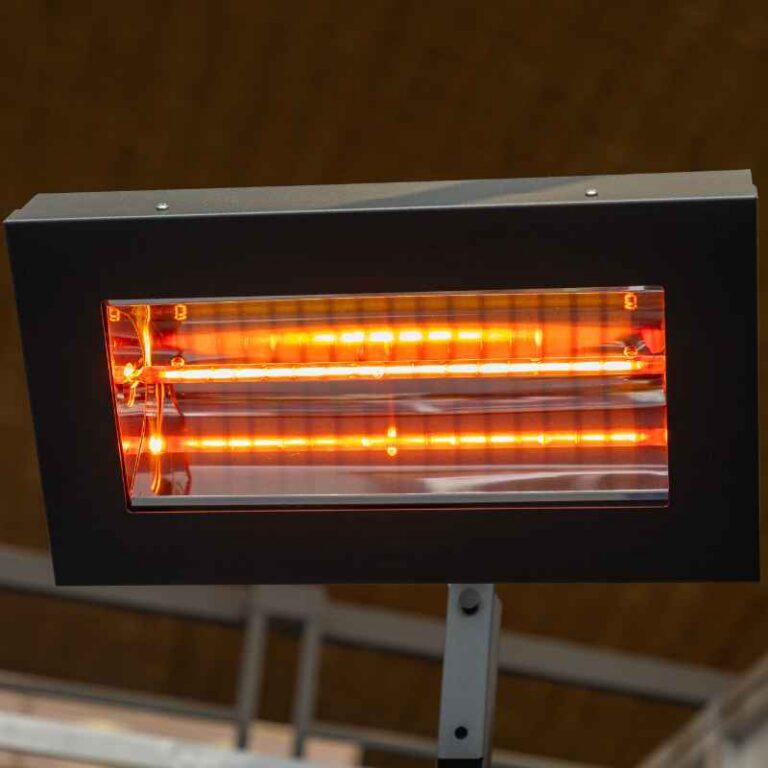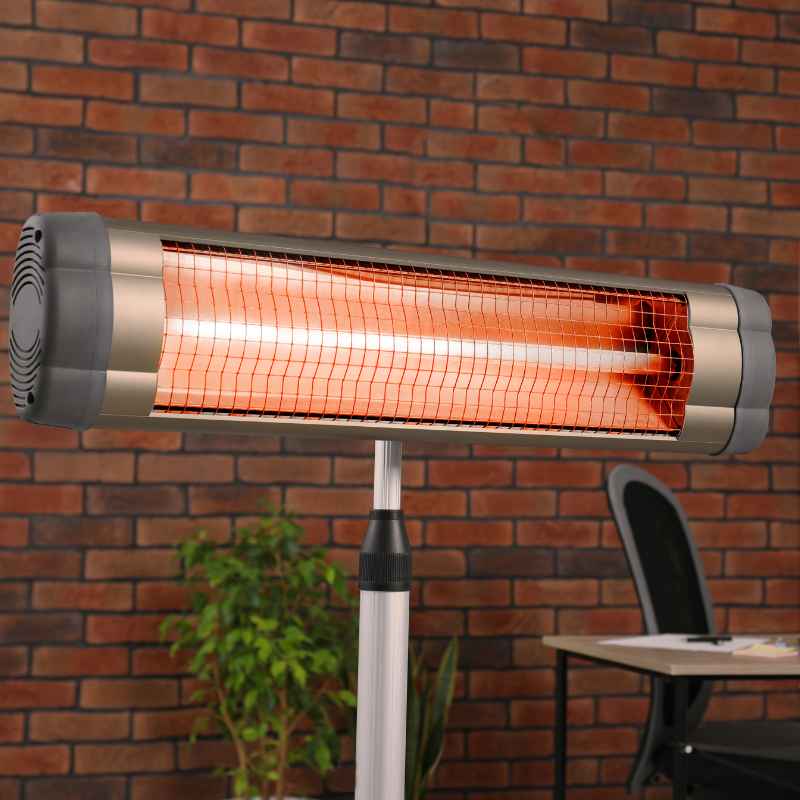
Will Wall Heaters Heat A Room When The Door Is Closed?
Yes, wall heaters can heat a room when the door is closed. However, their effectiveness depends on several factors. These include the heater’s size, the room’s insulation, and the thermostat setting. A closed door helps retain heat, but it can also limit air circulation, potentially making the heating uneven.
How Wall Heaters Work
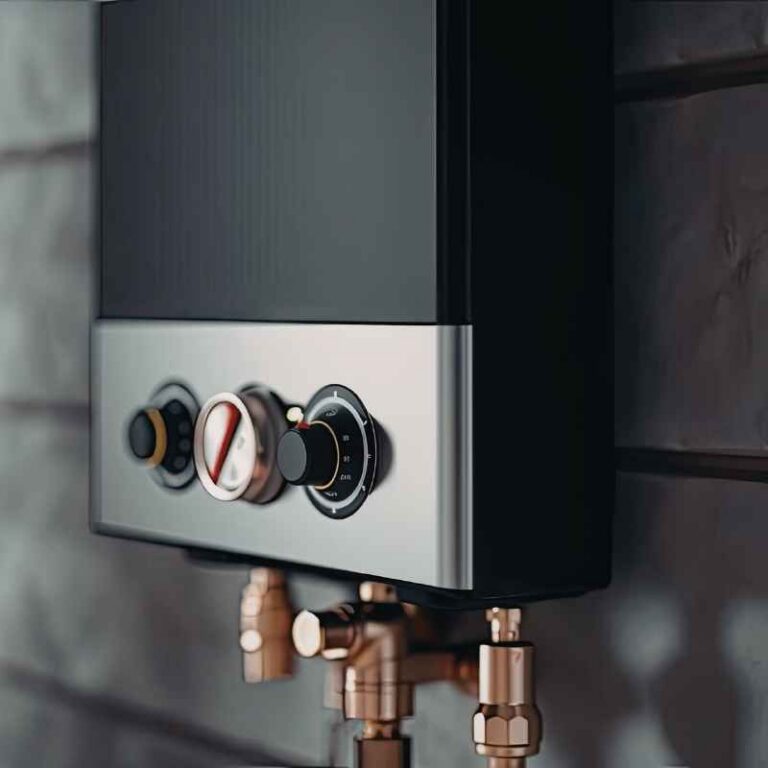
Wall heaters are designed to warm up a space. They do this by taking in cooler air. Then, they heat it up inside the unit. Finally, they release the warm air back into the room. This process is called convection. The warm air rises. The cooler air sinks. This creates a gentle air flow. This flow helps spread the warmth around the room.
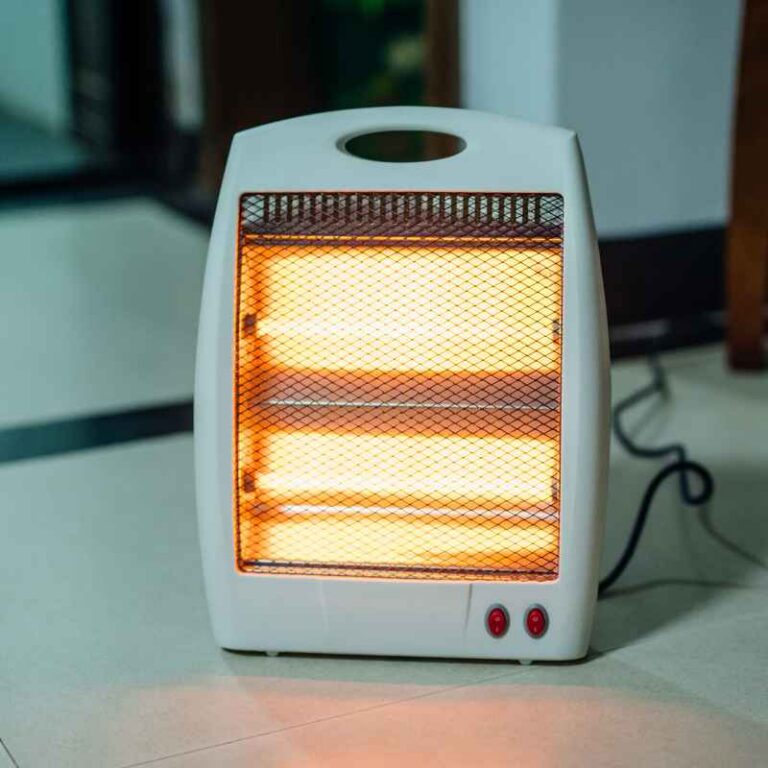
There are different types of wall heaters. Some are electric. Others use gas. Electric ones often have a heating element. This element gets very hot. A fan might blow air over it. Gas heaters burn fuel. This makes heat. A vent usually takes away the fumes. Both types aim to warm the air. They want to make your room feel nice.
The goal is to heat the air in the room. This happens through a cycle. Warm air goes up. Cold air goes down. This movement is key. It helps the heater warm the whole space. Think of it like a continuous loop of air. The heater is the heart of this loop. It keeps the air moving and getting warmer.
My Experience with a Chilly Bedroom
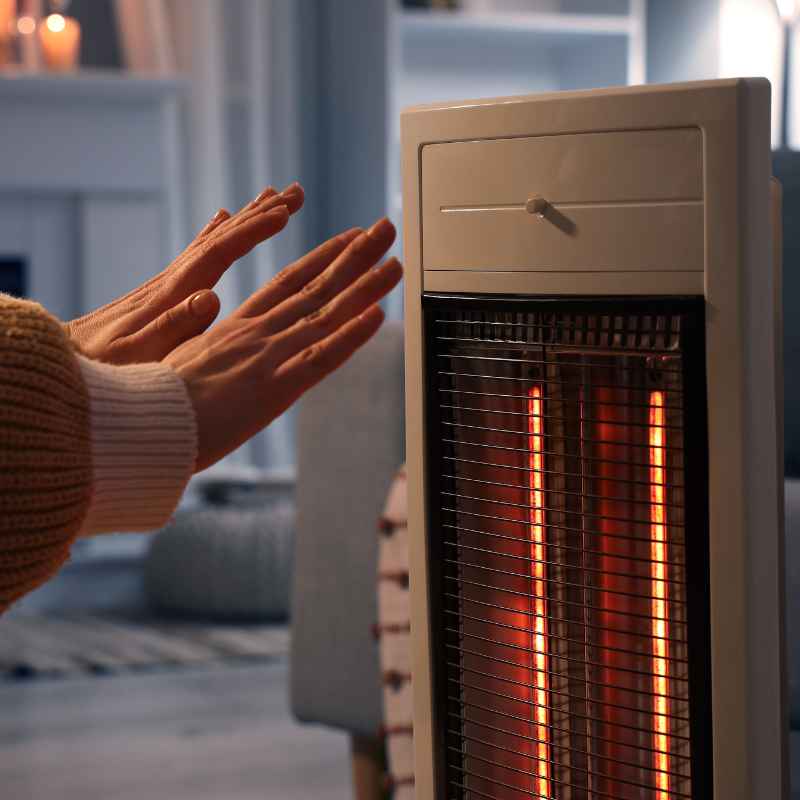
I remember one winter. I had a small bedroom upstairs. The only heat source was a baseboard electric heater. It was a good heater, but the room was at the end of a long hallway. The door always stayed closed. Most nights, the room would feel okay when I went to bed. But by morning, it could get pretty cold. I’d wake up and feel that chill.
I started to wonder if the heater was even working right. Was it too small for the room? Was the closed door trapping the heat in a weird way? I’d go downstairs and the rest of the house felt warmer. It was frustrating. I felt like I was fighting the cold every night. I tried leaving the door cracked open for a bit. That seemed to help a little. But I still felt like that bedroom was a lost cause sometimes. It made getting ready in the morning a real test of willpower. I learned that how the heat moved was just as important as how much heat was made.
Understanding Airflow and Heat Distribution
Think about a room with a closed door. The wall heater is working hard. It’s making warm air. This warm air starts to fill the room. It naturally rises. Cooler air near the floor gets pulled towards the heater. This keeps the cycle going.
But a closed door can be a barrier. It stops air from moving freely. If the room is small, the heater might warm it up well. It won’t take long. The warm air stays put. But if the room is larger, or has a lot of furniture, things change. The warm air might stay near the ceiling. The cooler air might stay near the floor. You might feel warm air when you stand up. But when you sit down, it might feel cooler.
Also, the type of wall heater matters. Some have fans. These fans push the warm air out. This helps it reach corners. It also helps mix the air better. Heaters without fans rely more on natural air movement. This movement is slower. It needs more time to warm a whole room evenly. So, a closed door can make this slower process even slower.
How a Closed Door Affects Heating
When a door is closed, it acts like a little bubble. The heater is inside this bubble. It’s trying to warm everything up. The warm air it produces stays in the room. This is good for keeping heat in. It means less heat escapes to other parts of the house. This can be a good thing for saving energy.
However, the bubble also stops new air from coming in. The heater warms the air that is already there. It can’t pull in warmer air from a hallway. It also can’t push its warm air out to other places. If there are no vents or other openings, the air can get a bit stagnant. This can lead to cooler spots. These spots might be far from the heater itself.
The Role of Room Size and Insulation
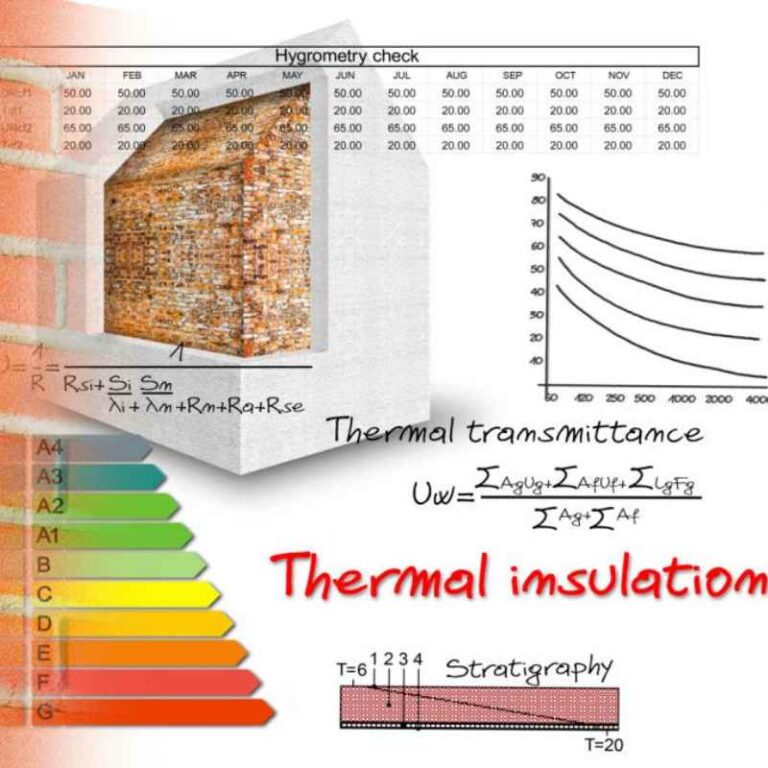
Room size is a big factor. A tiny closet with a wall heater will get warm very fast. A large living room with the same heater might barely get warm. Insulation is also super important. Good insulation means the walls, ceiling, and floor keep heat inside. It’s like a warm blanket around the room.
If a room has poor insulation, the heat escapes. It goes through the walls. It goes through the windows. Even with the door closed, the heater has to work much harder. It has to constantly replace the heat that is leaking out. This means the heater runs longer. It might still not get as warm as you want. Think about a leaky cup. It doesn’t matter how much water you pour in. Some will always spill out. Poor insulation is like a leaky cup for your room’s heat.
Factors Influencing Heating Effectiveness
Several things decide how well your wall heater works. It’s not just about turning it on. Let’s look at what makes a difference.
Heater Capacity and Wattage
Every heater has a certain power. This is often measured in watts. A higher wattage means more power. It can produce more heat. For a small bathroom, a lower wattage heater might be fine. For a large bedroom, you’ll need a higher wattage one. If the heater is too small for the room, it will struggle. It will run constantly. It might never reach the temperature you want.
You should always check the heater’s specs. They usually say what size room it’s best for. Using a heater that’s too weak is like trying to fill a swimming pool with a teacup. It will take forever. Or it might never fill up at all.
Thermostat Settings and Placement
The thermostat tells the heater when to turn on and off. Its location is very important. If the thermostat is in a warm spot, like near a sunny window, it will think the room is warmer than it is. It will turn the heater off too soon. The room won’t get fully warm. If it’s in a cold spot, it might run too much.
It’s best to have the thermostat away from direct sun. It should also be away from drafts. It should be in a place where it can feel the average temperature of the room. This helps it make smarter decisions about when to heat. A well-placed thermostat makes the heater work smarter. It uses less energy too.
Room Insulation and Drafts
We talked about insulation. Good insulation keeps heat in. Poor insulation lets it out. Drafts are like little holes. Cold air sneaks in. Warm air sneaks out. These can come from window frames. They can come from door frames. Even electrical outlets can let in drafts.
Sealing up these drafts is a big help. You can use caulk or weatherstripping. This is often a simple fix. It makes a big difference. It helps the heater do its job better. It also makes the room more comfortable. You won’t feel those cold spots anymore.
The Impact of Closed Doors on Air Circulation
When a door is closed, it creates a boundary. Air inside the room cannot easily mix with air outside. The wall heater creates warm air. This warm air rises. It tends to stay near the ceiling. Cooler air sinks. It stays near the floor.
Without the door open, there is less natural movement of air. The heater is trying to push warm air out. But the door is blocking it. This can lead to warmer air collecting higher up. The lower parts of the room might stay cooler. This is especially true if the heater is not very powerful. Or if the room is quite large.
A fan can help a lot here. A ceiling fan can push warm air down. A small portable fan can help mix the air. It stirs things up. It helps bring the cooler air down to the heater. It helps spread the warm air around. This makes the whole room feel more even.
Stagnant Air and Cold Spots
Stagnant air is air that isn’t moving much. When air is stagnant, it doesn’t mix well. The warmest air stays at the top. The coolest air stays at the bottom. This is why you might feel warm on your feet when standing. But when you sit down, it feels cooler. The heater is doing its job. But the air isn’t sharing the warmth effectively.
Cold spots are areas in the room that stay colder. They might be in corners. They might be behind furniture. These spots don’t get enough of the warm air. The closed door makes it harder for the warm air to reach these areas. It’s like the warm air gets stuck in one place.
How to Improve Air Circulation
There are simple ways to improve air circulation. One is to open the door for a while each day. This lets the air mix. It allows warmer air to go out. It brings cooler air in. This resets the air in the room.
Another way is to use a fan. A small, quiet fan can sit on a shelf or desk. Turn it on low. It will gently move the air around. You can also use a ceiling fan. Set it to a low speed. Make sure it’s spinning the right way for winter. This will push the warm air down from the ceiling.
Sometimes, arranging furniture can help. Try not to block the heater. Don’t put large items right in front of it. Give the warm air a clear path to move. Even small adjustments can make a big difference in how evenly the room heats up.
When Heaters Struggle
Small Heater, Big Room: A heater too weak for the space will run non-stop. It won’t reach the set temperature.
Poor Insulation: Heat escapes quickly. The heater fights a losing battle.
Blocked Airflow: Furniture or curtains in front of the heater stop warm air from spreading.
Thermostat Issues: A badly placed thermostat makes the heater cycle incorrectly.
Real-World Scenarios
Let’s think about different places you might find a wall heater with a closed door.
Bathrooms
Bathrooms are often small. They have a wall heater for quick warmth. You usually close the door when using it. This works well. The heater is strong enough for the small space. The closed door keeps the warmth in. It makes the room cozy quickly. But you don’t want to leave it on too long. The air can feel very still.
Bedrooms
Bedrooms can be tricky. Some are large. Some are small. If it’s a big bedroom, a weak heater will struggle. Even with the door closed, it might not get warm enough. Especially on a very cold night. You might need to supplement with another heat source. Or at least open the door sometimes.
Basement Rooms
Basement rooms can be cold. They are underground. They can also have issues with moisture. A wall heater can help. But the walls might be poorly insulated. There might be drafts from windows or doors. The closed door will keep some heat in. But if the room is leaky, it won’t be enough. You might need a more powerful heater. Or better sealing for drafts.
What This Means for You
So, can a wall heater heat a room with the door closed? Yes, but with conditions.
When It’s Normal for a Room to Heat Well
It’s normal for a small, well-insulated room to heat up fast. This is especially true if the heater has enough power. A bathroom is a good example. Or a small office. The closed door helps trap the heat efficiently.
When to Be Concerned About Heating
You should be concerned if the room stays cold. Or if it feels unevenly heated. If the heater runs all the time. And the room is still not comfortable. This could mean the heater is too small. Or the room has issues like poor insulation or drafts.
Simple Checks You Can Do
Check if the heater is dusty. Dust can block airflow. Make sure nothing is blocking the front of the heater. Feel around windows and doors for drafts. You can often feel cold air coming in. Check the thermostat. Is it placed in a spot that gets direct sun? Or near a heat vent from another system?
Quick Scan: Heater Performance
| Symptom | Possible Cause | Simple Check |
|---|---|---|
| Room stays cold | Heater too small or poor insulation | Check room size vs heater wattage. Feel for drafts. |
| Uneven heat (warm ceiling, cold floor) | Poor air circulation | Try opening door, use a fan, rearrange furniture. |
| Heater runs constantly but room is cool | Drafts or thermostat placement | Seal drafts. Check thermostat location. |
| Heater turns off too soon | Thermostat in warm spot | Move thermostat or shield it from direct heat/sun. |
Tips for Better Heating with Closed Doors
If you want to get the most out of your wall heater with the door closed, try these tips.
Maximize Heater Efficiency
Make sure your heater is clean. Dust can really block air. Check the filter if it has one. Replace it if needed. Make sure the vents are clear. Don’t put furniture right in front of it. Give it space to breathe.
Using Fans to Aid Circulation
As mentioned, fans are great helpers. A small desk fan on a low setting can move air around. A ceiling fan on its winter setting will push warm air down. This helps the whole room feel more consistent. It makes the heater’s job easier.
Sealing Drafts and Improving Insulation
This is a big one. Weatherstripping around doors and windows helps a lot. So does caulk. You can get draft stoppers for the bottom of doors. If a room is very poorly insulated, you might consider adding more insulation. But start with the simple draft sealing first. It’s often very effective.
Strategic Door Management
Don’t keep the door shut all the time if the room isn’t heating well. Open it for a bit each day. Let the air mix. This is especially helpful in bedrooms overnight. You might let it warm up with the door open for a while. Then close it. Or leave it cracked. Find what works for your room.
My Top Tips for a Cozy Room
- Clean Your Heater: Dust is the enemy of airflow.
- Use a Fan: Even a small one makes a difference.
- Block Drafts: Feel for cold air and seal it up.
- Open the Door Sometimes: Let the air mix naturally.
- Check the Thermostat: Make sure it’s in a good spot.
Frequently Asked Questions
Can a small wall heater heat a large room with the door closed?
No, a small heater will likely struggle to heat a large room effectively, even with the door closed. The heater may run constantly without reaching the desired temperature. You might need a larger heater or a supplemental heat source.
Does closing the door make a wall heater more efficient?
Closing the door helps trap the heat within the room, which can make the heater more efficient at raising the room’s temperature. It prevents warm air from escaping to other parts of the house. However, it can also limit air circulation, potentially leading to uneven heating.
What is the best way to position a wall heater in a room?
Place the heater where it has good airflow. Avoid blocking it with furniture or curtains. If possible, place it where it can circulate air best, often in a central location or where cool air naturally falls.
How often should I open the door to help with heating?
There’s no strict rule. Try opening it for 15-30 minutes once or twice a day. This helps mix the air.
You can also open it for a longer period if the room feels stagnant or too warm at the top and cold at the bottom.
Can a wall heater cause dry air?
Some types of heaters, especially electric resistance heaters, can contribute to dry air as they heat. Using a humidifier can help combat this. However, the main cause is often the lack of moisture in the air during colder months.
Should I leave my wall heater on all the time with the door closed?
It depends on your needs and the heater type. For consistent comfort, you might keep it on a low setting. However, turning it off when the room is not in use saves energy.
Always follow the manufacturer’s instructions for safe operation.
Conclusion
So, to wrap things up, yes, a wall heater can heat a room when the door is closed. It’s actually designed to do just that, to create a warm zone. The closed door helps it keep that heat contained. But remember, it’s not magic. The heater’s size, the room’s insulation, and how well the air can move all play a part. Pay attention to your room. Make small adjustments. You can make your heated space much cozier.
Sponsored / affiliate links. As an Amazon Associate I earn from qualifying purchases. I may earn additional commission from eligible campaigns.