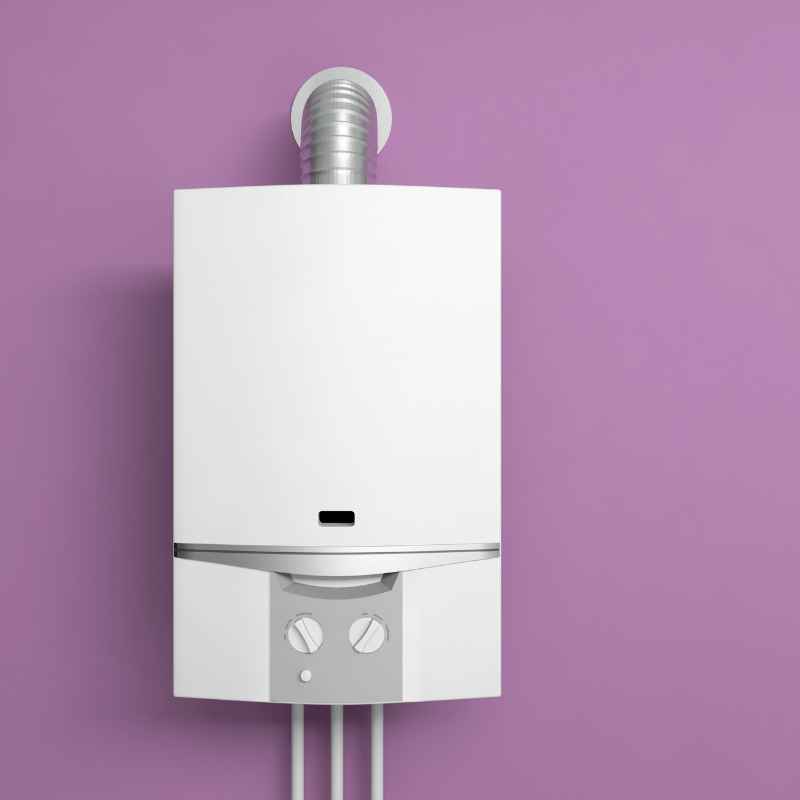
What Gas Pressure Is Needed For Standard Wall Heaters?
Standard wall heaters typically require a gas pressure between 3.5 to 4.0 inches of water column (WC) for natural gas. Propane may need a slightly higher pressure. This range ensures the heater burns fuel efficiently and safely.
It’s crucial to have this pressure checked by a professional.
Understanding Gas Pressure for Wall Heaters
Your wall heater uses gas to create heat. This gas needs to flow at a certain speed. This speed is measured by gas pressure.
Think of it like water in a hose. If the water pressure is too low, it just trickles out. If it’s too high, it can spray everywhere.
Gas pressure is similar. It needs to be just right for your heater to work well.
The gas comes from your main gas line. It travels through pipes to your heater. The pressure is set by your gas company.
But it can also change slightly. Your heater itself has parts that manage this pressure. These are often called regulators.
They make sure the gas flow is steady and safe.
Why does this matter so much? Proper gas pressure affects several things. It makes sure your heater burns fuel cleanly.
It helps the flame stay strong and steady. It also makes sure your heater is not using too much gas. And most importantly, it keeps your home safe from gas leaks or other problems.
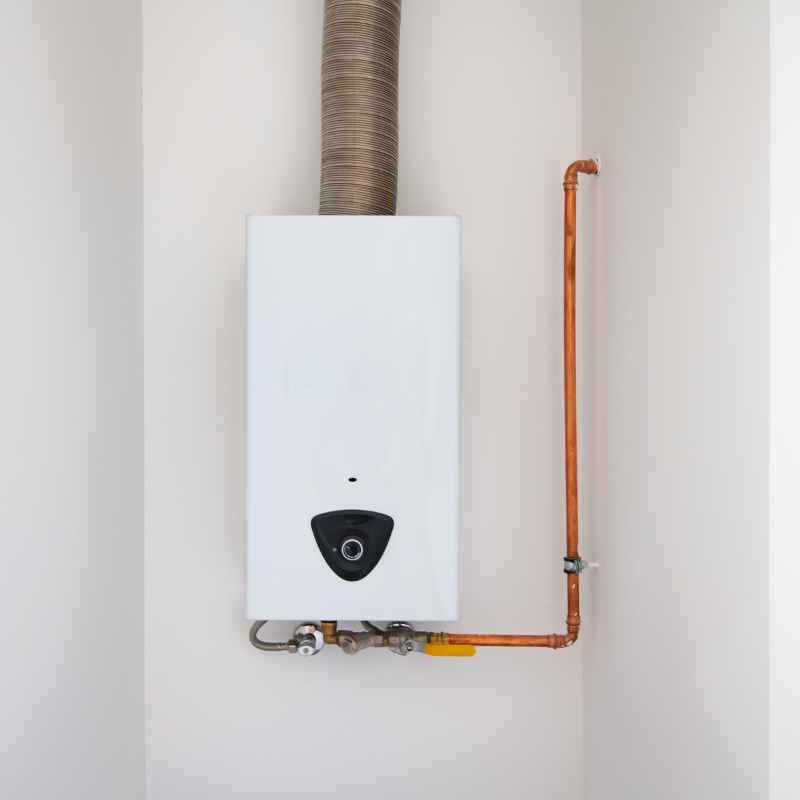
My Own Frustration with a Heater’s Hum
I remember a time a few years ago. It was late autumn. My living room heater started making this odd, low hum.
It wasn’t a loud noise. But it was constant. It felt… wrong.
I tried turning the thermostat up and down. Nothing changed. The room was warm, but the hum was driving me crazy.
I’m not an expert, but I know a weird noise usually means something needs looking at.
I called a repair person. He arrived, looked at the heater, and listened. He hooked up a few tools.
He mentioned something about “manometer readings.” He explained that the gas pressure feeding into the unit was a little too low. He said it wasn’t dangerously low. But it was just enough to make the burner work a bit harder than it should.
This extra work caused that subtle hum I was hearing. He made a small adjustment. Poof!
The hum was gone. It was such a relief. That simple fix showed me how important those tiny details, like gas pressure, really are.
What is “Inches of Water Column”?
You’ll often hear gas pressure measured in “inches of water column” or “WC”. This might sound strange. But it’s a standard way to measure low gas pressure.
Imagine a U-shaped tube filled with water. If gas is pushed through one side, it lifts the water level in the other. The difference in water height tells you the pressure.
One inch of water column means the gas can push water up one inch high.
Normal Gas Pressure for Natural Gas Wall Heaters
Most homes in the U.S. use natural gas. It’s delivered through underground pipes.
For a standard natural gas wall heater, the ideal pressure is very specific. It usually falls between 3.5 and 4.0 inches of water column (WC). This range is set by heater manufacturers.
This specific pressure helps the gas mix with air just right. This mixture is what burns to create heat. If the pressure is too low, the flame might be weak.
It might not burn fully. This can create less heat. It can also lead to incomplete combustion.
This can produce harmful gases like carbon monoxide.
If the pressure is too high, the flame could be too big. It might flicker too much. This can damage the heater over time.
It can also be less efficient. The heater might use more gas than it needs. This means higher energy bills for you.
What Affects Natural Gas Pressure?
Several things can influence the gas pressure reaching your heater:
- The Main Gas Line: The pressure coming from the utility company’s main line is the starting point.
- House Piping: The size and condition of the pipes in your home matter. Old or narrow pipes can restrict flow.
- Regulators: Your home has a main gas regulator. Individual appliances might have their own. These control the pressure.
- Other Appliances: If many gas appliances are running at once (like a stove, dryer, and heater), they share the gas supply. This can temporarily lower pressure.
Pressure Check: A Quick Scan
Normal Range (Natural Gas): 3.5 – 4.0 inches WC
What Happens If It’s Too Low: Weak flame, less heat, incomplete burning, potential CO risk.
What Happens If It’s Too High: Flame too large, flickering flame, potential damage, inefficiency.
Gas Pressure for Propane (LP Gas) Wall Heaters
Some homes, especially in rural areas, use propane. Propane is stored in tanks on your property. It’s also called Liquefied Petroleum (LP) gas.
Propane needs a different pressure than natural gas. This is because propane is stored under higher pressure in its liquid form. When it vaporizes, it has more inherent pressure.
For propane wall heaters, the required pressure is typically higher. It often ranges from 7 to 11 inches of water column (WC). Again, this can vary slightly by the specific heater model.
Always check your heater’s manual.
The system for propane is also different. It involves a regulator on the tank. This regulator steps down the high pressure from the liquid propane to a usable pressure for your appliances.
Sometimes, there’s a second regulator closer to the house or the heater.
It’s crucial to get this right. Using propane with a system designed for natural gas, or vice versa, is dangerous. The pressures are too different.
This can cause the appliance to malfunction or even fail. It can also be a fire hazard.
Propane System Specifics
Propane systems have unique features:
- Storage Tank: Propane is stored as a liquid in a tank.
- Vaporization: Heat from the surrounding air turns the liquid into gas (vapor) inside the tank.
- Regulators: Essential for reducing tank pressure to the correct appliance pressure.
- Odorant: Propane has a strong smell added so leaks are easily detected.
Propane Pressure Essentials
Typical Range (Propane): 7 – 11 inches WC
Key Difference: Higher pressure than natural gas.
Safety First: Use the correct regulator and piping for propane.
Why Getting the Pressure Right is So Important
We’ve touched on this, but let’s make it crystal clear. The gas pressure isn’t just a number. It’s fundamental to how your heater operates safely and efficiently.
Let’s break down why it matters so much.
1. Efficiency and Cost Savings
When gas pressure is correct, your heater burns fuel completely. This means it gets the most heat from the least amount of gas. If the pressure is too low, the burn might be poor.
You’ll get less heat. You might even be wasting gas. If it’s too high, the burner might work harder than needed, also leading to inefficiency.
The right pressure means your heater runs at its peak performance. This translates to lower energy bills. It’s a direct saving for your wallet.
2. Safety and Combustion
This is the biggest reason. Incomplete combustion is a major risk. When gas doesn’t burn right, it can produce carbon monoxide (CO).
CO is a silent killer. It’s a colorless, odorless gas. Proper gas pressure ensures a clean, complete burn.
This minimizes CO production. It also helps prevent other combustion issues. These could include soot buildup or burner damage.
Your heater is a combustion appliance. Safety is paramount. Correct pressure is a key safety feature.
3. Longevity of Your Heater
Running your heater at the wrong gas pressure puts stress on its parts. If the pressure is consistently too high, the flame can be too intense. This can scorch or damage the burner assembly.
It can also stress heat exchangers over time. If the pressure is too low, the heater may struggle to ignite or maintain a flame. This can lead to frequent cycling or component strain.
Over time, this can shorten the lifespan of your unit. Proper pressure helps your heater last longer.
4. Consistent Heating
A heater running at the correct pressure provides steady, reliable heat. If the pressure fluctuates, the flame can change. This means the heat output can also change.
You might notice hot and cold spots in your home. Or the room might take longer to heat up. The right pressure ensures a stable flame and consistent warmth throughout your house.
Pressure’s Impact: At a Glance
Boosts Efficiency: Burns fuel completely, less waste.
Enhances Safety: Minimizes carbon monoxide risk.
Extends Lifespan: Reduces stress on components.
Ensures Comfort: Provides steady, reliable heat.
How Gas Pressure is Measured
Checking gas pressure isn’t something you do with a regular thermometer. It requires special tools. These tools are used by trained professionals.
The most common tool is a manometer. Sometimes it’s called a gas pressure gauge.
A manometer is like a sensitive scale for gas. It often uses a fluid, like water or oil. It measures the force the gas exerts.
This force is what we compare to the weight of a column of water. Hence, “inches of water column.”
To test the pressure, a technician will typically connect the manometer to a specific test port on the gas valve of your heater. They will then turn on the heater and observe the reading. They might check the pressure when the burner is on low and when it’s on high.
This test tells them if the pressure supplied to the appliance is within the manufacturer’s specifications. If it’s not, they can then investigate further. They look at the home’s gas piping and regulators.
Who Should Check the Pressure?
Never attempt to check or adjust gas pressure yourself. This is a job for a qualified professional. This includes:
- HVAC Technicians: Heating, Ventilation, and Air Conditioning technicians are trained to work with gas appliances.
- Gas Appliance Repair Services: Companies specializing in fixing gas furnaces and heaters.
- Plumbers (with gas certification): Some plumbers are certified to work on gas lines.
They have the right tools and knowledge. They understand the safety protocols. They can identify problems with your gas supply or your appliance.
They can also make necessary adjustments safely.
Tools of the Trade
Primary Tool: Manometer (Gas Pressure Gauge)
Measurement Unit: Inches of Water Column (WC)
Who Uses It: Certified HVAC technicians and gas appliance specialists.
Why Not DIY: Requires specialized knowledge and tools for safety.
Real-World Scenarios: When Pressure Becomes a Problem
Let’s look at some real situations where gas pressure issues might show up.
Scenario 1: The New Homeowner’s Puzzle
Sarah just bought an older home. The previous owner had a wall heater. It seemed to work okay.
But Sarah noticed it took a long time for rooms to warm up. She also felt cold drafts sometimes. During a cold snap, the heater just couldn’t keep up.
She called an HVAC company. The technician checked the gas pressure. He found it was consistently on the low side of the recommended range.
The house piping was older and a bit undersized. The technician recommended some pipe upgrades. After the work, the heater had more power.
The house warmed up faster. Sarah was so happy to finally feel truly warm.
Scenario 2: The Busy Holiday Season
The Miller family loves to host during the holidays. They have multiple gas appliances: a stove, a dryer, and their main wall heater. One year, during a big dinner party, they noticed the heater wasn’t putting out much heat.
The kitchen was warm from cooking. But the living room felt cooler than usual. This happened because so many gas appliances were running at once.
This overloaded the gas line. The pressure dropped significantly. Once the oven and dryer were turned off, the pressure recovered.
The heater started working normally again. It was a good reminder that appliances share the gas supply.
Scenario 3: The Propane Tank Mystery
The Johnsons live out in the country. They use propane for their heating. Their heater always worked well.
But one winter morning, it just wouldn’t light. They checked the propane tank. It wasn’t empty.
They could smell propane. They called their propane supplier. The technician found that the main regulator on the tank had failed.
It wasn’t allowing enough propane vapor to pass through. The pressure was way too low. He replaced the regulator.
The heater fired right up. They learned that the regulator is a critical part of the propane system.
What This Means for You: When to Be Concerned
So, when should you actually worry about your gas pressure? Most of the time, your gas utility company and your HVAC system keep things in check. But there are signs you can look for.
When Your Heater Seems “Off”
If you notice any of these, it might be time to call a pro:
- Weak Flames: The burner flames are very small, yellow, or flickering oddly. They should be mostly blue with slight yellow tips.
- Inconsistent Heating: Rooms aren’t heating evenly. Some parts of the house are cold when others are warm.
- Strange Noises: Like the humming I heard, or whistling, or knocking sounds coming from the heater.
- Heater Not Reaching Set Temperature: The thermostat is set high, but the room doesn’t get warm enough.
- Pilot Light Issues: If you have a pilot light, and it’s hard to keep lit or burns very low.
Simple Checks You Can Do (Safely!)
You can’t check the pressure directly. But you can observe the heater’s behavior. And you can do some basic maintenance checks:
- Visual Check: Look at the flames when the heater is on (if visible and safe). Are they mostly blue?
- Listen: Pay attention to any new or unusual sounds.
- Thermostat Check: Ensure your thermostat is set correctly and working.
- Ventilation Check: Make sure the heater’s vents are not blocked by furniture, curtains, or anything else. Proper airflow is vital.
- Professional Tune-Up: Schedule annual maintenance for your heater. This is the best way to catch potential pressure issues early.
Signs Your Heater Might Need a Check-Up
Flame Color: Should be mostly blue.
Heat Output: Is it consistent and strong?
Sounds: Any new or odd noises?
Room Temperature: Is it reaching your set point?
Professional Tip: Annual maintenance is key.
Quick Tips for Optimal Heater Performance
While you can’t adjust gas pressure yourself, you can do a few things to help your heater run as efficiently as possible. These tips support the system’s overall function.
Keep Vents Clear
Your wall heater needs good airflow. Make sure nothing is blocking its vents or intakes. Furniture, drapes, or even dust bunnies can restrict airflow.
This makes the heater work harder. It can also affect how well it burns fuel.
Regular Filter Changes
If your wall heater has an air filter, change it regularly. A clogged filter restricts airflow. This is similar to blocked vents.
It forces the system to work harder. Check your owner’s manual for filter type and change frequency.
Annual Professional Servicing
This is the most important tip. Schedule a yearly check-up for your heater. An HVAC technician will:
- Clean the unit.
- Check all components.
- Test gas pressure.
- Inspect for leaks.
- Ensure safe operation.
This preventive maintenance is worth the cost. It can prevent bigger, more expensive problems down the road. It also ensures your heater is running at its best, including optimal gas pressure.
Seal Air Leaks in Your Home
Drafts and air leaks make your heater work overtime. Seal gaps around windows and doors. Check for leaks in your attic and basement.
Better insulation means your heater doesn’t have to run as much. This saves energy and reduces wear and tear.
Helping Your Heater Help You
Clear Vents: Allow free airflow.
Clean Filters: Keep the air moving.
Annual Service: Professional check-ups are vital.
Seal Drafts: Improve home insulation.
Frequently Asked Questions About Wall Heater Gas Pressure
What is the standard gas pressure for a wall heater?
For natural gas wall heaters, the standard pressure is typically between 3.5 and 4.0 inches of water column (WC). For propane (LP gas) heaters, it’s usually higher, often between 7 and 11 inches WC.
Can I adjust the gas pressure myself?
No, you should never adjust gas pressure yourself. This is a dangerous task that requires specialized tools and knowledge. It must be done by a qualified HVAC technician or gas appliance professional.
What happens if the gas pressure is too low?
If the gas pressure is too low, the heater may not produce enough heat. The flame might be weak or yellow. This can lead to incomplete combustion, which can produce harmful carbon monoxide.
It also means your heater is less efficient.
What happens if the gas pressure is too high?
If the gas pressure is too high, the flame can become too large or unstable. This can damage the heater’s components over time. It can also make the unit less efficient and potentially unsafe.
The burner assembly might get too hot.
How often should gas pressure be checked?
It’s recommended to have your gas pressure checked annually by an HVAC professional during routine maintenance. They will test it to ensure it’s within the manufacturer’s specified range for your heater.
What is “inches of water column” (WC)?
“Inches of water column” is a unit used to measure low gas pressure. It’s based on how much pressure is needed to push water up one inch in a U-shaped tube. It’s the standard way to measure gas pressure for appliances like wall heaters.
My heater seems to be working fine, do I still need to worry about gas pressure?
Even if your heater seems to be working okay, it’s wise to have the gas pressure checked. Sometimes, slightly off pressures can lead to long-term issues like reduced efficiency or premature wear. Annual professional checks catch potential problems before they become serious.
Final Thoughts on Heater Warmth
Understanding the right gas pressure for your wall heater gives you peace of mind. It ensures your home stays warm and safe. This simple detail impacts efficiency, safety, and your heater’s life.
Always rely on professionals for checks and adjustments. Keep your heater well-maintained. Enjoy a cozy home all season long.
Sponsored / affiliate links. As an Amazon Associate I earn from qualifying purchases. I may earn additional commission from eligible campaigns.