How to Clean a Kitchen Sink Pipe (Fast DIY Method)
Clean a sink pipe by pouring baking soda then vinegar down the drain, letting it foam for 10 minutes, then flushing with boiling water – this clears most grease and odor buildup without chemicals. For a stubborn clog, remove and clean the P-trap directly – see our full P-trap cleaning guide for the exact steps. Below: the full method, plus when to reach for an enzyme cleaner or drain snake instead.
Why Sink Pipes Get Clogged
Best Chemical-Free Cleaner
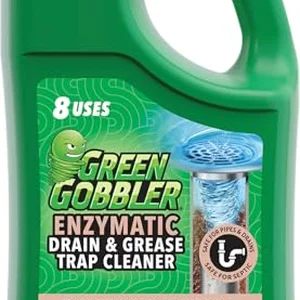
Green Gobbler Enzyme Cleaner – $25.97
A stronger step-up from baking soda and vinegar – enzymes break down grease buildup without harsh chemicals that can damage older pipes.
- Best for: Monthly maintenance to prevent clogs from forming
- Why we picked it: Safe for septic systems and all pipe types
- Main drawback: Needs to sit overnight for best results
Tools for stubborn clogs
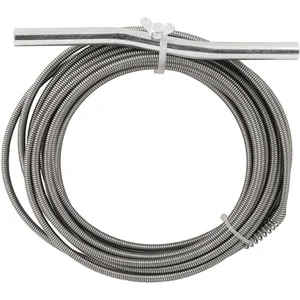
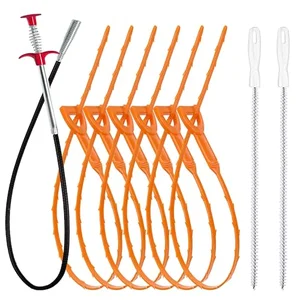 Option 1 Drain Snake Tool Set – $7.99
|
 Option 2 PlumbCraft Drain Auger – $14.99
|
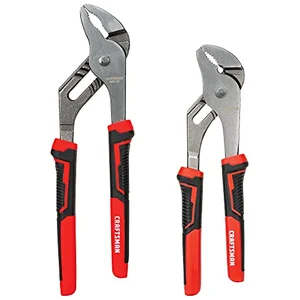 Option 3 CRAFTSMAN Groove Pliers – $16.98
|
As an Amazon Associate we earn from qualifying purchases.
First things first, let’s talk about why your sink pipe is acting up. Understanding the cause helps you tackle the problem and prevent it from happening again. Sink pipes, especially in kitchens and bathrooms, deal with a lot. In the kitchen, grease, food scraps, and soap residue can build up over time. I once found a chunk of potato skin stuck in my kitchen sink pipe -yep, straight from a dinner prep gone wrong. In bathrooms, hair, soap scum, and toothpaste gunk are the usual culprits. Even hard water can leave mineral deposits that narrow the pipe.
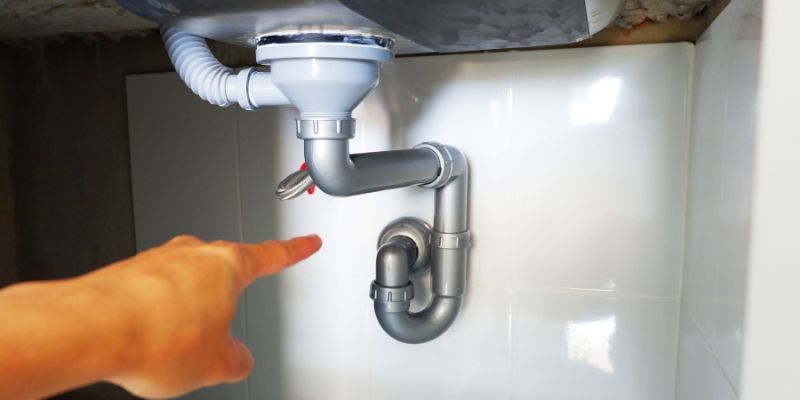
Over time, these bits and pieces stick to the walls of your pipes, creating a sticky mess that slows down water flow or blocks it completely. Sometimes, the clog is right under the sink in the P-trap -that curved pipe you see under there -but it can also be deeper in the drain line. Knowing what’s causing the clog helps you pick the right cleaning method, so let’s explore how to handle it.
Tools and Supplies You’ll Need
Before you start, gather a few basic tools and supplies. I’ve learned the hard way that having everything ready makes the job so much easier. Here’s what I keep on hand for cleaning sink pipes:
| Item | Why You Need It |
|---|---|
| Bucket | Catches water or gunk when you remove the P-trap or clean the drain. |
| Plunger | Great for loosening minor clogs before you dive into deeper cleaning. |
| A pipe brush or an old toothbrush | Perfect for scrubbing inside the pipe to remove sticky residue. |
| Screwdriver or wrench | Helps loosen the P-trap or drain cover. |
| Baking soda and vinegar | Natural cleaners for breaking down grease and mild clogs. |
| Drain snake or auger | Reaches deeper clogs that plungers or cleaners can’t touch. |
| Gloves | Keeps your hands clean and protects them from gross stuff in the pipe. |
| Flashlight | Helps you see inside the pipe or under the sink. |
| Hot water | Flushes out loose debris and helps dissolve grease. |
You probably have most of this stuff at home already. If not, a quick trip to the hardware store or even your local supermarket will set you up for under $20. Trust me, it’s worth it to avoid a plumber’s bill.
Step-by-Step Guide to Cleaning a Sink Pipe
Alright, let’s get to the good stuff -how to clean that sink pipe. I’m going to walk you through the process I use, step by step. It’s worked for me in both my kitchen and bathroom, and it’s simple enough for anyone to try.
Step 1: Clear the Area and Prep
Start by clearing out the space under your sink. Move any cleaning supplies, dish soap, or random junk you’ve got stored there. I once knocked over a bottle of bleach while wrestling with a pipe, and let’s just say it wasn’t fun to clean up. Place a bucket under the sink to catch any water or gunk that might spill. Put on some gloves, too -pipes can be gross.
Step 2: Try a Plunger First
Before you take anything apart, grab a plunger. Not the toilet plunger -a small sink plunger works best. Fill the sink with a couple of inches of water to create a good seal. Place the plunger over the drain and pump it up and down firmly for about 30 seconds. I’ve cleared plenty of minor clogs this way, like when my kitchen sink got backed up from too much grease. If the water starts draining, you’re in luck! Run hot water for a minute to flush things out. If not, move on to the next step.
Step 3: Remove and Clean the P-Trap
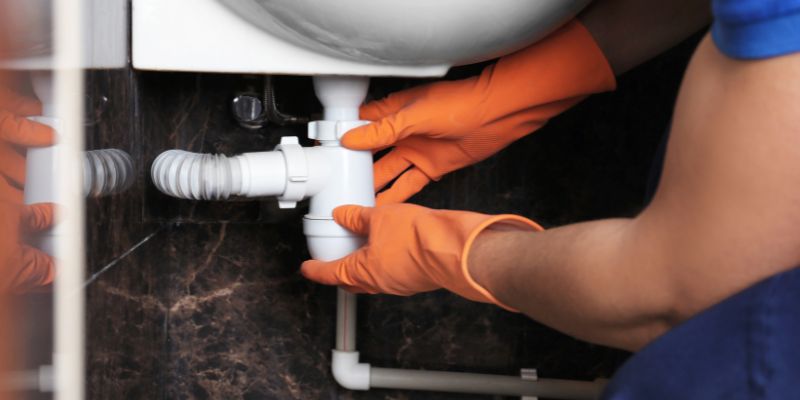
The P-trap is that U-shaped pipe under your sink. It’s designed to hold a bit of water to block sewer gases, but it’s also a magnet for clogs. Here’s how I clean it:
- Place your bucket under the P-trap to catch any water.
- Use a wrench or your hands to loosen the slip nuts on both ends of the P-trap. Most modern ones are plastic and can be hand-tightened, but older metal ones might need a wrench.
- Gently remove the P-trap and dump any water or gunk into the bucket. I’ve found everything from hairballs to food scraps in there -it’s like a treasure hunt, but gross.
- Scrub the inside of the P-trap with a pipe brush or an old toothbrush. A mix of dish soap and hot water works great for grease and grime.
- Rinse it thoroughly and set it aside.
While you’re at it, shine a flashlight into the drain pipe leading into the wall. If you see gunk, use your brush to clean it out. This step alone has saved me from countless clogs.
Step 4: Use Baking Soda and Vinegar
If the plunger and P-trap cleaning didn’t do the trick, try a natural cleaner. I love this method because it’s cheap, safe, and works like a charm for mild clogs. Pour half a cup of baking soda down the drain, followed by a cup of white vinegar. You’ll hear a fizzing sound -that’s the reaction breaking down grease and organic matter. Let it sit for 15 minutes, then flush the drain with a pot of hot (not boiling) water. I once used this on my bathroom sink, and the water started flowing like new again.
Step 5: Break Out the Drain Snake
For stubborn clogs deeper in the pipe, a drain snake or auger is your best friend. You can get a basic one for about $10 at any hardware store. Feed the snake into the drain and turn the handle to break up or pull out the clog. I had a clog once that was a wad of hair and soap scum about a foot down the pipe -gross, but the snake got it out in minutes. Keep feeding and turning until you feel the resistance give way, then flush the drain with hot water.
Step 6: Reassemble and Test
Once you’ve cleaned the P-trap and cleared any clogs, it’s time to put everything back together. Reattach the P-trap, making sure the slip nuts are snug but not overtightened. Run hot water through the sink for a minute to test the flow. If it’s draining smoothly and there’s no leaking under the sink, you’re golden! If not, double-check the P-trap connections or repeat the snake step for deeper clogs.
How to Clean Different Types of Sink Pipes
Not all sink pipes are the same, and I’ve learned that the hard way. Here’s how to handle different setups you might find in your home.
Kitchen Sink Pipes
Kitchen sinks deal with grease, food scraps, and soap, so clogs are often sticky and smelly. The baking soda and vinegar trick works great here, but I also recommend running hot water after every dishwashing session to prevent buildup. If your kitchen has a garbage disposal, flush it with hot water and a bit of dish soap regularly to keep the pipes clear.
Bathroom Sink Pipes
Hair and soap scum are the main enemies in bathroom sinks. I always check the stopper or pop-up drain first, as hair loves to get tangled there. Use a zip-it tool or a bent wire hanger to pull out hair before tackling the P-trap. For mineral deposits from hard water, vinegar is your best friend -soak the P-trap in it for an hour to dissolve buildup.
Utility or Garage Sink Pipes
These sinks often deal with dirt, oil, or even paint from DIY projects. I’ve cleaned my garage sink after a car oil change gone messy, and let me tell you, grease is tough. Use a degreaser or dish soap with hot water, and scrub thoroughly. A drain snake is handy for deeper clogs caused by debris.
Preventing Future Clogs
Cleaning a sink pipe is one thing, but keeping it clean is another. I’ve picked up some habits over the years that have saved me from repeat clogs:
- Use a Drain Strainer: A cheap mesh strainer catches hair, food, and debris before they go down the drain. I put one in every sink in my house, and it’s a game-changer.
- Avoid Pouring Grease Down the Drain: Grease is a clog’s best friend. Pour it into a can and toss it in the trash instead.
- Run Hot Water Regularly: After washing dishes or brushing your teeth, run hot water for 30 seconds to flush out residue.
- Flush with Vinegar Monthly: Once a month, pour a cup of vinegar down each drain, let it sit for 10 minutes, and flush with hot water. It keeps pipes fresh and breaks down minor buildup.
- Check Your Garbage Disposal: If you have one, make sure you’re only putting soft food scraps in it. No bones, fibrous veggies like celery, or starchy stuff like pasta.
I started doing these things after dealing with one too many clogs, and my sinks have been draining like champs ever since.
When to Call a Plumber
Most sink clogs are DIY-friendly, but sometimes you need to wave the white flag. If you’ve tried everything -plunger, P-trap cleaning, snake, and all -and the sink still won’t drain, the clog might be deeper in the main drain line. I had this happen once in an old house, and it turned out that tree roots had invaded the pipes. You might also need a plumber if:
- The P-trap or pipes are rusted or leaking.
- The clog keeps coming back despite cleaning.
- You smell sewer gas, which could mean a bigger plumbing issue.
Plumbers aren’t cheap, but they’re worth it for problems you can’t fix yourself. A pro once saved me from a nightmare clog that was way down in the main line -not a DIY job.
My Personal Experience with Sink Pipe Cleaning
I’ll be honest -cleaning sink pipes isn’t glamorous, but there’s something satisfying about fixing a clog yourself. The first time I tackled a kitchen sink clog, I was nervous I’d break something. But after pulling out a slimy mess of grease and food scraps from the P-trap, I felt like a plumbing hero. Since then, I’ve cleaned pipes in every house I’ve lived in, and I’ve helped friends and family do the same. Each time, I learn a little more -like how a simple strainer can save you hours of work or how vinegar is magic for bathroom sinks.
Conclusion
There you have it -everything you need to know about how to clean a sink pipe. From plunging and scrubbing the P-trap to using a drain snake or natural cleaners like baking soda and vinegar, you’ve got plenty of tools to tackle any clog. I love the feeling of a sink draining like it’s brand new, and I bet you will too.
By following these steps and picking up a few prevention habits, you can keep your pipes clear and avoid those annoying backups. So grab your gloves, get under that sink, and show those pipes who’s boss! If you’ve got more questions, check out the FAQs below -I’ve answered some common ones to keep you on track.
FAQs
How often should I clean my sink pipes?
It depends on use, but I recommend checking the P-trap every 6 months and flushing drains with vinegar monthly to prevent buildup.
Can I use chemical drain cleaners instead?
Chemical cleaners can work, but they’re harsh on pipes and the environment. I stick to baking soda and vinegar or a drain snake for safer results.
Why does my sink still smell after cleaning?
A smell could mean leftover gunk in the pipes or a deeper issue, like a sewer gas leak. Try flushing with vinegar and hot water, and if it persists, call a plumber.
Can I clean a sink pipe without removing the P-trap?
Yes, you can try plunging or using baking soda and vinegar. But removing the P-trap is often the best way to clear stubborn clogs.
What if my sink pipe is leaking after I clean it?
Check that the slip nuts on the P-trap are tight. If it’s still leaking, the pipe or washer might be damaged, and you may need a plumber.
Is it safe to clean sink pipes myself?
Absolutely, as long as you’re careful and don’t force anything. Use the right tools, and if you’re unsure, a plumber can help with tricky issues.
Sponsored / affiliate links. As an Amazon Associate I earn from qualifying purchases. I may earn additional commission from eligible campaigns.