Are Gas Wall Heaters Safe To Run While You’Re Away?
Gas wall heaters are generally considered safe to run while you are away, provided they are properly installed, regularly maintained, and in good working condition. However, it is crucial to understand the potential risks and implement necessary precautions to ensure maximum safety. Always follow manufacturer guidelines and local codes.
Understanding Gas Wall Heater Safety
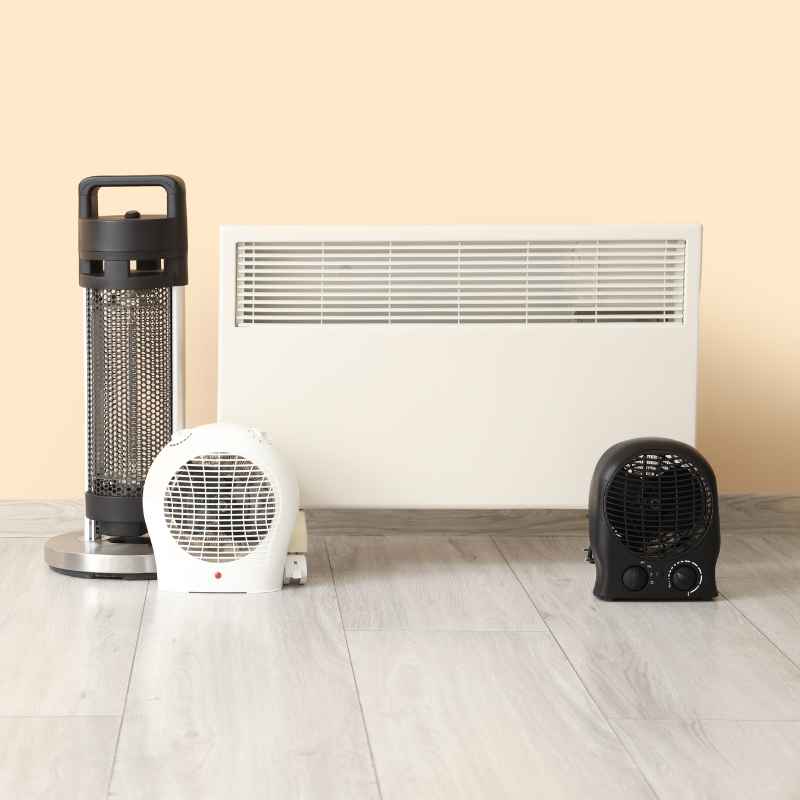
Gas wall heaters are designed to heat your home using natural gas or propane. They work by igniting a fuel source, which heats air that is then circulated. Most modern units have safety features built-in. These include sensors that shut off the gas if the pilot light goes out or if there’s a problem with ventilation.
The primary concern when leaving a gas appliance running unattended is the risk of malfunctions. These could range from minor issues like a slight gas leak to more serious problems like carbon monoxide buildup or fire. However, when these units are new or well-maintained, the chances of such severe issues are quite low. It’s similar to leaving a refrigerator or a water heater running; they are built for continuous operation.
My Experience With Unattended Heating
I remember one chilly autumn evening. My family and I were planning a long weekend trip. The forecast showed temperatures dropping below freezing. I had a relatively new gas wall heater installed in our sunroom, which we rarely used in winter. The thought struck me: should I leave it on a very low setting to prevent pipes from freezing in that room?
I wrestled with the decision. My mind went to all the worst-case scenarios. What if it malfunctions? What if there’s a gas leak? I called my HVAC technician, a guy named Mike who’s been servicing my home for years. He chuckled a bit. He assured me that if the heater was installed correctly and serviced recently, leaving it on a low setting was perfectly fine. He explained that newer models have multiple safety shut-offs. He even suggested I double-check the ventilation and ensure no debris was near the unit. That conversation eased my mind considerably, and I did leave it on low. The pipes were safe, and the room was just a bit warmer than it would have been.
Key Safety Features of Gas Wall Heaters
Modern gas wall heaters come equipped with several safety mechanisms. These are not just fancy extras; they are essential components designed to protect your home and family.
Thermostat Control
Most gas heaters have a thermostat. You set it to a desired temperature. The heater turns on when the room gets too cold and turns off when it reaches the set temperature. This automatic cycling prevents overheating and reduces the strain on the appliance. When you’re away, you can set it to a very low temperature, like 45-50°F, just to keep the chill off and prevent extreme cold.
Pilot Light Safety
Older models might have a constantly burning pilot light. Newer, more efficient models often use electronic ignition, meaning the pilot light only ignites when the thermostat calls for heat. Both systems have safety features. If the pilot light goes out, a thermocouple or a flame sensor will detect this and shut off the gas supply. This prevents unburned gas from filling the room.
Carbon Monoxide Detectors
While not part of the heater itself, carbon monoxide detectors are vital. If a gas heater isn’t venting properly, it can produce carbon monoxide (CO). This is a colorless, odorless gas that can be deadly. Always have working CO detectors on every level of your home, especially near sleeping areas and any rooms with fuel-burning appliances. Check their batteries regularly.
Ventilation and Air Intake
Gas heaters need proper ventilation to operate safely. This means the exhaust gases must be safely expelled outside. It also means the heater needs a supply of fresh air to burn fuel efficiently. Blocked vents, either for exhaust or air intake, can lead to dangerous situations. This is why checking vents for obstructions is so important.
Risks to Consider When Leaving Gas Heaters On
While generally safe, no appliance is entirely risk-free. Understanding the potential dangers helps you take the right preventive steps.
Gas Leaks
The most obvious concern is a gas leak. This could happen due to faulty connections, worn-out seals, or damage to the appliance. A gas leak can create an explosion hazard and is also a health risk. Natural gas has an odor added to it (like rotten eggs) to make leaks detectable. If you ever smell gas, evacuate immediately and call your gas company from a safe location.
Carbon Monoxide Poisoning
As mentioned, incomplete combustion or poor ventilation can lead to carbon monoxide production. Symptoms can include headaches, dizziness, nausea, and confusion. In severe cases, it can be fatal. This is why regular maintenance and functioning CO detectors are non-negotiable.
Fire Hazards
While less common with wall heaters compared to portable units, a malfunction could potentially lead to a fire. This might involve overheating of components or ignition of nearby flammable materials. Keeping the area around the heater clear is a simple yet effective way to mitigate this risk.
Mechanical Failure
Like any mechanical device, parts can wear out. A thermostat might fail, a gas valve could stick, or an igniter might stop working. These failures can lead to the heater not functioning correctly, or worse, operating in an unsafe manner.
Factors That Increase Safety
Several factors contribute to the safe operation of gas wall heaters, especially when you’re not home. Focusing on these will give you greater peace of mind.
Proper Installation
This is the bedrock of safety. A gas wall heater should always be installed by a qualified, licensed professional. They will ensure it’s correctly connected to your gas line, properly vented according to local building codes, and situated in a safe location away from flammable materials. An improper installation is a significant risk factor.
Regular Maintenance and Servicing
This is probably the single most important step you can take. Annual or bi-annual servicing by a professional HVAC technician can catch potential problems before they become dangerous. They will check for gas leaks, clean the components, test safety controls, and ensure the unit is operating efficiently. Think of it like a doctor’s check-up for your heater.
Age and Condition of the Heater
Older units, especially those that haven’t been updated with modern safety features, might pose a higher risk. If your heater is very old (15-20+ years) and showing signs of wear, it might be time to consider replacing it with a newer, more efficient, and safer model. Newer heaters often have improved safety controls and better energy efficiency.
Manufacturer’s Guidelines
Always read and follow the owner’s manual. It contains specific information about your model, including operating instructions, maintenance schedules, and safety precautions. Manufacturers design these guidelines to ensure their products are used safely and effectively.
Home Safety Devices
Working smoke detectors and carbon monoxide detectors are critical. They act as your “eyes and ears” when you’re not there. Ensure they are tested monthly and that batteries are replaced as needed. Consider smart detectors that can send alerts to your phone.
When It’s Okay to Leave Them On
If your gas wall heater meets the following criteria, it’s generally safe to leave it on a low setting when you’re away:
It’s relatively new or recently serviced. A unit that has been inspected and given a clean bill of health by a professional is a good sign.
It has modern safety features. Look for electronic ignition, auto shut-off for pilot lights, and good ventilation.
It’s installed correctly. If you had it installed yourself by a licensed professional, you can trust the installation.
You have working CO detectors. This is your backup safety net.
You set it to a low, safe temperature. A very low setting minimizes risk and saves energy.
When to Think Twice (or Not Leave It On)
There are certain situations where leaving a gas wall heater on might not be the best idea:
If the unit is old and showing signs of disrepair. Flickering pilot lights, strange noises, or a musty smell when it runs are warning signs.
If you’ve never had it serviced. A lack of maintenance history is a red flag.
If you suspect even a minor gas leak. Never ignore the smell of gas.
If ventilation appears to be blocked. Check the exterior vents for snow, ice, leaves, or other obstructions.
If you don’t have working carbon monoxide detectors. This is a crucial safety measure that shouldn’t be skipped.
If the heater is a portable model. Portable heaters are generally not designed for continuous, unattended operation and can pose fire risks. Stick to permanent, vented wall units.
Tips for Safe Unattended Operation
If you decide to leave your gas wall heater on while you’re away, follow these tips to maximize safety:
1. Schedule Professional Maintenance
Before you leave for an extended period, have your heater inspected and serviced. This is the best proactive step you can take.
2. Set the Thermostat Low
A temperature between 45-55°F (7-13°C) is usually sufficient to prevent freezing issues without excessive gas use or risk.
3. Check Ventilation Areas
Ensure that the exhaust vent and air intake are clear of any obstructions. This is especially important in winter with snow and ice.
4. Install and Test CO Detectors
Make sure you have detectors on each level of your home. Test them before you leave and ensure they have fresh batteries.
5. Keep the Area Around the Heater Clear
Do not store any flammable items like papers, curtains, or cleaning supplies near the heater.
6. Consider Smart Home Technology
Some smart thermostats can monitor your heating system and send alerts if they detect unusual activity or temperature drops. This can provide an extra layer of security.
7. Inform a Neighbor (Optional but Recommended)
For extended trips, you might consider letting a trusted neighbor know you’ll be away and provide them with your contact information and perhaps the gas company’s emergency number, just in case.
What This Means for Your Home
Leaving a gas wall heater on when you’re away boils down to risk assessment. For most modern, well-maintained units, the risk is minimal. It’s comparable to leaving other essential appliances running. However, a small risk is still a risk.
The decision hinges on the condition and maintenance history of your specific heater. If you have doubts about its condition, it’s always better to err on the side of caution. You can always shut it off and ensure your pipes are protected by other means, like temporary insulation or letting a faucet drip slightly.
Quick Checks Before You Leave
Before you pack your bags and head out, take a few minutes to do these simple checks:
Pre-Departure Heater Checklist
- Visual Inspection: Look for any obvious signs of damage, loose parts, or strange debris around the unit.
- Vent Check: Ensure the exterior vent for the heater is clear of snow, ice, leaves, or nests.
- Smell Test: Briefly turn the heater on for a minute or two. Does it smell unusual? Any rotten egg smells?
- CO Detector Status: Confirm your carbon monoxide detectors are active and have good batteries.
- Thermostat Setting: Double-check that the thermostat is set to your desired low temperature.
Frequent Questions About Gas Wall Heaters
Is it safe to leave a gas wall heater on 24/7?
Yes, it is generally safe to leave a modern, properly maintained gas wall heater on 24/7. These units are designed for continuous operation. The key is ensuring it’s in good working order and has up-to-date safety features.
What is the recommended temperature to set a gas wall heater to when away?
When you are away, setting the thermostat to a low temperature, typically between 45°F and 55°F (7°C to 13°C), is usually recommended. This helps prevent extreme cold that could damage your home, like freezing pipes, without wasting too much energy.
How often should a gas wall heater be serviced?
It is recommended to have your gas wall heater serviced at least once a year, or ideally every six months, by a qualified HVAC professional. This ensures it is running safely and efficiently, and helps catch potential problems early.
What are the signs of a carbon monoxide leak from a gas heater?
Signs of a CO leak can include a pilot light that burns yellow or orange instead of blue, soot around the heater, a strange smell, or symptoms like headaches, dizziness, nausea, or flu-like feelings in people and pets.
Can a gas wall heater cause a fire?
While rare for properly installed and maintained vented wall heaters, any fuel-burning appliance carries a risk. Fires can occur if flammable materials are too close to the heater, or due to severe malfunctions. Regular checks and keeping the area clear are important.
What should I do if I smell gas near my heater?
If you smell gas, do not operate any electrical switches, light matches, or use your phone indoors. Immediately leave the building. Once you are a safe distance away, call your gas company’s emergency number or 911.
Conclusion
Leaving your gas wall heater on while you’re away is a decision that involves balancing comfort and safety. For well-maintained, modern units installed by professionals, the risk is generally low. The key is proactive care: regular servicing, proper installation, and working safety detectors. By understanding your heater’s condition and taking simple precautions, you can achieve peace of mind whether you’re on a short trip or a long vacation. Your home’s safety is paramount, and a little preparation goes a long way.
Sponsored / affiliate links. As an Amazon Associate I earn from qualifying purchases. I may earn additional commission from eligible campaigns.