What Are The Most Efficient Electric Wall Heaters Today?
The most efficient electric wall heaters today are typically radiant or convection models that use advanced thermostats and smart controls. They focus on delivering heat directly where it’s needed or warming the air effectively with minimal energy loss, often featuring quick heat-up times and zoned heating capabilities for targeted warmth and reduced overall energy consumption.
Understanding Electric Wall Heater Efficiency
When we talk about electric wall heater efficiency, we’re really talking about how well it turns electricity into usable heat. Unlike furnaces that burn fuel, electric heaters are almost 100% efficient at converting electricity into heat. This sounds great, but the real magic is in how that heat is delivered and maintained.
The trick is to lose as little heat as possible to the surroundings. It’s also about heating the space you need, when you need it. An efficient heater doesn’t just blast heat into an empty room.
It works smarter. This means looking at the type of heater, its controls, and how it’s installed.
We want the heat to stay where you are. We don’t want it escaping through windows or walls. We also want it to heat up quickly.
Then, it should maintain that warmth without running all the time. This is the core idea behind choosing an efficient electric wall heater.
Types of Electric Wall Heaters
There are a few main kinds of electric wall heaters. Each works a bit differently. Understanding these differences helps you pick the best one for your needs and your wallet.
Convection Heaters
These heaters warm the air around them. A heating element inside gets hot. Then, a fan or natural air movement pushes this warm air out into the room.
The cooler air gets pulled in. This process continues, warming the whole room over time. They are good for heating an entire space evenly.
But, they can take a while to warm up a cold room.
Convection heaters are often good for bedrooms or living rooms. They provide a steady, gentle heat. The air movement can sometimes dry out the air, which is something to note.
Some models have built-in fans. Others rely on natural air flow. The efficiency here depends on how well the air circulates and how quickly the room reaches your desired temperature.
Radiant Heaters
Radiant heaters work differently. They don’t warm the air directly. Instead, they send out infrared heat waves.
Think of the sun’s warmth. These waves travel through the air and heat objects they touch. This includes you, your furniture, and the walls.
They provide a very direct, quick warmth. It feels like standing in a sunny spot.
These are great for spot heating. If you need to warm up a specific area fast, a radiant heater is a good choice. They are often used in bathrooms or workshops.
They feel warm almost instantly. However, they don’t heat the air in the room as much. So, if the source of the heat moves, you might feel cooler again.
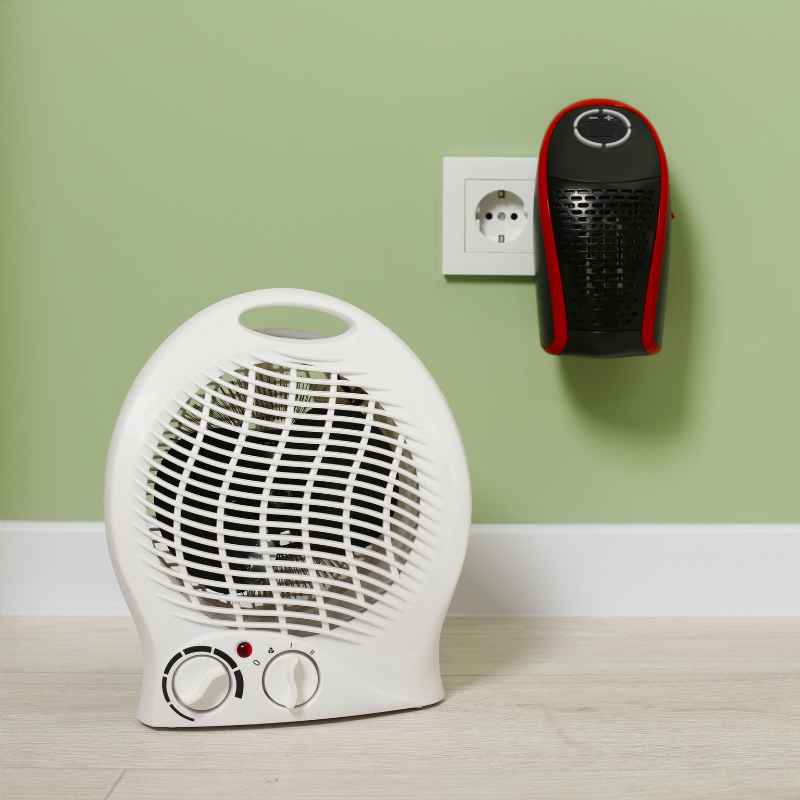
Fan-Forced Heaters
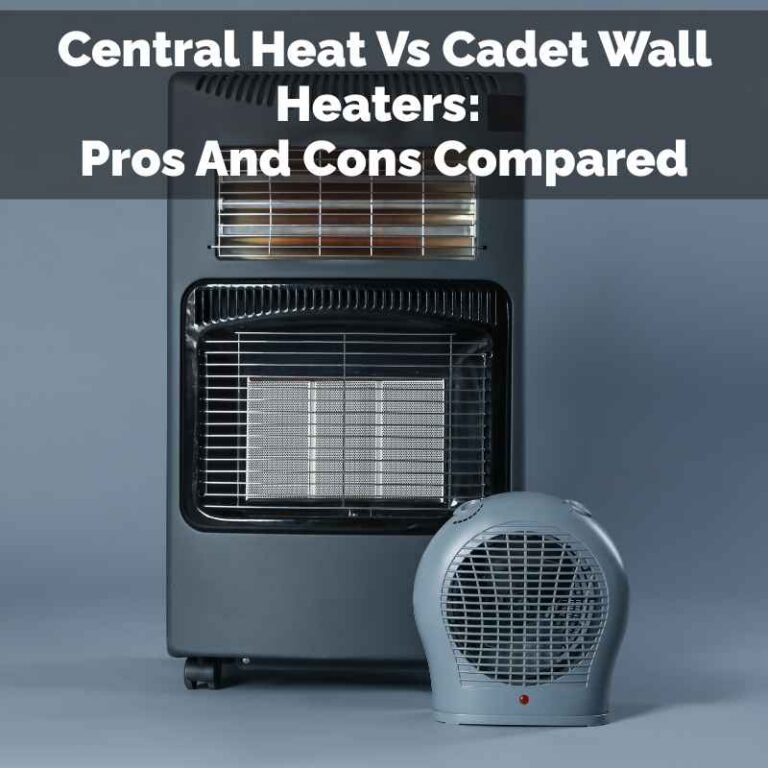
These are a type of convection heater. They use a fan to blow air across a hot heating element. This pushes warm air out into the room quickly.
Because of the fan, they can heat a space faster than non-fan convection heaters. They are good for quickly boosting the temperature in a room. Some people find the fan noise a bit distracting.
Fan-forced heaters are very common. You see them in many homes and small offices. Their efficiency is high because they move the heat around effectively.
But, like all fan heaters, they can circulate dust. So, regular cleaning of the heater and the room is important. They are a popular choice for their speed.
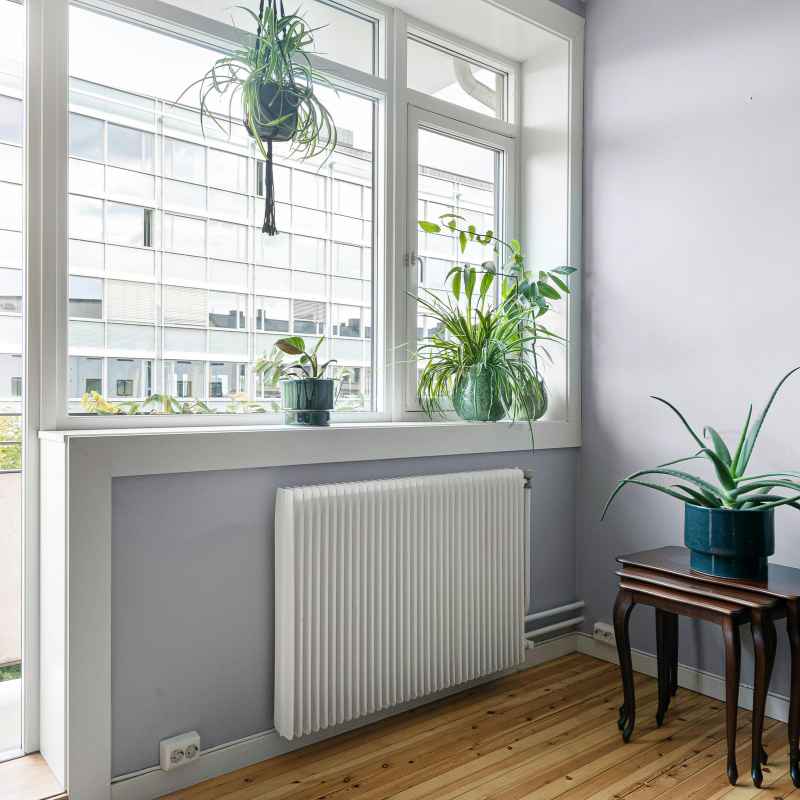
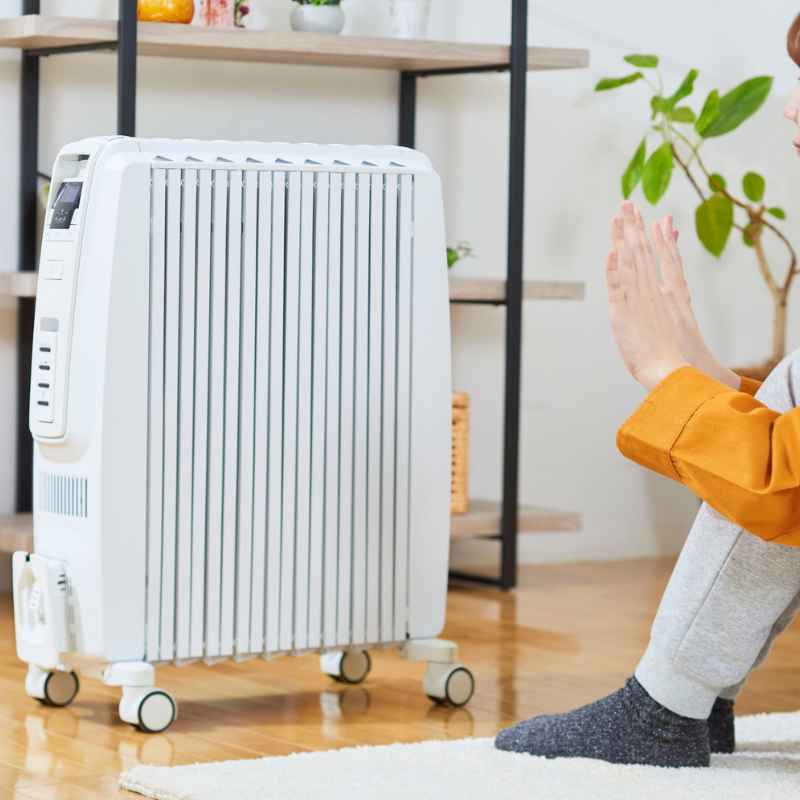
Panel Heaters
Panel heaters are often thin. They mount on the wall. They can be either radiant or convection.
Some use oil inside to hold heat. This means they can keep emitting warmth for a while even after they turn off. They are designed to be unobtrusive.
They blend into the wall. This makes them popular for modern homes.
The efficiency of panel heaters can be quite good. They provide a consistent heat. The materials they use help distribute the heat evenly.
Some have digital controls. Others are simpler. Their sleek design makes them a favorite for people who don’t want bulky heaters in their rooms.
They are a good blend of form and function.
What Makes an Electric Wall Heater Efficient?
So, what are the real secrets to an efficient electric wall heater? It’s not just about the watts. It’s about smart design and smart use.
Here are the key factors.
Thermostats and Controls
This is a big one. An accurate thermostat is crucial. It tells the heater when to turn on and off.
If your thermostat is off by a few degrees, you’re wasting energy. You might be heating your room more than you need. Or, you might be letting it get too cold and then having to blast it back up.
Look for heaters with precise digital thermostats. Programmable thermostats are even better. They let you set different temperatures for different times of day.
For example, you can set it lower when you’re asleep or out. Then, you can set it higher before you wake up or come home. This saves a lot of energy.
Smart controls are the next step. These let you control your heater with your phone. You can adjust the temperature from anywhere.
You can also get energy usage reports. This helps you understand where your energy is going. It empowers you to make changes to save more.
Heat Distribution
How the heater gets its warmth into the room matters a lot. Some heaters try to heat the whole room at once. Others focus on heating just you.
This is called zone heating. It’s much more efficient.
Radiant heaters are good for spot heating. They heat you directly. This means you can feel warm without heating the whole room to a high temperature.
Convection heaters are better for filling a room with warmth. But, if they have good air circulation and are sized correctly, they can be efficient too.
The design of the heater itself plays a role. Good airflow vents help. Well-designed heating elements spread heat better.
A heater that warms up quickly and distributes heat evenly means it can cycle off sooner. This saves electricity.
Installation and Sizing
Even the best heater won’t work well if it’s not installed correctly or sized for the room. A heater that’s too small will run constantly. It will struggle to reach the desired temperature.
This wastes energy and won’t keep you comfortable.
A heater that’s too big can cycle on and off too frequently. This is called “short cycling.” It’s not as efficient as running for longer periods. It can also make the room heat up too fast and then cool down too quickly.
Professional installation is often a good idea. They can ensure the heater is mounted securely. They can also make sure it’s wired correctly.
This is important for safety and efficiency. Also, consider where the heater is placed. Don’t block vents with furniture.
This stops the warm air from circulating.
Quick Check: Heater Sizing
Too Small: Heater runs constantly, never reaches temp. Wastes energy trying too hard.
Too Big: Heater cycles on/off too much. Room gets hot fast, then cool.
Just Right: Heater warms room steadily. Cycles off when temp is met.
Build Quality and Materials
The materials used to build a heater can affect its efficiency. High-quality heating elements last longer. They also heat up more evenly.
Better insulation within the unit means less heat escapes the casing itself. This directed heat is more effective.
Heaters made with durable metals and good internal components tend to perform better over time. Cheaper heaters might seem like a bargain at first. But, they might not last as long or operate as efficiently.
Think of it like buying a good quality tool. It works better and lasts longer.
Some heaters have ceramic elements. These can heat up quickly. Others use nichrome wire.
Each has pros and cons. But, the overall construction quality is key. This ensures the heat generated is directed where you want it.
Top Efficient Electric Wall Heater Models and Features
Now let’s look at some of the features and types that often lead to high efficiency. Remember, the “best” heater depends on your specific needs. But, these types and features are a good starting point.
Advanced Convection Models
Modern convection heaters have improved a lot. They often use precise digital thermostats. Some have quiet fans that distribute heat gently.
They are designed to heat a whole room evenly and quickly.
Look for models with “low profile” designs. These are often easier to install. They take up less space.
Many come with safety features like tip-over protection and overheat shut-off. These are crucial for peace of mind.
I recall setting up a panel convection heater in a home office. Before, the room was always a bit chilly. This new heater warmed it up fast.
The thermostat was spot on. It would shut off when the room reached the set temp. Then, it would kick back on before I even noticed it getting cool.
It made a huge difference in comfort and I definitely saw it on the energy bill.
Infrared Radiant Heaters
These are excellent for targeted warmth. They are often used in bathrooms to take the chill off right away. They work by heating objects and people directly.
This means you feel warm almost instantly.
Modern radiant heaters are designed to be safe. They have protective grilles. They also have controls to prevent overheating.
Some are designed to be mounted on the ceiling or wall. This keeps them out of the way.
I remember installing one of these in a client’s small workshop. It was freezing in there. They just needed to warm up their immediate work area.
Within minutes of turning it on, they could feel the difference. It wasn’t heating the whole big space, just their bench. That saved a lot of energy compared to trying to heat the whole building.
Infrared Heat: How It Works
Source: Heating element emits infrared rays.
Transmission: Rays travel through air, not warming it much.
Absorption: Rays hit objects (walls, furniture, people).
Result: Objects absorb rays and get warm.
Feeling: You feel warm almost instantly when rays hit you.
Smart Heaters and Connectivity
The latest in efficient heating involves smart technology. These heaters connect to your home Wi-Fi. You can control them using a smartphone app.
This offers a lot of flexibility.
You can set schedules. You can turn the heat up or down remotely. Some apps even track your energy usage.
This data helps you find ways to save more. You can adjust settings based on your actual habits.
Consider a heater that works with smart home systems like Alexa or Google Home. This allows for voice control. “Alexa, set the office heater to 70 degrees.” It’s convenient and can help manage energy use more actively.
Hybrid Models
Some newer heaters combine different heating technologies. For example, a heater might use convection to warm the air and then add a bit of radiant heat for a quicker, more direct feeling of warmth.
These hybrid models aim to give you the best of both worlds. They can provide steady room heating. They also offer instant warmth.
Their efficiency comes from their ability to adapt to different needs. They can often be programmed for specific comfort levels and energy saving.
Real-World Contexts and Scenarios
Where and how you plan to use your electric wall heater matters greatly. A heater perfect for a small bathroom might be useless in a large living room. Let’s look at common scenarios.
Heating Small Spaces: Bathrooms and Offices
Small rooms need smaller, more targeted heaters. In a bathroom, you want quick heat for a short time. A small radiant heater or a fast-acting fan-forced heater is ideal.
You don’t need to heat the entire room for hours. You just want to make it comfortable for a bit.
Look for models with timers. This way, you can set it to turn off automatically. This prevents wasted energy.
Safety is also a big concern in bathrooms. Make sure the heater is designed for damp environments if needed. Check its IP rating.
For a home office, you might be sitting still for long periods. You want steady, comfortable warmth around your desk. A small convection heater with a good thermostat is often best.
You can set it and forget it. Smart controls are a plus here too, so you can adjust it without leaving your workspace.
Heating Larger Living Areas
Heating a large living room or family room is more challenging. You need a heater that can distribute heat evenly. A properly sized convection heater is usually the best bet.
If you’re using it as a primary heat source, you’ll need a more powerful unit.
Consider a heater with a built-in thermostat. A programmable one is even better. You can set it to warm the room before you come home.
Then, you can lower it when everyone is asleep. This zoning of heat helps manage energy costs.
In older homes with poor insulation, electric wall heaters might struggle. You might need a larger unit or supplement it with another heat source. Always check your home’s insulation first.
It’s the first step to any heating efficiency.
Supplementing Existing Heat
Many people use electric wall heaters as a secondary heat source. Maybe your main furnace doesn’t quite reach some rooms. Or, you only need a little extra warmth on a cool day.
In these cases, you don’t need a massive heater. A smaller, efficient unit is perfect. You can use radiant heaters for quick spot warmth.
Or, a small convection heater can take the edge off a chilly room without using too much power.
The key here is to avoid overheating. Use the supplemental heater only when and where you need it. This targeted approach is very energy-wise.
It keeps costs down while boosting comfort.
Efficiency Tip: Zone Heating
What it is: Heating only the rooms you are using.
Why it’s good: Saves energy and money by not heating empty spaces.
How to do it: Use electric wall heaters with good thermostats in specific rooms. Close doors to unused rooms.
Example: Heat only the living room in the evening. Heat only the bedroom at night.
What This Means for You: Normal vs. Concerning
It’s helpful to know what to expect from an efficient electric wall heater. And when you might need to worry.
When is it Normal?
It’s normal for a heater to cycle on and off. This means the thermostat is working. It’s also normal for the room temperature to fluctuate slightly.
Most thermostats have a range of a few degrees. This is fine.
If you feel warmth when standing directly in front of a radiant heater, that’s normal. If a convection heater gently warms the air in a room over time, that’s normal. It’s also normal for energy bills to be higher in winter months.
Electric heat costs more than some other sources. But, an efficient unit should keep those costs as low as possible.
I’ve had clients call concerned that their heater turns off. They think it’s broken. But, it’s just doing its job!
The thermostat reached the set temperature. It’s saving them energy by not running non-stop. This is actually a good sign of efficiency.
When Should You Worry?
You should worry if the heater never seems to turn off. If it runs constantly but the room never feels warm enough, there might be a problem. This could mean the heater is too small for the space.
Or, there could be a mechanical issue.
Strange noises are another red flag. A humming sound is sometimes normal. But, clicking, grinding, or popping sounds are not.
These could mean a fan is failing or something is loose inside. Also, if the heater smells like burning plastic or electrical wires, turn it off immediately. This is a serious safety hazard.
If the heater seems to be heating unevenly, that’s also a concern. For a convection heater, this means some parts of the room are hot while others are cold. For a radiant heater, it might mean the heat is concentrated in one small spot and not spread at all.
Simple Checks You Can Do
Before calling a professional, there are a few simple checks. First, make sure nothing is blocking the heater’s vents. Furniture, curtains, or even dust buildup can stop airflow.
Clean the heater according to the manufacturer’s instructions. This often involves dusting or vacuuming the vents.
Check the thermostat setting. Is it set to a reasonable temperature? Is it set to the correct mode (heat, not cool)?
If you have a programmable thermostat, review the schedule. Make sure it’s not set to a low temperature accidentally.
If the heater is plugged in, ensure the outlet is working. Try plugging another small appliance into the same outlet. If that appliance doesn’t work, the outlet might be the issue.
If you have a breaker that tripped, resetting it might solve the problem.
Troubleshooting Quick Guide
Problem: Heater not turning on.
Check: Is it plugged in? Is the outlet working? Is the breaker tripped?
Problem: Heater runs constantly but room is cold.
Check: Is the heater sized correctly? Is the room well-insulated? Is something blocking vents?
Problem: Strange noises.
Check: Turn off immediately. Call for service. Could be a fan or motor issue.
Problem: Burning smell.
Check: Turn off immediately. Fire hazard. Call for service.
Quick Fixes and Tips for Efficiency
Making your electric wall heater work its best is often about small, smart habits. These tips can help you save energy and money.
- Use it only when needed: Don’t heat empty rooms. Turn heaters off or set them to a very low temperature (like 50°F) when you’re not home or sleeping.
- Seal air leaks: Check around windows and doors for drafts. Use weatherstripping or caulk to seal them. This stops warm air from escaping and cold air from entering.
- Improve insulation: If your walls and attic are poorly insulated, heat will escape quickly. Adding insulation is a big energy saver.
- Use curtains and blinds: During the day, open curtains on sunny windows to let the sun’s warmth in. At night, close them to help trap heat inside.
- Regular maintenance: Clean your heater regularly. Dust and debris can block airflow and reduce efficiency. Follow the manufacturer’s cleaning guide.
- Combine with fans: In summer, ceiling fans can help circulate air. In winter, some ceiling fans have a reverse setting that can push warm air down from the ceiling. This can make a room feel warmer without turning up the heat.
- Thermostat placement: Ensure your thermostat is not near a heat source (like a lamp or sunny window) or a draft. This can give it false readings and make it run inefficiently.
These small actions add up. They help your heater perform better. They also reduce your energy bills.
It’s about working smarter with the heat you’re generating.
Frequently Asked Questions
Are electric wall heaters expensive to run?
Electric wall heaters can be more expensive to run than gas heaters. This is because electricity often costs more per unit of heat. However, efficient models with good thermostats and smart controls can significantly lower running costs.
They also perform better than older, less efficient models. The key is using them wisely and in well-insulated spaces.
How much energy does an electric wall heater use?
The energy use depends on the heater’s wattage and how long it runs. A common 1500-watt heater uses 1.5 kilowatts per hour (kWh). If your electricity costs $0.15 per kWh, running it for one hour would cost $0.23.
Efficient models help reduce the amount of time they need to run to maintain warmth.
What is the most efficient type of electric wall heater?
Generally, convection and radiant heaters with advanced thermostats and smart controls are considered the most efficient. Convection heaters warm the air evenly, while radiant heaters provide direct warmth. Efficiency comes from precise temperature control, good heat distribution, and minimal energy loss.
Hybrid models can also be very efficient.
Can I use an electric wall heater as my main heat source?
Yes, you can use them as a main heat source, especially in smaller homes or well-insulated spaces. However, for larger homes or in very cold climates, they might not be the most cost-effective primary heat source compared to gas furnaces. They work best when supplementing other heating systems or for targeted heating.
How do I know if my electric wall heater is efficient?
Look for features like digital thermostats, programmable timers, and smart connectivity. A heater that quickly reaches and maintains your desired temperature without running constantly is a good sign. Check its energy efficiency ratings if available.
Also, observe how well it heats the intended space without wasting energy.
Are radiant or convection heaters better for efficiency?
Both can be efficient, but they serve different purposes. Radiant heaters are more efficient for spot heating, as they warm objects directly, making you feel warm faster without heating the entire room’s air. Convection heaters are better for heating an entire room evenly over time.
The most efficient choice depends on how you plan to use it.
Conclusion
Choosing an efficient electric wall heater is about more than just the wattage. It’s about smart features like precise thermostats, effective heat distribution, and thoughtful design. By understanding the different types and what makes them work well, you can find a heater that keeps you warm without draining your wallet.
Look for modern controls, proper sizing, and good build quality. These factors will help you enjoy comfortable heat efficiently.
Sponsored / affiliate links. As an Amazon Associate I earn from qualifying purchases. I may earn additional commission from eligible campaigns.