Should You Buy Convection Or Radiant Gas Wall Heaters?
Gas wall heaters come in two main types: convection and radiant. Convection heaters warm the air and circulate it. Radiant heaters warm objects and people directly.
Both can heat a room, but they do it differently. Your choice depends on what you need to warm and how quickly you need it.
Understanding Convection Gas Wall Heaters
Convection gas wall heaters are like a gentle, warm breeze for your room. They work by heating the air inside the unit. This warm air then rises and spreads throughout the space.
As the warm air goes up, cooler air gets pulled into the heater. This process creates a natural flow, like a loop. It keeps the air in the room moving and heating evenly.
Think of it like a big, invisible fan is helping. This makes them great for heating an entire room. They raise the overall temperature of the air.
The key to how they work is the air movement. Inside the heater, a burner heats up. This heat warms a heat exchanger.
Air passes over this hot exchanger. It gets hotter and lighter. Then, it naturally rises.
This rising warm air pushes the cooler air down. The cooler air then gets sucked back into the heater to be warmed. This cycle continues.
It keeps circulating warm air. This method is very efficient for warming large or medium-sized spaces. It’s about raising the general room temperature.
Many convection heaters use a blower fan. This fan helps speed up the air circulation. It pushes the warm air out more forcefully.
It can also pull the cooler air in faster. This means the room heats up more quickly. Some models are “fan-forced” or “blower” models.
Others rely solely on natural convection. Natural convection is slower but often quieter. The fan adds a bit of noise.
But it makes the heating process much faster and more effective. It helps distribute heat even better. It’s a very common setup for good reason.
How Convection Heaters Distribute Heat
Imagine a pot of water on a stove. The water at the bottom gets hot. It rises.
Cooler water from the top sinks down to take its place. This is natural convection. Gas wall heaters use this same idea.
The heat source is inside the unit. Air near the heat source gets warm. It becomes less dense.
It floats up. This leaves space for cooler, denser air to move in. The cooler air then gets heated.
This creates a constant flow of warm air.
The design of the heater helps this flow. Vents at the bottom let cool air in. Vents at the top let warm air out.
This natural movement is key. It’s why convection heaters are good for consistent, whole-room heating. They don’t create hot spots or cold spots as easily.
The air is always on the move. This helps keep the temperature steady. It’s a steady, reliable warmth.
It’s like a gentle hug for your whole room.
When a blower fan is added, it gives this natural process a boost. The fan can push warm air further into the room. It can also draw cooler air from farther away.
This means faster heating. It’s especially useful in larger rooms or spaces with high ceilings. The fan ensures that the warm air doesn’t just stay near the ceiling.
It gets mixed throughout the room. This gives you more even comfort. It’s a practical upgrade for many homes.
Convection Heater Key Features
How it Works: Heats air and circulates it.
Heating Style: Warms the entire room’s air.
Speed: Heats up a room gradually.
Best For: Whole-room heating, steady comfort.
Fan Option: Many have blowers for faster heating.

Exploring Radiant Gas Wall Heaters
Radiant gas wall heaters work very differently. Instead of heating the air, they heat surfaces and people. Think of the sun.
It warms you directly, even if the air around you isn’t that warm. Radiant heaters do something similar. They emit infrared rays.
These rays travel in straight lines. When they hit an object, like a person, furniture, or wall, they transfer heat. The object absorbs the heat.
It then feels warm.
This direct heating means you feel warm almost instantly. You don’t have to wait for the whole room’s air to get heated up. This can be a big advantage.
Especially in rooms where you spend a lot of time. Like a workshop or a drafty living room. You can aim the heater at yourself.
Then you feel warm right away. It’s very targeted. It feels like a direct heat beam.
It’s a powerful sensation when you’re cold.
Radiant heaters often have a visible heating element. This element gets very hot. It glows red or orange.
It sends out those infrared rays. The heat is felt directly. It’s not about air movement.
It’s about line-of-sight warming. If you are in the path of the rays, you feel warm. If you step out of the path, you stop feeling that direct warmth.
This is a key difference from convection. It’s a very personal kind of heat.
They are often very efficient for specific needs. If you have a large room with high ceilings, heating all the air can waste energy. With radiant heat, you can direct the warmth where it’s needed most.
This can save money. You’re not warming empty space above you. You’re warming what matters: you and the things around you.
This makes them useful for quick warm-ups or targeted heating. It’s a smart way to heat certain spaces.
How Radiant Heaters Deliver Warmth
The core of a radiant heater is its heating element. This could be a ceramic element or metal rods. A gas burner heats these elements to a very high temperature.
These hot elements then give off infrared radiation. This radiation travels outward. It’s like light, but you can’t see it all.
It passes through the air without heating it much. When it hits a solid surface, the energy is absorbed. This energy turns into heat.
So, the wall the heater faces gets warm. The floor in front of it gets warm. The sofa gets warm.
And you get warm. This is why radiant heat can feel so cozy. It’s a different sensation than just warm air.
It feels more substantial. It’s a direct transfer of energy. The intensity of the heat you feel depends on how close you are.
It also depends on the power of the heater. And the surface you’re near.
One common type is a vent-free radiant heater. These are very simple. They don’t need a chimney or vent.
They burn gas and release heat and combustion byproducts directly into the room. This makes them easy to install. But it also means you need to be careful about ventilation.
They consume oxygen from the room. They produce moisture and other gases. Modern units have safety features.
But it’s always good to be aware. Always follow manufacturer guidelines.
Radiant Heater Key Features
How it Works: Emits infrared rays to heat objects/people.
Heating Style: Direct, targeted warmth.
Speed: Feels warm almost instantly.
Best For: Spot heating, workshops, quick warm-ups.
Vent-Free: Many models are vent-free, requiring room ventilation.
Convection vs. Radiant: Which Is Right for You?
The big question is: which one should you choose? It really comes down to what you need to heat. And how you want to feel warm.
Think about the space first. Is it a living room you want to keep at a steady, comfortable temperature all day? Or is it a garage where you only work for a few hours at a time?
Or a basement that always feels damp and chilly?
For general living spaces, like a living room, bedroom, or dining room, convection heaters are often the better choice. They provide an even, comfortable heat. They raise the overall temperature of the room.
This is what most people expect from home heating. They create a consistent environment. You don’t get those sudden cold spots.
The air feels fresh because it’s circulating. This is key for daily comfort.
Radiant heaters shine in different situations. They are fantastic for workshops, garages, or sheds. Places where you don’t need to heat the entire volume of air all the time.
Or rooms that are hard to heat with air. Think about a very large room with a high ceiling. Trying to heat all that air with a convection heater might be very slow and costly.
A radiant heater can make you feel warm quickly by directing heat at you.
Also, consider how quickly you need heat. If you walk into a cold room and want to feel warm in minutes, radiant is your friend. If you want the room to gradually reach and maintain a pleasant temperature over hours, convection is likely what you want.
There’s no single “better” option. It’s about matching the heater type to your specific heating needs and preferences.
Choosing Your Heater Type
- For a whole room: Convection is usually best.
- For instant heat: Radiant is faster.
- For workshops/garages: Radiant is often more efficient.
- For steady comfort: Convection provides even warmth.
- For high ceilings: Radiant can be more targeted.
Personal Experience: The Drafty Sunroom
I remember a sunroom we had at my old house. It had windows on three sides. In the summer, it was a wonderful spot.
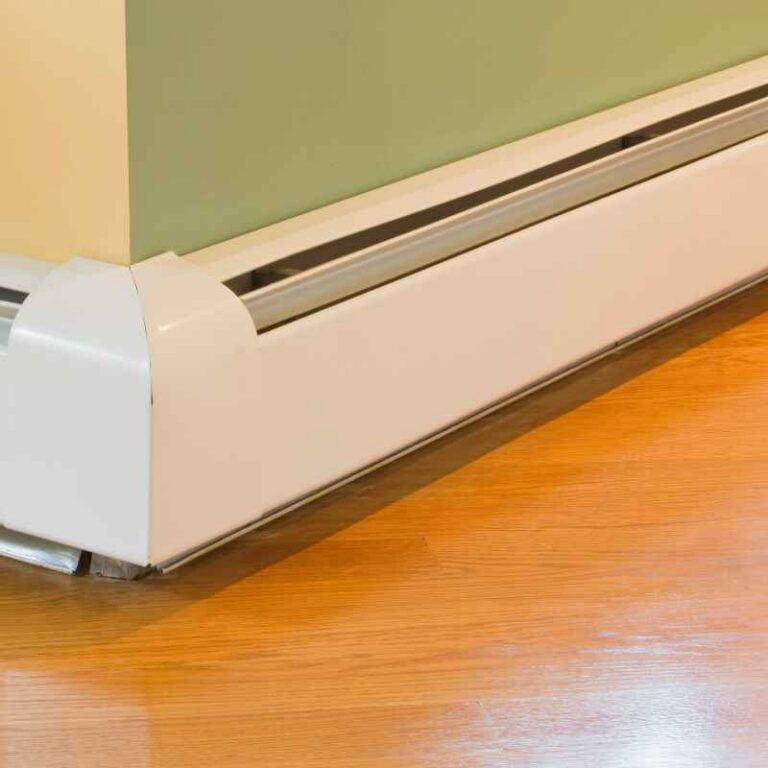
But come October, it became a chilly box. The baseboard electric heat struggled. It just couldn’t keep up.
The air felt cool, even when the heater was on high. I’d shiver even though I was sitting right next to the baseboard.
We needed something for that specific room. I started looking into options. A convection heater seemed like it might work.
But the room was long and narrow. I worried the warm air might not reach the far end. Then I saw a vent-free radiant heater.
It was small. It mounted on the wall. The idea of direct heat really appealed to me.
I thought, “What if I could just aim the warmth where I sit?”
We installed it. It was surprisingly easy. The first time I used it on a cold November morning, it was amazing.
I sat in my favorite chair. I turned the heater on. Within a few minutes, I could feel the warmth on my face and legs.
It was like a personal sunbeam. The rest of the room was still a bit cool. But I was perfectly comfortable.
It made that sunroom usable again for much longer into the fall and winter. It was a game-changer for that space. That direct heat felt so much more effective than trying to warm all the air.
Real-World Context: When Each Heater Type Shines
Let’s look at some common situations. Think about your own home. Where do you need heat?
And how do you use those spaces?
Scenario Spotlight
-
Scenario: Heating a basement rec room.
Best Choice: Often a convection heater. Basements can feel damp. Circulating air helps dry the air.
It also heats the whole space evenly. This is good for a room where people relax.
-
Scenario: Keeping a garage warm while working on a project.
Best Choice: A radiant heater. You’re usually not in the garage all day. You need quick, targeted heat when you’re there.
Radiant heat warms you directly. It’s more efficient than heating the whole garage air.
-
Scenario: Adding heat to a small, enclosed sunroom.
Best Choice: Could be either. If you want to make the whole room cozy, convection. If you only use it occasionally and want instant warmth where you sit, radiant.
-
Scenario: Heating a large living room with cathedral ceilings.
Best Choice: A powerful convection heater with a blower fan is often best. It can push warm air around. However, a radiant heater can supplement this by warming seating areas directly.
-
Scenario: Supplementing a main heating system in a drafty bedroom.
Best Choice: A smaller convection heater works well to maintain a steady temperature. A radiant heater could be used for quick warmth before bed.
What This Means for Your Home
So, what does this all mean for your home? It means you have choices. And the right choice makes a big difference in comfort and efficiency.
When convection heat is normal: For most people, heating their main living areas means keeping the air temperature comfortable. Convection heaters are built for this. They offer steady, even warmth.
They make a room feel pleasant. You won’t feel like you’re being blasted by heat then suddenly freezing. It’s a gentle, consistent experience.
This is ideal for bedrooms where you sleep. It’s good for dining rooms where you spend time with family.
When radiant heat is normal: Radiant heat is perfect for spaces where you need quick heat. Or where you don’t need to heat the entire space constantly. Think about your workshop.
Or a mudroom where you get ready to go outside. You want to feel warm fast. You don’t need to heat all the tools or the empty benches.
Radiant heat delivers this. It’s also good for rooms that tend to be colder or draftier. It gives you that immediate comfort.
Simple checks to make: Before buying, think about the room size. Is it a small bedroom or a large open living area? How often do you use the space?
Is it for short bursts of time or for extended periods? Do you prefer a general warmth or a direct heat sensation? Answering these questions will guide you.
It helps you avoid buying a heater that won’t meet your needs. It saves you money and frustration.
Your Home Heating Check
Room Type: Living room, bedroom, kitchen? (Likely Convection)
Usage: All day, or short bursts? (All day = Convection, Bursts = Radiant)
Speed Needed: Gradual warmth or instant heat? (Gradual = Convection, Instant = Radiant)
Heat Feel: Even air temp or direct warmth? (Even air = Convection, Direct = Radiant)
Quick Tips for Gas Wall Heater Use
No matter which type you choose, a few tips can help you get the most out of it.
- Read the Manual: Every heater is a little different. Always read the manufacturer’s instructions.
- Safety First: Ensure proper ventilation, especially for vent-free units. Keep flammable materials away.
- Placement Matters: For convection, place it where air can circulate freely. For radiant, aim it where you need the heat.
- Regular Cleaning: Dust can build up. Clean vents and filters as recommended to keep it running well.
- Thermostat Use: Use a programmable thermostat if available. It saves energy by lowering the heat when you don’t need it.
- Professional Check-ups: Consider having your gas heater checked by a professional yearly. This ensures it’s running safely and efficiently.
Frequently Asked Questions About Gas Wall Heaters
Are convection or radiant heaters more energy efficient?
It depends on how you use them. Convection heaters are efficient for heating a whole room evenly over time. Radiant heaters are efficient for spot heating or quick warm-ups.
Heating only what you need when you need it can save energy. Heating an empty room for hours is not.
Can I use a gas wall heater as my main heat source?
Yes, many gas wall heaters are designed as primary heat sources for a room or a whole home, especially in smaller spaces or supplemental heating scenarios. However, for very large homes or extremely cold climates, they might be used in conjunction with other heating systems.
Do radiant heaters dry out the air?
Radiant heaters themselves do not directly dry out the air. However, because they raise the temperature of objects and surfaces, those surfaces might then radiate heat into the air, which can make the air feel drier to some people. Convection heaters, by circulating air, can sometimes increase air movement that leads to a feeling of dryness.
Are vent-free gas heaters safe?
Vent-free heaters have safety features, but they do release combustion byproducts into your home. This includes moisture, carbon monoxide, and nitrogen dioxide. It’s crucial to have adequate fresh air ventilation in the room where they are used.
Always follow the manufacturer’s safety guidelines. Some areas may have regulations against their use.
How quickly does a convection heater warm a room?
A convection heater warms a room gradually. The time it takes depends on the heater’s size, the room’s size, insulation, and the starting temperature. It can take anywhere from 20 minutes to over an hour to feel a significant difference in overall room temperature.
Can I put a radiant heater behind furniture?
No, you should never place furniture or other objects too close to a radiant heater. They emit direct heat that can damage or ignite flammable materials. Always maintain the clearance distances specified in the heater’s manual.
Conclusion
Choosing between a convection and a radiant gas wall heater isn’t about finding a “better” one. It’s about finding the right one for your space and needs. Convection offers even, circulating warmth for whole rooms.
Radiant provides quick, direct heat for targeted comfort. Think about how you use your space. Consider the speed and type of heat you prefer.
Making an informed choice means a cozier, more comfortable home all season long. Enjoy your newfound warmth!
Sponsored / affiliate links. As an Amazon Associate I earn from qualifying purchases. I may earn additional commission from eligible campaigns.
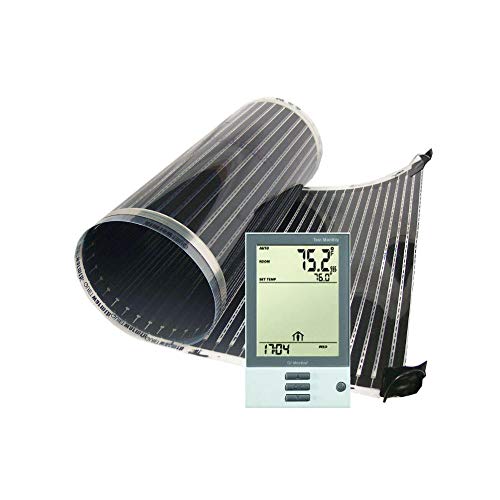 QuietWarmth Float QWARMKITFF Radiant Floor Heating Starter Kit Mat w/Programmable Thermostat for Laminate, Wood, Luxury Vinyl Floating Flooring- Cuttable Mat Size 3’x10' 120Volt (Covers 30sf)
 Hohnezl 6 Inch Stove Pipe Adapter, Single Wall to Double Wall Chimney Adapter, 304 Stainless Steel Chimney Pipe Fitting, Black