Mobile Home Oil Furnace Vs Electric Wall Heaters Compared
It’s a chilly morning, and you’re thinking about heat. Maybe you have a mobile home, or you’re helping someone who does. You want warmth, but you also want it to be safe and not break the bank.
Finding the right heating system for a mobile home can feel like a puzzle. Many options exist, and they all promise comfort. But what’s best for your situation?
You’re looking for clear answers. You want to know how mobile home oil furnaces stack up against electric wall heaters. We’ll break down what each one is, how they work, and what that means for your comfort and your wallet.
By the end, you’ll have a much clearer picture to make a smart choice. Let’s dive in.
Mobile home oil furnaces use oil to create heat, often distributed by ducts. Electric wall heaters use electricity to warm air directly within a room. They differ in installation, running costs, heating speed, and overall suitability for different home needs.
What is a Mobile Home Oil Furnace?
A mobile home oil furnace is a heating system that burns fuel oil. This oil is stored in a tank. The furnace heats air using the burning oil.
Then, it sends this warm air through ducts all over your mobile home. Think of it like a central heating system, but fueled by oil.
These systems are common in areas where natural gas lines are not available. They offer a strong heat output. This can be good for keeping a whole house warm, even when it’s very cold outside.
The heat is generally steady and consistent.
How an Oil Furnace Works
First, fuel oil is pumped from a storage tank to the furnace. Inside, an oil burner atomizes the oil. This means it breaks the oil into very tiny droplets.
Then, an ignition source sparks these droplets. This starts a controlled fire.
The heat from this fire passes through a heat exchanger. This metal part gets very hot. Air from your home is blown over this hot heat exchanger.
This warms the air. Finally, a blower fan pushes this heated air through a network of metal ducts. These ducts run throughout your home, delivering warmth to different rooms.
The combustion process creates exhaust fumes. These fumes are safely vented outside through a chimney or vent pipe. This is a crucial safety feature.
What are Electric Wall Heaters?
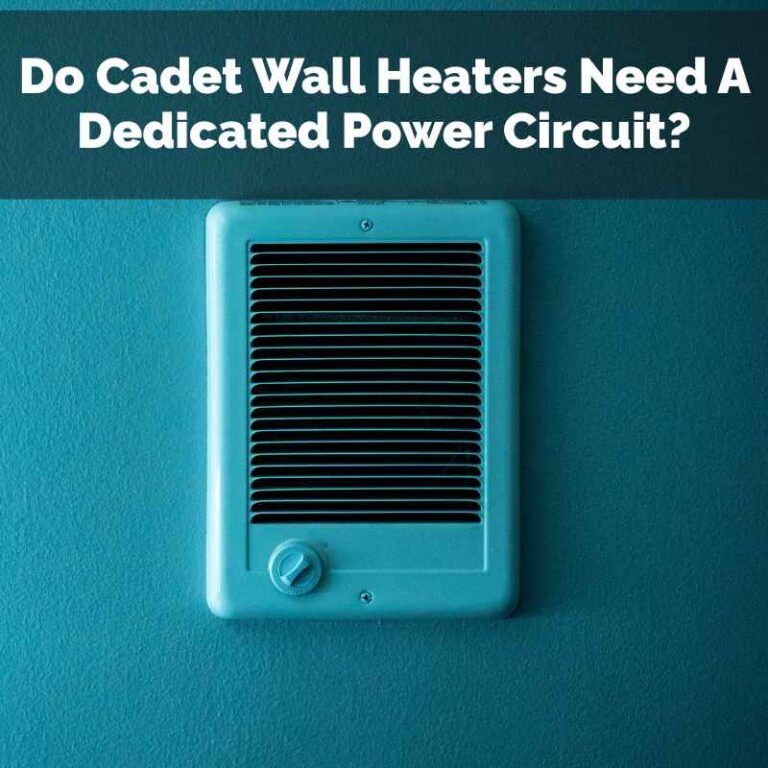
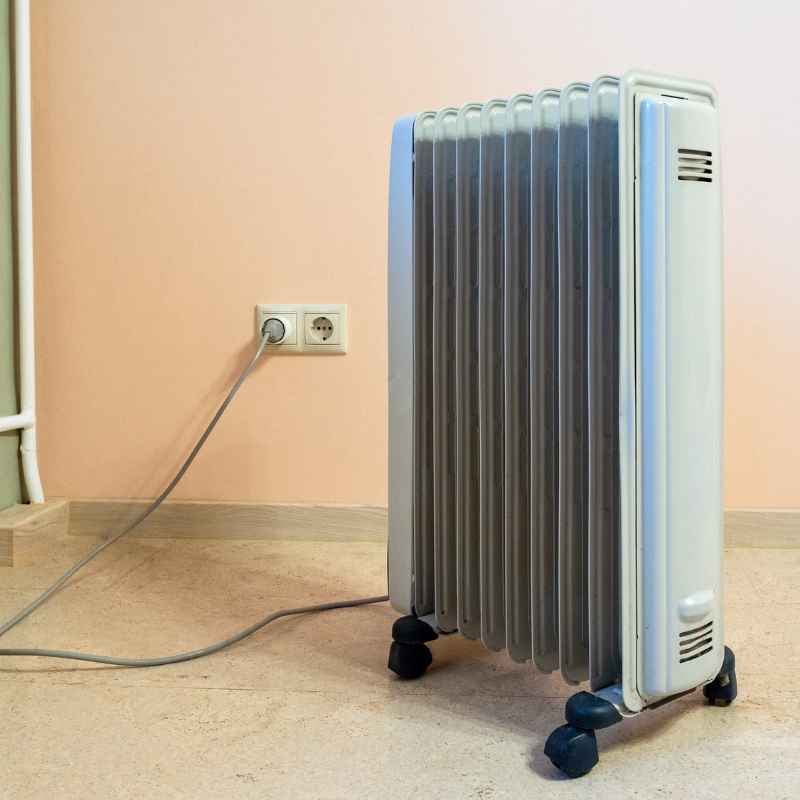
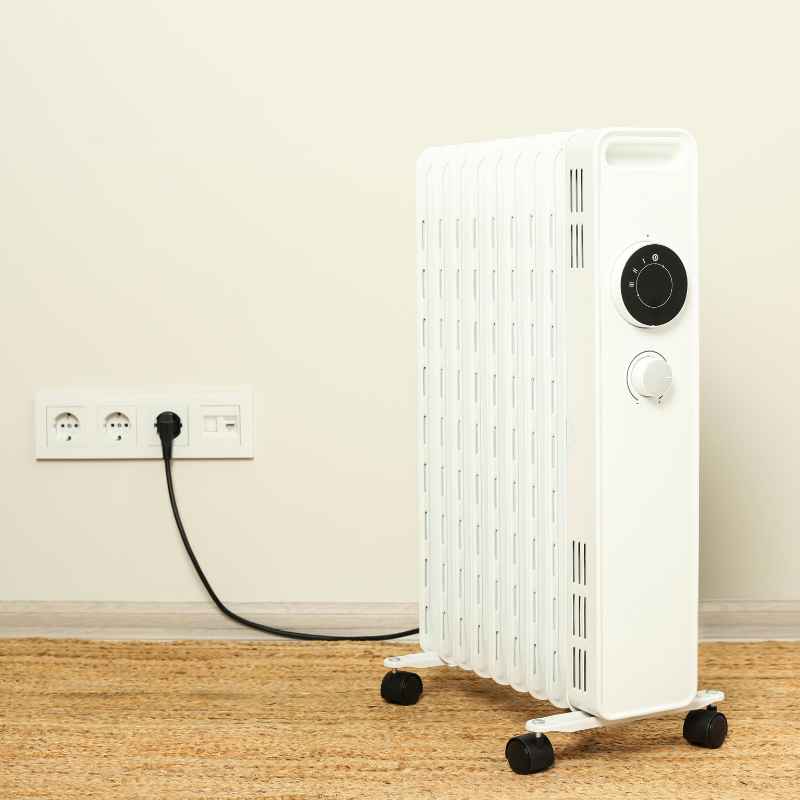
Electric wall heaters are much simpler. They are installed directly on a wall in a specific room. They use electricity to generate heat.
When you turn them on, electricity flows through a heating element. This element gets hot and warms the air around it.
A fan often helps push this warm air into the room. Some models just rely on natural convection, where warm air rises. They are often used as a secondary heat source or for smaller spaces.
They provide heat directly where you need it.
How Electric Wall Heaters Work
Electricity is the key. It’s a direct conversion of electrical energy into heat energy. Inside the heater, there’s a wire coil.
This coil has a high electrical resistance. When electricity flows through it, the resistance causes it to heat up. This is similar to how a toaster works.
The heat can then be spread by a small fan or by the natural movement of air. The heat produced is instant. As soon as you flip the switch, you start to feel warmth.
They don’t need fuel tanks, pipes, or complex ductwork.
Comparing Installation and Setup
Setting up an oil furnace is a bigger job. It needs a dedicated space, usually in a utility room or basement. You also need an outdoor oil storage tank.
This tank needs to be filled regularly. Proper venting to the outside is essential for safety. This often requires professional installation.
Electric wall heaters are much easier to install. They typically need to be wired directly into your home’s electrical system. Some plug into a standard outlet, but hardwired units are more common for safety and efficiency.
You might need an electrician to ensure they are connected correctly and safely.
For a mobile home, the space constraints can make furnace installation tricky. Wall heaters take up less space. They are often a good choice when major renovations are not planned.
Think about the existing setup of your mobile home. Does it already have ductwork? If so, an oil furnace might integrate more easily.
If not, adding ductwork can be costly. Electric wall heaters are more independent. They can heat a room without altering the home’s structure much.
Running Costs: Oil Furnace vs. Electric Heater
This is a big one for many people. The cost to run a heating system depends on fuel prices and how efficient the system is. Oil prices can change quite a bit throughout the year and from region to region.
Electricity prices are usually more stable but can be high.
Oil furnaces can be powerful. They can heat a large area quickly. However, they also use a lot of oil.
If oil prices are high, running an oil furnace can become expensive. You also have the cost of delivery and maintenance for the oil tank and furnace.
Electric wall heaters use electricity, which can be pricey per unit of heat. However, they only heat the room they are in. This is called zone heating.
If you only need to warm one or two rooms, you can save money by not heating the whole house. You turn them on only when and where you need them.
For a whole mobile home, heating it with electric wall heaters could be very expensive. This is because electricity is often more costly per British Thermal Unit (BTU) than oil. However, for supplemental heat or heating small, well-insulated areas, they can be cost-effective.
Consider your local utility rates. What is the cost of a gallon of heating oil in your area? What is the cost per kilowatt-hour (kWh) for electricity?
These numbers will help you estimate running costs. Also, look at the efficiency ratings of specific models. An older, less efficient oil furnace might cost more to run than a new, efficient electric heater, and vice versa.
In real homes, I’ve seen people struggle with high oil bills during winter. They often look for ways to supplement their oil furnace. This might mean using electric heaters in rooms they use most often.
This way, they can turn down the main thermostat.
Efficiency and Heat Output
Oil furnaces, especially newer models, can be quite efficient. They convert a high percentage of the oil’s energy into heat. They are designed to produce a lot of heat quickly.
This is good for colder climates where you need a strong heating source.
Electric wall heaters are nearly 100% efficient at converting electricity into heat. However, electricity itself is an energy source that can be expensive to produce. So, while the heater is efficient, the overall cost of the heat produced might be higher.
The heat output of an oil furnace is measured in BTUs (British Thermal Units). These systems are typically designed to provide a large BTU output to cover the entire home. Electric heaters also have BTU ratings, but these are usually for smaller spaces.
A single wall heater might output 1,500 watts, which is about 5,115 BTUs.
An oil furnace might output 80,000 BTUs or more. This shows the difference in their intended use. One is for whole-home heating, the other is for room-specific heating.
You need to match the heat output to the size of the space you want to heat.
Safety Considerations
Safety is paramount with any heating system. Oil furnaces involve combustion. This means there’s a risk of carbon monoxide (CO) gas.
Proper installation and regular maintenance are crucial. You must have working CO detectors on every level of your home. Venting must be clear and in good condition.
Oil furnaces also use combustible fuel. There’s a small risk of leaks or fire if the system is not maintained. Professional inspections are recommended at least once a year.
This ensures everything is working safely and efficiently.
Electric wall heaters are generally considered safer in terms of combustion byproducts. They don’t produce CO. However, they do use electricity, which carries its own risks.
Faulty wiring or overloading circuits can cause fires. It’s important to use heaters that are certified by safety organizations like UL.
Also, never block the vents on an electric heater. Keep flammable materials away from them. Always follow the manufacturer’s instructions for safe operation.
Older electric heaters might not have safety features like tip-over shut-offs, which newer models often include.
Maintenance and Longevity
Oil furnaces require more maintenance. They need annual tune-ups. This involves cleaning the burner, checking the filter, and inspecting the heat exchanger.
This regular maintenance helps them run efficiently and safely. It also helps extend their lifespan.
A well-maintained oil furnace can last 20 years or more. However, repairs can be costly. Parts may be specialized.
If the furnace breaks down in the dead of winter, getting it fixed quickly can be a challenge.
Electric wall heaters require very little maintenance. Mostly, you just need to keep them clean. Dust can build up on the heating elements and fans.
Regular dusting or vacuuming is usually enough. They have fewer moving parts than furnaces.
Electric heaters tend to last a long time, often 10-15 years or more. When they do fail, they are usually less expensive to replace than a furnace. This is because the units themselves are less complex and costly.
Environmental Impact
Oil furnaces burn fossil fuels. This process releases greenhouse gases into the atmosphere. These contribute to climate change.
While modern furnaces are more efficient, they still have an environmental footprint. The extraction and transportation of oil also have environmental impacts.
Electric heaters don’t directly produce emissions in your home. However, the electricity they use is often generated from fossil fuels at power plants. So, the environmental impact is shifted to where the electricity is produced.
If your electricity comes from renewable sources like solar or wind, then electric heaters can be much more environmentally friendly.
Comfort and Heating Style
Oil furnaces typically provide a more constant and even heat. The warm air is distributed through ducts. This can make your entire home feel warm and comfortable.
The heat tends to be less dry than some other heating methods.
Electric wall heaters provide direct, quick heat. You feel the warmth almost immediately. This is great for quickly warming up a cold room.
However, the heat can sometimes feel dry. Some people find that electric heat can create hot and cold spots in a room.
If you prefer a whole-home, consistent warmth, an oil furnace might be better. If you need quick bursts of heat for specific areas or supplemental warmth, electric wall heaters are ideal. For many mobile homes, achieving perfectly even heat can be a challenge, regardless of the system.
When is an Oil Furnace a Good Choice?
An oil furnace is a good choice if you live in a very cold climate. It can provide robust heating power. It’s also a good option if you already have ductwork installed in your mobile home.
If natural gas is not an option, oil is often the next best choice for central heating.
Consider it if you prioritize consistent, whole-home warmth. And if you don’t mind the ongoing fuel costs and maintenance. It’s also a choice for those who have access to reliable and affordable heating oil delivery.
When are Electric Wall Heaters a Good Choice?
Electric wall heaters are excellent for supplemental heat. They are perfect for heating single rooms or areas you use infrequently. If your mobile home is well-insulated and only needs occasional warmth in specific spots, they are ideal.
They are also great for homes where installing central heating is not feasible or too expensive.
They are a good choice for renters. They are easy to install and remove. They are also a good option if you want to avoid the complexities of oil fuel storage and delivery.
If your electricity is from renewable sources, they become even more attractive.
Real-World Context: My Friend Sarah’s Story
I remember my friend Sarah. She lives in a small, older mobile home in Michigan. Her home came with an oil furnace.
It did a decent job, but the oil bills in winter were sky-high. She felt like she was paying a lot just to keep her living room bearable.
The furnace was loud, too. And it seemed to cycle on and off constantly. In the spring and fall, it was too much heat.
In the deep cold, it sometimes struggled to keep up. She worried about the maintenance costs every year, too.
One year, her furnace needed a major repair just before winter. The repair bill was almost as much as a new furnace. She started looking at alternatives.
She couldn’t afford a whole new central heating system. Then, she discovered electric wall heaters.
She decided to try installing one in her bedroom. She had an electrician wire it in safely. She was amazed.
She could keep her bedroom cozy at night without running the expensive oil furnace all night. She even turned down the thermostat for the main part of the house.
The next year, she added another one to her home office. She found she only needed to run the oil furnace on the coldest days. Her winter heating bills dropped significantly.
She said the quiet warmth from the electric heaters was much more comfortable. It wasn’t perfect, but it was a big improvement for her.
Oil Furnace vs. Electric Heater: Quick Scan
Key Differences at a Glance
Oil Furnace
Electric Wall Heater
Fuel Oil
Electricity
Whole Home (Ducts)
Single Room / Zone
Complex, needs tank & venting
Simpler, needs electrical
Variable (oil price), can be high for whole home
Variable (electricity price), can be high for whole home, low for zone
Real-World Context: Understanding Mobile Home Design
Mobile homes have unique construction. They are built in a factory. This means they often have different insulation levels and sealing compared to site-built homes.
Older mobile homes, especially, might not be as energy-efficient. This impacts how well any heating system works.
The size and layout of a mobile home also matter. A long, narrow home might have trouble getting even heat from a central system if the ductwork isn’t ideal. Shorter, wider homes might heat more evenly.
Many mobile homes are also built on piers, meaning the underside is exposed to the elements, which can lead to heat loss.
Real-World Context: Habits and Usage
How you use your heating system makes a big difference. Do you keep your home at a consistent temperature all day? Or do you turn it down when you’re away or asleep?
This is where zone heating with electric heaters can be very effective.
If you spend most of your time in one or two rooms, heating just those areas can save a lot of money and energy. An oil furnace is great for setting a thermostat and letting it run. Electric heaters give you more control over individual spaces.
What This Means for You
If you have an oil furnace, it’s likely your primary heat source. It’s designed to warm your whole home. It’s important to keep it maintained.
This ensures it runs safely and efficiently.
If you’re considering electric wall heaters, think about where you’ll use them. Are they for a drafty room? Or for a specific activity space?
They are best used to supplement your main heat, not replace it entirely if you need to heat a whole house.
When is it normal? Having a central oil furnace is normal for many homes without gas lines. Using electric wall heaters for extra warmth in a specific room is also very normal and smart.
When should you worry? You should worry if your oil furnace is making strange noises, if you smell oil inside, or if it’s not heating properly. For electric heaters, worry if they are malfunctioning, sparking, or if you see any signs of damage.
Simple checks for your oil furnace include making sure the vents are clear and listening for unusual sounds. For electric heaters, check that the power cord is in good shape and the unit is clean.
Quick Fixes and Tips
Tip 1: Seal Air Leaks. Check windows and doors for drafts. Use weatherstripping or caulk to seal them.
This helps keep heat in and cold out, no matter your heating system.
Tip 2: Use Curtains and Blinds. Open them during sunny winter days to let in solar heat. Close them at night to add a layer of insulation.
Tip 3: Clean or Replace Furnace Filters. For an oil furnace, a clean filter is vital for efficiency and air quality. Check your furnace’s manual for how often.
Tip 4: Program Your Thermostat. If you have a programmable thermostat with your oil furnace, use it! Lowering the temperature when you’re away or asleep can save energy.
Tip 5: Ensure Proper Venting. For oil furnaces, regularly check that the exhaust vents are not blocked by snow, ice, or debris. This is a critical safety check.
Tip 6: Use Electric Heaters Wisely. Only run them when and where you need them. Avoid using extension cords if possible; hardwiring is safer.
Frequent Questions
Can an oil furnace heat a mobile home effectively?
Yes, a properly sized and maintained oil furnace can effectively heat a mobile home. They provide significant heat output, which is beneficial in colder climates. However, ensure it is installed correctly for your specific mobile home to avoid issues.
Are electric wall heaters safe for mobile homes?
Electric wall heaters are generally considered safe for mobile homes when installed correctly and used according to manufacturer instructions. They do not produce carbon monoxide. Always ensure they are UL-listed and keep flammable materials away from them.
Which is more expensive to run: oil furnace or electric wall heaters?
It depends on local fuel prices and usage. Heating an entire mobile home with electric wall heaters is often more expensive than using an oil furnace due to the higher cost of electricity per BTU. However, using electric heaters for zone heating can be cheaper than running a furnace for the whole house if you only need to heat one or two rooms.
Does a mobile home need special furnaces?
Mobile homes often use furnaces designed specifically for them. These might be smaller or have different venting requirements than standard residential furnaces. It’s important to use a heating system approved for mobile home installation to ensure safety and efficiency.
How often should an oil furnace be serviced?
An oil furnace should be serviced annually by a qualified technician. Regular maintenance ensures it runs efficiently, safely, and helps prevent unexpected breakdowns. This includes cleaning, checking all components, and inspecting for any potential issues.
Can I use electric heaters as my primary heat source in a mobile home?
While you can use electric heaters as a primary source for small spaces or well-insulated areas, it’s generally not recommended for an entire mobile home, especially in colder climates. The cost of electricity to heat a whole house can be very high. They are best used for supplemental or zone heating.
Conclusion
Choosing between an oil furnace and electric wall heaters involves looking at your specific needs. Consider your climate, budget, and home setup. Both systems have their pros and cons.
Understanding these helps you make the best choice for your comfort and peace of mind. Stay warm!
Sponsored / affiliate links. As an Amazon Associate I earn from qualifying purchases. I may earn additional commission from eligible campaigns.