Portable Heater Vs Central Heating Cost: What’S Cheaper?
The most cost-effective heating solution often depends on your home’s size, insulation, your heating habits, and the specific type of portable heater you use compared to your central system’s efficiency. For small, well-insulated spaces, portable heaters can be cheaper for targeted heating. For whole-home comfort, central heating is usually more efficient.
Understanding the Core of Home Heating Costs
When we talk about heating costs, we’re really talking about how much energy it takes to make your home feel comfortable. This energy usually comes from electricity or natural gas. Your central heating system is designed to warm up your entire house. It uses a furnace or heat pump to generate heat. Then, ducts move that warm air to different rooms. Portable heaters, on the other hand, are smaller units. They are made to warm up just one room or a small area. Think of them as personal comfort devices. They plug into an outlet or sometimes use propane. This difference in scope is key to understanding the cost.
The upfront cost of a central heating system is quite high. You have the furnace, the air handler, and all the ductwork. Portable heaters are much cheaper to buy. You can find many for under $100. This initial price difference can be tempting. But it’s the ongoing energy cost that really adds up. How much energy a system uses depends on its efficiency. It also depends on how much you use it. The size of your home matters a lot too. A big house needs more heat. A small apartment needs less.
My Experience with Space Heaters: The Cold Snap Surprise
I remember one particularly brutal winter a few years back. A huge snowstorm hit, and our power went out for almost two days. Our central heating, of course, stopped working. We were in a panic, huddled under blankets, feeling the cold creep in. My first thought was to grab the little electric space heater I had stashed away in the basement. It was a simple ceramic model, nothing fancy.
I plugged it in the living room, and within about twenty minutes, the room started to feel noticeably warmer. It wasn’t as toasty as when the central heat was on, but it was bearable. We spent most of our time in that one room. We ate, read, and slept there, staying close to the heater. It felt like a lifesaver in that moment. I was amazed at how much heat it could push out for its size.
But here’s the thing. While it saved us from freezing, I started thinking about the electricity it was using. The lights on the heater glowed, and it felt warm to the touch. I knew it was drawing power. And if that power bill came in higher than usual, it would be a different kind of shock. This experience made me really start questioning how efficient these portable units truly are when you need them for more than just a quick warm-up. It was a stark reminder that immediate relief can sometimes come with a hidden cost.
Portable Heaters: The Good, The Bad, and The Energy Drain
Portable heaters come in many shapes and sizes. You have radiant heaters, convection heaters, and fan-forced heaters. Infrared heaters are also popular. Each works a little differently.
Radiant heaters work like the sun. They send out heat waves. These waves warm objects and people directly. They are good for spot heating. But they don’t warm the air much. So, if there’s a breeze, the heat can be lost quickly.
Convection heaters warm the air. They have a heating element. A fan (or natural airflow) pushes the warm air out. This warm air rises. It circulates around the room. These are good for warming up a whole small room slowly.
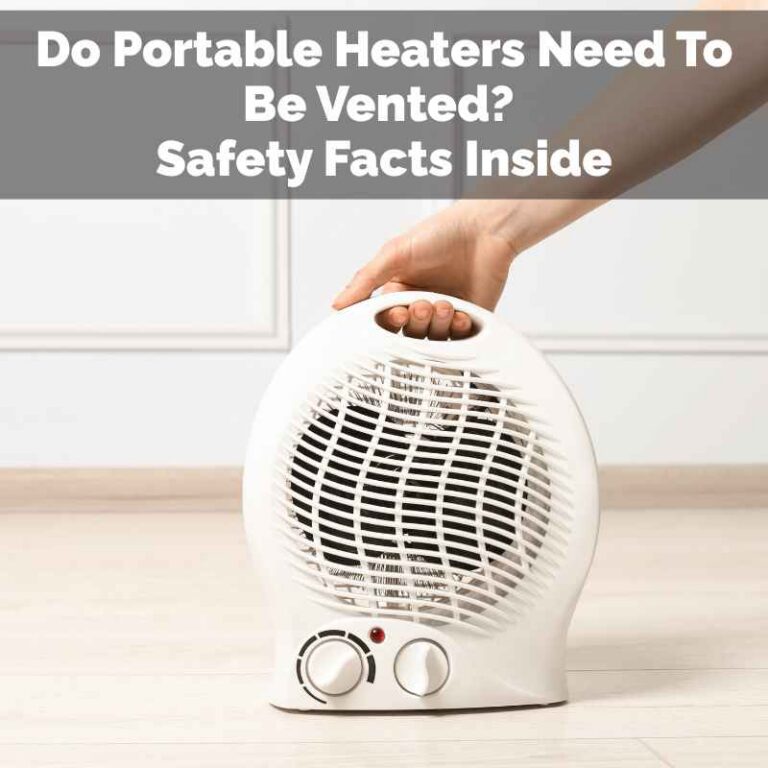
Fan-forced heaters use a coil. A fan blows air over the coil. This hot air is then pushed into the room. They heat up spaces quickly. They can be noisy due to the fan.
Infrared heaters are similar to radiant heaters. They use infrared radiation to heat objects and people directly. They don’t heat the air itself. This makes them efficient for outdoor patios or drafty rooms.
When it comes to cost, electric portable heaters can be quite expensive to run. This is because electricity is often more costly per unit of heat than natural gas. A typical electric resistance heater is about 100% efficient. This means all the electricity it uses turns into heat. But the cost of that electricity is the issue. If you use a 1500-watt heater for an hour, it uses 1.5 kilowatt-hours (kWh) of electricity. In many areas, electricity can cost $0.15 to $0.30 per kWh or even more. That means an hour of heating could cost $0.22 to $0.45. If you run it for 8 hours a day, that’s $1.76 to $3.60 per day. Over a month, this can really add up.
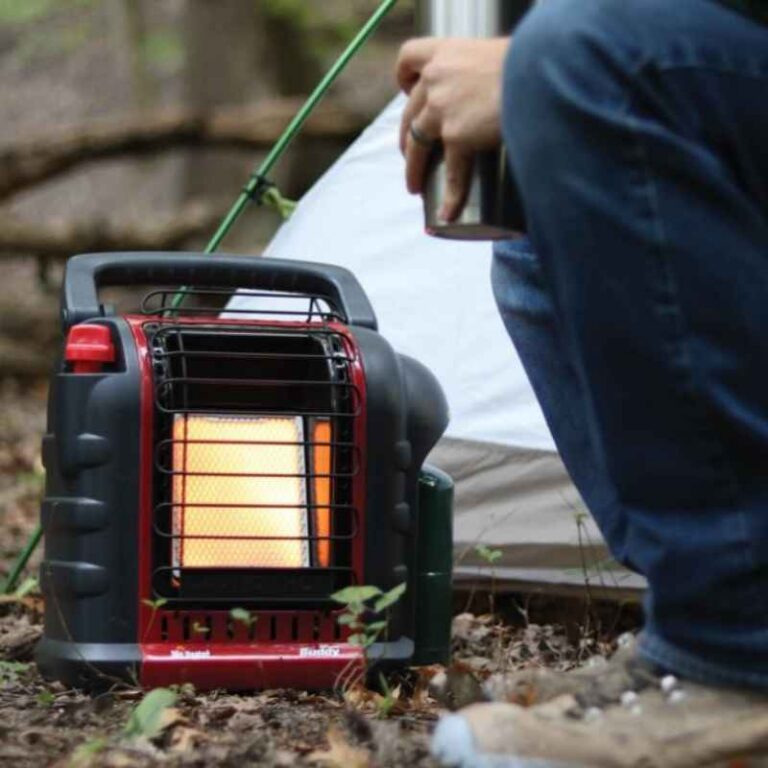
Some portable heaters use propane or kerosene. These can be cheaper for the fuel itself. But they have serious safety concerns. They release fumes. They need good ventilation. This is crucial for preventing carbon monoxide poisoning. They are generally not recommended for indoor use without extreme caution and proper ventilation systems.
Central Heating: The Whole House Comfort Machine
Central heating systems are usually powered by natural gas or electricity. Natural gas is often cheaper per BTU (British Thermal Unit) than electricity for heating. This makes gas furnaces a common choice in many U.S. homes.
A modern high-efficiency natural gas furnace can be 90-98% efficient. This means 90-98% of the gas it burns turns into heat for your home. The remaining percentage is lost through exhaust.
Electric central heating systems exist too. These include electric furnaces and electric heat pumps. Heat pumps are more efficient than electric resistance furnaces. They move heat from outside air into your home. They don’t create heat by burning fuel or using resistance. An electric furnace, like an electric space heater, uses resistance coils. It’s 100% efficient at converting electricity to heat. But again, the cost of electricity is the main factor.
The cost of running a central heating system depends on many things. The size of your home is a big one. How well your home is insulated is another. Leaky windows and doors let heat escape. This makes your system work harder. The thermostat setting matters too. Each degree you raise it can add a few percent to your bill.
For a whole house, a central system is usually more cost-effective to run than many portable electric heaters. This is because they are designed for volume. They use a fuel source (like natural gas) that is often cheaper per unit of heat. Also, they distribute heat more evenly. You don’t have cold spots.
Comparing the Energy Bills: A Deeper Look
Let’s put some numbers to this. Imagine a 2000-square-foot home. If you tried to heat this entire home with portable electric heaters, you’d need several. Each might use 1500 watts. You’d need multiple units running for many hours.
If your electricity costs $0.20 per kWh, then each 1500-watt heater costs $0.30 per hour to run. To heat a whole house, you might need 3 or 4 of these running for 12 hours a day. That’s 4 heaters $0.30/hour 12 hours/day = $14.40 per day. Over 30 days, this is $432. This is a rough estimate, of course.
Now consider a central natural gas furnace. Let’s say it has an efficiency of 95%. Natural gas might cost $1.50 per therm. One therm provides about 100,000 BTUs. A 100,000 BTU furnace uses about 1.05 therms per hour to produce heat. If it runs at 95% efficiency, it needs about 1.05 therms/hour. The cost per hour would be about $1.50.
However, a central furnace doesn’t run at full blast all the time. It cycles on and off. The actual run time depends on the outside temperature and thermostat setting. A common estimate is that it costs about $1 to $2 per day to heat a medium-sized home with natural gas in colder weather. This is a significant difference from the $14.40 estimate for portable electric heaters.
Electric heat pumps can also be quite cost-effective. They are not 100% efficient, but they can deliver more heat energy than the electrical energy they consume. For example, a heat pump might have a Seasonal Energy Efficiency Ratio (SEER) of 15 or higher. This means it can deliver 15 units of cooling for every unit of energy used. For heating, the Heating Seasonal Performance Factor (HSPF) is used. A good HSPF is 8.5 or higher. This means for every watt of electricity used, it can deliver 3.41 BTUs of heat. At $0.20 per kWh, this is much cheaper than electric resistance heating.
Infographic: Portable Heater vs. Central Heating – At a Glance
Key Cost Factors
- Upfront Cost: Portable heaters are very low. Central systems are very high.
- Fuel Type: Electricity vs. Natural Gas vs. Propane.
- Energy Price: Electricity is usually more expensive per BTU than natural gas.
- Efficiency: How much fuel is converted to useful heat.
- Usage Habits: How often and how long you heat.
- Home Size: Larger homes need more heat.
- Insulation: Poor insulation makes any system less efficient.
Running Cost Comparison (Estimated Monthly)
Based on typical U.S. energy prices and moderate usage.
| Heating Method | Estimated Monthly Cost | Notes |
|---|---|---|
| Electric Portable Heater (1500W) – Targeted Room | $40 – $100+ (depends on hours used) | Good for small spaces, short periods. |
| Central Natural Gas Furnace (95% Efficient) – Whole House | $100 – $300+ (depends on climate, insulation, usage) | Cost-effective for larger areas and colder climates. |
| Central Electric Heat Pump – Whole House | $120 – $350+ (depends on climate, electricity prices) | Efficient electric option, especially in milder climates. |
| Central Electric Furnace (Resistance) – Whole House | $250 – $600+ (highly dependent on electricity cost) | Generally the most expensive electric whole-house option. |
When Portable Heaters Can Be Cheaper (The Nuance)
Scenario 1: Supplemental Heating
- Turning down your central thermostat at night or when you leave.
- Using a portable heater to warm only the room you are currently in.
- This avoids heating unused areas of your home.
Scenario 2: Small, Well-Insulated Spaces
- A small office, shed, or finished basement that is well-insulated.
- Heating only this small area might be cheaper than running the whole central system.
Scenario 3: Short-Term Needs
- When a specific area needs heat for just a few hours.
- Examples: a garage while working, a sunroom on a cool morning.
Real-World Context: Home Size and Insulation Matter
The biggest factor in whether a portable heater or central heating is cheaper is the size of the space you need to heat. If you live in a small studio apartment, heating the entire space with a central system might be overkill. In this case, one or two efficient portable heaters might indeed be more cost-effective. You’re only heating a small volume of air.
However, for larger homes, especially those with multiple rooms, central heating is almost always the more economical choice for continuous warmth. Trying to replicate the heating capacity of a central furnace with portable units would require a significant number of them running constantly. This would drive up your electricity bill astronomically.
Insulation is another huge piece of the puzzle. A home with poor insulation is like a sieve for heat. Warm air escapes through the roof, walls, windows, and doors. In such a home, both portable heaters and central systems will struggle. They will have to work harder and longer to maintain a comfortable temperature. This means higher energy bills no matter what.
When I worked with a family last fall, their heating bill was through the roof. We discovered their attic had very little insulation. The heat was just rising up and out. We helped them get it insulated. Their heating costs dropped by almost 30% that winter. It was a dramatic change. It shows how important this one factor is.
What This Means For You: Making Smart Choices
So, is a portable heater cheaper than central heating? The answer is, it depends.
For whole-house heating, especially in colder climates or larger homes, central heating using natural gas or an efficient heat pump is typically cheaper to operate. The upfront cost is high, but the long-term savings on energy bills can be substantial.
For spot heating or heating very small, well-insulated spaces, portable electric heaters can be a more economical choice. If you only need to warm up a small home office for a few hours a day, or a single bedroom at night, a portable heater is likely to be cheaper than running your entire central system.
When it’s normal to use a portable heater:
You’re working in a small, dedicated space for a few hours.
Your central heating is broken, and you need temporary heat.
You want to heat just one room and keep your central thermostat lower.
When to worry about portable heater costs:
You’re using them to heat multiple rooms or a large portion of your house.
Your electricity bills are surprisingly high, and you’re using electric portable heaters a lot.
You’re relying on them as your primary heat source in a cold climate.
Simple checks for your heating:
Look at your energy bills. Compare your heating costs from one year to the next.
Check for drafts around windows and doors. Feel for air leaks.
Ensure your thermostat is set to an energy-saving temperature when you’re away or asleep.
Quick Tips for Efficient Heating
If you do use portable heaters, here are some ways to keep costs down:
Choose the right type: Oil-filled radiators are often more energy-efficient for steady, radiant heat than fan-forced heaters. They hold heat longer.
Use a timer: Many portable heaters have built-in timers. Use them to heat a room only when you need it.
Thermostat control: If your heater doesn’t have a good thermostat, consider getting a plug-in thermostat. This can help prevent overheating and save energy.
Don’t block the vents: Make sure nothing is placed too close to the heater. This can block airflow and reduce efficiency. It’s also a fire hazard.
Seal the room: Close doors and windows to the room you are heating. This helps keep the warm air in.
Consider insulation: Add draft stoppers to doors and windows. Use heavy curtains at night.
Regular maintenance for central systems: Ensure your central heating system is serviced annually. Clean or replace air filters regularly.
Frequent Questions About Heating Costs
Are portable heaters safe to use all day?
Portable electric heaters can be used for extended periods, but it’s wise to follow the manufacturer’s instructions. Always ensure they are on a stable surface, away from flammable materials, and never leave them running unattended when you are sleeping or away from home for extended periods. Check for any safety certifications like UL or ETL.
How much electricity does a 1500-watt heater use per hour?
A 1500-watt heater uses 1.5 kilowatt-hours (kWh) of electricity for every hour it runs. The cost of this depends on your local electricity rate. If your rate is $0.20 per kWh, it costs $0.30 per hour to operate.
Can using a portable heater instead of central heat actually save money?
Yes, in specific situations. If you only need to heat a small, enclosed space for a few hours, or if you can significantly lower your central thermostat while using a portable heater for a single occupied room, it can be cheaper. However, for whole-house heating, central systems are generally more cost-effective.
What is the most energy-efficient type of portable heater?
Oil-filled radiators and infrared heaters are often considered more energy-efficient for their intended use. Oil-filled radiators provide consistent, gentle heat. Infrared heaters warm objects directly, which can feel warmer faster without heating the air volume as much. Fan-forced heaters can be quick but may use more energy to heat a whole room evenly.
Is natural gas cheaper than electricity for heating?
In most parts of the U.S., natural gas is cheaper per unit of heat (BTU) than electricity, especially for resistance heating. This is why natural gas furnaces are often the most economical choice for central heating. Heat pumps are an exception, as they can be very efficient electric options.
How can I make my central heating system more efficient?
Regular maintenance is key. Change air filters every 1-3 months. Ensure your ducts are sealed and insulated. Improve your home’s insulation and seal air leaks around windows and doors. Consider upgrading to a programmable or smart thermostat to optimize heating schedules.
Conclusion: Finding Your Warmest, Most Affordable Solution
Deciding between portable heaters and central heating for cost-effectiveness is a balancing act. It’s about understanding your home, your needs, and your energy sources. For overall warmth in larger homes or colder climates, a well-maintained central heating system, especially one powered by natural gas or a heat pump, is generally the winner for ongoing expenses. Portable heaters shine as supplementary tools for targeted comfort in small spaces or for brief periods. By making informed choices about how and where you heat, you can stay warm and keep your energy bills in check.
Sponsored / affiliate links. As an Amazon Associate I earn from qualifying purchases. I may earn additional commission from eligible campaigns.
 AZEUS Portable AC and Heater Unit, 420W 110V Compact Air Conditioner for Tent RV Truck Cabin and Small Room, 1400W Cooling, 800W Heating, Remote Control, Dehumidifier, Sleep Timer, ChampagneMEGAWISE Portable Air Conditioner and Heater, 420W 110V Compact AC Unit with Remote Control, 1400W Cooling Capacity, 800W Heating, Dehumidifier, Fan, Sleep Timer, Champagne