Are Portable Car Heaters Any Good? Honest Review Inside
It’s that time of year again. The air bites with a chill, and stepping outside feels like a polar plunge. Your car, parked outside, becomes a frozen metal box.
You crank the engine, but that warm air from the vents feels like it’s miles away. You’ve seen them online, those little gadgets promising instant warmth in your car. Portable car heaters.
The question pops into your head: are they any good?
It’s a totally fair question. No one wants to be left shivering in their own vehicle. You’re looking for a simple fix, a way to make those cold commutes or chilly mornings a bit more bearable.
Let’s dive deep and see what these portable heaters can really do, and if they’re worth your hard-earned cash.
Portable car heaters vary greatly in effectiveness. While some offer a bit of quick warmth for small spaces or defrosting, many struggle to heat a car’s interior significantly due to their low power. Safety and proper usage are crucial. They are best seen as supplementary tools, not replacements for a car’s built-in heating system.
Understanding How Portable Car Heaters Work
So, how do these portable car heaters actually do their thing? Most of them plug right into your car’s cigarette lighter socket. This is usually a 12-volt power outlet.
Think of it like plugging a small appliance into your wall at home. The power from your car’s battery flows through this outlet to the heater.
Once the power reaches the heater, it typically uses a heating element. This element gets hot, much like the coils on an old-fashioned electric stove. Then, a small fan blows air over this hot element.
This warm air is then pushed out into the car’s interior. It’s a pretty simple idea.
The main goal is to give you a little burst of heat. Some are designed to help clear your windshield. Others aim to warm up the driver’s immediate area.
It’s important to remember that your car’s main heater uses the engine’s heat. Your engine naturally gets very hot when it runs. Portable heaters don’t have that built-in heat source.
They rely solely on electrical power.
This difference is key. Your car’s engine produces a lot of heat. Portable heaters are limited by how much electricity your car’s socket can safely provide.
This often means they are not as powerful as you might hope. They work best in very small spaces or for short periods.
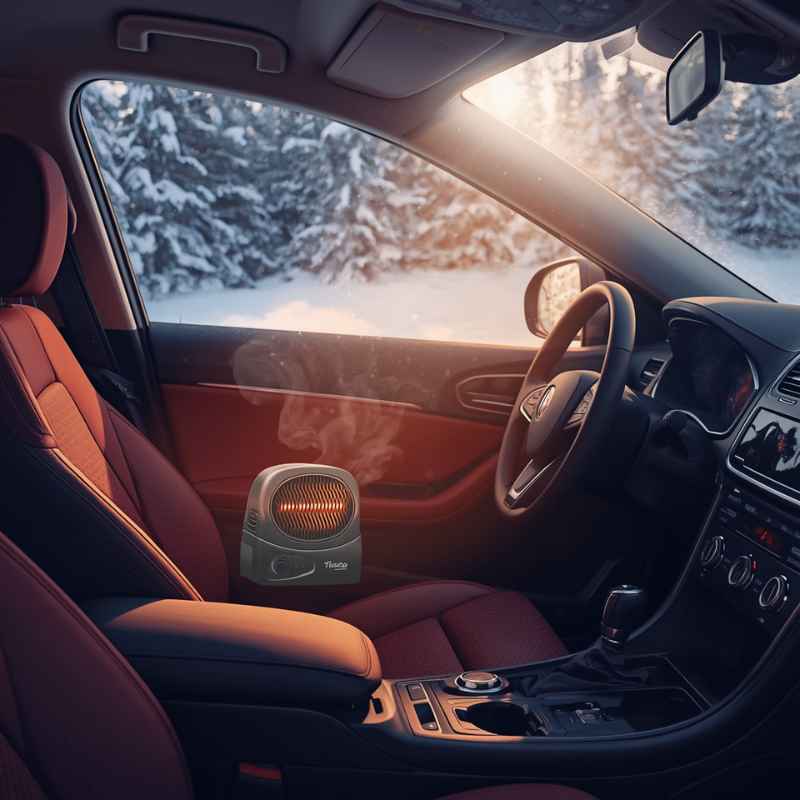
My Own Cold Car Experience
I remember one particularly brutal winter morning a few years back. My car had been sitting outside for days. The temperature was well below freezing.
I got in, turned the key, and braced myself for the icy shock. The windows were coated in frost, not just outside, but a thin layer inside too from the moisture in the air.
I turned on the car, and the engine rumbled. I flipped the switch for the fan and the heat on my car’s dashboard. Nothing.
Well, not nothing, but the air coming out was just… cool. It felt like a weak breath. I sat there, hands on the steering wheel, shivering.
My fingers were already stiff.
I’d seen those little portable heaters online. They looked so promising. Small, compact, easy to use.
I thought, “This is it! My solution!” I ordered one. It arrived a few days later.
It was a small, black plastic unit. It had a fan and a plug. It felt a bit flimsy, to be honest.
The next cold morning, I was ready. I plugged it into the cigarette lighter. It hummed to life.
A weak stream of air blew out. It wasn’t exactly hot. It was more like lukewarm.
I pointed it at my hands. It helped a tiny bit. But the rest of the car stayed cold.
The frost on the windows didn’t budge much.
I felt a pang of disappointment. It wasn’t the magical warm cabin I’d pictured. It was more like a small, noisy fan blowing slightly less cold air.
This experience taught me a lot about managing expectations. It showed me that these devices have limits. Real limits.
Portable Heater vs. Car’s Built-in Heater
Portable Heater:
- Uses car’s 12V power outlet.
- Often low wattage (e.g., 150W).
- Limited heating power.
- Can help clear small frost patches.
- Best for personal warmth in a small area.
- Requires careful power management.
Car’s Built-in Heater:
- Uses engine coolant heat.
- Very high heat output.
- Heats the entire cabin effectively.
- Defrosts windows quickly.
- Reliant on engine running.
- Generally safe and integrated.
The Real Power Limitations
Let’s talk about the numbers. Most portable car heaters you find that plug into the 12-volt socket are rated around 150 watts. Some might go up to 200 watts.
Now, that sounds like a decent amount of power, right? But in the context of heating a whole car, it’s really not much at all.
Think about a space heater for a small room in your house. Those are typically rated at 1,000 to 1,500 watts. That’s ten times more power.
Your car’s interior, even a small car, is a much bigger space than a tiny room. It also has to deal with outside temperatures that can be much colder.
So, what does this mean in practice? It means a 150-watt heater is barely going to make a dent in a freezing car. It might make the air feel slightly warmer right in front of the fan.
But it’s unlikely to raise the overall temperature of the cabin. It certainly won’t thaw thick ice or snow.
Your car’s built-in heating system is a different beast. It uses the heat generated by your engine. Your engine creates a tremendous amount of heat as it burns fuel.
This heat is transferred to the engine coolant. Then, this hot coolant flows through a small radiator located behind your dashboard. A fan blows air over this radiator, warming the air that comes out of your vents.
This system is designed to heat your entire car, and it’s very effective. Portable heaters, on the other hand, are working with a fraction of that power. They are limited by the electrical system of your car.
The cigarette lighter socket is typically fused at around 10 to 20 amps. At 12 volts, that’s only about 120 to 240 watts max.
Manufacturers know this. That’s why they often market these heaters for specific, limited uses. Like defrosting a small patch of windshield or providing personal warmth.
They aren’t designed to turn your icebox into a sauna. Understanding these power limits is crucial for managing your expectations.
Safety First: What You Need to Know
When we talk about anything that heats up, especially something that plugs into your car, safety has to be the top priority. Portable car heaters are no exception. There are a few key things to keep in mind to avoid trouble.
One of the biggest concerns is overloading your car’s electrical system. While most portable heaters are designed to be low wattage, if you plug in a more powerful one, or if your car’s wiring is old or damaged, you could blow a fuse. This is the protective mechanism kicking in.
It stops things from getting worse.
If you blow a fuse, your cigarette lighter socket will stop working. You might need to replace the fuse. Consult your car’s manual to find the correct fuse and know where the fuse box is.
It’s usually located under the dashboard or in the engine bay.
Another potential issue is overheating. While rare with properly made devices, any electrical appliance that generates heat carries a small risk. Make sure the heater has good ventilation.
Don’t cover it up with blankets or other materials. This can trap heat and cause problems.
Never leave a portable car heater running unattended, especially if you are sleeping in the car. This is a general safety rule for any heating device. It’s always best to have someone awake or to turn it off when you are not actively using it.
The cords themselves can also be a hazard. Make sure the cord is not frayed or damaged. A damaged cord can lead to short circuits or fire risks.
Keep the cord tidy and out of the way of pedals or moving parts.
Some people wonder about using these heaters overnight. This is generally not recommended. Your car’s battery can drain quickly if the engine isn’t running.
Running the heater for a long time without the engine on could leave you with a dead battery. You might not be able to start your car later.
Always follow the manufacturer’s instructions. They are there for a reason. They will tell you the recommended usage, any limitations, and safety precautions.
Reading the manual can save you a lot of headaches.
Portable Heater Safety Checklist
- Check Fuse Rating: Ensure the heater wattage is appropriate for your car’s socket.
- Inspect Cord: Look for any damage, fraying, or kinks.
- Ventilation: Never block the heater’s air vents.
- Unattended Use: Avoid leaving it running when you’re not present.
- Battery Drain: Do not run for extended periods without the engine on.
- Follow Instructions: Always read and adhere to the manufacturer’s guide.
- Placement: Keep away from flammable materials and out of the way of controls.
Defrosting and Defogging: Where They Might Shine
While these portable heaters aren’t going to turn your car into a warm haven, they can sometimes be helpful for specific, smaller tasks. One of the most common uses is for defrosting or defogging your windshield.
If you have a thin layer of frost on the outside of your windshield, a portable heater pointed at it might help melt it away faster. It won’t work on thick ice, mind you. But for that light dusting of frost, it can be a little helpful.
It’s often quicker than waiting for your car’s defroster to warm up the whole windshield.
Inside the car, condensation can build up on the windows. This is fogging. It happens when warm, moist air inside your car meets the cold glass.
A portable heater blowing warmish air onto the inside of the glass can help to evaporate that moisture. It can clear a small patch for you to see.
However, it’s important to have realistic expectations here too. These heaters are usually directional. They blow warm air in one spot.
You might need to move the heater around to clear different areas. And they won’t clear heavy fogging on all windows at once.
Also, remember that the air they produce isn’t super hot. It’s more of a gentle warmth. So, while it can help, it might take time.
And if the outside temperature is very, very cold, the warmth from the heater might dissipate quickly as it hits the frosty or foggy glass.
Think of it as a small boost. It might save you a few minutes on a frosty morning. Or help you see a bit better through a foggy window.
But it’s not a magic bullet for severe winter weather. Your car’s built-in defroster and defogger systems are far more powerful and designed for these jobs.
When Might a Portable Heater Actually Make Sense?
So, if they aren’t super powerful, when would you actually want one? It comes down to specific situations and managing your expectations. They are best thought of as a supplementary tool, not a primary heating solution.
1. Very Cold Climates, Short Drives: If you live somewhere with bitter cold, but your commute is very short (like 5-10 minutes), a portable heater might offer a little comfort during that brief period. It could help take the edge off the initial shock of cold.
2. Personal Warmth in a Large Vehicle: For those with larger vehicles like vans or RVs, the main heater might take a long time to warm the entire space. A small portable heater placed near the driver or passenger seat could offer a zone of comfort while the main system works.
3. Emergency Preparedness: In an extreme weather event, if your car breaks down and you need to conserve fuel but stay somewhat warm, a portable heater (used judiciously and with the engine running periodically) could be a life-saver. But again, watch that battery and fuel level.
4. Specific Cold Spots: Sometimes, a car’s heating system might have cold spots. A portable heater could be used to target that specific area for a short time.
This is more of a niche use case.
5. Campers and Outdoor Enthusiasts: People who use vans or SUVs for camping might find a small portable heater useful for a brief period before bed or upon waking up in cooler weather. It can make a big difference in comfort for a short duration.
6. Supplemental Defrosting: As mentioned, for light frost on a small area of the windshield, it can speed things up slightly. If you have a small car and are in a hurry, this might be its most practical daily use.
It’s crucial to understand that “making sense” for a portable heater means understanding its limitations. It’s about adding a little bit of comfort, not about replacing your car’s core functions. If you’re expecting a blast of hot air or a fully heated car in minutes, you’ll likely be disappointed.
When Portable Heaters Are NOT Recommended
- Replacing Your Car’s Heater: They simply don’t have the power.
- Heating a Large Vehicle Quickly: It’s a losing battle.
- Thawing Thick Ice or Snow: You need more power for that.
- Running All Night: Risk of battery drain or fire hazard.
- Expecting Miracles: Manage your expectations for heat output.
Choosing the Right Type (If You Decide To Buy)
If, after all this, you’ve decided a portable car heater might still fit a specific need for you, there are a few types to consider. Most fall into a couple of main categories.
1. Plug-in 12V Heaters: These are the most common. They plug directly into your car’s cigarette lighter socket.
They are usually small, often shaped like a small fan or a mini-heater. As we’ve discussed, their power is limited by the 12V system, typically 150-200W.
2. Plug-in 120V Heaters (for Home/Garage Use): These are essentially small household space heaters. They are NOT designed to run off your car’s power.
You might use one to pre-warm your car in a garage if you have an extension cord setup. They are much more powerful but have no place inside a running car.
3. Ceramic Heaters: Some 12V heaters use ceramic elements. These can sometimes be a bit more efficient at converting electricity to heat.
They often have a fan to blow the air. Look for models that explicitly state they are for automotive use and plug into a 12V socket.
4. Fan-Only vs. Heater-Fan Combos: Some devices are advertised as “car fans” that can also blow “warm air.” Be wary of these.
Often, they are just fans. If they do have a heating element, it’s usually very weak on the 12V system.
5. Heaters with Multiple Settings: Some might offer a “fan only” mode and a “heat” mode. This can be useful if you just need air circulation on a warmer day.
But the heat setting will still be limited.
When looking, pay close attention to the wattage. Anything significantly over 200W for a 12V plug-in is likely problematic or outright impossible. Look for clear descriptions of what the heater is intended for.
Does it say “defrosting,” “personal warmth,” or “supplemental heat”?
Read reviews carefully. See what real users say about their performance in actual cold weather. Many reviews will likely echo the sentiment that they are not very powerful.
But some might highlight their usefulness for minor tasks.
Quick Scan: Portable Heater Features to Note
Wattage: Aim for 150W-200W for 12V plugs. Be realistic about output.
Safety Certifications: Look for UL or ETL listings for electrical safety.
Cord Length: Ensure it reaches where you need it without stretching.
Mounting/Placement Options: Can it sit on the dash or floor securely?
Noise Level: Some fans can be quite loud.
Fan Speed Control: Might offer some flexibility.
Alternatives to Portable Car Heaters
If you’re looking for more reliable ways to stay warm in your car during cold weather, there are other options that often prove more effective.
1. Block Heater (Engine Block Heater): This is a fantastic option if you park your car outside regularly in freezing temperatures. A block heater is installed into your engine.
You plug it into a standard outdoor electrical outlet (like an extension cord from your house or garage) for a few hours before you plan to drive. It gently warms the engine oil and coolant. This makes starting much easier and helps your car’s own heater start producing warm air much faster.
This is a highly effective and recommended solution for cold climates.
2. Battery-Powered Heated Seat Cushions: These are a great alternative for personal warmth. They plug into your car’s 12V socket or have their own rechargeable battery packs.
They provide direct warmth to your seat and back. They are much more efficient at heating a small area than blowing air. Many offer adjustable heat settings.
3. Heated Steering Wheel Covers: For hands that get painfully cold, a heated steering wheel cover can be a godsend. These often plug into the 12V socket and provide a cozy warmth to the steering wheel.
4. Keeping Your Car Maintained: Ensure your car’s own heating system is in good working order. Make sure the coolant is at the proper level and type for your climate.
A well-maintained car will always provide the best and most efficient heat.
5. Layering Clothing: Sometimes the simplest solutions are the best. Wearing warmer clothes, gloves, and a hat can make a huge difference.
You can always take layers off once the car has warmed up.
6. Pre-heating the Car (if safe and possible): If you have a garage, or can safely start your car for 5-10 minutes before you need to leave, that can take the initial edge off the cold and help your car’s heater work faster.
These alternatives often provide more targeted warmth, are more energy-efficient in their application, or directly leverage your car’s intended systems for heat. They tend to offer a better return on investment for true comfort and warmth.
Frequently Asked Questions About Portable Car Heaters
Are portable car heaters safe to use while driving?
Yes, portable car heaters are generally safe to use while driving, provided they are used according to the manufacturer’s instructions. Ensure the cord is not interfering with pedals or controls, and that the unit has adequate ventilation. Avoid leaving them running unattended or overnight without the engine on to prevent battery drain.
Can a portable car heater drain my car battery?
Yes, a portable car heater can drain your car battery, especially if the engine is not running. They draw power directly from the battery. Running one for extended periods without the engine on will deplete the battery.
It’s best to use them when the engine is running or for short durations.
How much heat can a portable car heater realistically produce?
Most portable car heaters that plug into a 12V socket produce very little heat. They are typically rated around 150-200 watts. This is enough for minor defrosting or a small zone of personal warmth, but not enough to significantly heat an entire car’s interior, especially in very cold weather.
Will a portable car heater work in extreme cold temperatures?
In extreme cold, a portable car heater’s effectiveness is greatly reduced. While it might offer a slight feeling of warmth directly from the fan, it will struggle to counteract the extreme cold and heat a whole car. Your car’s built-in heater system is far more effective for these conditions.
Are there any portable car heaters that use propane or other fuel?
Portable car heaters that run on propane or other fuels are generally not recommended or safe for use inside a vehicle’s cabin. These are typically designed for outdoor use (like camping heaters) and pose significant carbon monoxide poisoning and fire risks if used in an enclosed space like a car. Stick to electric models designed for automotive use.
What’s the difference between a portable car heater and a car’s built-in heater?
A portable car heater uses your car’s electrical system (12V socket) and has limited power. A car’s built-in heater uses heat from the engine coolant, providing much more powerful and widespread heat for the entire cabin. The built-in system is designed for effective heating; portable ones are supplementary.
Final Thoughts on Portable Car Heaters
So, are portable car heaters any good? The honest answer is: it depends entirely on what you expect them to do. If you’re hoping for a magical device that will transform your frozen car into a toasty oasis in minutes, you’ll likely be disappointed.
These little gadgets are best viewed as minor helpers. They can offer a bit of supplemental warmth for your hands or help clear a small patch of frost. They are not replacements for your car’s powerful built-in heating system.
For most people, especially in colder climates, focusing on well-maintained car heating systems, block heaters, or heated accessories like seat cushions will provide much more comfort and effectiveness. But for a very specific, limited need, a portable heater might offer a small, useful boost.
Sponsored / affiliate links. As an Amazon Associate I earn from qualifying purchases. I may earn additional commission from eligible campaigns.