Where To Find Portable Car Heaters That Actually Work
Cold mornings in your car can feel like an eternity. You sit there, shivering, waiting for the engine to warm up. It takes so long!
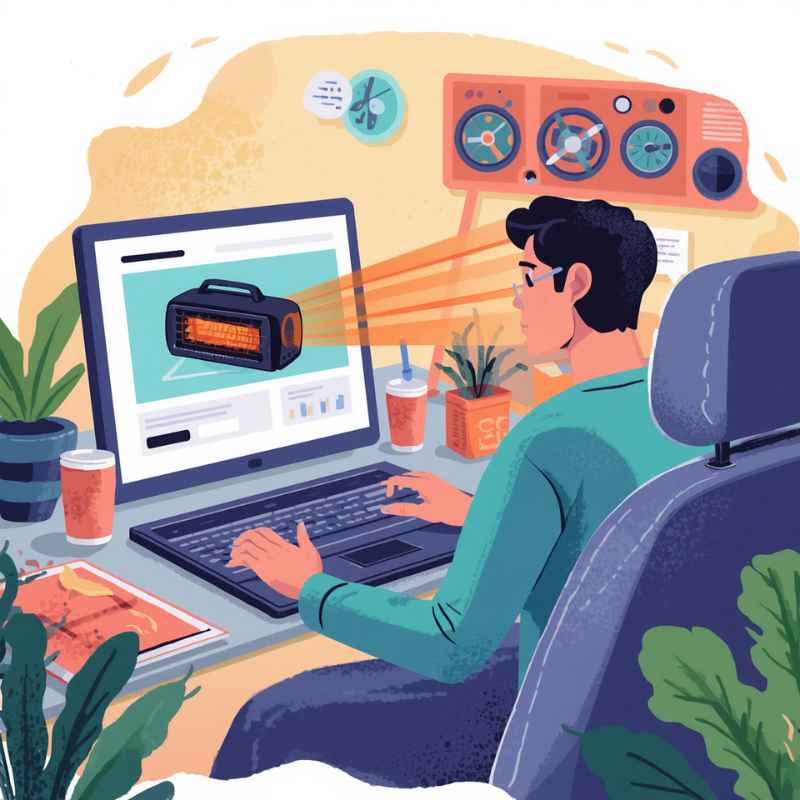
You wish you had a little extra heat right away. Maybe you’ve looked online for something that could help. You want to find a portable car heater that actually works, not one that just blows weak air.
It’s a common problem many drivers face during the colder months. Let’s dive in and find some real solutions for you.
Portable car heaters that work offer a quick way to warm your vehicle’s interior or defog windows before the main engine heating system kicks in. Look for models with high wattage (150W or more), safety features like automatic shut-off, and good user reviews. Ceramic or fan-assisted heaters are generally more effective than basic resistance coil types.
Always ensure your car’s electrical system can handle the heater’s power draw.
What Are Portable Car Heaters?
Portable car heaters are small devices you can plug into your car’s electrical system. They are designed to provide extra heat. This can be useful when your car is cold.
They help warm up the air inside your vehicle. Some also help clear frost or fog from your windshield. These are not meant to replace your car’s built-in heating system.
They are for a little boost.
Your car’s heater uses hot coolant from the engine. This takes time to build up. A portable heater uses electricity.
It creates heat directly. This means it can start working right away. You don’t have to wait for the engine to get hot.
This can make a big difference on very cold days. It can make your drive much more comfortable.
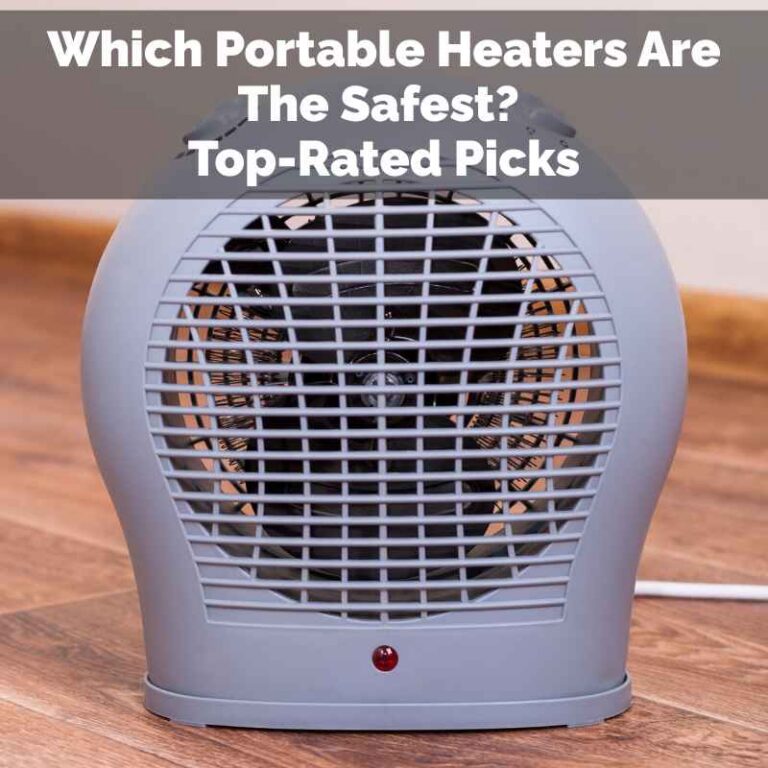
There are a few main types. Some are just like small space heaters. They use a heating element.
This element glows red or gets very hot. A fan then blows air over it. Other types use ceramic plates.
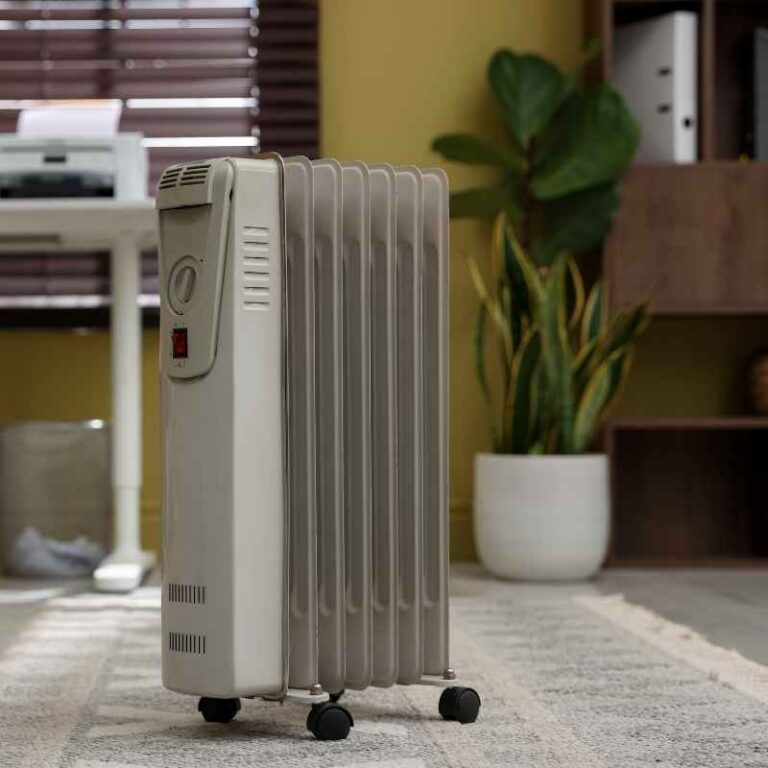
These also get hot. A fan pushes air over the ceramic. These are often seen as safer.
They don’t get as red-hot as simple coils.
The power for these heaters comes from your car’s cigarette lighter or accessory outlet. This is usually a 12-volt outlet. The amount of heat they produce depends on how much power they can draw.
More power means more heat. This is a key thing to understand when looking for one that works well.
My Cold Car Struggle: A True Story
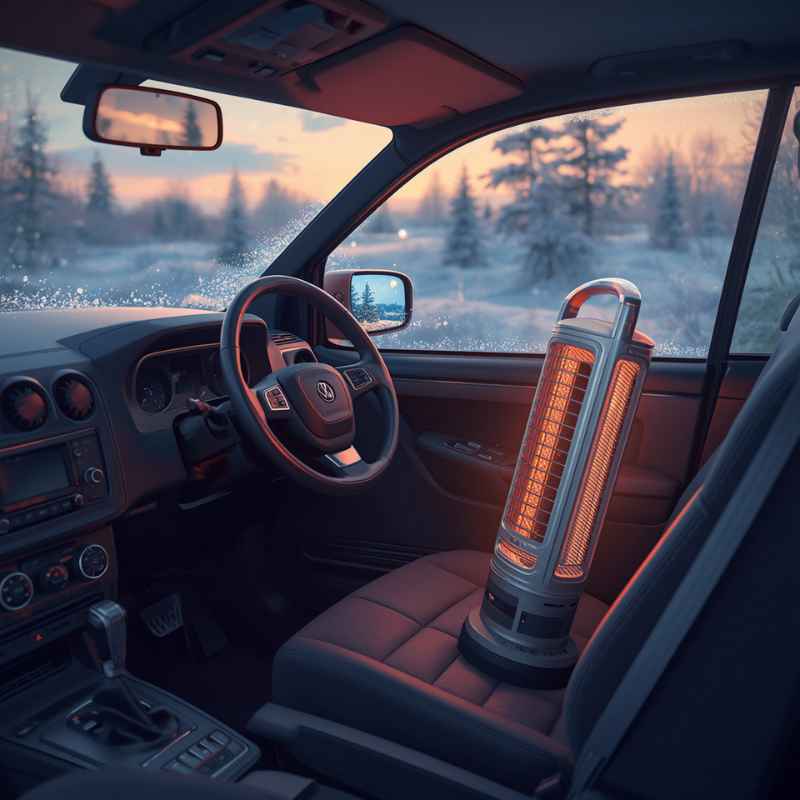
I remember one particularly brutal winter. It was still dark when I had to leave for an early work meeting. My car was parked outside overnight.
I got in, and it was like stepping into an icebox. My breath misted in the air. The steering wheel felt like frozen metal.
I turned the key, and the engine coughed to life. But the heat? It took what felt like an hour to even feel a hint of warmth.
My fingers were so cold I could barely grip the wheel. The windshield was covered in a thick layer of frost. I scraped and scraped, but it was slow going.
I felt a pang of real frustration. I was going to be late, and I was freezing. I thought, “There has to be a better way.” I had seen small heaters online, but I wondered if they were just toys.
Could something so small really make a difference?
That day, I made a mental note to research portable car heaters properly. I wanted something that wasn’t just a gimmick. I wanted actual warmth, or at least a way to clear that stubborn frost faster.
It wasn’t just about comfort; it was about safety and being on time. The thought of that icy car interior spurred me to find a real solution.
Heater Types at a Glance
Ceramic Heaters: Use a ceramic heating element. They heat up fast. Often have fans.
Good for quick warming.
Fan Heaters: Blow air over a hot element. Help distribute heat well. Can warm up a space faster.
Defroster/Defogger Units: Smaller, often focused. Aimed at windshields. Good for clearing ice and fog.
Understanding the Power and Wattage
This is where many people get confused. A portable car heater plugs into your car’s 12-volt outlet. This outlet is rated for a certain amount of power.
It’s usually around 10 to 15 amps. To figure out the maximum wattage, you multiply volts by amps. So, 12 volts times 15 amps is 180 watts.
This is the ceiling for most car outlets.
Many small portable heaters are rated at 100 or 150 watts. These will provide a small amount of heat. They can help take the edge off.
They might be enough to speed up defogging. But they won’t make your car feel like a cozy living room. If you’re looking for something that “actually works” to heat a whole car, you need more power.
Some heaters claim higher wattages, like 200 or 300 watts. These are often designed to be plugged into a 24-volt system (like on some trucks) or a standard 120-volt wall outlet if used at home. Using a 300-watt heater in a standard 12-volt car outlet is a recipe for disaster.
It can blow fuses or even damage your car’s wiring. Always check the heater’s wattage and your car’s outlet limits.
A 150-watt heater is a common and generally safe option. It will provide noticeable warmth. It can help defog a small area.
It’s a good starting point. For more powerful heating, you might need a “heavy-duty” model. These often draw closer to 15 amps.
But be very cautious. Make sure your car’s fuse can handle it.
Wattage Matters: A Quick Look
- Low Wattage (Under 100W): Best for very light defogging. Minimal warming effect.
- Medium Wattage (100W – 150W): Can provide noticeable warmth. Good for small cabins and faster defogging. This is a common sweet spot.
- High Wattage (150W – 200W+): Offers more significant heating. Requires careful attention to your car’s electrical limits. Check fuse ratings!
What Makes a Portable Car Heater “Actually Work”?
When people say “actually work,” they usually mean a few things. First, it needs to produce enough heat to be felt. Second, it should be able to do its intended job.
If it’s a defroster, it should clear frost. If it’s a heater, it should make the air warmer.
Effective Heat Distribution: A good heater will have a fan. This fan blows the warm air around. Without a fan, the heat just stays near the element.
A fan helps it reach you. It helps warm up more of the car’s interior. Look for models with adjustable fan speeds.
This gives you more control.
Rapid Heating: Some heating elements get hot much faster than others. Ceramic elements are known for this. They reach their optimal temperature quickly.
This means you feel heat sooner. You don’t have to wait as long for it to become useful.
Focused vs. General Heat: Some heaters are designed to blow hot air in one direction. These are great for defogging a windshield.
Others have a wider output. These aim to warm up a larger area. Think about what you need most.
Do you need clear windows? Or do you need to warm your whole body?
Safety Features: A heater that “actually works” also works safely. Look for overheat protection. This is crucial.
It means the heater will shut off if it gets too hot. This prevents damage and fire risks. A stable base is also important.
You don’t want it tipping over.
Durability and Build Quality: A cheap heater might work for a day. But a good one will last. Look at reviews for how well they hold up over time.
Are the cords sturdy? Is the casing robust? A well-made heater is more likely to keep working when you need it.
Key Features for Effectiveness
- High Wattage (150W+): Provides more heat output.
- Built-in Fan: Distributes warm air effectively.
- Quick-Heat Element: Ceramic elements are fast.
- Safety Shut-off: Prevents overheating.
- Adjustable Settings: Control fan speed and heat levels.
- Sturdy Cord and Plug: Ensures a reliable connection.
Real-World Scenarios Where They Shine
Portable car heaters aren’t for everyone. But they are fantastic in certain situations. Think about your daily commute.
If you park outside in a cold climate, you know the struggle. Your car’s heat takes a while. That’s when a portable heater can make a big difference.
Morning Commute in Freezing Weather: This is the prime time. You get in, it’s freezing. You plug in the heater.
While your engine warms up, the heater gives you a blast of warm air. It makes the wait much more bearable. It helps you defrost the windshield faster too.
Clearing Frost and Ice: Some heaters are specifically designed as defrosters. They blow a stream of warm air directly onto your windshield. This can melt frost and ice much quicker than a scraper alone.
This is a huge safety benefit. Clear visibility is essential.
Long Idling Times: If you have to wait in your car for a period, like waiting for a child at school or during a long lunch break, a portable heater can keep you comfortable. Your engine might be off or just idling. This conserves fuel while keeping you warm.
In Older Cars: Some older cars might have weak or unreliable heating systems. A portable heater can supplement this. It can make driving in winter much safer and more pleasant.
It’s a small investment for a big comfort boost.
Travel and Camping: If you travel or camp in cooler weather, a portable heater can be useful in your vehicle. Make sure you have a safe way to power it. Some people use them in RVs too.
Always follow manufacturer guidelines for safe use.
When Portable Heaters Are Most Useful
Quick Warm-up: Beat the initial chill while your car heats up.
Defrosting Windows: Speed up clearing ice and frost for safety.
Extended Stays: Stay comfortable during long waits with the engine off.
Supplementing Weak Heat: Add warmth in older or less efficient car heating systems.
Emergency Situations: Provide temporary warmth if your car’s heater fails.
Choosing the Right Portable Car Heater
When you’re looking for a portable car heater, keep a few things in mind. Don’t just grab the cheapest one. Think about your needs.
What are you trying to achieve with it?
1. Power Output (Wattage): This is number one. For basic defogging, 100-150 watts might be enough.
If you want to actually warm up the cabin a bit, aim for 150 watts or higher. But remember that 12-volt limit. Always check the product description carefully.
2. Type of Heater: Ceramic heaters tend to be safer and heat up faster. Fan heaters are good for spreading warmth.
If your main goal is clearing the windshield, look for one that directs airflow effectively. Some are dual-purpose.
3. Safety Features: Overheat protection is a must. Look for a stable base so it doesn’t tip over easily.
A long enough cord is also helpful. You want to be able to place it where it’s effective without straining the cord.
4. Brand Reputation and Reviews: What do other users say? Are they happy with the heat output?
Does it last? Look for patterns in reviews. A lot of positive feedback about actual warming power is a good sign.
5. Ease of Use: How easy is it to plug in and turn on? Are the controls simple?
You don’t want to fiddle with complicated settings in a cold car. Simple on/off switches and fan speed adjustments are best.
6. Cord Length and Durability: A short cord can be frustrating. You might want to place it on the dashboard or passenger seat.
Make sure the cord is thick and well-insulated. This is important for safety and longevity.
7. Certifications: Look for certifications like ETL or UL. These indicate that the product has been tested for safety.
This is an extra layer of assurance.
Your Shopping Checklist
- Wattage: 150W minimum for noticeable heat.
- Element Type: Ceramic is often preferred for speed and safety.
- Fan: Essential for distributing heat.
- Safety: Overheat protection is non-negotiable.
- Reviews: Check for consistent positive feedback on performance.
- Cord: Sufficient length and good quality.
Common Pitfalls to Avoid
It’s easy to get excited about the idea of instant warmth. But there are a few traps you can fall into when buying a portable car heater.
Pitfall 1: Unrealistic Expectations. A small 12-volt heater is not going to heat your entire SUV like a home furnace. It’s a supplemental device. If you expect it to melt snow instantly or turn your car into a sauna, you’ll be disappointed.
Manage your expectations based on the power available.
Pitfall 2: Overlooking Car Electrical Limits. This is critical. A heater that draws too much power will blow fuses. In worst-case scenarios, it could damage your car’s wiring.
Always verify the heater’s amperage draw and compare it to your car’s fuse rating for the accessory outlet. Many cars have a 10-amp or 15-amp fuse for these outlets.
Pitfall 3: Buying “Too Cheap.” The absolute cheapest options often fail quickly. They may have weak heating elements, poor safety features, or flimsy construction. A slightly more expensive heater with good reviews and safety certifications is usually a better investment.
Pitfall 4: Misleading Wattage Claims. Some products might claim very high wattages. This can be confusing. They might be referring to peak power draw, or they might be designed for 24-volt systems.
Read the full specifications. Look for the continuous power draw and the recommended fuse rating.
Pitfall 5: Ignoring Reviews. Don’t just look at the star rating. Read what people are actually saying. Do they mention the same issues you’re concerned about?
Are they happy with the warmth or defogging performance? Real user experiences are gold.
Pitfall 6: Not Considering Cord Length. A heater that sits too close to the dashboard might block your view. A cord that’s too short limits placement options. Make sure the cord allows for flexible and safe positioning.
Common Mistakes & How to Avoid Them
Mistake: Expecting a miracle. Solution: Understand it’s supplemental heat.
Mistake: Ignoring car’s fuse limits. Solution: Check heater amperage and car fuse rating.
Mistake: Buying the absolute cheapest. Solution: Invest in a reputable brand with good reviews.
Mistake: Believing all wattage claims. Solution: Read full specs for continuous draw.
Mistake: Skipping user reviews. Solution: Read detailed feedback on performance and durability.
The Experience of Using One: What to Expect
When you first plug in a good portable car heater, you’ll likely notice the fan noise. It’s usually a gentle hum. Then, you’ll feel the air coming out.
If it’s a decent unit, it will be noticeably warmer than the air in the car. It won’t be scorching hot, but it will be a pleasant warmth.
For defogging, you want to aim the airflow at the windshield. You’ll see the fog start to clear. It usually takes a few minutes.
The speed depends on the humidity and how cold it is. If you have heavy frost, it might soften it rather than melt it instantly. You might still need a scraper, but the heater helps a lot.
To warm the cabin, position the heater so the warm air circulates. Some people place it on the passenger seat or floor. Others put it on the dashboard, angled upwards.
Experiment to see what works best for your car’s layout. It will slowly make the air feel less biting.
You’ll feel the warmth on your legs or arms, depending on placement. It’s not like the full-blast heat from your car’s vents. But it’s enough to keep you from shivering.
It makes the drive much more comfortable. It feels like a small victory against the cold.
The key is understanding its role. It’s like a personal heater for your car. It enhances your comfort during those chilly moments before your car’s main system takes over.
It adds a layer of coziness that’s very welcome.
Your First Few Minutes with a Heater
Step 1: Plug In. Connect to your car’s 12V outlet.
Step 2: Power On. Turn the heater to its ‘high’ setting.
Step 3: Feel the Air. In a minute or two, you should feel warm air.
Step 4: Position. Aim at the windshield for defogging, or circulate for cabin warmth.
Step 5: Enjoy. Notice the reduced chill and improved comfort.
When to Worry: Signs of a Problem
Most of the time, a portable car heater is safe when used correctly. But there are a few warning signs you should watch for.
1. Blown Fuses: If your heater causes the fuse for the accessory outlet to blow repeatedly, it’s drawing too much power. Stop using it.
You might need to get a lower-wattage model or check your car’s electrical system.
2. Overheating: Even with protection, if the heater feels excessively hot to the touch (beyond normal warmth), or if it smells burnt, turn it off immediately. Let it cool down.
Check for any obstructions blocking the vents.
3. Damaged Cord or Plug: If you see any fraying, cracks, or damage on the power cord or plug, do not use it. This is a serious safety hazard.
It could cause a short circuit or electric shock.
4. Unusual Smells: A slight new-plastic smell is normal for the first few uses. But if you notice a strong chemical or burning smell, turn it off and disconnect it.
It could indicate a problem with the heating element or wiring.
5. No Heat Output: If the fan is running but the air is not warm at all, the heating element might have failed. This can happen with cheaper units or after extended use.
It might be time for a replacement.
6. Your Car’s Electrical System Acts Up: If using the heater causes your car’s radio to cut out, lights to dim significantly, or other strange electrical behavior, disconnect the heater. This suggests your car’s alternator or battery might not be able to keep up with the extra load.
Red Flags: What to Watch For
- Frequent Fuse Blowouts: Too much power draw.
- Excessive Heat/Smell: Potential overheating or internal damage.
- Damaged Cord: Serious electrical hazard.
- No Heat, Fan On: Heating element failure.
- Car Electrical Issues: Insufficient power from the car.

Frequently Asked Questions
Can a portable car heater really heat my whole car?
Generally, no. Portable 12-volt car heaters are designed to provide supplemental heat or to help defog windows. They are not powerful enough to heat an entire car like your car’s built-in heating system.
Think of them as personal warmth boosters.
How much power do typical portable car heaters use?
Most portable car heaters designed for 12-volt systems range from 100 watts to 200 watts. They draw between 8 to 15 amps. Always check the product specifications and your car’s manual to ensure your car’s electrical system can handle the draw without blowing fuses.
Are ceramic car heaters safer than other types?
Yes, ceramic car heaters are often considered safer. Ceramic elements heat up quickly and tend to maintain a more stable temperature. They also don’t typically glow red-hot like basic resistance coils, reducing fire risk.
Many also have good safety features like overheat protection.
Can I use a portable car heater with the engine off?
You can, but be mindful of your car’s battery. If the heater draws a lot of power for an extended period with the engine off, it can drain your battery. It’s best to use it while the engine is running or for shorter periods when the engine is off to avoid starting issues.
How do I prevent my car’s battery from draining when using a portable heater?
The best way is to use the portable heater while your car’s engine is running. This allows the alternator to power the heater and keep the battery charged. If you must use it with the engine off, limit the duration to avoid significant battery drain, especially with higher wattage models.
What is the difference between a defroster and a car heater?
While some units serve both purposes, a defroster is typically designed to blow a concentrated stream of warm air directly onto the windshield to melt ice and fog. A car heater is generally designed to warm the ambient air within the cabin. Many portable units combine both functions with adjustable airflow.
Final Thoughts on Portable Warmth
Finding a portable car heater that truly works is about setting realistic expectations. It’s not about replacing your car’s built-in system. It’s about adding comfort and safety when you need it most.
Look for good wattage, reliable safety features, and user reviews that confirm performance. With the right choice, you can face those cold mornings with a lot more comfort.
Sponsored / affiliate links. As an Amazon Associate I earn from qualifying purchases. I may earn additional commission from eligible campaigns.