What Are The Different Types Of Portable Heaters Explained
Portable heaters offer flexible and supplemental warmth for different rooms. Understanding the main types—radiant, convection, and fan heaters—helps you choose the most efficient and safest option for your specific needs, ensuring comfort without added complexity.
Understanding How Portable Heaters Work
Portable heaters are designed to warm a specific area. They plug into a standard wall outlet. Most use electricity to create heat.
This heat is then shared with the air around it. The way they do this sharing is what makes them different. Think of it like different ways of spreading warmth.
Some aim to warm you directly. Others heat the air and let it move around. Knowing these methods helps you pick the right one.
The goal of any heater is to make your space feel cozy. They do this by converting energy into heat. This heat then gets released into the room.
Some heaters do this quickly. Others take a little more time. The type of heater affects how fast this happens.
It also affects how the heat feels. Some feel intense. Others feel gentle.
Types of Portable Heaters: A Deep Dive
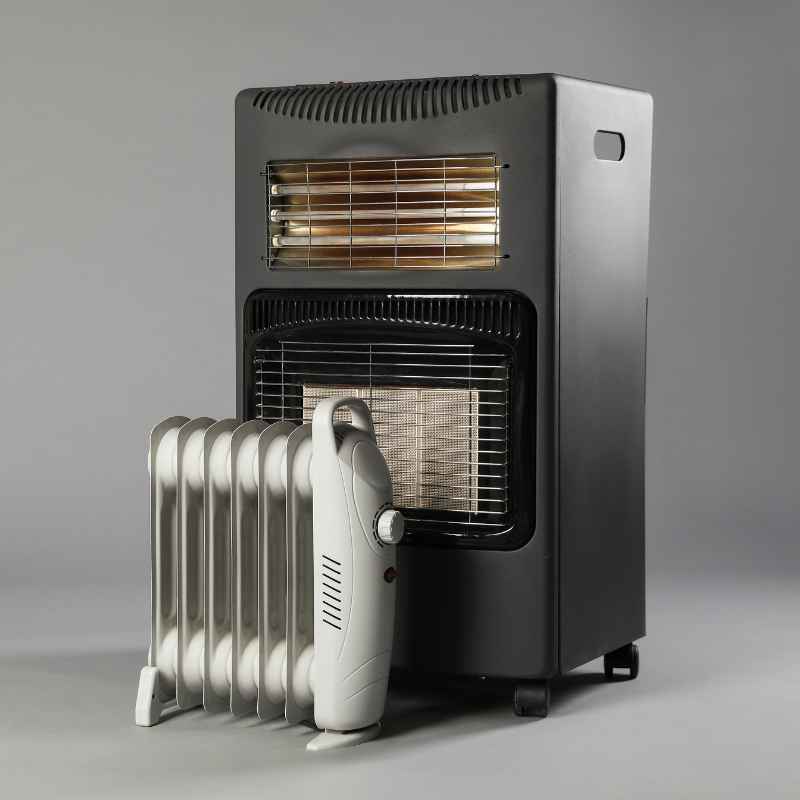
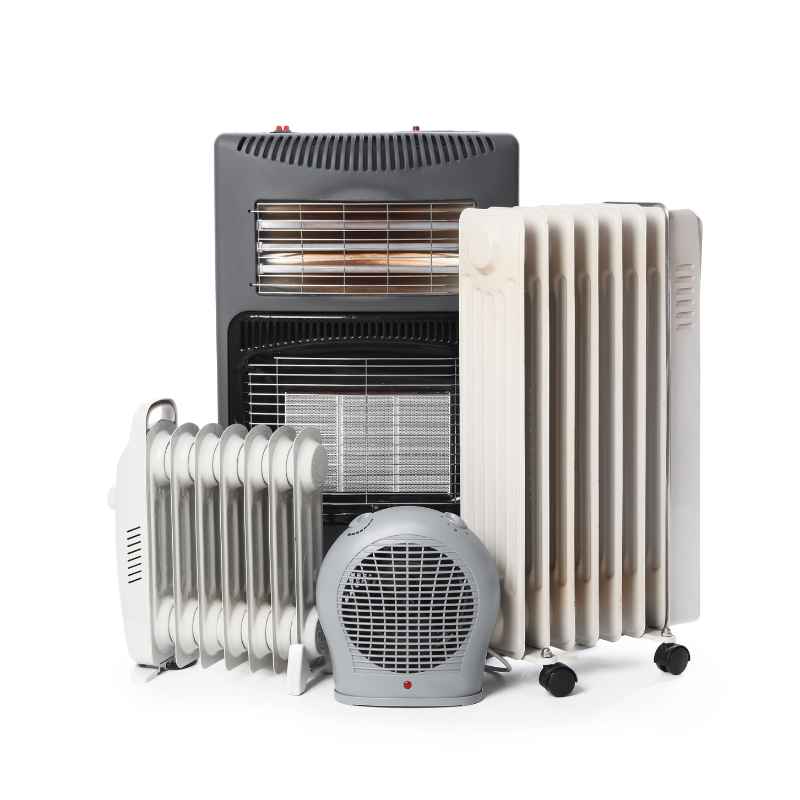
Let’s look at the main kinds of portable heaters. We have radiant heaters. We have convection heaters.
And we have fan heaters. Each has its own way of warming your room. Each also has good points and things to watch out for.
We’ll explore each one so you can see what fits best.
Radiant Heaters: Warming You Directly
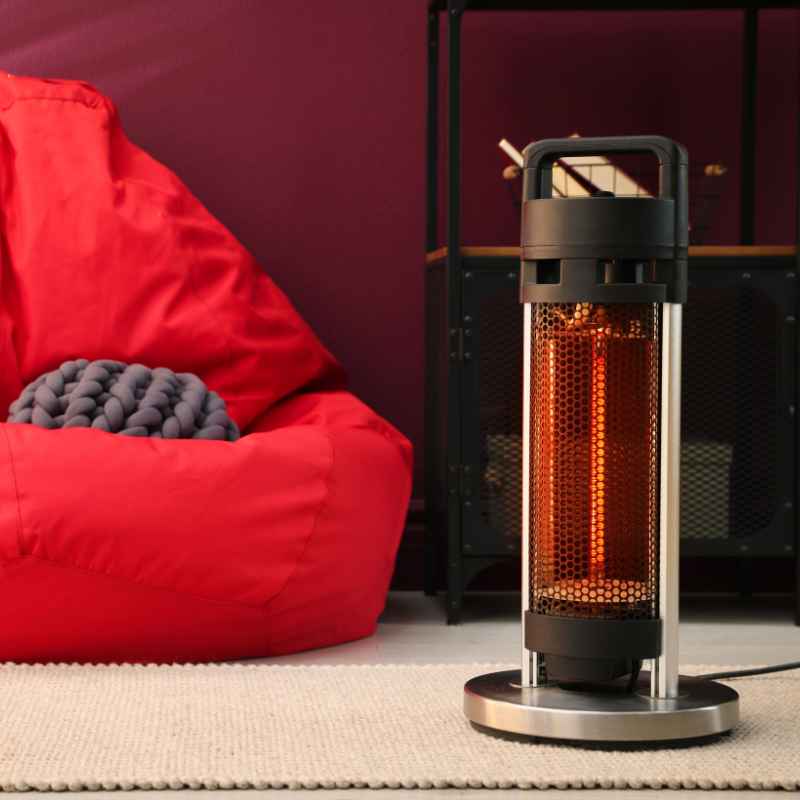
Radiant heaters are like the sun. They send out heat waves. These waves travel through the air.
When they hit a person or an object, they warm it up. This is like standing in a sunbeam. You feel warm right away.
The air itself doesn’t get super hot very fast. Instead, you feel the warmth on your skin.
These heaters are great for spot heating. This means warming a specific spot. Maybe you’re sitting in a chair.
You can point a radiant heater at yourself. You’ll feel warm quickly. They are also good for rooms that are drafty.
The heat doesn’t get lost as easily in the air. It goes straight to you.
Common types of radiant heaters include infrared heaters and quartz heaters. Infrared heaters use infrared radiation. Quartz heaters often use a quartz tube.
This tube gets very hot. It glows. This glow creates the heat waves.
They often have a reflective surface. This helps bounce the heat waves out into the room.
Radiant Heater Quick Facts
How they work: Emit heat waves (infrared radiation). They warm objects and people directly.
Best for: Spot heating, quick personal warmth, rooms with drafts.
Feel of heat: Intense, direct warmth on skin.
Speed: Very fast to feel warm.
Noise: Usually very quiet.
Think about a garage or a workshop. If you’re working at a bench, a radiant heater can keep you comfortable. You don’t need to heat the whole space.
You just need to warm yourself. This can save energy. However, if you move out of the direct path, you won’t feel as warm.
The heat isn’t spread throughout the room.
Another good use is on a patio on a cool evening. Many outdoor heaters are radiant. They warm you even when the air is a bit cool.
They are not as effective if there’s a strong wind. The wind can blow the heat waves away. So, indoor use is often best in a somewhat enclosed space.
Convection Heaters: Warming the Air
Convection heaters work differently. They heat the air around them. Then, this warm air rises.
It spreads through the room. As the warm air moves, it pushes the cooler air down. This cooler air then gets heated by the heater.
It’s a cycle. This process gently warms the whole room.
These heaters take a bit longer to warm up a room. But once the room is warm, the heat stays. It feels more even.
There are no hot spots. The heat is spread out. This makes them good for keeping a room at a steady temperature.
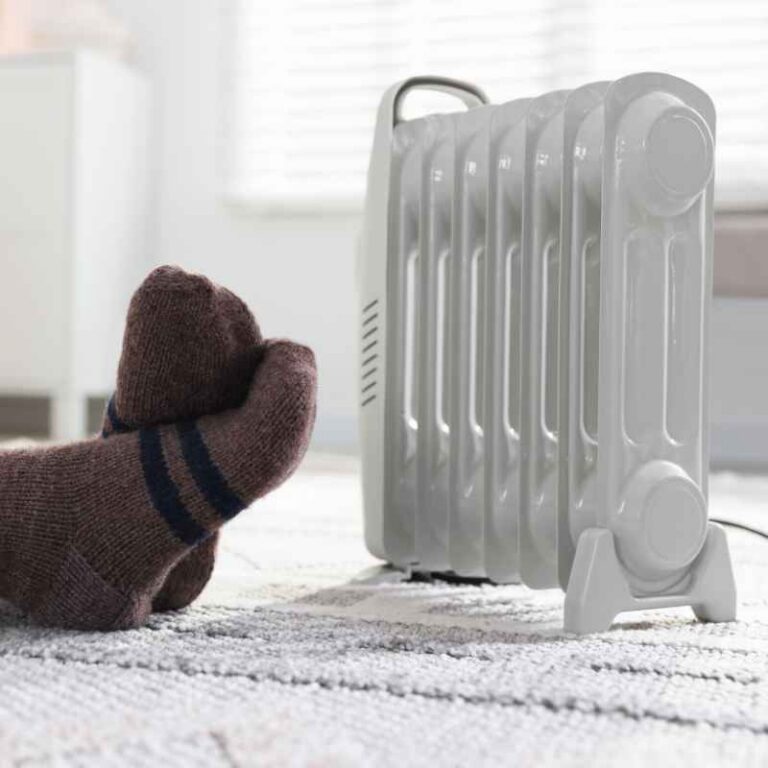
They are often called oil-filled radiators. But they don’t need oil. They have fins.
These fins increase the surface area. This helps the air move over the hot parts.
The gentle circulation of air can also be good. It doesn’t blow air around strongly. So, it can be less drying.
It also doesn’t stir up dust. This is a plus for people with allergies or asthma. The heat feels soft and even.
These heaters often have a thermostat. This lets you set a specific temperature. The heater will then turn on and off as needed.
This helps keep the room at that temperature without wasting energy. They are great for bedrooms or living rooms. You want a steady, comfortable warmth there.
Convection Heater Quick Facts
How they work: Heat the air. Warm air rises and circulates, heating the room.
Best for: Warming entire rooms evenly, maintaining steady temperatures.
Feel of heat: Gentle, even warmth throughout the space.
Speed: Slower to warm up a room, but provides lasting heat.
Noise: Very quiet; some may have gentle clicking as they heat up.
I remember a time when my old furnace broke in winter. The main part of the house was cold. I brought in an oil-filled convection heater.
I put it in the living room. It took about an hour to really feel the difference. But then, the whole room felt so cozy.
It was a soft, even warmth. I could read without feeling a draft. It saved me from a really uncomfortable few days.
These heaters are also good for spaces where you’ll be for a while. Like an office at home. You want to sit and work.
The steady, gentle heat keeps you comfortable. It doesn’t feel like a blast of hot air. It just makes the space feel pleasant.
You might want to let it run for a bit before you start your work.
Fan Heaters (Ceramic Heaters): Quick Air Movement
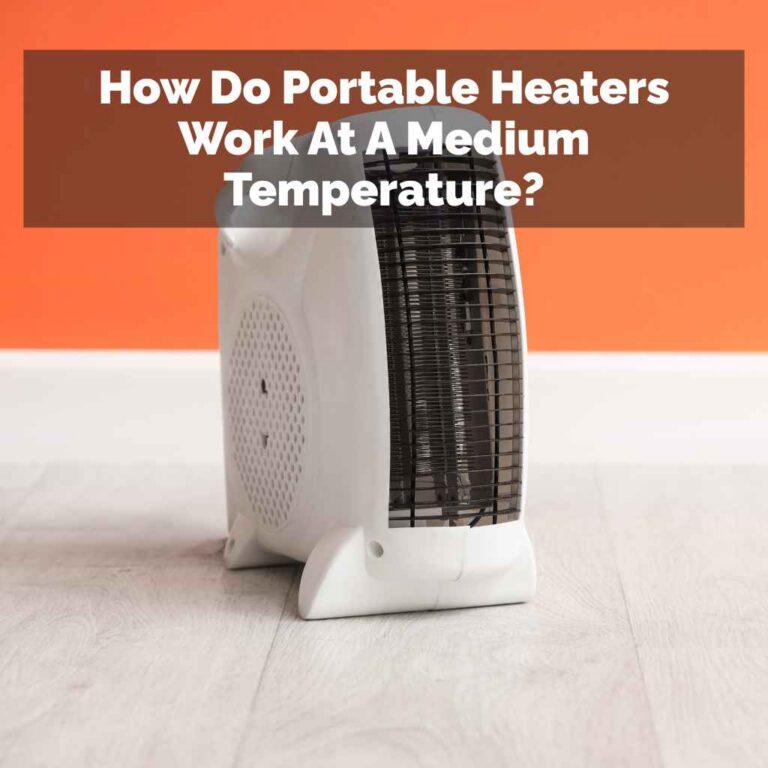
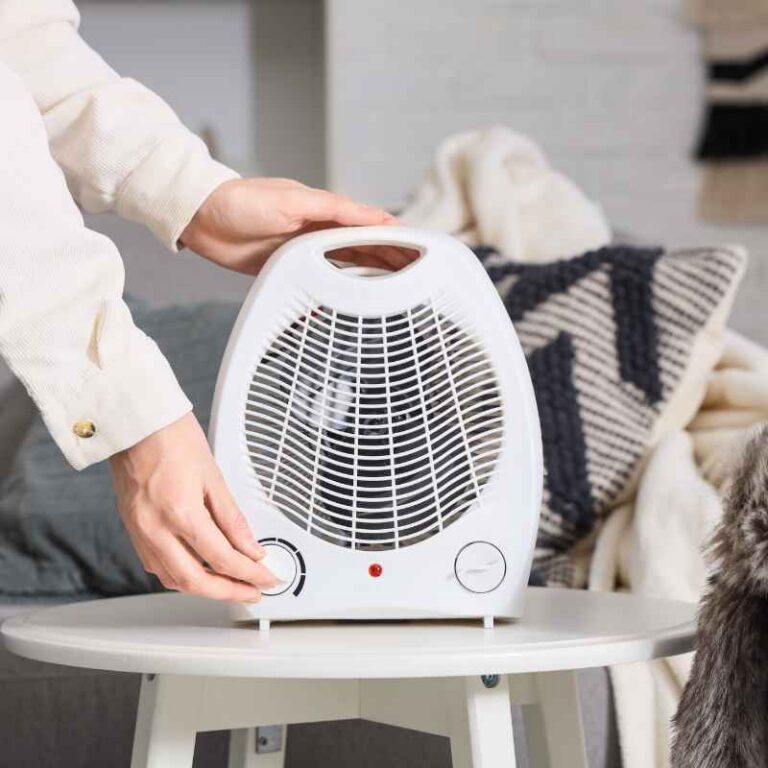
Fan heaters, often called ceramic heaters, use a fan. This fan blows air over a heated ceramic element. The ceramic gets hot.
The fan pushes this hot air out into the room. This method heats the air and spreads it quickly.
Because of the fan, these heaters warm up a room very fast. They are good if you need heat right away. They are also small and light.
This makes them very portable. You can easily move them from room to room.
The fan blowing air can be a downside for some. It can feel like a draft. It can also stir up dust.
If you have allergies, this might be something to consider. The heat can also feel a bit drier than other types. The fan pushes the warm air around.
Many fan heaters have a thermostat. They also have different heat settings. Some might have a “cool” setting.
This lets you use the fan without heat. That’s nice for a quick breeze in summer. They are a popular choice for small rooms.
Like bathrooms or small offices.
Fan Heater Quick Facts
How they work: A fan blows air over a hot ceramic element. This heats and circulates air quickly.
Best for: Quick heating of small to medium rooms, portable spot heating.
Feel of heat: Warm air blown out; can feel like a draft.
Speed: Very fast to feel warm.
Noise: Can be noisy due to the fan. May stir up dust.
I had a small upstairs bedroom that never stayed warm. In winter, it was freezing. I got a small ceramic fan heater.
It was amazing how fast it worked. Within minutes of turning it on, the room felt noticeably warmer. It was perfect for getting ready in the morning.
I’d turn it on while I got dressed. The room would be toasty by the time I needed to leave.
However, one thing I noticed was that if I forgot to turn it off, the room could get too hot. The fan kept pushing warm air. You have to be mindful of the temperature.
It’s great for when you need quick heat. But for steady, all-day warmth, it might not be the best choice. The noise of the fan can also be a bit much if you’re trying to relax or sleep.
Other Types of Portable Heaters
While radiant, convection, and fan heaters are the most common, there are a few other types you might see. These often combine features or use different heating methods.
Micathermic Heaters
Micathermic heaters combine radiant and convection heating. They have a thin, mica-based element. This element heats up.
It then radiates heat. But it also heats the air around it. This allows for both direct warmth and room heating.
They are often lightweight and can be quite efficient. They don’t typically have a fan, so they are quiet.
Micathermic Heater – Key Features
Heating Method: Combines radiant and convection heat.
Element: Mica-based element.
Benefits: Quiet operation, lightweight, dual heating effect.
Considerations: Can be more expensive than basic fan or radiant heaters.
Infrared Heaters (Patio/Whole Room)
We touched on infrared briefly. While many portable heaters are infrared, there are larger units. These are often called infrared patio heaters.
They use powerful infrared emitters. They are designed to warm outdoor spaces. Some are also designed for larger indoor spaces.
They provide a very direct, intense heat. They are very effective at warming people and objects. But they don’t heat the air much.
When looking at indoor infrared heaters, they can be quite efficient. They heat the area you are in. They don’t waste energy heating empty space.
They are often used in garages, workshops, or large living areas. The heat feels very pleasant. It’s like natural sunlight.
Propane or Kerosene Heaters
These are less common for indoor home use. They use fuel like propane or kerosene. They produce a lot of heat.
They are often used in construction sites or unheated garages. They require good ventilation. They produce carbon monoxide.
This is dangerous if not vented properly. For home use, electric heaters are much safer. Always check the safety guidelines.
Never use these indoors without proper venting.
In fact, the Consumer Product Safety Commission (CPSC) strongly warns against using unvented indoor space heaters. They can cause fires and health risks. Sticking to electric heaters for indoor home use is the safest bet.
Always prioritize safety when choosing a heater.
Choosing the Right Portable Heater for You
Now that we know the different types, how do you pick the best one? It depends on what you need the heater for. Think about these questions.
What Room Will You Heat?
A small bathroom might need a quick burst of heat. A fan heater or small radiant heater is good. A living room where you spend hours might need steady, even warmth.
A convection heater is better here. A workshop where you only work at a bench might need direct spot heating. A radiant heater is perfect.
Consider the size of the room. A powerful heater might be too much for a tiny space. It could make it too hot too quickly.
A small heater might not be enough for a large room. Always check the recommended room size for the heater. This is usually listed on the packaging or in the manual.
How Do You Want to Feel the Heat?
Do you want to feel warm right away on your skin? Or do you want the whole room to feel gently warm? Radiant heaters provide quick, direct warmth.
Convection heaters give gentle, even warmth. Fan heaters give fast, blown warm air.
Think about what bothers you. Do you hate drafts? Then a convection heater might be best.
Does noise bother you? Look for quiet convection heaters or micathermic ones. Do you have allergies?
Avoid fan heaters that stir up dust.
What Features Are Important?
Many heaters have thermostats. These help you set a desired temperature. They also help save energy.
Look for models with safety features. These are very important. Overheat protection is a must.
A tip-over switch is also good. This shuts off the heater if it falls over.
Energy efficiency is another factor. Some heaters use less electricity than others. Look for heaters with good energy ratings.
Consider the power cord length. Will it reach your outlet easily? Are there any special modes?
Like an eco mode or a timer?
Heater Feature Checklist
- Thermostat: For temperature control and energy saving.
- Overheat Protection: Shuts off if it gets too hot.
- Tip-Over Switch: Shuts off if the heater falls.
- Timer: To set when the heater turns on or off.
- Multiple Heat Settings: For adjusting warmth levels.
- Energy Efficiency Rating: To estimate running costs.
- Safety Certifications: Look for ETL or UL marks.
I once bought a heater without a thermostat. It felt like a mistake right away. It just kept blowing hot air.
I had to constantly turn it on and off myself. It was hard to keep the room at a comfortable temperature. And I worried about it running too much.
Having a thermostat is a big deal for comfort and efficiency.
Safety First: Always!
Safety is the most important thing. Portable heaters can be a fire hazard if not used correctly. Always read the manual.
Never leave a heater unattended. Keep them away from flammable materials like curtains, bedding, and paper. Make sure the cord isn’t frayed or damaged.
Children and pets need extra attention. Keep heaters out of reach. Make sure they can’t knock them over.
The surface of some heaters can get very hot. This can cause burns. Be aware of this, especially with radiant and some fan heaters.
Also, don’t use them in damp areas like bathrooms if they aren’t rated for it. Water and electricity are a dangerous mix. Check the heater’s rating.
Some are designed for bathrooms, but many are not.
Real-World Scenarios and Usage
Let’s think about where and why people use these heaters. This can help you see them in action.
Scenario 1: The Drafty Home Office
Imagine Sarah works from home. Her home office is in a corner room. It gets cold easily, especially by the window.
She needs to stay focused. She finds that a standard convection heater keeps the whole room too warm and feels stuffy after a while. She tried a small fan heater, but the noise is distracting.
What might work for Sarah? A micathermic heater could be a good choice. It provides both radiant warmth to her directly when she’s sitting at her desk, and also gently heats the air in the room.
It’s quiet, so it won’t disturb her work. She can set the thermostat to keep the room at a comfortable level all day.
Scenario 2: The Quick Bathroom Warm-Up
Tom needs a way to warm up his bathroom quickly in the morning. He doesn’t want to heat the whole house for just a few minutes of use. He’s worried about moisture and safety in a bathroom.
For Tom, a small, ceramic fan heater designed for bathrooms would be ideal. These are often splash-proof. They can be mounted on the wall or have a stable base.
He can turn it on when he enters the bathroom. The fan heats the air quickly. By the time he’s done, the room is warm.
He turns it off when he leaves. This is energy efficient and provides immediate comfort.
Scenario 3: The Cozy Reading Nook
Maria has a favorite armchair in a cooler part of her living room. She likes to curl up with a book. She doesn’t need to heat the whole living room.
She just wants to feel cozy in her chair.
A small, portable radiant heater would be perfect for Maria. She can place it nearby. It will warm her directly.
She’ll feel the warmth almost instantly. It’s energy efficient because it’s only heating her, not the whole room. She should make sure it has a tip-over switch and isn’t too close to her book or blankets.
Portable Heater Use Cases
Office: Steady, quiet warmth for focus. (Convection or Micathermic)
Bathroom: Quick, safe heat boost. (Specially rated fan heaters)
Living Room Nook: Direct warmth for relaxation. (Radiant heater)
Bedroom: Gentle, even warmth for sleep. (Convection heater)
Garage/Workshop: Spot heating for tasks. (Radiant or powerful fan heater)
What This Means for You: Normal vs. Concerning
When using a portable heater, it’s good to know what’s normal. And when something might be a red flag. It helps you stay safe.
Normal Heater Behavior
Warm Air Flow: Fan heaters will blow warm air. This is how they work. It might feel like a draft, but it’s just warm air circulating.
Heat Radiation: Radiant heaters will feel warm when you are in their direct line of sight. This warmth can be quite intense up close.
Gentle Room Warming: Convection heaters will slowly and gently increase the temperature of the air in the room. You might not feel it immediately, but the overall temperature will rise.
Thermostat Cycling: It’s normal for heaters with thermostats to turn on and off. This is how they maintain the set temperature. You might hear a click when they cycle.
Quiet Operation: Convection and micathermic heaters are usually very quiet. You might hear a slight hum or click, but they shouldn’t be loud.
Slight Odor (New Units): New heaters might have a faint smell the first few times they are used. This is usually oil or paint burning off. It should go away quickly.
When to Be Concerned
Strange Smells: If a heater starts to smell like burning plastic, rubber, or electrical wires, turn it off immediately. This could mean a serious problem.
Sparks or Smoke: Any sign of sparks or smoke coming from the heater is a major danger signal. Unplug it and do not use it again.
Loud Noises: Unusual grinding, rattling, or buzzing sounds from a heater, especially if it didn’t make them before, could mean internal damage.
Not Heating Properly: If a heater seems to be running but isn’t producing any heat, or much less heat than usual, it might be broken. This could be a heating element issue.
Overheating: If the heater feels excessively hot to the touch even when it’s not supposed to be, or if it’s constantly running without reaching the set temperature, there might be an issue with the thermostat or internal workings.
Visible Damage: If you see any cracks, dents, or damage to the casing, cord, or plug, stop using the heater. It could be unsafe.
I had a small electric heater that started making a loud buzzing noise. It was quite alarming. I unplugged it right away.
When I looked closely, I saw that the fan blade seemed a bit loose. I decided not to risk it and
Quick Tips for Using Portable Heaters Safely
Here are some simple tips to keep in mind. They help you get the most out of your heater. And stay safe while doing it.
- Placement is Key: Always place heaters on a flat, stable surface. Keep them at least three feet away from anything that can burn. This includes furniture, curtains, and bedding.
- Never Cover It: Do not cover the heater. This can cause it to overheat and start a fire.
- Unplug When Not in Use: When you’re not using the heater, or when you leave the room, unplug it. This saves energy and prevents accidents.
- Check the Cord: Regularly inspect the power cord and plug for any damage. If you see any fraying or damage, stop using the heater.
- Use Correct Outlets: Plug heaters directly into wall outlets. Avoid using extension cords. If you must use one, ensure it’s heavy-duty and rated for the heater’s wattage.
- Supervise Children and Pets: Always keep an eye on children and pets around portable heaters. Ensure they cannot touch or knock them over.
- Know Your Heater Type: Understand how your specific heater works. Use it for its intended purpose. Don’t try to use a bathroom heater in a bedroom, for example.
- Clean It Periodically: Dust can build up on the heating elements or filters. This can reduce efficiency and be a fire hazard. Clean your heater according to the manufacturer’s instructions.
- Ventilation Matters: While most electric heaters don’t produce fumes, good ventilation is still important for air quality.
- Test Safety Features: Periodically test the tip-over switch and overheat protection if your heater has them.
Frequently Asked Questions About Portable Heaters
Are portable heaters safe to use in bedrooms?
Yes, portable heaters can be safe in bedrooms if used correctly. Look for models with safety features like tip-over switches and overheat protection. Always keep them at a safe distance from bedding and curtains.
Never leave them running while you sleep unless the unit is specifically designed and certified for such use and you follow all instructions.
How much electricity do portable heaters use?
The amount of electricity used depends on the heater’s wattage and how long it runs. Higher wattage heaters use more power. A typical 1500-watt heater running for an hour will use 1.5 kilowatt-hours (kWh).
Check your local electricity rates to estimate costs. Using thermostats and timers can help reduce energy consumption.
Can I use a portable heater as my primary heat source?
Portable heaters are generally best for supplemental or spot heating. They can be expensive to run as a primary heat source for an entire home, especially a large one. They are most efficient when used to warm a specific room or area you are currently using, rather than trying to heat your whole house.
What is the difference between infrared and ceramic heaters?
Infrared heaters work by emitting radiant heat waves that warm objects and people directly. Ceramic heaters (a type of fan heater) use a fan to blow air over a hot ceramic element, heating the air and circulating it. Infrared provides direct warmth, while ceramic heats the air more generally and quickly.
Are oil-filled radiators safe to use around children and pets?
Oil-filled radiators (a type of convection heater) are generally safe. They heat up slowly and their surfaces don’t get as intensely hot as some other types of heaters. However, they can still become warm enough to cause discomfort if touched for too long.
Always keep them a safe distance from children and pets, and ensure they are stable and won’t tip over.
How often should I clean my portable heater?
You should clean your portable heater at least once a year, typically before the heating season begins. If you notice a significant amount of dust accumulation or a decrease in performance, you may need to clean it more often. Always unplug the heater and let it cool completely before cleaning.
Refer to your owner’s manual for specific cleaning instructions.
Conclusion
Finding the right portable heater can make a big difference in your comfort. By understanding radiant, convection, and fan heaters, you can choose one that fits your needs. Always put safety first.
Check for good features. And use your heater wisely. You’ll be warmer and cozier in no time.
Stay warm and safe!
Sponsored / affiliate links. As an Amazon Associate I earn from qualifying purchases. I may earn additional commission from eligible campaigns.