Is It Cheaper To Use A Portable Heater Than Central Heat?
This article dives deep into that question. We will look at the real costs. We will compare how much energy they use.
You’ll learn when a portable heater can be a smart choice. We’ll also talk about when it might not be the best option for your home.
Portable heaters can be cheaper than central heat for spot heating specific rooms or when used for short periods. However, they are generally not a cost-effective replacement for whole-house heating, as their efficiency depends heavily on usage patterns, room size, insulation, and electricity rates compared to natural gas or other central heating fuels.
Portable Heaters vs. Central Heat: The Cost Breakdown
Let’s break down the costs involved. Central heating systems use fuel like natural gas, propane, oil, or electricity. These systems warm up your entire home.
This means even empty rooms get heated. The furnace or boiler works to keep the whole house at a set temperature.
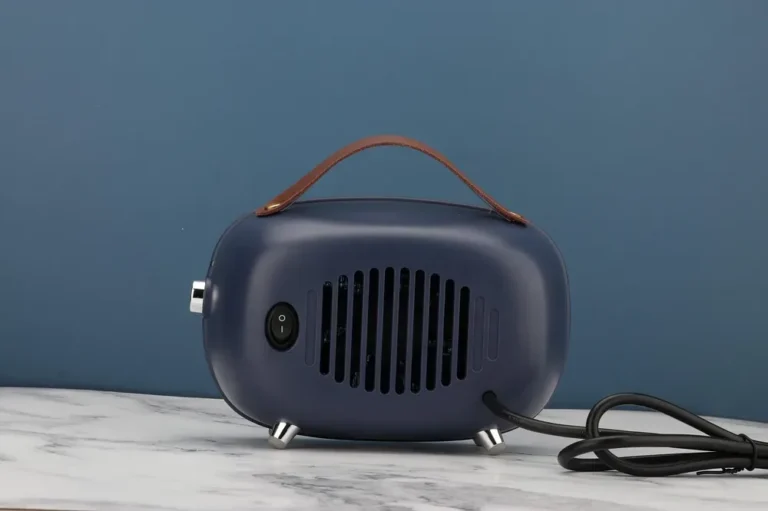
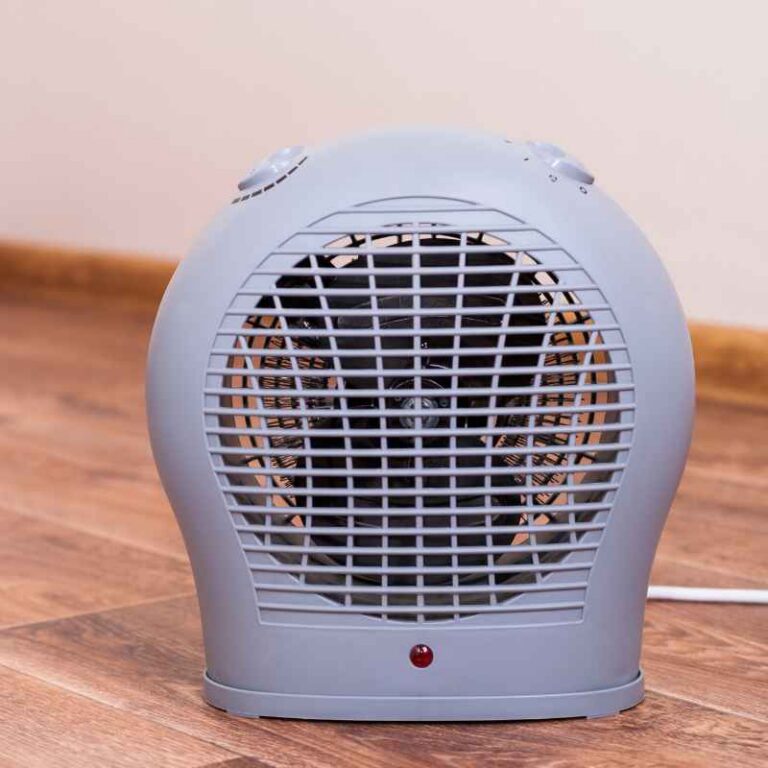
Portable heaters use electricity. They are designed to warm a smaller space. This could be a bedroom, a home office, or a living room.
The idea is to only heat the area where you are. This sounds like it should save money, right? We need to look closer at how they use energy.
Understanding Energy Use: Watts, BTU, and Kilowatt-Hours
To compare costs, we need to understand energy units. Portable heaters are rated in watts. This shows how much power they draw.
A common portable heater might use 1500 watts. This is a lot of power. Central heating systems are often rated in BTUs (British Thermal Units).
This measures heat output. A furnace might produce 50,000 BTUs per hour.
When you pay your electricity bill, you are paying for kilowatt-hours (kWh). One kilowatt-hour is 1000 watts used for one hour. If a 1500-watt heater runs for one hour, it uses 1.5 kWh.
Electricity prices vary by location. In the U.S., prices can range from about $0.10 to $0.40 per kWh.
Natural gas is often measured in therms. A therm is about 100,000 BTUs. Gas prices are usually lower per unit of heat than electricity.
This is a big factor in why central heating can be cheaper overall.
The “Spot Heating” Advantage
The main selling point for portable heaters is “spot heating.” Imagine you spend most of your day in your home office. Your central heating might keep the whole house at 70 degrees Fahrenheit. But if you only need your office warm, heating the rest of the house seems wasteful.
With a portable heater, you can set it to keep just your office at a comfortable temperature. This could be 72 degrees Fahrenheit. The rest of the house can be set lower, say 65 degrees Fahrenheit.
This saves energy because the central system doesn’t have to work as hard to heat the whole house.
I remember a time when I worked from home a lot. My office was on the north side of the house. It was always colder there.
Instead of turning up the main thermostat for the whole house, I got a small electric heater for my office. I set it to a timer. It would turn on about 30 minutes before I started work and turn off an hour after I finished.
It made a huge difference in my comfort and I felt like I was saving money.
When Portable Heaters Shine: Practical Scenarios
Portable electric heaters are great for specific situations. They are perfect for rooms that don’t get enough heat from the central system. Some older homes have poor insulation.
Or certain rooms might be far from the main furnace. A portable heater can provide that extra boost of warmth where you need it most.
They are also useful for adding comfort during shoulder seasons. In the fall or spring, it might not be cold enough to turn on the central heating all day. But a cool evening can be uncomfortable.
A small space heater can quickly warm up a living room for a few hours. This avoids running the entire system.
Consider a basement or garage that you use for hobbies. These areas are often unheated. A portable heater can make them usable during colder months.
Just be sure to follow safety guidelines. Never leave them running unattended. Ensure good ventilation.
Quick Scan: Portable Heater Use Cases
When They Are Likely Cheaper:
- Heating one small room for a few hours.
- Supplementing a drafty or poorly heated room.
- Temporary heating during shoulder seasons (fall/spring).
- Heating unused spaces like a workshop or basement.
When They Are Likely More Expensive:
- Heating multiple rooms or the whole house.
- Running them all day and night.
- As a primary heat source in a cold climate.
- In poorly insulated homes where heat escapes quickly.
The Downside: High Wattage and Electricity Costs
Here’s the catch. While portable heaters offer focused warmth, they use electricity. And electricity, especially for heating, can be expensive.
Many portable heaters draw 1500 watts. This is close to the limit for a standard U.S. electrical outlet.
Running a 1500-watt heater for 10 hours a day would use 15 kWh.
If your electricity costs $0.15 per kWh, that’s $2.25 per day. Over a month, that’s about $67.50. This is just for one room.
Now compare this to natural gas. If natural gas costs $1.50 per therm, and a therm provides 100,000 BTUs, heating your whole house might cost less than running that single space heater all the time.
For example, a central furnace might use 50,000 BTUs per hour. If it runs for 6 hours a day and uses 1 therm of gas (which is about 100,000 BTUs), you are using 0.5 therms per day. At $1.50 per therm, that’s $0.75 per day for heating your whole house.
This is significantly less than the electric heater.
The key is the fuel source. Natural gas is generally much cheaper per unit of heat than electricity. So, when your central heating uses gas, it’s often more economical for whole-house heating.
The Importance of Insulation and Drafts
How well your home is insulated plays a massive role. If your home is well-insulated, your central heating system doesn’t need to run as much. It can maintain a comfortable temperature efficiently.
In such a home, a portable heater might not offer significant savings because the central system is already working well.
On the other hand, if your home has poor insulation, heat escapes quickly. This makes your central heating work overtime. Drafts around windows and doors let cold air in and warm air out.
In this scenario, a portable heater might feel like a relief. However, it’s still battling the constant loss of heat.
In a poorly insulated house, running a portable heater might still use a lot of electricity. The heat it produces escapes just as fast as the heat from your central system. It might be cheaper to fix the insulation and drafts first.
This helps both your central heating and any portable heaters you use.
Myth vs. Reality: Portable Heater Savings
Myth: Portable heaters are always cheaper because they only heat one room.
Reality: They can be cheaper for spot heating, but their high electricity usage means they can be very expensive if used for extended periods or to heat larger spaces. The cost per unit of heat from electricity is often higher than from natural gas.
Myth: You can save money by turning down your central heat and using a space heater.
Reality: This is only true if you drastically lower the thermostat on your central system and only use the space heater for a short time in a small, well-defined area. If you only lower it a few degrees, the savings from central heat might be less than the cost of running the space heater.
Types of Portable Heaters and Their Efficiency
Not all portable heaters are the same. Understanding the types can help you make a better choice. The most common types are:
Ceramic Heaters: These use a ceramic plate to heat air. They are good for quickly warming small to medium rooms. They often have fans to circulate the warm air.
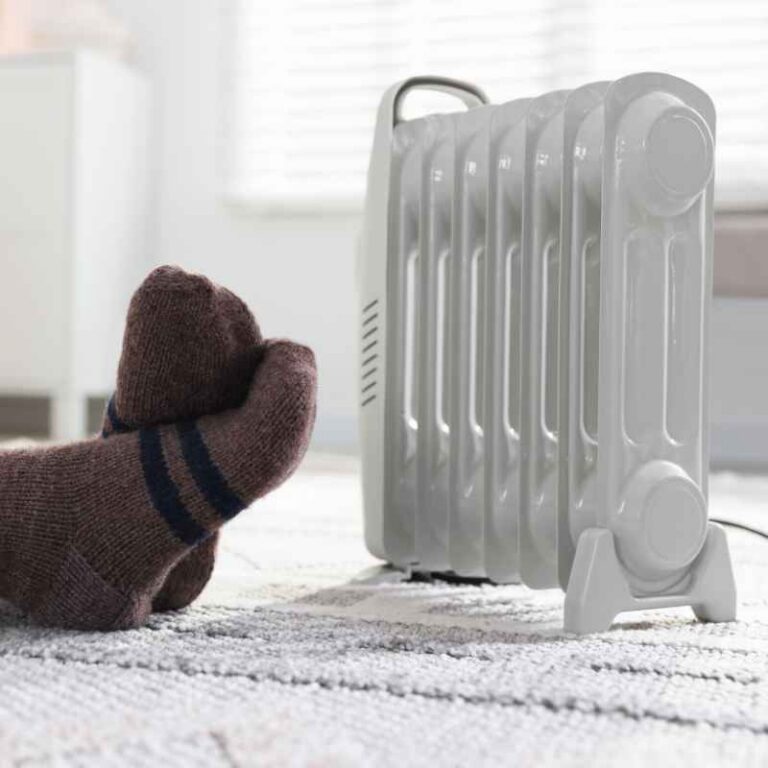
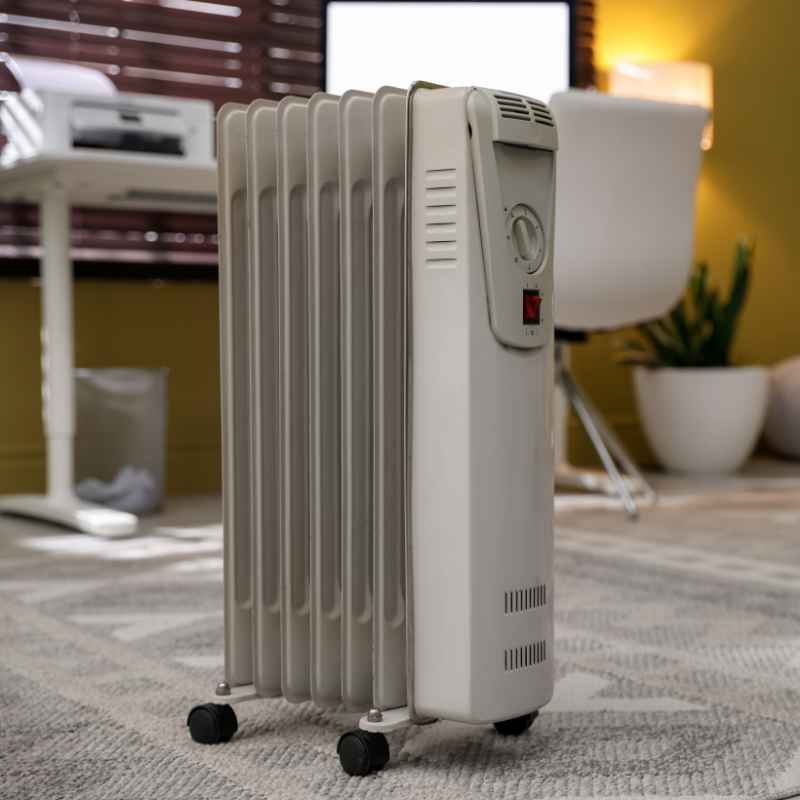
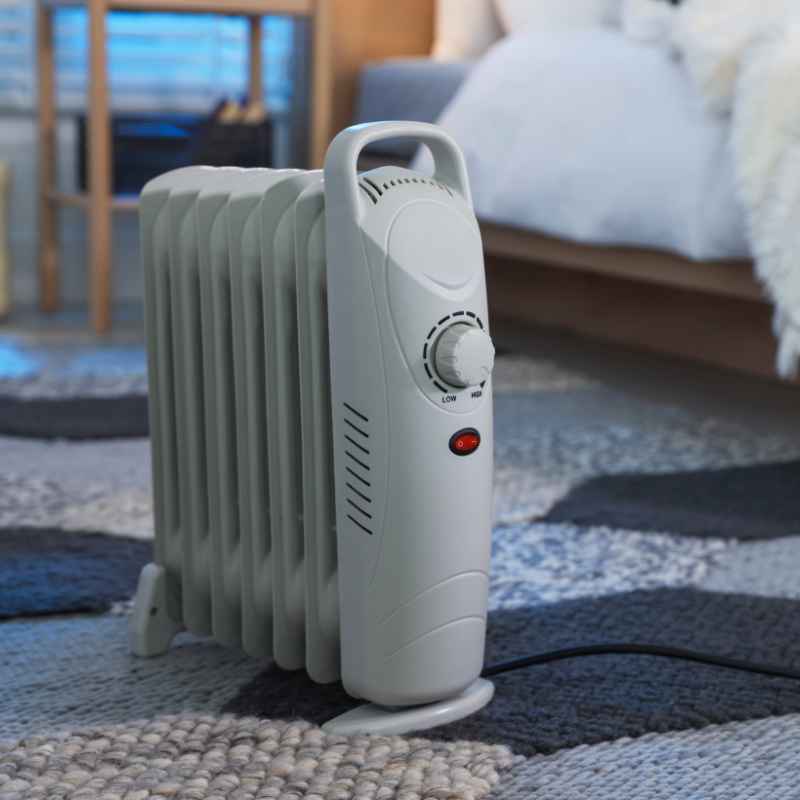
Oil-Filled Radiators: These look like old-fashioned radiators. They are filled with oil that heats up. They provide a more steady, gentle heat.
They take longer to warm up but retain heat well. They are quiet and do not have fans.
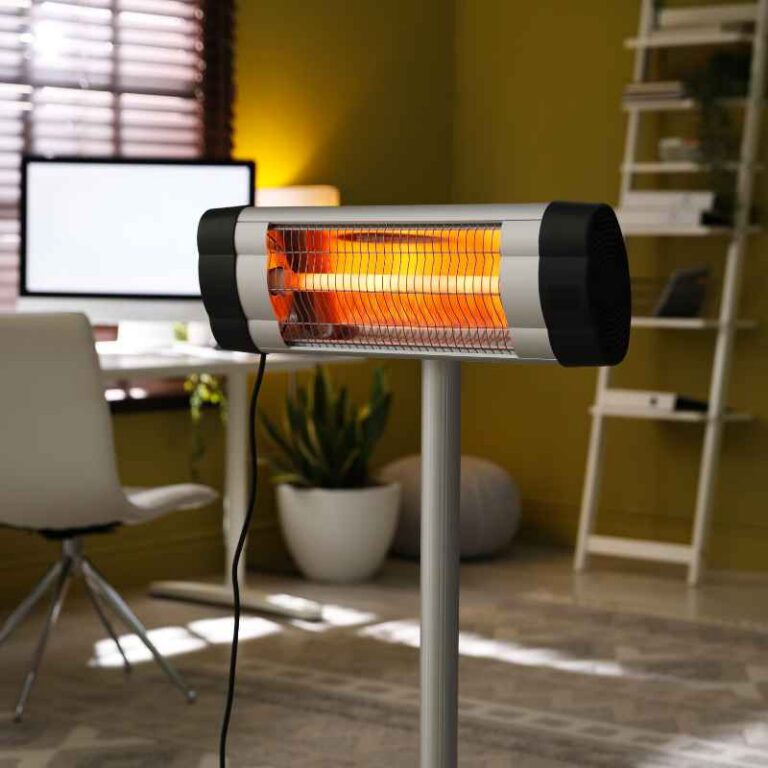
Infrared Heaters: These emit infrared radiation to heat objects and people directly. They don’t heat the air as much. This makes them feel warm even if the room air is cooler.
They are efficient for personal warmth.
Convection Heaters: These heat the air around them. The warm air then rises and circulates. They are good for maintaining a temperature in a room.
Regardless of type, most electric portable heaters have a similar energy draw (around 1500 watts). Their efficiency in heating a space depends more on how they distribute heat and how well the space is insulated, not their energy conversion (which is close to 100% for electric resistance heating).
The real difference in cost comes from the price of electricity versus other fuels and how long you run them.
When Central Heat is Likely More Cost-Effective
For most American homes, central heating is designed to be the most cost-effective way to heat the entire living space. Especially if your central system runs on natural gas, propane, or oil, these fuels are often cheaper per BTU than electricity.
If you live in a region with very cold winters, your central heating system is likely sized to handle the extreme temperatures. Relying solely on portable electric heaters in such a climate would be prohibitively expensive. Imagine trying to heat a 2000 sq ft house with multiple 1500-watt heaters!
Also, consider the wear and tear on your home’s electrical system. Running multiple high-wattage heaters could potentially overload circuits if not managed carefully. Central heating systems are designed for continuous operation.
My aunt lives in Minnesota. Her house is older but well-insulated. She only uses her gas furnace.
She keeps her thermostat at 68°F. On really cold days, she might have it at 70°F. She says she never considered space heaters.
She figured it would be a nightmare to keep the whole house warm with those. Her gas bills are high in winter, but she knows it’s cheaper than running electric heaters for her whole house.
Portable Heater Checklist: Are They Right For You?
Ask Yourself:
- What size is the room? Small rooms work best.
- How long will I use it? Short periods (a few hours) are more cost-effective.
- What is my fuel source for central heat? Natural gas is usually cheaper than electricity.
- How well is my home insulated? Poor insulation makes any heating less efficient.
- What are my local electricity rates? High rates make electric heaters more expensive.
Safety First: Using Portable Heaters Responsibly
It’s vital to use portable heaters safely. They are a leading cause of home fires. Always follow the manufacturer’s instructions.
Keep them clear of flammable materials. This includes furniture, curtains, bedding, and paper. Aim for at least 3 feet of clear space around the heater.
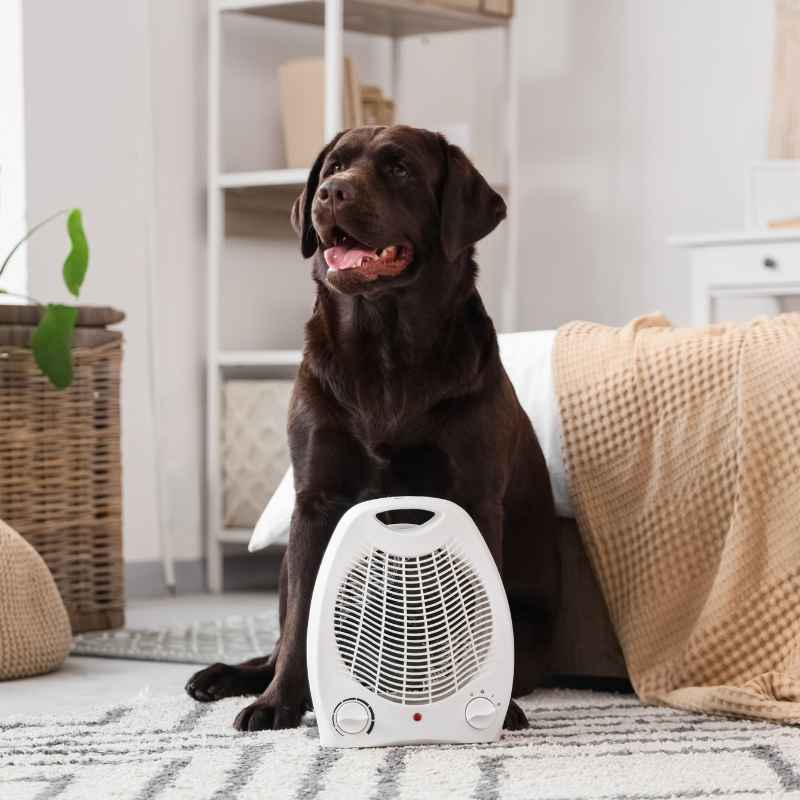
Never leave them unattended. If you leave the room, turn it off. Don’t let children or pets play with them. Some modern heaters have safety features like tip-over switches and overheat protection.
These are good to look for.
Plug them directly into the wall. Do not use extension cords or power strips. These can overheat and cause fires. Ensure the outlet is properly grounded and in good condition.
Check the cord and plug regularly. If they are damaged, do not use the heater. Have it repaired or replaced.
Use them in well-ventilated areas. This is especially important for older models or if you are concerned about air quality. Some heaters can dry out the air.
Don’t use them in bathrooms or other damp areas. Water and electricity are a dangerous mix.
The U.S. Fire Administration (USFA) reports that portable heaters are involved in about 20,000 home fires each year. These fires cause hundreds of deaths and injuries.
Being aware and careful is crucial.
Energy Efficiency Tips for Both Systems
Whether you use central heat or portable heaters, or a combination, you can save energy. Making your home more energy-efficient is key.
Seal air leaks. Check around windows, doors, electrical outlets, and where pipes enter your home. Use caulk and weatherstripping to seal them. This is a low-cost way to make a big difference.
Improve insulation. Add insulation to your attic, walls, and crawl spaces. This keeps heat inside during winter and outside during summer.
Use a programmable or smart thermostat. Set it to lower the temperature when you are asleep or away from home. This can save a lot on heating bills. Smart thermostats learn your habits and can be controlled remotely.
Maintain your central heating system. Get it serviced annually by a professional. Change air filters regularly. A well-maintained system runs more efficiently.
Close curtains and blinds at night. This adds an extra layer of insulation to your windows. Open them during the day on sunny sides of the house to let in solar heat.
Use fans strategically. In winter, ceiling fans can push warm air that rises back down into the room. Ensure they are set to rotate clockwise at a low speed.
Dress warmer indoors. Wearing sweaters, socks, and slippers can allow you to set your thermostat a few degrees lower and still be comfortable.
Portable Heater vs. Central Heat: Quick Comparison
Feature | Portable Heater | Central Heat
Primary Use | Spot heating | Whole-house heating
Energy Source | Electricity | Gas, Oil, Propane, Electricity
Cost per BTU | Higher (for electric) | Lower (often for gas)
Installation | None | Professional installation
Control | Room-specific | Whole-house thermostat
Safety Risk | Higher (fire risk) | Lower (if maintained)
Efficiency | High for intended use | High for whole-house
What This Means for Your Home Heating Decisions
So, is it cheaper to use a portable heater than central heat? The answer is: it depends.
For quick, temporary warmth in a single, small room, a portable heater can be cheaper. It allows you to avoid heating unused parts of your home with your central system.
However, if you need to heat multiple rooms or your entire house, or if you live in a very cold climate, your central heating system is almost certainly more cost-effective, especially if it uses natural gas. The high cost of electricity for heating can quickly outweigh the perceived savings of spot heating.
Think about your daily routine. Where do you spend most of your time? Can you get away with lowering the central thermostat significantly in unused areas?
If so, a portable heater for your main living space might make sense for a few hours a day.
Consider the long-term. Investing in better insulation and sealing air leaks will provide savings for both your central system and any portable heaters you might use. It makes all your heating efforts more effective.
When to Worry: Red Flags for Heating Costs
It’s good to be mindful of your heating expenses. You might be overpaying if:
Your energy bills are much higher than last year. Even with similar weather, a significant jump could mean your system isn’t running efficiently or there’s a hidden problem.
You constantly feel cold in rooms heated by your central system. This could point to poor insulation, leaks, or an undersized or malfunctioning furnace.
Your portable heater runs constantly. If you find yourself needing to keep it on all day, it’s likely not an efficient solution for that space, and you might be spending a lot on electricity.
Your furnace makes strange noises or cycles on and off frequently. This indicates it might be working too hard or about to break down.
If you notice these signs, it’s wise to consult with an HVAC professional. They can assess your system and home for potential improvements.
Quick Tips for Smart Heating
Here are some easy steps to take:
- Lower your thermostat by 7-10 degrees for 8 hours a day (while sleeping or away).
- Use a timer on your portable heater to limit its run time.
- Close doors to rooms you are not using to keep heat where you need it.
- Clean or replace furnace filters monthly during heating season.
- Check for drafts around windows and doors and seal them.
Frequently Asked Questions About Portable Heaters
Are ceramic portable heaters efficient?
Ceramic heaters are efficient at converting electricity into heat. However, like all electric resistance heaters, they use a lot of power. Their “efficiency” is about how quickly they heat a small space, not about saving energy compared to other heating methods in the long run.
Can I run two portable heaters at once?
You can run two portable heaters, but you must be careful. Make sure the electrical circuits they are plugged into can handle the load. Many portable heaters use 1500 watts.
Two heaters would be 3000 watts. Avoid plugging them into the same circuit, as this can trip a breaker or cause a fire hazard.
Is it safe to leave a portable heater on overnight?
It is generally not recommended to leave portable heaters running unattended, especially overnight. While modern heaters have safety features, the risk of fire is still present. Always turn them off when you are not in the room or when you go to sleep.
How much does it cost to run a 1500-watt heater for 24 hours?
To calculate this, you need your local electricity rate. For example, if electricity costs $0.15 per kWh, a 1500-watt heater (1.5 kW) running for 24 hours would use 1.5 kW 24 hours = 36 kWh. The cost would be 36 kWh $0.15/kWh = $5.40 per day.
Should I use a portable heater instead of turning up my central heat?
This depends on the situation. If you only need to heat one small room for a few hours, it can be cheaper. If you need to heat a larger area or keep a consistent temperature for a long time, central heat is usually more cost-effective, especially if it uses a cheaper fuel like natural gas.
What is the cheapest way to heat a single room?
The cheapest way often involves minimizing heat loss first. Seal drafts and add insulation. Then, consider a well-insulated space heater used for short periods.
If your central heat is very efficient and uses a cheap fuel, using that with a lower thermostat setting might still be cheaper than electric resistance heating.
Conclusion: Making the Smart Choice for Your Comfort and Wallet
Deciding between portable heaters and central heat is about understanding your needs. Portable heaters offer flexibility for targeted warmth. They can save money if used correctly in specific scenarios.
However, their reliance on electricity means they can become expensive quickly. Central heating remains the workhorse for keeping your entire home comfortable, especially with cheaper fuel sources.
Focus on making your home as energy-efficient as possible. This will maximize the benefit of whatever heating system you use. By making informed choices, you can stay warm and save money.
Sponsored / affiliate links. As an Amazon Associate I earn from qualifying purchases. I may earn additional commission from eligible campaigns.