What Are The Safest Portable Heaters You Can Buy Today?
It’s that time of year again. The air outside is crisp, and you’re looking for a cozy way to warm up your living space. But with so many portable heaters out there, how do you pick one that’s safe?
You want that nice, warm feeling, not a worry about fire hazards or other dangers. It’s a common concern, and finding clear, trustworthy information can feel like a chore. Let’s sort through it together and find heaters that keep you warm and safe.
The safest portable heaters balance effective warming with strong safety features like tip-over protection, overheat shut-off, and cool-touch exteriors. When choosing, prioritize models from reputable brands that clearly list their safety certifications and offer controls for temperature and timers. Always follow manufacturer guidelines for placement and use.
Understanding Portable Heater Safety
Portable heaters are wonderful for adding extra warmth. They let you heat just one room. This saves energy. But not all heaters are made the same. Some have features that make them safer than others. Thinking about these features is key. It’s about more than just getting hot air.
How Heaters Work Safely
Many heaters use electricity. They turn this into heat. Different types do this in different ways. Some use a fan to blow air over a hot element. Others use radiant heat. This is like the sun’s warmth. The safest ones have built-in checks. These checks prevent problems. They make sure the heater doesn’t get too hot. They also stop it if it falls over.
Why Safety Features Matter So Much
Imagine a heater that gets too hot. It could scorch nearby items. Or worse, start a fire. A heater that tips over could also be dangerous. It might spill hot oil or expose hot parts. Safety features act like a shield. They protect your home and family. They give you peace of mind. You can relax knowing the heater is working safely.
Types of Safe Portable Heaters
There are several kinds of portable heaters. Each has its own way of heating. Some are known for being safer.
Ceramic Heaters: A Popular Choice
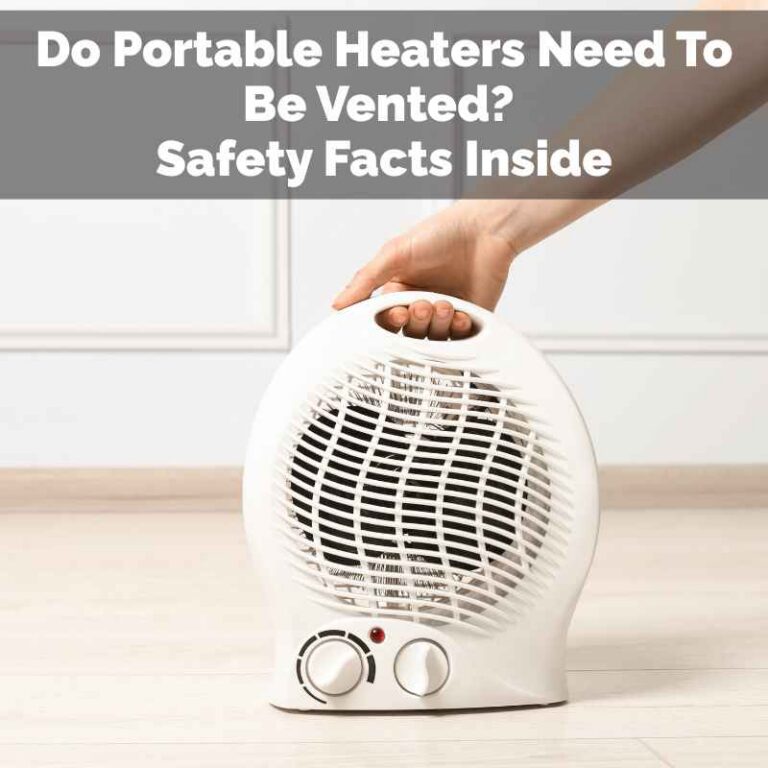
Ceramic heaters are very common. They use a ceramic plate. This plate heats up. A fan then blows air over it. This warmed air spreads into the room.
Cool-Touch Exterior: Many ceramic models have a cool-touch casing. This means the outside stays safe to touch. It reduces burn risks.
Fast Heating: They heat up quickly. This is great for warming a space fast.
Good for Medium Rooms: They work well in bedrooms and living rooms.
Oil-Filled Radiators: Steady Warmth
These heaters look like old-fashioned radiators. They have metal fins. Inside, there is oil. The heater warms the oil. The oil then heats the fins. The fins give off steady heat.
Quiet Operation: They are very quiet. There’s no fan noise.
Even Heat: They provide a gentle, even heat. This feels very comfortable.
No Open Coils: There are no exposed hot coils. This makes them a safer option. They are also usually very stable.
Infrared Heaters: Direct Heat
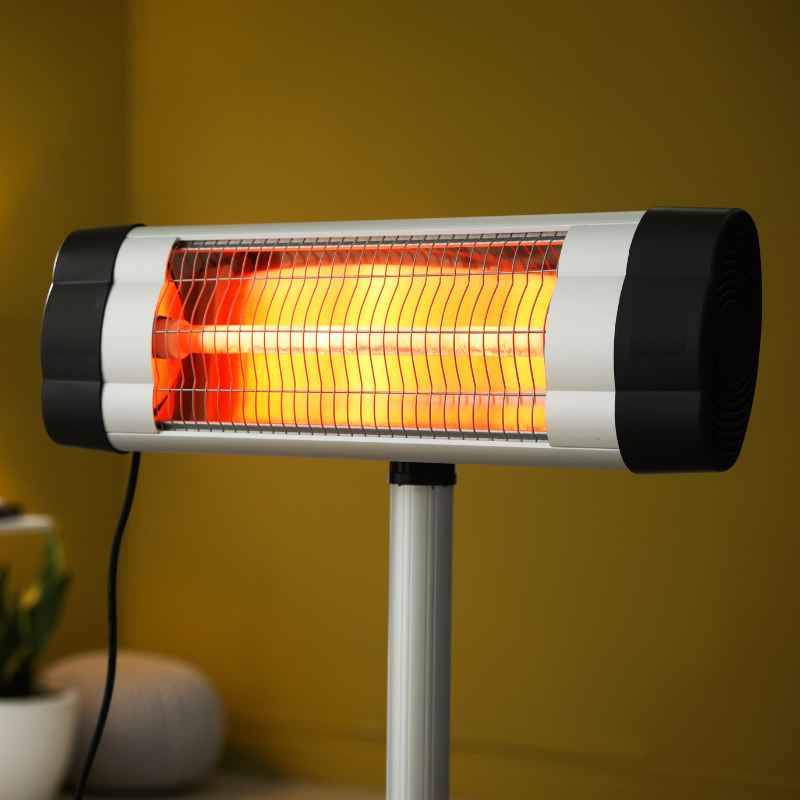
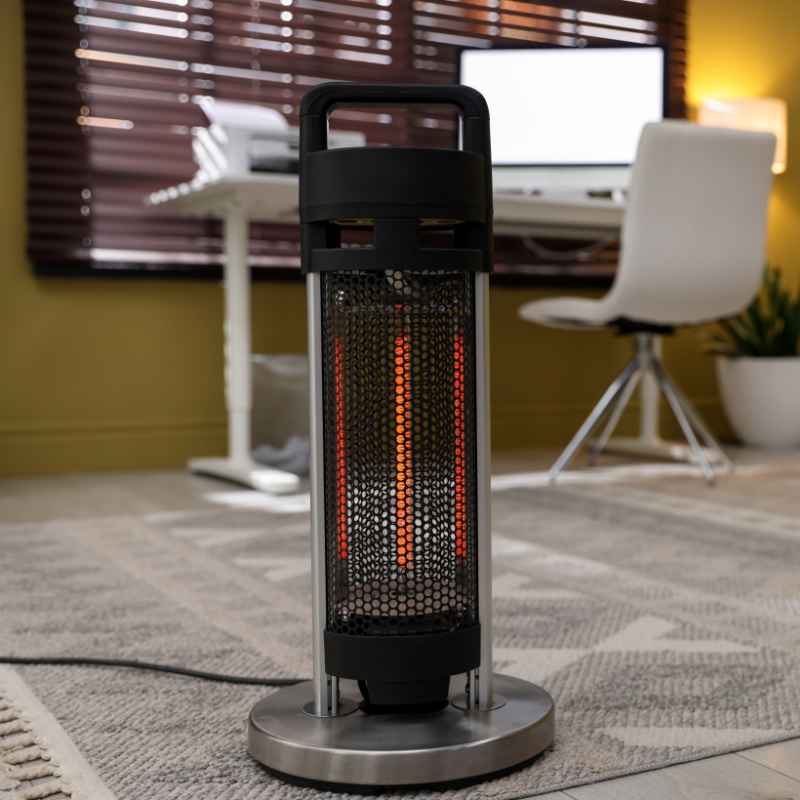
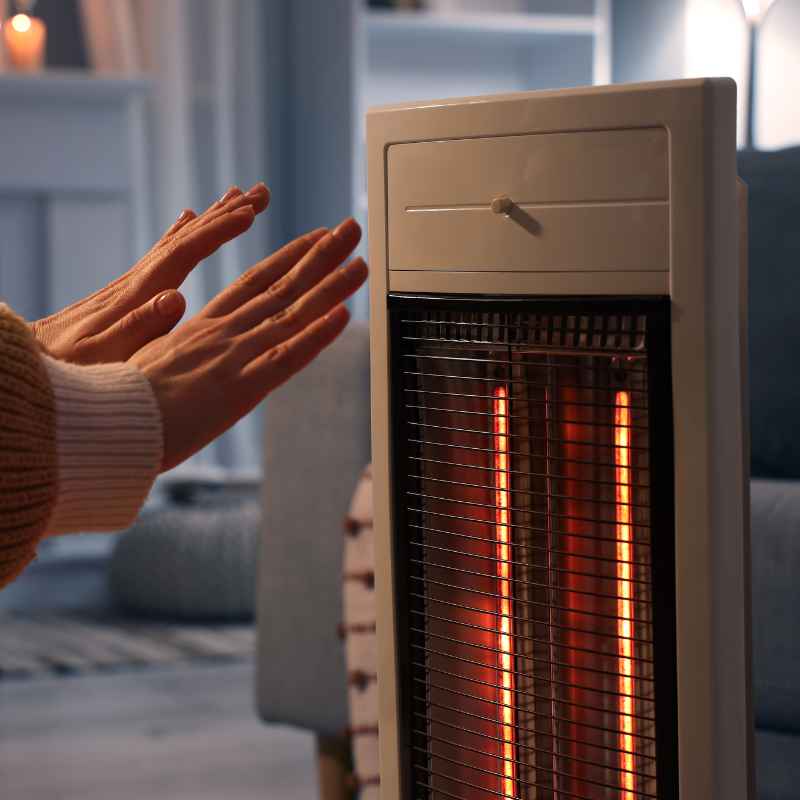
Infrared heaters work a bit like the sun. They give off radiant heat. This heat warms objects directly. It doesn’t heat the air first.
Safe for Pets and Kids: The heating elements are often behind a grill. This makes them safer. They don’t dry out the air as much.
Energy Efficient: They can be energy efficient. You feel warm faster.
Noiseless: They are completely silent.
Convection Heaters: Gentle Airflow
Convection heaters warm the air. The air then moves around the room. They often have a thermostat. This keeps the room at a set temperature.
Consistent Temperature: They are good at maintaining a steady warmth.
Safe Design: Many have enclosed heating elements. This adds to their safety.
Heater Safety Checklist
Tip-Over Protection: Automatically shuts off if the heater falls.
Overheat Shut-Off: Stops the heater if it gets too hot.
Cool-Touch Casing: The outside stays cooler. Reduces burn risk.
Child Lock: Prevents accidental changes to settings.
UL or ETL Certification: Shows it meets safety standards.
Essential Safety Features to Look For
When you’re shopping, look for specific safety features. These are not optional extras. They are crucial.
Tip-Over Protection: A Must-Have
This feature is a lifesaver. If the heater is knocked over, it shuts off. This prevents fires. It also stops spilled oil from causing harm. Most good portable heaters today have this. It’s usually a small switch at the base. When the heater tilts, the switch cuts power.
Overheat Protection: Preventing Meltdowns
Heaters can sometimes get too hot. This can happen if airflow is blocked. Overheat protection is another automatic shut-off. It senses when the unit is too warm. Then it turns itself off. This is vital. It stops the heater from damaging itself or your home.
Cool-Touch Exterior: No More Burns
Some heaters get very hot on the outside. This is a big risk, especially with kids or pets. A cool-touch exterior means the outer parts stay safe to touch. This is common on ceramic heaters. It makes them much safer for busy homes.
Thermostats and Timers: Control Your Heat
These features help you manage the heater’s use. A thermostat lets you set a target temperature. The heater turns on and off to keep it steady. This prevents overheating. A timer lets you set how long the heater runs. You can set it to turn off while you sleep. This saves energy too.
Certifications: The Mark of Safety
Look for safety certifications. The most common are UL (Underwriters Laboratories) and ETL (Intertek). These labels mean the heater has been tested. It meets strict safety standards. Don’t buy a heater without one of these marks.
Quick Scan: Choosing a Safe Heater
Look for: Tip-over switch, overheat sensor, cool-touch parts, UL/ETL label.
Avoid: No safety certifications, very old or damaged heaters, units that smell strange.
Consider: Your room size, heating needs, and if you have kids or pets.
Real-Life Scenarios: When Safety Matters
I remember one winter, my old apartment’s main heating failed. It was a sudden freeze. I grabbed an older portable heater I had. It worked, but it felt flimsy. The outside got hot fast. I kept moving it away from curtains. I was always a bit nervous. One evening, I kicked it by accident. It wobbled precariously. My heart jumped into my throat. Luckily, it righted itself. But that moment stuck with me. It showed me how crucial those safety features are.
Later, I bought a new ceramic heater. It had a tip-over switch and a cool-touch body. I felt so much more at ease. I could set it up in the living room while I worked. I knew if the cat bumped into it, it would just shut off safely. It made such a difference. The peace of mind was worth every penny. You don’t realize how much you worry until you have a truly safe option.
Where to Place Your Safe Portable Heater
Even the safest heater needs smart placement. Where you put it matters a lot.
Keep Clearances
Always keep heaters away from flammable things. This includes curtains, bedding, furniture, and paper. The manual will state the required distance. Usually, it’s at least three feet. This is a hard rule. Don’t ignore it. Blocked airflow can cause overheating.
On a Hard, Flat Surface
Place your heater on a firm, level surface. Carpets can be a problem. Some heaters can sink into carpet. This can block air vents. It can also make them less stable. A hard floor or a heat-resistant mat is best. Avoid placing it on top of other items.
Away from Water
Never use a portable heater in bathrooms or near sinks. Water and electricity are a dangerous mix. Most portable heaters are not designed for wet environments. Stick to dry rooms.
In Well-Ventilated Areas
Make sure the room has some airflow. Don’t use a heater in a small, closed-off space for too long. This is especially true for heaters that produce combustion byproducts. However, most electric heaters are safe for closed rooms. Still, a little fresh air is always good.
Placement Dos and Don’ts
DO: Place on a level, hard surface. Keep at least 3 feet from flammable items. Use in well-ventilated rooms.
DON’T: Place on carpet (unless designed for it). Use in bathrooms or near water. Block air vents.
Place near curtains or bedding. Leave unattended for long periods.
Using Your Heater Responsibly
Responsibility is key. Even the best safety features can’t fix misuse.
Never Leave Unattended
This is a golden rule. Never leave a portable heater running when you leave the room. And never sleep with one running if it doesn’t have a timer or thermostat you trust. Always turn it off when you’re not actively using it.
Check Cords and Plugs
Before each use, check the power cord. Look for any fraying or damage. Make sure the plug fits snugly into the outlet. A loose plug can overheat. A damaged cord is a fire hazard. If you see any issues, stop using the heater.
Don’t Use Extension Cords
Many manufacturers say not to use extension cords. Portable heaters draw a lot of power. Extension cords can overheat. They can melt or even catch fire. Plug the heater directly into a wall outlet.
Clean Your Heater
Dust and debris can build up inside heaters. This can block airflow. It can also become a fire risk. Check your manual for cleaning instructions. Usually, a gentle vacuum or dusting is enough. Do this regularly.
Maintaining Your Heater
Regular Cleaning: Dust the vents and exterior. This improves airflow and safety.
Cord Inspection: Check for fraying or damage before each use.
Storage: Store in a dry place when not in use. Protect the cord.
When to Worry: Signs of a Problem
Sometimes, even a safe heater can show signs of trouble. It’s important to know what to look for.
Strange Smells
A new heater might have a slight smell at first. This is often just manufacturing oils burning off. But if the smell is strong, unusual, or persistent, turn it off. It could be something burning inside. Or it could mean a component is failing.
Odd Noises
Heaters should mostly be quiet. Fan heaters make some noise. But grinding, clicking, or popping sounds are bad signs. These could mean a fan is off balance or something is loose inside.
Not Heating Properly
If your heater seems weak, even on high, it might have a problem. It could be clogged vents. Or it could be a failing heating element. Don’t try to fix it yourself. It’s better to replace it.
Damaged Casing or Controls
If the plastic casing is cracked or melted, stop using it. If the controls feel loose or don’t work right, it’s a safety risk. Electrical issues could be present.
Troubleshooting Quick Guide
Smell: If strong or persistent, turn off and unplug.
Noise: Grinding or clicking means stop use immediately.
Weak Heat: Check vents first, then consider replacement.
Damage: Cracks or melting mean do not use.
Choosing a Brand You Can Trust
Brand reputation matters for safety. Established brands often invest more in testing and quality.
Reputable Brands
Companies like Lasko, DeLonghi, Honeywell, and Vornado are well-known. They have a history of making reliable products. They often have good customer support. This is helpful if you have questions about safety.
Reading Reviews
Look at customer reviews. Pay attention to what people say about safety features. Do they mention the tip-over switch working? Is the exterior really cool to the touch? Reviews can give you real-world feedback.
Warranty Information
A good warranty shows the company stands behind its product. It can also be a sign of quality. Look for heaters with at least a one-year warranty.
Portable Heaters and Energy Efficiency
While safety is the main focus, energy use is also important. Modern safe heaters are often more efficient.
Understanding Wattage
Wattage tells you how much power a heater uses. Higher wattage means more heat, but also more energy use. Choose a heater that’s the right size for your room. A small heater in a large room will run constantly. A huge heater in a tiny room will waste energy.
Using Timers and Thermostats
As mentioned, these are great for efficiency. They prevent the heater from running when it’s not needed. You can warm up a room before you go in. Then let it cycle off.
Zone Heating Benefits
Portable heaters are great for zone heating. This means you only heat the room you are in. This is much more efficient than heating your whole house. Especially if parts of your house aren’t used often.
What About Space Heaters with Open Coils?
You might see older models with exposed heating coils. These are generally the least safe type.
Fire Risk: Anything that touches the coils can ignite.
Burn Hazard: They get extremely hot.
Air Drying: They can dry out the air quickly.
It’s best to avoid these if possible. Especially if you have pets, children, or flammable materials nearby. Newer technologies offer safer ways to get heat.
Using Portable Heaters in Different Rooms
Each room has its own needs and safety considerations.
Living Rooms and Bedrooms
These are common places for portable heaters. Choose models with tip-over protection and cool-touch exteriors. For bedrooms, timers are especially useful. You can set it to warm the room before bed and turn off overnight.
Offices and Workspaces
A small, desk-safe heater can be perfect. Look for compact models. Ensure they have a stable base. Again, safety features are important. You don’t want to be distracted by worry.
Basements and Garages (Use Caution)
These areas can be colder. However, they may have different ventilation needs. Garages can store flammable materials. Basements can sometimes be damp. Always check the heater’s manual. Ensure it’s rated for the space. And always keep flammable items far away.
Common Misconceptions About Heater Safety
Let’s clear up a few things people often get wrong.
Myth: All portable heaters are fire hazards.
Reality: Modern heaters with safety features are very safe when used correctly. Older or damaged units are the main concern.
Myth: If it has a safety certification, it’s completely foolproof.
Reality: Certifications mean it meets standards. But misuse or ignoring placement rules can still create risks.
Myth: Turning it off at the wall saves power.
Reality: Most heaters use very little power on standby. Turning off at the wall is mainly for safety if you’re going away or want zero risk.
Myth: Leaving it on low is safer than turning it off.
Reality: If left running, even on low, it’s still a potential hazard. Always turn it off when not in use.
Safety Myth Busters
Myth: All portable heaters cause fires. Fact: Safe models are reliable.
Myth: Certifications mean zero risk. Fact: Correct usage is still vital.
Myth: Low settings are always safer. Fact: Off is safest when not needed.
Tips for Safe Heater Use in Older Homes
Older homes can have different electrical systems. This requires extra care.
Check Your Outlets
Older homes might have worn-out outlets. They might not handle the power draw of a heater well. Ensure outlets are in good condition. If they look old or loose, it’s a good idea to have an electrician check them.
Avoid Overloading Circuits
Don’t plug too many high-power devices into the same circuit. This includes heaters, microwaves, and toasters. Overloading can trip breakers or even cause wiring to overheat.
Consider Professional Inspection
If you’re worried about your home’s wiring, get it checked. A qualified electrician can identify potential hazards related to electrical heating. This is a wise investment for peace of mind.
What About Propane or Kerosene Heaters?
These are different from electric heaters. They use fuel and produce combustion byproducts.
Ventilation is CRITICAL: They require significant ventilation. This means fresh air must constantly come in.
Carbon Monoxide Risk: They produce carbon monoxide. This is a dangerous, odorless gas. You NEED a CO detector.
Fuel Storage: Storing fuel can be a hazard itself.
For indoor use, electric heaters are almost always the safer choice. They don’t produce combustion gases.
The Future of Safe Portable Heating
Manufacturers are always working to improve safety. You’ll see smarter features.
Improved Sensors: Better sensors for overheat and tip-over protection.
Smart Home Integration: Control via apps, with remote shut-off options.
More Efficient Designs: Heaters that give more heat for less energy.
These advances make it easier to stay warm safely.
Final Thoughts on Safe Portable Heaters
Staying warm in your home should be a comfort, not a concern. By choosing portable heaters with robust safety features, understanding how to use them correctly, and paying attention to placement, you can enjoy cozy warmth without worry. Always prioritize safety certifications and reputable brands. This simple step ensures your portable heater is a reliable and safe addition to your home this season.
Frequently Asked Questions About Safe Portable Heaters
What is the single most important safety feature to look for?
The most important safety feature is tip-over protection. This automatically shuts off the heater if it falls, preventing fires and other hazards.
Can I use a portable heater in a small, unventilated room?
It’s best to avoid using any heater in a completely unventilated space for extended periods. While electric heaters don’t produce combustion gases like fuel-burning ones, some air circulation is still recommended for optimal safety and comfort. Check your heater’s manual for specific guidance.
Are oil-filled radiators safe for children and pets?
Yes, oil-filled radiators are generally considered very safe. They have no exposed heating elements, operate quietly, and provide gentle, steady heat. Their casings also tend to stay warm rather than dangerously hot, reducing burn risks for curious kids and pets.
How often should I check my portable heater for damage?
You should inspect your portable heater before each use. Look closely at the power cord for any signs of fraying or damage. Also, check the plug and the heater’s casing for any cracks or defects.
What does UL or ETL certification mean for a portable heater?
UL (Underwriters Laboratories) and ETL (Intertek) are independent organizations that test products to ensure they meet safety standards. A UL or ETL certification on a portable heater means it has passed rigorous safety tests and is considered safe for use according to its design.
Is it safe to leave a portable heater on all night?
It is generally not recommended to leave any portable heater running unattended all night. While heaters with reliable thermostats and timers can be safer, the best practice is to turn them off when you are not in the room or are sleeping, unless the manual explicitly states otherwise for specific models.
Can I place a heater near a bed or sofa?
No, you should always maintain a safe distance between your portable heater and any furniture, curtains, bedding, or other flammable materials. Most manufacturers recommend at least three feet of clearance. This prevents items from overheating or catching fire.
Sponsored / affiliate links. As an Amazon Associate I earn from qualifying purchases. I may earn additional commission from eligible campaigns.