Are Portable Heaters Safe To Use In A Camper? Find Out
Portable heaters can be safe for campers if chosen and used with great care. It’s vital to pick the right type of heater, ensure good ventilation, and follow strict safety rules. Always check your camper’s setup and the heater’s manual. Safety should always come first.
Understanding Portable Heaters for Campers
Portable heaters are great for adding warmth. They come in many shapes and sizes. Some run on electricity.
Others use propane or kerosene. Each type has its own pros and cons. For campers, we need to think about space.
We also need to think about power sources. And, of course, safety is the biggest thing.
Electric heaters are easy if you have hookups. You just plug them in. Propane heaters are popular for off-grid use.
They work well but need good airflow. Kerosene heaters are also powerful. They can be a bit trickier to handle.
The main concern with any heater is preventing fires. Another big worry is carbon monoxide gas. This gas is dangerous.
It’s invisible and has no smell. Bad ventilation makes it a real risk.
When you choose a heater for your camper, think small. Look for models that are specifically designed for indoor use. Many portable heaters have safety features.
These include tip-over switches. They also have overheat protection. These are super important for a small space like a camper.
Always read reviews. Look for heaters that people trust for RVs or campers. This helps you find something reliable.
It’s not just about the heater itself. It’s also about where you put it. Never put a heater too close to anything that can burn.
This includes curtains, bedding, or furniture. Your camper is a small space. Things are closer together.
So, keeping a safe distance is extra important. Always have a fire extinguisher handy. And a carbon monoxide detector is a must-have.
My Camper Heating Scare
I remember one trip. It was late fall. The nights were getting chilly.
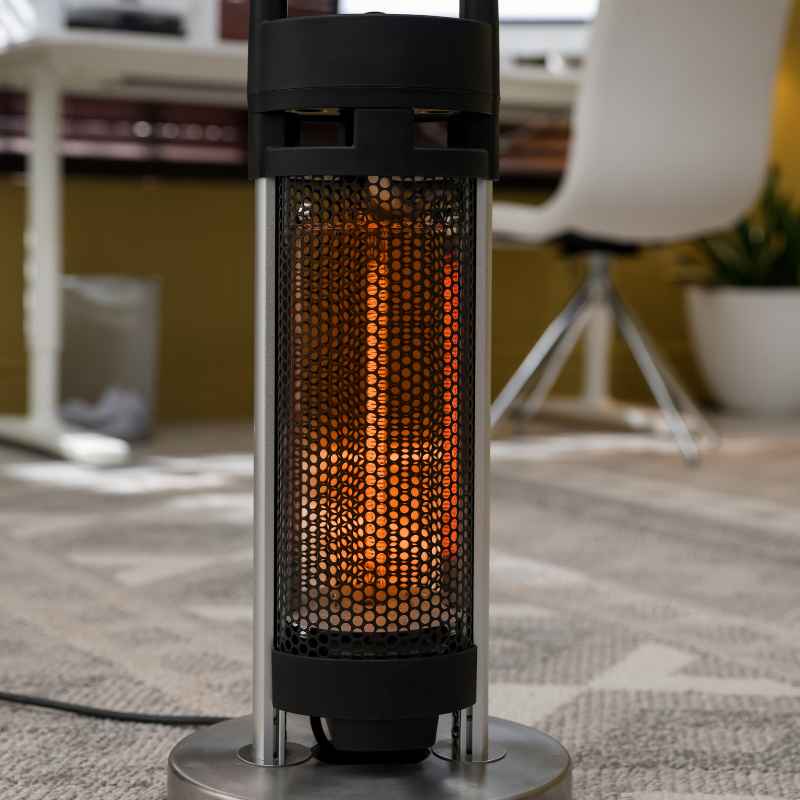
We were in our travel trailer. I had a small electric heater. It was one of those ceramic ones.
I thought it was perfectly safe. I set it up in the corner. It seemed to be working fine.
The trailer was getting nice and warm. I felt so cozy. I was reading a book.
Suddenly, I smelled something strange.
It wasn’t a strong smell. It was more like a faint, acrid odor. I started to feel a little dizzy.
My head felt heavy. My partner was asleep in the bunk. I didn’t want to wake them for nothing.
But the smell got a bit stronger. I looked at the heater. It wasn’t sparking or anything.
Then I noticed the vent cover near the floor. It looked a bit darkened. My heart started to pound.
I immediately unplugged the heater. I opened the door and a window. I went outside for some fresh air.
The dizziness went away quickly. We realized the heater must have been drawing air from somewhere it shouldn’t have. Maybe it wasn’t getting enough fresh air.
Or maybe there was a tiny leak somewhere. It was a good reminder. Even simple heaters need careful attention.
Safety is never something to take lightly. We slept with the windows cracked after that.
This experience taught me a lot. It showed me that even with electric heaters, ventilation matters. It also made me realize how quickly things can go wrong.
We immediately bought a new carbon monoxide detector for the trailer. We also made it a habit to always have a window slightly open when any heat source is on. It’s better to be a little cool and safe than warm and sorry.
Types of Portable Heaters
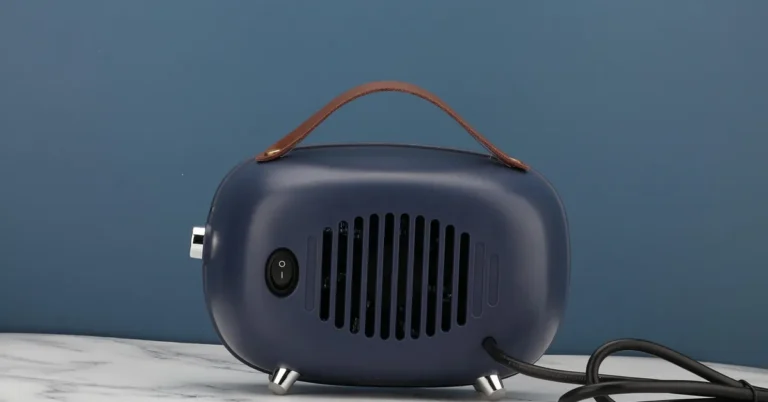
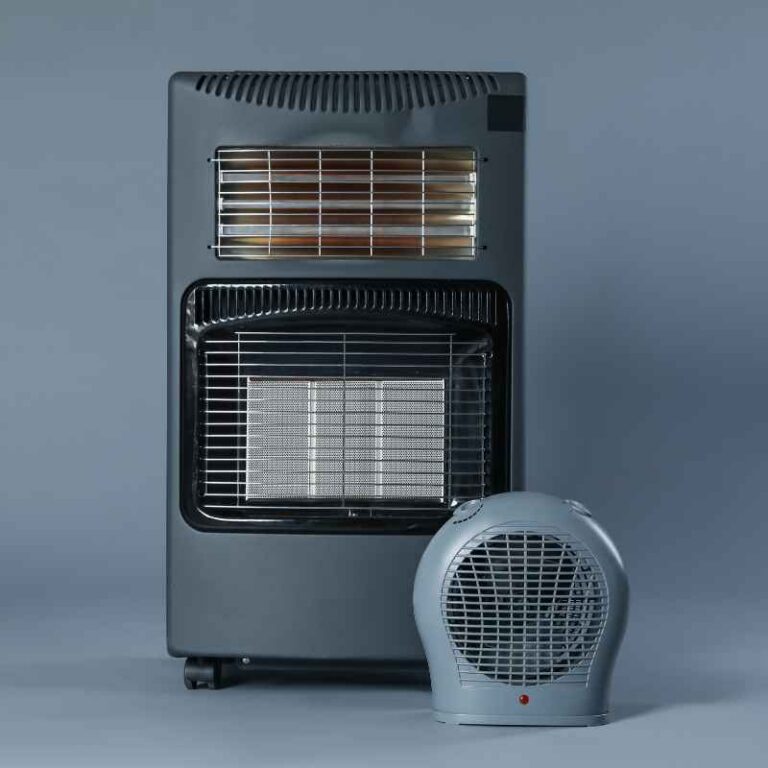
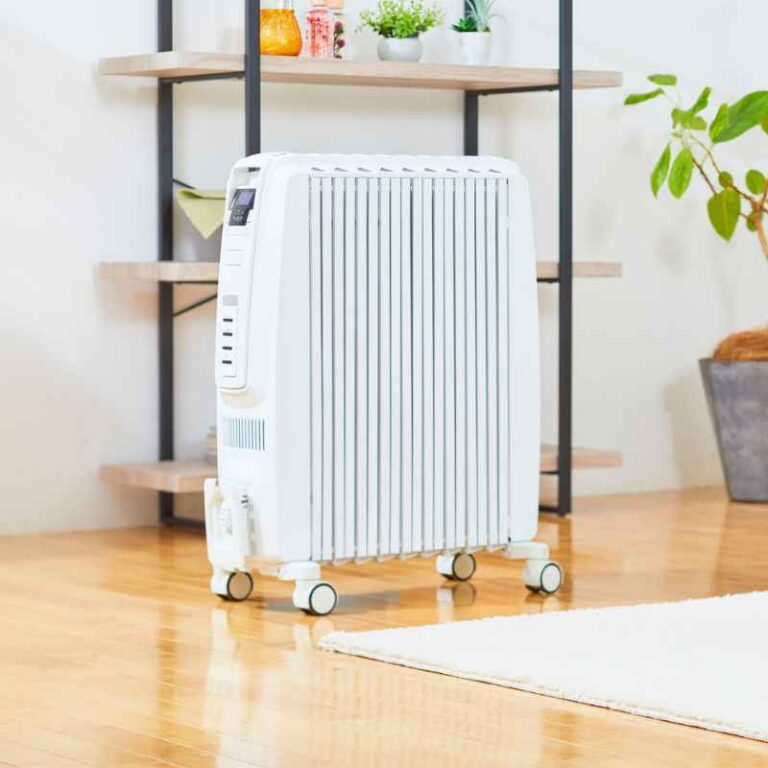
Electric Heaters: Easiest if you have power. Types include ceramic, oil-filled, and fan heaters. They don’t produce fumes.
But they need a strong power source.
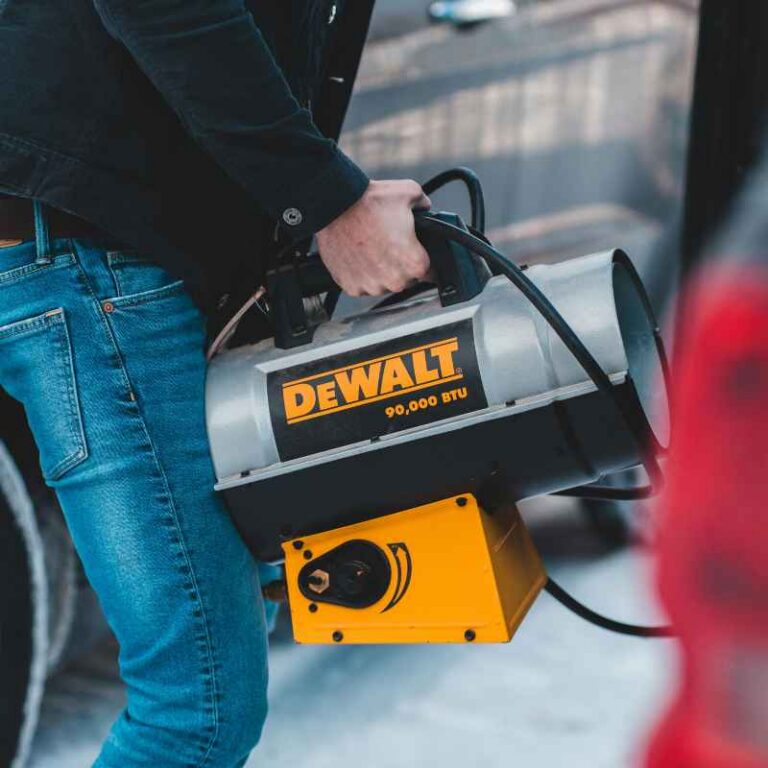
Propane Heaters: Good for off-grid. They are powerful. But they produce carbon monoxide.
Good ventilation is a must. Many have safety shut-offs.
Kerosene Heaters: Very warm. Can heat large areas. They also produce fumes.
Need careful handling and good airflow. Storage can be tricky.
Propane Heaters: The Off-Grid Option
For many campers, especially those going off the beaten path, propane heaters are a popular choice. They offer a reliable source of heat without needing an electrical hookup. Think of those chilly evenings when you’re miles from any campground power.
A propane heater can make all the difference.
These heaters work by burning propane gas. This burning process creates heat. But it also creates byproducts.
The main byproduct we worry about is carbon monoxide (CO). This is why ventilation is absolutely critical. You need a constant supply of fresh air.
You also need a way for stale air and fumes to escape.
There are different types of propane heaters. Some are portable and designed for RVs. They often have features like an oxygen depletion sensor (ODS).
This sensor will shut off the heater if oxygen levels in the air get too low. This is a vital safety feature. Others might have a tip-over switch that turns the unit off if it’s knocked over.
Always look for these safety mechanisms.
Using propane heaters safely means more than just having them. It means understanding how they work and their risks. You must follow the manufacturer’s instructions to the letter.
Never use a propane heater indoors without proper ventilation. Even with a good ODS, it’s a risk. Always have a working carbon monoxide detector.
Test it regularly.
Consider the size of your camper. A heater that’s too powerful can overheat the small space. It can also use up oxygen too quickly.
Choose a heater rated for the square footage of your camper. Also, think about how much propane you’ll need. A small heater might last for days.
A larger, more powerful one might drain a tank quickly.
Propane Heater Safety Checklist
- Ventilation is Key: Always have a window or vent open.
- Carbon Monoxide Detector: Install one and test it often.
- Oxygen Depletion Sensor (ODS): Ensure your heater has one.
- Tip-Over Switch: A must-have safety feature.
- Proper Fuel: Use only the recommended type of propane.
- Placement: Keep away from flammable materials.
- Regular Inspection: Check hoses and connections for leaks.
Electric Heaters: The Hookup Convenience
If you’re camping at a spot with electrical hookups, electric heaters are often the simplest and safest choice. They don’t produce any fumes. This means you don’t have to worry about carbon monoxide.
They also don’t dry out the air as much as some other types.
The main challenge with electric heaters is power. Campgrounds have different amperage limits. A small travel trailer might have a 30-amp hookup.
A larger RV might have a 50-amp service. You need to know what your camper can handle. Running too many high-wattage appliances, including a powerful heater, can trip your breaker.
It might even overload the campground’s system.
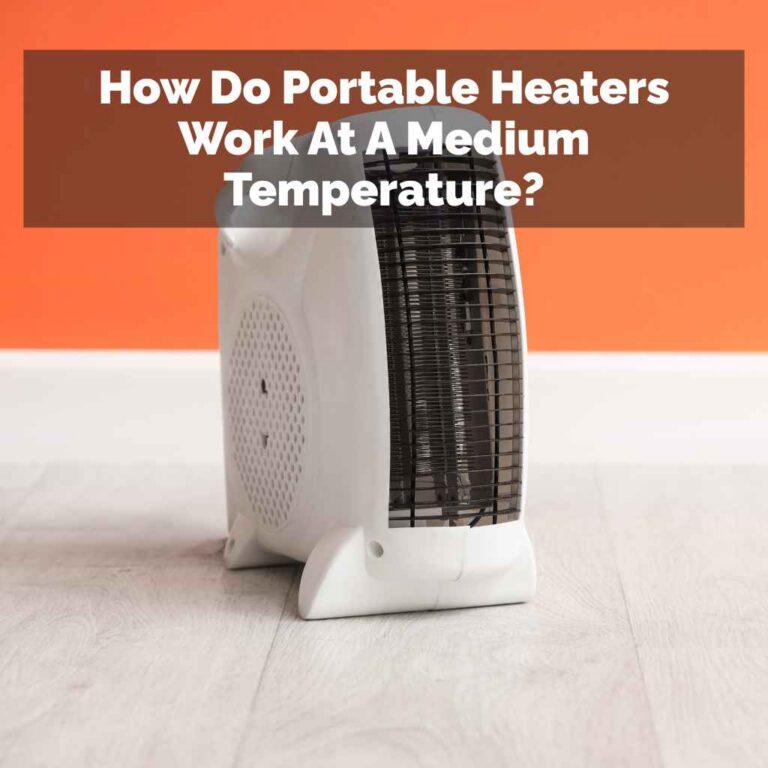
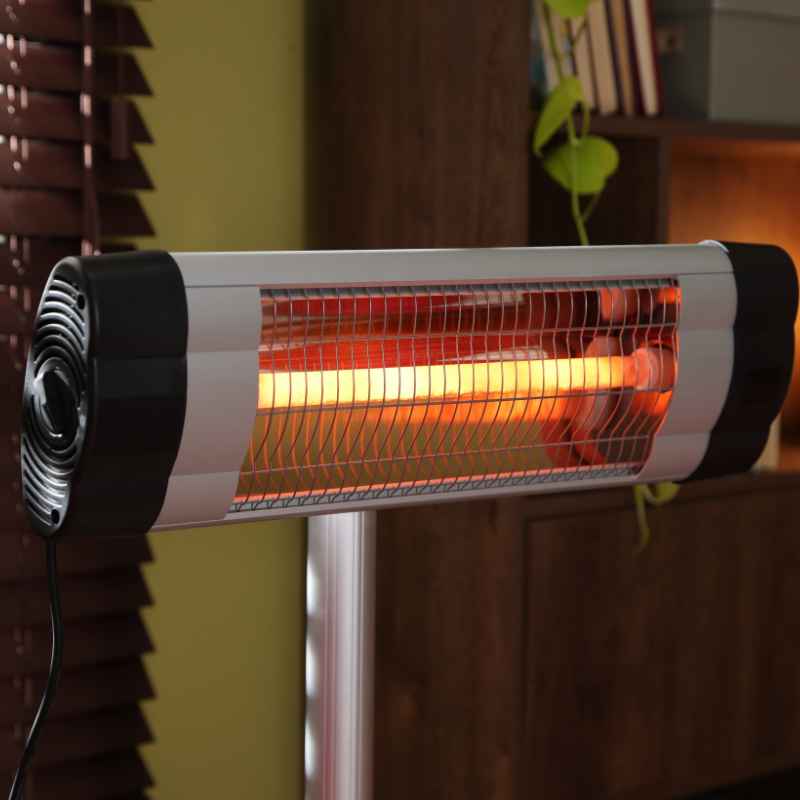
There are several types of electric heaters. Ceramic heaters are popular. They heat up quickly and are quite compact.
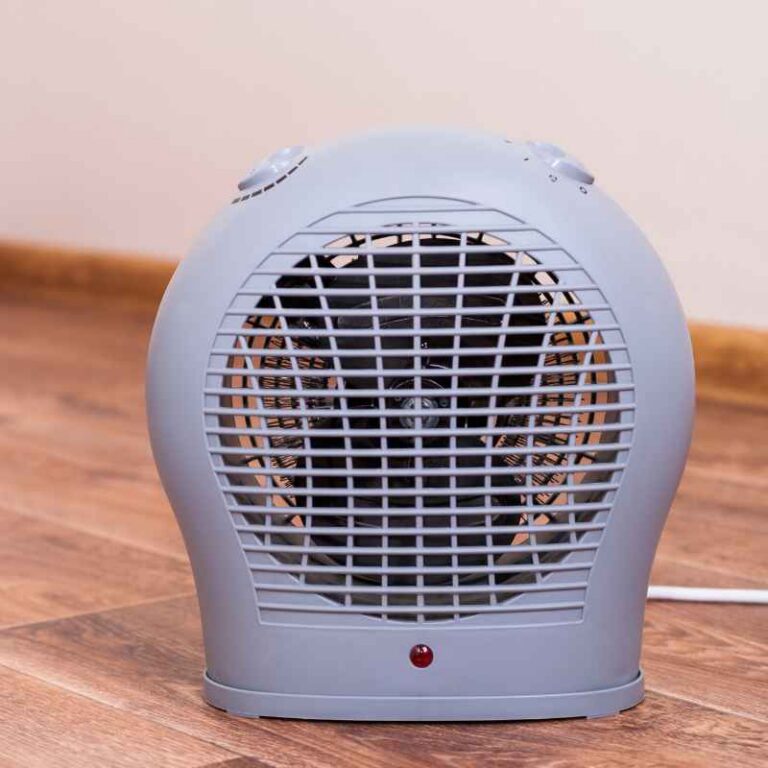
Fan heaters use a fan to push warm air. They heat a space fast. Oil-filled radiators look like old-fashioned radiators.
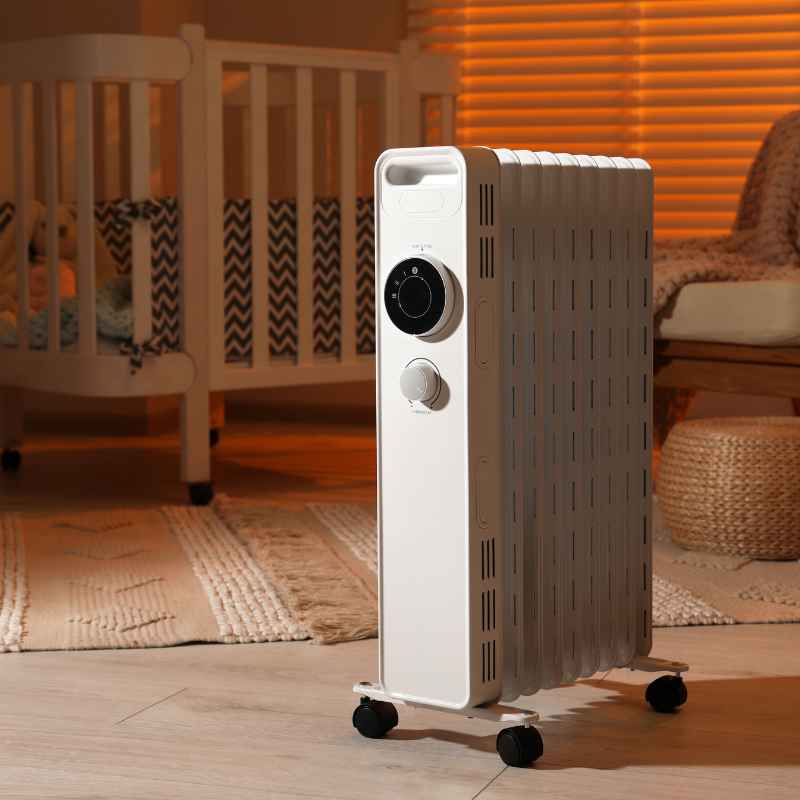
They heat up slowly but provide a steady, even warmth. They also stay warm for a while after being turned off.
When choosing an electric heater for your camper, look for safety features. Many come with automatic shut-off if they tip over. Overheat protection is also common.
This turns the heater off if it gets too hot. Some have a thermostat, which helps regulate the temperature and save energy.
Think about the wattage. Most small electric heaters range from 750 watts to 1500 watts. A 1500-watt heater will draw more power.
Make sure your camper’s electrical system can handle it. If you’re unsure, err on the side of caution. A lower-wattage heater might take longer to warm up.
But it’s less likely to cause electrical issues.
Placement is still important, even with electric heaters. Keep them away from soft furnishings like blankets or curtains. The heating elements can get very hot.
Even though they don’t produce fumes, a fire hazard is still possible if something flammable touches the hot parts.
Electric Heater Wattage Guide (Approximate)
Small Tent/Pod (up to 50 sq ft): 500-750 watts might be enough.
Small RV/Camper (up to 150 sq ft): 750-1000 watts is usually good.
Larger RV/Trailer (150-300 sq ft): 1500 watts may be needed, but check your power limits.
Note: Always check the heater’s specifications and your camper’s power capacity.
Kerosene Heaters: Powerful but Needs Respect
Kerosene heaters are known for their heating power. They can warm up a large space relatively quickly. This can be appealing for larger campers or in very cold weather.
However, they also come with significant safety considerations.
Kerosene heaters burn kerosene to produce heat. This process releases carbon monoxide and other fumes into the air. Because of this, they require excellent ventilation.
This means you absolutely must have a window or vent open while the heater is running. Using one in a tightly sealed camper without airflow is extremely dangerous.
There are different types of kerosene heaters. Convection models heat the air. Radiant models produce heat that you feel directly.
Some are designed for indoor use, while others are strictly for outdoor or garage use. It’s crucial to only use models that are explicitly rated for indoor use in enclosed spaces like RVs.
Safety features on kerosene heaters are vital. Look for models with an automatic shut-off. This might be triggered by a tip-over or if the flame goes out.
You also need to consider the fuel itself. Kerosene can be messy. It has a strong odor.
Storing the fuel safely and refueling the heater carefully is part of the process.
Refueling a kerosene heater can be a bit tricky. You should never refuel it while it’s hot. Always let it cool down completely.
Do this outdoors or in a very well-ventilated area. Spilled kerosene can create a fire hazard and a strong smell. Clean up any spills immediately.
Using a kerosene heater in a camper is a commitment to safety. It means constant vigilance. You need to manage ventilation carefully.
You need to monitor the air quality. And you need to be aware of the fire risk. For these reasons, many campers opt for electric or some types of propane heaters instead, especially if they aren’t experienced with kerosene.
Kerosene Heater Considerations
- Fuel: Use only high-quality kerosene.
- Odor: Kerosene has a distinct smell.
- Refueling: Always do this outdoors with a cool heater.
- Ventilation: Essential for safety; never use in a sealed space.
- Storage: Store fuel in approved containers away from heat.
Real-World Camper Heating Scenarios
The best type of heater for your camper depends on your travel style. Think about where you go and how you camp. This is the real context that matters.
Scenario 1: The Full-Hookup Campsite
You’re at a state park with a nice electrical pedestal. You plan to stay for a week. You have a small to medium-sized travel trailer.
In this case, an electric heater is likely your best bet. It’s simple, quiet, and fume-free. You just need to make sure your trailer’s wiring can handle a 1500-watt heater on a dedicated circuit or with minimal other loads.
A ceramic or oil-filled radiator would work well here.
Scenario 2: Boondocking in the Mountains
You’re out in the wilderness, no power in sight. The nights get freezing. You have a van conversion or a small camper.
You need a portable heat source that doesn’t rely on shore power. A good quality portable propane heater with an ODS and tip-over switch is a strong contender. You’ll need to carry spare propane tanks.
And you absolutely must prioritize ventilation. Cracking a window and using a CO detector are non-negotiable.
Scenario 3: Living in an RV Full-Time
If your camper is your primary residence, you need reliable heat. Many RVs come with built-in propane furnaces. These are designed for the space and use propane safely.
For supplemental heat, electric heaters can be great when plugged in. Some full-time RVers also use small, efficient electric space heaters. They might run them off a generator when off-grid.
The key is redundancy and understanding the power draw.
Scenario 4: The Tent Camper in Spring
You’re camping in a tent. It’s getting a bit cool in the evenings. You might have a campsite with a power outlet.
A very small electric heater could work. Or, you might consider a battery-powered heated blanket. For tents, safety is paramount.
Open flames are generally discouraged in tents. Propane or kerosene heaters should be used outside the tent, with the heat directed in, and never left unattended.
In all these cases, the design of the camper matters. Small, enclosed spaces need careful consideration. The amount of insulation also plays a role.
A well-insulated camper will hold heat better. This means you might need a smaller heater or run it for less time.
What This Means For You: Safety First
Understanding the different types of heaters is just the first step. What matters most is what this knowledge means for your safety and comfort.
When is it normal to use a portable heater?
It’s normal to use a portable heater when your camper’s primary heating system isn’t enough. Or if you don’t have a primary heating system. It’s normal when you have the right type of heater for your situation.
And when you follow all safety guidelines. This includes proper ventilation and using detectors.
When should you worry?
You should worry if you experience any of these:
- Headaches or dizziness when the heater is on.
- A faint burning smell that you can’t identify.
- Your carbon monoxide detector beeps.
- The heater seems to be malfunctioning (e.g., strange noises, flickering flames on propane).
- You can’t guarantee good ventilation.
- You see soot marks or discoloration around the heater or vents.
These are all signs that something is not right. Stop using the heater immediately. Investigate the problem.
Do not use the heater again until you are sure it is safe.
Simple Checks You Can Do
Before each trip, and regularly during your stay:
- Check Detectors: Make sure your carbon monoxide detector and smoke detector have fresh batteries. Test them.
- Inspect Heater: Look for any damage to the heater, its cord, or its fuel lines.
- Ventilation Review: Confirm that your windows and vents can be opened easily. Know where they are.
- Clearance Check: Double-check that the area around the heater is clear of any flammable items.
- Fuel Level: For propane or kerosene, ensure you have enough fuel. Check for leaks when filling.
Being proactive about these simple checks can prevent major problems. It’s about being prepared and aware.
When Heater Use is Concerning
Concerning Symptom: Feeling drowsy or getting headaches.
Possible Cause: Low oxygen or carbon monoxide buildup.
Action: Turn off heater, ventilate, leave camper if needed, check CO detector.
Concerning Symptom: Heater making unusual noises or smelling off.
Possible Cause: Mechanical issue or fuel problem.
Action: Turn off heater, do not use until inspected by a professional.
Quick Tips for Safer Camper Heating
Here are some quick, actionable tips to help you stay warm and safe in your camper:
- Invest in a good carbon monoxide detector. This is your most important safety device for any fuel-burning appliance.
- Read the manual for your specific heater. Every heater is different. The manual has crucial safety information.
- Use heaters only as directed. Never modify a heater. Never use it for purposes it wasn’t designed for.
- Always have an open window or vent. Even a small crack helps. This is especially true for propane and kerosene.
- Keep a fire extinguisher handy. Know how to use it. A small, ABC-rated extinguisher is good for campers.
- Turn off heaters when sleeping or leaving the camper. Unless the heater is specifically designed for safe, continuous operation (like some RV furnaces or oil-filled radiators), it’s best to turn it off.
- Check your camper’s ventilation system. Ensure roof vents and windows operate smoothly.
- Consider your camper’s size and insulation. This helps you choose the right size and type of heater.
- Never use your oven or stovetop for heat. These appliances are not designed for continuous room heating. They produce carbon monoxide and are fire hazards.
- Be cautious with extension cords. Use heavy-duty cords if needed for electric heaters. Never use damaged cords.
Frequently Asked Questions About Camper Heaters
Can I use a propane heater inside my camper?
Yes, but only specific models designed for indoor RV use. They must have safety features like an Oxygen Depletion Sensor (ODS) and tip-over switch. Crucially, you MUST ensure constant ventilation by opening a window or vent to prevent carbon monoxide buildup.
Always use a carbon monoxide detector.
Are electric heaters safe for campers?
Electric heaters are generally very safe as they don’t produce fumes. However, you must be mindful of your camper’s electrical capacity. Overloading circuits is a risk.
Always ensure the heater has safety features like overheat protection and a tip-over switch.
What is the safest type of heater for a camper?
Electric heaters are often considered the safest for campers because they don’t produce combustion byproducts like carbon monoxide. However, if you need a propane heater for off-grid use, choose one specifically designed for RVs with robust safety features and maintain excellent ventilation.
How much ventilation do I need for a propane heater in a camper?
You need enough ventilation to ensure a constant supply of fresh air and to allow exhaust fumes to escape. This typically means keeping at least one window or roof vent open a few inches. The exact amount can depend on the heater and the camper’s size, but never operate a propane heater in a completely sealed space.
How do I know if my camper has enough oxygen when using a heater?
The best way is to have a working carbon monoxide detector. If the oxygen levels drop too low, the CO detector will often sound. Many propane heaters also have an Oxygen Depletion Sensor (ODS) that will shut the heater off automatically if oxygen levels become critically low.
However, always prioritize keeping fresh air circulating.
Can I leave a portable heater on overnight in my camper?
It’s generally not recommended to leave most portable heaters on overnight, especially propane or kerosene models. Electric heaters like oil-filled radiators are safer for overnight use as they are less of a fire risk and don’t produce fumes, but always follow the manufacturer’s instructions. If you do leave a heater on, ensure it has automatic safety shut-offs and is placed safely away from bedding.
Conclusion
Staying warm in your camper is part of the adventure. But it must be done with care. By understanding the types of portable heaters, their risks, and essential safety steps, you can enjoy a cozy trip.
Always prioritize ventilation, use detectors, and choose the right heater for your needs. Safety ensures your adventure stays fun and memorable.
Sponsored / affiliate links. As an Amazon Associate I earn from qualifying purchases. I may earn additional commission from eligible campaigns.