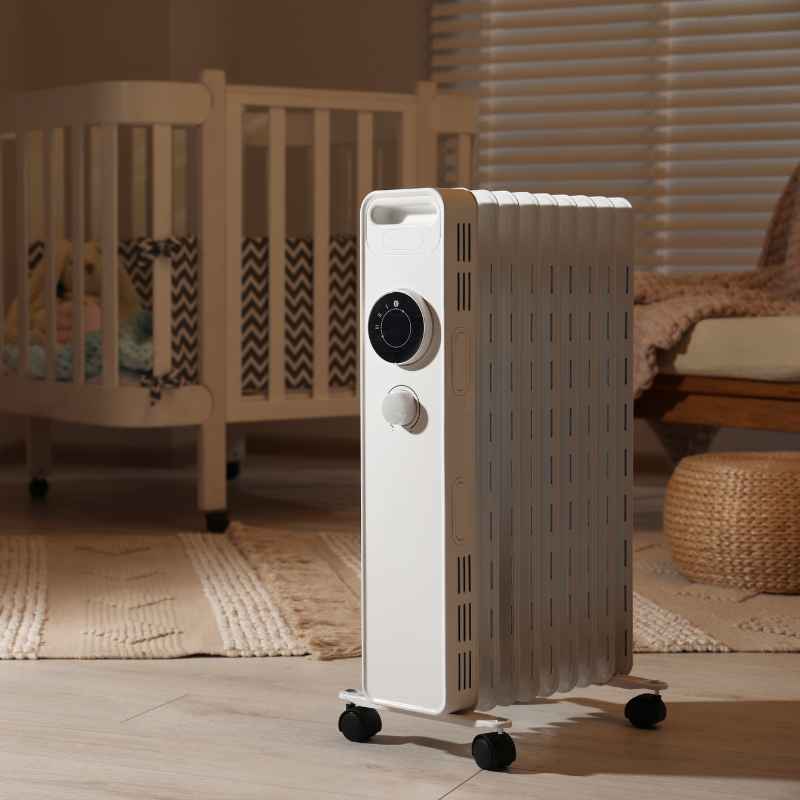
Are Oil Filled Radiant Heaters Safe for Baby Rooms?
This guide will break down the safety considerations, helping you make an informed decision about whether an oil filled radiant heater is the right choice for your baby’s nursery and how to use one safely if you decide to proceed.
In short, oil filled radiant heaters can be safe for a baby’s room when used with strict precautions. Their low surface temperature and quiet operation are advantageous, but constant supervision, proper placement away from cribs, and consistent monitoring for any operational issues are non-negotiable to mitigate risks. Always prioritize an environment free from direct heat sources and suffocation hazards for your baby.
Key Takeaways
- Oil filled radiant heaters offer a gentler, quieter heat than forced-air systems, reducing dry air and noise disturbances for babies.
- The primary safety concern is accidental tipping and prolonged proximity, which can still pose burn risks despite lower surface temperatures.
- Proper placement, physical barriers, and constant monitoring are essential to creating a safe sleeping environment for your baby.
- Always choose models with advanced safety features like automatic shut-off and tip-over protection.
- Consider alternatives if you cannot guarantee a consistently safe setup for your baby’s room.
What is an Oil Filled Radiant Heater?
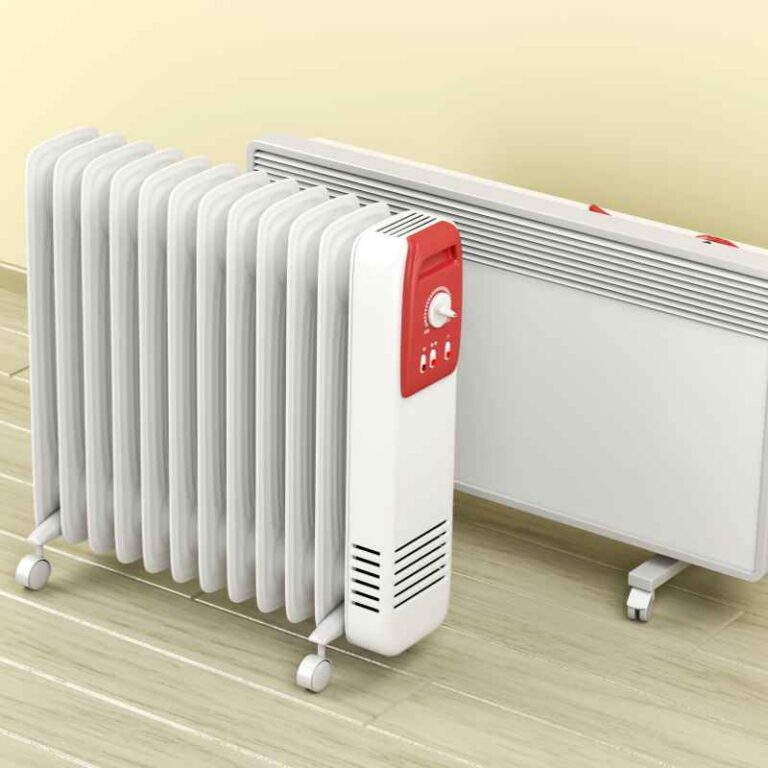
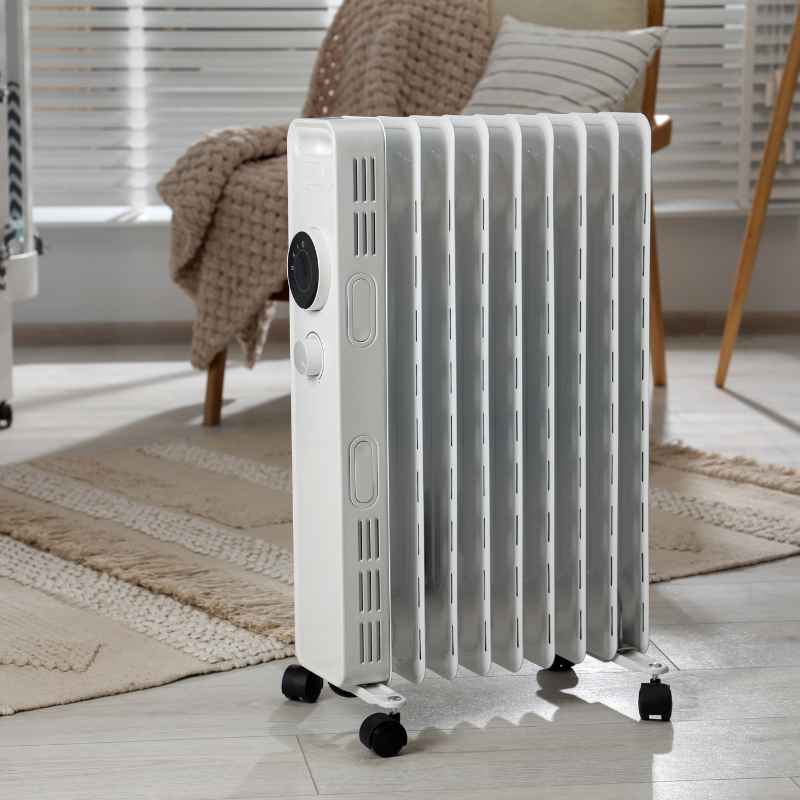
An oil filled radiant heater, often referred to as a radiator heater, is a type of electric heater that works by heating a thermal oil contained within its sealed metal fins. This oil then circulates, warming the metal surfaces of the heater. The heat is primarily emitted as radiant energy, similar to sunlight, which warms objects and people in the room directly, rather than just heating the air.
Unlike fan heaters that blow hot air, oil filled heaters operate silently, making them an attractive option for nurseries where noise can disturb a sleeping infant. The heating element is fully enclosed, and the oil acts as a buffer, typically resulting in a lower external surface temperature compared to other electric heaters. This feature is often highlighted as a key safety benefit, especially in environments with children.
The heat generated is also more consistent and less drying than that produced by forced-air systems, which can help maintain a more comfortable humidity level in the room, benefiting a baby’s delicate respiratory system. However, the term “radiant” can be a bit misleading; while it does emit radiant heat, it also warms the surrounding air through convection.
How Does an Oil Filled Radiant Heater Work?
The operation of an oil filled radiant heater is straightforward. An electric heating element, typically a resistance coil, is submerged within a sealed chamber filled with a non-combustible, heat-conductive oil. When the heater is turned on, the heating element heats up, transferring its thermal energy to the surrounding oil.
As the oil heats, it begins to circulate within the heater’s fins due to convection currents. This warmed oil then heats the metal fins of the radiator. The exterior surfaces of these fins radiate heat outwards into the room.
This process is slow and steady, meaning the heater takes longer to warm up initially but also retains heat for a longer period after being turned off, providing a more sustained warmth.
- Heating Element Activation: Electricity flows through a resistive coil.
- Oil Heating: The coil heats the surrounding thermal oil.
- Oil Circulation: Warmed oil rises, cooler oil sinks, creating a continuous cycle.
- Fin Radiation: The heated oil warms the radiator fins.
- Heat Emission: Fins radiate heat into the room, warming objects and air.
- Thermostat Control: An adjustable thermostat regulates the temperature by cycling the heating element on and off.
- Safety Features: Many models include tip-over switches and overheat protection.
The controlled circulation of oil and the large surface area of the fins allow for a gentle, even distribution of heat. This gradual heating and cooling process prevents the sudden temperature fluctuations often associated with other heater types.
Safety Features and Considerations for Babies
When considering an oil filled radiant heater for a baby’s room, safety features are paramount. While these heaters are generally safer than many alternatives due to their lower surface temperatures, no heater is entirely risk-free, especially around infants. The primary concerns revolve around accidental contact, tipping, and ensuring the heater doesn’t create a fire hazard or affect the baby’s breathing.
Modern oil filled heaters often come equipped with several safety mechanisms designed to mitigate these risks. An automatic tip-over switch is a critical feature; if the heater is knocked over, this switch instantly cuts off the power supply, preventing potential fires or burns. Overheat protection is another vital component, designed to shut down the heater if its internal temperature exceeds a safe limit, which can happen if the vents are blocked or the unit malfunctions.
| Safety Feature | Benefit for Baby’s Room | Consideration |
|---|---|---|
| Automatic Tip-Over Switch | Shuts off power if heater is knocked over, preventing burns and fires. | Still requires the unit to be upright to function; placement is key. |
| Overheat Protection | Prevents the unit from becoming dangerously hot, reducing fire risk. | Doesn’t protect against direct contact burns if surface becomes too warm. |
| Sealed Oil System | Oil is contained, reducing risk of leaks and spills. | Oil leaks can still occur if the unit is severely damaged. |
| Low Surface Temperature | Generally cooler to the touch than other heaters, minimizing immediate burn risk. | Surface can still be warm enough to cause burns on prolonged contact, especially for sensitive baby skin. |
Despite these features, the inherent risks associated with any heating device cannot be ignored. Parents must remain vigilant and implement additional safety measures to create a truly secure environment.
Best Practices for Using Heaters in a Nursery
When it comes to heating a baby’s room, safety and comfort must go hand-in-hand. For oil filled radiant heaters, implementing strict usage guidelines is crucial to minimize potential dangers. The primary objective is to maintain a comfortable temperature without compromising your baby’s safety.
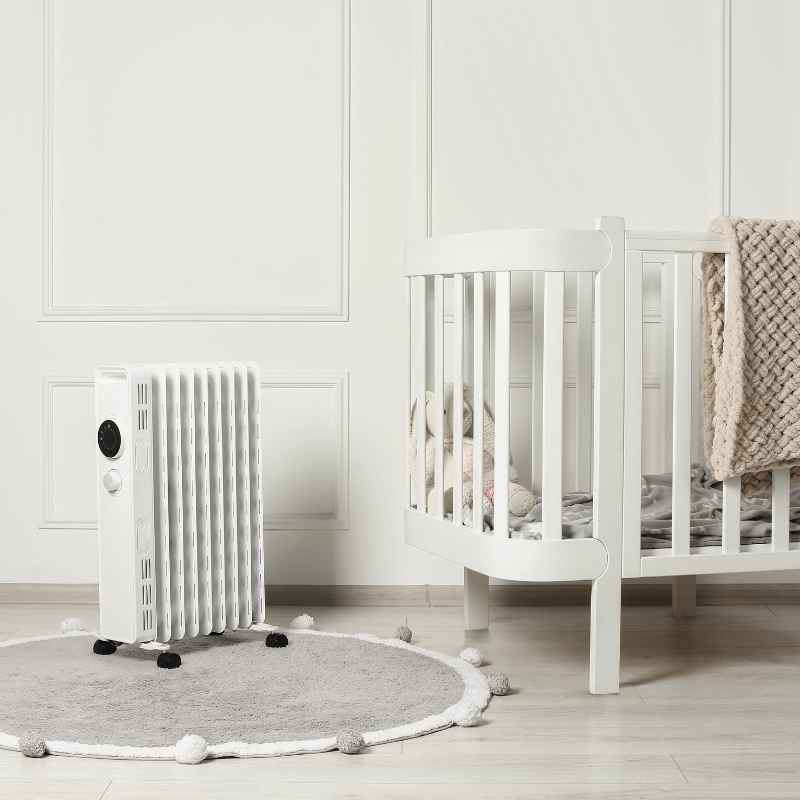
Proper placement is the first line of defense. The heater should always be placed on a stable, level surface, well away from the crib, bassinet, changing table, or any other area where your baby might be. Experts often recommend a minimum distance of at least three feet (approximately one meter) from any flammable materials or bedding.
This helps prevent accidental contact and reduces the risk of fire if the heater were to malfunction or be tipped over.
Important: Always ensure the room has adequate ventilation when using any heater. Proper airflow helps prevent the buildup of carbon monoxide if the heater were to malfunction (though this is less of a concern with electric heaters) and helps maintain a healthy air quality for your baby.
Regularly check the heater for any signs of damage, such as frayed cords, cracked fins, or oil leaks. If any damage is detected, discontinue use immediately and have the unit repaired or replaced. Never cover the heater with clothing, blankets, or curtains, as this can block airflow, cause overheating, and create a fire hazard.
Use the heater’s built-in thermostat to maintain a consistent, comfortable temperature, typically between 68-72°F (20-22°C), and avoid overheating the room, which can lead to dehydration or SIDS risk.
Potential Risks and How to Mitigate Them
While oil filled radiant heaters are often favored for their quiet operation and gentler heat, they are not without potential risks, especially in a baby’s environment. Understanding these risks is the first step toward effective mitigation.
One of the most significant risks is accidental tipping. Even with tip-over protection, if the heater is placed in a high-traffic area or within reach of a curious toddler, it could be knocked over. The impact might disable the tip-over switch before it cuts the power, or the heater could land in a position that still poses a burn hazard.
Additionally, while the surface temperature is generally lower than other heaters, prolonged contact, especially with a baby’s sensitive skin, can still cause burns.
Warning: Never place a heater where a baby could crawl, reach, or be placed for extended periods. Ensure all cords are safely managed and out of reach to prevent tripping hazards or potential chewing.
Another concern is the risk of overheating the room. An overly warm environment can be dangerous for infants, increasing the risk of dehydration, heat exhaustion, and potentially SIDS (Sudden Infant Death Syndrome). It’s essential to monitor the room temperature closely and ensure the thermostat is set appropriately.
To mitigate these risks:
- Physical Barriers: Consider using a sturdy, tall playpen or a baby-safe gate to create a clear exclusion zone around the heater.
- Secure Placement: Ensure the heater is placed on a flat, stable surface away from the crib and any climbing hazards.
- Continuous Monitoring: Never leave a heater running unattended in a baby’s room, especially overnight. If you are sleeping, ensure it’s placed far from the crib and has reliable safety features.
- Temperature Checks: Regularly check the temperature of the room with a reliable thermometer. You can also feel the baby’s chest or back to gauge their temperature.
- Cord Management: Secure all power cords to the wall or use cord covers to prevent them from becoming a tripping or strangulation hazard.
- Regular Inspections: Periodically inspect the heater for any signs of wear or damage that could compromise its safety.
The most effective mitigation strategy is to ensure the heater is never the sole source of heat and is used only as a supplemental tool to maintain a comfortable baseline temperature.
Alternatives to Oil Filled Radiant Heaters for Nurseries
Given the inherent risks of any supplemental heating device in a nursery, many parents opt for alternatives that offer greater safety or integrate better with a home’s central heating system. Understanding these options can help you choose the safest way to keep your baby warm.
Central heating systems, when functioning correctly, are often the safest and most reliable method for maintaining a consistent temperature throughout the house, including the nursery. If your central heating struggles to keep the nursery warm, consider improving insulation, sealing drafts around windows and doors, or using a smart thermostat that can optimize heating schedules and temperatures.
Tip: Dress your baby in layers of appropriate sleepwear, such as footed pajamas or sleep sacks, to help regulate their body temperature. This is often more effective and safer than relying solely on room heaters.
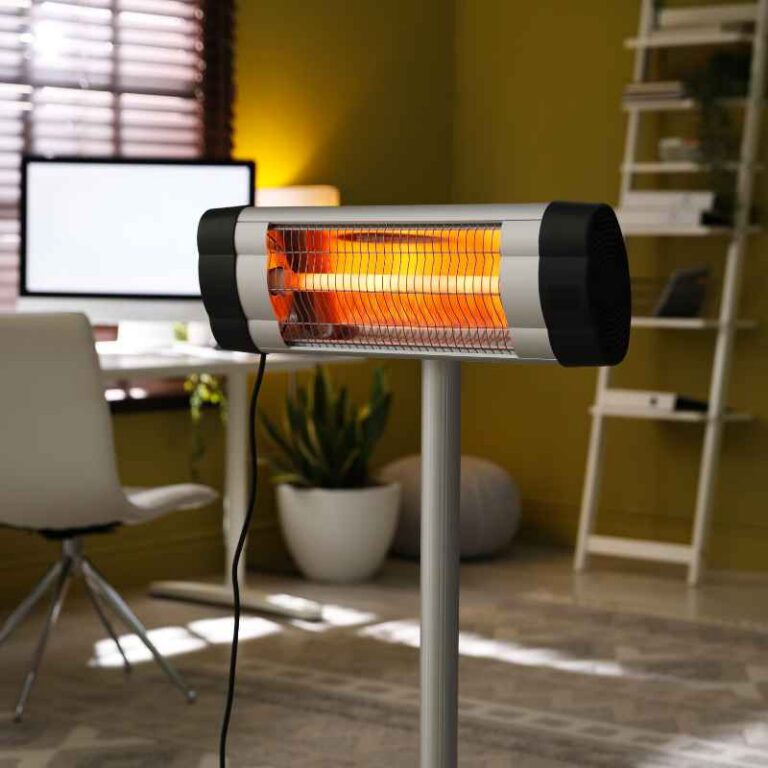
If supplemental heat is absolutely necessary, consider options like infrared panel heaters, which emit radiant heat without exposed elements and typically have very cool-to-touch surfaces. Some innovative brands also offer baby-specific room heaters with advanced safety features, such as ceramic elements that don’t get as hot, and more robust tip-over and child-lock mechanisms. However, even with these, careful placement and supervision are still critical.
The key is to prioritize devices that minimize direct heat exposure and have multiple, redundant safety systems.
Here’s a quick comparison of common nursery heating solutions:
| Heating Method | Pros for Nursery | Cons for Nursery |
|---|---|---|
| Central Heating | Consistent, whole-house temperature control. No open flames or exposed elements. | Can dry out air. May be uneven, leaving nursery too cool or too hot. |
| Oil Filled Radiant Heater | Silent operation. Lower surface temperature than other electric heaters. Gentle, consistent heat. | Can still cause burns on prolonged contact. Risk of tipping. Takes time to heat up. |
| Ceramic Fan Heater | Fast heating. Many have cool-touch exteriors and safety features. | Can be noisy. Dries out air. Exposed elements can be a hazard. |
| Infrared Panel Heater | Silent operation. Emits radiant heat that warms objects directly. Very safe surface temperature. | May not heat the air temperature as effectively as other types. |
Ultimately, the best approach is to dress your baby appropriately for the season, use safe sleep practices, and ensure your home’s primary heating is adequate before considering any supplemental heating devices for the nursery.
Frequently Asked Questions
Are oil filled radiant heaters energy efficient?
Oil filled radiant heaters are moderately energy efficient. They consume electricity to generate heat, similar to other electric heaters. Their efficiency comes from retaining heat well, meaning they can continue to radiate warmth for a period even after being turned off, potentially reducing the frequency of cycling on and off compared to some other heater types.
However, they are not as energy-efficient as heat pumps or highly insulated central heating systems.
Can an oil filled heater dry out the air too much for a baby?
Unlike fan heaters that can circulate air and reduce humidity, oil filled radiant heaters generally do not dry out the air significantly. They provide a gentler, more consistent heat that is less likely to strip moisture from the air, which is beneficial for a baby’s respiratory system. This makes them a better choice than fan heaters in terms of air quality for sensitive infants.
What temperature should a baby’s room be?
Health professionals generally recommend keeping a baby’s room temperature between 68-72°F (20-22°C). This range is considered optimal for a baby’s comfort and safety, reducing the risk of overheating or being too cold. It’s crucial to monitor the room temperature with a reliable thermometer and adjust as needed, rather than relying on the heater’s dial alone.
How close can an oil filled heater be to a crib?
An oil filled heater should be kept at least three feet (approximately one meter) away from a baby’s crib, bassinet, or any bedding. This distance is essential to prevent accidental contact, reduce the risk of fire, and ensure the baby is not exposed to excessive direct heat, which can be dangerous.
When should I stop using a heater in my baby’s room?
You should stop using a heater in your baby’s room as soon as it’s no longer necessary to maintain the recommended temperature of 68-72°F (20-22°C). This often means discontinuing use as temperatures become milder, or if your home’s central heating adequately maintains the desired room temperature. Always prioritize safety and consider layering your baby’s clothing as a primary method of keeping them warm.
Final Thoughts
Ultimately, the question of whether an oil filled radiant heater is safe for a baby’s room hinges on meticulous implementation of safety protocols. While their quiet operation and gentler heat offer advantages, the potential for burns or tipping means they require constant vigilance. Always prioritize a safe distance, use models with robust safety features, and consider alternative, potentially safer heating methods or ensuring your primary heating is sufficient before introducing any supplemental heater into a nursery environment.
Sponsored / affiliate links. As an Amazon Associate I earn from qualifying purchases. I may earn additional commission from eligible campaigns.