Are Oil Filled Radiators Safe To Leave On Overnight? Answered
It’s a common question when the nights get cold. You’re tucked in, warm and cozy, but then you wonder: is my oil-filled radiator safe to run all night? This worry is totally understandable.
You want to stay warm, but safety always comes first. Let’s dive into this and find some clear answers together.
Many people wonder if oil-filled radiators are safe for overnight use. The short answer is yes, they generally are considered safe when used properly and maintained well. However, understanding the nuances and following safety guidelines is crucial for peace of mind and preventing any issues.
Understanding How Oil Filled Radiators Work
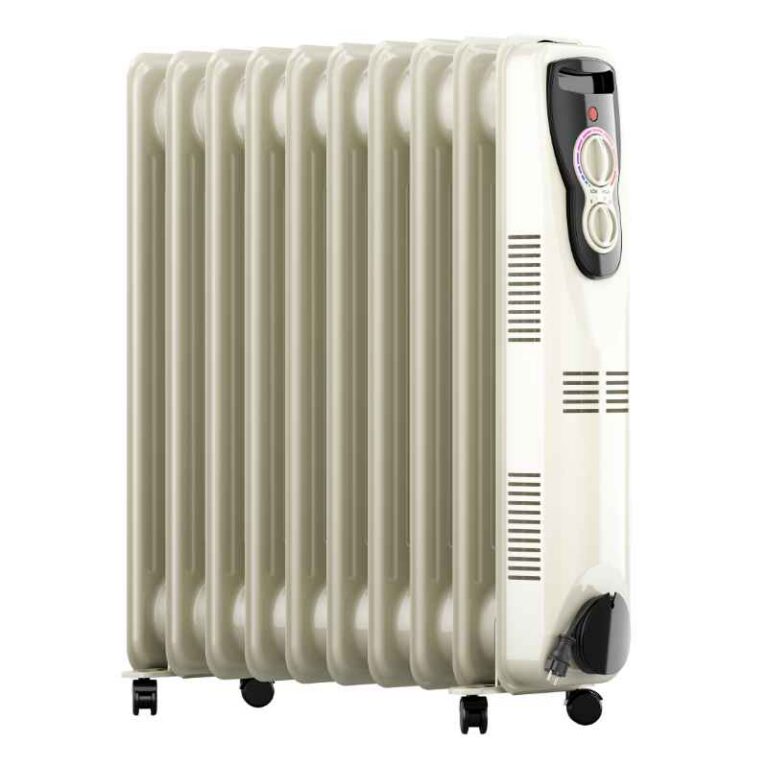
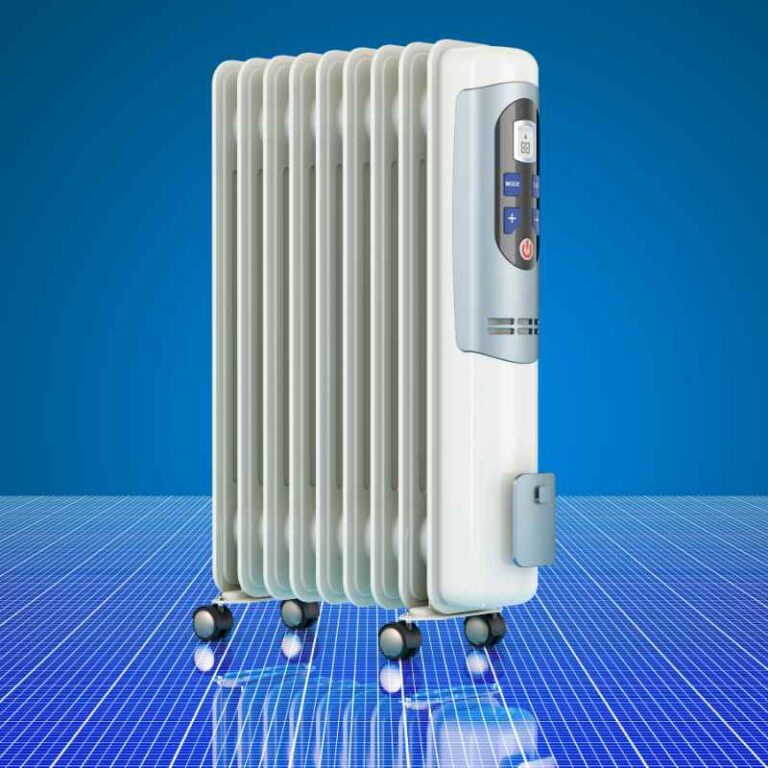
Oil-filled radiators are a popular heating choice. They work a little differently than other heaters. Inside the metal fins, there’s special oil.
This oil gets heated by an electric element. The oil then circulates. It heats up the outside of the radiator.
This warm surface heats the air around it. The heat then spreads through the room. This is called convection heating.
It’s a gentle and steady way to warm a space. Because the oil stays hot for a while, they can keep radiating heat even after they are turned off. This makes them good for maintaining a steady temperature.
The oil itself is a key safety feature. It’s sealed inside. It doesn’t burn away like water.
This means there are no fumes or odors produced. This is a big plus for indoor air quality. It also means the unit can heat for a long time without needing refills.
The heating element is submerged in the oil. This keeps it from getting too hot on its own. The heat is spread evenly through the oil.
This makes the surface temperature more consistent. You won’t find super hot spots that could be a danger.
The Safety of Overnight Use
When people ask if oil-filled radiators are safe overnight, they usually mean a few things. They worry about fire hazards. They might also worry about overheating.
Or maybe even something going wrong while no one is watching. The good news is that oil-filled radiators are designed with safety in mind. They have features to prevent many common issues.
Most modern oil-filled radiators come with built-in safety systems. One very important one is automatic overheat protection. If the radiator gets too hot for any reason, this system will shut it off.
This is a crucial safety net. Another common feature is tip-over protection. If the radiator is knocked over, it will automatically shut down.
This is a great safeguard against potential fires. These features help make them a reliable choice for continuous operation, including overnight.
The sealed oil system is also a safety advantage. Unlike space heaters that use exposed coils, oil-filled radiators have a much lower risk of igniting nearby materials. The outer casing doesn’t get as scorching hot as exposed heating elements.
This reduces the chance of accidental burns or igniting dust or fabrics. This makes them feel much safer for use in bedrooms or living areas where they might be running for extended periods.
Key Safety Features to Look For
When choosing an oil-filled radiator for overnight use, keep these features in mind:
- Automatic Overheat Protection: This is a must-have. It stops the heater if it gets too hot.
- Tip-Over Switch: Ensures the heater shuts off if it’s accidentally knocked over.
- Adjustable Thermostat: Allows you to set a safe and consistent temperature.
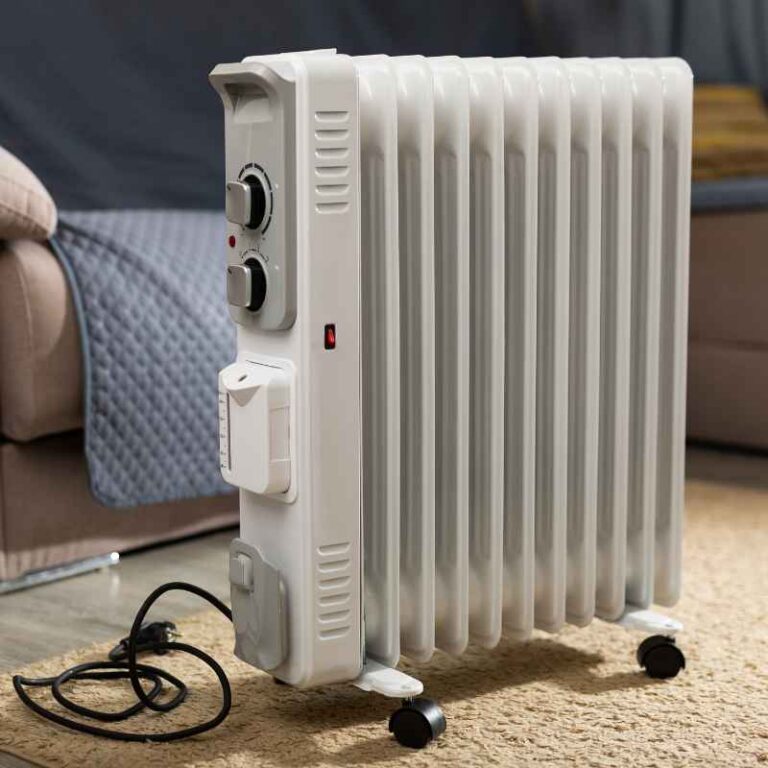
- Indicator Lights: Show when the heater is on and when it’s actively heating.
- Durable Construction: A sturdy unit is less likely to break or malfunction.
These features add layers of protection, making them more reliable for overnight operation.
Potential Risks and What to Watch Out For
While generally safe, no electrical appliance is completely risk-free. It’s important to be aware of potential issues. Most problems arise from improper use or lack of maintenance.
This is true for any heating device.
One thing to watch is how close you place items to the radiator. Even though the outer surface isn’t as hot as some other heaters, flammable materials should still be kept at a safe distance. This includes curtains, bedding, clothing, and paper.
Check the manufacturer’s recommendations for clearance. Usually, a few inches is enough. But it’s always best to err on the side of caution.
A clear space around the heater is vital for safe operation. This allows for proper air circulation too.
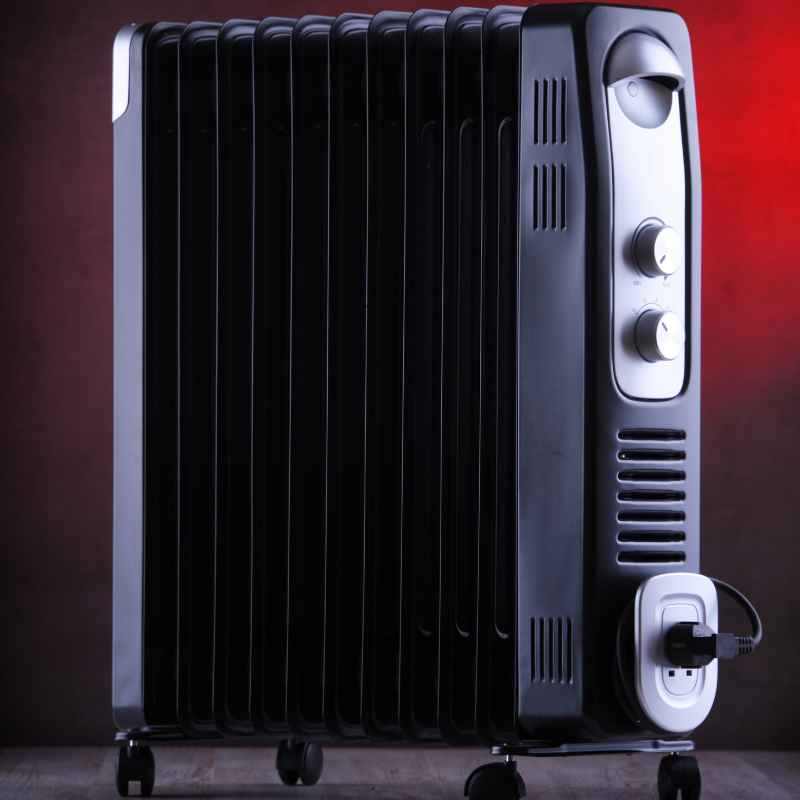
Another area for concern can be damaged power cords. Always inspect the cord for any fraying or damage before plugging it in. A damaged cord is a fire hazard.
It can also lead to electric shock. If you see any damage, do not use the heater. Get it repaired or
Contrast: Normal vs. Concerning Scenarios
Normal Operation
- Radiator is warm to the touch but not burning hot.
- Steady, quiet hum.
- Maintains a comfortable room temperature.
- Automatic shut-off when thermostat is met.
Concerning Signs
- Strong burning smell.
- Unusual noises like loud clicking or popping.
- Surface feels excessively hot to touch.
- Visible smoke or sparks.
- Not shutting off when it should.
If you notice any concerning signs, unplug the radiator immediately and investigate or seek professional help.
Personal Experience: The Night the Heater Hummed Too Loud
I remember one particularly chilly autumn evening. The wind was howling outside, and my old drafty house felt like an icebox. I’d recently bought a new oil-filled radiator, hoping for a more consistent warmth than my old electric fan heater.
I set it up in the living room, plugged it in, and turned the thermostat up. It hummed to life, a gentle, comforting sound. The room slowly warmed up, and I felt a wave of relief wash over me.
I figured, why not let it run? It seemed so much safer than the old one.
I went to bed, feeling incredibly snug. Around 3 AM, I woke up. Something felt off.
The usual gentle hum of the radiator seemed… louder. It had a sort of strained quality to it. I lay there for a moment, a knot of worry tightening in my stomach.
Was it just my imagination, or was something wrong? I got out of bed, padding softly down the hall. The living room was glowing from the radiator’s soft light.
The hum was definitely more pronounced, almost a whine. I stood at the doorway, watching it. I could smell a faint, almost metallic scent in the air.
It wasn’t a strong burning smell, but it was enough to make me pause. My heart started to beat a little faster. I remembered reading about checking for issues.
I crept closer. The radiator still felt warm, but not alarmingly hot. The tip-over switch was firmly in place.
Still, that sound… I decided it wasn’t worth the risk. I reached for the plug, pulled it out of the wall, and the whining stopped abruptly. The sudden silence felt deafening.
I sat there for a minute, relieved but also a little disappointed. It turns out, a small piece of debris had gotten lodged near the heating element, causing it to make that awful noise. A quick clean-out the next day fixed it, but that night was a stark reminder: even with safety features, it’s important to stay aware.
Maintaining Your Oil Filled Radiator for Safe Overnight Use
Proper care is key to keeping your oil-filled radiator safe, especially for overnight use. Think of it like looking after a car; regular checks make it run better and prevent breakdowns.
The most important thing is cleaning. Dust and debris can build up on the fins. This can block airflow.
It can also pose a minor fire risk if it gets too hot. A few times a year, make sure the radiator is unplugged and cool. Then, use a soft brush or a vacuum cleaner with a brush attachment to gently remove dust.
Pay attention to the fins and the cord. Don’t use harsh cleaners. Just a damp cloth is usually fine if needed, but ensure it’s completely dry before plugging it back in.
Also, inspect the power cord and plug regularly. As I mentioned, any sign of damage means you shouldn’t use it. Check the thermostat dial too.
Make sure it moves freely and feels normal. If you notice any issues, it’s best to stop using the heater. Sometimes, even well-maintained units can have manufacturing defects.
This is why registering your product with the manufacturer is a good idea. It helps with warranty claims if something does go wrong. Following the user manual’s instructions for maintenance is always the best approach.
Quick-Scan Maintenance Checklist
| Task | Frequency | Notes |
|---|---|---|
| Dusting Fins | Monthly (or as needed) | Unplug and cool. Use soft brush. |
| Cord & Plug Inspection | Before each use | Look for frays, cuts, or damage. |
| Thermostat Check | Monthly | Ensure dial turns smoothly. |
| Wipe Down Exterior | Quarterly | Use a damp cloth. Ensure dry before use. |
| Store Properly | When not in use | Wrap cord neatly. Store in a dry place. |
Regular maintenance ensures optimal safety and performance.
Where and How to Use Your Oil Filled Radiator Safely
The location where you place your oil-filled radiator matters a lot for safety. Think about the room you’re using it in and what’s around it.
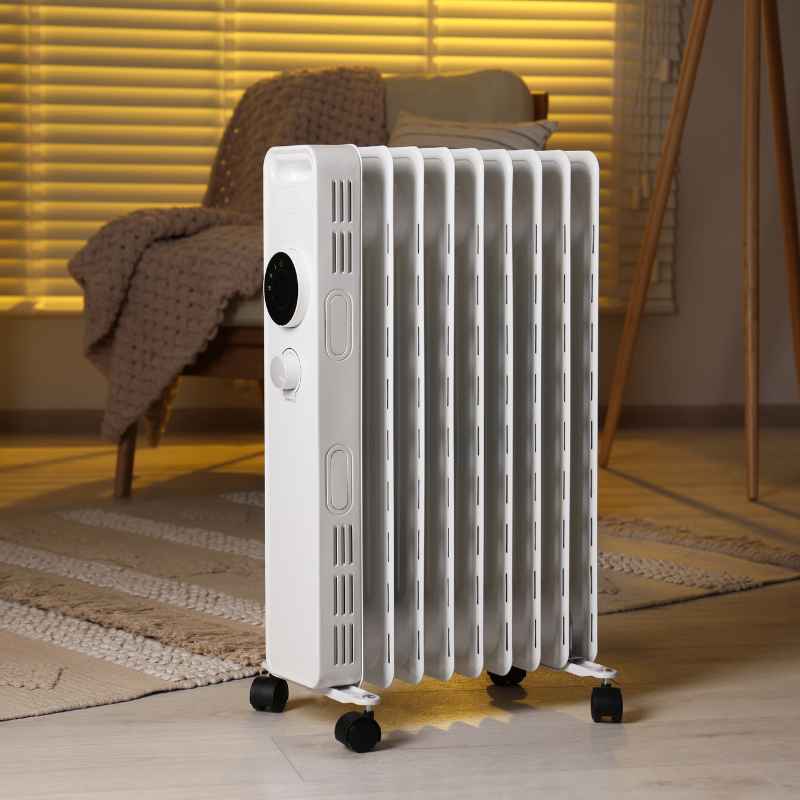
In bedrooms, it’s best to place the radiator on a flat, stable surface. Make sure it’s not too close to the bed, curtains, or bedding. You want to maintain a good distance.
This allows air to circulate freely. It also creates a safety buffer. If you’re using it in a living room, keep it away from high-traffic areas.
You don’t want someone to trip over the cord or knock it over accidentally. Always place it on a hard, non-flammable floor. Avoid placing it directly on carpets, as this can sometimes trap heat underneath or pose a risk.
Consider the power outlet. Use a properly grounded outlet. Avoid using extension cords if possible.
If you must use one, ensure it’s heavy-duty and rated for the heater’s wattage. Never plug other high-wattage appliances into the same circuit. This can overload the wiring.
The National Fire Protection Association (NFPA) strongly advises against using extension cords with portable heaters when possible. It’s always best to plug directly into the wall. This is a simple step that greatly reduces risk.
Ensure the room has adequate ventilation, especially if you’re running it for long periods.
Placement Guide: The Dos and Don’ts
DO
- Place on a flat, stable, hard surface.
- Keep at least 3 feet away from curtains, bedding, furniture.
- Ensure good airflow around the unit.
- Plug directly into a grounded wall outlet.
- Use in rooms with adequate ventilation.
DON’T
- Place near flammable materials (paper, cloth, wood).
- Use on carpet or rugs.
- Place near water sources (bathrooms, sinks).
- Cover the unit with any items.
- Use extension cords or power strips if avoidable.
- Leave unattended for very long periods in unoccupied areas.
Thermostat Settings and Energy Efficiency
Using the thermostat correctly is not only about comfort but also about safety and saving energy. Oil-filled radiators are known for their efficiency in maintaining steady heat, but smart use makes them even better.
Set the thermostat to a comfortable, safe temperature. For overnight use, this usually means a lower setting than during the day. You don’t need it as warm when you’re sleeping under blankets.
A common recommendation for sleeping is between 60-67°F (15-19°C). This range is comfortable and also considered healthier for sleep. It also prevents the heater from running constantly.
This saves electricity. It also reduces wear and tear on the unit. Constantly running at a high setting puts more strain on the appliance.
Consider using a programmable timer if your radiator doesn’t have one built-in. You can set it to turn on before you wake up and turn off after you leave the room. This ensures warmth when you need it and saves energy when you don’t.
Many modern units have these features. They are designed to be energy-efficient. The oil retains heat, meaning it cycles less often than some other types of heaters.
This steady heat distribution is a hallmark of their design. This consistency helps maintain temperature without frequent, energy-intensive bursts of heating.
When you are away from home for extended periods, especially in winter, it’s wise to set the thermostat to a very low setting. This is often called a frost-free setting. It prevents pipes from freezing in colder climates.
It uses minimal energy. It still provides a baseline level of warmth. This is a good safety measure for your home.
It’s also a smart way to avoid costly damage from freezing. Always check the lowest setting on your thermostat and understand its purpose.
What This Means for Your Home Comfort
Knowing that your oil-filled radiator is safe to leave on overnight brings a great sense of comfort. It means you can enjoy consistent, gentle warmth throughout the night without that nagging worry. It’s especially useful in rooms that tend to get colder, like older bedrooms or basements.
You can wake up to a pleasant temperature instead of a chilly shock.
For families with young children or elderly relatives, this peace of mind is invaluable. The lower surface temperature compared to other heaters makes them a safer choice in homes where accidental contact is a concern. The quiet operation also means less disturbance to sleep.
It’s a background warmth that just does its job. This reliable heating can significantly improve sleep quality. Better sleep leads to better days.
It also means better air quality. Unlike some heaters that can dry out the air or create dust-agitating drafts, oil-filled radiators offer a more humid and less dry heat. This is beneficial for people with respiratory issues or dry skin.
It creates a more pleasant environment overall. This consistent, healthy warmth contributes to a better living space. It makes your home feel more like a sanctuary.
When to Worry and When It’s Just Normal
It’s important to distinguish between normal operation and signs that something might be wrong. Most of the time, your oil-filled radiator will behave predictably. You’ll hear a gentle hum, feel consistent warmth, and see the indicator lights work as expected.
However, if you start to notice a distinct burning smell, that’s a definite red flag. It’s not the normal scent of warm metal; it’s something more acrid. Also, any unusual noises like loud popping, cracking, or excessive buzzing should be investigated.
If the unit starts to feel unusually hot to the touch, significantly hotter than it normally does, shut it off. This could indicate an internal issue or blocked airflow. Visible smoke or sparks are critical signs of immediate danger.
In these cases, unplug the heater at once. If you can’t identify the cause or feel unsafe, contact the manufacturer or a qualified repair person.
Sometimes, a new heater might have a slight new-appliance smell for the first few hours of use. This usually dissipates quickly. This is normal.
Also, the clicking sound of the thermostat cycling on and off is normal. The radiator itself will cycle, meaning the heating element will turn on and off periodically to maintain the set temperature. This is how it works and is a sign it’s functioning correctly.
Just be aware of what’s normal for your specific model.
Quick Checks for Peace of Mind
Normal Operation:
- Gentle, consistent warmth.
- Low, steady hum.
- Thermostat clicks normally.
- Indicator lights show correct status.
When to Pause and Check:
- Any unusual smells (burning, acrid).
- Loud or strange noises (popping, buzzing).
- Surface feels excessively hot.
- Visible smoke or sparks.
- Heater not turning on or off as expected.
If you see any of the “When to Pause and Check” signs, unplug the unit and investigate.
Quick Tips for Safe Overnight Heating
Here are some simple, actionable tips to ensure your oil-filled radiator is as safe as possible for overnight use:
- Read the Manual: This sounds basic, but manufacturers provide crucial safety and operational information specific to their models.
- Regular Cleaning: Dust build-up is a common culprit for issues. Keep those fins clean.
- Inspect the Cord: A damaged cord is a hazard. Always check it before plugging in.
- Proper Placement: Give it space. Keep it away from flammable items and on a stable surface.
- Use the Right Outlet: Direct wall connection is best. Avoid overloading circuits.
- Set the Thermostat Wisely: Don’t crank it to maximum. Find a comfortable, safe temperature for sleep.
- Don’t Cover It: Never place clothing or other items on top of the radiator.
- Listen and Smell: Your senses are good indicators. Pay attention to any changes in sound or smell.
- Unplug When Not in Use: If you’re going away for a while, unplug it.
- Check Safety Features: Make sure the tip-over switch and overheat protection are working. Test them occasionally.
These tips are easy to follow. They help ensure your heater provides warmth without posing a risk.
Frequently Asked Questions About Oil Filled Radiators Overnight
Can I leave my oil filled radiator on all night in a child’s room?
Yes, oil-filled radiators are generally considered one of the safer options for overnight use in children’s rooms due to their lower surface temperatures and lack of exposed heating elements. However, always ensure it’s placed on a stable surface, well away from the crib or bed, and out of reach. Keep flammable items like bedding and curtains at a safe distance.
What is the maximum temperature an oil filled radiator can reach?
The outer casing of an oil-filled radiator typically reaches temperatures between 150°F and 200°F (65°C to 93°C). While this is hot to the touch, it is much lower than the surface temperature of exposed heating elements found in other types of heaters. Automatic overheat protection will shut it off if it goes beyond safe limits.
Should I worry about oil leaks from my radiator?
Reputable, modern oil-filled radiators are designed with sealed systems to prevent oil leaks. If you notice oil leaking, it indicates a defect or damage to the unit. Do not use the radiator if you suspect a leak.
Contact the manufacturer or a professional for assistance. A leak could compromise the unit’s safety and performance.
How do I know if my oil filled radiator is overheating?
Signs of overheating include a strong burning smell, the unit becoming excessively hot to the touch (beyond its normal warm operating temperature), unusual noises, or visible smoke. Most models have automatic overheat protection that will shut the unit off if it detects dangerous temperatures. If it doesn’t shut off, unplug it immediately.
Can I use an oil filled radiator in a bathroom?
It is generally not recommended to use any portable electric heater, including oil-filled radiators, in a bathroom due to the high moisture content and proximity to water. If your bathroom has a permanently installed, safe heating system, that is the preferred option. If you must use a portable heater in a bathroom, ensure it is specifically rated for bathroom use and has advanced safety features, and always keep it far from the shower or tub.
What if my oil filled radiator makes a clicking noise?
A clicking noise is usually normal. It often indicates the thermostat cycling the heating element on and off to maintain the set temperature. This is how the radiator regulates the heat.
If the clicking is very loud, irregular, or accompanied by other concerning signs like smells or excessive heat, it might be worth investigating further or consulting the manual.
Conclusion: Warm Nights, Safe Nights
So, can you leave your oil-filled radiator on overnight? The answer is a resounding yes, with proper precautions. These heaters are designed with safety features like overheat protection and tip-over switches.
They offer a gentle, consistent warmth that’s ideal for overnight use. By following simple maintenance tips, ensuring correct placement, and being aware of potential issues, you can enjoy a warm and worry-free night’s sleep. Your comfort and safety are paramount, and with a little care, your oil-filled radiator can be a reliable companion through the coldest nights.
Sponsored / affiliate links. As an Amazon Associate I earn from qualifying purchases. I may earn additional commission from eligible campaigns.