Oil Filled Radiator Vs Convector Heater: Which Is Cheaper?
Finding the cheapest heater depends on how you use it. Oil-filled radiators heat up slowly but keep rooms warm longer. Convector heaters warm up fast but stop heating when turned off. For quick spot heating, convector heaters are often cheaper. For longer, steady warmth, oil-filled radiators might be more efficient over time, depending on insulation and room size.
Oil Filled Radiator vs Convector Heater: What’s the Difference?
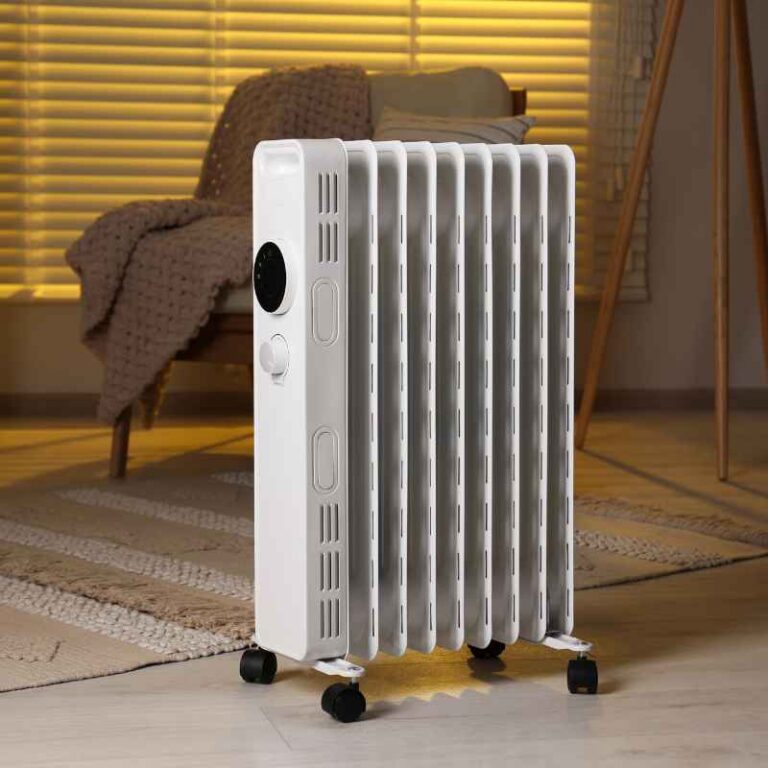
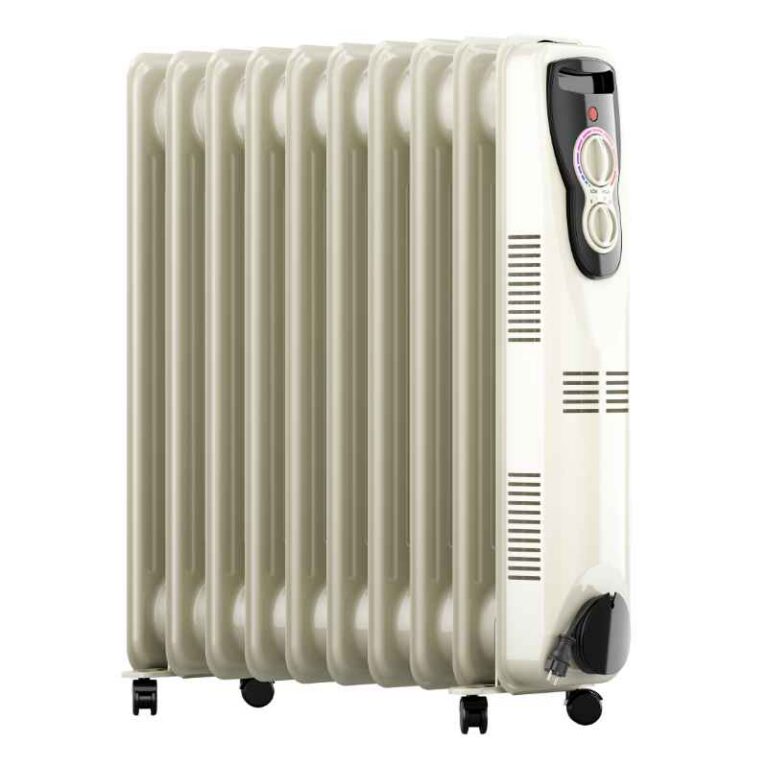
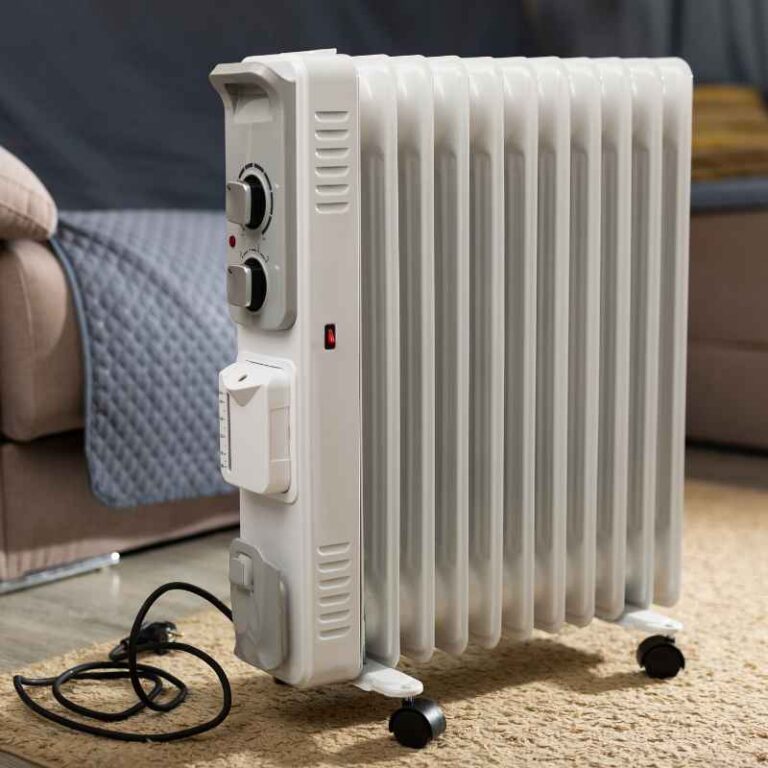
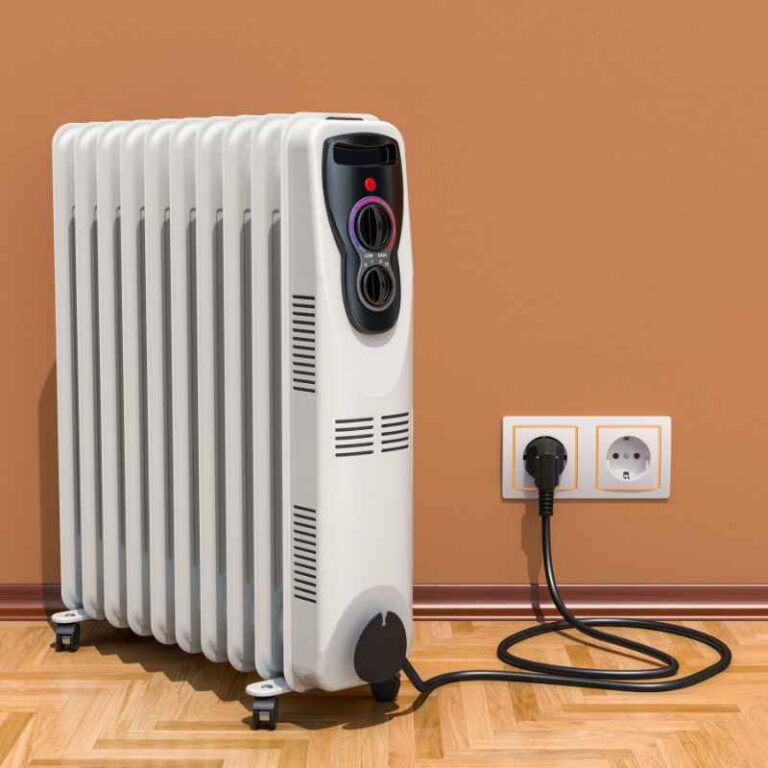
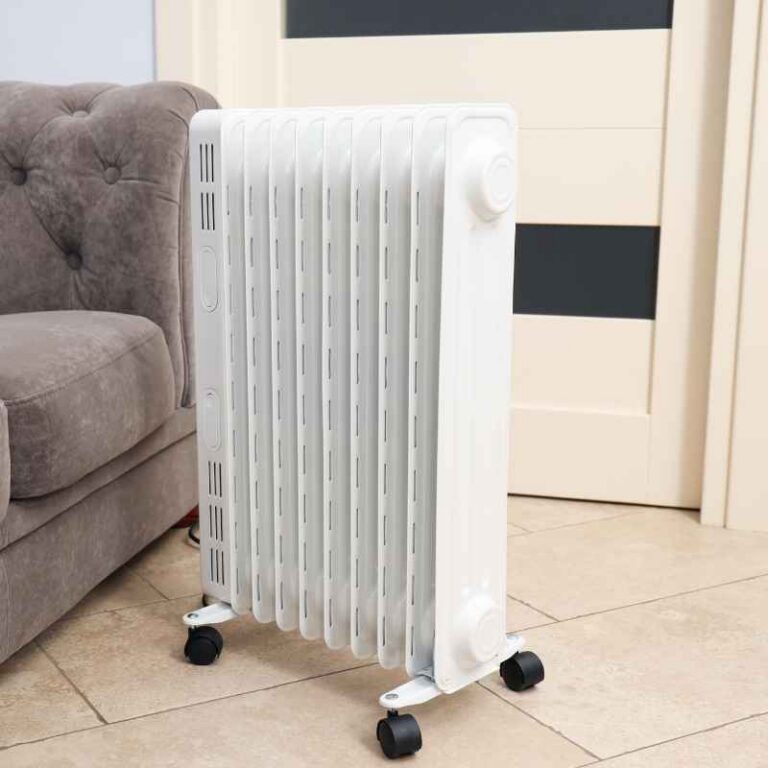
Think of an oil-filled radiator like a slow cooker for your home. It takes a little while to get going. But once it’s hot, it stays that way for a good bit.
Inside, there’s special oil. This oil gets heated up by an electric element. The oil then spreads its heat to the metal fins of the radiator.
These fins warm the air around them. The warm air rises. This creates a gentle, steady heat.
It’s a very even warmth that fills a room.
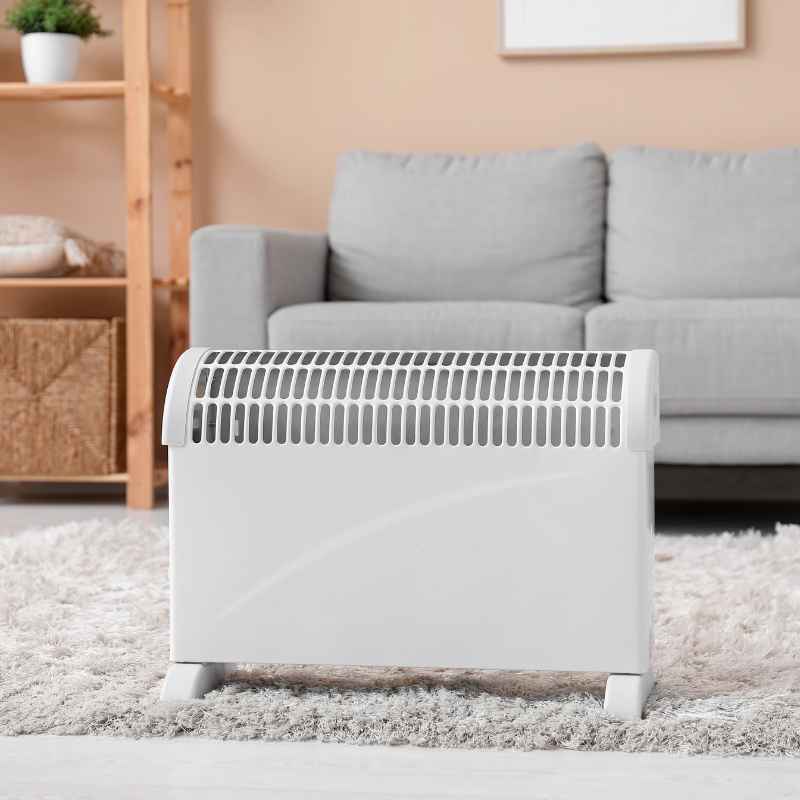
A convector heater is more like a stovetop burner. It gets hot very quickly. It uses a different method to warm the air.
Inside, there’s a heating coil. A fan blows air over this hot coil. The warm air is then pushed out into the room.
This process is much faster. You feel the warmth right away. But when you turn it off, the heat stops coming out just as fast.
My Own Heating Headache
I remember one particularly cold November. My old apartment had terrible insulation. The heating bill was through the roof.
I was desperate. I had a small convector heater. It made a lot of noise and just blasted hot air for a few minutes.
Then it would go silent, and the room would start getting cold again. I felt like I was constantly turning it up and down.
Then, I tried an oil-filled radiator. It was heavier. It took a good fifteen minutes to feel anything.
But once it warmed up, the room stayed cozy for hours. I could even turn it down a bit and still feel comfortable. It didn’t make that whooshing noise.
It was much quieter. This experience really opened my eyes to how different heaters work and how that affects your comfort and your wallet. The initial cost was a bit higher for the oil-filled one, but the steady warmth felt like a better investment for keeping the chill away all day.
How They Heat Up: A Quick Look
Oil-Filled Radiator:
- Heats up oil inside.
- Oil warms the metal fins.
- Fins heat the air gently.
- Slow and steady warming.
Convector Heater:
- Electric coil gets hot fast.
- Fan blows air over coil.
- Hot air is pushed out.
- Quick bursts of heat.
The True Cost: Watts, Bills, and Usage
When we talk about cost, it often comes down to how many watts a heater uses. Watts measure power. More watts mean more power used.
But it’s not just about the watts. It’s also about how long you use it. And how well your room holds onto that heat.
This is where the difference between oil-filled and convector heaters really matters for your budget.
A convector heater is great for quick warmth. Need to warm up a small bathroom before a shower? A convector is perfect.
It heats up in minutes. You use it for a short time. The total energy used is low.
So, for these quick jobs, it’s very cost-effective. You’re not wasting energy heating up a big space or keeping something hot when you don’t need it.
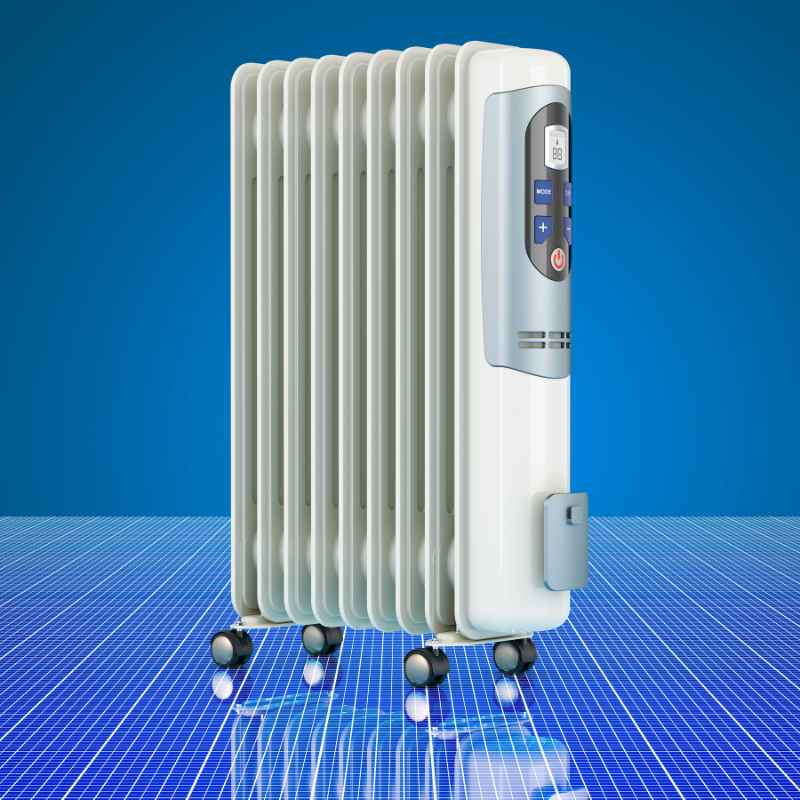
An oil-filled radiator uses energy to heat the oil. This oil then acts as a heat reservoir. It keeps releasing warmth even after the heater is turned down or off.
This is a big plus for larger rooms. Or rooms that get cold quickly. You might use more watts for a longer time initially.
But the sustained heat means you might not need to turn it on and off as much. This steady heat can feel more comfortable too. No more sudden chills!
The insulation of your home plays a huge role. If your windows leak cold air or your walls are thin, any heater will struggle. You’ll be using more energy just to fight the outside cold.
In a well-insulated home, both heaters can be efficient. But the oil-filled type might offer a more stable temperature with fewer on-off cycles. This can lead to lower overall energy use for consistent warmth.
Energy Use: Key Points
Convector Heater:
- High wattage when on.
- Heats up very fast.
- Stops heating when off.
- Best for quick, short bursts.
- Lower total energy for short use.
Oil-Filled Radiator:
- Moderate wattage to heat oil.
- Slow to heat up.
- Continues to radiate heat.
- Best for steady, long-term warmth.
- Might use more total energy for initial heat-up.
- Can be more efficient for maintaining temp.
Pros and Cons: A Clear Comparison
Let’s put them side-by-side. It helps to see the good and bad of each. This way, you can see which one fits your life better.
Oil-Filled Radiator: Pros
- Silent Operation: They are very quiet. No fans or whirring noises. Great for bedrooms or living rooms where peace is important.
- Steady Heat: The oil holds heat. This means the warmth is consistent. No cold spots or sudden drops in temperature.
- Moisture Retention: They don’t dry out the air as much. This is good for people with dry skin or respiratory issues.
- Safety Features: Most have overheat protection. Some also have a tip-over switch. This makes them safer around children and pets.
- Radiant Heat: The fins give off a gentle radiant heat. This feels pleasant and warms objects directly.
Oil-Filled Radiator: Cons
- Slow to Heat: It takes time for the oil to warm up. You won’t get instant heat.
- Bulky and Heavy: They can be quite large and heavy. Moving them around might be a chore.
- Longer Warm-up Time: If you need heat right away, this isn’t the best choice.
- Surface Temperature: The fins can get quite hot. This is a concern if you have small children or pets.
Convector Heater: Pros
- Fast Heating: They warm up a room very quickly. You feel the heat almost instantly.
- Lightweight and Portable: Most are small and easy to move from room to room.
- Adjustable Thermostat: Many have simple controls. You can set a desired temperature.
- Good for Spot Heating: Perfect for quickly warming a small area.
- Lower Initial Cost: Often cheaper to buy than oil-filled radiators.
Convector Heater: Cons
- Can Dry Out Air: The fan blowing over the hot element can make the air dry.
- Fan Noise: Some models can be noisy. The fan sound might be bothersome.
- Heat Stops Quickly: Once turned off, the heat fades fast. You need to keep it on to stay warm.
- Uneven Heat Distribution: The fan might push heat to one side of the room.
- Surface Gets Hot: Like oil-filled, the heating element can be very hot.
Oil-Filled vs. Convector: Which is Best for You?
Choose Oil-Filled if:
- You need steady, long-lasting warmth.
- You have a room that loses heat quickly.
- You prefer quiet operation.
- You don’t need instant heat.
Choose Convector if:
- You need quick, temporary warmth.
- You want to heat a small space for a short time.
- Portability is a must.
- You have a tight budget for the initial purchase.
Real-World Scenarios: Where They Shine
Imagine your daily life. Where would each heater make the most sense? Think about the rooms in your house and how you use them.
This helps paint a clearer picture of the cost and comfort each provides.
Let’s talk about the living room. This is a place where you might spend many hours. If you want a cozy atmosphere that lasts all evening, an oil-filled radiator is often the better choice.
You turn it on when you settle in. It gradually warms the space. Then, it keeps that warmth going.
You might set it to a comfortable temperature. It will cycle on and off as needed. But the overall feeling is one of consistent comfort.
This steady heat can feel more efficient because you’re not chasing a disappearing warmth.
Now, consider your home office. If you sit there for long stretches, you want consistent warmth. Again, an oil-filled radiator can be ideal.
It provides that gentle, ambient heat. It doesn’t blast you with hot air. This is good for concentration.
You won’t be tempted to crank up the thermostat because of sudden cold drafts. The quiet operation is also a big plus for working.
What about the bathroom? This is where the convector heater often wins. You step in, turn it on, and within a few minutes, it’s warm enough for a shower or bath.
You use it for perhaps 15-30 minutes. Then you turn it off. The quick heating is perfect for this short burst of need.
The energy used is minimal because the time is short. It’s much more cost-effective than trying to keep a large, oil-filled radiator going just for that brief period.
Think about a guest room or a small den. If these rooms aren’t used all the time, a convector heater offers flexibility. You can bring it out and turn it on only when guests are staying or when you decide to use that space.
It heats up quickly, provides warmth for a few hours, and then you can put it away. This “on-demand” heating is very efficient for spaces that aren’t in constant use.
The kitchen can be tricky. It’s often warmer due to cooking. If you need extra heat on a cold morning, a convector can provide a quick boost.
But if you’re looking for a gentle background warmth while you’re preparing meals, an oil-filled radiator might be preferred. It avoids that sudden blast of hot air that can feel uncomfortable when you’re busy.
Scenario Spotlight: Best Use Cases
For the Cozy Living Room: Oil-filled radiator for sustained, gentle warmth.
For the Quick Bathroom Boost: Convector heater for rapid heating.
For the Home Office: Oil-filled radiator for consistent, quiet comfort.
For the Guest Room: Convector heater for temporary, on-demand heat.
For the Garage/Workshop: Convector heater for quick bursts of heat when needed.
The Role of Thermostats and Controls
Both types of heaters can come with thermostats. This is a big factor in their cost-effectiveness. A thermostat helps you set a desired room temperature.
The heater then turns itself on and off to maintain it. This prevents the heater from running non-stop. It saves energy and money.
Many convector heaters have simple, adjustable thermostats. You turn a dial to your desired level. The heater will heat until it reaches that temp.
Then it will click off. When the room cools down, it clicks back on. This is pretty efficient for short-term heating.
You’re only using energy when the temperature drops below your set point.
Oil-filled radiators also have thermostats. They often work in a similar way. The heat stored in the oil helps to keep the room temperature more stable between cycles.
This means the heater might not have to turn on as often as a convector would. This can lead to a more even room temperature. And potentially lower energy use over longer periods.
Some modern heaters, regardless of type, have more advanced controls. These might include digital displays, timers, and even smart features. A timer can be great for an oil-filled radiator.
You can set it to start warming up before you wake up. Then it can turn off after you leave for work. This maximizes efficiency.
You get the comfort you want without paying for heat when it’s not needed.
The accuracy of the thermostat matters. If a thermostat is not very accurate, the heater might run too long or turn off too soon. This wastes energy.
It’s worth looking for models with reliable thermostat controls. This is especially true for oil-filled radiators where consistent temperature is key.
What This Means for Your Energy Bill
So, which one is actually cheaper to run? The answer isn’t a simple yes or no. It truly depends on your habits and your home.
If you need to quickly warm a small space for a short time, like a bathroom before a shower, a convector heater will be cheaper. You use it for minutes, not hours. The energy consumed is minimal.
The upfront cost is also usually lower.
If you want to keep a bedroom or a living room at a consistent, comfortable temperature for many hours, an oil-filled radiator might be cheaper in the long run. Even though it takes longer to heat up and might use more energy initially, its ability to retain and slowly release heat means fewer on-off cycles. This sustained warmth without constant power draw can be more efficient for all-day heating.
Think about the total number of hours you’ll use the heater each day and week. If it’s just an hour or two for quick bursts, convector wins. If it’s 6-8 hours for steady warmth, oil-filled might be the winner.
It’s about matching the heater’s strengths to your specific heating needs.
Don’t forget about insulation. A drafty room will make any heater work harder and cost more to run. Improving insulation can make both heater types more efficient.
Sealing windows and doors is a smart first step before you even choose a heater.
Cost-Effectiveness: The Verdict
Cheaper for Short, Quick Bursts: Convector Heater
Potentially Cheaper for Long, Steady Warmth: Oil-Filled Radiator
Key Factors:
- Usage time per day.
- Room size and insulation.
- Need for instant vs. sustained heat.
- Upfront purchase cost.
When to Worry and When to Relax
Most of the time, both oil-filled radiators and convector heaters are safe and reliable ways to add heat. But like any appliance, it’s good to know what to look out for.
With an oil-filled radiator, you generally don’t have much to worry about. They are designed to be safe. The main concern is that the metal fins can get very hot.
Always keep them away from flammable materials like curtains or bedding. Make sure children and pets can’t touch them. Check for any signs of oil leaks.
While rare, a leak means the unit should be retired. Also, ensure it’s on a level surface. The tip-over switch is a good safety feature, but it’s best to prevent tipping.
For a convector heater, the primary safety points are similar. The heating elements get extremely hot. Keep them clear of anything that could catch fire.
Never cover them. Do not put clothes on them to dry. This is a fire hazard.
Also, be mindful of the fan. Make sure it’s not blocked. This can cause overheating.
If you hear strange noises or smell burning plastic, turn it off immediately. These heaters are often lighter. So, ensure they are placed where they won’t be easily knocked over, especially if you have pets or small children.
A general rule for both: Always unplug a heater when you are not using it. Or when you leave the house. Or when you go to sleep.
This is a simple step that significantly reduces risk. Check the power cord regularly for any damage. If it looks frayed or damaged, stop using the heater.
Contact the manufacturer or replace the unit.
When it comes to cost, if you notice your electricity bill suddenly skyrocket, it’s worth investigating. Are you using the heater more than usual? Has the weather changed drastically?
Or could there be an issue with the heater itself? For example, if an oil-filled radiator is constantly on and not heating the room effectively, its thermostat might be faulty. Or if a convector heater is blowing cool air instead of hot, something is wrong.
Most of the time, the cost difference comes down to usage patterns. If you’re using your heater as intended, for the right amount of time and in the right space, you’ll find the running costs manageable for both types. The “worry” really comes in when safety guidelines are ignored or when a unit shows signs of malfunction.
Safety & Efficiency Checks
Always:
- Keep heaters away from flammable items.
- Ensure good ventilation.
- Unplug when not in use or unattended.
- Check power cords for damage.
- Place on a level, stable surface.
Oil-Filled Specific:
- Watch for oil leaks.
- Prevent tipping.
Convector Specific:
- Keep fan vents clear.
- Avoid covering the unit.
Quick Tips for Smarter Heating
Want to get the most out of your heater and save money? Here are a few simple tricks that make a big difference. These are practical steps you can take right now.
- Seal Drafts: Use weather stripping around doors and windows. Use draft stoppers at the bottom of doors. This keeps the warm air in and the cold air out. It’s one of the most effective ways to save energy.
- Use Timers: If your heater doesn’t have one, consider buying an inexpensive plug-in timer. Set it to turn the heater on and off at specific times. This is great for waking up to a warm room or ensuring the heater isn’t running when you’re out.
- Right Heater for the Right Room: Don’t try to heat your whole house with one small heater. Use a convector for quick bathroom heat. Use an oil-filled radiator for a longer-term cozy bedroom. Match the tool to the job.
- Close Doors: Keep doors closed to the rooms you are heating. This creates a smaller, more manageable space for the heater to warm. It also stops heat from escaping to unused areas.
- Layer Up: Put on a sweater or an extra pair of socks before you turn up the heat. Sometimes a little extra clothing is all you need. This reduces your reliance on the heater.
- Thermostat Smarts: If you have a thermostat, set it a degree or two lower. You might be surprised how little difference you notice. Small adjustments add up to energy savings.
- Clean Your Heater: Dust can build up on heating elements and fins. This can make the heater less efficient. Gently clean your heater according to the manufacturer’s instructions.
Frequently Asked Questions
Is an oil-filled radiator more energy-efficient than a convector heater?
It depends on how you use them. Oil-filled radiators are often more efficient for maintaining a steady temperature over long periods because they retain heat. Convector heaters are more energy-efficient for quick, short bursts of heat as they warm up fast and stop when turned off.
Which type of heater is safer for homes with children or pets?
Both types have hot surfaces. However, oil-filled radiators tend to have more rounded edges and don’t have exposed heating coils or fans, which can be perceived as slightly safer in some situations. Always ensure any heater is placed safely away from children and pets, and consider models with tip-over protection.
Can I use an oil-filled radiator to heat a large room?
Yes, oil-filled radiators can be effective for larger rooms if you choose a model with enough wattage for the space. Their ability to provide sustained, even heat makes them a good choice for larger areas where you need consistent warmth throughout the day.
Which heater is faster at warming up a room?
Convector heaters are much faster at warming up a room. They use a fan to blow air over a hot heating element, distributing heat quickly. Oil-filled radiators take longer as they first need to heat the oil inside.
Does the oil in an oil-filled radiator need to be replaced?
No, the oil inside an oil-filled radiator is permanently sealed. It is designed to last the lifetime of the heater and does not need to be replaced or refilled.
Which heater is better for allergy sufferers?
Oil-filled radiators are often considered better for allergy sufferers. They heat the air gently through convection and radiation, without using a fan. This means they don’t circulate dust, pollen, or other allergens around the room as much as fan-based convector heaters can.
What is the average running cost difference between them?
There’s no fixed average cost. A convector heating a bathroom for 20 minutes daily might cost cents per day. An oil-filled radiator maintaining a living room for 8 hours could cost dollars per day, depending heavily on wattage, electricity rates, and insulation.
It’s all about usage duration and intensity.
Making the Right Choice for Your Home
Choosing between an oil-filled radiator and a convector heater comes down to your specific needs. Think about how quickly you need heat. Think about how long you need it.
And think about your home’s insulation. Both can be cost-effective when used wisely. The key is matching the heater’s strengths to your living habits.
This ensures comfort without a sky-high electricity bill.
Sponsored / affiliate links. As an Amazon Associate I earn from qualifying purchases. I may earn additional commission from eligible campaigns.