What Is the Best Wattage for an Oil Filled Radiator?
Choosing the best wattage for an oil filled radiator is the single most important factor in getting efficient, comfortable heat for your space. Pick the wrong wattage, and you either freeze through winter or burn money on electricity bills. This post breaks down every wattage option, room size match, and energy consideration so you can make the right choice.
Simply put, 1500W is the best all-around wattage for most standard bedrooms and living rooms up to 200 square feet. For smaller spaces like bathrooms or home offices, 700W to 900W works well, while large open-plan areas may need 2000W to 2500W. Match wattage to room size, insulation quality, and ceiling height for the best balance of warmth and running cost.
Key Takeaways
- Best wattage for an oil filled radiator depends on room square footage, insulation, and ceiling height — not just a one-size-fits-all number.
- 1500W models cover the majority of home spaces (up to 200 sq ft) and offer the best balance of heating speed and energy use.
- Higher wattage does not always mean better heating — oversized radiators cycle on and off too frequently, wasting energy.
- Oil filled radiators with thermostats and programmable timers can cut electricity consumption by 10 to 20 percent compared to manual-only models.
- Always check your circuit breaker capacity — a single 1500W radiator draws about 12.5 amps, so avoid plugging multiple high-wattage heaters into the same circuit.
What Is an Oil Filled Radiator and How Does It Work?
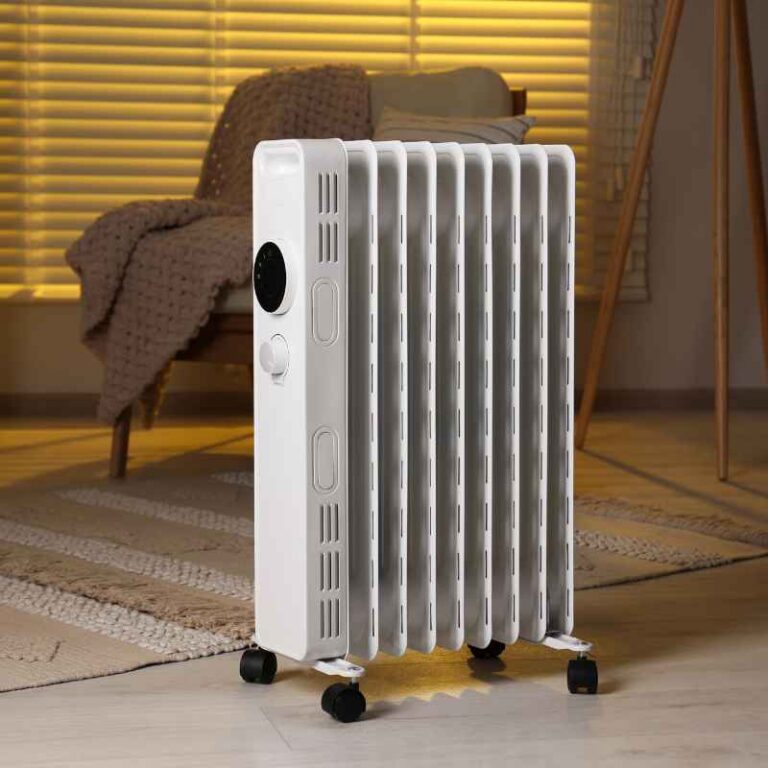
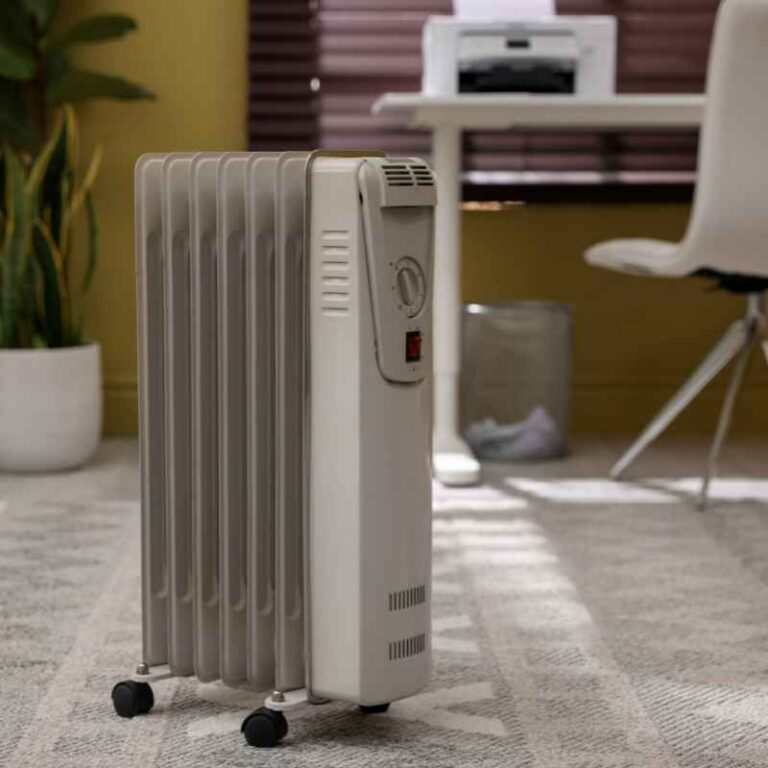
An oil filled radiator is a portable electric heater that uses diathermic oil as a heat reservoir. The oil is sealed inside the radiator body and never needs replacing. When electricity flows through the heating element, the oil warms up and circulates through the fins by natural convection.
Unlike fan heaters that blast hot air, oil filled radiators heat slowly and evenly. The oil retains heat for 20 to 30 minutes after the unit switches off, providing a lingering warmth that feels natural and comfortable. This thermal mass is what makes them so efficient for steady, long-duration heating.
- No combustion — no gas, no flames, no carbon monoxide risk
- Silent operation — no fan noise, just a soft click from the thermostat
- No dry air — unlike ceramic or fan heaters, oil filled units do not strip moisture from the room
- Even heat distribution — natural convection spreads warmth without cold spots
- Safe to touch — surface temperatures stay lower than many other heater types, typically under 150°F
- Thermostat control — most models let you set a target temperature and maintain it automatically
- Portable — castors or wheels make them easy to move from room to room
The heating element wattage determines how fast the oil reaches operating temperature and how much heat the radiator can deliver per hour. Higher wattage means faster warm-up and more heat output, but it also means higher running costs if the unit runs continuously.
Important: Oil filled radiators are about 99 percent efficient at converting electricity into heat. Nearly every watt of electricity drawn becomes heat inside your room, so the primary efficiency difference between wattage options comes down to how well the thermostat manages on-off cycling.
How to Choose the Best Wattage for an Oil Filled Radiator
To find the best wattage for an oil filled radiator for your specific room, start with square footage. A general rule of thumb is 10 watts per square foot for a room with average insulation and 8-foot ceilings. That means a 150-square-foot bedroom needs at least 1500W of heating power.
But square footage alone is not enough. You also need to account for ceiling height, window quality, draftiness, and whether the room is above an unheated garage or basement. A room with vaulted ceilings or single-pane windows may need 20 to 30 percent more wattage than the standard formula suggests.
| Room Size (sq ft) | Recommended Wattage | Typical Use Case |
|---|---|---|
| Under 75 sq ft | 400W – 700W | Small bathroom, closet, tiny home office |
| 75 – 150 sq ft | 700W – 1200W | Single bedroom, compact office, small den |
| 150 – 200 sq ft | 1200W – 1500W | Master bedroom, medium living room, home office |
| 200 – 300 sq ft | 1500W – 2000W | Large living room, open-plan kitchen-diner |
| 300 – 400 sq ft | 2000W – 2500W | Open-plan downstairs, garage workshop |
Use this table as a starting point, then adjust up or down based on your specific conditions. Rooms with poor insulation, large windows, or exterior walls on two sides will need wattage at the higher end of the range.
- Measure your room — multiply length by width to get square footage
- Check ceiling height — for ceilings above 9 feet, add 25 percent to your wattage calculation
- Assess insulation — drafty rooms need 15 to 30 percent more wattage
- Consider climate — colder regions may need higher wattage for the same room size
- Match to the right model — use the table above to pick your wattage range
Tip: If you are between two wattage options, choose the higher one. Oil filled radiators with thermostats will cycle off when the room reaches temperature, so a slightly oversized unit will not waste energy — and it will heat the room faster on very cold days.
What Are the Common Wattage Options Available?
Oil filled radiators come in five main wattage categories. Each is designed for specific room sizes and heating needs. Understanding these options helps you pick the best wattage for an oil filled radiator without overspending or undershooting your comfort goals.
Low-wattage models (400W to 700W) are compact and designed for spot heating in small, enclosed spaces. Mid-range units (700W to 1200W) are the most popular for single rooms. High-wattage models (1500W to 2500W) handle larger spaces and open-plan layouts.
| Wattage | Fins (typical) | Heat Output (BTU/hr) | Best For |
|---|---|---|---|
| 400W – 700W | 5 – 7 | 1,365 – 2,388 | Bathrooms, small offices, under desks |
| 700W – 1000W | 7 – 9 | 2,388 – 3,412 | Single bedrooms, small dens |
| 1000W – 1500W | 9 – 11 | 3,412 – 5,118 | Master bedrooms, medium living rooms |
| 1500W – 2000W | 11 – 13 | 5,118 – 6,824 | Large living rooms, open kitchens |
| 2000W – 2500W | 13 – 15 | 6,824 – 8,530 | Open-plan spaces, garages, basements |
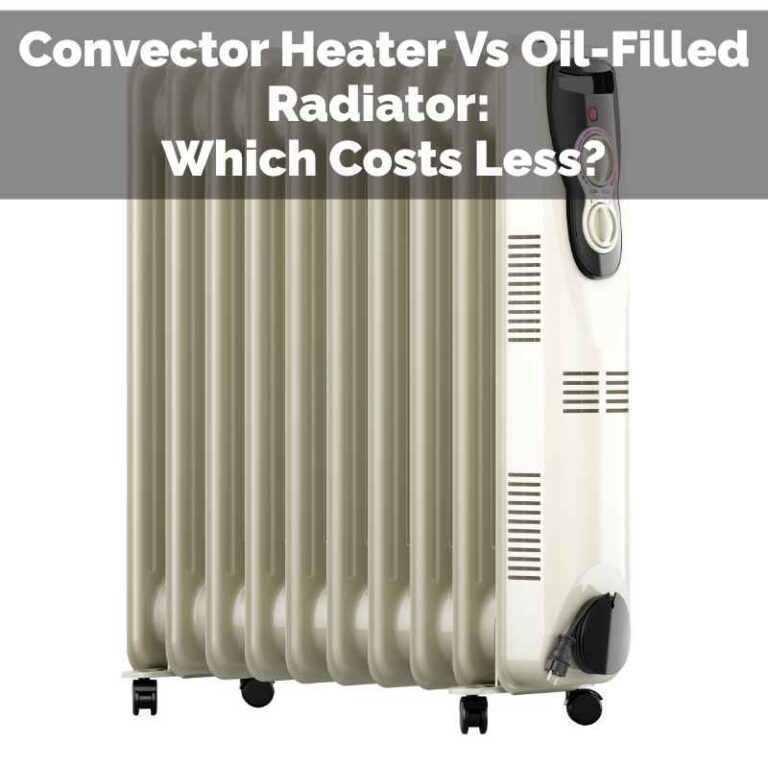
The number of fins on an oil filled radiator directly relates to its wattage and heat output. More fins mean more surface area for heat dissipation, which allows the radiator to transfer heat into the room more effectively. A 1500W radiator with 11 fins will heat a room faster and more evenly than a 1500W model with only 7 fins.
According to the U.S. Department of Energy, heating accounts for approximately 29 percent of a typical home’s energy bill. Choosing the right wattage from the start can save you hundreds of dollars per year compared to using an undersized unit that never reaches temperature or an oversized unit that cycles on and off constantly.
How Room Size Affects Wattage Requirements
Room size is the most direct factor in determining the best wattage for an oil filled radiator. A 700W radiator in a 250-square-foot living room will struggle to raise the temperature by more than a few degrees, running constantly and driving up electricity costs without delivering real comfort.
Conversely, a 2000W unit in a small 80-square-foot bathroom will heat up in minutes but will cycle on and off frequently once the thermostat reaches the set point. This short-cycling wastes energy and puts extra wear on the thermostat and heating element over time.
- Small rooms (under 100 sq ft) — 400W to 700W is ample; the radiator will cycle off frequently, keeping running costs low
- Medium rooms (100 to 200 sq ft) — 1000W to 1500W offers the best balance of warm-up speed and energy efficiency
- Large rooms (200 to 300 sq ft) — 1500W is the minimum; 2000W is better for faster warm-up on cold days
- Open-plan areas (over 300 sq ft) — 2000W to 2500W, possibly with two smaller units placed at opposite ends for even heating
- Sunrooms and extensions — add 20 to 30 percent to the standard wattage calculation due to higher heat loss through glass
- Basements and garages — use the highest wattage in the recommended range since these spaces are typically less insulated
The Energy Saving Trust reports that using a programmable thermostat with your oil filled radiator can reduce energy consumption by up to 10 percent. This is especially valuable in medium and large rooms where the radiator needs to run for several hours at a time.
Warning: Never use an extension cord with a high-wattage oil filled radiator. A 1500W draw on a standard 15-amp circuit is near the limit. Plugged into an extension cord, voltage drop can cause overheating and fire risk. Always plug directly into a wall outlet.
What Are the Energy Efficiency Considerations?
Energy efficiency with oil filled radiators is not about the wattage itself — it is about how well the thermostat, timer, and room insulation work together. A 1500W radiator running for 8 hours at full power uses 12 kWh of electricity. At the average U.S.
electricity rate of 16 cents per kWh, that is $1.92 per day or about $57 per month for continuous daily use.
But in practice, oil filled radiators with good thermostats run at full power only during the initial warm-up phase. Once the room reaches the set temperature, the radiator cycles on and off to maintain that temperature, consuming much less electricity over the full operating period.
| Wattage | Full Power (kWh/hr) | Typical Daily Use (8 hrs) | Est. Monthly Cost |
|---|---|---|---|
| 700W | 0.7 kWh | 5.6 kWh | $27 |
| 1000W | 1.0 kWh | 8.0 kWh | $38 |
| 1500W | 1.5 kWh | 12.0 kWh | $57 |
| 2000W | 2.0 kWh | 16.0 kWh | $77 |
| 2500W | 2.5 kWh | 20.0 kWh | $96 |
These estimates assume the radiator runs at full power for the entire 8 hours, which is worst-case. In reality, a well-sized radiator with a working thermostat will run at full power for only 30 to 50 percent of that time, cutting your actual cost by half or more.
- Use the thermostat — setting a target temperature prevents the radiator from running longer than needed
- Program timers — run the radiator 30 minutes before you enter the room and turn it off when you leave
- Seal drafts — weatherstripping around windows and doors reduces heat loss by up to 15 percent
- Close doors — heating one room is far cheaper than heating an entire open-plan floor
- Layer clothing — turning the thermostat down by 1°F saves about 3 percent on heating costs
How Does Wattage Impact Heating Performance?
Wattage directly determines two aspects of heating performance: warm-up speed and maximum temperature lift. A 1500W radiator will heat a 150-square-foot bedroom from 60°F to 68°F in roughly 20 to 30 minutes. A 700W unit in the same space would take 45 to 60 minutes to achieve the same temperature rise.
The best wattage for an oil filled radiator also affects how well the unit maintains temperature on very cold days. If outdoor temperatures drop below freezing, a lower-wattage radiator may struggle to keep the room at a comfortable 68°F, running continuously without ever reaching the thermostat set point.
- Warm-up speed — higher wattage means faster heat delivery when the radiator first turns on
- Temperature lift — the maximum temperature difference the radiator can maintain between indoor and outdoor air
- Cycle frequency — properly matched wattage leads to longer off cycles and lower energy consumption
- Heat retention — oil filled radiators stay warm for 20 to 30 minutes after switching off, regardless of wattage
- Room uniformity — more fins for a given wattage means more even heat distribution across the room
Most oil filled radiators on the market today offer multiple heat settings, typically low, medium, and high. A 1500W model, for example, might offer a 600W low setting, a 900W medium setting, and a 1500W high setting. This flexibility lets you adjust wattage to match current conditions without buying multiple units.
Tip: Start your oil filled radiator on the highest wattage setting for the first 30 minutes to warm the room quickly, then switch to a lower setting to maintain the temperature. This approach reduces overall energy use compared to running at full power all day.
What Are the Safety Factors Related to Wattage?
Safety is directly tied to wattage because higher wattage draws more current from your home’s electrical system. A standard 15-amp household circuit in the U.S. can handle a maximum of 1800 watts (15 amps x 120 volts).
A single 1500W oil filled radiator uses 12.5 amps, leaving only 2.5 amps for other devices on the same circuit.
Plugging a 1500W radiator into a circuit that already has lights, a computer, and a TV running can easily trip the breaker. If the breaker does not trip, the wiring can overheat, creating a fire risk. This is especially dangerous in older homes with outdated wiring that may not meet modern safety standards.
- Circuit capacity — never exceed 80 percent of a circuit’s rated amperage for sustained loads like heaters
- Dedicated circuit recommended — for 2000W and 2500W radiators, a dedicated 20-amp circuit is strongly advised
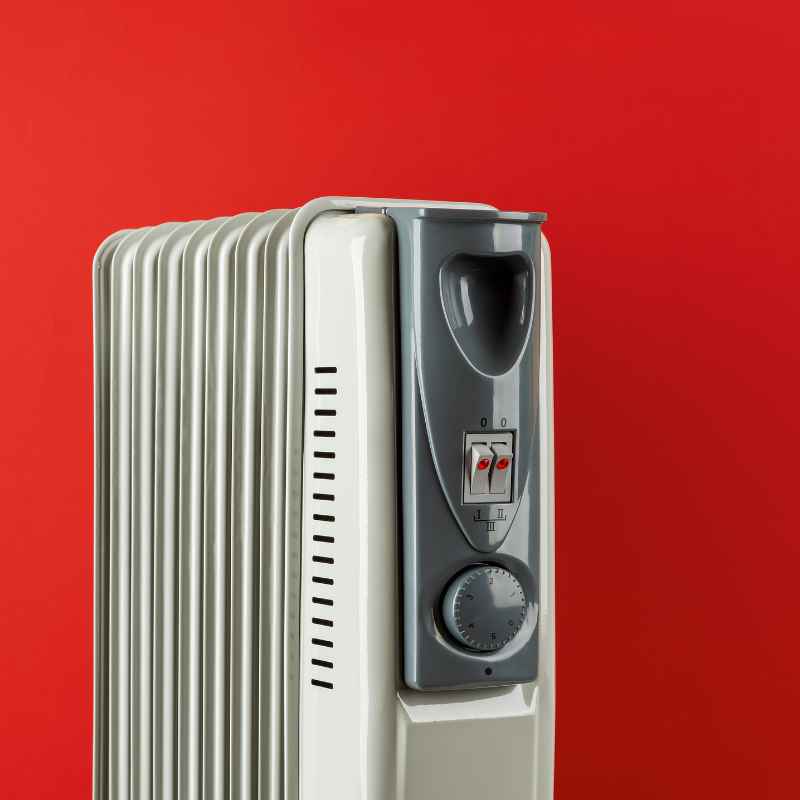
- Tip-over switch — all modern oil filled radiators should have an automatic shut-off if knocked over
- Overheat protection — built-in thermal cutouts prevent the unit from reaching dangerous temperatures
- UL or ETL certification — always buy heaters tested by an independent safety laboratory
- Cord condition — check the power cord regularly for fraying, cracking, or damage
- Clearance — keep the radiator at least 3 feet away from curtains, bedding, furniture, and flammable materials
The National Fire Protection Association (NFPA) reports that space heaters are involved in about 44 percent of U.S. home heating fires. Proper wattage selection and safe usage habits dramatically reduce this risk.
Never leave an oil filled radiator unattended in a room with children or pets, and always unplug it when not in use.
Warning: Never run an oil filled radiator’s power cord under a rug, carpet, or furniture. The cord can overheat when covered, leading to insulation meltdown and potential electrical fire. Always route cords in open, visible areas.
Comparing Oil Filled Radiators to Other Heaters
Oil filled radiators are not the only portable heating option on the market, and understanding how they compare helps you confirm whether the best wattage for an oil filled radiator is the right choice for your needs at all. Each heater type has different strengths for different situations.
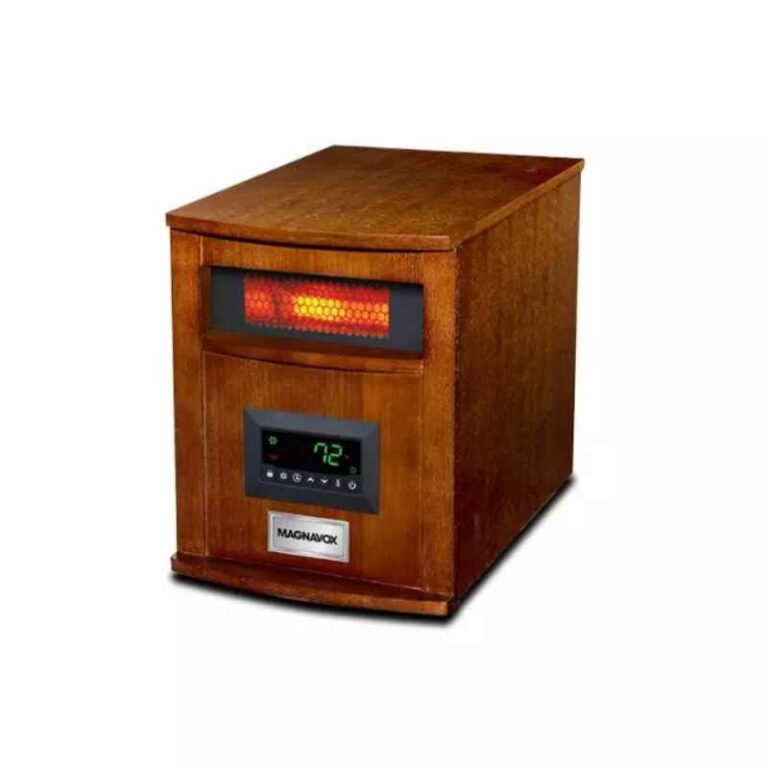
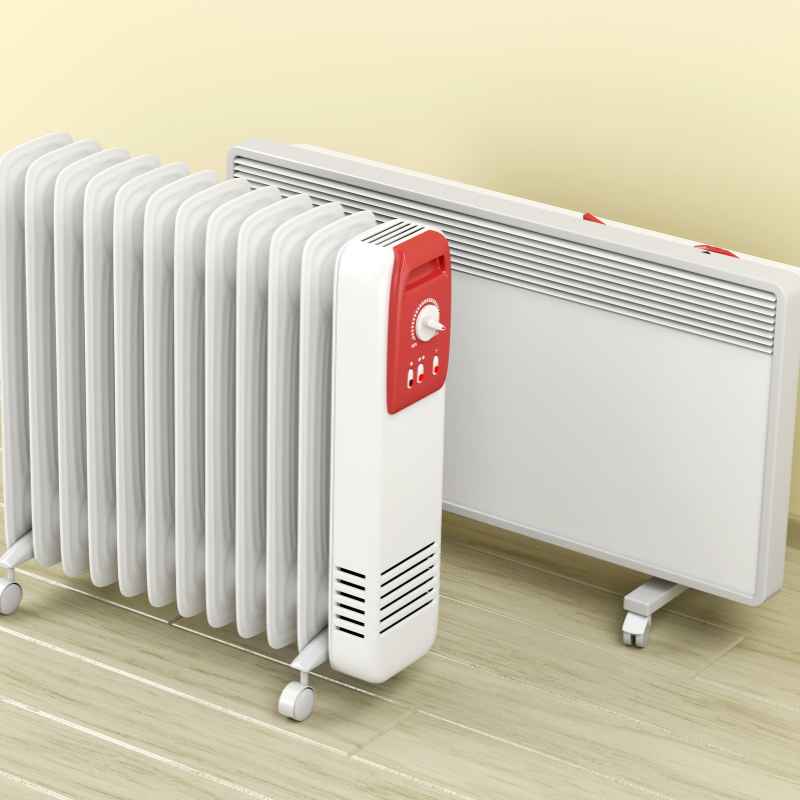
Fan heaters and ceramic heaters heat rooms faster but create noise and dry air. Infrared heaters warm objects directly but do not raise overall air temperature as evenly. Oil filled radiators sit in the middle: slower to warm up but quieter, more comfortable, and better for sustained use over many hours.
| Feature | Oil Filled Radiator | Fan Heater | Ceramic Heater | Infrared Heater |
|---|---|---|---|---|
| Warm-up speed | Slow (15-30 min) | Fast (instant) | Fast (1-2 min) | Instant (line of sight) |
| Noise level | Silent | Loud (fan noise) | Moderate (fan noise) | Silent |
| Air dryness | No dry air | Very dry | Dry | No dry air |
| Heat retention | Excellent (20-30 min) | None (cools instantly) | Low (cools fast) | None (cools instantly) |
| Best use case | All-day steady heating | Quick spot heating | Medium-term room heat | Heating a person, not a room |
For most homeowners, an oil filled radiator offers the best combination of comfort, safety, and efficiency for whole-room heating over extended periods. If you need quick heat for 10 minutes while getting ready in the morning, a fan heater makes more sense. But for keeping a room warm all evening while you relax, an oil filled radiator wins every time.
Frequently Asked Questions
What size oil filled radiator do I need for a 12×12 room?
A 12×12 room is 144 square feet. For this size, a 1200W to 1500W oil filled radiator is ideal. The 1500W option will heat the room faster and handle colder outdoor temperatures better, while the thermostat will cycle the unit off once the room reaches your set temperature.
Is 1500W enough for a bedroom?
Yes, 1500W is enough for most standard bedrooms up to 200 square feet with average insulation and 8-foot ceilings. If your bedroom has vaulted ceilings, large windows, or poor insulation, you may need a 2000W model or a second smaller heater.
Are oil filled radiators expensive to run?
Running costs depend on wattage, local electricity rates, and how many hours per day the radiator runs. A 1500W model running 8 hours per day at 16 cents per kWh costs about $57 per month in worst-case full-power usage. With a thermostat, actual costs are typically 40 to 60 percent lower.
Can I leave an oil filled radiator on all night?
Yes, modern oil filled radiators with thermostats and tip-over protection are generally safe to leave on overnight in a bedroom. Set the thermostat to a comfortable but not excessive temperature, typically 65°F to 68°F. Keep the unit at least 3 feet away from bedding and curtains, and never cover it with clothing or towels.
Does higher wattage mean a more powerful heater?
Higher wattage means the heater can deliver more heat per hour, which results in faster warm-up and a higher maximum temperature lift. However, for a given room size, a properly sized lower-wattage radiator will still keep the room comfortable — it just takes longer to reach temperature and may struggle on very cold days.
Final Thoughts
Finding the best wattage for an oil filled radiator comes down to matching the unit to your room size, insulation quality, and typical usage pattern. For most homes, a 1500W model with a thermostat and timer offers the best balance of performance, running cost, and convenience. Smaller spaces benefit from 700W to 1000W units, while larger or draftier rooms may require 2000W or more.
Always prioritize safety by checking your circuit capacity and never using extension cords. With the right wattage, an oil filled radiator delivers quiet, even, comfortable warmth that keeps you cozy all winter long without breaking the bank.
Sponsored / affiliate links. As an Amazon Associate I earn from qualifying purchases. I may earn additional commission from eligible campaigns.