Is Running An Oil Filled Electric Radiator Expensive? Real Costs
The running cost of an oil-filled electric radiator depends heavily on its wattage, how long it’s used, your electricity rates, and the room’s insulation. While they are not the cheapest heaters to run for rapid heating, their ability to retain heat can make them cost-effective for maintaining a steady temperature over longer periods.
Understanding Oil-Filled Electric Radiators
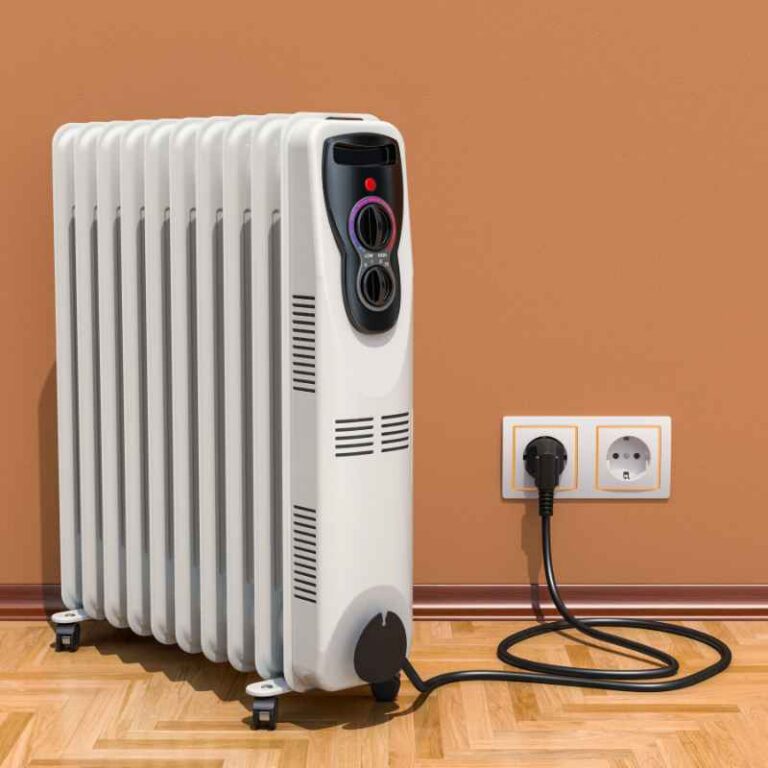
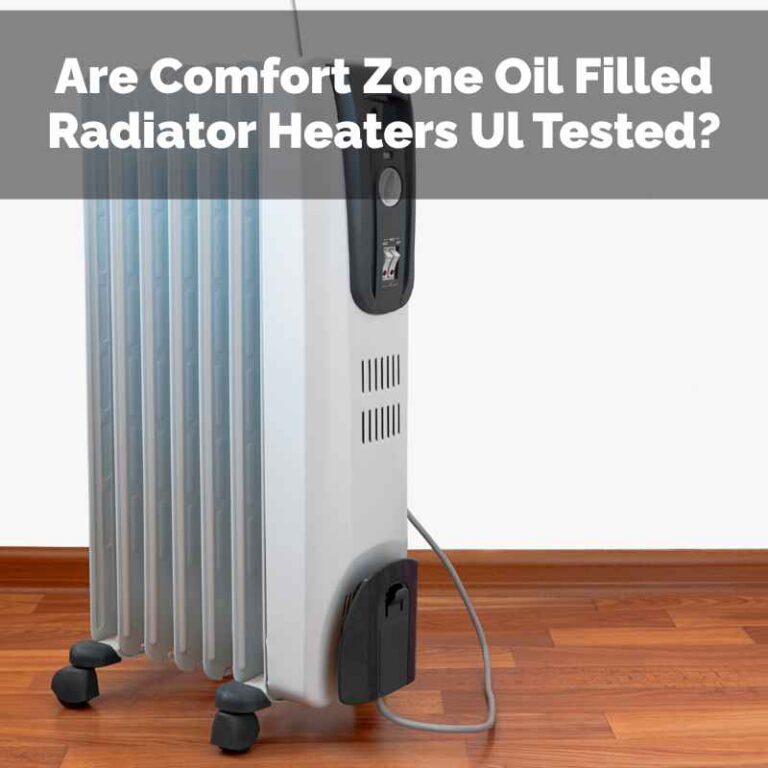
An oil-filled electric radiator might look like a traditional radiator you’d find hooked up to a boiler. But there’s a key difference. Instead of hot water, it uses a special heat-conducting oil sealed inside. An electric element at the bottom heats this oil. The hot oil then travels up through the fins of the radiator. This gently heats the air around it. It’s a convection heating method.
This type of heater works by spreading warmth slowly and evenly. It’s not about blasting heat. It’s about a gentle, continuous release of warmth. The oil is a fantastic heat retainer. This means that even after you turn the radiator off, it keeps giving off heat for a while. This stored heat is a big part of its appeal. It helps keep a room cozy without the element constantly being on.
Why do people choose these heaters? Many like the soft, radiant heat they provide. It’s often described as a more comfortable warmth. Unlike fan heaters that can dry out the air, oil-filled radiators tend to be kinder. They don’t blow air around. This is great for people with allergies or dry skin. They are also usually portable. You can move them from room to room as needed.
How Much Power Do They Use?
The main factor that decides how much electricity a heater uses is its wattage. Think of wattage as its power level. A higher wattage means it uses more electricity. An oil-filled radiator usually has a power rating listed on it. This is often between 500 watts (W) and 2500 watts (W).
Let’s break that down. A 500W heater uses half a kilowatt-hour (kWh) of electricity every hour it’s on full power. A 1500W heater uses 1.5 kWh every hour. A 2500W heater uses 2.5 kWh every hour. Your electricity bill is measured in kWh. So, the higher the wattage, the more kWh it will use over time.
It’s important to remember that most oil-filled radiators have a thermostat. This means they don’t always run at their maximum wattage. The thermostat helps control the temperature. When the room reaches your set temperature, the element will switch off. It will then switch back on when the temperature drops. This cycling means it doesn’t use its full power all the time. But when it is on, it’s drawing that much power.
Calculating Running Costs: The Math
To figure out the cost, you need two main things: the heater’s wattage and your electricity price. Your electricity company charges you by the kilowatt-hour (kWh). You can find your electricity price on your bill. It’s usually listed as pence per kWh or cents per kWh.
Let’s do a simple example. Suppose you have a 1500-watt oil-filled radiator. That’s 1.5 kilowatts (kW). If you run it for 1 hour, it uses 1.5 kWh. Now, let’s say your electricity costs 20 pence per kWh. The cost for that hour would be:
1.5 kW 1 hour 20 pence/kWh = 30 pence
So, running a 1500W radiator for one hour costs about 30 pence. If you run it for 8 hours a day, that’s:
30 pence/hour * 8 hours = 240 pence (or £2.40)
Over a month, this adds up. If you run it for 8 hours a day for 30 days, it would be:
£2.40/day * 30 days = £72
This is a rough estimate. It doesn’t account for the thermostat cycling or room insulation. But it gives you a clear idea of the power usage.
Personal Experience: The Unexpected Chill
I remember a winter a few years back. I had just moved into a small apartment. The building was older, and the central heating was a bit temperamental. I bought a nice, sleek oil-filled radiator. It was a 2000W model, and it looked great. I thought, “This will be perfect for my living room. It’ll keep it toasty.”
The first few days were great. The room felt cozy. The heat was gentle, not harsh. I loved that it stayed warm even after I turned it off for a bit. But then I got my first electricity bill. My jaw just about hit the floor. It was much higher than I expected. I started looking at the radiator. I noticed it had a decent-sized dial, but no digital display of its exact temperature or power usage. I realized I had been running it on what felt like a “medium-high” setting almost all day. I hadn’t been paying close enough attention to how long it was actually drawing power.
I started timing it. I’d set the thermostat and see how often it clicked on and off. I also noticed that if the room was really cold to start with, it took a long time for the thermostat to kick in. The element was on much more than I thought. That’s when I understood that while the oil is great for holding heat, the initial heating process still uses a lot of power, especially for a higher wattage unit in a poorly insulated space. It was a good lesson in not just buying a heater, but truly understanding how it works and how I was using it.
What Affects the Running Cost?
It’s not just about the heater itself. Many other things play a big role in how much you spend on electricity.
Room Size and Insulation
A bigger room needs more heat to get warm. A small bedroom might heat up quickly with a 1000W heater. But a large living room might struggle and need a 2000W or 2500W model. Even then, it might run for longer to keep it warm.
Insulation is also key. If your windows have drafts or your walls are thin, heat will escape quickly. The heater will have to work harder and longer to maintain the temperature. This means more electricity used. Proper insulation can make a huge difference.
Thermostat Settings
The temperature you set on your thermostat is crucial. Every degree higher means the heater will run for longer. Setting it to 70°F (21°C) will cost more than setting it to 65°F (18°C). It’s about finding a balance between comfort and cost.
Ambient Temperature
The starting temperature of the room matters. If it’s freezing outside, and the room is already very cold, the heater will work overtime to bring it up to temperature. If the room is already somewhat warm, it will take less energy to maintain that warmth.
Duration of Use
This is the most obvious factor. The longer you run the heater, the more electricity it uses. If you only need to heat a room for an hour or two a day, the cost will be much lower than if you run it all day and night.
Electricity Rates
As we saw in the example, your local electricity price is a major determinant. Rates can vary a lot between regions and even between different plans from the same company. Some plans offer lower rates during off-peak hours (like overnight). Using a heater during these times can save money.
Are Oil-Filled Radiators Energy Efficient?
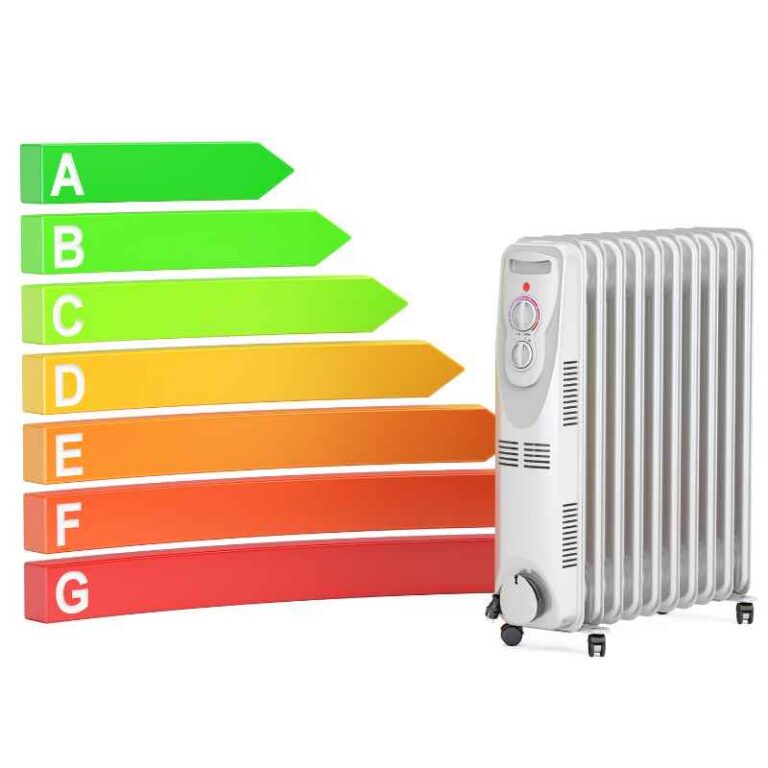
This is where things get a little nuanced. Oil-filled radiators are not typically considered the most energy-efficient heaters on the market for all situations. They are very efficient at converting electricity into heat. In that sense, almost all electric heaters are 100% efficient at this. Every watt of electricity consumed becomes a watt of heat.
The efficiency question is more about how that heat is used and how long it takes to achieve the desired warmth.
The Upside of Heat Retention
Their strength lies in their ability to store heat. The oil inside stays hot for a good while after the power is cut. This means that the heating element doesn’t need to switch on as often to maintain a steady temperature, especially in a well-insulated room. This can make them more efficient for continuous, low-level heating than, say, a fan heater that only produces heat when its element and fan are running.
The Downside of Warm-Up Time
However, they can be slow to heat up a cold room initially. A 1500W oil-filled radiator might take 15-20 minutes or longer to start giving off significant warmth. In contrast, a 1500W fan heater might start blowing hot air within a minute. If you only need heat for short bursts, like an hour here or there, a faster-acting heater might be more efficient for your needs. You’re not waiting as long for comfort, and the total energy used might be less because the heating element isn’t running for as long to reach your desired temperature.
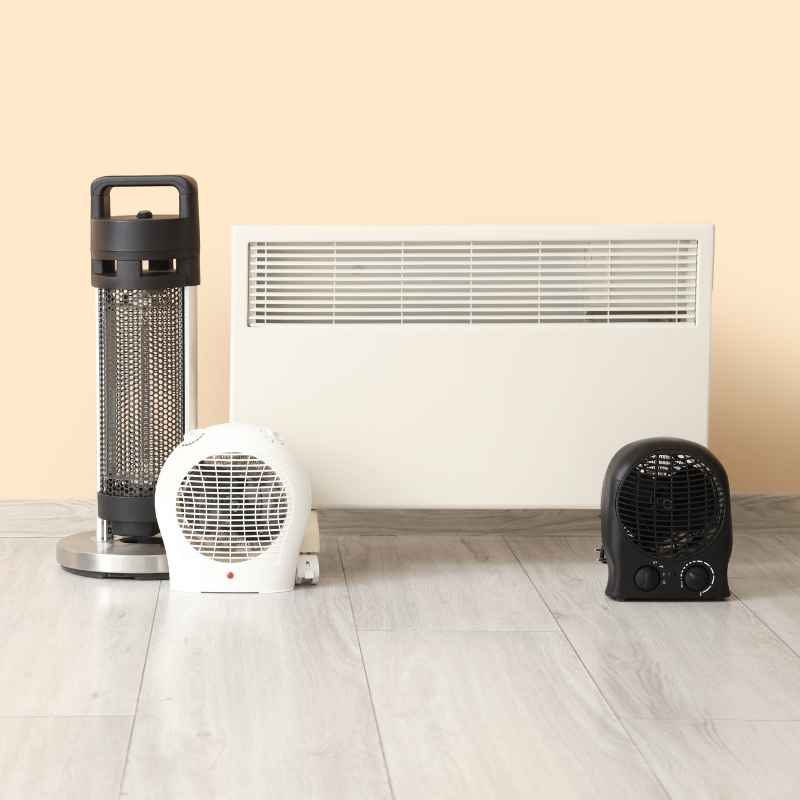
Compared to Other Electric Heaters
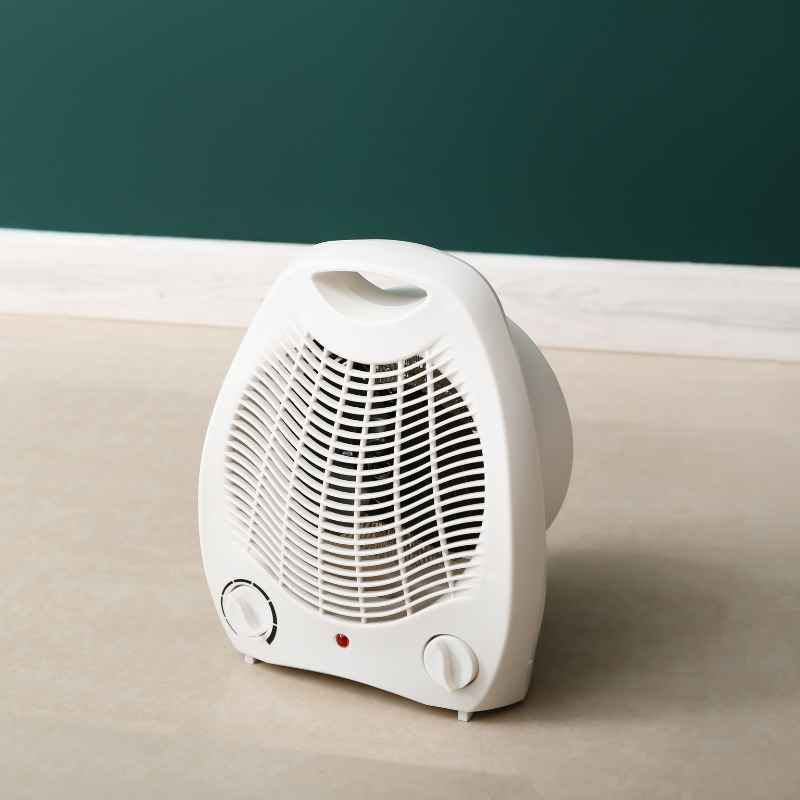
Fan Heaters (Ceramic/Coil): These heat up fast but can be noisy and dry out the air. Their heat disperses quickly, so they are good for spot heating but less so for maintaining a whole room’s temperature. They only use energy when actively heating.
Convection Heaters: Similar to oil-filled, they heat air which rises. Some have oil, some don’t. The oil ones tend to retain heat longer.
Infrared Heaters: These heat objects and people directly, not the air. They feel warm almost instantly and can be good for targeted heating, potentially using less energy if you’re only heating yourself and not the whole room.
When Are Oil-Filled Radiators a Good Choice for Cost Savings?
Despite their potential for slower warm-up, oil-filled radiators can be surprisingly cost-effective in specific scenarios.
Maintaining a Steady Temperature
If your goal is to keep a room at a consistent, comfortable temperature for many hours, an oil-filled radiator can excel. Once the room is warm, the thermostat will cycle the element on and off. Because the oil holds heat, it might only need short bursts of power to keep things steady. This is ideal for:
Home offices where you’re working all day.
Living rooms in the evening.
Bedrooms overnight.
Supplementing Central Heating
In homes with central heating that doesn’t quite reach every room comfortably, an oil-filled radiator can be a great addition. Instead of turning up the central heating higher for the whole house, you can use a radiator in the specific room you’re occupying. This targeted approach can save energy.
Using Off-Peak Electricity Rates
If your electricity provider offers cheaper rates during off-peak hours (often overnight), you can use an oil-filled radiator strategically. You could pre-heat a room before you need it, or let it run on its thermostat during cheaper hours to maintain warmth for the morning.
In Well-Insulated Spaces
The better insulated a room is, the less heat the radiator will lose. This means the thermostat will kick in less often, and the heater will use less electricity overall to maintain the temperature.
What Makes Them Seem Expensive (and How to Avoid It)
The perception that oil-filled radiators are expensive often comes from a few common mistakes.
Using Them for Quick Heat Bursts
If you only need a room warm for 30 minutes, a fan heater might be a better choice. An oil-filled radiator will take time to warm up, and you might be paying for its heat retention long after you’ve turned it off and no longer need it.
Choosing the Wrong Wattage
Buying a heater that’s too small for the room will mean it runs constantly on high power and still won’t get the room warm. This is very inefficient and costly. Conversely, a heater that’s too big might heat the room too quickly and then cycle on and off frequently at a high wattage, potentially costing more than a correctly sized unit.
Leaving Them Unattended on High Settings
Leaving a powerful radiator on its highest setting all day and night, especially in a drafty room, is a recipe for a high electricity bill. Always use the thermostat and set it to a reasonable temperature.
Poor Room Insulation
This is a big one. If your room is like a sieve for heat, no heater will be truly efficient. You’ll be heating the outside as much as the inside!
Modern Oil-Filled Radiator Features That Save Energy
Newer models of oil-filled radiators come with smart features. These are designed to improve efficiency and control.
Programmable Timers
Many modern units have built-in timers. You can set them to switch on and off at specific times each day. This is fantastic for ensuring warmth when you need it and preventing waste when you don’t. For example, you can set it to come on an hour before you wake up and turn off an hour after you leave for work.
Digital Thermostats with Precision Control
Instead of simple dial thermostats, many new radiators have digital displays. These allow for more precise temperature settings. Some even have features like eco modes or adaptive start, where the heater learns how long it takes to heat the room and switches on at the optimal time.
Remote Control and Smart Home Integration
The most advanced models can be controlled via a smartphone app. This means you can adjust settings remotely. Forgot to turn it off? No problem. Want to warm up the room before you get home? You can do it from your phone. Some even integrate with smart home systems like Google Home or Amazon Alexa.
Energy-Saving Modes
Look for radiators that explicitly mention “eco” or “energy-saving” modes. These modes typically adjust the thermostat settings or cycling patterns to prioritize efficiency.
Quick Checks for Better Efficiency
Even with an older model, you can make smart choices.
Check for Drafts
Feel around window frames and door edges. If you feel cold air coming in, you have drafts. Use draft excluders or weather stripping to seal them up. This is one of the most effective ways to cut heating costs.
Use the Thermostat Wisely
Don’t just crank it to the highest setting. Start with a moderate temperature (like 68°F or 20°C) and see if that’s comfortable. Lowering it by just a few degrees can save a significant amount on your bill.
Only Heat Occupied Rooms
This sounds obvious, but it’s easy to forget. If you’re not using a room, turn off the radiator or set it to a very low anti-frost setting.
Use Curtains and Blinds
Thick curtains or blinds can act as insulation. Close them at night to help keep heat in. Open them during the day if the sun is shining to let natural warmth in.
Real-World Scenarios
Let’s look at how these radiators perform in different home situations.
Scenario 1: The Small Home Office
Sarah works from home in a small, but fairly well-insulated, spare bedroom. The central heating doesn’t reach this room very well. She uses a 1000W oil-filled radiator with a built-in timer. She sets it to come on an hour before she starts work and turn off an hour before she finishes. She keeps the thermostat at a comfortable 70°F (21°C). Because the room is small and well-insulated, the heater doesn’t run constantly. The oil retention means it stays warm even when the element is off. Her electricity usage for this room is minimal, adding only about £15-£20 to her monthly bill in winter.
Scenario 2: The Large Living Room
Mark and Lisa have a large living room with high ceilings and older, single-pane windows. They use a 2000W oil-filled radiator as their primary heat source in the evenings. They find that it takes a long time to heat the room initially. They often have to run it on high for a couple of hours. The thermostat does cycle, but the room still feels a bit cool. They’ve noticed their electricity bills are quite high in winter, around £100-£120 extra just for this room. They’ve realized they need to improve their window insulation and perhaps consider a supplemental heater for faster initial warmth.
Scenario 3: The Transitional Season Booster
David lives in an apartment where the central heating is turned off in spring and fall. Some days can still be quite chilly. He uses a small 750W oil-filled radiator in his living area for a few hours each evening. He doesn’t need intense heat, just enough to take the edge off the cold. Because he only uses it for short periods and the wattage is low, the cost impact is very small, maybe an extra £5-£10 on his bill. The gentle heat is perfect for relaxing.
What This Means for Your Electric Bill
The bottom line is that oil-filled electric radiators can be expensive to run if used incorrectly. However, they don’t have to be. Their running cost is directly tied to your electricity price and how much energy they consume.
When used strategically, for their strengths – like maintaining a steady temperature in a reasonably insulated space, or as a supplemental heat source – they can be a sensible choice. The key is understanding their limitations and advantages.
For rapid heating of cold rooms: They are generally not* the most cost-effective.
For maintaining warmth in already warm rooms: They can be quite efficient.
For use during off-peak electricity hours: They offer potential savings.
Your electricity meter is a good friend here. If you’re unsure, try running the heater for a set amount of time (e.g., one hour) on a specific setting. Note your meter reading before and after. This will give you a precise idea of the kWh used for that period and help you calculate the exact cost.
When to Worry About the Cost
You should start to worry about the cost if:
Your electricity bill jumps significantly higher than you anticipated, and you suspect the heater is the main cause.
You’re running the heater on its highest setting for many hours a day, and the room is still not comfortable. This indicates it’s likely undersized or the room is losing heat too fast.
You’re using it in a very large or poorly insulated space and expecting it to be your sole heat source.
If any of these sound like your situation, it’s time to reassess. You might need a higher wattage model, better insulation, or a different type of heating for that specific area.
Quick Fixes and Smart Tips
Here are some actionable tips to keep your oil-filled radiator costs in check.
1. Match Wattage to Room Size
A general guideline:
Small room (up to 100 sq ft): 750W – 1000W
Medium room (100-200 sq ft): 1000W – 1500W
Large room (200+ sq ft): 1500W – 2500W
Always consider insulation. If it’s poor, you might need to go up a wattage tier.
2. Embrace the Thermostat
Don’t use it as an on/off switch. Set it to your desired temperature and let it do its job. Experiment to find the lowest comfortable setting.
3. Use Timers Religiously
If your heater has a timer, use it. Schedule heating for specific times. This is one of the easiest ways to prevent energy waste.
4. Location, Location, Location
Place your radiator where it can heat most effectively. Avoid blocking it with furniture or curtains, as this hinders air circulation and heat distribution.
5. Combine with Other Heat Sources
Use it to boost your central heating, not replace it entirely if your central system is adequate for quick heating needs.
6. Consider Off-Peak Tariffs
If your provider offers them, plan your heating usage around cheaper electricity times.
Frequently Asked Questions
Are oil-filled radiators expensive to run compared to other electric heaters?
They can be less expensive for maintaining steady warmth over long periods due to heat retention. However, for quick heating needs, fan heaters might use less total energy because they warm up faster and stop using power sooner. It really depends on how you use them.
How many hours a day can I safely run an oil-filled radiator?
You can generally run them for many hours a day, as long as they are used safely and have adequate ventilation. The cost is determined by wattage and electricity price, not just hours. Always follow the manufacturer’s safety guidelines.
Will a 1500W oil-filled radiator heat a 12×15 foot room?
Yes, a 1500W radiator is usually suitable for a room of that size, assuming it’s reasonably well-insulated. If the room has poor insulation or high ceilings, it might struggle or need to run for longer periods.
What is the best way to save money when using an oil-filled radiator?
Use the thermostat and timer features effectively. Only heat occupied rooms, ensure good insulation, and consider your electricity provider’s off-peak rates. Avoid using them for very short bursts of heat.
Is it cheaper to run an oil-filled radiator all day on a low setting or for a few hours on high?
Generally, running a lower wattage heater for longer periods to maintain a steady temperature is more efficient than running a high-wattage heater on high for short bursts. The key is how often the heating element is actively drawing power and the total kWh used. For most oil-filled radiators, maintaining a moderate temperature with thermostat cycling is more cost-effective than blasting heat.
Can I leave an oil-filled radiator on overnight?
Yes, you can leave many oil-filled radiators on overnight, especially models with a thermostat and safety features. They are designed for continuous operation. However, always ensure it’s placed on a level, stable surface away from flammable materials and that there’s no obstruction to ventilation.
Check your model’s manual for specific recommendations.
Conclusion
Figuring out the cost of running an oil-filled electric radiator is all about understanding its wattage, your electricity rates, and how you choose to use it. They aren’t magic energy-savers, but they aren’t budget-busters either when used smartly. By paying attention to insulation, using timers and thermostats, and matching the heater to your room, you can enjoy cozy warmth without a sky-high electric bill. It’s about making informed choices for your comfort and your wallet.
Sponsored / affiliate links. As an Amazon Associate I earn from qualifying purchases. I may earn additional commission from eligible campaigns.