Is It Safe To Leave An Oil Filled Radiator On Overnight?
This is a question many homeowners wrestle with, especially as the weather gets colder. You’ve likely seen them humming away in living rooms or bedrooms, quietly adding comfort. But the thought of an electrical appliance running unattended can stir up some anxiety.
We’re going to dive deep into this, looking at everything you need to know.
We’ll explore what makes these heaters different, how they work, and most importantly, the real safety considerations. You’ll get clear, simple answers so you can make the best choice for your home and your peace of mind. Let’s break it down, piece by piece.
Leaving an oil-filled radiator on overnight is generally considered safe if it’s in good working order and used properly. They are designed to be efficient and run for extended periods due to their safe heating mechanism. However, always follow manufacturer guidelines and ensure the unit isn’t covered or near flammable items.
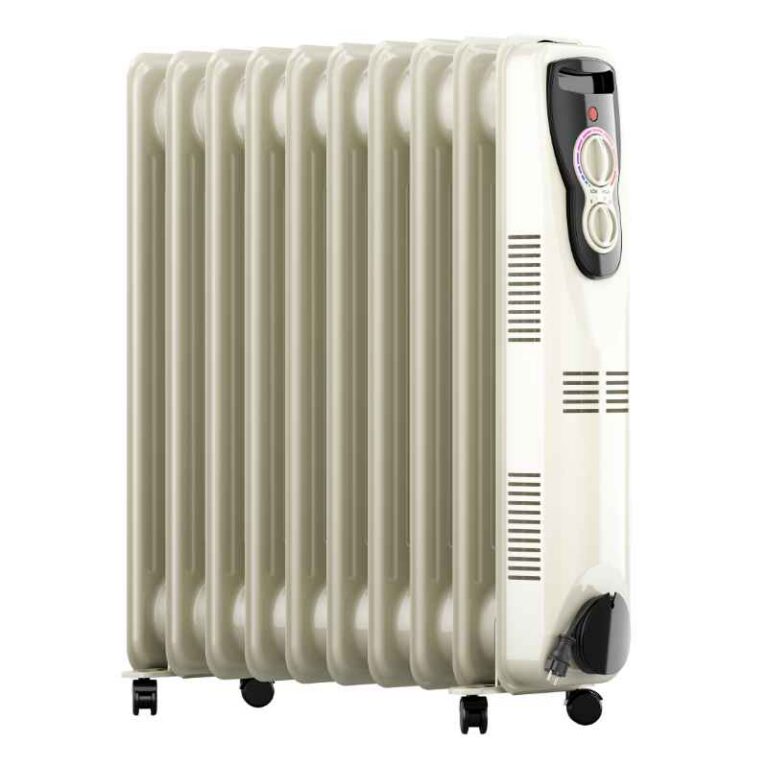
Understanding Oil Filled Radiators: How They Work
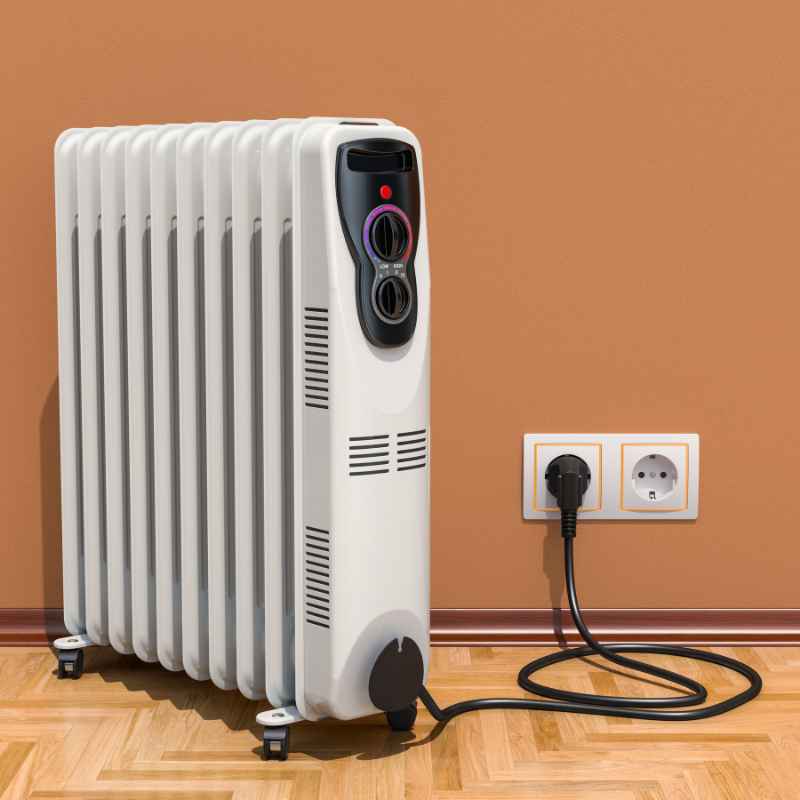
To know if something is safe, it helps to understand how it actually works. Oil-filled radiators aren’t like those old space heaters that blow hot air. They are much more subtle, and that’s a good thing for safety.
Inside these units, there’s a special type of oil. This oil never burns or evaporates. It’s heated up by an electric element.
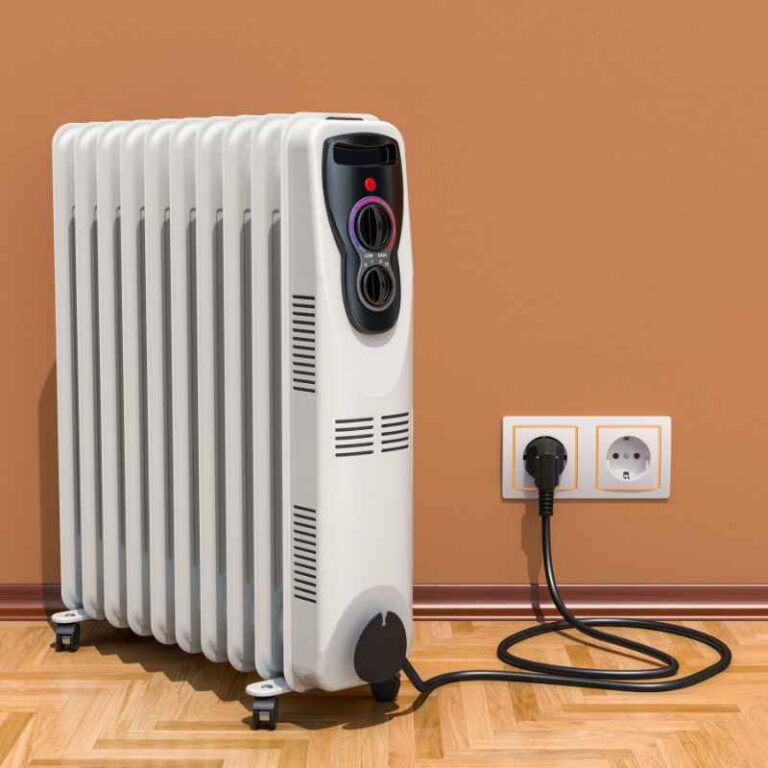
Think of it like a sealed pot of oil on a stove, but the heat comes from electricity, not a flame. This heated oil then circulates through the metal fins of the radiator.
As the oil moves, it warms the metal casing. The casing then gives off this heat slowly and steadily to the room. This is called radiant heat.
It warms objects and people in the room directly, not just the air. This steady, gentle warmth is why many people prefer them.
Because there’s no fan blowing air, they are very quiet. Also, the surface of the radiator gets warm, but it doesn’t usually get dangerously hot to the touch. This is a key difference from other types of heaters.
Why the Oil Matters for Safety
The oil inside is the secret ingredient for safety. Since the oil itself doesn’t burn, there’s no open flame. This is a huge advantage.
Many older or simpler heaters might have exposed elements that can spark or glow red-hot. That’s not the case here.
The sealed system means the oil stays inside. It can’t leak out and create a fire hazard. The oil acts as a heat reservoir.
It stores the heat from the element and releases it slowly. This makes the heat output very consistent.
It also means the heating element doesn’t have to work as hard all the time. It heats the oil, and the oil keeps the unit warm. This gentle cycle is less taxing on the device.
It contributes to a longer lifespan and reliable operation.
So, when you hear “oil-filled,” think “safe and steady heat.” It’s a design that prioritizes stability over quick, intense bursts of warmth. This characteristic is crucial for overnight use.
Personal Experience: The Night the Power Flickered
I remember one particularly brutal winter night a few years back. The wind was howling outside my old house, and the power had been on the fritz all day. I was already tucked into bed, and the temperature was dropping fast.
My bedroom is always the coldest room in the house, no matter what.
My oil-filled radiator, which I had set to a low, cozy temperature earlier that evening, was my only hope. I had a nagging thought, as I always do: “Is this really okay to leave running?” I had checked it before bed, making sure nothing was near it and that it was on a hard, flat surface.
Then, in the middle of the night, the lights flickered. For a terrifying moment, everything went dark. My mind immediately jumped to the worst: “Did the heater cause this?
Is it going to catch fire now that the power is unstable?” My heart was pounding. I lay there in the dark, listening intently.
After a few tense minutes, the lights came back on. The radiator was still humming quietly. It hadn’t made any strange noises or given off any odd smells.
It was just. warm. That experience, while scary at the time, really cemented my trust in these units.
They seemed to handle the power fluctuation without any issues. It was a small event, but it felt like a big reassurance.
Modern Infographic-Style: Key Safety Features Built-In
Built-In Safety Smartness
Automatic Shut-Off: Most modern units have a tip-over switch. If the heater is knocked over, it shuts off instantly. This is a major safety net.
Overheat Protection: Another common feature is a thermostat that detects if the unit is getting too hot. It will turn itself off before damage occurs.
Sealed System: As we discussed, the oil is sealed. No leaks mean no mess and no fire risk from spills.
Cool-Touch Casing: While warm, the outside doesn’t get so hot that it causes instant burns like some other heaters.
Real-World Context: Where Oil Filled Radiators Shine (and Where to Be Careful)
Oil-filled radiators are fantastic for consistent, long-term heating. They excel in spaces where you want a stable temperature for many hours. Think about bedrooms, living rooms, or even home offices where you spend a lot of time.
Their quiet operation is a big plus. You can sleep soundly without the noise of a fan kicking on and off. This makes them ideal for nighttime use.
They also don’t dry out the air as much as forced-air systems. This can be better for people with allergies or dry skin.
However, there are places where you might want to think twice. They are not ideal for quickly heating a very large, open space. Their heat output is steady, not rapid.
Also, because they rely on convection and radiation, they work best in enclosed rooms.
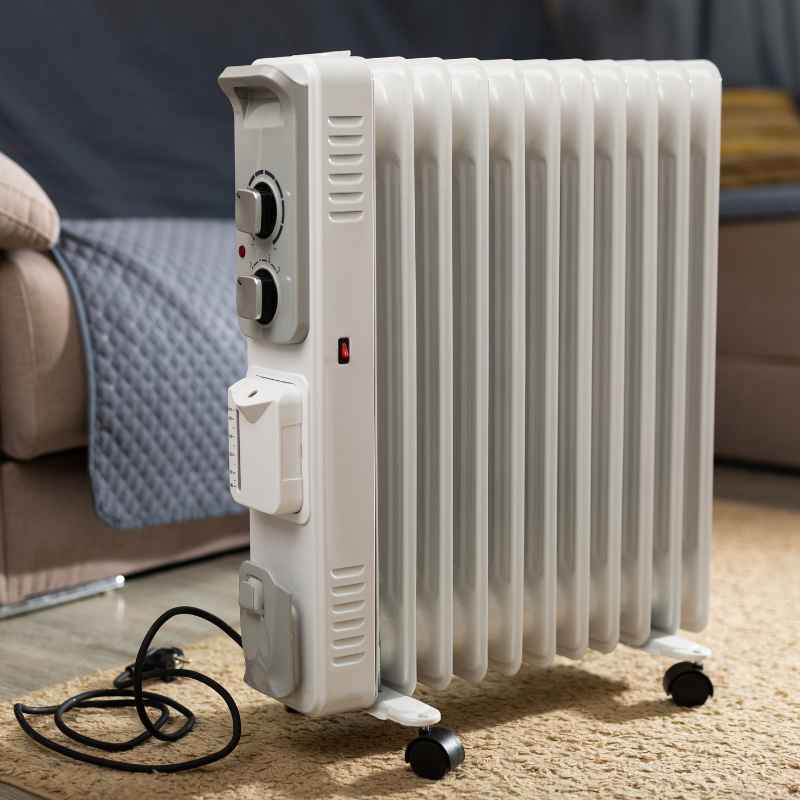
You also need to be mindful of placement. They should always be on a flat, stable surface. This ensures the tip-over switch works correctly if needed.
And, critically, they must never be covered. Blankets, clothes, or curtains can block the heat fins.
Blocking the fins is a fire hazard. It traps heat, which can damage the unit or nearby materials. So, while they are safe for overnight use, you still need to be aware of their surroundings.
What This Means for Your Overnight Heating
So, what’s the takeaway for leaving your oil-filled radiator on all night? It means that, with proper precautions, it’s a very safe option.
When it’s normal: It’s normal to use them to maintain a comfortable sleeping temperature. It’s normal for them to run for 8-10 hours straight without issue. It’s normal for the heating element to cycle on and off to keep the oil at the set temperature.
When to worry: You should worry if the unit is old and showing signs of wear. Look for damaged cords, dents, or unusual noises. If the unit smells like burning plastic or oil, turn it off immediately and unplug it.
If the surface feels excessively hot to the touch, beyond just warm, that’s a concern. Also, if the tip-over switch seems to be malfunctioning (i.e., it doesn’t turn off when tilted), it’s not safe to use.
Simple checks: Before you go to bed, do a quick visual check. Is the cord plugged in securely? Is the unit standing upright on a clear surface?
Is there anything too close to it? These simple checks take seconds but can prevent problems.
Quick Fixes & Tips for Safe Overnight Use
While oil-filled radiators are quite self-sufficient, a few tips can enhance their safety and your peace of mind, especially when left on overnight.
Use the Thermostat Wisely: Don’t set the thermostat to the highest setting if you don’t need it that warm. A moderate setting is usually enough to keep a room comfortable all night. This also saves energy.
Keep Clearances: Always ensure there’s at least a foot of clear space around the radiator. This means no curtains, no bedding, no furniture too close. This allows for proper air circulation.
Check the Power Cord: Make sure the power cord is not frayed, kinked, or damaged. Avoid running it under rugs where it can be compressed or overheat.
Regular Cleaning: Dust can build up on the fins. This can slightly reduce efficiency and, in rare cases, become a fire risk if a significant amount accumulates. A light dusting with a soft cloth every few weeks is usually enough.
The Right Location: Place the radiator on a level, hard floor. Avoid placing it on carpet if possible, as some older models might pose a slight risk if they were to overheat. Modern units are much better at managing this.
Invest in Quality: If you’re buying a new unit, choose a reputable brand. Look for models with good safety certifications (like UL or ETL listing in the U.S.). These have met strict safety standards.
Unplug When Away: While safe for overnight use, it’s always a good practice to unplug any appliance if you’re going to be away from home for an extended period, even just for a weekend.
These aren’t complex steps, but they are important habits to build. They ensure your heating solution remains a comfort, not a concern.
Modern Infographic-Style: Quick Scan – Overnight Radiator Check
Overnight Radiator Checklist
Before Bed:
- Is it upright? Ensure it’s stable on the floor.
- Is it clear? No curtains, blankets, or objects touching it.
- Is the cord okay? No damage, not under anything.
- Thermostat set? Moderate heat is best for sleep.
While Running:
- Any strange noises? Listen for clicks, pops, or buzzing.
- Any unusual smells? Burning plastic or oil smell is a red flag.
- Surface warmth: Should be warm, not alarmingly hot.
Frequent Questions About Oil Filled Radiators Overnight
Can an oil filled radiator cause a fire if left on overnight?
When used correctly and in good condition, the risk of an oil-filled radiator causing a fire is very low. They lack open flames and have safety features like tip-over switches and overheat protection. However, any electrical appliance carries some risk, especially if damaged, covered, or placed too close to flammable materials.
Always follow manufacturer instructions.
Is it cheaper to leave an oil filled radiator on all night or turn it on before waking up?
It’s often more energy-efficient to maintain a lower, consistent temperature overnight rather than letting a room get very cold and then trying to heat it up quickly in the morning. Oil-filled radiators are good at this because they release heat slowly. Setting a lower thermostat overnight usually uses less energy than turning it on high for a short time.
What is the safest way to use an oil filled radiator in a child’s bedroom overnight?
Always place the radiator on the furthest side of the room from the bed. Ensure it’s on a level surface and that there’s ample clear space around it. Use the lowest effective thermostat setting.
Many modern units have a “cool-touch” surface, but it’s still wise to supervise and ensure children don’t play with it. Consider a unit with a child lock feature if available.
Do oil filled radiators use a lot of electricity overnight?
Oil-filled radiators are generally quite energy-efficient for their purpose. They use electricity to heat the oil, and then the oil radiates heat. Their power consumption depends on the wattage of the unit and the thermostat setting.
A typical 1500-watt radiator will use up to 1.5 kilowatt-hours if running on its highest setting for an hour. When set to maintain a temperature, it cycles on and off, using less electricity overall than if it ran continuously at full power.
Can I put an oil filled radiator on a rug overnight?
It is generally recommended to place oil-filled radiators on a hard, flat, non-combustible surface like tile, wood, or linoleum. While modern units are designed with safety in mind, placing them on carpet or rugs can sometimes be a risk if the unit were to malfunction or overheat. The rug might not allow for adequate airflow underneath or could potentially pose a fire hazard in rare circumstances.
Always check your specific model’s manual for recommendations.
What happens if an oil filled radiator tips over while on overnight?
Most modern oil-filled radiators are equipped with a safety tip-over switch. If the unit tips over, this switch is designed to automatically cut off the power supply. This is a crucial safety feature that prevents the radiator from continuing to operate in a potentially hazardous position and significantly reduces the risk of fire.
If your unit doesn’t have this feature, or if you suspect it’s not working, do not use it overnight.
Conclusion: Warm Nights, Safe Nights
So, can you leave an oil-filled radiator on overnight? Yes, you absolutely can, and it’s generally a very safe way to stay warm. These heaters are designed for it, offering steady, quiet heat without open flames.
Just remember to do those simple checks before bed. Make sure it’s in good condition, clear of clutter, and on a stable surface. By following these easy steps, you can enjoy a cozy, warm night’s sleep with complete peace of mind.
Sponsored / affiliate links. As an Amazon Associate I earn from qualifying purchases. I may earn additional commission from eligible campaigns.