Convection Vs Radiant Heaters: What’S The Real Difference?
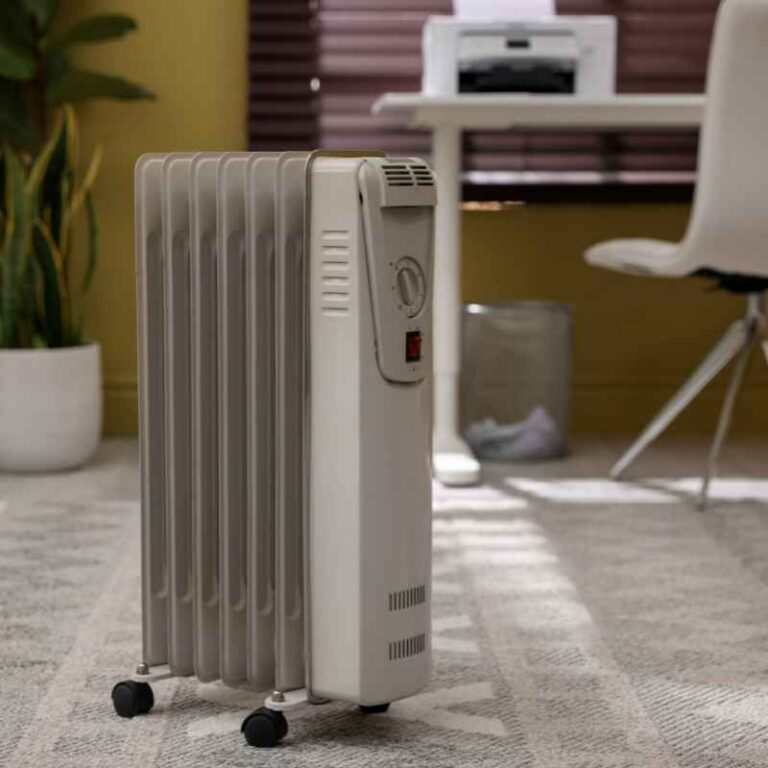
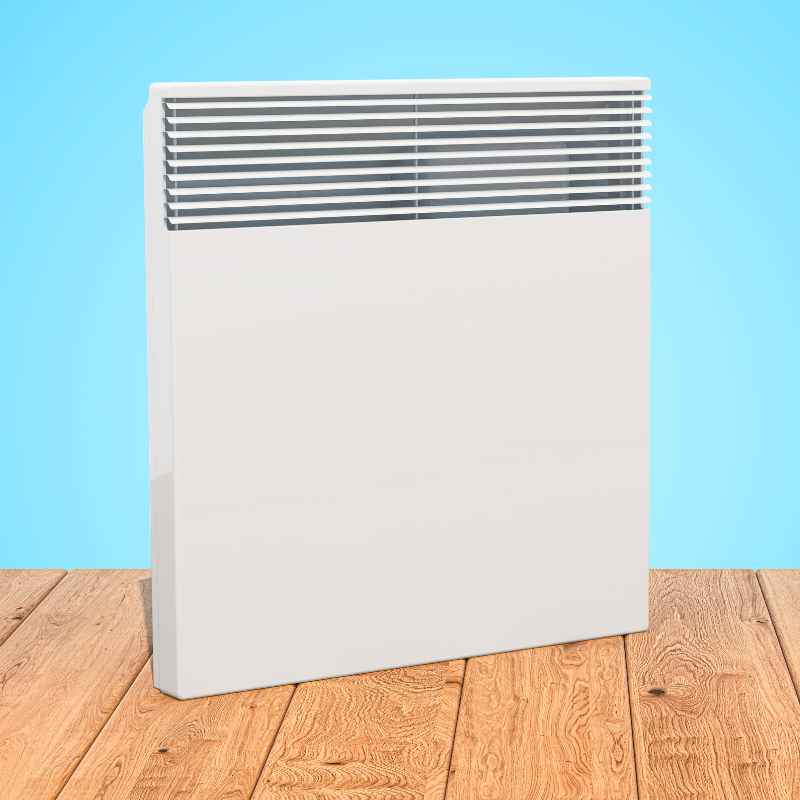
Convection heaters warm air that then circulates around a room. Radiant heaters warm objects and people directly with infrared waves. The primary difference is how heat energy is transferred: through air movement versus direct wave emission. Understanding this helps you pick the right one for different needs.
What’s Inside a Convection Heater?
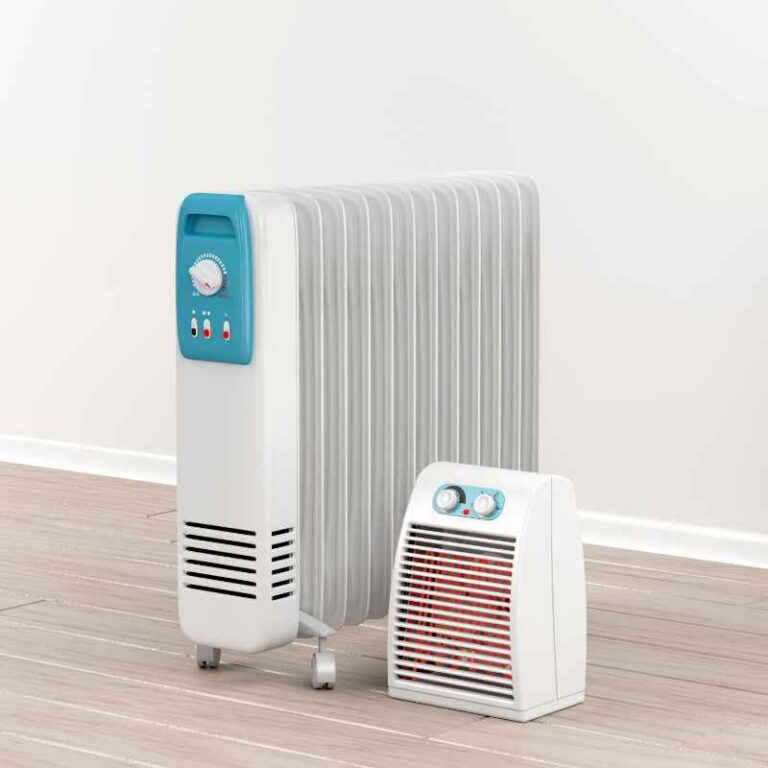
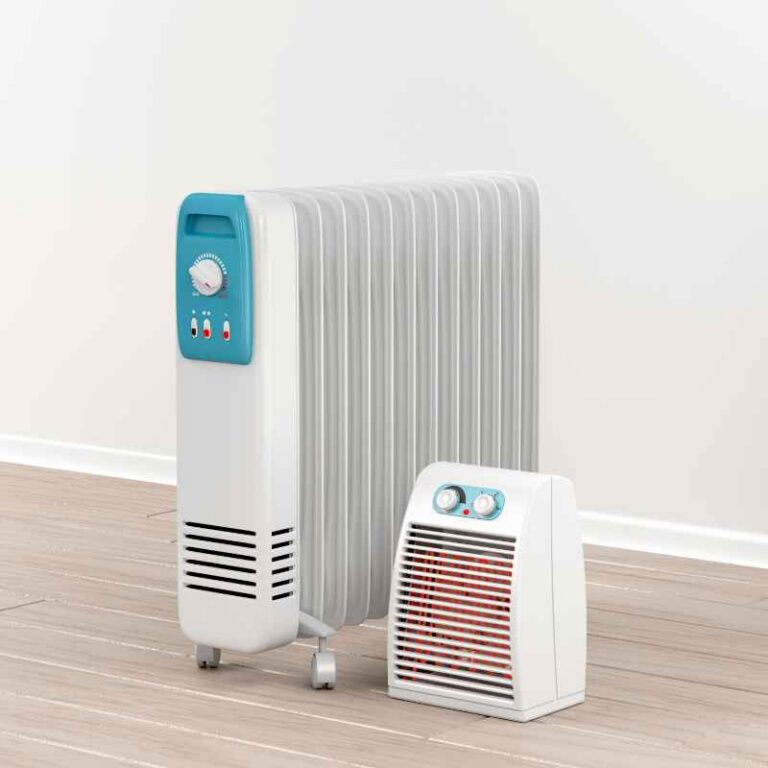
A convection heater works by heating the air around it. It has a heating element inside. This element gets hot.
Then, it heats the air that comes into contact with it. This warm air becomes lighter. It rises up and out of the heater.
As this warm air rises, it pushes cooler air down. This cooler air then gets drawn into the heater. It then gets heated up too.
This creates a continuous cycle. It’s like a gentle, invisible current of warm air. This current spreads throughout the room.
It slowly raises the overall temperature of the air. Think of it like a warm breeze filling your space. It’s a steady, even kind of heat.
Many portable electric heaters use this method. Some larger home heating systems also rely on convection.
The main goal of a convection heater is to heat the air. This is its core function. It’s not about beaming heat at you from across the room.
Instead, it’s about warming the entire atmosphere. This makes the whole room feel cozy. It takes a little time to warm up a whole room this way.
You won’t feel instant heat when you first turn it on. The air needs to circulate first. But once it’s going, it provides a consistent warmth.
This is great for maintaining a comfortable temperature. You can often set a thermostat on these heaters. This helps keep the room at a steady warmth.
It avoids getting too hot or too cold.
The process can be explained simply. The heater’s element heats up. Air enters the heater from below.
It passes over the hot element. This makes the air expand and become less dense. This warm air then exits the top of the heater.
It rises to the ceiling. As it cools, it sinks. This sinking cool air is drawn back into the heater’s base.
This cycle repeats over and over. It’s an efficient way to heat a whole space gradually. It’s a very natural way for heat to move.
Think about how heat rises from a campfire. Convection is a similar idea, but more controlled.
Convection Heater: The Key Points
- How it works: Heats air, which then circulates.
- Heat type: Even, ambient warmth.
- Feeling: Gradual room temperature rise.
- Best for: Maintaining consistent room temperature.
- Warm-up time: Takes time to heat the entire room.
The Magic of Radiant Heaters
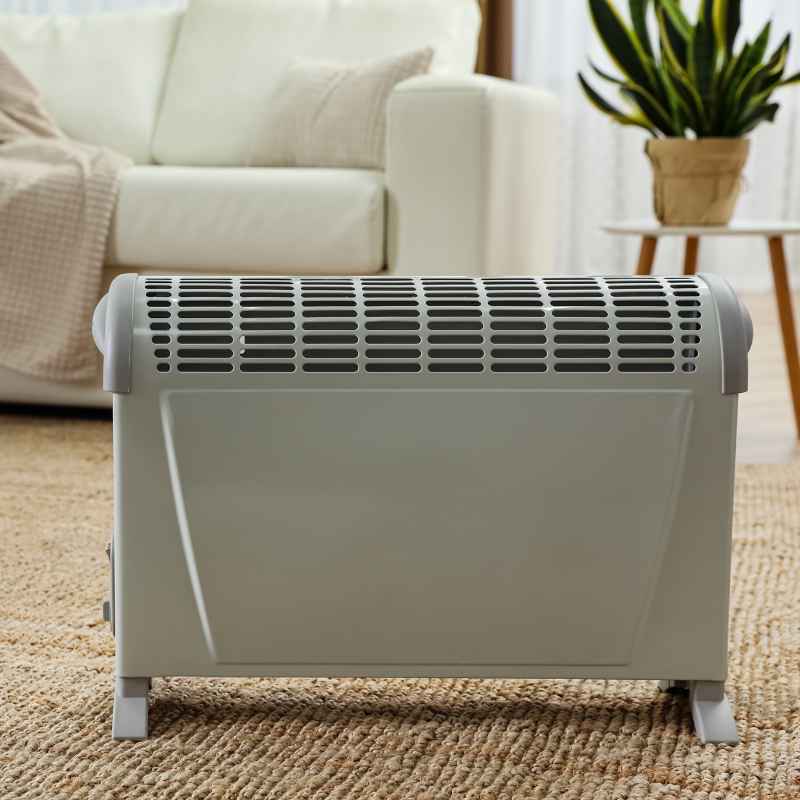
Radiant heaters work in a completely different way. They don’t heat the air. Instead, they emit infrared waves.
You feel these waves as heat. It’s similar to how the sun warms your skin on a cool day. Or how a fire feels warm even from a distance.
These waves travel in straight lines. They warm up any surface they hit directly. This includes people, furniture, walls, and floors.
The air itself is heated much less. This is a key difference. You feel the warmth almost instantly.
This is because the waves are hitting you directly. You don’t have to wait for the air to warm up.
The heat from a radiant heater is focused. It’s like a spotlight of warmth. If you stand in front of a radiant heater, you’ll feel warm.
But if you step to the side, the warmth might disappear quickly. The air temperature around you might not change much. This is because the waves are not heating the air in between.
They are just passing through it. This makes radiant heaters very good for specific areas. You can target a spot where you need heat.
This can be more energy efficient in some cases. You’re not wasting energy heating an empty room. You’re heating what matters most: you.
Think of it like this: a convection heater is like a warm hug for the whole room. A radiant heater is like a warm handshake that only touches you. The infrared waves are the handshake.
They carry heat energy directly. They don’t need air to carry them. This is why they work even in drafty rooms.
The waves still reach you. The air might be cold, but you still feel warm. This makes them popular for workshops, garages, or outdoor patios.
They can provide comfort where air heating is difficult. Or where only a specific spot needs warming.
Radiant Heater: What You Need to Know
- How it works: Emits infrared waves that warm objects directly.
- Heat type: Direct, focused warmth.
- Feeling: Instant heat on exposed skin and surfaces.
- Best for: Spot heating, quick warmth, drafty areas.
- Warm-up time: Nearly instant warmth for the target.
My Own Radiant Heater Moment
I remember a particularly chilly autumn evening a few years back. My partner and I decided to try and enjoy our covered patio. It was decorated nicely, but it was just too cold to sit out for long.
The air was crisp, maybe in the low 50s. We had a blanket, but it wasn’t cutting it. I’d recently bought a small electric radiant patio heater.
It looked like a sleek metal stand with a glowing element at the top. I plugged it in and positioned it between us. Within seconds, I felt a distinct wave of warmth hit my face and arms.
It was like stepping into a patch of sunshine.
My partner even commented, “Wow, that’s actually working!” The air around us was still cool. I could see my breath a little. But where the heat landed, it felt wonderfully cozy.
We were able to sit out and chat for almost an hour. We enjoyed the fresh air without shivering. It wasn’t heating the whole patio.
It wasn’t trying to. It was just warming us directly. That experience really showed me the power of radiant heat.
It’s not about changing the whole environment. It’s about providing targeted comfort where and when you need it most. It felt like magic, honestly, turning a cold evening into a pleasant one.
Convection vs. Radiant: Where Do They Shine?
The best place for a convection heater is usually in a space that needs consistent, all-over warmth. Think of your living room or a bedroom. You want the entire room to feel comfortable.
You don’t want hot spots and cold spots. Convection heaters excel at this. They gradually raise the air temperature.
This creates an even heat distribution. They are good for long periods of heating. For example, keeping a basement or a home office at a steady temperature.
They are generally quieter than some other heating methods. Because there are no fans blowing air around loudly. Just the gentle movement of warm air.
Radiant heaters, on the other hand, are perfect for quick, targeted heat. Do you need to warm up your hands while working in a garage? A radiant heater is your friend.
Are you sitting in a drafty corner of a larger room? Point a radiant heater that way. They are excellent for supplemental heat.
You can use them to boost comfort in one specific spot. This can be very energy efficient. You only heat where you need it.
This is great for people who are often cold. Or for rooms that are hard to heat evenly. They provide immediate relief from the chill.
Consider a large, open-plan living area. A convection heater might struggle to warm it evenly. It would take a long time and a lot of energy.
A radiant heater could warm the seating area directly. Making it feel cozy without heating the entire vast space. In a small bathroom, a radiant heater can provide quick warmth.
Before and during a shower. This is much faster than waiting for a convection heater to warm the whole small room. Also, many people like the dry heat from some radiant models.
It can feel less stuffy than air heated by convection.
Choosing Your Heater Type: Quick Guide
- For whole-room, steady heat: Convection.
- For quick, spot heat: Radiant.
- In drafty areas: Radiant.
- To maintain even temps: Convection.
- For immediate warmth: Radiant.
Understanding the Energy Aspect
When we talk about energy use, it’s not always simple. Both convection and radiant heaters use electricity. The amount of electricity they use depends on their wattage.
Higher wattage means more power. But it doesn’t automatically mean one is always more efficient than the other. It depends on how you use them.
A convection heater might use less energy overall if you are heating a well-insulated room. You set it to a comfortable temperature. It cycles on and off to maintain it.
This can be quite efficient for long periods.
A radiant heater uses energy very directly. It converts electricity into heat waves. If you only need heat for a short time.
Or for a very specific area. Then a radiant heater can be more energy-wise. You’re not running it for hours to warm up empty space.
You use it for maybe 30 minutes to warm yourself. Then you turn it off. However, if you were to use a radiant heater to try and warm an entire large room.
It would likely be very inefficient. You’d be constantly running it. The waves wouldn’t effectively heat the air.
You’d feel warm only when you were in its direct path.
Some modern convection heaters have smart features. They can learn your habits. They can adjust their output.
This can save energy. Similarly, some radiant heaters have timers. Or adjustable heat settings.
These help control energy use. The key is to match the heater type to the task. Using a convection heater for spot heating is wasteful.
Using a radiant heater to heat an entire house is also wasteful. Think about your specific needs. Where do you need heat?
For how long? How big is the area?
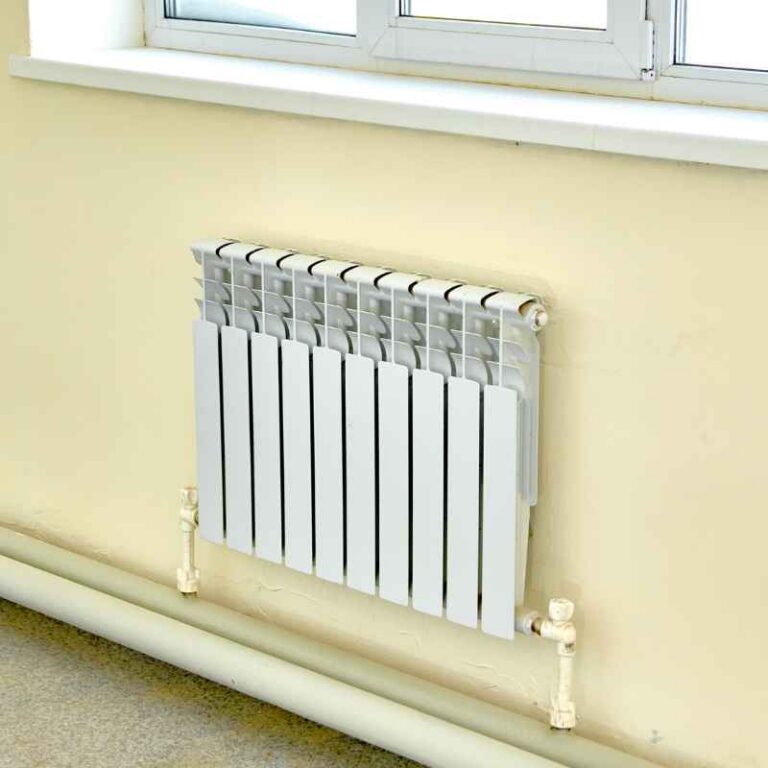
It’s also important to think about the overall energy system of your home. If you have a good central heating system. A convection heater might be a good choice for a specific room that the central system struggles with.
If your home has many drafts. Or is very old and poorly insulated. Radiant heat can provide comfort.
Without the constant battle of heating the air that escapes. Always check the wattage of the heater. Higher wattage generally means it uses more electricity.
But it also means it can produce more heat.
Energy Use: The Trade-offs
- Convection: Good for steady, whole-room heat; efficient for long, consistent use in insulated spaces.
- Radiant: Good for quick, spot heat; efficient for short-term use or targeted areas.
- Consider: Room insulation, duration of use, targeted area size.
- Wattage matters: Higher wattage uses more power but produces more heat.
What About Safety?
Safety is a big concern for any home appliance. Both convection and radiant heaters have safety features. But they also have different considerations.
Convection heaters heat the air. The outer surfaces of some convection heaters can get warm. But they are usually designed to be safe to touch.
Especially models with a perforated casing. They often have tip-over switches. If the heater falls over, it shuts off automatically.
This is a great safety feature. It prevents fires. They also usually have overheat protection.
If the heater gets too hot inside, it turns itself off.
Radiant heaters, especially those with exposed glowing elements, can get very hot. It’s crucial to keep them away from flammable materials. Think curtains, bedding, or paper.
Pets and children should be kept at a safe distance. Many models have guards or screens. These reduce the risk of accidental burns.
But they can still be quite hot. The surfaces they heat directly can also become hot. So, be mindful of touching them.
Like convection heaters, they also typically have tip-over switches and overheat protection.
When using any heater, always follow the manufacturer’s instructions. Never leave a heater unattended. Especially if you have children or pets.
Ensure the heater is placed on a stable, flat surface. Keep the area around the heater clear of clutter. Avoid using extension cords if possible.
If you must use one, ensure it’s heavy-duty and rated for the heater’s wattage. Poorly rated cords can overheat and cause fires. Check the cord regularly for any damage.
If it’s frayed, stop using the heater immediately.
The Consumer Product Safety Commission (CPSC) offers advice on safe heater use. They recommend keeping anything flammable at least three feet away. Always plug heaters directly into a wall outlet.
Never into an extension cord. For electric heaters, ensure they have an automatic shut-off feature. This is a vital safety step.
When choosing between convection and radiant, think about your home environment. If you have young children or pets that might touch things. You might lean towards a convection heater.
Or a radiant heater with a very robust safety enclosure.
Safety First! Essential Tips
- Flammable materials: Keep at least 3 feet away from any heater.
- Placement: Use on a flat, stable surface. Clear the area.
- Cord safety: Plug directly into the wall. Check for damage.
- Automatic shut-off: Essential for both types.
- Never leave unattended: Especially with kids or pets.
Real-World Scenarios: When to Use Which
Let’s paint a picture. Imagine you have a basement that’s always a bit damp and chilly. You want to make it more usable, maybe for a home gym or a playroom.
You don’t want to overheat the whole house. A convection heater could be ideal here. You could place one or two in the basement.
Set them to a comfortable temperature, say 68°F. They will gently warm the air. This will help reduce the dampness too.
It will create a pleasant environment without being intrusive. They’ll keep working quietly in the background.
Now, picture a different situation. You’re working from home. Your office is in an addition to your house.
This room gets cold very quickly in the winter. The rest of your house is perfectly warm. You don’t want to run the main furnace more just for this one room.
A small, portable radiant heater could be placed under your desk. It would warm your legs and feet directly. You could feel comfortable and productive.
You could turn it off when you leave the room. This is much more efficient than heating the entire addition.
Consider a drafty old house. The windows might let in cold air. Even with the main heating on, you feel cold spots.
A convection heater might struggle to combat the drafts. The warm air it produces might just escape. A radiant heater might be a better temporary solution.
You could use it to warm yourself directly. Or point it at the wall near a drafty window. It warms the wall surface.
This can make the area feel less cold. It’s a way to increase comfort in challenging spaces.
What about in the kitchen? Sometimes you need quick heat while you’re cooking. Maybe you’re chopping vegetables.
Standing still can make you feel cold. A small, wall-mounted radiant heater above the sink area. Or a portable one you can move around.
Could provide instant warmth. You only need it when you’re in that specific spot. Convection would take too long to warm the whole kitchen just for a few minutes.
It’s about matching the tool to the job.
Scenario Matching: Heater Types in Action
- Basement/Workshop: Convection for even, steady warmth.
- Home Office (cold addition): Radiant for targeted, quick heat.
- Drafty Rooms: Radiant for direct comfort where drafts are felt.
- Kitchen Spot Heating: Radiant for quick, on-demand warmth.
- Bedrooms (steady temp): Convection for consistent comfort all night.
When is it Normal? When to Worry?
With convection heaters, it’s normal for a room to take a little time to warm up. If you turn it on and feel nothing for 10-15 minutes. That’s usually normal.
It means the air is just starting to circulate. It’s also normal for the heater to cycle on and off. If it has a thermostat, it will click.
This is its way of maintaining the temperature you set. What’s not normal? If it runs constantly and the room never feels warm.
Or if it makes strange, loud noises. That could mean there’s a problem with the heating element or the thermostat.
For radiant heaters, feeling warmth almost immediately is normal. If you stand in front of it and feel nothing, that’s not normal. It could mean the bulb is out.
Or the power isn’t reaching it. Also, if a radiant heater starts making buzzing or humming noises. Or if the light it emits is flickering.
That could signal an issue. It’s important to pay attention to any unusual smells too. Like burning plastic or strong electrical odors.
That’s a definite sign to turn it off and investigate. Or call a professional.
Another normal thing to notice is that radiant heaters can dry out the air. If you feel your skin getting dry. Or your throat feeling scratchy.
You might want to use a humidifier. Or use the radiant heater for shorter periods. Or perhaps switch to a convection heater.
It’s not usually a sign of a faulty heater. It’s just a characteristic of how radiant heat works. Overheating of the unit itself, beyond what’s expected, is a cause for concern.
If the casing feels excessively hot. Or if you see smoke. Turn it off immediately.
Do not try to fix it yourself.
For both types, if you notice that the heater is drawing a lot more power than usual. Or if your other appliances start acting strangely when the heater is on. This could indicate a problem with your home’s electrical wiring.
Or with the heater itself. It’s always wise to get a qualified electrician to check. Especially if you have an older home.
They can ensure your wiring can handle the load. Safety should always be the top priority. Don’t ignore warning signs.
Normal vs. Concerning Heater Behavior
- Normal (Convection): Gradual warming, thermostat clicking, consistent airflow.
- Concerning (Convection): Never warms up, loud noises, constant running without heat.
- Normal (Radiant): Instant warmth, steady glow/heat output.
- Concerning (Radiant): No heat, flickering light, strange noises, burning smells, excessive casing heat.
- All Heaters: Unusual power draw, electrical smells, smoke.
Quick Fixes & Tips for Both
When dealing with convection heaters, ensure the vents are not blocked. Furniture, curtains, or rugs can obstruct airflow. This makes the heater work harder.
It also reduces its effectiveness. Clean the dust filters regularly. Dust buildup can reduce efficiency and be a fire hazard.
If you notice uneven heating, try moving the heater. Sometimes, repositioning it can make a big difference in air circulation.
For radiant heaters, keep the reflective surfaces clean. If yours has a shiny element or reflector, wipe it down gently. Dust can reduce the amount of heat radiated.
Ensure the bulb or element is securely in place. If it feels loose, don’t use the heater. Always check the manual for specific cleaning instructions.
Some elements are delicate.
Both types benefit from being used in rooms with closed doors and windows. This helps trap the heat. Whether it’s warm air from a convection heater.
Or the direct heat from a radiant one. If you’re using a heater to supplement your main heating system, try to coordinate. You might be able to turn your thermostat down a few degrees.
And use the portable heater for your immediate comfort. This can lead to energy savings.
Consider the room size. A heater’s wattage should match the room. A small bathroom doesn’t need a huge heater.
A large living room will struggle with a tiny one. Manufacturers often provide guidance on room size for their heaters. Always follow the manufacturer’s instructions for setup and operation.
Simple regular maintenance goes a long way. It keeps your heater running safely and efficiently.
Frequently Asked Questions
Can I use a radiant heater to heat my entire house?
No, radiant heaters are designed for spot heating. They warm objects and people directly. They do not efficiently heat the air in a large space like an entire house.
Using them for this purpose would be very energy-inefficient and unlikely to achieve comfortable whole-house warmth.
Which type of heater is better for a bedroom?
For a bedroom, a convection heater is often preferred. It provides steady, even warmth throughout the night. This helps maintain a consistent room temperature.
Radiant heaters can be good too, if you only need heat for a short time before sleeping. But convection offers more stable ambient heat.
Are convection heaters noisy?
Most electric convection heaters are very quiet. They rely on natural air circulation. Some models might have a very gentle whooshing sound.
But they are generally considered much quieter than fan-forced heaters.
Can I leave a heater on all night?
It is generally safe to leave modern electric heaters with safety features (like tip-over switches and overheat protection) on all night. However, always follow the manufacturer’s instructions. It’s also good practice to ensure the area around the heater is clear and nothing flammable is nearby.
Which heater is more energy-efficient: convection or radiant?
Neither type is inherently more energy-efficient. It depends on how you use them. Convection heaters are efficient for maintaining steady warmth in a whole room.
Radiant heaters are efficient for quick, targeted heating of specific areas or people.
Can I use a heater in a bathroom?
Only use heaters specifically designed for bathroom use and follow all safety guidelines. These often have special moisture-resistant features. Never use a standard electric heater in a bathroom where it could come into contact with water.
Always ensure proper ventilation.
Do radiant heaters dry out the air more than convection heaters?
Yes, radiant heaters can sometimes dry out the air more. This is because they heat surfaces and people directly. They don’t add moisture to the air like some other heating methods might.
If you find the air too dry, consider using a humidifier.
Conclusion
Choosing between convection and radiant heaters comes down to what you need. Do you want a cozy, evenly heated room that stays warm? A convection heater is likely your best bet.
Need instant warmth for a specific spot? Or to chase away a chill quickly? A radiant heater will do the job.
Both have their strengths. Both can make your home more comfortable. Understand their unique ways of working.
This will help you pick the right one. You’ll enjoy warmth that feels just right.
Sponsored / affiliate links. As an Amazon Associate I earn from qualifying purchases. I may earn additional commission from eligible campaigns.