Do Oil-Filled Radiator Heaters Emit Carbon Monoxide? Facts
Oil-filled radiator heaters emitting carbon monoxide is a common safety myth that prevents many people from choosing this efficient heating method. The reality is that these heaters operate on a completely sealed electric system with no combustion involved. This guide provides the factual safety breakdown you need to heat your home with complete peace of mind.
Simply put, oil-filled radiator heaters do not emit carbon monoxide. They are 100% electric and contain no combustion process. All they do is circulate electricity to heat a sealed oil reservoir, making them one of the safest indoor heater types available.
Key Takeaways
- Oil-filled radiator heaters produce zero carbon monoxide because they have no flame or fuel burning.
- They work by heating a sealed unit of thermal oil, which retains warmth and radiates it steadily.
- This type of heater is considered extremely safe for indoor use, including bedrooms and nurseries, with no risk of CO buildup.
1. How Do Oil-Filled Radiator Heaters Work?
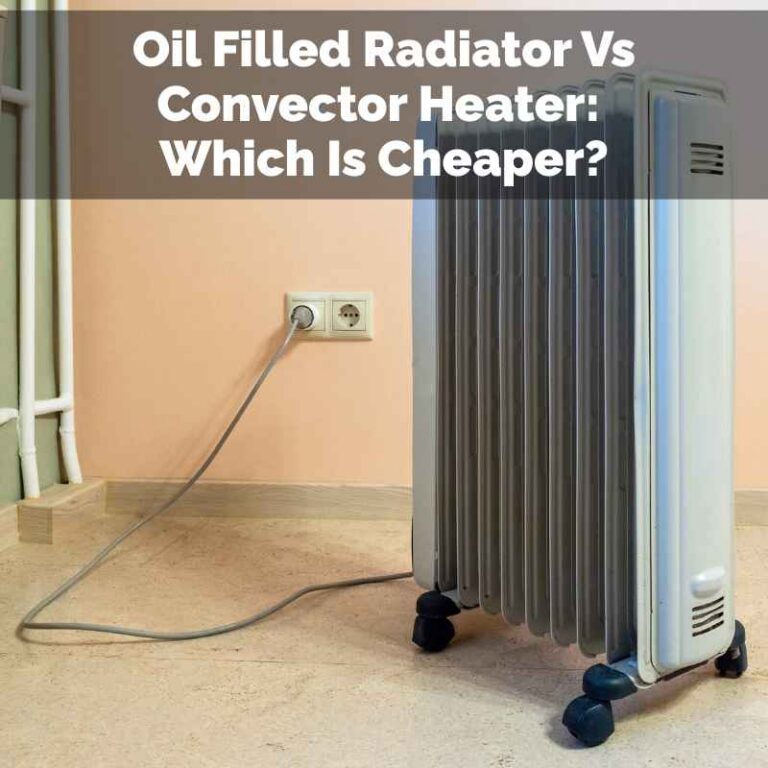
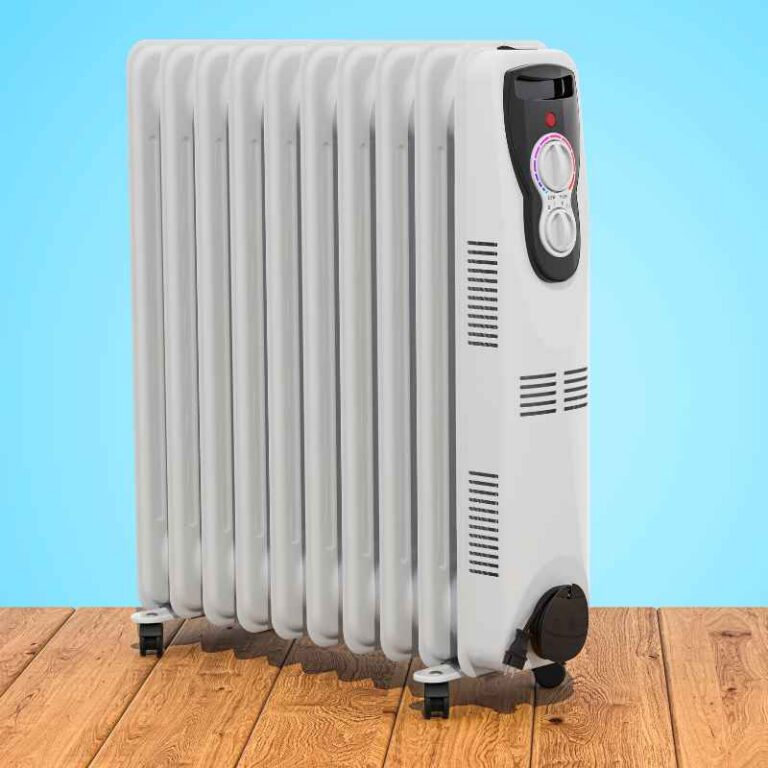
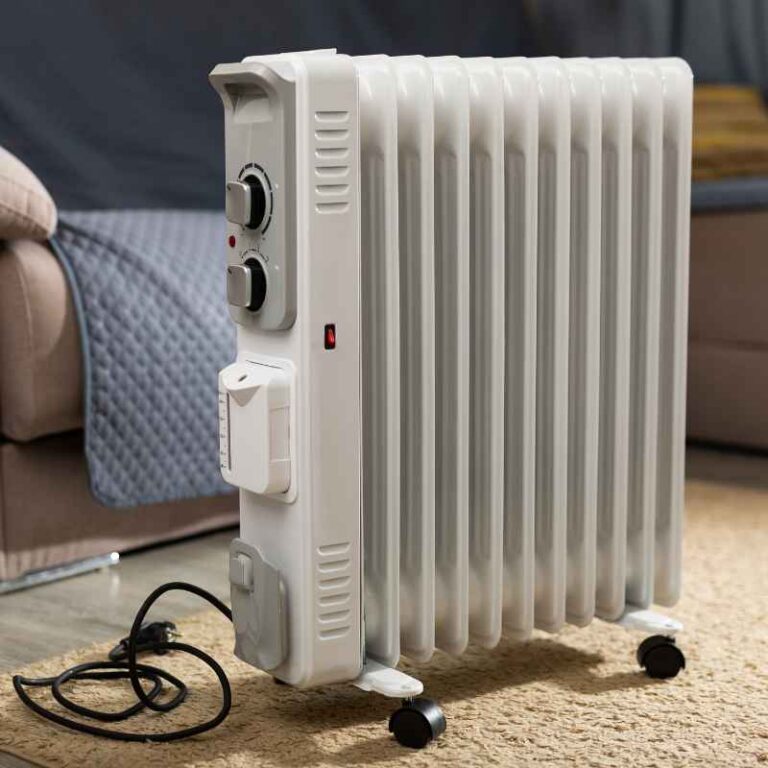
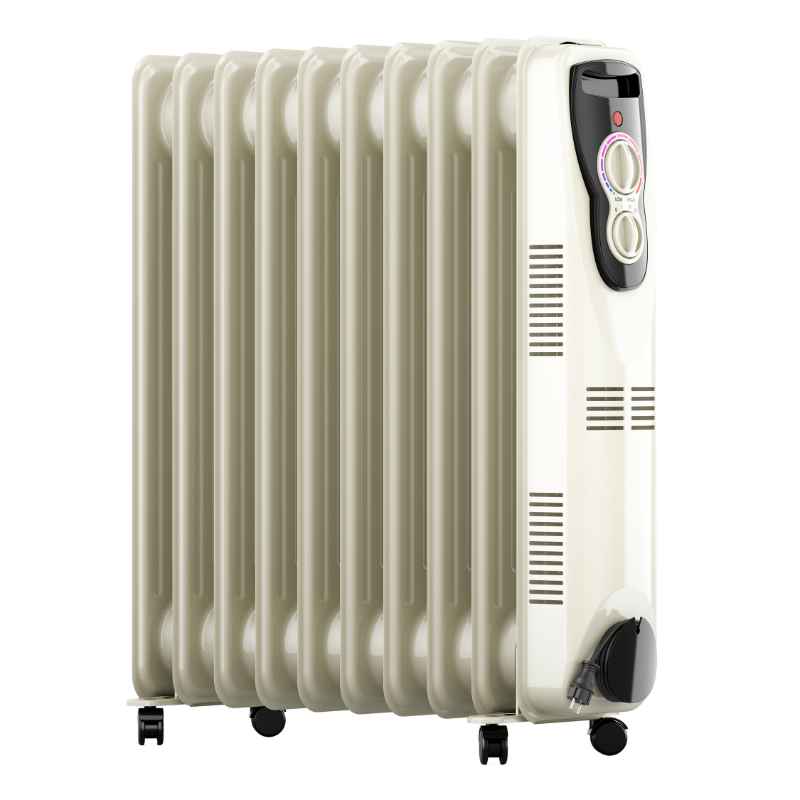
An oil-filled radiator, also known as an oil heater, works on a very simple but effective principle. It uses electricity to heat a specially formulated thermal oil inside a sealed metal column. There is no burning, no fumes, and no exhaust.
When you plug it in and turn it on, an electrical resistor located at the base of the heater generates heat. This heat transfers to the diathermic oil, which then circulates around the heater’s fins through natural convection. The oil is sealed in for life and is never consumed or burned.
Unlike gas or kerosene heaters, there is absolutely no combustion involved. This is the fundamental reason why carbon monoxide is not a concern with these units.
Key Components and Their Functions
- Heating Element: An electric resistor that generates heat without a flame.
- Thermal Oil: A highly efficient heat reservoir that stays hot for a long time, providing steady warmth even after the heater cycles off.
- Fins/Columns: The metal surface that radiates heat into the room, maximizing contact with the air.
- Thermostat: A control mechanism that maintains a set temperature, preventing overheating.
- Wheels: Allow for easy portability from room to room without heavy lifting.
The efficiency of an oil-filled radiator comes from the oil’s specific heat capacity. It retains heat exceptionally well, meaning the heater doesn’t have to cycle on and off as frequently as a fan heater. This saves energy and provides a more consistent temperature.
2. What Causes Carbon Monoxide in Homes?
Carbon monoxide (CO) is a toxic gas produced by the incomplete burning of fuels. It is often called the “silent killer” because it is odorless, colorless, and tasteless, making it extremely dangerous indoors without a detector.
CO poisoning occurs when fuel is not burned completely. This happens in appliances that are malfunctioning, improperly vented, or used in enclosed spaces. The gas binds to hemoglobin in the blood, preventing oxygen from being transported to vital organs.
Because oil-filled radiator heaters do not burn fuel, they are physically incapable of producing carbon monoxide. This fundamental design difference makes them inherently different from combustion-based heaters.
Important: According to the CDC, hundreds of people die annually from CO poisoning. These incidents almost exclusively involve combustion appliances like furnaces, gas stoves, and kerosene heaters. Electric heaters account for 0% of CO deaths.
Common Household Sources of CO
| Heater Type / Appliance | Fuel Source | Produces CO? |
|---|---|---|
| Oil-Filled Radiator | Electricity | No |
| Gas Furnace | Natural Gas | Yes (if leaking/malfunctioning) |
| Kerosene Heater | Kerosene | Yes |
| Wood Fireplace | Wood | Yes |
| Gas Water Heater | Natural Gas | Yes (if improperly vented) |
As you can see from the comparison, oil-filled heaters are in a safety category of their own. They are the only major space heater type that uses no combustible fuel, eliminating the risk of CO at the source.
3. Do Oil-Filled Heaters Produce Carbon Monoxide?
The direct answer is no. Oil-filled heaters cannot produce carbon monoxide under any normal operating conditions. The science behind it is clear and definitive.
To reiterate the science: CO is strictly a bi-product of combustion. Combustion requires a flame actively burning a fuel source like wood, gas, propane, or kerosene. An oil-filled radiator uses electricity to heat a sealed oil reservoir.
There is no flame, no fuel burn, and no exhaust pipe.
Some people confuse “oil-filled” with “oil-burning.” This is a critical distinction. An oil-burning furnace atomizes oil and ignites it, which creates CO. An oil-filled radiator simply uses the oil as a heat reservoir.
Warning: Never confuse oil-filled electric heaters with kerosene, propane, or natural gas heaters. Unvented combustion heaters are dangerous indoors and do pose a serious carbon monoxide risk. Always check the label on your heater.
Even if an oil-filled radiator malfunctions, it presents a risk of electric shock or overheating—not CO poisoning. It will produce exactly zero carbon monoxide. This is why they are frequently recommended for rooms where air quality is a top priority, such as nurseries and the bedrooms of people with respiratory issues.
4. Are Oil-Filled Radiators Safer Than Other Heaters?
Yes, in many ways, oil-filled radiators are considered the gold standard for space heater safety. Their lower surface temperature compared to ceramic or halogen heaters reduces the risk of burns significantly.
They also offer a unique advantage in terms of air quality. Because they utilize natural convection rather than a fan, they do not blow dust, allergens, or pet dander around the room. This makes the air feel less dry and stuffy.
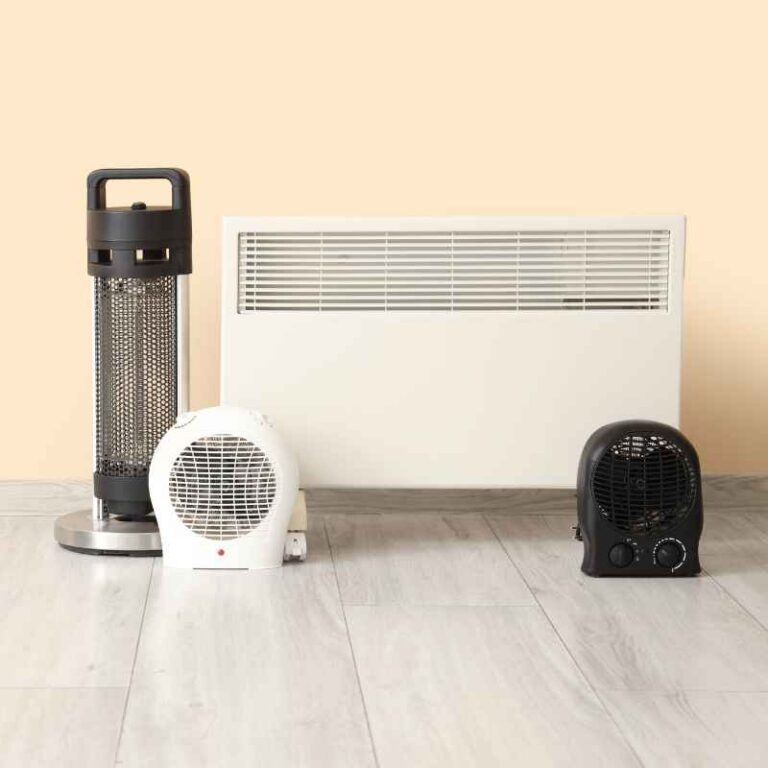
| Safety Feature | Oil-Filled Radiator | Fan Heater | Gas Heater |
|---|---|---|---|
| Carbon Monoxide Risk | None | None | High |
| Fire Risk | Low | Moderate | High |
| Surface Burns Risk | Low (Cooler Surface) | High | High |
| Air Quality Impact | Excellent (No Dust) | Poor (Blows Dust) | Moderate (Uses Oxygen) |
| Noise Level | Silent | Loud | Variable |
While fan heaters are cheaper and heat a room faster, they sacrifice safety and comfort. For long-term, worry-free heating, an oil-filled radiator is the superior choice.
5. What Safety Features Do Oil-Filled Radiators Have?
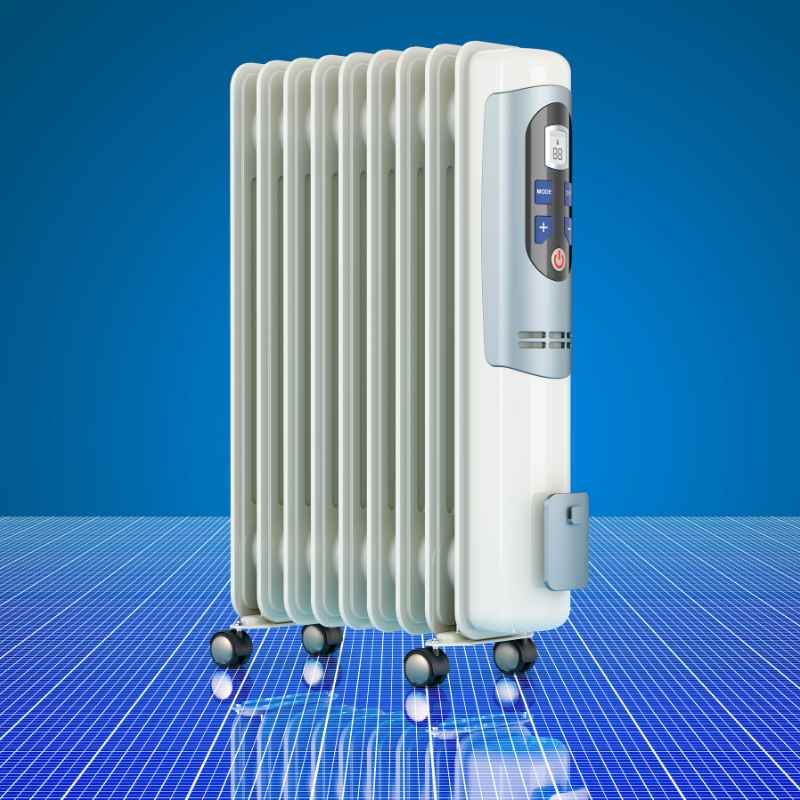
Modern oil-filled radiators come equipped with several built-in safety mechanisms. These features make them fail-safe even when used for extended periods, such as overnight.
The combination of these features means the unit is designed to fail in a safe manner. For example, if the thermostat fails, the overheat switch will activate. If the unit is knocked over, the tip-over switch stops power immediately.
- Tip-Over Switch: Automatically cuts off power if the unit is knocked over, preventing fire and electric shock. This is critical for homes with pets or children.
- Overheat Protection: An internal thermal cut-off switch shuts the heater down if the internal temperature exceeds safe limits. This prevents the unit from melting or catching fire.
- Sealed Oil Reservoir: The oil is permanently sealed inside the unit, so there is no risk of leaks, spills, or needing refills. The oil never degrades.
- Thermostatic Control: Maintains a constant room temperature, preventing the unit from running constantly and reducing the risk of overheating.
Tip: Always plug your oil-filled radiator directly into a wall outlet. Avoid using extension cords or power strips, as they can overheat and pose a fire hazard due to the continuous high power draw.
6. Who Should Use an Oil-Filled Radiator?
Oil-filled radiators are an excellent choice for almost any indoor space. They are particularly beneficial for specific groups of people due to their silent operation and clean, consistent heat output.
Unlike forced-air systems that can dry out nasal passages and blow dust, oil-filled radiators provide a gentle, even heat that closely mimics the radiant heat of the sun. This makes the ambient environment much more comfortable.
- Families with Children: The cooler surface temperature reduces the risk of burns compared to metal fan heaters.
- People with Allergies or Asthma: No fan means no dust, mold spores, or allergens are circulated into the breathing zone.
- Elderly Individuals: Silent, steady heat allows for undisturbed rest without the clicking and blowing of other heaters.
- Light Sleepers: Total silence allows for undisturbed rest throughout the night.
- Home Offices: Provides consistent warmth without distracting noise, helping with focus and productivity.
The Environmental Protection Agency (EPA) notes that improving indoor air quality is crucial for health. Using a heater that doesn’t burn fuel or blow dust directly supports this goal, making oil-filled radiator heaters a top recommendation for health-conscious users.
Frequently Asked Questions
Can oil-filled radiators cause carbon monoxide poisoning?
No. Carbon monoxide poisoning results from breathing in CO gas, which is produced exclusively by burning fuel. Oil-filled radiators run on electricity and have no combustion process whatsoever, so they cannot produce or leak CO.
Do oil-filled radiators give off fumes?
New oil-filled radiators may emit a slight odor the first few times they are used. This is typically just dust or manufacturing residue burning off the heating element and is completely harmless. They do not produce toxic fumes during normal operation.
Are oil-filled radiators safe to leave on all night?
Yes. Most modern oil-filled radiators have built-in safety switches (tip-over and overheating protection) that make them safe to leave on unattended. They are a preferred choice for overnight heating because they are silent and maintain a steady temperature without cycling loudly.
What is the difference between an oil-filled heater and a fan heater?
An oil-filled heater heats thermal oil which radiates heat. It is silent, retains heat well, and does not affect air quality. A fan heater uses a heating element and a fan to blow hot air, which is noisy, cools down quickly, and circulates dust.
Do I need a carbon monoxide detector if I use an oil-filled radiator?
While you do not need one specifically for the radiator itself, every home should have a CO detector for other appliances like gas furnaces, water heaters, or stoves. It is a critical safety device for any household that uses combustible fuels.
Final Thoughts
Oil-filled radiator heaters are a safe, clean, and efficient heating solution that does not emit carbon monoxide. Their reliance on electricity and sealed oil technology makes them inherently safer than combustion-based heaters. If you are looking for a worry-free way to stay warm without sacrificing air quality or safety, an oil-filled radiator is an excellent choice for your home.
Sponsored / affiliate links. As an Amazon Associate I earn from qualifying purchases. I may earn additional commission from eligible campaigns.