Does Turning Off Radiators Save Money? The Truth Revealed
Turning off radiators in some rooms is a common tactic for saving on heating bills, but does it actually work? This post explains the true impact on your energy costs and comfort, revealing when this strategy helps and when it hurts.
Simply put, turning off radiators in unused rooms can reduce your heating bill by 5–10% if you have a modern system with thermostatic radiator valves (TRVs). But for older systems or poorly insulated homes, it may waste energy by forcing heat from other rooms to compensate.
Key Takeaways
- Turning off radiators in closed-off rooms can lower energy use, but only when paired with proper insulation.
- Thermostatic radiator valves (TRVs) are essential for zonal heating—closing manual valves may harm your boiler.
- Heat flows naturally to colder areas, so turning off radiators in adjacent rooms can increase load on remaining ones.
- Savings are modest; a typical household might save £75 per year, according to the Energy Saving Trust.
- Never turn off radiator valves completely in a room with an external wall—moisture and mold may follow.
How Does Turning Off Radiators Affect Your Heating System?
When you close the valve on a radiator, you stop hot water from flowing through it. That water remains in the pipework and eventually returns to the boiler, which continues running until the thermostat reaches the set temperature. This can cause short cycling—the boiler turns on and off frequently—reducing efficiency.
Modern condensing boilers work best when operated at lower water temperatures for longer periods. By shutting off some radiators, you reduce the heat output of the system, making it harder for the boiler to achieve its optimal operating conditions. Additionally, if your boiler has a minimum flow rate requirement, closing too many valves can damage the heat exchanger.
- Closed radiators mean less heat exchange, so the return water temperature stays high.
- Boilers modulate based on return temperature; high return temp can cause short cycling.
- Some systems require a bypass valve to protect the pump when many radiators are closed.
- Heat from other rooms will be drawn toward colder rooms through walls and floors.
- The overall heat load of the house may remain similar if doors are left open.
Warning: Turning off all radiators except one in a small home can cause the boiler to overheat and fail. Always keep at least a few radiators open to maintain proper flow.
The key variable is the type of valves you have. Manual valves simply cut flow; thermostatic valves regulate flow based on room temperature, automatically closing when the room is warm enough. Understanding this difference is crucial before you attempt any money-saving strategy.
What Are Thermostatic Radiator Valves (TRVs) and Why Do They Matter?
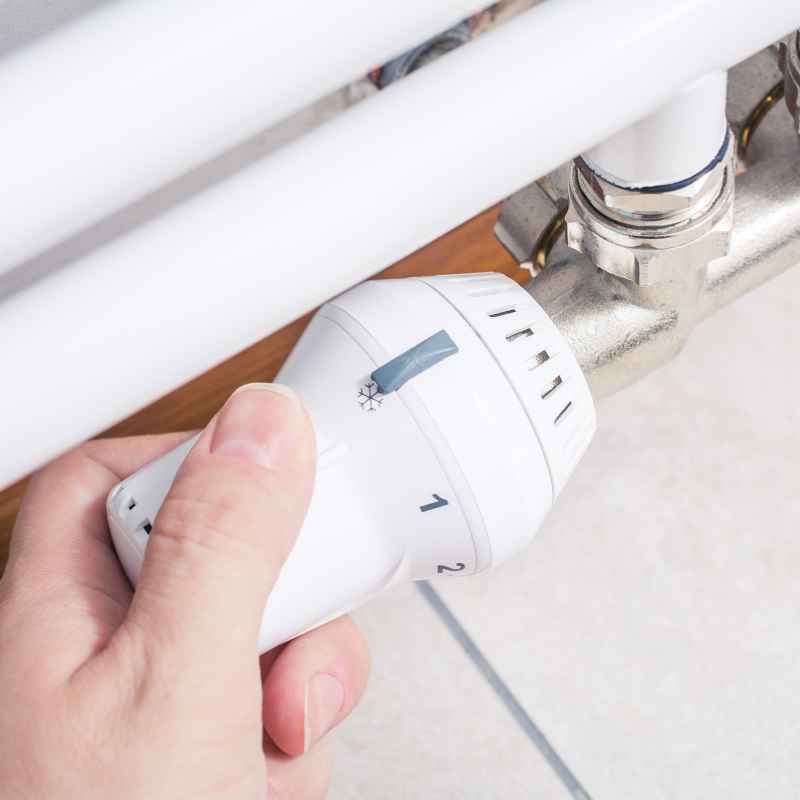
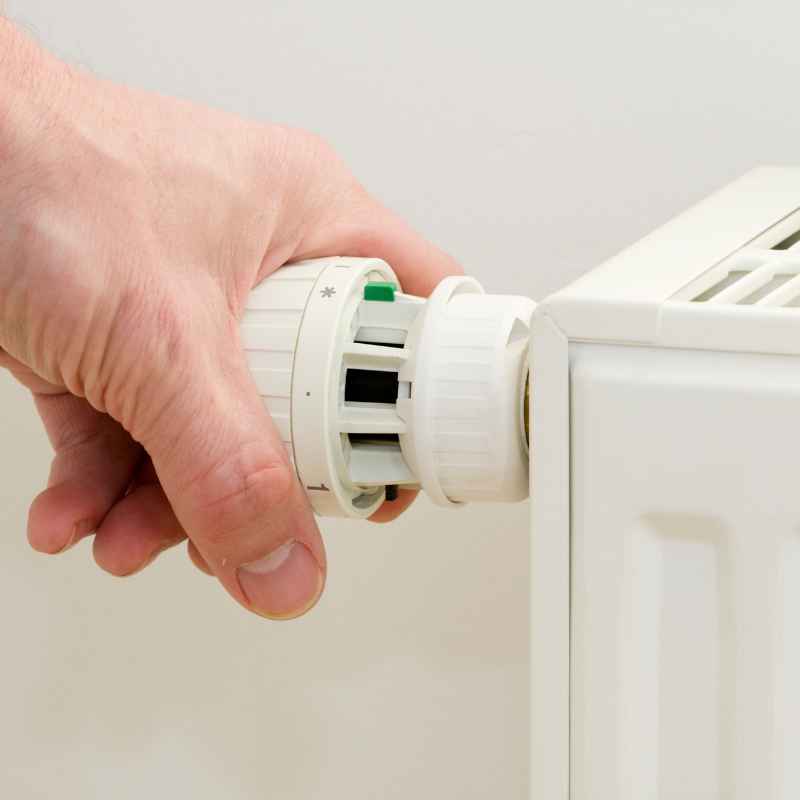
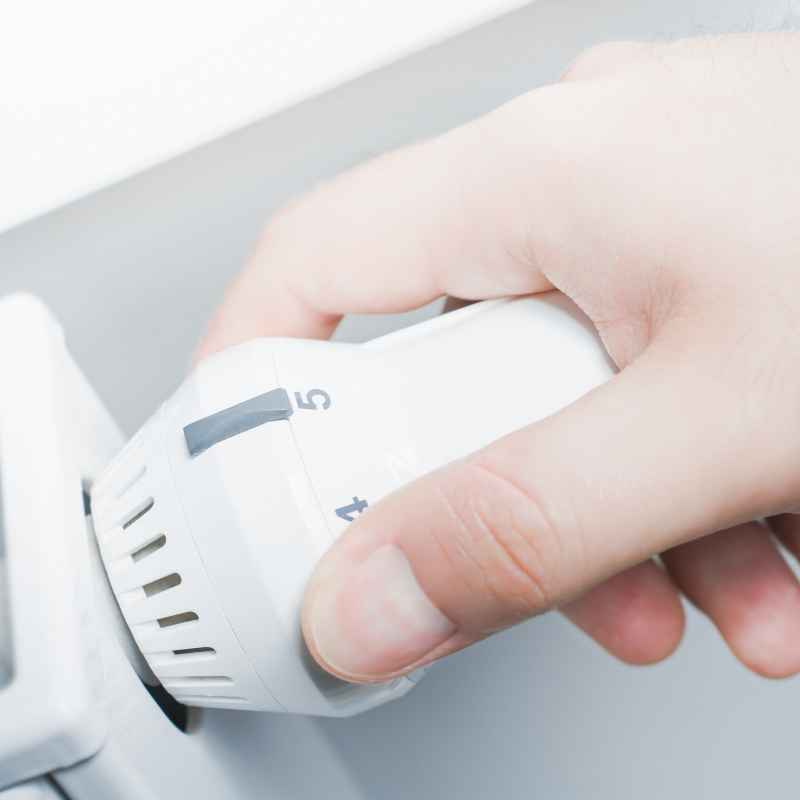
A thermostatic radiator valve (TRV) is a self-regulating valve that adjusts the flow of hot water through a radiator based on the air temperature around it. It contains a wax or liquid-filled capsule that expands or contracts, opening or closing the valve accordingly. TRVs allow you to set different temperatures for different rooms automatically.
Without TRVs, turning off a radiator manually means the room temperature can drop significantly, and heat will be drawn from adjacent warmer rooms through walls and floors. This heat loss can offset any savings. TRVs prevent this by keeping each room at a consistent, set temperature—they only close once the room reaches the desired level.
| Feature | Manual Valve | TRV |
|---|---|---|
| Control type | On/off only | Proportional based on temperature |
| Energy savings potential | Low – heat escapes elsewhere | Moderate – prevents overheating |
| Best for | Rooms you rarely use and can fully isolate | Daily used rooms with variable occupancy |
| Installation cost | £0 (already fitted) | £15–30 per valve |
TRVs cost about £15–30 each but pay for themselves within two winters by preventing wasted heat. They are especially effective in homes where room use fluctuates throughout the day.
Tip: Install TRVs on radiators in bedrooms, spare rooms, and home offices. Keep the radiator in your main living area on a manual valve or set to maximum to avoid conflicts with the room thermostat.
The Science Behind Heat Flow and Room Temperature
Heat always moves from warmer to cooler areas. When you turn off a radiator in a room, that room becomes a heat sink, drawing warmth from adjacent rooms through walls, floors, and ceilings. This phenomenon is known as “thermal bridging.” The amount of heat loss depends on the temperature difference and the insulation quality of the dividing surfaces.
According to a study by the Building Research Establishment (BRE), closing off a single room in a moderately insulated home can increase the heating demand in neighboring rooms by up to 15%. In poorly insulated homes, this effect is even greater. Conversely, if the cold room is well-insulated from the rest of the house (e.g., a detached garage with a solid wall), the heat loss is minimal.
- Identify rooms that are truly isolated – e.g., a guest bedroom with a closed door, thick walls, and no connecting open spaces.
- Measure the temperature drop in adjacent rooms – a drop of more than 2°C means your savings are being eaten by extra heating.
- Consider closing internal doors – this reduces airflow and heat convection between rooms.
- Use draft excluders under doors to further limit heat leakage.
- If possible, insulate internal walls – though this is a costly retrofit.
The key insight: savings are real only when you prevent heat from migrating. That means keeping the door closed and the room well-sealed. If you leave a door open even a crack, the cold room will pull heat from the warm room, and your boiler will work harder.
Common Scenarios: When It Saves Money vs. When It Doesn’t
The effectiveness of turning off radiators depends heavily on your home’s layout, insulation, and heating system. Below is a comparison of typical scenarios to help you decide.
| Scenario | Estimated Savings | Risks |
|---|---|---|
| Modern home with TRVs, closing one unused room | 5-10% on whole bill | Minimal – TRVs prevent overcompensation |
| Older home with manual valves, closing multiple rooms | 0-3% | High – short cycling, mold, uneven heating |
| Poorly insulated home with leaky doors | Negative (costs more) | Very high – heat loss to cold rooms increases total demand |
| Turning off radiator in an extension with separate zone | Up to 15% | Low – if zone control works properly |
As the table shows, the best savings occur when the unused room is physically separate and has good insulation. The worst-case scenario is a draughty house with open internal doors – turning off radiators can paradoxically increase your gas bill.
Important: The Energy Saving Trust estimates that turning off radiators in unused rooms can save around £75 per year for a typical gas-heated home. However, this assumes the home has TRVs and doors are kept shut.
How to Optimize Your Heating System for Maximum Savings
If you decide to turn off radiators in some rooms, follow these steps to ensure real savings. First, install TRVs on all radiators except the one in the room with the main thermostat (usually the living room). Then, set the room thermostat to 18-20°C and use TRVs to lower temperatures in bedrooms (16°C) and spare rooms (10-12°C).
Second, ensure your boiler is set to “condensing” mode – typically with a flow temperature of 60°C or below. Modern combi boilers operate most efficiently at lower temperatures. Third, schedule your heating to come on earlier and run longer, so rooms reach temperature gradually.
Short, intense heating cycles waste energy.
- Check your boiler’s minimum flow rate – many modern boilers require at least one radiator with a fully open valve to prevent overheating. Never close all radiators in your system.
- Install a bypass valve if your system lacks one – this allows water to circulate when many valves are closed.
- Use a smart thermostat with zone controls – these allow you to set different schedules for different parts of the house.
- Inspect insulation in the cold room – if a room has drafty windows or an uninsulated external wall, fix that first before shutting off the radiator.
- Monitor your gas usage for a week before and after making changes – use a smart meter or read your meter daily.
Small changes can add up. For example, reducing the bedroom temperature from 20°C to 16°C can save around 8% of your heating bill, according to the Department for Energy Security and Net Zero. Pair that with closed doors and you have a solid strategy.
Common Mistakes to Avoid When Turning Off Radiators
Many people try to save money but end up costing themselves more. One of the biggest mistakes is closing the radiator valve in a room that has an external wall and no insulation. The cold surface will attract moisture, leading to condensation and mold growth.
Mold remediation can cost hundreds of pounds.
Another error is leaving internal doors open. Even a small gap allows warm air to enter the cold room, cooling your living space and forcing the boiler to run longer. Always keep doors shut in rooms where the radiator is off.
- Closing all radiators except one – this can cause boiler lockout or damage.
- Turning off the radiator in the room where the main thermostat is located – that room will never reach temperature, so the boiler never stops.
- Expecting huge savings – a 5-10% reduction is realistic; anything more is unlikely.
- Ignoring the boiler’s minimum flow requirement – check your manual.
- Not balancing your system – after closing some radiators, you may need to balance the remaining ones for even heat distribution.
Warning: If you have an older boiler (non-condensing) and a gravity-fed system, turning off radiators can cause the pump to overheat and fail. Consult a heating engineer before making changes.
What Do Energy Experts Recommend?
Energy professionals generally favor zone control using TRVs rather than manually turning radiators on and off. The ideal setup, according to the Energy Saving Trust, is to have a main room thermostat in the living area, with TRVs on all other radiators. Set the room thermostat to 20°C, and use TRVs to reduce heat in rooms you use less.
For homes with two or more floors, experts recommend separate heating zones – one for upstairs and one for downstairs. This allows you to heat only the floor you’re occupying. Zone control can save 10-20% on heating bills, according to industry data from the Heating and Hotwater Industry Council (HHIC).
- Install a programmable thermostat if you don’t have one – it can reduce bills by 10-15%.
- Use smart radiator valves (e.g., from Tado or Hive) for room-by-room scheduling via your phone.
- Insulate behind radiators on external walls with radiator reflector foil – this saves about £10 per radiator per year.
- Bleed your radiators annually – trapped air reduces heat output by up to 30%.
In short, the best approach is not to fully turn off radiators, but to lower their temperature in seldom-used rooms. This maintains a baseline temperature that prevents condensation and heat loss, while still saving energy compared to heating every room to full warmth.
Frequently Asked Questions
Is it bad to turn off radiators in rooms you don’t use?
Not if done correctly. Use TRVs to set a low temperature (10-12°C) rather than fully closing manual valves. This prevents mold and reduces heat migration.
Fully closing a manual valve in a room with poor insulation can cause damp problems.
Does turning off radiators save money on gas bills?
Yes, but savings are modest. A typical home might save 5-10% per year, or about £75, according to the Energy Saving Trust. The actual amount depends on how many rooms you turn off, insulation levels, and heating system type.
Should I close radiator valves in summer?
No, leave valves open during summer to prevent the internal seals from sticking. Corrosion can seize the spindle, making the TRV or manual valve inoperable come winter. If you have a drained system, leave valves open.
Can turning off radiators damage my boiler?
Yes, if you close too many valves. Modern boilers require a minimum water flow rate, and blocking most radiators can cause the heat exchanger to overheat. Always keep at least a few radiators fully open, or install a bypass valve.
What temperature should I set for a spare room radiator?
Set the TRV to around 12°C (the snowflake symbol) to prevent freezing and mold while saving energy. If you never use the room, you can lower it to 10°C, but avoid going below 7°C to maintain frost protection.
Final Thoughts
Turning off radiators in unused rooms can save you money, but only when you have the right setup. TRVs, closed doors, and good insulation are essential to prevent heat loss from negating your savings. Focus on sensible setbacks rather than fully shutting down rooms, and always protect your boiler by maintaining minimum water flow.
Small adjustments add up to a more efficient, comfortable home.
Sponsored / affiliate links. As an Amazon Associate I earn from qualifying purchases. I may earn additional commission from eligible campaigns.
 Water Flow Control Shut Off Valve with Brass Adjustable Hand Level Water Pressure Regulator for Hand Held Shower Head & Bidet Sprayer, Brushed Nickel Water Saver G1/2
 E-ALLDIR Leather Repair Patch,20 * 30cm Adhesive Leather Repair Patch, Self Adhesive Leather Repair Tape for Furniture, Self-Adhesive Leather Refinisher Cuttable Sofa Repair XLZ-Dark Brown