Recessed Lighting Installation Cost: $100-$200 Per Light (2026)
Recessed lighting installation costs $100-$200 per light installed – most projects run $500-$1500 total, depending on ceiling type and wiring. Vaulted ceilings, insulation, or old wiring can add 20-50% to the bill. This guide covers what drives the cost, real price breakdowns from my own garage and kitchen installs, and where DIY actually makes sense.
What Is Recessed Lighting?
Recessed lighting, or can lighting, is a type of fixture that’s installed into the ceiling. It sits flush with the surface, giving a clean, modern look. I first noticed how cool these lights were in a friend’s garage—he had them shining down on his vintage car, and it looked like a museum.
The lights have three main parts: the housing, the trim, and the bulb. The housing goes into the ceiling, the trim covers the edges for a finished look, and the bulb provides the light. I love how recessed lights don’t hang down or take up space, making them perfect for low ceilings or tight areas like a workshop.
Why Choose Recessed Lighting?
You might be wondering why go for recessed lights instead of, say, a floor lamp or track lighting. I’ve tried different lighting setups, and here’s why recessed lighting won me over:
- Sleek Design: They’re hidden in the ceiling, so your space looks uncluttered. My garage feels so much cleaner with them.
- Versatile Lighting: You can aim them for task lighting or spread them out for ambiance. I use them to highlight my car and workbench.
- Space-Saving: No dangling fixtures to bump into. This is a big deal in my busy garage.
- Increased Home Value: They’re a popular upgrade. When I installed them in my kitchen, my realtor said it boosted my appeal.
I’ve found recessed lighting to be a game-changer for both looks and function, but the cost can vary. Let’s dive into what drives those numbers.
Factors That Affect the Cost of Installing Recessed Lighting
When I started planning my recessed lighting project, I was surprised by how many things impact the price. Here’s what I learned:
Number of Lights
The more lights you install, the higher the cost. I put six lights in my garage, and it was pricier than the four I put in my bedroom. Each light needs its own housing, trim, bulb, and labor, so it adds up. On average, electricians charge $100-$200 per light, including installation.
Type of Recessed Lights
Not all recessed lights are the same. I went with standard 6-inch cans for my garage because they’re bright and affordable. Smaller 4-inch cans are great for kitchens but cost a bit more. Smart or dimmable lights are even pricier. Here’s a quick breakdown:
- Standard Cans: $20-$50 per light. I paid $30 each for mine.
- LED Integrated: $40-$100. These have built-in LEDs and last longer.
- Smart Lights: $50-$150. I’m eyeing these for my living room—they connect to apps.
Labor Costs
Labor is the biggest chunk of the bill. Electricians charge $50-$100 per hour, and each light takes about 1-2 hours to install. I got quotes ranging from $800 to $1200 for six lights in my garage. Rates depend on where you live—urban areas like New York are pricier than rural spots.
Ceiling Type
The type of ceiling affects labor time. My garage has a standard drywall ceiling, which was easy to work with. But if you have a vaulted ceiling, insulation, or asbestos, it’s more complicated. I helped a friend with a popcorn ceiling, and it took extra time to cut through. Expect to pay 20-50% more for tricky ceilings.
Wiring and Electrical Work
If your home already has wiring nearby, it’s cheaper. My garage had an existing circuit, so it was straightforward. But if you need new wiring or a circuit upgrade, add $200-$500. Older homes often need this, and I learned that the hard way in my 1950s house.
Permits and Inspections
Some areas require permits for electrical work. I paid $50 for a permit in my town. Inspections might cost another $50-$100. Check with your local building department—I called mine to confirm what I needed.
Location in the Home
Where you install the lights matters. My garage was a single-story space, so access was easy. But if you’re doing a second-floor room, electricians might need attic access, which adds time and cost. Bathrooms or kitchens might need waterproof fixtures, which are pricier.

Average Cost Breakdown
To give you a clear picture, here’s what I found for average costs in the USA, based on my project and quotes I got:
| Item | Cost Range | My Experience |
|---|---|---|
| Recessed Light (Housing + Trim) | $20-$100 per light | $30 per 6-inch can |
| LED Bulbs | $5-$20 per bulb | $10 per bulb |
| Labor (per light) | $50-$150 | $100 per light |
| Wiring/Circuit Upgrade | $200-$500 | $300 for my kitchen |
| Permit/Inspection | $50-$200 | $50 permit |
| Total per Light (Installed) | $100-$200 | $140 per light |
For six lights in my garage, I paid about $840 total. My kitchen, with four lights and extra wiring, cost $760. Costs vary by region, so get multiple quotes—I got three to compare.
DIY vs. Professional Installation
I’m a hands-on guy, so I considered doing it myself to save money. Here’s what I learned about both options:
DIY Installation
DIY can cut costs to $20-$50 per light, just for materials. I installed two lights in my basement to test it out. You need basic electrical skills, tools like a drywall saw, and a lot of patience. I spent $60 on two cans, bulbs, and wire connectors.
But DIY isn’t for everyone. You need to know electrical codes, and mistakes can be dangerous. I almost wired a light wrong, and it could’ve caused a fire. If you’re not confident, don’t risk it. I did the basement but hired a pro for my garage.
“I almost wired a light wrong, and it could’ve caused a fire. If you’re not confident with electrical work, don’t risk it – I did two lights myself in the basement but hired a licensed pro for the garage.”
Professional Installation
Hiring an electrician costs more but ensures safety and code compliance. My garage lights were done in a day, and I didn’t have to stress. Pros also handle permits and inspections. I paid $600 for labor on six lights, but it was worth the peace of mind.
If you go pro, get licensed electricians. I checked reviews and asked for references to make sure I wasn’t hiring a rookie.
Ways to Save on Recessed Lighting Installation
I’m all about getting a good deal, so here’s how I kept costs down:
- Get Multiple Quotes: I called three electricians and saved $200 by picking the middle bid. Don’t just go with the cheapest—check their work.
- Buy Materials Yourself: I bought my cans and bulbs at Home Depot for $240, saving $100 over the electrician’s markup.
- Install in Batches: Doing multiple lights at once lowers the per-light cost. My six garage lights were cheaper per unit than my four kitchen ones.
- Use LED Bulbs: They’re pricier upfront but save on energy bills. My LEDs cut my garage lighting cost by 30%.
- Plan Ahead: Know where you want the lights to avoid extra wiring. I sketched my garage layout, and it saved time.
I also avoided fancy smart lights for my first project. They’re cool, but I stuck with standard LEDs to keep it affordable.
Best Retrofit Kit Pick
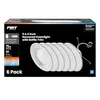
Feit Electric LED Retrofit Kit – $39.97
A 5/6″ adjustable-color, dimmable all-in-one kit – close to the $40-$100 LED-integrated price range this guide covers.
- Best for: retrofitting an existing can without buying separate housing and trim
- Why we picked it: adjustable 2700K-5000K covers both warm-home and bright-garage use cases this guide describes
- Main drawback: retrofit kits need an existing housing already in the ceiling – new construction still needs full housing
Compare more recessed lighting parts
 Option 1 NICOR 6″ Baffle Trim – $9.22
|
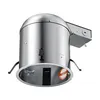 Option 2 IC-Rated Airtight Housing – $16.00
|
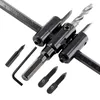 Option 3 Adjustable Hole Saw – $12.99
|
As an Amazon Associate we earn from qualifying purchases.
Choosing the Right Recessed Lights
Picking the right lights is key to both cost and look. I tried a few types before settling on what worked. Here’s what to consider:
Size of the Can
Most cans are 4, 5, or 6 inches wide. I used 6-inch cans in my garage for bright, broad light. 4-inch cans are sleeker and great for kitchens or hallways. Smaller cans cost a bit more but look modern. I paid $40 each for 4-inch cans in my kitchen.
Bulb Type
LEDs are the way to go. They last 10-15 years and use less power. I use 3000K warm white bulbs for a cozy feel in my home and 5000K cool white for my garage. Halogen or incandescent bulbs are cheaper but burn out faster. I switched to LEDs after my first halogen bulb died in six months.
Trim Style
The trim is the visible part around the light. I went with white baffle trims in my garage to reduce glare. Other options include:
- Baffle: Absorbs light for less glare. My choice for workspaces.
- Reflector: Boosts brightness. Good for high ceilings.
- Adjustable: Let’s you aim the light. I used these to highlight my car.
Trims cost $5-$20 each. I spent $10 per trim for a clean look.
Smart Features
Smart lights let you control brightness or color via an app. I haven’t upgraded yet, but they cost $50-$150 per light. They’re great for tech lovers but not necessary for basic setups.
Where to Install Recessed Lighting
Placement affects cost and effect. I’ve installed lights in different spots, and here’s what works:
- Garage: Bright, even light for working on cars. I spaced six lights 4 feet apart for full coverage.
- Kitchen: Task lighting over counters. My four lights are focused on prep areas.
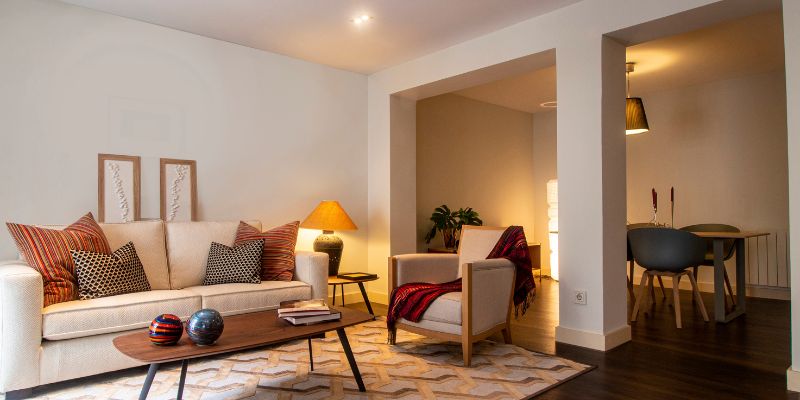
- Living Room: Soft, ambient light. I’d use dimmable lights here to set the mood.
- Bathroom: Waterproof fixtures for safety. These cost 20% more but are worth it.
Measure your space and plan light placement. I used a tape measure and marked spots with painter’s tape. Aim for 4-6 feet between lights, depending on ceiling height.
Common Mistakes to Avoid
I made some blunders that cost me time and money. Here’s what to watch out for:
- Not Getting Permits: I skipped this once and got fined $100. Check local rules.
- Wrong Light Spacing: Too few lights leave dark spots. I had to add a fifth light in my kitchen.
- Cheap Materials: Low-quality cans flicker or break. I replaced a $15 can after a year.
- Ignoring Insulation: If your ceiling has insulation, you need IC-rated cans, which cost more. I learned this after buying the wrong ones.
Maintaining Your Recessed Lights
Once installed, recessed lights are low-maintenance. Here’s how I keep mine in shape:
- Clean the Trims: Dust can build up. I wipe mine with a damp cloth every few months.
- Check Bulbs: Replace dim LEDs. I keep spares to avoid dark spots.
- Inspect Wiring: If a light flickers, call an electrician. I had a loose wire fixed for $80.
- Update Trims: Swapping trims can refresh the look. I’m thinking of trying reflector trims in my garage.
Why I Love Recessed Lighting
Recessed lighting is my favorite upgrade. It makes my garage feel like a professional shop and my home look modern and inviting. I love how versatile they are—bright for work, soft for chilling. Plus, they’re a smart investment that pays off in style and value. Every time I flip the switch, I’m glad I took the plunge.
Conclusion
So, how much does it cost to install recessed lighting? It depends on lights, labor, and your space, but expect $100-$200 per light, with most projects running $500-$1500. I’ve loved sharing my journey—from my garage glow-up to my kitchen redo. Whether you’re lighting up a workshop, showroom, or living room, recessed lighting is worth it. Plan carefully, get quotes, and pick quality materials to keep costs in check. Your space deserves that sleek, modern shine—so go for it! Here’s to a brighter, better-lit home—happy installing!
FAQs
What is recessed lighting?
It’s a type of light installed into the ceiling, sitting flush for a clean, modern look. It’s great for garages, kitchens, or any room.
How much does it cost to install one recessed light?
On average, $100-$200 per light, including materials and labor. I paid $140 per light for my garage.
Can I install recessed lighting myself?
Yes, if you have electrical skills, but it’s risky without experience. I did two lights but hired a pro for my garage.
Do I need a permit for recessed lighting?
Some areas require permits, costing $50-$200. I paid $50 for mine. Check with your local building department.
What size recessed lights should I use?
6-inch cans are standard and affordable. I used them in my garage. 4-inch cans are sleeker for kitchens.
Are LED bulbs better for recessed lighting?
Yes, they last longer and save energy. I use 3000K warm white for home and 5000K cool white for my garage.
How many recessed lights do I need?
Space them 4-6 feet apart, depending on ceiling height. I used six lights for my 12×12-foot garage.
Why is labor so expensive for recessed lighting?
Electricians charge $50-$100 per hour, and each light takes 1-2 hours. Complex ceilings or wiring add time.
Can I install recessed lights in an old house?
Yes, but you might need new wiring or circuit upgrades, costing $200-$500. My old house needed this.
How do I clean recessed lights?
Wipe trims with a damp cloth every few months. I check bulbs and wiring yearly to keep them working.
Sponsored / affiliate links. As an Amazon Associate I earn from qualifying purchases. I may earn additional commission from eligible campaigns.