5 Best Solar Lights for RV Pads (2026): Based on Specs and Reviews
Choose solar lights for RV pads, cabins, and off-grid outdoor spaces by path type, mount height, and sun exposure; for most remote sites, 300 to 800 lumens per fixture plus a 6 to 10 hour battery is the safer starting range. Pick the wrong style, and you get dark approaches, dead batteries after cloudy days, and lights that fail where you need them most. This guide matches light types to arrival routes, mounting points, and charging limits so you buy for real conditions.
Quick comparison
| Product | Badge | Best for | Price | ||
|---|---|---|---|---|---|
 |
Home Zone Living 2PK Solar Flood Lights Black Motion SensorHome Zone Living | Our pick | 2-pack · motion-sensor · warm white | $34.99
Price as of 31 Oct 2026
|
View |
 |
Solar Wall Lights Outdoor with 3 Lighting Modes & MotionHelpLand | Also great | 2-pack · 3 modes · wall lantern | $59.99
Price as of 31 Oct 2026
|
View |
 |
DERAYSION 8 Pack Solar Lights Outdoor, Stainless SteelDERAYSION | Budget pick | 8-pack · pathway lights · warm white | $46.99
Price as of 31 Oct 2026
|
View |
 |
Solar Indoor Outdoor Shed Light with 3000LM 3 Color Tempersropelux | Upgrade pick | 1 pack · 3000lm · 5 modes | $34.00
Price as of 31 Oct 2026
|
View |
 |
MDCMDCM Split Solar Lights Outdoor Waterproof with DualMDCMDCM | Pair with it | 1 pack · 3000lm · split design | $35.93
Price as of 31 Oct 2026
|
View |
Use this section to separate pad lighting, entry security, and low-glare marking before you compare brightness. In off-grid spaces, layout matters as much as output.
How we chose
The comparison here is based on published specs, mode count, mounting style, panel placement, weather rating, and whether the light suits a shaded, exposed, or winter-limited site. We also favored options that make sense for cabins, sheds, porches, garages, and RV pads rather than generic yard use.
Controls mattered too. A light that depends on a remote is less convenient if the remote goes missing, while a switch or manual backup can keep a utility space usable.
Finally, the guide weighs beam spread, not just lumens. A wider beam can cut edge shadows around steps, drive edges, and pad corners, which is often more useful than raw brightness alone.
Home Zone Living flood lights: best for bright arrival-zone coverage
Choose this for an RV pad or cabin entry where you need broad, warm light from a compact wall-mounted fixture. The triple-head design lets you aim coverage across a wider approach, and the 1000-lumen output fits a lower-to-mid brightness role for a small to medium arrival zone.
It works best where the light can mount near the entry and cover a short drive edge, step area, or utility door. The warm white 3500K tone is easier on the eyes than cooler light when you step out of a vehicle at night.
The drawback is simple: the 120-degree light spread is useful, but it is not a substitute for a separate path marker layout on longer drives. For larger pads or darker corners, you may still need more than one fixture.
HelpLand wall lanterns: best for porch and door security
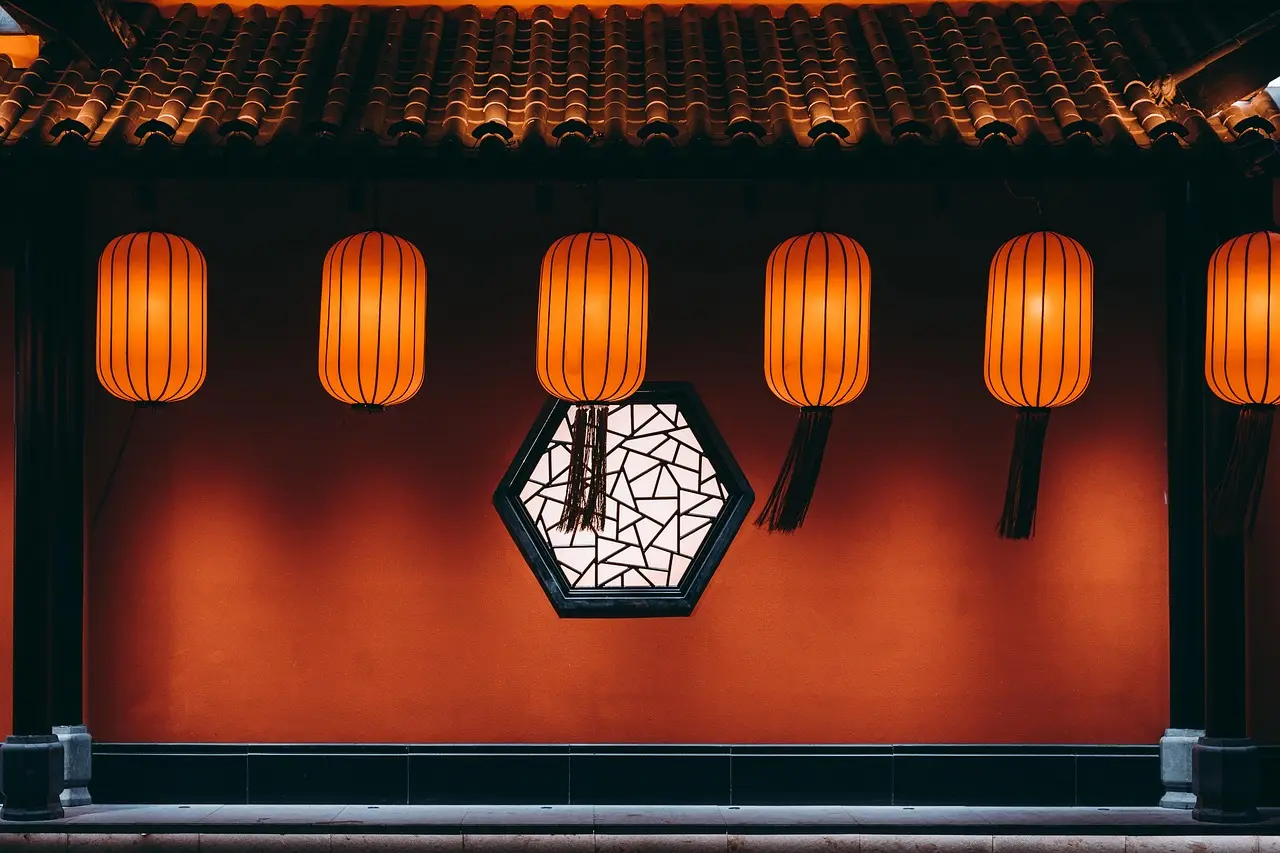
Pick this when you want a wall-mounted lantern style for a porch, shed door, or garage entry with a motion sensor and dusk-to-dawn operation. The three lighting modes make it more flexible than a basic on/off light, especially when you want security mode at the door and softer output the rest of the night.
It fits cabins and outdoor structures where mounting height is fixed and the goal is clear entry visibility rather than wide area wash. The waterproof build is suitable for outdoor mounting, and the lantern form tends to feel less harsh than a flood pattern near windows.
The tradeoff is coverage width. Lantern-style lighting usually concentrates around the fixture more than a flood light does, so it is a weaker choice for long drive approaches or open RV pads.
DERAYSION pathway lights: best for low-glare edge marking
This is the better fit when you need to define a walk, driveway edge, or path to a cabin door without flooding the whole area with light. An 8-pack of stake lights works well for spacing along arrival edges, and the warm white output is easier to live with near tents, decks, and sleeping areas.
Path lights make sense when the goal is orientation, not security-level illumination. They help reduce dark corners by showing where the edge is, where the path bends, and where to slow down before a step or curb.
The drawback is obvious: these are not entry security lights. On their own, they do little for a parking pad that needs bright coverage at the door or around a utility area.
Ropelux shed light: best for shaded outbuildings
Choose this for a shed, barn, coop, gazebo, or covered cabin area where the panel can sit in better sun than the light itself. The separate solar panel is the key advantage here, because it lets you place the collector in stronger sun and run the cable to the fixture in shade.
Its 3000-lumen rating and five modes make it the strongest all-around utility option in this group for a partially shaded structure. The three color temperature options also help you match the beam to a work zone, a path, or a softer cabin-use setting.
The drawback is that it depends on planning. If the panel is installed where snow piles up or where winter shade lingers all day, runtime will drop fast.
MDCMDCM split solar lights: best for long cable flexibility
This is the most practical pick when the fixture must stay near the pad, fence, or doorway but the panel needs a sunnier location. The 15.7-foot cable gives you more placement freedom, which matters for garages, patio covers, and shaded RV pads.
The 3000-lumen output is high enough for a brighter security role, and the dual motion sensors support wide-angle detection around a larger outdoor zone. An IP65 rating is commonly treated as a sensible minimum-weather option for year-round exterior use.
The drawback is similar to other split designs: the install works only if you route the cable cleanly and protect the panel from winter shading or snow cover. Poor panel placement will reduce runtime no matter how bright the fixture looks on paper.
Which one should you buy?
If your site has shade, pick a split-panel light first. The ropelux and MDCMDCM options are stronger choices than self-contained lights when the panel can reach better sun.
If your main goal is the cabin door, choose a wall-mounted motion light. If the goal is to mark a long edge or approach, choose stake lights instead of a single bright fixture.
If you want the simplest budget option for a small entry, the Home Zone Living flood lights make sense. If you need the most flexible utility lighting, the ropelux split light is the better all-around pick.
A common first-timer mistake is placing a bright flood at the wrong height and still leaving the step in shadow. A better layout is one brighter fixture at the door plus lower-glare markers along the edge that leads to it.
RV pad decision matrix
This matrix matches the light type to the site, then checks output, mounting, panel placement, and the most likely failure point. Use it before you compare brands. It is the fastest way to avoid buying a light that cannot charge where you live.
| Scenario | Best light type | Recommended lumen band | Mounting height | Panel placement | Top failure risk |
|---|---|---|---|---|---|
| Open RV pad with a clear arrival path | Wall-mounted flood or lantern | 1000 to 2500 lumens | 7 to 10 feet | On the sunniest nearby wall or post | Too much glare at eye level |
| Covered RV pad with partial shade | Split-panel flood light | 2000 to 3000 lumens | 8 to 12 feet | Separate panel in full sun | Panel stays in shade and undercharges |
| Cabin front door with one step | Motion wall light | 1000 to 2000 lumens | 6.5 to 9 feet | Panel angled south or west if possible | Step shadow remains dark |
| Long driveway edge to a remote cabin | Path lights or marker lights | 100 to 300 lumens | Stake height or low post height | Where each unit gets direct sun | Spacing too wide leaves dark gaps |
| Shaded porch under an eave | Split-panel wall light | 1500 to 3000 lumens | 7 to 9 feet | Panel moved beyond roof shade | Self-contained panel never charges well |
| Garage or shed work door | Split-panel utility light | 2000 to 4000 lumens | 8 to 12 feet | Panel on the sunniest side wall | All-night mode drains the battery |
| Utility zone with frequent night visits | Motion light with manual backup | 2000 to 4000 lumens | 8 to 10 feet | Panel in unobstructed sun | Lost remote leaves you without control |
| Winter cabin with snow and short days | Conservative split-panel light | 1000 to 2500 lumens | 7 to 10 feet | Above snow line, facing strongest sun | Low-sun charging cannot support long runtime |
What are the best solar lights for RV pads and off-grid cabins?
The best choice depends on the site, not just the brand. For shaded pads and cabins, split-panel lights are usually the better first buy because the panel can sit in stronger sun while the fixture stays where you need light. For open arrivals, a wall flood or wall lantern can be enough.
Use a brighter fixture at the arrival point and smaller markers along the edge. That layout is safer than trying to light every square foot with one oversized unit.
Best layout by use case
For an RV pad, combine a brighter light at the parking edge or step with lower-output markers along the drive-in path. For a cabin, mount the main fixture at the entry door, then add path lights only where the route bends or drops off.
Which solar lights work best in shaded or partially shaded outdoor spaces?
Split-panel lights are the best fit in shade because the collector can move to a sunnier spot while the fixture stays under a porch, on a wall, or near a covered pad. Self-contained lights can still work in partial shade, but only if the panel still gets enough direct sun for a full charge.
That matters in cabins, sheds, garages, and porches where roof overhangs block midday sun. A longer cable is often more useful than a higher lumen rating in those locations.
When to skip self-contained lights
If the panel faces tree shade most of the day, or if winter snow covers the top surface for long periods, do not depend on a self-contained unit for the main entry light. The battery may still power short bursts, but runtime becomes unreliable.
How many lumens do I need for a cabin entry or RV pad?
Use brightness by task. Path marking can work in the low hundreds, while a cabin entry or RV pad usually needs 1000 to 3000 lumens, and larger or darker pads can justify up to 4000 lumens or more. The common competitor range runs from 1000, 2000, 2500, 2800, 3000, 4000, and even 7000 lumens.
The right band depends on how far the light must travel and how much spill you can tolerate. A close porch door needs less output than a driveway edge that must be visible from a backing vehicle.
Use the beam, not just the number
Adiding’s approximately 2800 lumens and 180° lighting angle are a better fit for broad entry coverage than a narrow, brighter spot. FabStyl’s up to 4000 lumens and Aootek’s 2500Lm show how output scales, but beam spread still decides whether the corner stays dark.
Are motion sensor solar lights better for security around remote spaces?
Yes, motion sensor lights are usually the better security choice because they save battery by avoiding constant output. Security mode gives the brightest response when movement appears, while smart brightness control can dim when idle and brighten on detection. All-night-on is useful only when you have enough charging capacity.
For remote cabins, that tradeoff matters. A light that stays on all night may look useful, but it can drain the battery faster than a motion-based setting during cloudy weather or short winter days.
How the modes differ
Security mode is best for surprise activity at a door, gate, or utility zone. Smart brightness control works well when you want low background light with a stronger burst on motion. All-night-on is the least conservative option, so use it only where charging is strong and predictable.
Do I need a separate solar panel or a self-contained light?
For shaded porches, covered pads, cabins, sheds, and garages, a separate solar panel is often the better choice because it lets the panel sit in fuller sun and the cable reach the light. Self-contained lights are simpler to mount, but they depend on the fixture location getting enough direct sun every day.
If your light must mount under an eave or near a north-facing wall, separate-panel designs usually age better in real use. They are also easier to place where snow melt and roof shade would otherwise cut charging.
Where split designs fit best
Split designs are common on cabin sheds and porches because the panel can live higher, sunnier, and drier than the fixture. That flexibility is often worth more than a tidier all-in-one design.
What waterproof rating should I look for on outdoor solar lights?
IP65 is a common minimum to look for on cabin and pad lights because it covers dust resistance and rain resistance. That rating does not make the light immune to every condition, but it is a sensible baseline for outdoor structures and remote entries.
If the light will face wind-driven rain, dust, or seasonal weather changes, avoid unlisted or vague weather claims. Exterior use needs a real enclosure rating, not just a product description that says “outdoor.”
What IP65 does and does not cover
IP65 helps with dust and rain, but it does not solve poor panel placement, snow cover, or winter undercharging. Weatherproofing protects the housing; it does not create sunlight.
Which color temperature is best for cabin and campsite lighting?
Warm white is usually the most comfortable choice near a cabin door, porch, or campsite seating area, while neutral white and cool white help with visibility at work zones and parking edges. Common options include 3200K, 4000K, 6000K, and 6500K, with the cooler ends appearing harsher and brighter.
For most off-grid homes, 3200K to 4000K is easier to live with near doors and windows. Cooler tones can be useful for security or task work, but they often increase glare.
Match color to the job
Use warmer light where people sit, enter, or pass close to the fixture. Use cooler light where you need better object contrast, such as a driveway edge or utility door.
How long do solar shed and cabin lights run on a full charge?
Run time depends on battery size, brightness mode, panel exposure, and season. A 6000mAh battery, like the one listed for APILAB, can support longer runtime than a smaller pack, but that advantage shrinks if you run the light at full output all night or charge through weak winter sun.
For off-grid sites, conservative use is the safer rule. Motion mode and dim background output usually last longer than full-time brightness, especially after cloudy days or when the panel is shaded by snow.
What changes runtime most
Brightness mode is often the biggest factor, followed by how well the panel charges during the day. A light that works well in June may need more conservative settings in December.
- Start with site layout: arrival path, step height, and where the vehicle stops.
- Check sun exposure for the panel, including winter shade and roof overhangs.
- Choose the mount type that fits the structure: wall, ceiling, hanging lantern, stake, or post.
- Set the brightness band by task, not by maximum lumen count.
- Pick motion, dimming, or all-night behavior based on how much charging the site can reliably get.
Suppose your cabin has a 12-foot-wide parking pad under a porch roof and the door step sits in shadow. A split-panel light mounted near the door can work well, but only if the panel is moved to full sun and the brightness is kept in a conservative range so it still runs after cloudy days.
Picture a 40-foot gravel approach to a remote workshop. One bright flood at the door will not solve the dark middle section, so you would use a brighter entry light plus lower-output path markers along the edge instead of chasing a single high-lumen fixture.
Sponsored / affiliate links. As an Amazon Associate I earn from qualifying purchases. I may earn additional commission from eligible campaigns.