4 Best Solar Lights for Front Yard Pathways: based on specs
Choose solar pathway lights with roughly 10–20 lumens per fixture, a wide forward beam, and a stake or bracket that stays planted in soft soil. Weak output or sloppy placement leaves dark gaps, glare, and lights that tip after rain or mowing. This guide compares brightness, beam spread, runtime, and mounting stability for front-yard walkways.
Quick comparison
| Product | Badge | Best for | Price | ||
|---|---|---|---|---|---|
 |
Sunshine Star LED Solar Pathway Lights Outdoor with Metal,Sunshine Star | Budget pick | 8-pack white solar pathway lights with metal pole | $19.99
Price as of 9 Oct 2026
|
View |
 |
DOESLAG Solar Lights Outdoor 12 Pack, Solar Pathway LightsDOESLAG | Our pick | 12-pack warm white solar lights for continuous path coverage | $33.99
Price as of 9 Oct 2026
|
View |
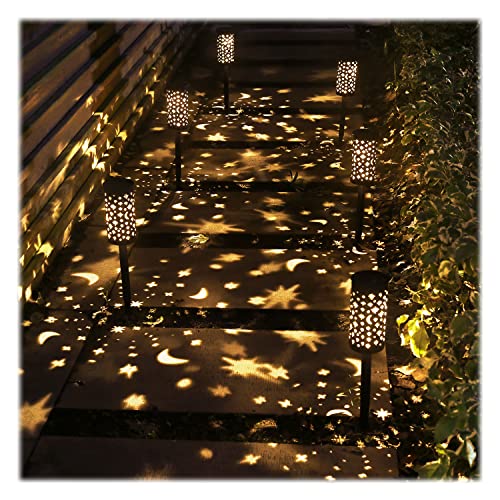 |
6 Pack Solar Light Outdoor Garden Patio Pathway Landscapeesgarden | Also great | 6-pack decorative star/moon solar lanterns for pathways | $34.99
Price as of 9 Oct 2026
|
View |
 |
Tall Solar Lights Outdoor, 8 Pack Bright Pathway LightsVICOUP | Upgrade pick | 8-pack tall solar pathway lights with adjustable height | $35.99
Price as of 9 Oct 2026
|
View |
Use the comparison table to match path width, sun exposure, and the kind of light you want at the front approach. The best choice is not always the brightest one; beam spread, battery type, and mounting stability often matter more.
The options below cover a standard walk, partial shade, decorative curb appeal, and a stronger entryway look.
How we chose
We compared coverage first, not raw brightness alone. That means beam spread, spacing, and glare control came before marketing claims.
We also looked at runtime after a full charge and after weak-sun days, because many front yards do not get perfect sun all week.
Mounting stability mattered too. A stake that holds in soft soil is useful; a light that leans in mulch or pops up after frost is not.
Finally, check battery type, replacement practicality, and outdoor ratings such as IP65 or better when the listing provides them.
Sunshine Star LED solar pathway lights: best for a standard front walk
Choose this set if you want a straightforward, low-cost path light for a normal front walk with decent sun. The 6500K LED tone gives strong visibility, and the metal pole should hold up better than thin all-plastic stakes in damp beds.
Its main strength is simple, functional coverage. A cooler white beam can make edges easier to read at night, which helps on short walks or around entry paths where foot placement matters more than mood lighting.
The drawback is the color temperature. 6500K is bright and crisp, but it can look harsh against warm brick, stone, or a softer yard design, and it is not the best choice if you want a welcoming glow.
DOESLAG solar lights outdoor 12 pack: best for full-path coverage
This is the best fit when you want even spacing along a longer front path without leaving dark gaps. The 12-pack format helps you keep a consistent pattern, and the 3000K warm white output is easier on the eyes than cool white LEDs.
The replaceable battery is a real advantage. Once the original cell wears down, you can swap it instead of replacing the entire light, which lowers long-term ownership cost if the fixtures otherwise hold up.
The tradeoff is that warm light can feel softer than some homeowners expect on a walkway. In a deep shade or long drive-to-walk transition, you may need tighter spacing than the package photo suggests.
esgarden solar lantern lights: best for curb appeal
Pick this if the front approach is as much about appearance as safe footing. The star-and-moon cutout design is decorative first, so it adds visual character along a lawn edge, courtyard path, or seasonal entry area.
Because the output is filtered through the lantern design, it is better for accent lighting than for bright task lighting. That makes it less useful for a dark, narrow walk where you need clear beam coverage across the full width.
The drawback is obvious: decorative lights usually give up usable light spread. If you need to read steps, avoid tripping on borders, or guide guests after dark, this is not the strongest option.
VICOUP tall solar lights outdoor: best for front steps and edges
This set suits entry paths, step edges, and places where you want a little more reach. The taller form factor and 2800K warm glow can spread light more naturally across a landing or a curved approach than a short stake light that sits too low.
The claimed 15-hour runtime after a full charge is useful on paper, especially for homes that want lights on well past midnight. The IP65 rating is also a solid sign for rain exposure and dust resistance.
The drawback is that taller lights can be more exposed to tipping if the ground is soft or frost-heaved. They work best where you can seat them deeply and keep the base stable.
What are the best solar lights for front yard pathways?
The best solar lights for front yard pathways are usually stake-mounted or low-profile fixtures that cast a broad, even pool of light at foot level. For most homes, a warm white or soft white option with 10–20 lumens per fixture works better than a narrow, overly bright spotlight. Stability matters as much as brightness.
Quick picks by use
- Standard front walk: Sunshine Star for simple, bright visibility.
- Longer path with even coverage: DOESLAG for a 12-pack layout and replaceable battery.
- Decorative curb appeal: esgarden for a patterned accent look.
- Steps and edges: VICOUP for a taller profile and warmer tone.
Solar path lights come in two broad styles. Stake-mounted lights are the common choice for lawns, mulch edges, and garden borders. Low-profile lights sit closer to the ground and can reduce glare, which helps on steps and landings where a bright point source can be uncomfortable.
Say your front walk is 4 feet wide with two gentle curves. A low, wide beam placed at even intervals will usually do more for safety than a taller light with a narrow hotspot. On a straight 2.5-foot path, the reverse can be true if the beam stays broad.
How many lumens do I need for pathway solar lights?
For pathway solar lights, a rough starting point is around 10–20 lumens per fixture for many front walks. Narrow edging can work around 5–10 lumens, while main walkways and entry approaches often need 15–30 lumens if you want clearer footing without glare. More lumens help only if the beam spreads well.
Narrow walkway versus main approach
A narrow side path can look clean and safe with lower output because less area needs coverage. A wider front approach or path with curves needs more overlap between fixtures, so a moderate lumen rating with a wider beam often beats a higher number with a tight hotspot.
Steps and landings
Front steps need a different setup. Light should hit the riser and tread without shining directly into eye level. Low-profile or angled fixtures usually work better than tall stake lights because they reduce glare and keep shadows from hiding the edge of each step.
Brightness versus visibility tradeoffs
Brighter is not always safer. If a light creates a hard hotspot, your eyes adapt to the bright point and the surrounding walkway can look darker. For a front path, even light distribution is often more important than maximum output.
Front yard pathway lighting selector
This selector maps path width, sun exposure, and the look you want to the right type of solar light. It also shows the mounting style that fits best and what to check when winter or shade becomes a problem.
| Path width | Sun exposure | Aesthetic goal | Recommended lumens | Color temperature | Spacing | Mounting style | Troubleshooting for shade and winter |
|---|---|---|---|---|---|---|---|
| 18–30 in. | 6+ direct sun hours | Soft, decorative edge | 5–10 lm | 2700K–3000K warm white | 6–8 ft apart | Low-profile stake | Trim back shrubs; tilt the panel toward midday sun before winter. |
| 30–48 in. | 4–6 direct sun hours | Balanced safety and curb appeal | 10–20 lm | 3000K–4000K neutral warm | 5–7 ft apart | Standard stake, deeper set | Move units away from tree shade and choose lithium if the battery is replaceable. |
| 48 in. or wider | 6+ direct sun hours | Clear footing for main approach | 15–30 lm | 3000K–4000K | 4–6 ft apart | Stake with wide beam or low bollard | Use tighter spacing in winter because shorter days reduce runtime. |
| Front steps or landings | 4+ direct sun hours | Safer step edges | 10–20 lm per fixture | 2700K–3000K | At each side or every step landing | Surface mount or low-profile bracket | Choose IP65 or better and avoid shallow stakes in frozen ground. |
| Curved path or long driveway connection | 6+ direct sun hours | Continuous guide light | 15–30 lm | 3000K–4000K | 4–6 ft apart on curves, 6–8 ft straight | Stake or hybrid mount | On north-facing fronts, place panels at the brightest exposure point, not beside shrubs. |
Should I choose warm white or cool white path lights?
Warm white is usually the better pick for front-yard pathways because it looks softer on brick, stone, and planting beds. Cool white can read brighter and more clinical, which sometimes helps on modern exteriors or when you want maximum visibility. The right choice depends on the house style and the job the light must do.
How each looks at night
Warm white, usually around 2700K to 3000K, blends better with shrubs, mulch, and traditional facades. Cool white, often 5000K and above, makes edges stand out more sharply, but it can also create a harsher look and more noticeable glare.
When each fits a home exterior
Warm white suits most front porches, brick homes, and planted walks. Cool white can fit contemporary finishes, black trim, or situations where you need a more visible boundary along a driveway edge or a side approach that lacks other lighting.
How far apart should solar path lights be placed?
Most solar path lights work best about 4 to 8 feet apart, depending on beam spread, path width, and how much overlap you want. Narrow walks can use wider spacing. Wider or curved paths usually need tighter spacing so the light pools connect instead of leaving dark gaps.
Spacing by layout
On a straight front walk, start with 6 feet between lights and adjust after dusk. On a curve, move them closer together on the outside of the bend, because the path takes longer to read visually there. Steps and landings often need placement tied to each edge rather than a fixed distance.
Why glare control matters more than even numbers
If a fixture points too directly at eye level, even well-spaced lights can feel uncomfortable. A lower mount, wider lens, or shielded design can improve safety more than adding another fixture. That is especially true when a walkway connects to a porch with glass sidelights or reflective siding.
Will solar path lights work in shade or partial shade?

Solar path lights can work in partial shade, but runtime usually drops because the panel does not get enough full sun to recharge completely. They are most reliable with at least several hours of direct sun, ideally around 4 to 6 hours or more, and a clear south- or west-facing exposure where possible.
Why panel placement matters more here
In shade, the panel location matters more than the fixture location. A light that sits in a nice border but charges under tree cover will underperform. If the head is separate from the panel, place the panel where it gets the strongest sun, even if that means running a wire.
What runtime to expect in partial shade
Runtime after cloudy days often drops to a few hours, and some lights may only stay bright for the first part of the evening. Lithium-ion batteries usually hold up better than NiMH in weaker-charge conditions, but neither battery type can create power that the panel never collected.
When solar is the wrong fit
If the front of the house is north-facing, covered by mature trees, and shaded through most of the day in winter, hardwired low-voltage lighting may be a better fit. A solar light that cannot recharge well becomes a maintenance item instead of a convenience.
What waterproof rating should outdoor solar pathway lights have?
For outdoor solar pathway lights, IP65 is a practical minimum for exposed front yards, and higher ratings are better if the area gets windblown rain, sprinklers, or snowmelt. The IP code also signals dust resistance, which matters when fixtures sit low in soil or mulch year-round.
Rain exposure and freeze/thaw durability
Rain alone is not the only issue. Water can collect around seals, then expand during freeze-thaw cycles and stress the housing. A good rating helps, but so does a design that sheds water and a stake or base that keeps the unit upright instead of leaning into puddles.
What to check beyond the rating
Look at the housing material, lens seal, and battery compartment access. If the battery door is awkward or weakly sealed, the light may not last as long outdoors even with a decent IP rating. Dust resistance also helps when mulch, soil, and lawn debris collect near the base.
How long do solar path lights last at night?
Most solar path lights run for about 6 to 10 hours after a full charge, but weak sun, cold weather, and aging batteries can cut that sharply. Some premium models claim longer runtimes, yet the useful number depends on how much direct sun the panel actually gets during the day.
Battery type matters
NiMH batteries are common and inexpensive, but they often lose capacity sooner and can struggle more in cold weather. Lithium-ion batteries usually hold charge better and can perform better over time, though replacement cells may be less universal and sometimes harder to source.
Replacement practicality and ownership cost
If the battery is replaceable, the fixture can often stay in service longer. That lowers long-term cost compared with sealed designs that need full replacement when the battery wears out. It is worth checking whether the battery size is standard and easy to buy before you commit.
A common first-timer mistake is buying a 12-light set for a shaded front walk and expecting full-night output in December. The lights may still work, but the usable hours can shrink enough that spacing and panel placement need to be adjusted right away.
Are solar lights bright enough for a front walkway?
Yes, solar lights can be bright enough for a front walkway if you choose the right beam spread, spacing, and color temperature. For most residential paths, modest lumen levels with even distribution are enough to show edges and footing. Security-level brightness is a different goal.
When they are enough
Solar path lights work well on clear, short-to-medium walks with decent sun exposure and limited clutter. They are also a good fit when you want guidance lighting, not floodlighting. A broad beam and steady spacing matter more than a single high-lumen unit.
When you may need more
If the walkway is long, curves around shrubs, or connects to steps, you may need tighter spacing or a mixed setup with step lights and path lights. If the area is very dark, a motion sensor or separate hardwired light may be better for the entry itself.
Which one should you buy?
Choose based on the front yard problem you need to solve. For the average walkway, the Sunshine Star set is the most straightforward value pick. For a longer path with fewer gaps, DOESLAG is the strongest coverage choice. For curb appeal, esgarden stands out. For steps or a taller entry look, VICOUP is the better fit.
Choose by budget
If price matters most, the Sunshine Star set is the lowest-cost option in this group at $19.99. If you want the lowest long-term ownership risk, the replaceable battery on DOESLAG is the smarter detail even at a higher upfront price.
Choose by shade level
If your front yard has partial shade, prioritize a panel that can sit in the sun, not just a light that looks good in the bed. If you cannot place the panel in direct sun for several hours, solar may not be dependable enough for the main path.
Choose by path width and layout
Use lower, wider-throw lights for narrow paths and steps. Use more fixtures, spaced closer together, for wider or curved walks. On a long driveway connection, do not rely on a decorative lantern to light the whole route.
Choose by maintenance tolerance
If you do not want to replace the whole fixture later, favor replaceable batteries and a standard stake design. If you prefer simple seasonal swapping and low upfront cost, a basic sealed light can still work, but expect a shorter useful life.
Choose by security needs
Motion sensors help when the goal is alerting you to movement near the entry, but they are not necessary for steady walkway lighting. For paths, constant low light is usually better. Motion can shorten runtime and create dark intervals between triggers.
Frequently asked questions
What are the best solar lights for front yard pathways?
The best solar lights for front yard pathways are low-glare, evenly spaced fixtures with about 10–20 lumens per light and a broad beam. Warm white usually looks better for most homes. For longer walks, a larger pack with replaceable batteries is often the better buy.
How many lumens do I need for pathway solar lights?
Most front-yard pathways do well with 10–20 lumens per fixture. Narrow edges can use less, while main walks and entry paths may need more overlap. The beam pattern matters as much as the number on the box, because a narrow hotspot can still leave the path dark.
Should I choose warm white or cool white path lights?
Warm white is usually better for front-yard pathways because it feels softer and blends with planting beds. Cool white can help if you want a more modern look or sharper edge visibility. If the goal is welcome and curb appeal, start with warm white.
How far apart should solar path lights be placed?
A common spacing range is 4 to 8 feet, with 6 feet as a useful starting point for many front walks. Curves, steps, and wider paths usually need tighter spacing. The right spacing depends on how wide the beam is and how much overlap you need.
Will solar path lights work in shade or partial shade?
They can, but runtime usually drops when the panel gets less than several hours of direct sun. Partial shade is workable for accent lighting, not always for full-night safety lighting. If the front yard is heavily shaded, hardwired lighting may be a better fit.
What waterproof rating should outdoor solar pathway lights have?
IP65 is a practical minimum for outdoor solar pathway lights in exposed front yards. It helps with rain and dust. Higher ratings are a plus, especially where freeze-thaw cycles, sprinklers, or snowmelt can stress the housing and battery compartment.
Sponsored / affiliate links. As an Amazon Associate I earn from qualifying purchases. I may earn additional commission from eligible campaigns.