Ceiling Fan with Remote or Wall Control: Which Should You Buy?
Choose a wall control if your fan wiring supports it; choose a remote if the ceiling box lacks the needed conductors or you want fan and light control without new cable. Pick the wrong one and you may end up with limited speed control, flicker, or a receiver that fails later. This guide compares wiring needs, reliability, daily use, and retrofit tradeoffs so you can buy the right setup.
| Decision factor | Ceiling Fan with Remote | Wall Control | Winner |
|---|---|---|---|
| Wiring reality | Works well when the ceiling box has constant power and room for a receiver module. | Needs the right wall box wiring, switched leg(s), and often a neutral for smart controls. | Ceiling Fan with Remote |
| Speed and light control | Usually gives fan speed steps and light dimming from one handheld control. | Can control speed and light separately if the fan and wall control are designed for it. | Wall Control |
| Reliability and upkeep | Battery replacement, loss, mispairing, and receiver failure are real failure modes. | No battery to lose, but failed controls can mean wall-box replacement or rewiring. | Wall Control |
| Retrofit effort | Often easier when you have one switch and no spare conductor in the wall cavity. | Better when you already have two switches or can run the right cable. | Ceiling Fan with Remote |
| Best fit use case | Bedside use, high ceilings, and rooms where you want control without walking to the wall. | Shared rooms, permanent control points, and households that want a fixed interface. | Tie |
Remote vs wall control at a glance
Ceiling Fan with Remote uses a handheld transmitter and a receiver module in the canopy. Wall Control is hardwired at the wall box and depends on the conductors already in the wall, so the choice usually comes down to what your wiring can support.
What a remote control includes
A typical remote system has a handheld transmitter, a receiver that fits in the fan canopy, and fan speed steps plus light control. Many units also support reverse and dimming, but only when the fan light and receiver are rated for those functions.
What a wall control includes
A wall control is a fixed switch, sometimes a single-gang unit and sometimes a multi-button control with separate fan and light keys. It works only if the wall box, cable run, and fan wiring match what the control needs. Some smart wall controls also need a neutral wire in the wall box.
Side-by-side comparison of convenience, wiring, and upkeep
Remote control wins on retrofit flexibility. Wall control wins on permanence and a cleaner daily routine because the control stays put. The real question is whether your wiring, fan model, and use pattern support the control you want without added failure points.
Fan control decision matrix
This table shows which control type fits four common buying scenarios. The best choice changes with wiring, not taste alone.
| Scenario | Best control type | Required wiring | Likely drawbacks | Backup option |
|---|---|---|---|---|
| New build | Wall Control | Run the right cable during rough-in; plan for separate fan and light conductors if you want independent control. | Less flexibility after drywall; smart wall controls may need a neutral. | Remote kit if the chosen fan does not support the wall control you want. |
| Retrofit with one wall switch | Ceiling Fan with Remote | One switched hot and a fan-rated ceiling box are usually enough for a receiver setup. | Battery changes, occasional mispairing, and receiver bulk in the canopy are common drawbacks of remote setups. | Add a receiver-compatible wall control later if the wiring is upgraded. |
| Bedroom with bedside use | Ceiling Fan with Remote | Constant power at the fan and a receiver that supports the light kit. | Remote loss or dead batteries can leave you reaching for pull chains or a backup switch. | Wall control near the doorway plus pull-chain backup. |
| Shared living room | Wall Control | Prefer two switches or a properly wired control line for fan and light separation. | Rewiring may be needed if the wall cavity lacks the right conductors. | Smart fan control with app access if a neutral is available. |
New build
New construction is the best time to plan for a wall control because you can choose the cable and switch layout before finishes go up. If you want separate fan speed and light control, run the wiring for that from the start.
Retrofit with one wall switch
A one-switch retrofit often favors a ceiling fan with a remote because adding a receiver is often simpler than opening walls for new conductors. That is especially true when the ceiling box already has constant power but no spare switched leg.
Bedroom with bedside use
Bedrooms reward remote control because you can change speed or dim the light without getting out of bed. A wall control still helps at the doorway, but the bedside use pattern is where a handheld control usually wins.
Shared spaces usually do better with Wall Control because guests know where to find it and it does not disappear under cushions. If multiple people use the room daily, a fixed wall point lowers the chance of lost control at the wrong moment.
What wiring do you have?
Wiring decides more of this purchase than the fan brand does. Check whether the ceiling box has one switched leg or two switches, whether the wall box contains a neutral, and whether the fan is mounted to a fan-rated electrical box.
One switch versus two switches
One switch often means one conductor is doing all the work, which can limit separate fan and light control. Two switches give you more options because one can feed the fan and one can feed the light, if the fan is wired for that split.
Neutral wire and ground wire checks
Many smart wall controls need a neutral wire in the wall box. Ground is not optional for safety, but ground alone does not satisfy a control that needs neutral power for its electronics.
Fan-rated box and wall cavity limits
The ceiling box should be fan-rated rather than only light-fixture rated. The wall cavity also matters because old work boxes, tight cavities, or missing conductors can block a clean upgrade to a hardwired wall control.
Suppose a hall bedroom has one wall switch and a fan box with constant power only. In that case, a receiver-based remote is usually the practical move because the wall cavity may not allow a new switched leg without opening the wall.
Which control handles speed and light better?
Both control types can handle speed and light, but they do it differently. The important detail is that fan motor control and light dimming are separate compatibility problems, and one approved control does not automatically solve the other.
Separate fan and light control
A wall control can give you independent fan speed and light operation when the fan has separate leads and the wall wiring supports them. A remote can also split those functions, but the receiver must be built for that fan and light kit.
Dimming compatibility with LED fan lights
Not all dimmers work with LED fan lights. A control that dims an incandescent bulb may cause flicker or limited range on an LED kit, so manufacturer-approved pairings matter more than the control style alone.
Pull-chain backup and manual fallback
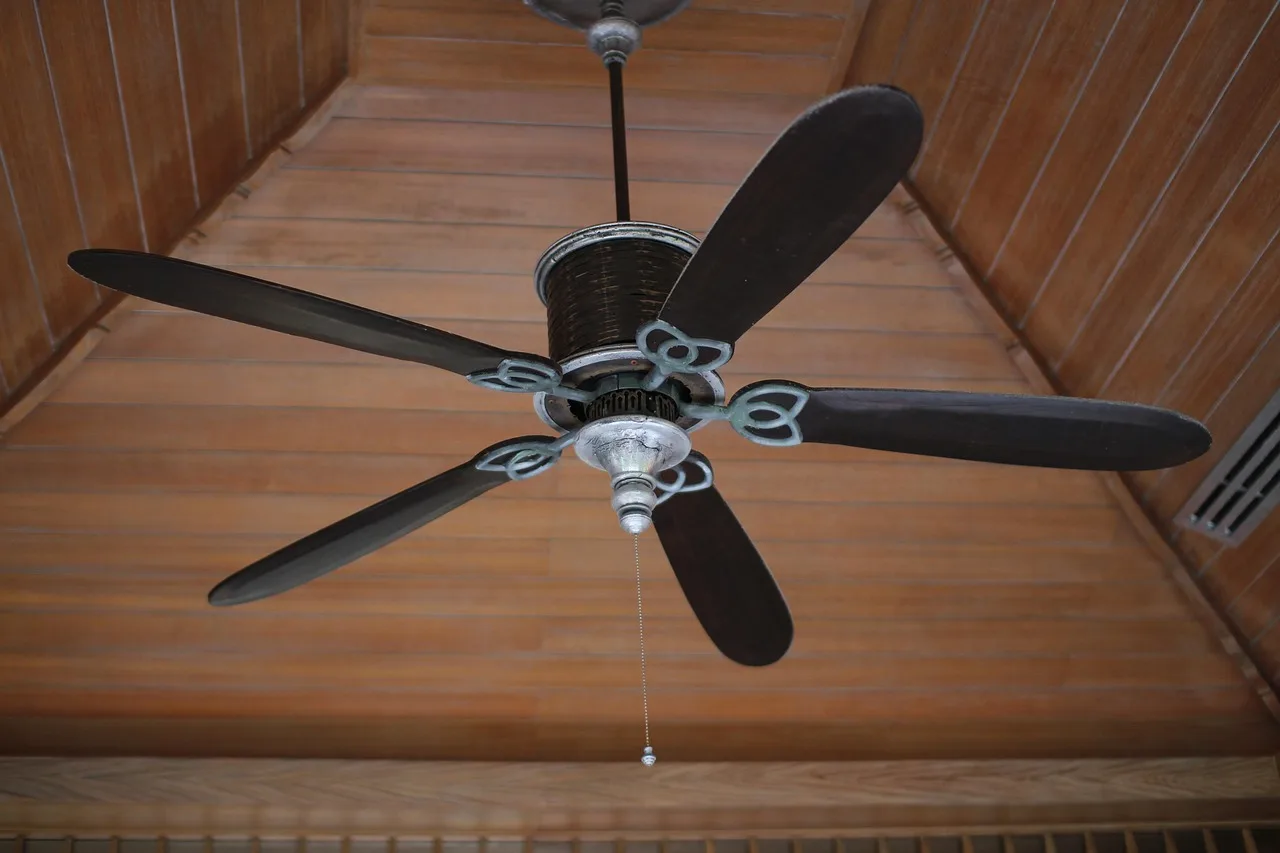
Pull-chain ceiling fans still matter because they give you a manual fallback for speed steps or light on/off if the remote disappears or a control fails. They are common on fans that later get a remote kit added.
How reliable is each control type?
Reliability comes down to failure modes. Remotes can lose batteries, get lost, or fall out of sync with the receiver. Wall controls avoid batteries, but a failed hardwired control can mean opening the box or changing the wiring.
Remote battery loss, mispairing, and receiver failure
Remote systems need a transmitter battery, and that battery will eventually need replacement. A receiver can also fail over time, and if pairing is lost or corrupted, the fan may stop responding until the system is reset.
Wall control durability and replacement wiring needs
Wall controls are usually more stable day to day because they stay mounted and powered. The tradeoff is that a failed control may not be a simple swap if the box lacks the neutral, spare conductor, or space needed for the replacement.
A common first-timer mistake is buying a dimmer for the light and assuming it can also control fan speed. Those are separate functions, and a light dimmer that is not motor-rated can cause hum, poor speed steps, or damage to the control.
What happens when the control fails
If a remote fails, the room may still have a pull-chain or a wall switch, depending on how the fan was wired. If a wall control fails, you may lose a fixed control point until the device is replaced, and a smart control may also need a neutral-compatible replacement.
Can you add a wall control to any ceiling fan?
No. You can add a wall control only when the fan model, wiring, and wall box support it, and some installations need a receiver module instead. Smart switch compatibility also depends on whether the box has a neutral wire and whether the fan motor is rated for that control.
When the fan already supports a wall control
Some fans ship with wall-control support from the start. In that case, the path is straightforward: verify the wiring, match the control to the fan, and keep light dimming separate from motor speed control.
When you need a receiver module instead
If the wall cavity lacks the right conductors, a receiver in the canopy can solve the control problem without rewiring the walls. That module needs line voltage and fan leads, so it is not an add-on that works in every box.
Smart switch compatibility and neutral requirements
A smart switch can replace a basic wall control only if the wiring supports it and the fan control list allows it. Many smart wall controls need a neutral, and some fan motors should be controlled only with manufacturer-approved devices.
Choose Ceiling Fan with Remote if… / Choose Wall Control if…

Choose Ceiling Fan with Remote if you are retrofitting a room with one switch, want bedside control, or cannot add new cable without opening walls. Choose Wall Control if you are wiring a new room, have two switches or a neutral-ready box, or want a fixed control in a shared space.
Choose Ceiling Fan with Remote if…
- Your ceiling box has constant power but limited wall wiring.
- You want fan and light control from bed, a couch, or a high-ceiling room.
- You can accept battery changes and the chance of receiver failure later.
- You prefer a retrofit that avoids wall opening.
Choose wall control if…
- You are planning a new build or a full wiring upgrade.
- You want a fixed control point that is hard to misplace.
- Your fan, wall box, and conductors support separate fan and light control.
- You want the best fit for a shared room or a long-term installation.

Frequently asked questions
Should I buy a ceiling fan with remote control or wall control?
Buy Ceiling Fan with Remote if the wiring is limited or you need control from bed, a couch, or a high ceiling. Buy Wall Control if the room can support the wiring and you want a fixed control that is less dependent on batteries and pairing.
What is the difference between a ceiling fan remote and a wall control?
A remote uses a handheld transmitter and a receiver in the canopy. A wall control is hardwired into the wall box and depends on the conductors already in the wall, so it is usually tied more closely to the building wiring than to a battery.
Do ceiling fan remotes work with dimmable lights?
Some do, but only when the receiver and light kit are rated for dimming. An LED light that flickers or buzzes with the wrong control is a sign that the dimmer and the light are not a valid match.
What happens if I lose the remote for my ceiling fan?
If the remote is lost, you may lose easy control of speed and light until you replace or re-pair it. A pull-chain fan or a separate wall switch can serve as backup, but many receiver-based setups depend on the remote for normal use.
Can one wall switch control fan speed and light separately?
Yes, but only if the fan and the wall control are built for separate operation and the wiring supports it. A single basic switch usually cannot do that on its own, and a dimmer for the light is not the same thing as a motor speed control.
Do ceiling fan remotes need a receiver in the canopy?
Most ceiling fan remotes use a receiver module in the canopy, and that module typically needs line voltage plus fan leads to work. If the receiver is missing or fails, the remote will not control the fan correctly.
Sponsored / affiliate links. As an Amazon Associate I earn from qualifying purchases. I may earn additional commission from eligible campaigns.