Best Solar Lights for Cold Weather (2026): We Compared
For cold weather and short winter days, the best solar lights are usually models with monocrystalline panels, IP65 to IP68 weather protection, and a mounting setup that keeps the panel out of snow. Shaded sites need the easiest possible panel placement and the most winter-tolerant battery package, because weak choices lead to dim output, short runtimes, and lights that fail after the first snow or long cloudy stretch.
Quick comparison
| Product | Badge | Best for | Price | ||
|---|---|---|---|---|---|
 |
Solar Pathway Lights Outdoor, 12PK Waterproof Solar PoweredLIANGLOME | Our pick | 12PK · Solar · Garden | $47.99
Price as of 18 Oct 2026
|
View |
 |
YXQUA 2 Pack 120W Solar Rechargeable Work Light, 144 LEDYXQUA | Also great | 2 Pack · Work · Solar | $27.88
Price as of 18 Oct 2026
|
View |
 |
Tuffenough Solar Outdoor Lights 2500LM 210 LED SecurityTuffenough | Budget pick | 2500LM · Motion · Outdoor | $24.67
Price as of 18 Oct 2026
|
View |
Use the table to match the light to your site, not the other way around. Winter performance depends on snow depth, shade, and whether you need path lighting, security coverage, or simple accent light.
How we chose
We compared the available finished lights by winter charging potential, battery chemistry, waterproof rating, and mounting style. We also weighed sensor type, housing material, and whether the light can still work when daylight is short or the panel gets partial shade.
The main filter was practical winter fit: a snowy walkway needs a different light than a shaded fence line or a front entry that needs automatic operation. We also looked at published runtime claims, temperature ratings, and whether the build looks suited to freeze-thaw conditions.
Winter light selection table
| Climate and use case | Snow depth / shade | Panel type | Battery chemistry | Minimum IP rating | Recommended lumen band |
|---|---|---|---|---|---|
| Mild winter, path lighting | Light snow, low shade | Monocrystalline | Lithium-ion | IP65 | 15 to 50 lumens |
| Snow-prone walkway | Frequent snow cover, drifting snow | Monocrystalline | Lithium-ion or LiFePO4 in winter-focused fixtures | IP67 | 50 to 200 lumens |
| Security lighting | Moderate snow, open exposure | Monocrystalline | Lithium-ion | IP65 to IP67 | 300 to 500 lumens or higher |
| Shaded yard or north-facing area | Heavy shade, short winter days | Monocrystalline with separate panel | Lithium-ion with larger capacity | IP65 minimum | Use only if the fixture can still reach the needed runtime |
| Wet slush zone or low mounting area | Snowmelt, splash, plowed edges | Monocrystalline | Lithium-ion | IP68 | Path or entry use, depending on beam spread |
Monocrystalline path light: best for snowy walkways
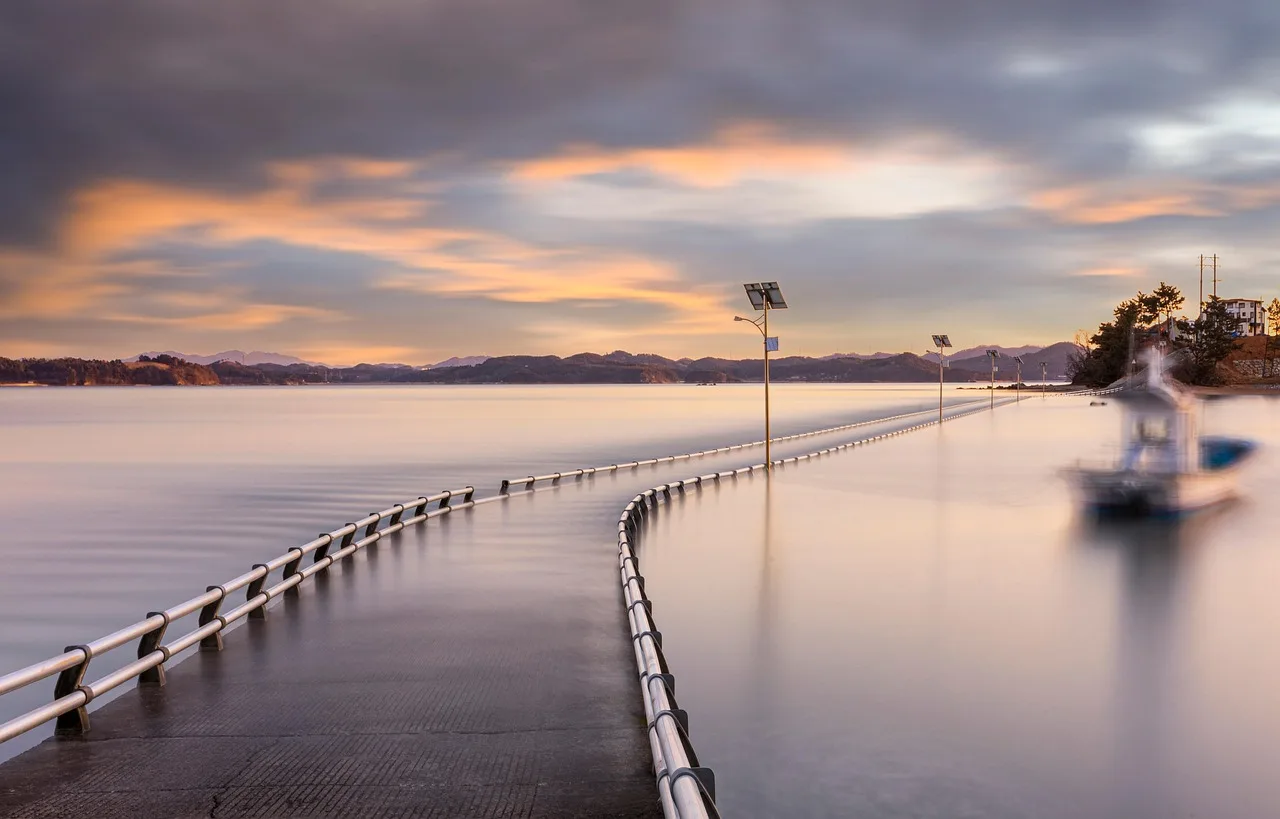
This LIANGLOME 12-pack fits homeowners who want simple path marking along a driveway, side walk, or front walk. Based on the published details, the Ni-MH battery is the weak point in deep cold, but the weather-resistant build and easy no-wire installation make it a practical choice for milder winter corridors with regular maintenance.
What stands out is the low-profile path-light format, which works better than bulky heads when you need several points of light spaced along a route. The drawback is battery chemistry: NiMH batteries often lose capacity below freezing, and Bitpott notes they may retain only 50-70% capacity at freezing temperatures. That makes this a better fit for short path accents than for long, dark runs in severe cold.
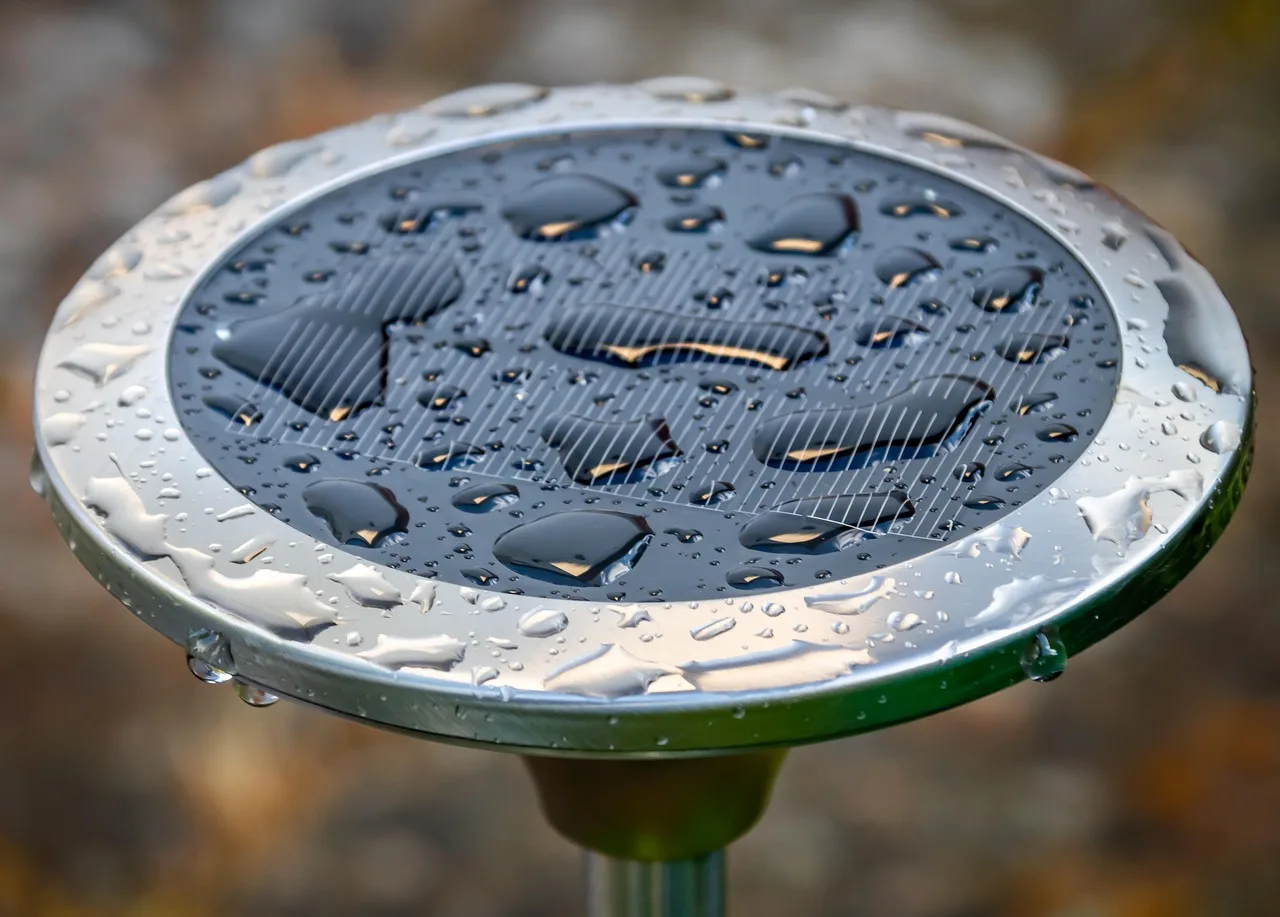
Monocrystalline panels are usually the better winter choice because they convert low winter sun more efficiently than polycrystalline panels. Bitpott cites 20-22% efficiency for winter use, and that matters when daylight is limited and the panel may only see weak sun through winter clouds.
What to check for snow burial and stake height
Path lights fail fast when the lens gets buried or the stake sits too low for the season. Place them where plowed snow will not pile over the top, and raise them above expected snow depth if your area gets regular accumulation. If drifting snow is common, a low path light may disappear after the first storm.
Picture a 20-foot front walk with 4 inches of regular snow and a plow ridge near the curb. A low stake light may work for a week, then vanish under the drift line. A taller mount, or a fixture moved to the inside edge of the walk, keeps the lens exposed longer.
Motion security light: best for driveways and entries
This Tuffenough 2-pack is the strongest fit when you need brighter security coverage rather than gentle path marking. The 2500LM output, three heads, and PIR motion sensor suit driveways, back entries, and garage doors where winter runtime matters more than decorative light.
The main advantage is energy control. A PIR motion sensor preserves battery by turning full output on only when needed, which is useful in short winter days. The drawback is that motion sensing can be less predictable in drifting snow, so placement matters. Aim the sensor where people approach, not where snow swirls across the field of view.
IP65 is the minimum sensible winter rating, and this light meets that level. For slush, splash, and snowmelt near the ground, higher protection is better, but IP65 remains the floor for outdoor winter use. ABS+PC housing is also worth seeking in winter-ready lights because it resists cracking better than basic plastic during freeze-thaw cycles.
PIR sensor setup for winter savings
Use the motion mode for security, not constant-on, unless the panel has strong exposure and the battery is sized for the load. Motion-activated mode saves battery, while constant-on needs stronger solar harvesting and a cleaner panel. In winter, low and medium brightness modes stretch runtime more reliably than high output all night.
A common first-timer mistake is mounting a motion light too low beside a snowbank. The sensor then sees the wrong movement, or the head ends up partly buried after a storm. Mount it high enough that the lens stays above expected snow depth and away from drifting edges.
Dusk-to-dawn light: best for routine entry lighting
Dusk-to-dawn solar lights are best when you want automatic entry lighting without relying on a motion trigger. They work well for porches, side doors, and steady path illumination, but they need a clear panel and a sensible location because reflected snow light and short daylight can affect how consistently they cycle on and off.
For routine use, the photocell makes life easier. The tradeoff is that winter glare from snow can sometimes alter how the sensor reads ambient light, especially if the fixture faces a bright open yard or a reflective driveway. Placement solves most of that: keep the sensor out of direct reflections and away from places where snowbanks bounce light upward.
Where photocells work well in winter
Photocells work best on entry walls, porch posts, and fences where the panel can see daylight and the sensor can see real dusk rather than reflected glare. They are less dependable in deep shade or in spots where the fixture gets half-buried by plowed snow.
Backyard Alpha notes winter-ready lights with IP65 to IP68 protection, and that range makes sense here. IP67 is better if snowmelt and slush collect around the base. IP68 gives the strongest wet-weather protection for exposed entry points, especially near steps or low walls.
Which one should you buy?
Start with snowfall depth, then shade, then use. For paths in mild winter weather, a monocrystalline path light with IP65 protection is often enough. For security, choose a motion light with a PIR sensor and a wider beam. For routine entry lighting, a dusk-to-dawn fixture can be the cleaner fit if the sensor and panel both get open exposure.
Choose the light with the battery chemistry that fits your climate. Nickel-metal hydride is still common, but it loses capacity below freezing. Lithium-based cells hold up better in cold weather, and some winter-focused models are rated to about -4°F. That rating matters far more in northern climates than in mild regions.
Say your driveway gets six inches of snow and the nearest lamp post sits in partial shade from a maple tree. A separate-panel light mounted on a south-facing wall usually has a better chance of charging than a compact stake light buried beside the driveway. One variable changed there: the panel location, not the whole lighting plan.
Suppose your back path gets only light snow but the area is shaded after 3 p.m. In that case, a dusk-to-dawn path light may still work if the panel can be tilted toward the low winter sun and cleared after storms. If the yard stays shaded for most of the day, solar may stop making sense and a hardwired or hybrid fixture becomes the better choice.
Choose by snowfall depth
Light snow works with most well-placed solar lights. Once snow regularly buries the lens or panel, raise the mount, shift the panel, or move to a wall unit with a separate panel. If plowed snow hits the fixture, a stake light is usually the wrong format.
Choose by shade level
Full sun favors path lights and decorative fixtures. Partial shade pushes you toward monocrystalline panels and lower-lumen, lower-draw settings. Heavy shade is where solar often fails in winter, especially when daylight is already down to roughly 25-50% fewer daylight hours than the warm season. DgFloors notes that December daylight can be barely 9 hours in much of the northern United States, which leaves very little charging time.
Choose by use: path, security, or décor
Path lights should prioritize low glare and steady spacing. Security lights need motion sensing, stronger output, and better mounting height. Décor lights can live with lower output, but they still need a panel that clears snow and a battery that can survive repeated cold cycles.
Brightness mode matters here. Low and medium settings extend runtime. Motion-activated mode saves the most energy. Constant-on looks attractive in a product listing, but it is the hardest mode to support through short days and weak sun.
When to skip solar and go hardwired
Skip solar if the site stays shaded, snow piles over the mounting point, or you need dependable all-night light through a long northern winter. Hardwired or hybrid lighting is the better choice when the panel would spend most of the day in shade or when repeated snow burial makes manual cleaning unrealistic.
That line is simple: if the light cannot collect enough winter charge even after panel cleanup and correct tilt, solar becomes a compromise rather than a solution.
What to look for in winter-ready solar lights
- Choose a monocrystalline panel if winter light is limited. It generally performs better in low sun than polycrystalline panels.
- Check the battery chemistry. Nickel-metal hydride is common, but lithium-based cells usually hold up better in cold weather, especially near freezing.
- Confirm the IP rating. IP65 is the minimum sensible floor, IP67 is better for slush and snowmelt, and IP68 is the strongest wet-weather option.
- Look for ABS+PC housing if the fixture will face freeze-thaw cycles.
- Match the sensor to the job. PIR motion is better for security, while dusk-to-dawn is better for routine entry lighting.
- Check the operating temperature rating. Some winter-focused models are rated to -4°F, which is a real advantage in northern climates.
- Read the brightness modes. Low, medium, and motion-activated settings stretch runtime; constant-on needs more solar input.
How to make solar lights charge better in winter
Start by aiming the panel toward the low winter sun and keeping it clear of snow, ice, and debris. A panel that sits under a ridge of snow may charge so poorly that even a strong battery cannot help. Mounting height matters as much as panel quality in many cold climates.
Clean the panel after storms and after any thaw that leaves slush, fog, or road grit on the surface. Snow burial, lens fogging, frozen stakes, and slush intrusion are common winter failure modes. They do not always kill the light, but they shorten runtime and reduce charge enough to matter.
Use the lowest brightness mode that still does the job. If the light is for path marking, 15 to 50 lumens per fixture is a reasonable accent range. If the light is for security, you need a much brighter fixture, but you should expect more sensitivity to poor charging and short days.
If possible, keep the panel separate from the lamp body. That lets you place the collector where it sees more sky and less shade, which helps most in winter. The more shaded your yard, the more important that separation becomes.
Frequently asked questions
What are the best solar lights for cold weather?
The best solar lights for cold weather usually have monocrystalline panels, IP65 to IP68 protection, and a battery chemistry that handles freezing temperatures better than standard NiMH. For paths, choose low-lumen fixtures with good placement. For security, choose a motion light with a stronger output and a weather-resistant housing.
Do solar lights work in winter and short days?
Yes, but runtime drops when daylight gets shorter and the panel gets less usable sun. Bitpott notes 25-50% fewer daylight hours, and DgFloors says December daylight can be barely 9 hours in much of the northern United States. Winter performance depends on panel exposure, snow clearing, and battery quality.
Which solar lights last longest in freezing temperatures?
Lights with better cold-weather batteries and efficient panels tend to last longest. Lithium-based cells usually outperform NiMH in freezing conditions, and monocrystalline panels collect winter light more effectively. Some winter-focused models are rated down to -4°F, which is worth checking if you live in a northern climate.
What waterproof rating do solar lights need for snow?
IP65 is the minimum sensible rating for winter use. IP67 is better when slush and snowmelt are likely around the base, and IP68 gives the strongest wet-weather protection. If the light sits low, near meltwater, or in a plowed area, do not settle for a weak rating.
Are monocrystalline solar panels better for winter?
Yes. Monocrystalline panels are usually the better winter choice because they convert low light more efficiently than polycrystalline panels. Bitpott cites 20-22% efficiency for winter use, which matters when the sun sits low and the charging window is short.
Should I choose motion sensor or dusk-to-dawn solar lights for winter?
Choose motion sensor lights for security, driveways, and spots where you do not need constant output. Choose dusk-to-dawn lights for entryways and routine path lighting. Motion saves battery, while dusk-to-dawn is easier for steady illumination but can be more sensitive to placement and reflected snow light.
How can I make solar lights charge better in winter?
Mount the panel where it gets the most winter sun, tilt it toward the low sun angle, and keep it clear of snow after storms. Raise fixtures above expected snow depth, avoid shade from roofs or trees, and use lower brightness modes when daylight is short. Those changes often matter more than a larger light body.
Sponsored / affiliate links. As an Amazon Associate I earn from qualifying purchases. I may earn additional commission from eligible campaigns.