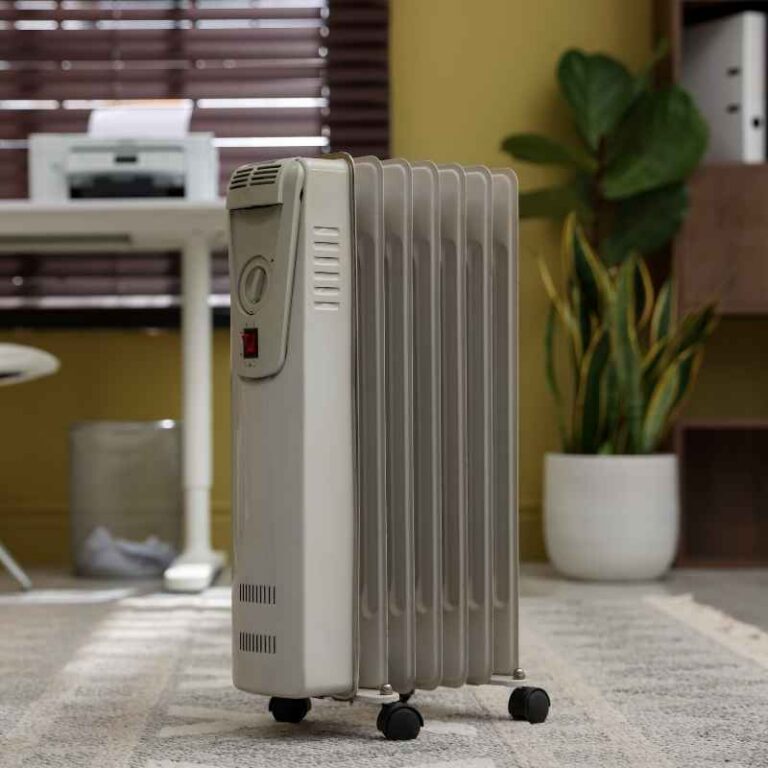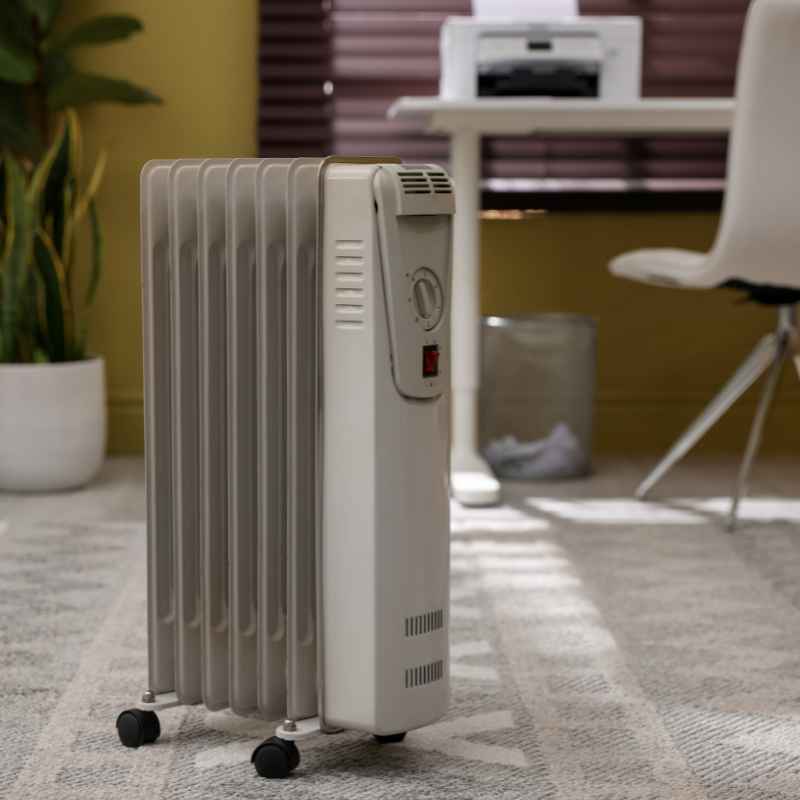
Oil Filled Radiator Vs Convector Heater: Which Is Better?
Oil filled radiators offer radiant and convection heat, warming objects and air slowly but steadily for lasting comfort. Convector heaters heat air directly, providing quick warmth that rises to heat a room faster. Choosing depends on your need for speed vs. sustained, even heat.
Understanding the Core Differences
It’s good to know how these heaters work. This helps you see why they feel different. And why one might be better for certain spots.
Think of them as two different ways to get warm air.
How an Oil-Filled Radiator Works
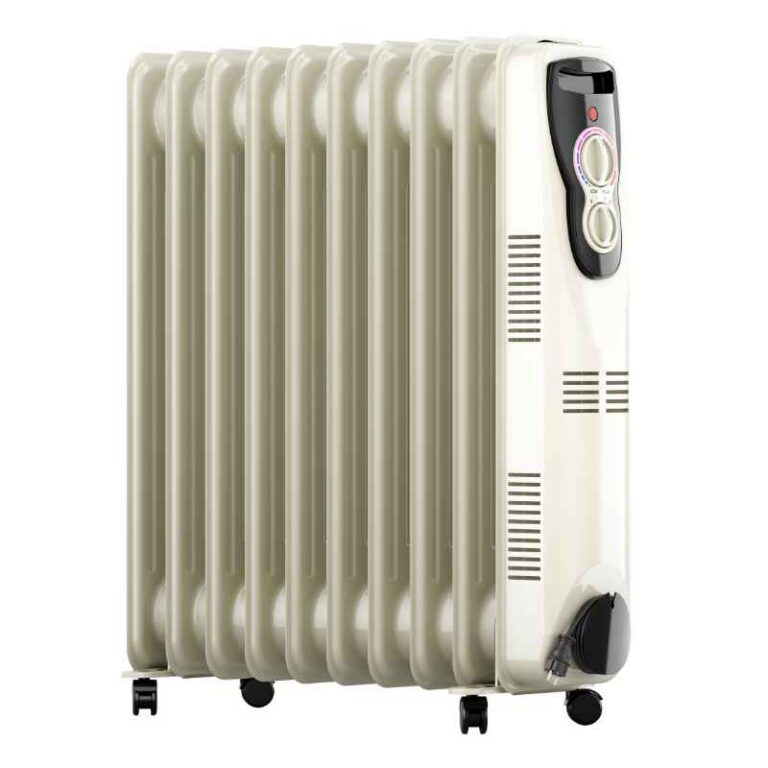
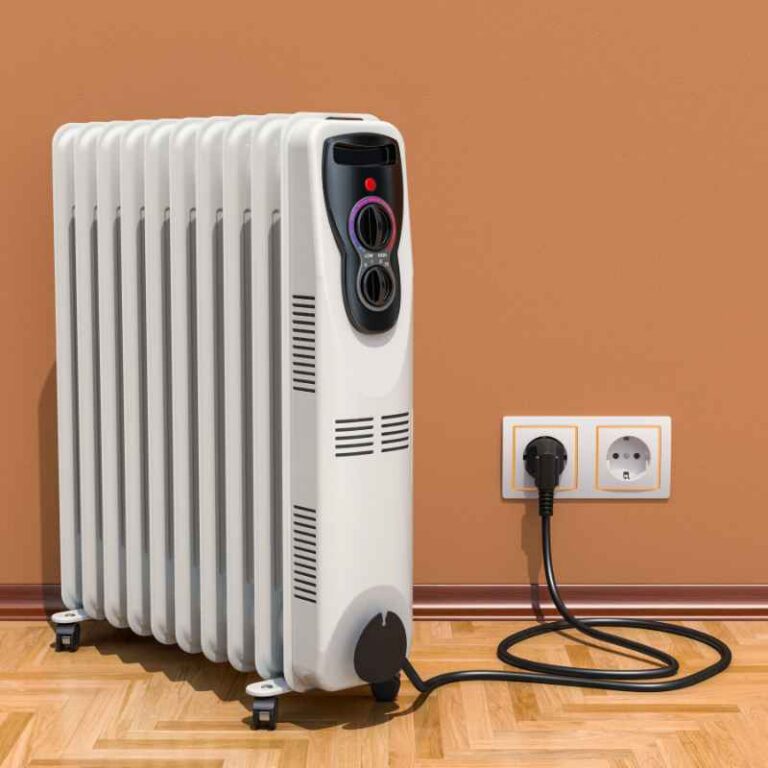
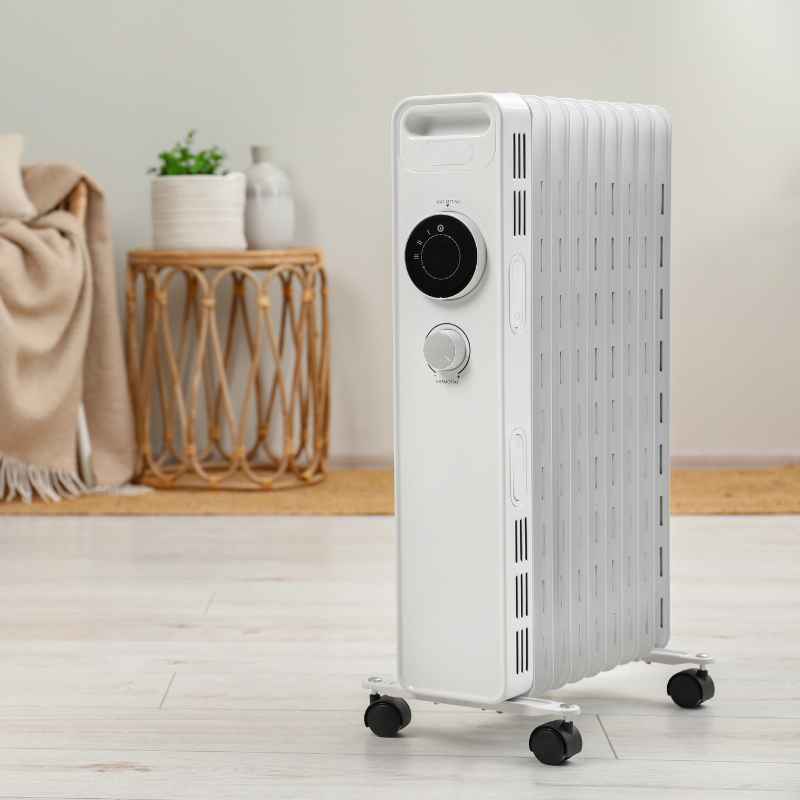
An oil-filled radiator has a special kind of oil inside. This oil is sealed in. It’s like a big metal container with fins.
When you plug it in, an electric element heats the oil. This oil then gets hot. It heats up slowly at first.
But it holds that heat for a long time. The hot oil warms the metal casing. This metal then gives off heat in two ways.
It sends out heat waves. This is called radiant heat. You can feel this heat on your skin.
It’s like standing near a warm window. The casing also heats the air around it. This warm air rises.
This is called convection. So, it warms both things and the air.
The big thing here is that the oil keeps radiating heat. Even after you turn it off. This makes the warmth last longer.
It’s a gentle, steady heat. It’s not a sudden blast of hot air. It works to keep the room at a nice level.
It’s like a slow-burn kind of warmth. Very pleasant for long periods.
How a Convector Heater Works
A convector heater is more direct. It has an electric coil. This coil gets hot very fast when you turn it on.
Cold air from the room is pulled in. It usually goes in through vents at the bottom. The air then passes over the hot coil.
This makes the air much warmer. Then, this hot air shoots out of the top. It goes up into the room.
This is mostly convection. It moves the air around to heat the space. Think of it like a fan blowing hot air.
But without the noisy fan usually.
Because it heats the air so quickly, you feel the warmth soon. It’s good for making a cold room warm fast. But once you turn it off, it stops heating right away.
The heat it gives off doesn’t linger. It relies on the air moving to spread the warmth. This means if the air stops moving, the heat can get stuck.
Personal Experience: The “Chilly Morning Panic”
I remember one winter. It was a brutal January in Chicago. My old apartment had drafty windows.
I’d wake up and the bedroom would be freezing. Like, truly cold. My breath would be visible.
I’d jump out of bed and reach for the nearest heater. That first year, I had a convector. I’d plug it in and stand right next to it.
I’d wait. And wait. It felt like forever.
I’d start shivering. Then, after maybe ten minutes, the air would start to feel a little less biting. But it was never truly warm.
It was just… less cold. And then, I’d get dressed. And as soon as I moved away from the heater’s direct path, I’d feel the chill creeping back in.
It was like the room was fighting to stay cold. I often felt a bit of panic. Would I ever be comfortable?
That convector was fast, yes. But it was like a fleeting hug. Not a lasting warmth.
Oil Filled Radiator vs Convector Heater: Key Features Compared
Let’s look at the details. This table helps show the main points side-by-side. It makes it easy to see the differences at a glance.
Both have their good points. But they are for different needs.
Feature Comparison Table
| Feature | Oil-Filled Radiator | Convector Heater |
|---|---|---|
| Heating Method | Radiant & Convection (oil holds heat) | Convection (heats air directly) |
| Heat Up Time | Slow (15-30 mins for full effect) | Fast (5-10 mins for noticeable warmth) |
| Heat Retention | High (continues radiating after shutoff) | Low (stops when power is off) |
| Air Quality Impact | Gentle, less drying | Can dry air more, circulates dust |
| Noise Level | Very Quiet (slight oil gurgle sometimes) | Quiet (slight fan or coil noise) |
| Portability | Heavier, often with wheels | Lighter, easier to move |
| Safety Features | Cooler touch exterior, tip-over switch | Cooler touch exterior, tip-over switch |
| Best For | Sustained, even warmth; bedrooms; offices | Quick bursts of heat; small rooms; targeted warmth |
Real-World Context: Where Each Shines
Think about your home. Where do you need heat the most? And when?
This is key to picking the right tool for the job. A heater isn’t one-size-fits-all. Its placement and purpose matter a lot.
The Cozy Bedroom or Home Office
Many people find oil-filled radiators perfect for places where they spend a lot of time. Like a bedroom where you sleep or a home office where you work. These are spots where you want a steady, comfortable temperature.
You don’t want the heat to blast on and off. You want it to feel constant.
An oil-filled radiator does this well. It takes time to heat up. But once it’s going, it keeps a gentle warmth.
It makes the air feel softer. It doesn’t dry out the air as much as some other heaters. This is great for sleeping.
Or for long work sessions. You won’t feel that annoying on-off cycle. It creates a peaceful warmth.
It’s like the room is breathing warmth. This consistent feel is key. It helps you relax or focus better.
Spotlight: The Bedroom Sweet Spot
Why it’s good for bedrooms:
- Quiet Operation: No noisy fans or clicks to disturb sleep.
- Gentle Heat: Prevents dry air that can irritate throats.
- Sustained Warmth: Keeps a steady, comfortable temperature all night.
- Safety: Cooler exteriors are safer if brushed against in the dark.
The Quick-Warm Living Room or Bathroom
Convector heaters are kings of speed. Imagine walking into a chilly living room after being out. Or needing to warm up a bathroom quickly before a shower on a cold morning.
This is where a convector shines.
You can turn it on. And within minutes, you feel the warm air. It’s great for those times when you need immediate comfort.
It can raise the temperature of a room pretty fast. This makes it useful for spaces you don’t use all the time. Or for when you want a quick boost of warmth.
It’s like a shot of warmth when you need it most. Many people like using them for a short time. Then they turn them off.
This is good for saving energy if you’re not there long.
Spotlight: The Speedy Solution
When a convector heater is your best friend:
- Pre-heating a room: Turn it on before you enter.
- Targeted warmth: Heat a specific spot for a short time.
- Quick comfort: Get relief from immediate cold.
- Smaller spaces: Effective in bathrooms or small studies.
Energy Efficiency and Costs: The Real Picture
This is often the biggest question. How much will this cost me to run? Both types of heaters use electricity.
The cost depends on how much power they use (wattage) and how long you use them. But there are differences in how they use that energy.
Oil-Filled Radiator Energy Use
Oil-filled radiators often use more power on their highest setting. But they can also use less power over time. This is because they heat up slowly.
Then they hold that heat. Many have thermostats. You can set a temperature.
The heater will cycle on and off to keep it there. This means it’s not running at full power all the time. Once the oil is hot, it takes less energy to keep it that way.
It’s like keeping a pot of water warm. It takes more energy to boil it. But less to keep it simmering.
Because they give off heat for a while after being turned off, you might find you can turn them down earlier. Or turn them off sooner. This can lead to savings.
They are best for long periods of use. If you need steady warmth for hours, they can be quite efficient. It’s about maintaining a level.
Not a quick blast.
Convector Heater Energy Use
Convector heaters heat up fast. This means they can warm a room quickly. If you only need heat for a short time, they can be efficient.
For example, to warm a bathroom for 15 minutes. Or to take the chill off a room before bed. You use them, then you turn them off.
They don’t keep giving heat.
However, if you leave a convector on constantly to keep a room warm, it can use more energy. This is because it has to keep heating the air. It doesn’t store heat.
So, it’s constantly working to combat the cold. It’s like trying to fill a leaky bucket. You have to keep pouring water in.
For continuous, long-term warmth, they might end up costing more. It depends on your habits.
Energy Use Breakdown
Oil-Filled Radiator:
- Initial Heat-Up: Can be higher wattage.
- Sustained Heat: Cycles on/off, uses less energy to maintain temp.
- Heat Retention: Continues radiating, allowing earlier shut-off.
- Best for: Long periods of consistent warmth.
Convector Heater:
- Fast Heat: Quick, but uses power continuously while on.
- No Retention: Stops heating immediately when off.
- Best for: Short-term boosts and quick heating needs.
Impact on Air Quality and Comfort
How a heater affects the air in your home is important. Especially if you have allergies or sensitive lungs. Or if you just want to feel comfortable.
Oil-Filled Radiator and Air Quality
One of the best things about oil-filled radiators is how they treat the air. Because they heat the air gently. And they don’t rely on blowing air around a lot.
They tend to dry out the air less. This is a big deal for comfort. Dry air can lead to scratchy throats.
It can make skin feel dry. It can even make static electricity worse.
The radiant heat they give off is also very pleasant. It feels natural. Like sunlight warming your skin.
It’s not a harsh blast of hot air. This makes the room feel cozy and welcoming. For many people, this is a more comfortable way to heat their space.
Especially for long hours.
Convector Heater and Air Quality
Convector heaters work by pushing hot air out. This movement of air can stir up dust. It can also spread allergens.
If you have carpets or pets, this might be something to consider. The hot air coming out can also be quite dry. This is because hot air holds less moisture.
So, it pulls moisture from the air. And from you.
Some people find the direct hot air from a convector a bit harsh. It can feel intense if you’re too close. While it heats a room quickly, the air can feel less fresh.
It’s a trade-off for that speed. If air quality is a big concern for you, you might want to take note.
Comfort Factors: Which Feels Better?
Oil-Filled Radiator:
- Air Moisture: Less drying, more comfortable for sensitive users.
- Heat Feel: Gentle, pervasive warmth. Like ambient heat.
- Noise: Extremely quiet, ideal for sleeping or working.
Convector Heater:
- Air Moisture: Can dry out the air more significantly.
- Heat Feel: Direct, fast blast of hot air. Can feel intense.
- Noise: Usually quiet, but some models have slight fan noise.
Safety Features to Look For
Safety is a big deal with any electric heater. Both oil-filled radiators and convector heaters have improved a lot over the years. Modern units come with built-in safety measures.
These help prevent accidents.
Safety on Oil-Filled Radiators
Oil-filled radiators typically have a few key safety features. One is a tip-over switch. If the heater gets knocked over, this switch automatically turns it off.
This is very important. It stops a fire risk.
Another feature is that the exterior of the heater usually stays cooler than the heating element itself. This is because the oil acts as a buffer. While it gets hot, it’s not usually so hot that it will cause a severe burn if you accidentally touch it.
It might be warm, but not dangerously so. This makes them safer around children or pets who might bump into them.
Safety on Convector Heaters
Convector heaters also come with these essential safety features. They will have a tip-over switch. This will cut the power if the unit falls.
Most modern convectors also have a thermostat. This helps prevent the unit from overheating. And they often have a safety grille or casing.
This keeps your fingers away from the hot elements inside. The outside casing will also be cooler than the internal parts.
It’s always important to follow the manufacturer’s instructions. Never block the vents. Always place them on a flat, stable surface.
And keep them away from flammable materials like curtains or paper. These are rules for any portable heater.
Safety Checklist for Portable Heaters
Always check for:
- Tip-Over Protection: Shuts off if the unit falls.
- Overheat Protection: Prevents the unit from getting too hot.
- Cool-Touch Exterior: The outside stays cooler than internal parts.
- Safety Certifications: Look for UL or ETL marks for testing.
Always practice:
- Clearance: Keep heaters at least 3 feet from anything flammable.
- Stable Surface: Place on a level, hard floor. Not on rugs.
- Supervision: Never leave a running heater unattended.
Portability and Placement Considerations
Where will you use the heater? And how often will you move it? These factors matter for your choice.
Moving an Oil-Filled Radiator
Oil-filled radiators are typically heavier. This is due to the oil and the metal casing. Many models come with built-in wheels.
This makes them easier to move around. But you still need to lift them slightly to steer them. They are designed more for placement in a room and staying there for the season.
Or being moved between rooms with a bit more effort.
Because they provide a steady heat, you often set them up in the room you use most. Like in a den or a home office. You’re not usually grabbing one to carry to a different floor of the house every day.
They are more of a permanent fixture for a season. Their weight means they are less likely to be knocked over. Which is a plus for stability.
Moving a Convector Heater
Convector heaters are generally much lighter. They are made with lighter materials. This makes them very portable.
You can easily pick them up and move them from room to room. Or even take them with you if you travel. Many have handles designed for easy carrying.
This portability is a big advantage if you need heat in different places. You might use one in the living room during the day. Then move it to the bedroom at night.
Or use it to warm up a small workspace. Their light weight means they are easy to store away when not in use.
Portability Factor:
Oil-Filled Radiator:
- Weight: Heavier due to oil and metal.
- Movement: Often on wheels, but requires some effort to steer.
- Best Use: Stationary placement in a frequently used room.
Convector Heater:
- Weight: Lighter and easier to carry.
- Movement: Highly portable, can be moved between rooms easily.
- Best Use: Flexible heating for various spaces, short-term needs.
What This Means for You: Making the Choice
So, you’ve seen how they work and where they fit. Now, let’s think about your specific needs. When is one a better pick than the other for your home?
It’s not about which is “best” overall. It’s about which is best for you.
When an Oil-Filled Radiator is Your Go-To
Choose an oil-filled radiator if:
You need to heat a room for long periods. Think all day in an office or all night in a bedroom. You prefer a steady, gentle warmth that doesn’t fluctuate much.
You want to avoid drying out the air in your home too much. Noise is a concern. They are very quiet.
You want a heater that continues to give off some heat even after you turn it off. You have a dedicated space for it and don’t plan to move it often.
This type of heater is excellent for creating a cozy, consistent environment. It’s less about quick fixes and more about sustained comfort. It’s like having a warm blanket for your room.
When a Convector Heater is Your Go-To
Choose a convector heater if:
You need to warm up a room very quickly. Like a bathroom before a shower. You only need heat for short bursts of time.
You don’t need it running for hours. You need to move the heater between different rooms frequently. Its light weight is a big plus.
You have a small space that needs to be heated fast. You don’t mind the air getting a bit drier. You want a more budget-friendly initial purchase, as they can sometimes be cheaper.
Convectors are the workhorses for immediate needs. They are practical for situations where you need a fast response. They are your go-to for taking the edge off a chill.
Quick Tips for Getting the Most From Your Heater
No matter which type you choose, a few simple tricks can help you use it better. And save a little energy too.
- Use a Thermostat: If your heater has one, use it! Set it to a comfortable level. Then let it cycle on and off. This prevents it from running constantly.
- Close Doors and Windows: This sounds obvious, but it’s crucial. Keep the warm air in. Prevent cold drafts from coming in.
- Use It Wisely: Don’t heat an empty room. Turn off heaters when you leave the room for a long time.
- Place It Smartly: For oil-filled radiators, place them where you spend the most time. For convectors, aim the hot air towards where you’ll be.
- Check Seals: Make sure your windows and doors are well-sealed. Drafts waste a lot of heat.
- Consider a Timer: Some heaters have built-in timers. Or you can use an external plug-in timer. This lets you schedule heating. You can have a room warm when you wake up. Then it turns off.
Smart Heating Habits:
Maximizing Efficiency:
- Insulate: Proper insulation makes any heater more effective.
- Thermostat Use: Set it and forget it for consistent comfort.
- Zone Heating: Heat only the rooms you are using.
- Programmable Timers: Automate your heating schedule.
Frequently Asked Questions
Can an oil-filled radiator be left on all night?
Yes, oil-filled radiators are generally safe to be left on all night. They have safety features like tip-over switches and overheat protection. Plus, their gentle heating and lower surface temperatures make them suitable for overnight use.
Always ensure they are placed on a stable surface and away from flammable items.
Which type of heater is more energy-efficient?
It depends on usage. Oil-filled radiators can be more efficient for sustained, long-term heating because they retain heat and cycle on/off to maintain a temperature. Convector heaters are efficient for quick bursts of heat as they only use energy when actively heating, but can be less efficient for continuous room warming.
Do oil-filled radiators dry out the air?
Oil-filled radiators tend to dry out the air less than convector heaters. Their heating method is gentler and doesn’t rely on blowing air around as much, which helps maintain more natural humidity levels in the room.
Can a convector heater make a room too hot?
A convector heater can make a room too hot if it’s too powerful for the space or left on too long without a thermostat. Many models have adjustable thermostats and settings to help control the temperature. It’s important to choose a heater sized appropriately for the room.
Is an oil-filled radiator safe for a child’s room?
Yes, oil-filled radiators are often considered safer for children’s rooms. Their exterior surfaces generally stay cooler than the heating elements, reducing the risk of burns from accidental touch. Always ensure they have tip-over protection and are placed out of reach of very young children.
What is the best type of heater for a basement?
For a basement that needs consistent warmth, an oil-filled radiator is often a good choice. It provides steady heat and can help combat dampness. If the basement is only used occasionally or for short periods, a powerful convector heater might be sufficient to quickly warm the space.
Conclusion: Your Best Warmth Awaits
Choosing between an oil-filled radiator and a convector heater comes down to your needs. Do you need quick warmth for short periods? A convector heater is likely your best bet.
Do you want steady, gentle heat that lasts? An oil-filled radiator will serve you well. Both are safe and effective options for keeping your home cozy.
Consider how and where you’ll use it most. This simple step will help you find the perfect heat. Enjoy your warm home!
Sponsored / affiliate links. As an Amazon Associate I earn from qualifying purchases. I may earn additional commission from eligible campaigns.