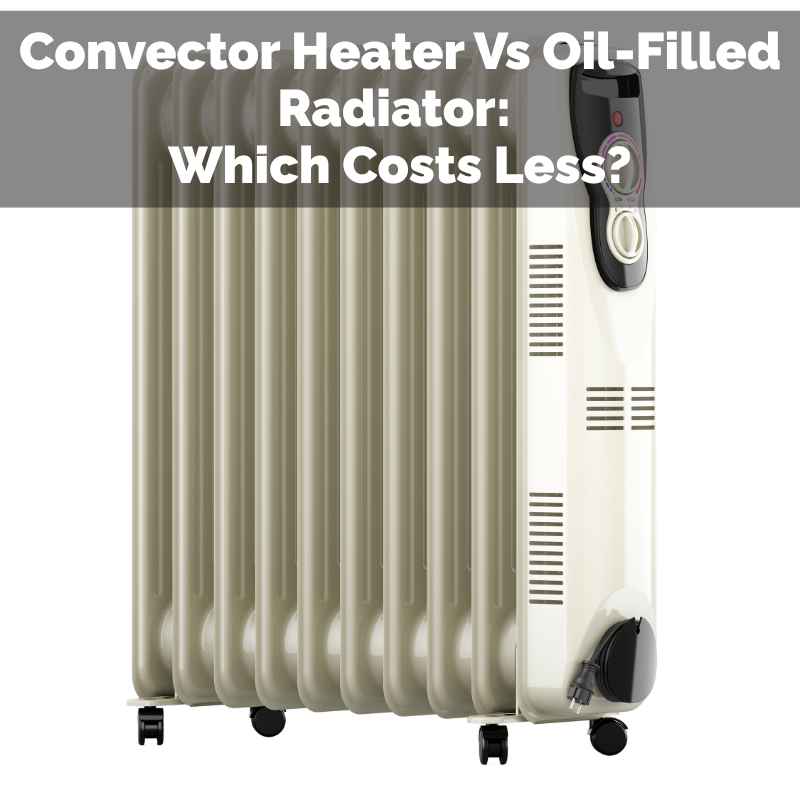
Convector Heater Vs Oil-Filled Radiator: Which Costs Less?
The main difference in running cost often comes down to how quickly each heater heats a space and how well it holds that heat. Convector heaters heat up fast but lose heat quickly. Oil-filled radiators take longer to warm up but provide a more even, lasting warmth.
Convector Heaters: Fast Warmth, But For How Long?
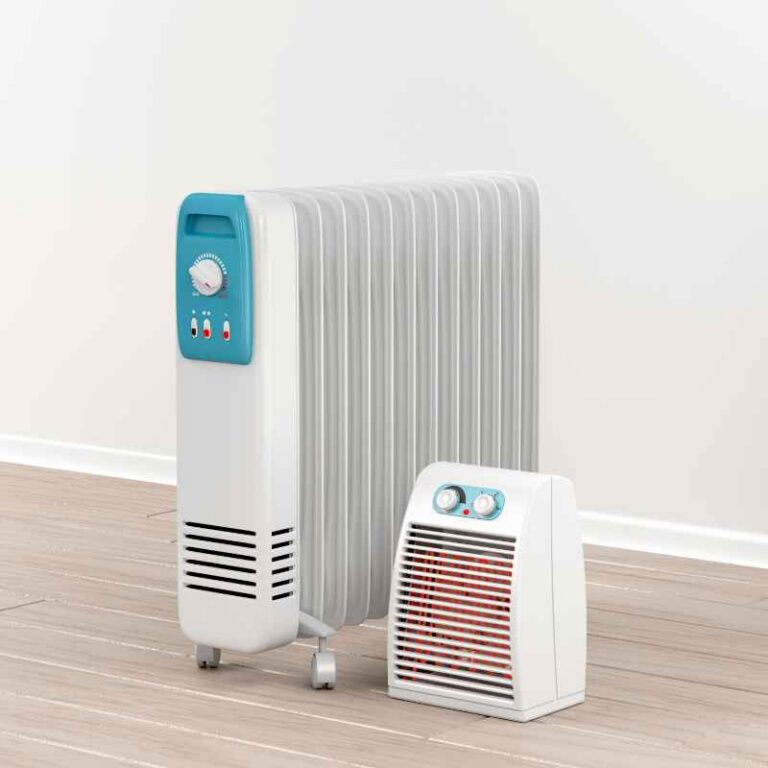
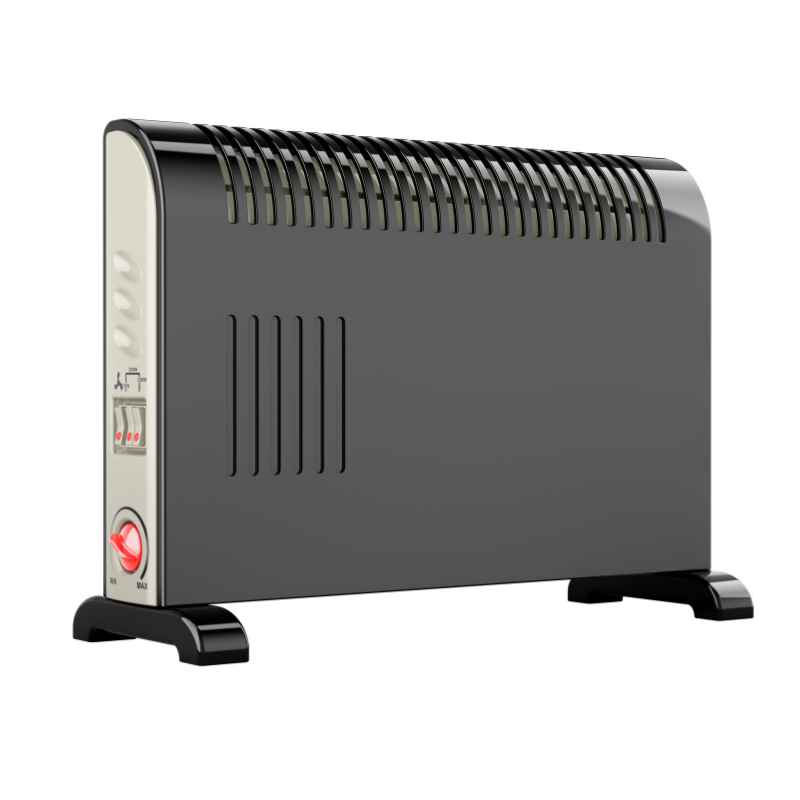
Convector heaters are designed to heat a room quickly. They work by drawing in cool air from the bottom. This air then passes over an electric heating element.
The element warms the air. This warm air rises and exits the top of the unit. It then circulates through the room.
This process is called convection. It’s like a natural circulation. Cold air goes down, gets heated, and goes up.
A big plus is their speed. You can feel the warmth quite soon after turning them on. This is great if you need to heat a room up fast.
Maybe you just entered a cold room. Or maybe you only need heat for a short time. They are often lighter and more portable too.
This makes them easy to move from room to room. Many models also have thermostats. This helps control the temperature.
Some even have timers.
However, there’s a flip side to their quick heating. Once you turn a convector heater off, the room can cool down fairly fast. The heat they generate doesn’t stay in the room for very long.
They rely on continuous circulation of warm air. So, to maintain a temperature, they might need to run more often. This can lead to higher electricity bills.
They can also sometimes make the air feel dry. This is because the hot element directly heats the air.
In my own home, I remember using a small convector heater in my home office. It was perfect for those first 30 minutes when I started my workday. I’d turn it on, and within minutes, my toes weren’t freezing.
But if I forgot to turn it off, or if the thermostat wasn’t set just right, it would cycle on and off frequently. I often felt like it was working hard but the warmth faded quickly when it wasn’t actively running.
Key Points About Convector Heaters:
- Fast Heating: Good for quick bursts of warmth.
- Lightweight: Easy to move around your home.
- Thermostat Control: Helps manage temperature.
- Heat Retention: Not their strong suit. Heat can fade fast.
- Potential for Dry Air: Can sometimes make air feel dry.
Oil-Filled Radiators: Slow and Steady Wins the Race (For Heat Retention)
Oil-filled radiators are a different beast. They look like traditional radiators. But instead of hot water, they have a special mineral oil sealed inside.
This oil is heated by an electric element at the bottom. The oil itself then heats up. It’s a slower process than with convector heaters.
The oil circulates within the radiator fins.
As the oil heats the metal fins, the fins radiate heat into the room. They also heat the air around them, which rises and circulates. The key difference is the oil.
It acts like a heat reservoir. It stores the heat. This means that even after you turn the oil-filled radiator off, it continues to give off warmth for a while.
The oil cools down very slowly. This provides a more sustained and even heat.
Because they heat up and cool down more slowly, they tend to cycle less frequently. This can sometimes make them more energy-efficient for maintaining a comfortable temperature over longer periods. They don’t create that sudden blast of heat.
Instead, they offer a gentler, more consistent warmth. They also tend to be quieter. You don’t usually hear the fan noise that some convector heaters have.
The downside is the warm-up time. If you need heat right now, an oil-filled radiator isn’t your best bet. It can take 15 to 30 minutes or more to feel its full effect.
They are also generally heavier and less portable. Most have wheels, but they are meant to stay in one general area for a while. They also tend to be more expensive to buy upfront.
I have an oil-filled radiator in my living room. It sits in a corner and I usually turn it on before guests arrive. It takes its time, but once it’s going, the whole room feels comfortably warm.
I don’t notice it cycling on and off. It just hums along, keeping a steady temperature. When I do turn it off, I can still feel a little warmth from it an hour later.
It’s like a slow, warm hug for the room.
Key Points About Oil-Filled Radiators:
- Slow Warm-up: Takes time to feel the heat.
- Excellent Heat Retention: Stays warm after being turned off.
- Consistent Heat: Provides steady, even warmth.
- Quieter Operation: Often fan-free and silent.
- Less Portable: Usually heavier and designed for placement.
- Higher Upfront Cost: Tend to be more expensive to purchase.
Energy Usage: How They Differ
Convector Heater: Uses an electric element to directly heat air. This air rises and circulates. They heat up fast but rely on continuous power to maintain heat.
Their wattage is often similar to oil-filled units, but the way they deliver heat makes a difference in real-world use. They might use more power overall if you need sustained warmth.
Oil-Filled Radiator: Heats oil inside. The oil then radiates heat. This process is slower but the oil stores heat.
This means less frequent cycling. They can be more efficient for keeping a room at a steady temperature for hours. They use electricity to heat the oil, but the stored heat means less power draw over time.
Understanding Wattage and Electricity Costs
When comparing heaters, you’ll always see a wattage rating. This is how much power the heater uses at any given moment. A 1500-watt heater uses 1500 watts of electricity.
It’s important to remember that wattage is about power consumption, not necessarily heating efficiency in terms of cost. Both convector and oil-filled heaters come in various wattages, commonly around 1500 watts.
Your electricity bill is calculated based on kilowatt-hours (kWh). One kilowatt-hour is using 1000 watts for one hour. So, if your electricity costs $0.15 per kWh, and you run a 1500-watt heater (1.5 kW) for 3 hours, the cost would be 1.5 kW 3 hours $0.15/kWh = $0.675.
This is a simplified example.
The key to cost comes down to how long each type of heater needs to run to achieve and maintain your desired temperature. A convector heater might heat a small room to 70°F in 10 minutes and then shut off. But if the room cools quickly, it might need to turn back on again in another 15 minutes.
An oil-filled radiator might take 30 minutes to reach 70°F but then only turn back on every 45 minutes to an hour.
So, while both might have the same wattage, the one that requires less total “on time” to keep you comfortable will cost less to run. This is where the heat retention of oil-filled radiators can be a real money-saver. They work smarter, not just harder.
They deliver heat over a longer period from a single power surge.
I once tracked my energy usage for a few days. I used a smart plug to monitor my oil-filled radiator. It told me it ran for about 8 hours total over a 24-hour period to keep my living room at a comfortable 68°F.
I compared this to a time when I used a convector heater more actively. The convector heater seemed to be on for a similar amount of time, but the room felt less consistently warm. It was a clear sign that the oil-filled unit was more efficient for my needs.
Understanding Your Electricity Bill
Wattage: The power a device uses when it’s on. (e.g., 1500 watts = 1.5 kilowatts)
Kilowatt-Hour (kWh): The unit your utility company uses to measure energy usage. It’s 1,000 watts used for one hour.
Cost per kWh: Your local electricity rate. This varies greatly by region and provider.
Total Cost: Wattage (in kW) x Hours Used x Cost per kWh = Total Cost.
When is a Convector Heater More Cost-Effective?
Convector heaters really shine in specific situations where their rapid heating ability is most valuable. If you need to warm up a small space very quickly, they are the go-to. Think about a small bathroom you only use for a short time each morning.
Or maybe a home office where you only work for a few hours a day and like to turn the heat off when you step away.
They are also a good choice for temporary heating needs. If you have a room that’s only cold occasionally, a convector heater can provide a quick fix without a huge upfront investment. Their portability is a major advantage here.
You can grab it, plug it in, and get warm. You don’t have to wait for it to warm up its internal oil.
Another scenario is when you have excellent insulation. If your home holds heat really well, a convector heater might not have to run as often as you think. The warm air it pumps out will stay in the room longer.
In these cases, the fast heating might offset the slightly faster heat loss. The overall energy used could be comparable to an oil-filled unit.
For rooms with good air circulation, convector heaters can also be effective. The natural convection process is what they are designed for. If the air in the room is already moving a bit, the heated air will spread out more evenly.
This can make the room feel warmer faster.
I learned this lesson the hard way in a rented apartment. It had a tiny, unheated sunroom. I’d only go in there to read for an hour or two.
An oil-filled radiator would have taken too long to warm up. So, I got a small, portable convector. I’d turn it on when I sat down with my book.
Within minutes, it was toasty. When I left, I turned it off. It was perfect for those short, intense bursts of heat.
I didn’t need long-term heat retention.
Convector Heater Use Cases
- Quick Warm-up Needs: Bathrooms, small home offices, changing rooms.
- Short-Term Heating: Rooms used for only a few hours a day.
- Portability is Key: When you need to move the heater often.
- Well-Insulated Rooms: Where heat loss is minimal.
- Good Air Circulation: Helps spread the heat effectively.
When is an Oil-Filled Radiator More Cost-Effective?
Oil-filled radiators are generally the more cost-effective choice for maintaining a comfortable temperature over extended periods, especially in rooms that need consistent warmth. Think about your main living areas, bedrooms, or even a basement den that you use for many hours a day.
Their ability to store and slowly release heat is their biggest asset. This means less cycling. Less cycling means less energy consumed overall to maintain a steady temperature.
If you set a thermostat on an oil-filled radiator, it will likely kick in less often than a convector heater with the same thermostat setting. This is where the “slow and steady” approach really saves you money on your electricity bill.
They are also a better choice for rooms that tend to lose heat quickly, or that are harder to heat. Because they provide a radiant warmth that lingers, they can help combat drafts and cold spots more effectively over time. The heat they emit feels more enveloping and less like a direct blast.
Many people find the sustained, gentle warmth of an oil-filled radiator more comfortable. It’s less drying and creates a cozier atmosphere. If you tend to sleep with your heater on, or want your living room to feel welcoming all evening, an oil-filled radiator is usually the more economical and comfortable option.
I noticed this when I switched my daughter’s bedroom to an oil-filled radiator. Before, I used a convector. It would turn on loudly during the night, startling her.
Then it would turn off, and she’d get cold. With the oil-filled unit, it’s silent. It provides a soft, consistent warmth that keeps her comfortable all night.
And when I checked the energy monitor, it was using less total electricity than the convector had for the same duration.
Oil-Filled Radiator Use Cases
- Sustained Heating Needs: Living rooms, bedrooms, studies used for long periods.
- Maintaining Consistent Temperatures: Keeping a room at a steady level.
- Rooms that Lose Heat Quickly: Where drafts are an issue.
- Quieter Operation is Preferred: For bedrooms or quiet spaces.
- Comfortable, Gentle Heat: For a cozy atmosphere.
Real-World Context: How We Use Heaters
In most American homes, people use electric heaters as supplemental heat. They aren’t usually the primary source for the whole house. We might use them to boost the temperature in a specific room.
Or perhaps to take the edge off a chilly basement or a drafty older home.
Environment: A well-insulated, modern home will hold heat better. This means any heater, convector or oil-filled, will use less energy. An older, drafty home will lose heat quickly.
In this case, the heat retention of an oil-filled radiator is a huge advantage. It battles the constant heat loss more effectively.
Habits: If you’re someone who likes to set a thermostat and forget it for hours, an oil-filled radiator is your friend. If you’re someone who turns the heat on when you enter a room and off when you leave, a convector might seem more intuitive. But even then, the lingering warmth of an oil-filled unit could mean less overall usage.
Design and Materials: The design of both heaters affects how they work. Convectors have vents and elements exposed to air. Oil-filled radiators have fins that radiate heat.
The materials used also matter. Heavier metal fins on an oil-filled unit will retain and radiate heat longer. Lighter plastic components on some convectors might cool down faster.
User Behavior: People often underestimate how much heat a room actually needs. They might set a heater too high. Or leave it running when it’s not necessary.
Using timers and thermostats correctly is crucial for managing costs with either type of heater. Forgetting to turn off a powerful convector heater can lead to a surprisingly high bill.
Heating Scenarios in U.S. Homes
Scenario 1: The Home Office Warrior
Needs quick warmth to start the day. Sits at a desk for 4-6 hours. Turns off heat when leaving.
Best Fit: Convector heater (for rapid heat-up), or an oil-filled radiator if they want consistent, gentle warmth for the whole period.
Scenario 2: The Cozy Bedroom Sleeper
Wants a comfortable temperature all night without noise or dry air. Room might be slightly cooler before turning heater on.
Best Fit: Oil-filled radiator (for sustained, quiet warmth and heat retention).
Scenario 3: The Basement Den Dweller
Basements are often cooler. Wants to make the space inviting for watching movies or reading for several hours.
Best Fit: Oil-filled radiator (for consistent, deep heat that combats the cooler basement environment).
What This Means for Your Energy Bill
The direct answer to which costs less to run depends heavily on how you use it. For quick, short bursts of heat, a convector heater is often fine and won’t rack up a huge bill. It heats up and cools down so fast.
However, for any kind of sustained heating, where you need a room to stay warm for hours, an oil-filled radiator generally wins out in terms of cost-effectiveness. Its ability to store heat means it cycles less frequently. This lower cycling frequency translates to lower total energy consumption to maintain a set temperature.
If you’re looking to simply take the chill off a room for an hour or two, the cost difference might be minimal. But over a whole winter, especially if you’re heating multiple rooms or areas for extended periods, the energy savings from an oil-filled radiator can add up. They deliver more ‘heat for your buck’ over time.
When it’s normal: Both heaters are operating as designed. They cycle on and off to maintain a set temperature. You feel comfortable heat.
When to worry: If a heater that should be efficient is running constantly and the room is still cold, there might be an issue. Or if your electricity bill spikes dramatically with minimal usage. This could indicate a faulty thermostat or a heater that’s too small for the space.
Simple checks: Always check the thermostat setting. Make sure it’s not set too high. Ensure the heater isn’t blocked by furniture.
Clean the vents to ensure good airflow. For oil-filled units, check for any leaks, though this is very rare.
Quick Fixes & Tips for Cheaper Heating
No matter which type of electric heater you choose, there are ways to use it more wisely and save money. These are not complex fixes, but simple habits that make a big difference. It’s all about using your heat effectively.
1. Use a Timer: Many heaters have built-in timers. If yours doesn’t, you can buy inexpensive plug-in timers.
Set the heater to turn on a little before you need it and turn off when you leave. This prevents forgotten heat. It also ensures you’re not heating an empty room.
2. Thermostat Smarts: Set your thermostat to the lowest comfortable temperature. Every degree higher increases energy use significantly.
For oil-filled radiators, setting them to a steady 68-70°F is usually plenty. For convectors, use their timer to heat a room up just before you use it, then turn it off.
3. Seal Up Drafts: Cold air getting in means your heater has to work harder. Use draft stoppers for doors and windows.
Check for leaks around pipes or vents. Even small drafts can add up. Weatherstripping and caulk are your friends here.
4. Close Doors: Keep the heat contained. If you’re heating the living room, close the doors to other rooms.
This concentrates the warmth where you need it most. It prevents warm air from escaping into colder areas.
5. Use Rugs and Throws: Adding rugs to bare floors can make a room feel warmer underfoot. Cozy blankets also help you feel warmer without needing to crank up the thermostat.
These are simple comfort boosters.
6. Proper Sizing: Make sure your heater is the right size for the room. A small heater in a large room will run constantly and still won’t heat it.
A heater that’s too big might cycle very briefly and not use its heat retention well.
7. Regular Maintenance: Keep your heaters clean. Dust can block vents and reduce efficiency.
For oil-filled radiators, ensure the oil level is adequate (though this is rare to check as it’s sealed). A clean heater works better.
Quick Energy Saving Tips
- Use Timers: Automate on/off cycles.
- Lower Thermostat: Small changes make a big difference.
- Seal Drafts: Prevent heat loss.
- Close Doors: Keep heat in the desired area.
- Layer Up: Use blankets and rugs for added comfort.
- Right Size Heater: Match heater to room size.
Frequently Asked Questions
Which heater type is generally more expensive to buy initially?
Oil-filled radiators tend to have a higher upfront purchase price than convector heaters. This is due to their more robust construction and the sealed oil element.
Can a convector heater be cheaper to run if I only need heat for short periods?
Yes. If you only need to heat a room for 30 minutes to an hour, a convector heater’s quick heat-up time and lower initial cost might make it seem cheaper. However, for longer, consistent heating, oil-filled units usually win out on running costs.
Do oil-filled radiators use more electricity because they are on longer?
No, they often use less electricity overall for sustained heating. While they may be “on” for longer periods, they cycle less frequently. This means less energy is used to reheat the internal oil compared to a convector constantly trying to replace lost heat.
Is one type of heater better for allergies?
Oil-filled radiators are often preferred for allergy sufferers. They heat the air gently and don’t blow dust around like many convector heaters with fans can. This reduces airborne allergens.
How long does an oil-filled radiator take to heat a room?
It depends on the size of the radiator, the room size, and the insulation. Typically, it can take 15 to 30 minutes or even longer to feel the full effect of the heat radiating into the room.
Can I use a convector heater in a bathroom?
Be very careful using any electric heater in a bathroom. Ensure it is specifically rated for bathroom use and has safety features like overheat protection and a stable base. Never place it near water.
Many prefer dedicated bathroom heaters.
Conclusion
Deciding between a convector heater and an oil-filled radiator for cost-effectiveness boils down to your specific heating needs. For quick, short bursts of warmth, convectors are handy. But for steady, comfortable, and more economical heating over longer periods, oil-filled radiators usually prove to be the wiser choice for your energy bill.
Sponsored / affiliate links. As an Amazon Associate I earn from qualifying purchases. I may earn additional commission from eligible campaigns.