Halogen Heater Vs Oil Filled Radiator: Which Is Actually Better?
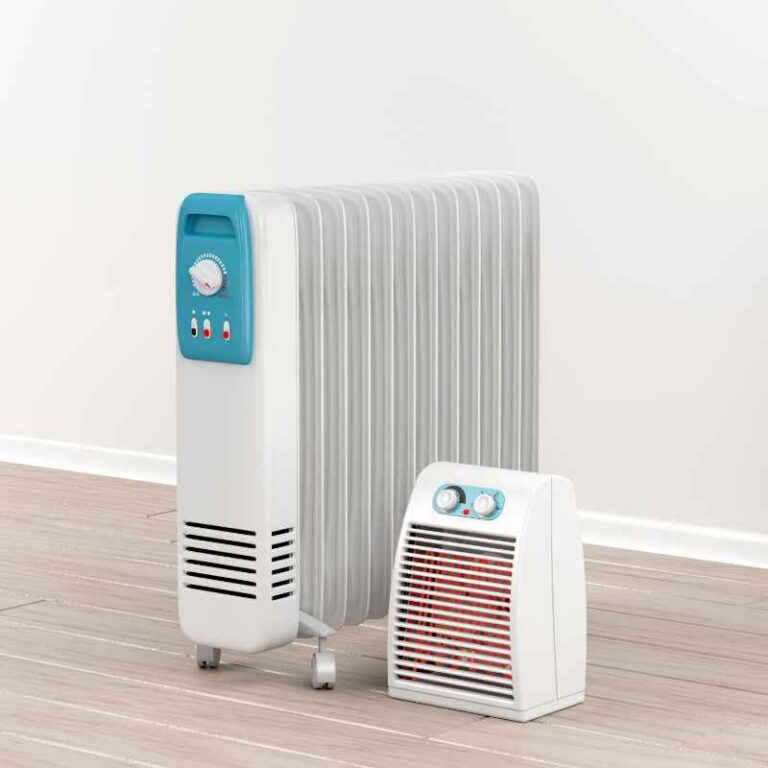
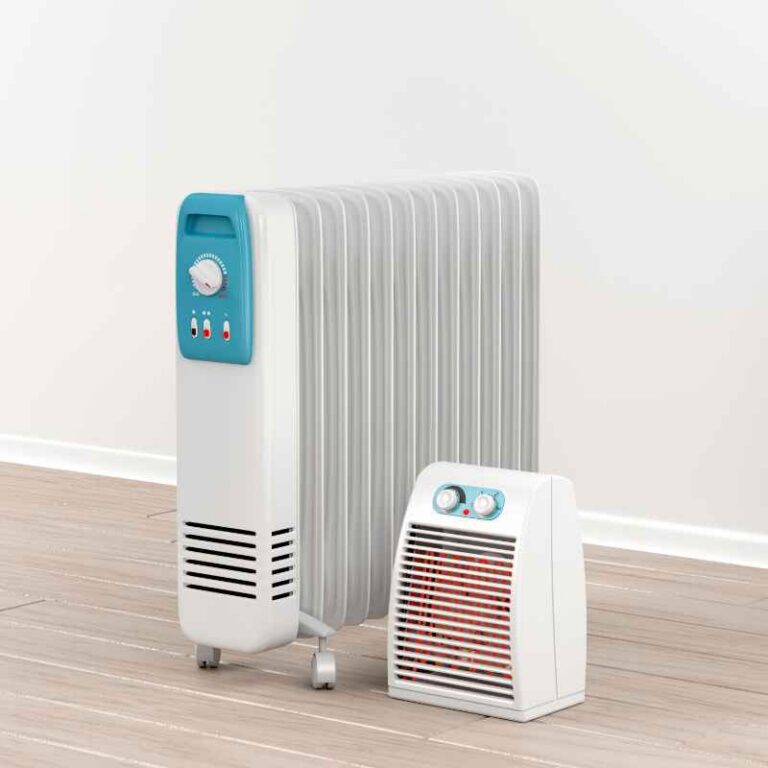
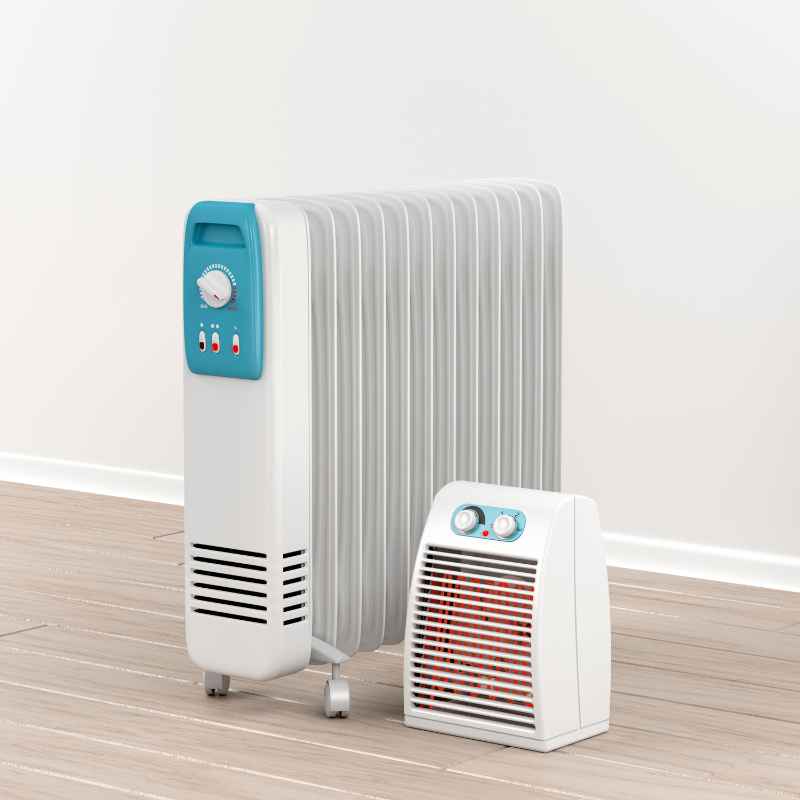
The main difference is how they heat. Halogen heaters use a radiant element to warm you directly and quickly. Oil-filled radiators heat oil inside, which then gives off gentle, steady heat. Consider your needs: quick warm-up versus sustained comfort.
Halogen Heaters: Instant Heat, Direct Warmth
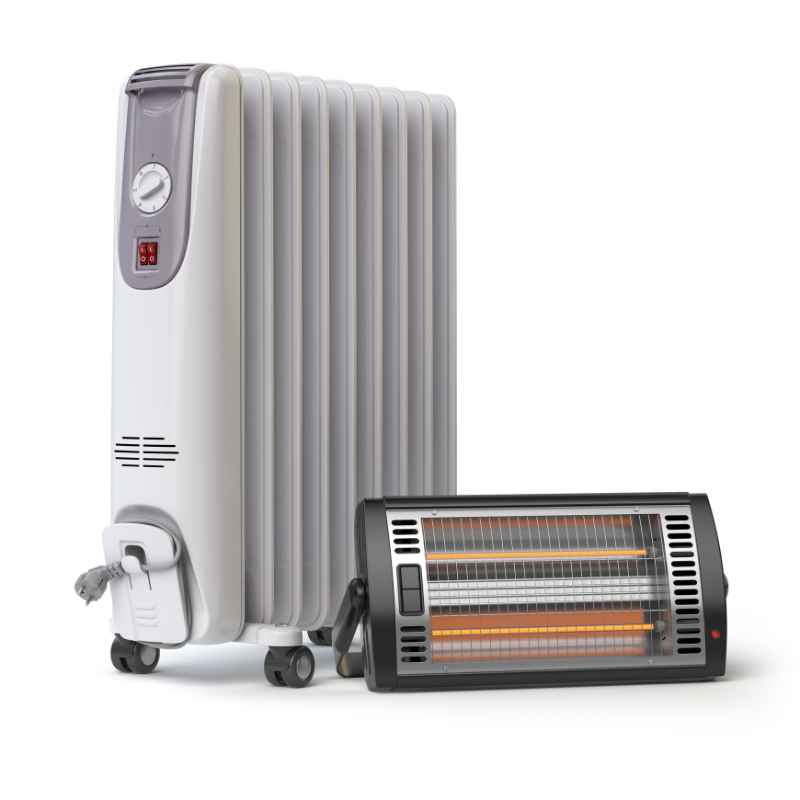
Halogen heaters are known for their speed. They use a special type of bulb. This bulb contains a halogen gas.
When electricity flows through it, the filament glows very hot. This heat is then given off as infrared radiation. You feel this radiation almost immediately.
It’s like standing in the sun on a cool day. The heat travels through the air and warms objects and people it hits directly. This makes them great for spot heating.
You can aim one at yourself and feel warm quickly. They are also very lightweight. You can easily move them from room to room.
Many have oscillating heads. This helps spread the heat around a bit.
The heating element itself gets very hot, very fast. This is why they provide instant heat. There’s no waiting for anything to warm up.
This can be a big plus when you’re feeling chilly. You just switch it on, and warmth appears. The radiant heat is also selective.
It heats what it’s pointed at. This can be efficient if you only need to warm one spot. You don’t waste energy heating an entire empty room.
Think of it like a personal spotlight of warmth. This direct heating is a key feature.
However, this directness also has a downside. The heat doesn’t spread out much on its own. If you move away from the heater, you stop feeling the warmth.
The air itself doesn’t get much warmer. This means they are best for small spaces or direct personal use. They aren’t ideal for heating a whole living room evenly.
Also, the glowing bulbs can be bright. Some people find this too much, especially at night. The bulbs are also quite fragile.
If the heater is knocked over, the bulb can break. This makes them a bit less durable than other types.
The safety aspect is also important. Because the elements get so hot, they can be a fire hazard if too close to flammable materials. You need to keep curtains, furniture, and other items well away.
Many have safety tip-over switches. These turn the heater off if it falls. This is a good safety feature.
But you still need to be mindful of placement. They are very effective for a quick burst of heat. For instance, warming your hands when you first sit down at your desk.
Or providing a little extra comfort when watching TV on a cold evening. They are often smaller and more portable.
Oil-Filled Radiators: Gentle, Sustained Comfort
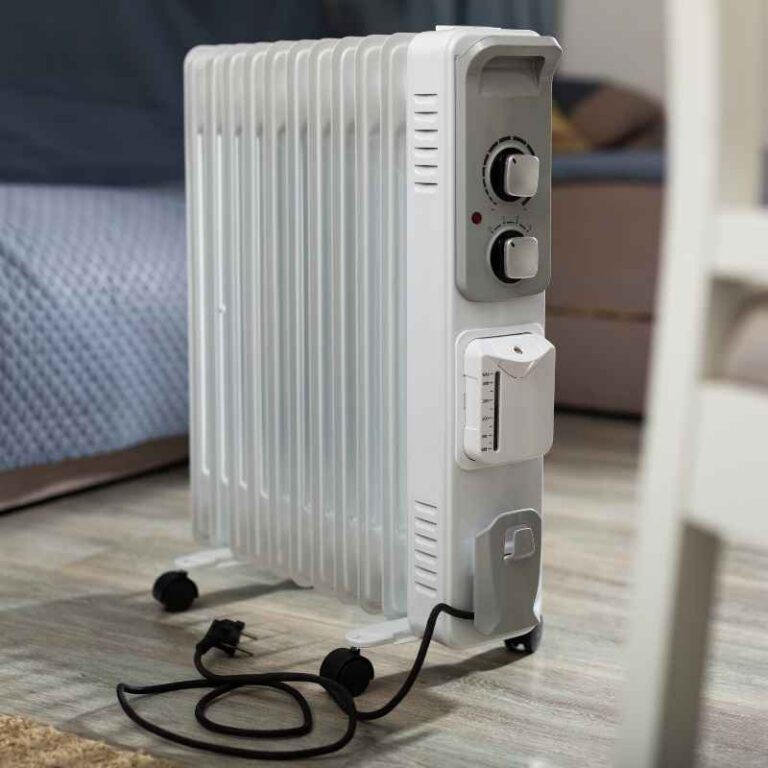
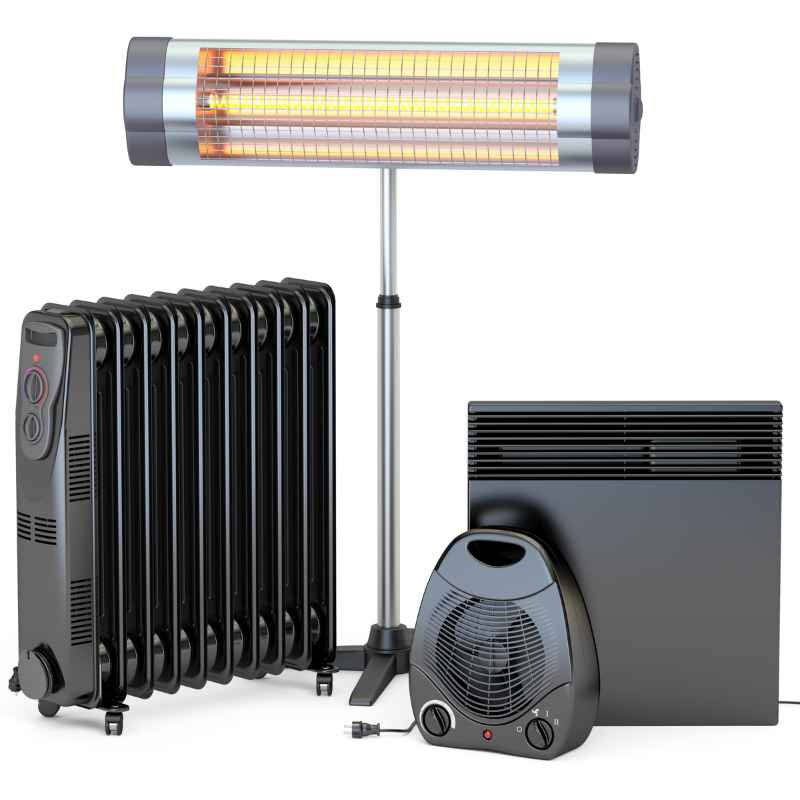
Oil-filled radiators work on a different principle. They contain a special type of oil. This oil is sealed inside the metal fins.
An electric element heats the oil. The oil then circulates through the fins. As the oil moves, it transfers its heat to the metal.
The metal fins then radiate this heat into the room. This process is much slower than with halogen heaters. The oil needs time to heat up.
The radiator itself takes a while to become warm. But once it does, it provides a very steady, gentle heat. This is often described as a more comfortable warmth.
This type of heat is more ambient. It warms the air in the room. It also heats objects in the room more evenly over time.
This means the warmth is more spread out. You feel it all over the space, not just in one spot. This makes them ideal for heating larger rooms or entire small apartments.
They are excellent for providing background warmth. You can set them and forget them for hours. They maintain a consistent temperature without needing constant adjustment.
The heat they give off is also less intense than direct radiant heat. This can feel more pleasant and less drying for the skin and eyes.
The steady heat is a major advantage. Once an oil-filled radiator is on, it continues to radiate heat even after it’s turned off. This is because the oil and fins stay warm for a long time.
This residual heat helps keep the room warm for a while. This can save energy. You might not need to keep it on as long.
The design is also very safe. There are no exposed glowing elements. The surfaces get warm, but not dangerously hot.
This makes them a good choice for homes with children or pets. They are generally very quiet too. There’s no fan noise, just a gentle hum if anything.
However, they take a long time to heat up. If you need instant warmth, this is not the best option. You have to plan ahead.
Turn it on maybe 30 minutes before you need the room to be warm. They can also be quite heavy. This makes them less portable.
Once you place one, you’re less likely to move it. They are also generally more expensive to buy than halogen heaters. Running costs can vary.
They use electricity, so efficiency is key. Modern oil-filled radiators are designed to be more energy-efficient. But they still use electricity.
This is a factor to consider for your energy bills.
Comparing the Core Differences
Let’s break down the main differences side-by-side. This helps clear things up. It’s all about understanding what each heater does best.
Halogen heaters are about immediate impact. They give you heat right away. Oil-filled radiators are about sustained comfort.
They provide warmth over a longer period.
Heat Delivery Speed
Halogen Heater: Very fast. You feel warmth within seconds.
Oil-Filled Radiator: Slow. Takes 20-30 minutes to warm up.
Type of Heat
Halogen Heater: Radiant heat. Warms objects and people directly.
Oil-Filled Radiator: Convection and radiant heat. Warms the air and objects evenly.
Best Use Case
Halogen Heater: Spot heating, quick warm-ups, personal use.
Oil-Filled Radiator: Whole room heating, sustained comfort, background warmth.
Portability
Halogen Heater: Usually lightweight and easy to move.
Oil-Filled Radiator: Often heavier and less portable.
Safety
Halogen Heater: Hot surfaces, exposed elements (though often guarded). Needs careful placement.
Oil-Filled Radiator: Cooler surface temperatures, no exposed elements. Generally safer for unsupervised use.
Understanding these core differences is the first step. It helps you narrow down what type of heater you really need. It’s not about which one is “better” overall.
It’s about which one is better for your specific situation. Think about where you will use it. Think about how quickly you need heat.
Think about who else will be around it.
Personal Experience: The Office Draft Saga
I remember working in a small office a few years back. It was a charming old building. But it had terrible drafts.
In the winter, one side of the room was always freezing. My desk was near a big window. The main heating system barely touched that corner.
I tried a small fan heater at first. It made a lot of noise. It also just blew hot air around.
It felt dry and didn’t really help the chill coming from the window. I ended up huddled in a blanket most days. I felt like a ghost in my own workspace.
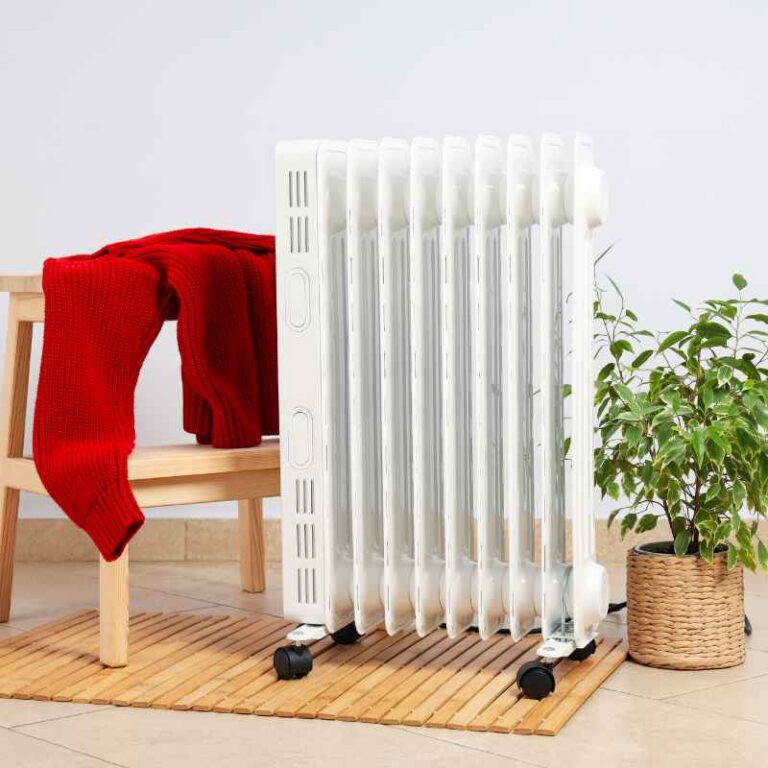
Then, a colleague brought in an oil-filled radiator. It was one of those classic white column models. She plugged it in and set the dial.
It took a while, maybe half an hour. I remember watching it, thinking it was too slow. But then, slowly, the air around my desk started to feel different.
It wasn’t hot air blowing on me. It was just a gentle, consistent warmth. The chill from the window seemed to fade away.
I could finally feel my fingers again without them going numb. It made such a difference to my workday. I wasn’t distracted by being cold anymore.
The quiet warmth was so much better than the noisy fan. It made me realize that sometimes, slower and steadier is the way to go.
That experience stuck with me. It showed me that different heaters serve different purposes. The office didn’t need instant heat.
It needed constant, comfortable warmth to combat the draft. The oil-filled radiator delivered exactly that. It was a quiet, effective solution.
It didn’t blast heat. It just created a cozy microclimate around my desk. I found myself working better and feeling more relaxed.
It was a simple change with a big impact. It’s a good reminder that the ‘best’ tool depends on the job.
Real-World Context: Where They Fit In
Let’s talk about where each heater really shines. It’s about matching the heater to the environment and your habits. Think about the typical U.S.
home. We have different needs in different rooms. We also have different heating seasons depending on where we live.
Scenario 1: The Basement Workshop
Problem: You use your basement workshop a few hours a week. You need to warm up quickly when you go down there.
Best Choice: Halogen Heater. You can aim it directly at your workspace for instant warmth. You don’t need to heat the whole basement all day.
It’s efficient for spot heating.
Scenario 2: The Baby’s Nursery
Problem: You want to maintain a consistent, gentle temperature for your baby without direct heat.
Best Choice: Oil-Filled Radiator. The steady, ambient heat is ideal. It won’t create hot spots or dry out the air too much.
Its safety features are also a big plus.
Scenario 3: The Home Office
Problem: You spend 8 hours a day at your desk. You need comfortable warmth that doesn’t dry out your eyes or skin.
Best Choice: Oil-Filled Radiator. It provides a consistent, gentle warmth that surrounds you. It avoids the intense, direct heat of a halogen heater, which can be drying over long periods.
Scenario 4: The Weekend Cabin
Problem: You visit your cabin on weekends. You want to warm it up quickly when you arrive.
Best Choice: Halogen Heater. You can use it to quickly take the edge off the cold when you first get there. For longer stays, you might consider a different primary heating source, but a halogen is great for a quick boost.
Consider the size of the space too. Small, personal heaters are usually halogen. Larger heaters that aim to warm a whole room are often oil-filled.
The materials matter as well. Oil-filled radiators have large metal surfaces. This allows them to radiate heat effectively.
Halogen heaters rely on the bulb itself. The design aims for portability and direct heat.
What This Means for You: Normal vs. Concerning
It’s important to know when your heater is working as expected and when something might be wrong. Both types of heaters have their own quirks.
Normal Halogen Heater Behavior
You feel heat immediately. This is their main job.
The bulb glows red/orange. This means it’s on and working.
It’s warm to the touch (briefly). Be careful, but some warmth is expected.
It may make a slight humming sound. This is usually normal.
Concerning Halogen Heater Behavior
No heat at all, or very little heat. Check the power cord and the bulb.
Strange smells, like burning plastic. Turn it off immediately and unplug it. This is a serious safety risk.
The bulb flickers or goes out suddenly. The bulb might be failing.
Overheating or melting parts. This is a fire hazard. Stop using it.
Normal Oil-Filled Radiator Behavior
It takes time to heat up. This is its normal operation.
The metal fins become warm. This is how it distributes heat.
It radiates a gentle, consistent warmth. This is the intended effect.
It may make a faint ticking or pinging sound. This is often normal as the metal expands and contracts.
It stays warm for a while after being turned off. This is due to the residual heat of the oil.
Concerning Oil-Filled Radiator Behavior
It doesn’t heat up at all, or very slowly. The heating element might be faulty.
Leaking oil. If you see oil on the floor, stop using it immediately. This can be a fire risk and damages surfaces.
Strong, unusual odors. Especially if it smells like burning.
Loud banging or hissing sounds. While some ticking is normal, loud noises might indicate a problem.
The unit feels excessively hot to the touch, not just warm.
Always follow the manufacturer’s instructions. If you are ever unsure about a heater’s behavior, err on the side of caution. Unplug it and consult the manual or the manufacturer.
Safety is the most important thing. Don’t take risks with electrical appliances. Especially those that generate heat.
Quick Fixes & Tips for Both
There are a few things you can do to get the most out of your heater. These tips apply to both halogen and oil-filled models. They help with efficiency and safety.
- Keep them clean. Dust can build up on heating elements and fins. This can reduce efficiency and be a fire hazard. Gently wipe them down with a dry cloth.
- Use them in appropriate spaces. Don’t try to heat a large, open-plan living room with a small halogen heater. Similarly, an oil-filled radiator might be overkill for a tiny bathroom.
- Place them strategically. For halogen heaters, aim them where you need heat most. For oil-filled radiators, place them where they can best circulate warm air. Away from direct drafts or furniture blocking them.
- Use timers or thermostats. Many modern heaters have these features. They help prevent overheating and save energy.
- Check cords and plugs regularly. Look for any signs of damage. If a cord is frayed, stop using the heater immediately.
- Never cover a heater. This is a major fire risk. Keep all materials well away from the heating surfaces.
- Use them as supplementary heat. These heaters are often best for topping up existing warmth. Or for heating small areas when the main heating is off.
- Consider insulation. Drafty windows and doors make any heater work harder. Improving insulation helps keep the heat in.
These simple steps can make a big difference. They help your heater run safely and effectively. They also help you save money on your energy bills.
It’s about smart use of the tools you have.
Frequently Asked Questions About Halogen vs. Oil-Filled Heaters
Are halogen heaters energy efficient?
Halogen heaters use electricity. They convert most of the electricity into heat. They are efficient at delivering instant heat.
However, because the heat is so direct, it can be wasted if you move away. For warming a whole room, they are less efficient than other types. They are best for spot heating where you need warmth quickly and in a specific area.
Do oil-filled radiators heat up a room faster than halogen heaters?
No, oil-filled radiators are much slower to heat a room. Halogen heaters provide instant radiant heat. Oil-filled radiators need time for the oil to heat up and then for that heat to warm the air and objects in the room.
This process can take 20-30 minutes or more.
Which type of heater is safer for children and pets?
Oil-filled radiators are generally considered safer for homes with children and pets. They have no exposed heating elements and their surfaces get warm but not dangerously hot like the bulbs of a halogen heater. Halogen heaters have very hot bulbs and guards that can still get hot enough to cause burns if touched.
Can I use an oil-filled radiator in a small bathroom?
Yes, you can use an oil-filled radiator in a small bathroom, provided it is designed for such use and has appropriate safety features. However, ensure it is placed away from direct water sources. The gentle, consistent heat is good for keeping a bathroom comfortably warm.
Always check the manufacturer’s specifications for suitability and safety.
Are halogen heaters noisy?
Halogen heaters are generally very quiet. They do not have fans, so there is no fan noise. You might hear a very faint humming sound from the element, but it is typically not noticeable.
Their quiet operation makes them good for bedrooms or offices.
How long does the heat last from an oil-filled radiator after it’s turned off?
An oil-filled radiator can continue to radiate heat for a significant time after being turned off, often 30 minutes to an hour or even longer. This is because the oil and the metal fins retain heat very well. This residual heat helps maintain room temperature, making them efficient for sustained warmth.
What is the lifespan of a halogen bulb?
The lifespan of a halogen bulb can vary depending on the quality of the bulb and how often the heater is used. Typically, they can last for several thousand hours of use. However, they are also more fragile than other heating components and can break if the heater is dropped or knocked.
Conclusion: Making Your Best Choice
Choosing between a halogen heater and an oil-filled radiator comes down to your specific needs. Do you need heat right now, exactly where you are? A halogen heater is your quick fix.
Do you want a cozy, steady warmth that fills a room over time? An oil-filled radiator is your steady companion. Both have their place in keeping your home comfortable during colder months.
Think about the room, the time you have, and who will be around. With this information, you can pick the heater that’s just right for you.
Sponsored / affiliate links. As an Amazon Associate I earn from qualifying purchases. I may earn additional commission from eligible campaigns.