How Long Does A Portable Oil Filled Radiator Heater Last?
The average lifespan for a portable oil filled radiator heater is often between 10 to 20 years with proper care and maintenance. However, this can vary significantly based on the unit’s quality, how often it’s used, and how well it’s maintained.
Understanding Your Oil Filled Radiator Heater’s Lifespan
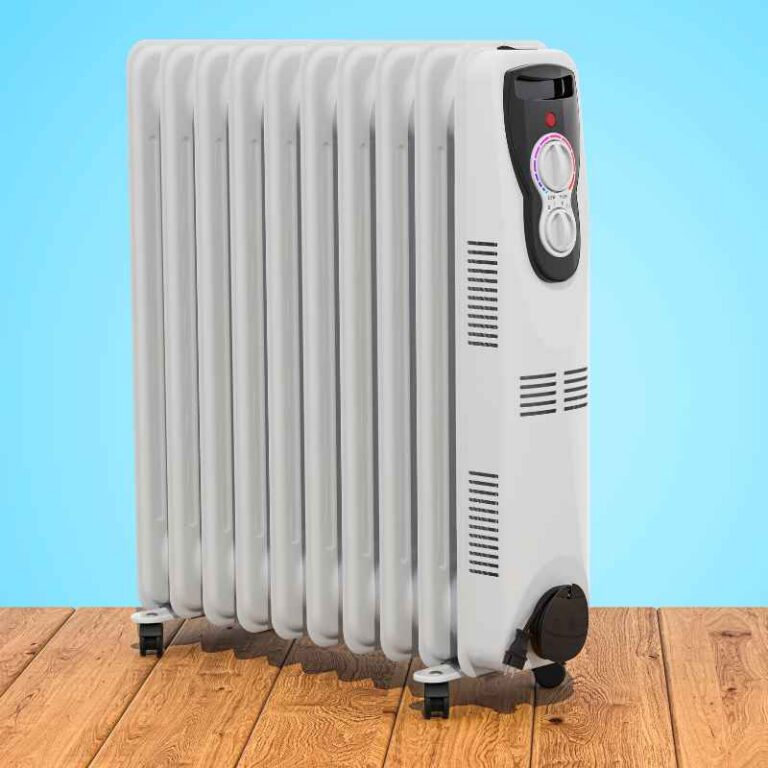
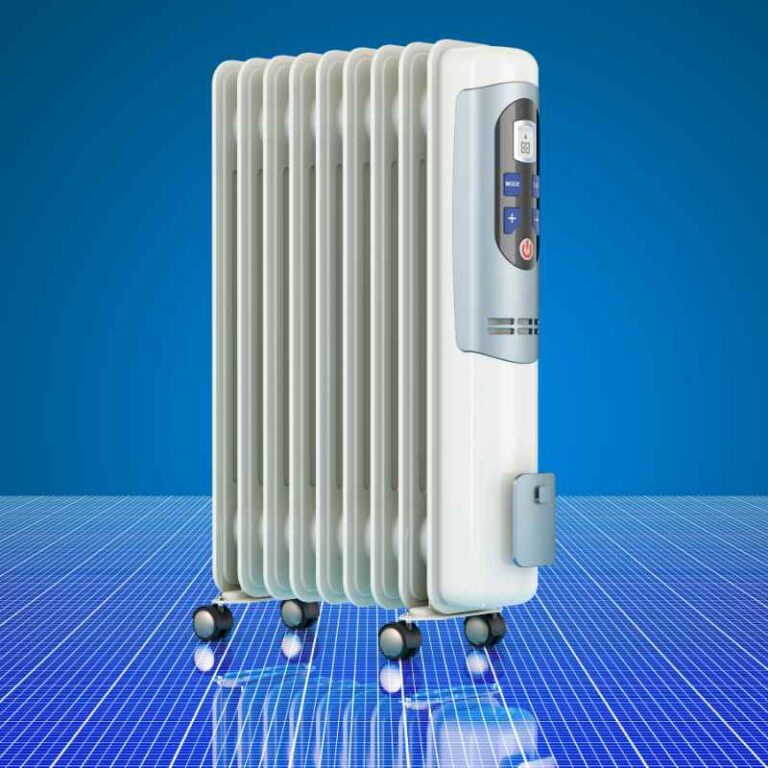
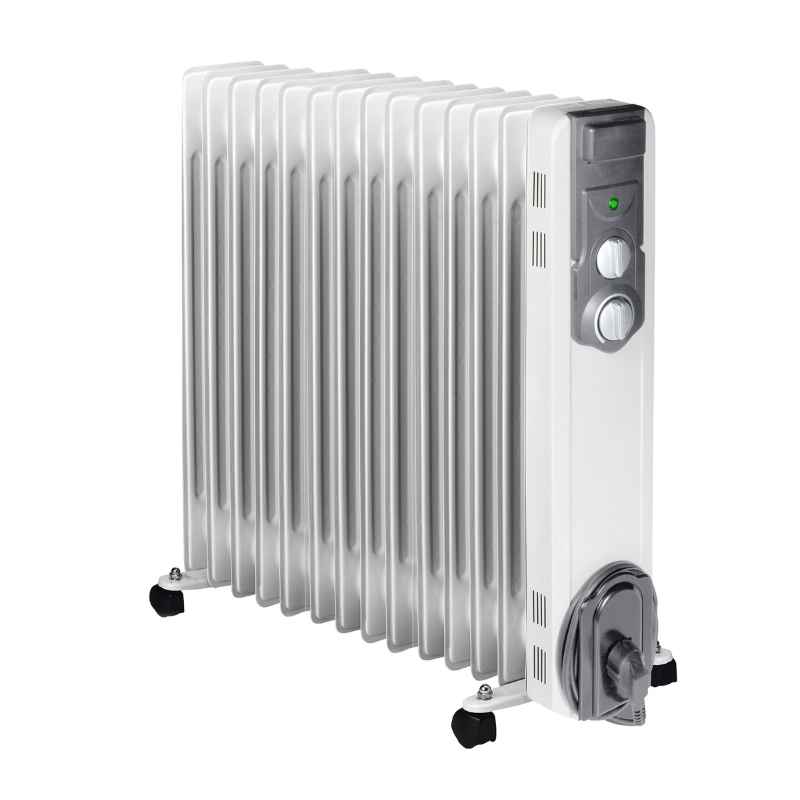
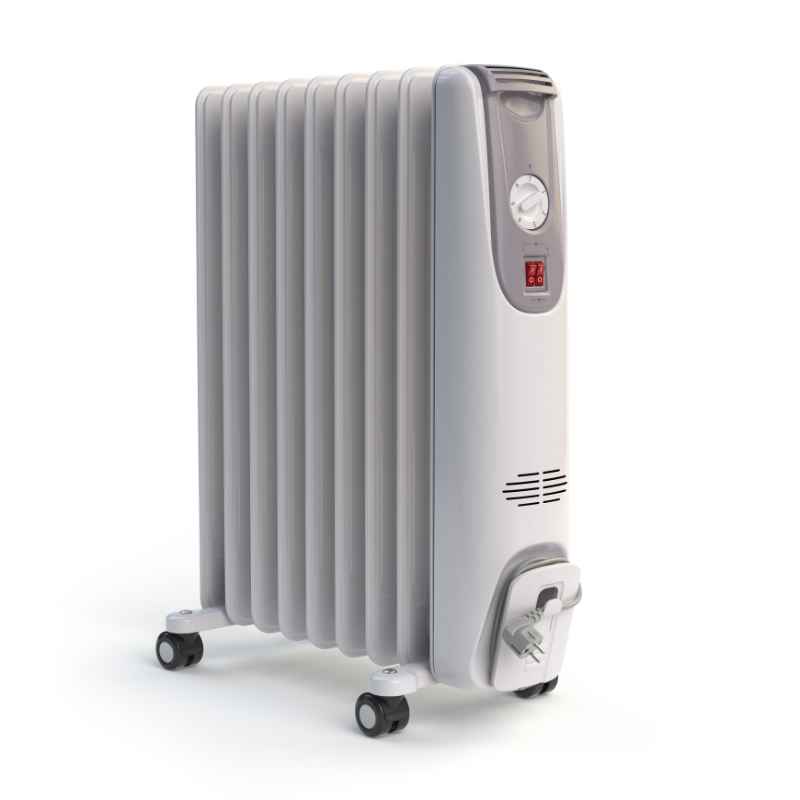
An oil filled radiator heater is a common way to heat a room. It works by heating oil inside its fins. This oil then warms the metal fins. The fins release heat into the air. This makes the room feel cozy. Many people like these heaters because they heat quietly. They also offer a gentle, steady warmth. Unlike fan heaters, they don’t blow air around. This can be nice if you have allergies.
The oil inside these heaters is usually a special type. It doesn’t burn or evaporate. It just gets hot and cools down. This cycle helps it last a very long time. The heater itself has few moving parts. This is a big reason why they can last for many years. Think of it like a simple, sturdy machine. It has a heating element, the oil, and the metal body. That’s about it.
When we talk about how long something lasts, we mean its useful life. For a heater, this is the time it works well and safely. It’s when it still heats your space effectively. It’s also when it doesn’t pose any risks. A well-made heater can last a very long time. Some people even have units that are over 20 years old.
Factors Affecting Heater Longevity
Several things can make your heater last longer or shorter. It’s not just one thing. It’s a mix of how it’s made and how you use it. Let’s look at these important factors.
Quality of the Heater
Not all heaters are made the same. Some brands use better materials. They might have more robust heating elements. They could also have stronger casings. A higher-quality unit will often last longer. It’s like buying a car. A well-built car usually stays on the road longer than a cheaper one.
Look for heaters with good reviews. Check what people say about their durability. Sometimes, paying a little more upfront can save you money in the long run. You won’t have to replace it as often. Companies that have been around a long time often make better products. They have learned over the years.
Usage Frequency and Intensity
How often you use your heater matters. If you run it all day, every day, it will get more wear and tear. If you only use it for a few hours on cold nights, it will likely last longer. The intensity of use also plays a role. Running it on its highest setting all the time puts more strain on the heating element.
Consider your home’s insulation too. A well-insulated room needs less heating. Your heater won’t have to work as hard. This is good for its life. If your home is drafty, the heater will run more. This can reduce its lifespan.
Maintenance and Care
This is a big one. Just like any appliance, your heater needs some care. Dust can build up on the fins. This makes it work harder to heat the air. It can also be a fire hazard. Cleaning it regularly is very important.
Check the power cord. Make sure it’s not frayed or damaged. Loose connections can be dangerous. It’s also wise to keep the heater clean. Wipe it down with a damp cloth now and then. Make sure it’s unplugged first.
Storage Practices
If you put your heater away for the summer, how you store it can affect it. Store it in a dry place. Avoid damp basements or garages if they tend to be humid. Moisture can damage the electrical parts over time.
Make sure it’s clean before storing. Dust that sits on it for months can become harder to remove. It’s also a good idea to cover it. A simple sheet or a dedicated cover can protect it from dust.
My Own Heater Story
I remember my first winter in a small apartment. It was an old building. The heating system was a bit…temperamental. I decided to buy a portable oil filled radiator heater. It was a mid-range model. I used it every single day for about 6 hours. I’d set it on a medium setting. I kept the room door closed.
For the first few years, it was amazing. My apartment was always warm. I felt so cozy. Then, one winter, I noticed it wasn’t heating as well. It took longer to warm up the room. I started to get a little worried. I thought maybe it was time for a new one.
Before I bought a new one, I looked up how to clean these heaters. I found a video showing how to carefully dust the fins. I unplugged it. I let it cool completely. Then, I used a soft brush and a vacuum cleaner with a brush attachment. I was surprised how much dust came off.
After cleaning, I plugged it back in. I turned it on. It seemed to heat up faster. The room got warm much quicker. That simple cleaning made a huge difference! It was like having a new heater. That heater ended up lasting me another five years after that. I learned a valuable lesson about maintenance.
Typical Wear and Tear Signs
As heaters age, they might show signs. These are clues that it’s getting older. They don’t always mean it’s broken. But they mean you should pay attention.
Reduced Heating Efficiency
This is the most common sign. The room takes much longer to warm up. Or, it doesn’t get as warm as it used to. This could be due to dust buildup. It could also mean the heating element is weakening. The oil might also not be transferring heat as well.
Strange Noises
While these heaters are known for being quiet, older ones might start to make noises. You might hear clicking sounds. Or maybe a faint hum that wasn’t there before. Some popping sounds can occur as the metal expands and contracts. But loud, unusual noises might mean something is wrong.
Electrical Issues
If the cord feels warm to the touch when it shouldn’t, that’s a concern. If the heater flickers or the light goes in and out, it might be an electrical problem. These can be dangerous. Always unplug the heater if you notice electrical issues.
Leaks
A properly sealed oil filled radiator heater should not leak oil. If you see oil on the floor around the unit, it’s a serious problem. The unit is compromised. It’s best to stop using it immediately. Leaks can be a fire hazard and are unsafe.
The Role of the Heating Element
The heating element is like the heart of your heater. It’s what actually gets hot. It heats the oil. If the heating element starts to fail, the heater won’t work well.
These elements are usually made of metal wires. They are coiled up. When electricity passes through them, they get very hot. Over time, repeated heating and cooling can cause them to degrade. Tiny cracks might form. Or they might lose their ability to heat up as much.
The quality of the heating element is a big factor in the heater’s life. Better quality elements can withstand more cycles. They are also made with materials that resist damage better.
The Oil Itself
The oil inside is special. It’s designed to last a very long time. It doesn’t burn away. It doesn’t degrade quickly. It’s sealed inside the unit. This means the oil itself rarely needs to be replaced. It’s more likely that the other parts of the heater will fail before the oil does.
Think of it like a sealed jar of liquid. As long as the jar stays sealed and the liquid doesn’t react with anything, it can last for ages. The oil in these heaters is very stable. Its main job is to absorb heat and then release it.
Infographic-Style Section: Heater Lifespan Factors
What Makes Your Heater Last Longer?
- Quality Build: Choose reputable brands.
- Regular Cleaning: Dust is the enemy.
- Gentle Use: Avoid constant high heat.
- Proper Storage: Keep it dry and clean.
- Cord Care: Check for damage.
- Room Insulation: Helps it run less.
When is it Time for a Replacement?
Sometimes, even with the best care, a heater reaches the end of its useful life. Knowing when to replace it is important for safety and comfort.
If you notice any of the safety issues mentioned earlier, like leaks or electrical problems, it’s time. These are not problems that can be easily fixed. They pose a risk. It’s better to be safe than sorry.
If the heater is taking a very long time to heat your room, and cleaning doesn’t help, it might be time. The energy it’s using might not be worth the little heat it’s producing. An old, inefficient heater can cost you more on your electricity bill.
Consider the cost of repairs too. If a part breaks, getting it fixed might cost almost as much as a new heater. Especially for smaller, less expensive models. It often makes more sense to buy a new one.
Real-World Context: American Homes and Usage
In many American homes, especially in colder regions, portable heaters are common. They are often used to supplement central heating. Or they are used in rooms that don’t get enough heat. Think of basements, garages, or older additions to a house.
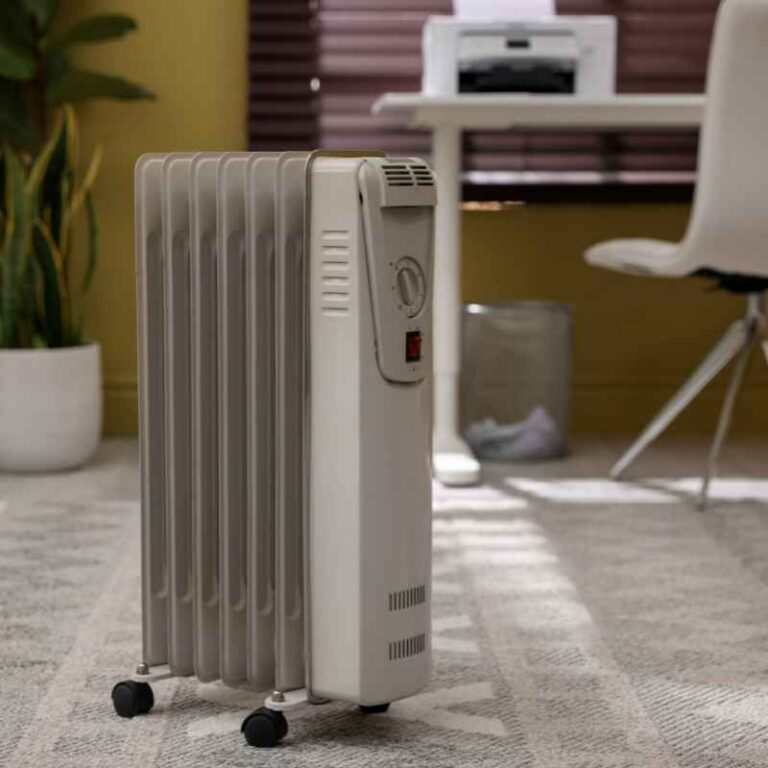
People often use these heaters in bedrooms. They want a little extra warmth at night. They might also use them in home offices. Having a comfortable workspace is important.
The climate in the U.S. varies greatly. In the North, heaters might be used for months on end. In the South, they might only be needed for a few weeks each year. This usage pattern greatly impacts how long a heater lasts. A heater used daily for 6 months a year will likely wear out faster than one used for 2 months a year.
The energy costs also play a role. In areas with high electricity prices, people might use their heaters less. This can extend the life of the unit. Conversely, if a heater is the primary heat source in a poorly insulated space, it will be used constantly. This will shorten its lifespan.
What This Means for You
So, what does all this mean for your own heater? It means that with a little effort, you can likely extend its life. And you can ensure it’s working safely.
When it’s Normal to Expect a Long Life
If you bought a good quality heater, use it moderately, and clean it once a year, you can easily expect 10 to 15 years. Some might even go beyond 20. This is normal for these types of appliances.
When to Worry (and What to Do)
If your heater is making loud noises, smells like burning, or has any signs of electrical damage, worry. Unplug it immediately. Do not try to use it. Assess if a repair is worth it. If not, it’s time for a replacement.
Simple Checks You Can Do
Once a year, before you start using it for the season, do a quick check.
Unplug the heater.
Wipe down the fins with a damp cloth.
Use a vacuum to remove dust from any vents.
Inspect the power cord for any cuts or fraying.
Make sure the controls are working properly.
Quick Fixes & Tips
While these aren’t really “fixes,” here are some tips to help your heater perform its best and last longer.
Use a Thermostat: If your heater has a thermostat, use it. Setting it to a comfortable temperature means the heater will cycle on and off. It won’t run constantly. This reduces wear.
Don’t Cover It: Never cover a portable oil filled radiator heater while it’s on. This can cause it to overheat. It’s a fire hazard.
Place it on a Hard Surface: Always place the heater on a flat, hard surface. Never on carpet or fabric. This ensures good airflow and prevents the surface from overheating.
Keep it Clear: Maintain a clear space around the heater. Keep curtains, furniture, and other objects at least three feet away. This is for safety and for efficient heating.
Consider a Timer: If your heater doesn’t have a built-in thermostat, you can buy an external plug-in timer. This can help you control when it’s on. You can set it to turn off automatically.
Frequently Asked Questions
Can an oil filled radiator heater last a lifetime?
While “lifetime” is a strong word, a well-maintained oil filled radiator heater can last for many decades. Some people report using their units for over 20 years. It depends heavily on the build quality, how it’s used, and regular care.
What causes an oil filled radiator heater to stop working?
The most common reasons are a failed heating element, issues with the thermostat or internal wiring, or damage to the power cord. Over time, components can wear out. Accidents like dropping the unit can also cause damage.
Is it safe to use an old oil filled radiator heater?
It can be safe if it is inspected regularly and shows no signs of damage. However, older units may lack modern safety features. Look for any signs of wear, damage to the cord, or strange smells.
If in doubt, it’s safer to replace it.
How often should I clean my oil filled radiator heater?
It’s a good idea to clean it at least once a year, before you start using it for the heating season. If you use it a lot, a quick dusting every few months can also help maintain its efficiency.
What is the average cost to replace an oil filled radiator heater?
Can the oil in a radiator heater leak out?
No, the oil is permanently sealed inside the unit. If you see oil leaking, it means the unit has been damaged and is no longer safe to use. This is a serious issue, and the heater should be replaced immediately.
Conclusion
Your portable oil filled radiator heater is a workhorse. With good care, it can provide reliable warmth for many years. Pay attention to its condition. A little cleaning and gentle use go a long way. If you notice safety issues, don’t delay. Replacing an old heater ensures your home stays warm and safe.
Sponsored / affiliate links. As an Amazon Associate I earn from qualifying purchases. I may earn additional commission from eligible campaigns.