How Hard Is It To Replace Radiator Heaters With Central Heating?
Replacing old radiator heaters with a modern central heating system can range from moderately difficult to very complex, depending on your home’s existing setup, the type of new system chosen, and whether you hire professionals or attempt a DIY approach. It often involves significant plumbing, electrical work, and potentially structural changes, making it a project that requires careful planning and execution.
Understanding the Shift: Radiators vs. Central Heating
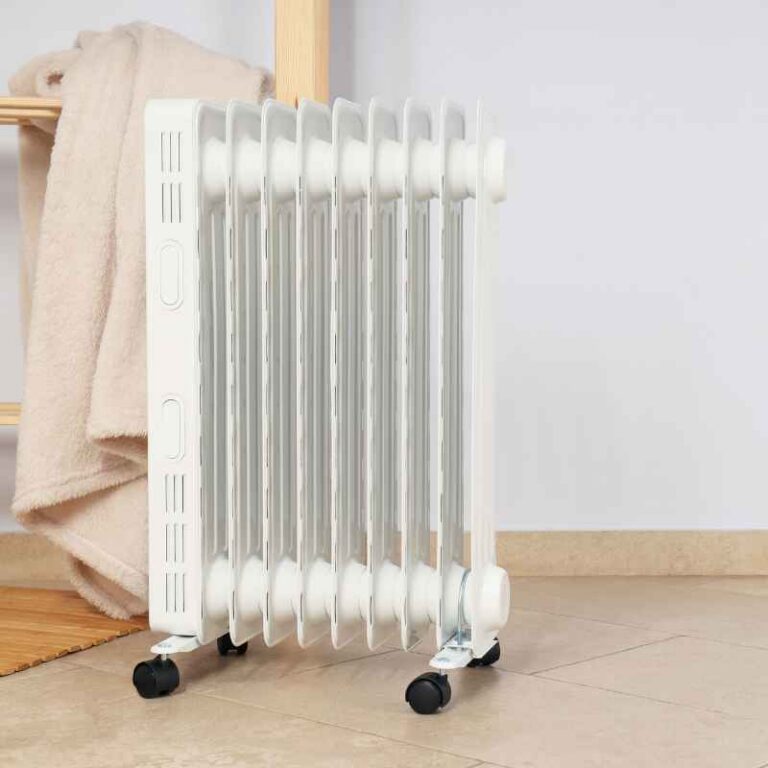
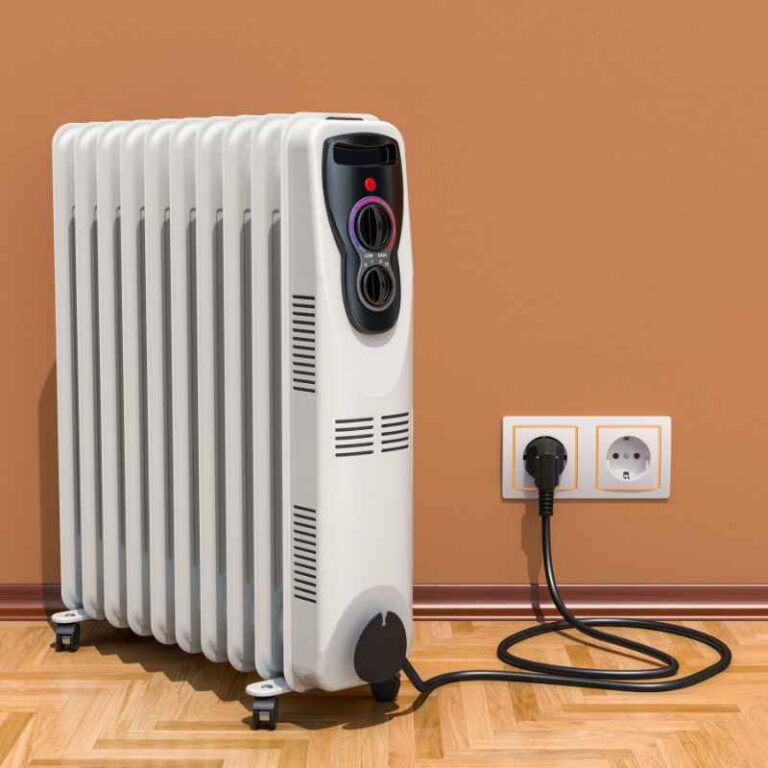
Before we dive into the “how hard” question, let’s quickly touch on what we’re comparing. Radiator heaters, often found in older homes, are typically individual units. They heat a room directly.
Each radiator usually has its own controls, like a thermostat knob. They run on hot water or steam. This water is heated by a boiler, and then it circulates through pipes to each radiator.
Central heating, on the other hand, is a system that heats your entire home from one main source. This source is usually a furnace or boiler. It then distributes the heat through ducts (for forced air systems) or pipes (for hydronic systems) to different zones or rooms.
Modern central heating systems often offer more control. They can provide more consistent temperatures throughout your house. They also tend to be more energy-efficient than older radiator setups.
The Core Task: What’s Actually Involved?
Replacing radiators with central heating isn’t just about swapping out the old units. It’s a bigger job. It often means installing a whole new system.
This new system might include a new boiler or furnace. It could also mean new pipes or ducts. And of course, new radiators or vents.
The difficulty really hinges on what your current setup is and what you want to
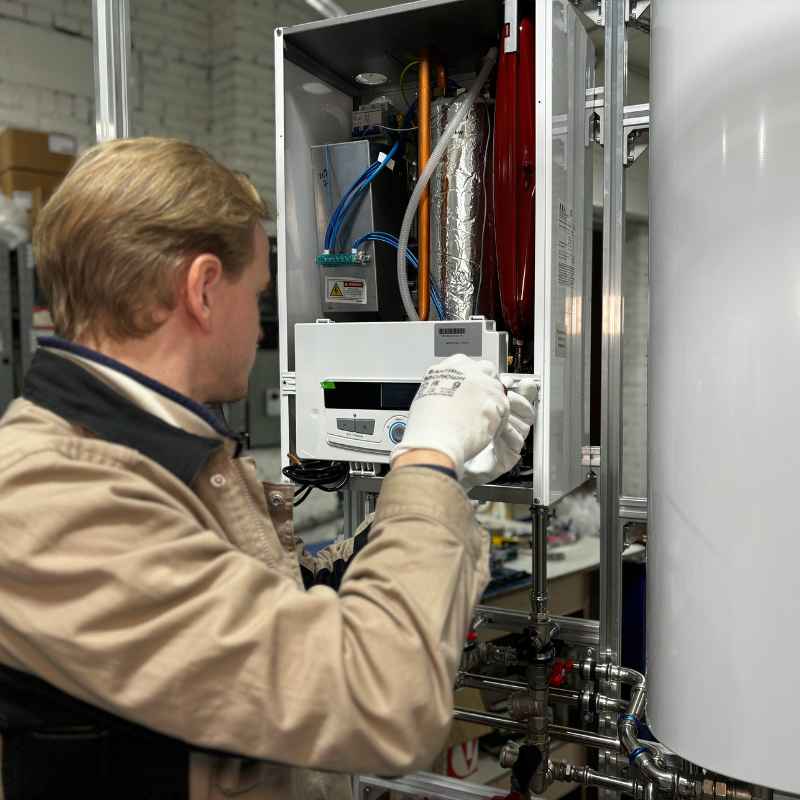
Let’s think about the main parts of this change. First, there’s the heat source. If you have radiators, you likely have a boiler.
You might be able to keep an existing boiler if it’s still in good shape and compatible with the new system. But often, it’s best to upgrade. New boilers are much more efficient.
They can save you money on energy bills. This upgrade means connecting new gas lines or electrical wiring. It also means installing a flue to vent exhaust fumes safely.
Next are the distribution lines. With radiators, you have hot water pipes running to each unit. If you’re moving to a forced-air system, you’ll need to install air ducts.
This is a major job. Ducts need to run through walls, ceilings, and floors. This can involve cutting into structures.
If you’re staying with a hydronic (water-based) system but want to upgrade to more modern, efficient radiators or even underfloor heating, you’ll need to run new hot water pipes. Sometimes, you can reuse existing pipework, but often it’s old and might not be suitable. This is where a lot of the hidden difficulty lies.
Finally, there are the heat emitters themselves. You might
My Own Experience: The Great Radiator Swap-Out
I remember vividly the decision to update my grandmother’s old Victorian home. It was a beautiful place, but heating it was a nightmare. It had these massive cast-iron radiators in every room.
They were gorgeous, but they took ages to heat up. And then they’d get scorching hot, making some rooms unbearable. In other rooms, near the boiler, they were always lukewarm.
The system was steam-powered. It was loud, clanky, and frankly, a bit terrifying in the winter when it really got going. We decided to go with a modern hot water system.
This meant a new, high-efficiency condensing boiler. We also decided to upgrade the radiators to modern panel radiators. These are much slimmer and heat up faster.
The biggest headache was the pipework. The old pipes were thick and ran in awkward places. The plumbers had to reroute a lot of them.
They had to go through walls and crawl spaces. One particularly tricky part was getting pipes to the second floor without making it look messy. They had to make careful cuts in the plaster.
Then, of course, came the patching and painting. That part alone took days.
We didn’t opt for underfloor heating. That seemed like a step too far for that project. But even just replacing the radiators and updating the boiler was a good few weeks of work.
There was dust everywhere. There were loud noises. And there was the constant worry: “Is this going to work properly?” When the system finally kicked on, silent and warm, it was such a relief.
But getting there felt like climbing a mountain.
What stood out most was the sheer amount of planning needed. The plumbers had to map out every pipe run. They had to consider where the new radiators would go.
They had to make sure everything was up to code. It was a significant investment, not just in money, but in disruption. But the result?
A warm, quiet, efficient home. It was absolutely worth it.
Radiator vs. Central Heating: Quick Check
Old System (Radiators):
- Individual heat units in rooms.
- Water or steam heated by one boiler.
- Can be uneven heating.
- Often older, less efficient.
New System (Central Heating):
- One main heat source (furnace/boiler).
- Heat distributed via ducts or pipes.
- More consistent temperatures.
- Generally more energy efficient.
DIY vs. Professional Installation: Where Does the Difficulty Lie?
This is a big question for many homeowners. Can you do this yourself? For some parts, maybe.
For others, it’s almost certainly a job for experts. The complexity of the task usually steers people towards hiring professionals.
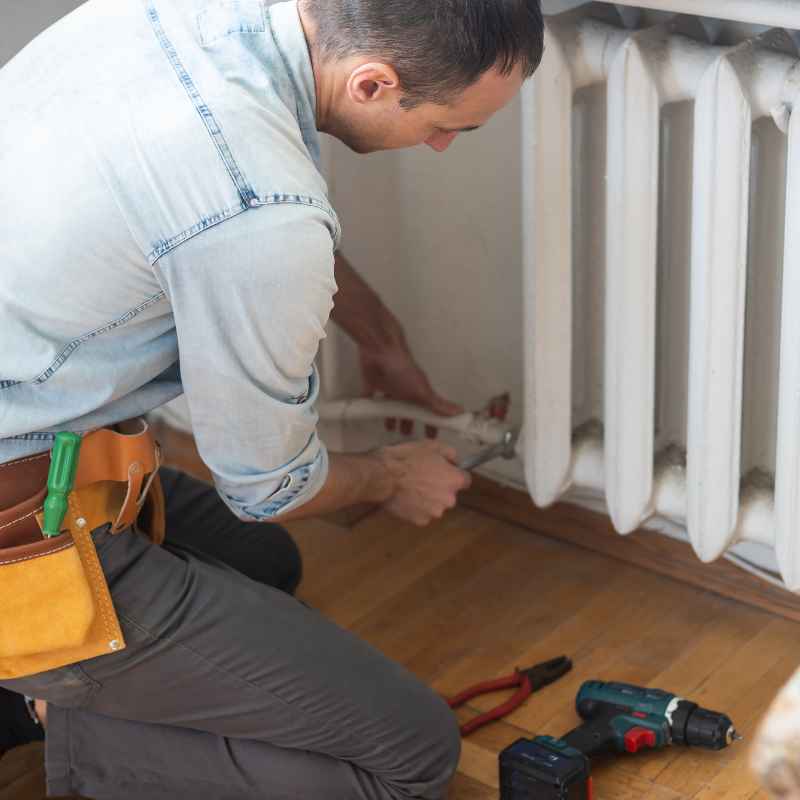
Let’s talk about what a DIYer might tackle. If you’re replacing an old radiator with a new one of the exact same size and connected to the existing pipes, that’s often doable. You drain the system, unscrew the old one, put the new one on, refill the system, and bleed the air out.
That’s manageable for someone comfortable with basic plumbing.
However, switching from radiators to a full central heating system is on a different level. This involves more than just changing a unit. You’re dealing with:
- Boiler/Furnace Installation: This requires gas fitting or significant electrical work. Safety is a huge concern here. Incorrect installation can lead to carbon monoxide leaks or fires. Most places require certified professionals for this.
- Pipe or Ductwork: Running new pipes through walls and floors is tough. Cutting into your home’s structure needs care. Then there’s the soldering or connecting of pipes. For ductwork, it’s even more complex, needing precise fitting to ensure good airflow and avoid leaks.
- Electrical Connections: New thermostats, pumps, and the boiler itself need proper electrical hookups. This is often a job for a qualified electrician.
- System Commissioning: Once everything is installed, the system needs to be tested. It needs to be balanced. Air needs to be removed properly. This ensures it runs efficiently and safely. This requires specialized knowledge.
So, while you might be able to change a radiator, installing a whole new central heating system is usually a job for plumbers and heating engineers. It’s the complexity, the need for specialized tools, and the critical safety aspects that make professional installation the common choice. The difficulty for a DIYer here is extremely high, bordering on impossible for many.
DIY vs. Pro: What to Expect
DIY (Limited Scope):
- Replacing a radiator with an identical one.
- Bleeding radiators or minor pipe repairs.
Professional Required (Full System):
- Boiler or furnace installation and connection.
- Running new pipe or ductwork through walls/floors.
- Complex electrical wiring for controls.
- System testing and balancing.
The Cost Factor: What Does This Upgrade Mean for Your Wallet?
The difficulty of a project is often tied to its cost. Replacing radiator heaters with central heating is not a cheap endeavor. The price can vary wildly.
It depends on the size of your home. It depends on the type of system you choose. It also depends on the complexity of the installation.
Here’s a general idea of where your money goes:
- Boiler/Furnace: This is a big chunk of the cost. High-efficiency boilers can cost anywhere from $3,000 to $8,000 or more. Furnaces can be in a similar range.
- Pipework/Ductwork: If extensive new pipes or ducts need to be installed, this adds significant labor costs. Running these through walls and ceilings is time-consuming. This can add $2,000 to $10,000+ depending on the scale.
- New Radiators/Vents: Modern radiators cost from $100 to $500 each. If you’re installing multiple, this adds up. Vents for forced air systems are less expensive per unit but require duct connections.
- Thermostats and Controls: Smart thermostats can add $100 to $300.
- Labor: This is often the largest single expense. Professional installers charge for their time, expertise, and the complexity of the job. This can easily be $5,000 to $15,000 or more.
So, a full system replacement can easily run from $10,000 to $30,000 or even higher for larger homes or more complex setups. This is why many people consider it a major home improvement project.
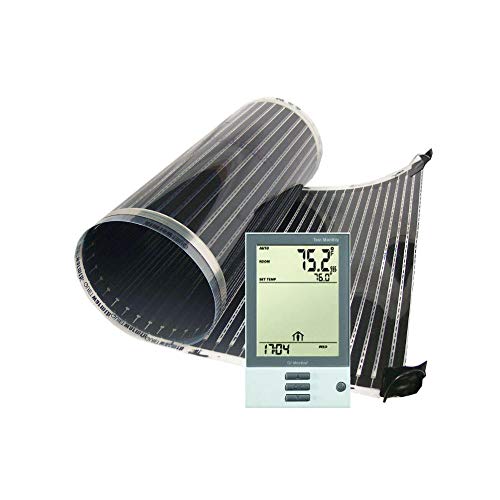
What about replacing radiators with underfloor heating? This is typically even more expensive. It involves significant floor work.
You often need to lift existing flooring. Then lay the heating elements. Then replace the flooring.
This can add an extra $5,000 to $15,000 on top of a new boiler system.
Cost Breakdown Snapshot
- Boiler/Furnace: $3,000 – $8,000+
- Pipe/Ductwork: $2,000 – $10,000+
- Radiators/Vents: $100 – $500+ per unit
- Labor: $5,000 – $15,000+
- Total Estimate: $10,000 – $30,000+
Real-World Context: When Is This Switch More or Less Difficult?
The difficulty of replacing radiators with central heating isn’t the same for every home. Several factors can make the job easier or harder.
Home Age and Construction: Older homes, like the Victorian I mentioned, often have complex construction. They might have solid walls, which are harder to run pipes through. They might have existing pipework that’s intricate or in bad shape.
Newer homes, especially those built with central heating in mind, might have easier access points in walls or basements. This makes running ducts or pipes simpler.
Existing Infrastructure: Do you have an existing boiler? Is it in good condition? Can it be adapted for the new system?
If you have to install a completely new boiler and all the associated gas or electrical lines, that adds complexity. If you already have ductwork for air conditioning, you might be able to adapt some of it for heating, which can simplify a forced-air conversion. But if you’re going from radiators to hot water baseboards or underfloor heating, you’ll likely need all new pipes.
Type of Central Heating System: As we’ve touched on, different central heating systems have different installation challenges. Forced Air: Requires extensive ductwork. This is often invasive.
It can be messy and time-consuming. Hydronic (Hot Water): Uses pipes. This can be less invasive than ducts if existing pipe runs can be used or modified.
Installing underfloor heating is the most complex hydronic option. * Zoned Systems: If you want individual temperature control in different zones, this adds complexity to the controls and pipe/ductwork. It means more thermostats and more complex wiring.
Access to Utilities: Does your home have easy access to natural gas lines? If not, you might need to consider propane or electric heat, which can have different installation requirements and costs. Similarly, your electrical panel needs to be able to handle the load for a new boiler or furnace.
Local Climate: In very cold climates, the demand for consistent and powerful heating is higher. This might mean a larger system is needed, and the installation needs to be robust. In milder climates, a smaller, less powerful system might suffice, potentially reducing the complexity and cost.
Factors Affecting Installation Difficulty
Home Age: Older homes often mean more complex construction.
Existing System: Can the current boiler or pipework be used or adapted?
System Type: Forced air needs ducts; hydronic needs pipes; underfloor is most complex.
Utility Access: Availability of gas lines and sufficient electrical power.
Climate: Colder regions may need larger, more robust systems.
What This Means For You: When Is It “Normal” to Make This Change?
Thinking about changing from radiators to central heating? It’s a significant home improvement. It’s usually done for several key reasons.
Understanding these can help you decide if it’s the right move for your situation.
Reasons for the Upgrade:
- Improved Comfort: This is often the main driver. Radiators can create hot spots and cold spots. Central heating aims for even temperatures throughout the house.
- Energy Efficiency: Modern boilers and furnaces are much more efficient than older systems. This can lead to lower energy bills.
- Aesthetics: Many people find old radiators bulky and outdated. Newer radiators or hidden systems like underfloor heating are more visually appealing.
- Maintenance and Reliability: Older heating systems can be prone to breakdowns. A new system offers better reliability and often comes with warranties.
- Home Value: A modern, efficient heating system can be a significant selling point when you decide to sell your home.
When to Consider the Change:
- Major Renovation: If you’re already gutting and renovating your home, it’s the perfect time to install new heating. Access is easier with walls open.
- Boiler Failure: If your old boiler dies and needs replacing, it’s a good opportunity to upgrade the entire system rather than just put in another old-style boiler.
- Persistent Discomfort: If you’re constantly battling with cold rooms or overheating, and trying to fix it with radiators isn’t working, it’s time to think bigger.
- Energy Bill Concerns: If your heating bills are excessively high, a more efficient system could pay for itself over time.
When it Might Not Be Necessary or Feasible:
- Well-Maintained Older System: If your current radiator system is working well, heats your home adequately, and is relatively efficient for its age, you might not need a full replacement.
- Budget Constraints: As we’ve seen, this is a costly project. If the budget isn’t there, it’s better to wait or explore smaller improvements.
- Rental Property: For landlords, the cost and disruption might not be justified unless the old system is failing.
- Historical Homes: In some cases, original features like cast-iron radiators are protected. Replacing them might not be allowed or advisable.
Simple Checks You Can Do:
- Feel Your Radiators: Are some always cold? Are some too hot to touch? This indicates a balancing issue or an inefficient system.
- Check Your Bills: Compare your heating bills year-over-year. Are they steadily increasing?
- Listen for Noises: Banging, clanking, or whistling from your heating system can indicate problems.
- Look for Leaks: Any signs of water damage or leaks around radiators or the boiler are serious.
Is a New System Right For You?
Consider if:
- You want consistent whole-home comfort.
- You aim to lower energy bills.
- Your current system is old and unreliable.
- You’re undertaking a major renovation.
Reconsider if:
- Your current system works well and efficiently.
- Budget is a major concern right now.
- Your home has strict historical preservation rules.
Quick Tips for a Smoother Transition
If you decide to go ahead with replacing your radiators with central heating, here are a few tips to make the process smoother. These are guidelines based on common experiences.
1. Get Multiple Quotes: Don’t just go with the first company you call. Get at least three detailed quotes from reputable heating contractors.
Compare not just the price, but also what’s included. Look at the warranties offered on parts and labor.
2. Ask About Energy Efficiency Ratings: When choosing a new boiler or furnace, look for high AFUE (Annual Fuel Utilization Efficiency) ratings. For boilers, condensing boilers are generally the most efficient.
For furnaces, look for ratings above 90%.
3. Consider Zoning: If your budget allows, think about zoning your heating system. This means having separate thermostats in different areas of your home.
You can then control the temperature in each zone independently. This can save energy and improve comfort. For example, you might want a cooler temperature in unused guest rooms.
4. Plan for Disruption: Installing a new heating system is disruptive. There will be noise, dust, and your home will be without heat for a period.
Plan to be out of the house for a day or two if possible, or make arrangements for pets and children. Ensure the installers have clear access to all areas they need to work.
5. Understand the Maintenance Schedule: Once installed, your new system will need regular maintenance. This usually involves an annual check-up by a professional.
Ask your installer about the recommended maintenance schedule and costs associated with it. This is crucial for keeping your system running efficiently and safely.
6. Check for Rebates and Incentives: Many governments and utility companies offer rebates or tax credits for installing energy-efficient heating systems. Before you buy, research what incentives might be available in your area.
This can significantly offset the cost.
7. Don’t Rush the Decision: This is a big investment. Take your time to research different system types and brands.
Talk to friends or neighbors who have recently upgraded their heating. Make sure you’re comfortable with the contractor and the proposed solution.
Smart Steps for Your Heating Upgrade
- Shop Around: Get 3+ detailed quotes.
- Prioritize Efficiency: Look for high AFUE ratings.
- Consider Zoning: For better control and savings.
- Prepare for Disruption: Plan for noise and dust.
- Schedule Maintenance: Keep your system running well.
- Look for Savings: Investigate rebates and incentives.
Frequently Asked Questions About Radiator to Central Heating
Is it possible to convert steam radiators to hot water radiators?
Yes, it is possible. This often involves replacing the steam boiler with a hot water boiler and updating the piping system to accommodate hot water circulation. It can be a complex job, often requiring a professional to ensure the system is properly configured and safe.
How much does it cost to remove old radiators?
The cost to simply remove old radiators can vary. If they are being
Can I keep my existing radiators if I install a new central heating system?
Sometimes, yes. If your existing radiators are in good condition and compatible with the new system’s water pressure and temperature, they might be usable. However, older radiators, especially steam ones, may not work efficiently with a modern hot water central heating system.
You might get better performance and efficiency by upgrading to modern radiators designed for your new system.
What is the average lifespan of a new central heating system?
A well-maintained central heating system, including the boiler or furnace, typically lasts between 15 to 20 years. Some high-quality systems, with proper annual servicing, can even last longer. Regular maintenance is key to maximizing the lifespan and efficiency of your system.
How long does a typical central heating installation take?
The time it takes to install a new central heating system can vary greatly. For a straightforward boiler replacement and some pipework adjustments, it might take 2-3 days. However, if extensive new pipe or ductwork needs to be installed throughout the house, the job could take 1-2 weeks or even longer, depending on the complexity and the size of the home.
Are radiators or forced air heating better for energy efficiency?
Modern hot water radiator systems and modern forced-air systems can both be highly energy-efficient. The efficiency largely depends on the quality of the boiler/furnace, the insulation of your home, and how well the system is maintained and operated. In general, systems with higher AFUE ratings will be more efficient.
Underfloor heating is often considered one of the most efficient options for consistent warmth, but installation is more complex and costly.
Conclusion: Weighing the Effort and Reward
Replacing radiator heaters with central heating is a substantial project. It involves significant planning, potential disruption, and a considerable financial investment. The difficulty lies in the extensive plumbing, electrical work, and sometimes structural changes required.
It’s rarely a simple swap. Most homeowners find the expertise of professional installers essential for safety and optimal performance.
However, the reward can be immense. A modern central heating system offers superior comfort, energy savings, and increased home value. By understanding the steps, potential costs, and influencing factors, you can make an informed decision.
Weighing the effort against the long-term benefits will help you determine if this upgrade is the right path for your home.
Sponsored / affiliate links. As an Amazon Associate I earn from qualifying purchases. I may earn additional commission from eligible campaigns.